Smile Point Dental

Categories
Dental care

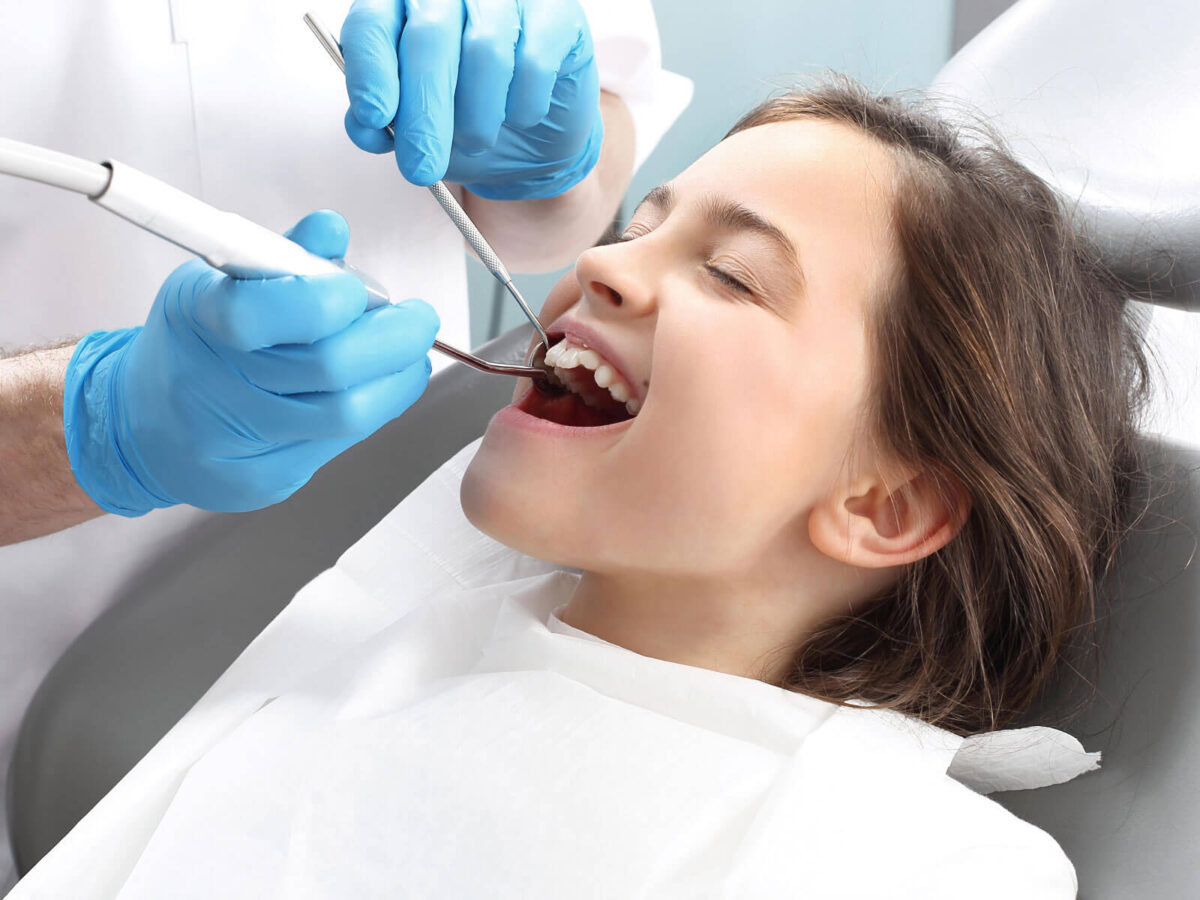
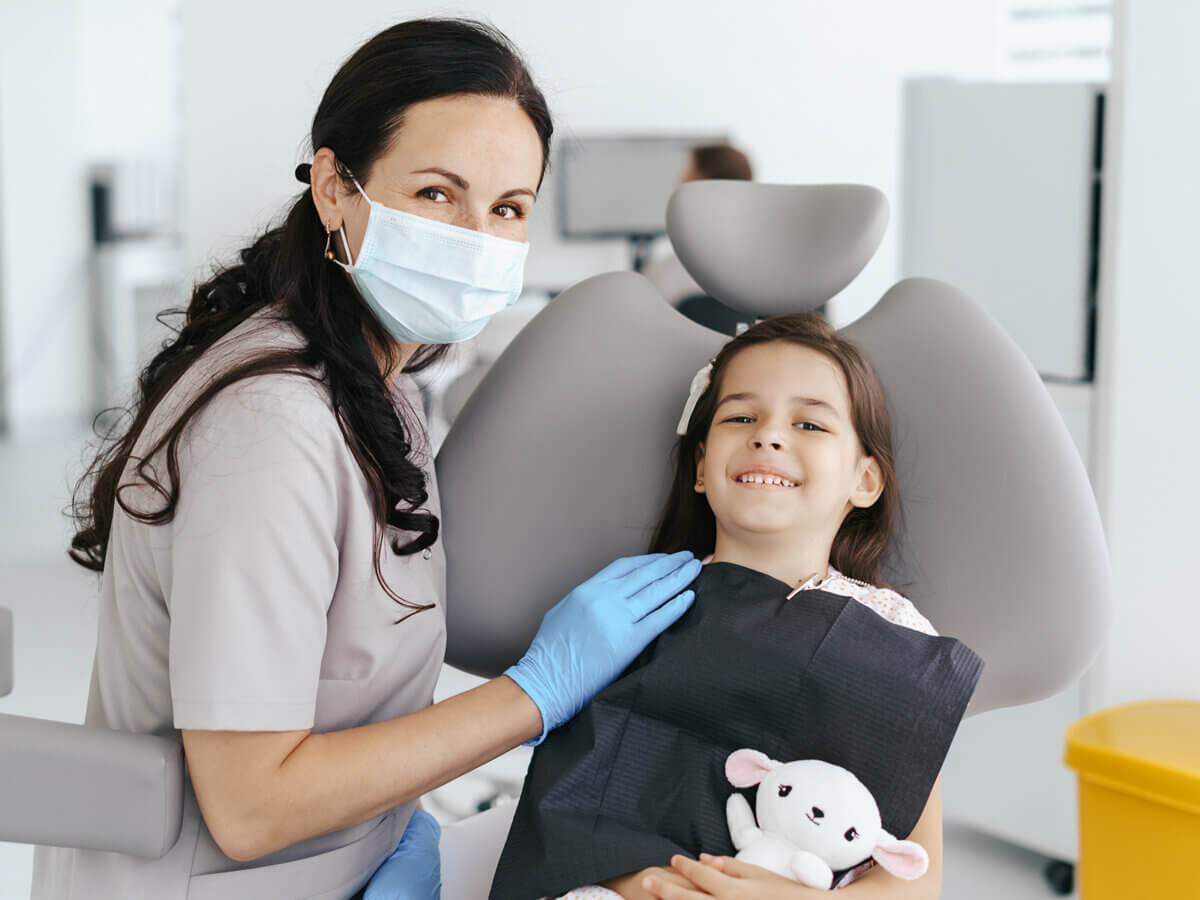
What Does a Pediatric Dentist Do and When Should Your Child See One?

At first, a pediatric dentist is not really on most parents’ minds. It comes up later, when the first tooth shows or brushing turns into a struggle. Early on, it is easy to assume any dentist can handle it. That thought tends to come up quite often.

But that assumption doesn’t really hold once you see how different kids can be in a dental chair. Some are curious. Some are nervous.

Some just refuse to open their mouth, no matter how gently you ask.
That’s usually where the idea of “what is a pediatric dentist” starts to make more sense. It’s not just about smaller teeth. It’s about how everything around those teeth is handled.

What Is A Pediatric Dentist? Why Is It Not The Same As A General Dentist

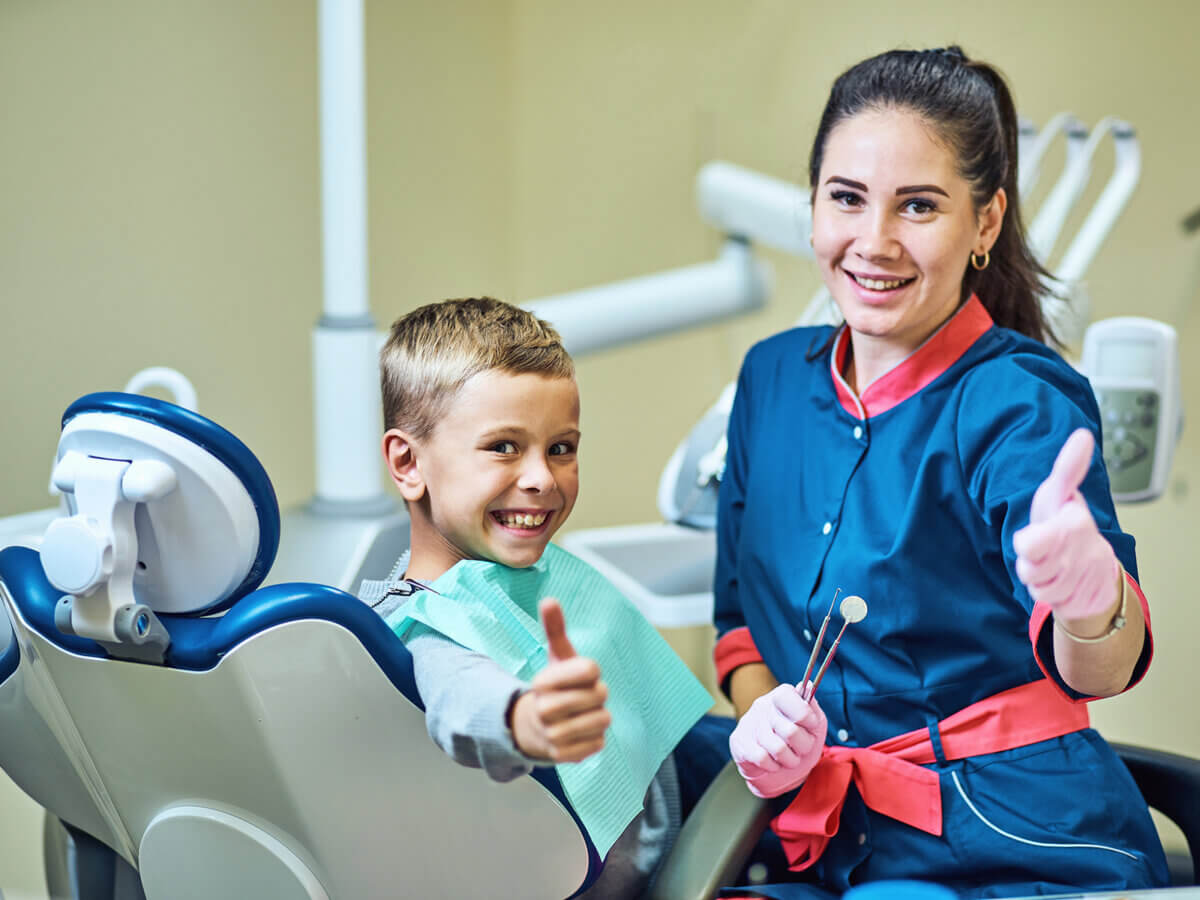
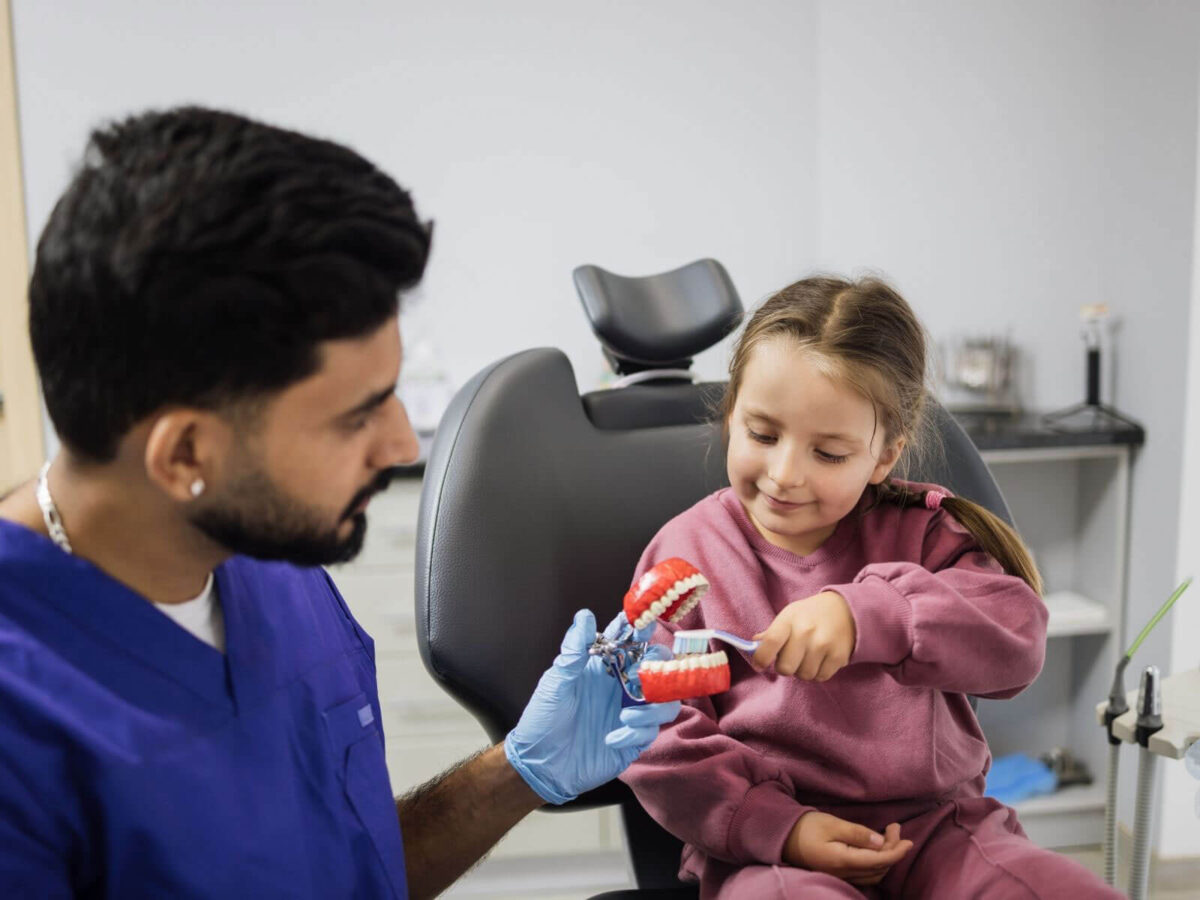
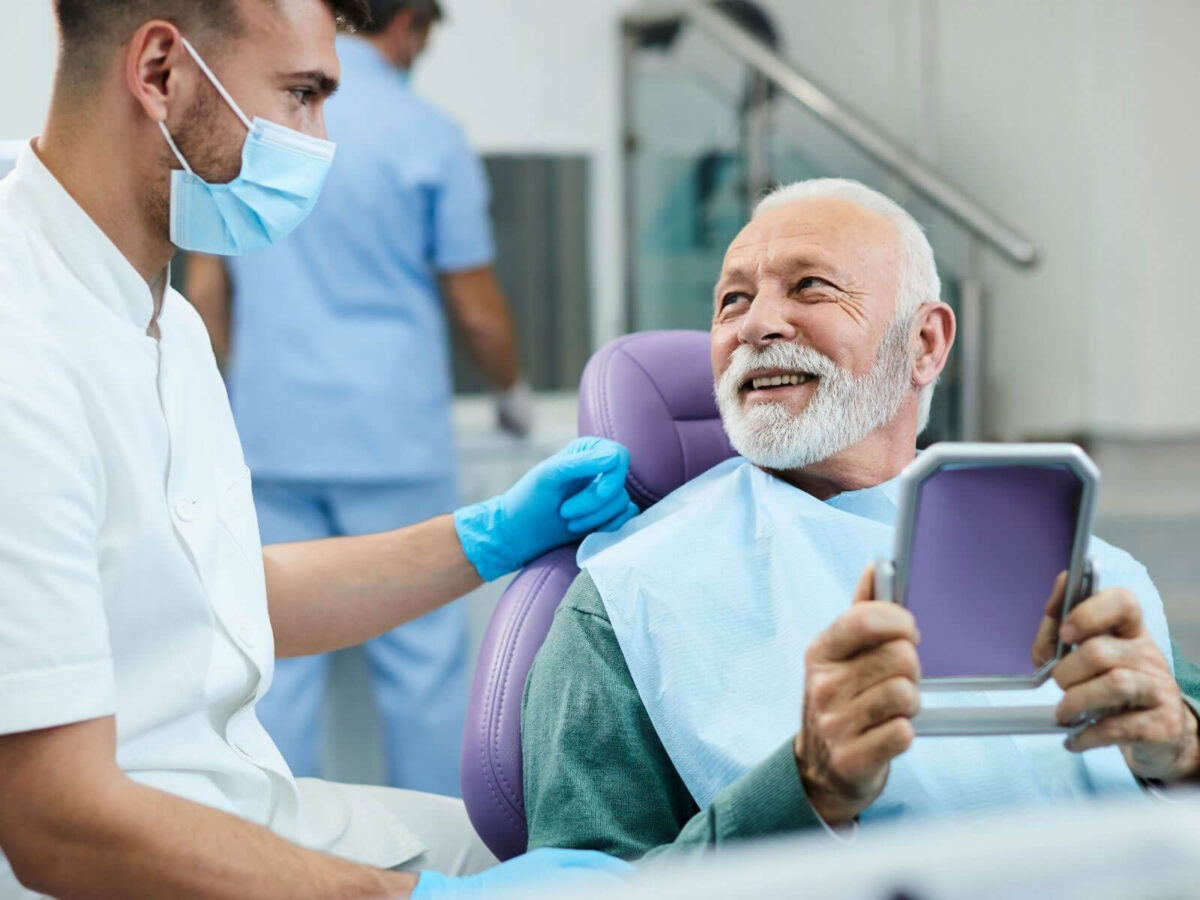
A pediatric dentist is trained to treat children, though the work is not limited to procedures alone. With kids, it can shift pretty quickly. They might be okay at first, then suddenly uneasy or distracted. So the approach is changed in a way that helps them stay comfortable during the visit.

Pediatric dentists usually do not force things. They adjust based on how the child responds. That can mean changing how they speak, explain things, or move through the visit. It is not always done the same way.

The American Academy of Pediatric Dentistry also points out that its role includes both oral development and behavior management.
That mix is really what explains what is a pediatric dentist. It is not only about treatment. It is also about how the child experiences the visit.

Why Pediatric Dental Care Starts Earlier Than You Think

It is common to think baby teeth do not need much attention. They fall out, so it may not feel urgent at first. But that idea does not always stand once you look at things a little more closely.

Baby teeth help show permanent teeth where to come in. They also support how the mouth develops over time. If something goes off early, it does not always stay contained. It can show up later in the form of alignment issues, and sometimes even affect speech.

The CDC has found that tooth decay is one of the more common issues seen in children. That alone says a lot. So it is not just about what is happening right now. Dentists also look at how those early years may affect things over time.

When That First Dental Visit Usually Happens

This is where parents often hesitate a little. It can feel too early. One tooth, maybe two. It does not always feel like enough for a dental visit. Still, most recommendations suggest going by the first birthday or when the first tooth shows up. Not because something is wrong. Just to get familiar with the process.

The first visit is usually simple. There’s not much treatment involved. It’s more of a check, a quick look, and some guidance for parents. It also helps make sure the child does not start linking dental visits with discomfort later on. That early step shapes how future visits feel.

What the First Visit Is Usually Like

It does not really feel like a regular appointment. The first visit is usually slower, a bit more open. The dentist may not start right away. They might just let the child get comfortable first. Sometimes things move quickly, sometimes they do not. It depends on the child in that moment. They still check the teeth, the gums, how everything is coming along, which is where what is a pediatric dentist starts to make more sense.

Much of the visit is actually a conversation with the parent. Brushing, feeding habits, thumb sucking, these things come up along the way. It is not really about doing much. It is more about understanding what is happening and what to keep in mind moving forward.

How Pediatric Dentists Work With Fear

This part is easy to overlook until you actually see it happen. Children don’t always explain what they’re feeling. They show it. Sometimes it’s hesitation. Sometimes it’s full resistance. Pediatric dentists are trained to read those moments. They don’t rush through them. They adjust.

They might slow down or change the tone. At times, they make it seem like a small game. Kids don’t even notice what is really going on. That’s actually how pediatric dental care works. It adapts instead of forcing the process.

What Kind Of Treatments Do Pediatric Dentists Provide

The treatments themselves aren’t completely different from general dentistry, but the way they’re delivered is. Cleanings, fluoride treatments, fillings… those are all part of it. But there’s also a focus on habits.

Things like extended bottle use or thumb sucking can affect how teeth come in. Pediatric dentists tend to step in early, before these turn into larger issues.

They also keep an eye on how teeth are coming in. If something looks slightly off, they guide parents on what to watch for rather than jumping straight into treatment. It’s more of a gradual approach.

How Often Should Children Visit A Pediatric Dentist

Most children are usually brought in every six months. That is what many parents hear first. Still, it is not something that stays the same for everyone. Some children may need to come in a bit more often. It really depends on how things are going with their teeth. If cavities start showing up more easily or there are early gum concerns, visits may be planned sooner.

The CDC reports on children’s oral health show that about half of children aged 6 to 9 have had cavities at some point. That alone gives some context. Regular checkups are not just routine. They help catch small issues early.

So even though the timing sounds routine, it is not completely fixed. Dentists adjust it depending on what they see over time and how the child’s oral health is changing.

What Signs Mean Your Child Should Visit Sooner

Sometimes the signs are obvious. Pain, swelling, visible damage. But often, they’re quieter. A child is avoiding certain foods.

Complaining about sensitivity without explaining it clearly. Even changes in how they chew. It may not feel urgent, though it usually means something has shifted a bit. And catching that early tends to make things simpler.

How Pediatric Dental Care Shapes Long-Term Habits

This part doesn’t show up immediately. But it builds over time. Children who feel comfortable at the dentist tend to carry that into adulthood. They don’t avoid visits. They don’t wait until something hurts. They also pick up small habits early. Brushing properly.

Paying attention to what feels different. So understanding “what is a pediatric dentist” isn’t just about early care. It quietly connects to long-term behavior.

FAQs

1. Pediatric dentist- What is it exactly?

It usually means a dentist who works specifically with children. The care is not just about teeth. It also involves how the visit is handled, since children respond differently from adults.

2. When should a child first visit?

It is often suggested around the first birthday or when the first tooth appears. It is more about getting familiar than fixing anything.

3. How often are visits needed?

For many children, every six months works well. Still, it can change depending on how their teeth are doing.

4. Do baby teeth really need treatment?

They do. Even though they fall out, they still affect how things develop later.

Conclusion

Understanding “what is a pediatric dentist” becomes clearer when you see how different children’s dental needs actually are.
It’s not just smaller teeth or simpler care. It’s a different way of approaching the entire experience.

If you have been considering it, you could start with a simple visit. Nothing too involved. Just getting your child used to the space can help more than expected. Over time, that first step can make future visits feel less scary for your kid.
Categories
Dental care

Same-Day Tooth Extraction And Implant: What Patients Need To Know

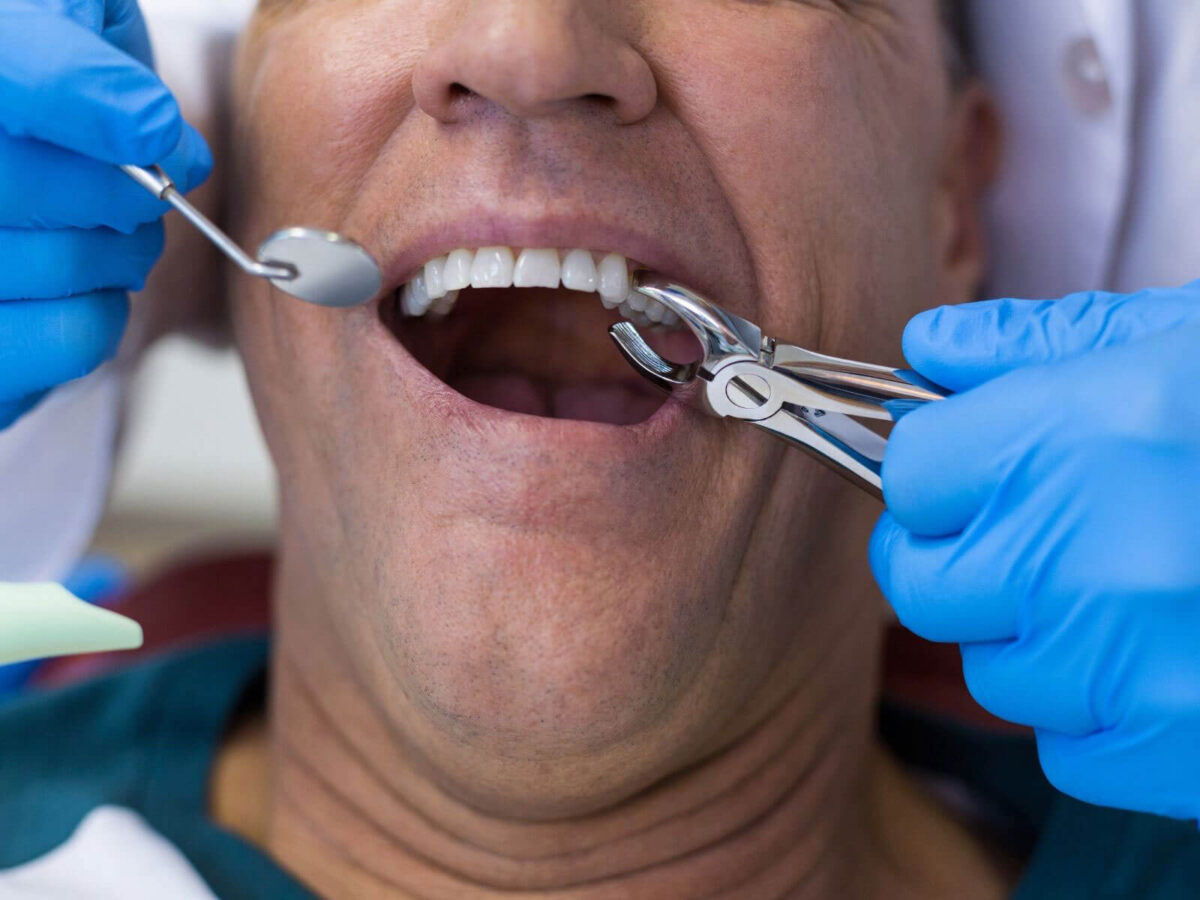
Losing a tooth is never something people plan for. It usually comes up suddenly. Pain, damage, or something that just can’t be fixed anymore. And then comes the next question, almost immediately. What now?

For a long time, replacing a tooth meant waiting. Extraction first, then healing, then an implant months later. That gap in between… it wasn’t always easy to deal with.

That’s why the idea of same-day tooth extraction and implant has started getting attention. Everything happens in one visit. It sounds quick. Maybe even too quick. But there’s more to it than just saving time.

What Is Same Day Tooth Extraction And Implant

It sounds pretty simple at first. The tooth comes out, the implant goes in, all in the same visit. There is no gap in between or an extra procedure later. Even so, it is not just a simple switch. There are a few things that make it more involved than expected.

Before anything moves forward, the dentist looks at a few things carefully. The bone has to be strong enough to hold the implant. Any infection needs to be under control. Stability matters too, especially right after placement. These factors cannot be ignored.

When everything lines up, the procedure can go ahead in one sitting. That is what people usually mean by implant, same-day as extraction. It is immediate placement, but only when the situation allows it and the conditions are right.

Why Do Patients Consider Same-Day Extraction And Implant

Most people think about the time first. Waiting months between removal and implant placement can feel longer than it sounds. It becomes more obvious when the missing tooth shows while talking or smiling. Day to day, it is not always easy to deal with.

Then there is the convenience side. Fewer appointments can make the whole process feel easier to manage. Having fewer procedures to deal with usually keeps things simpler.

There is also some concern about bone changes after a tooth is removed. Placing an implant right away may help reduce that to some extent. It does not prevent it completely, but it can help in certain situations.

Because of that, many people end up looking into same-day extraction and implant to skip that long waiting period.

When Is Same-Day Tooth Extraction And Implant Possible

This is where things slow down a bit. Not every case works for this. The bone needs enough strength to keep the implant stable. If it’s too thin or weakened, placing an implant immediately may not be stable. According to the National Institute of Dental and Craniofacial Research, bone health plays a major role in how well dental implants integrate over time.

Infection is another factor. If there is an infection around the tooth, dentists tend to take care of that first. The implant usually comes later.

Gum condition also matters. Healthy gums support better healing, which is important for implant success.

It might sound simple when you hear implant same day as extraction, but it really comes down to what is happening beneath the surface.

What Happens During The Procedure

Even though it happens in one visit, the process still moves in steps. It does not all feel like one single action. First, the tooth is removed carefully. Dentists try to save as much of the bone as they can at this stage.

Now, it’s time for the implant. It is placed right in the spot the tooth used to be. This part needs attention because the implant has to stay stable right from the start. If it is not secure enough, things can change later.

Sometimes, a temporary crown is added on the same day. Other times, it is just left for a while so it can heal before anything is placed. It depends on how things are looking then. The idea is to allow stability to develop without putting too much pressure on the implant too early.

Does Same-Day Extraction And Implant Hurt More

People wonder about this. There is no pain during the procedure since local anesthesia is used. After it is over, though, some discomfort can show up. It is usually along the lines of a regular extraction.

Some patients feel that doing both steps together does not make recovery more difficult. It becomes one healing period instead of two separate ones.

Even then, recovery can vary. It depends on how complex the extraction was and how your body reacts during the healing process over time after the procedure is done.

What Are The Benefits of Same-Day Tooth Extraction And Implant

There are a few clear advantages, which is why this option exists in the first place. It reduces the number of surgical visits. Instead of spacing things out over months, much of the process is handled in one go. It can also help maintain the natural shape of the gums and bone, especially when done carefully.

Then there’s the psychological side of it. Not having a visible gap, even temporarily, can make a difference in how people feel day to day. That’s often why patients ask about same-day extraction and implant early in the conversation.

What Are The Risks

It sounds simple enough at first. But it is not always like that. If the implant is not stable early on, things do not always heal the way you expect. That can create problems later and sometimes means more treatment.

There is also more thought involved than it might look from the outside. Dentists usually take their time to check things before deciding.

The American Academy of Implant Dentistry has pointed out that choosing the right case matters a lot. Because of that, same-day tooth extraction and implant is not something done casually. It depends on whether everything lines up properly.

How Healing Time Usually Works

The implant can be placed in the same visit, but healing does not speed up. The bone still needs time to bond with it, often a few months. That part is called osseointegration. During this phase, the implant becomes stable enough to hold a crown. So the procedure may feel quick, but recovery does not really work that way.

What Dentists Check Before Moving Ahead

It usually depends on a few things together. Bone strength matters, gum condition too, and overall oral health also comes into play. Dentists may also look at scans to get a clearer idea before deciding.
Your general health matters too. Conditions that affect healing can influence whether immediate placement is recommended. So the decision isn’t rushed, even if the procedure itself happens quickly.

FAQs

1. Can an implant, same-day as extraction, work for everyone?

No, it depends. Bone health matters, infection matters, and overall oral condition play a role too.

2. Is same-day extraction and implant safe?

Yes, when done in the right conditions with proper planning.

3. How long does recovery take?

Initial healing takes a few days. Full integration, however, can take several months.

4. Will I get a tooth the same day?

In some cases, a temporary crown is placed, but it depends on stability.

Conclusion

Same-day tooth extraction and implant is often talked about as a quicker option. That part is true to an extent. Still, speed is not the main point here. It comes down to whether things are suitable for it to work the way it should.

What matters more is whether the situation actually supports it. Things like bone condition, healing ability, and overall oral health all come into play. When those line up, it can work well. If not, a slower approach usually makes more sense in the long run.

Call To Action

Thinking about this option? It helps to talk it through with your dentist. A proper check can give you a clearer idea of whether it actually suits your situation. You can also get to know what to expect moving forward.

Categories
Dental care

How Many Times a Year Should You See the Dentist?

For a lot of people, the idea of seeing the dentist twice a year just sticks over time. It just becomes something people follow. Not much thought goes into it. But if you really think about it, it doesn’t always line up with real life. Some people follow that exactly. Others don’t go for a year or more and still feel fine, at least on the surface.

That’s where the confusion starts. Because the answer to “how often should you go to the dentist” isn’t as fixed as it sounds. It shifts, sometimes quietly, depending on things most people don’t really think about day to day.

What Does How Often Should You Go To The Dentist Actually Depend On

The twice-a-year idea didn’t come out of nowhere. It works well for a large number of people, especially those with generally stable oral health. When visits are regular, dentists can pick up on small issues early. A cavity at the start is not difficult to manage. Give it time, and it can turn into something that needs much more attention. But even then, dentists don’t treat this as a strict rule anymore.
The American Dental Association says that dental visits should be based on a person’s own risk factors. Not a universal schedule. So when people ask “how often should you see the dentist”, the honest answer is that it depends more on your situation than on a fixed number.

Why Some People Need More Frequent Dental Visits

There are cases where twice a year simply isn’t enough, even if it sounds reasonable. If someone has dealt with cavities before, dentists tend to keep a closer watch. It is not always because something is wrong. It is just that these patterns have a way of coming back.

Gum health is another factor that changes things. In the early stages, gum disease doesn’t always feel like anything. That’s why it gets ignored. By the time you actually notice it, it usually needs more care than expected.

Centers for Disease Control and Prevention says nearly 1 in 2 adults over 30 are impacted. This often includes some form of gum disease. With that in mind, it is easier to see why “how often should you go to the dentist” depends on individual needs.

What Happens When Dental Checkups Are Put Off

Skipping one appointment does not feel serious in the moment. Nothing hurts, nothing seems urgent. So it quietly gets pushed aside. This often happens without people even noticing how easily it started.

But your mouth does not stop changing just because you are not noticing it. Plaque keeps forming, layer by layer. Over time, it hardens into tartar that brushing alone cannot remove anymore. Small cavities do not stay the same either. They slowly get deeper, often without any clear warning early on.

Gums can react in their own way. Maybe a little bleeding while brushing, nothing alarming at first, yet it builds. By the time something feels clearly wrong, treatment is usually more involved. That is when people start thinking about how often they should see the dentist.

How Dentists Decide Your Visit Frequency

It can seem like a usual recommendation at first. Still, it is not random. It is not something dentists decide quickly. They usually look at patterns over time and past issues. They check gum health and how quickly plaque seems to build up. That is what guides the decision.

Daily habits quietly shape things too. How you brush matters. Flossing, even if it is not daily, matters too. And then there is what you eat during the day. It all builds up slowly, even if it does not feel like it at first.

They also watch how your mouth responds over time. Some people stay fine with fewer visits, others need a bit more consistency. That is how “how often should you go to the dentist” usually gets decided.

Is Twice A Year Enough For Everyone

For many, this approach works without much trouble. It keeps things under control and prevents most problems from growing. Even so, it does not suit every case. Braces can make cleaning more difficult than expected. Food and plaque tend to stay trapped, which increases the need for professional cleaning.

Your health matters here as well. Diabetes can increase the risk of gum issues. So it often needs extra attention. That is one reason the twice-a-year routine does not fit everyone the same way.
That is why “how often should you see the dentist” often depends more on the individual than on general advice alone.

What Role Does Age Play In Dental Visits

Age plays a role, but it is not everything. With children, visits are usually more regular. It is mostly to see how teeth are coming in. Dealing with cavities or alignment issues also becomes easier to deal with.

For adults, it is less about change and more about keeping things stable. Preventing decay matters, so does wear, and gum care becomes part of the routine. As people get older, care shifts again. Crowns or dentures need checking, and gums may need closer attention.

So age plays a part, but it works with other factors instead of deciding everything by itself over time.

What Research Points to About Dental Checkups

Preventive care keeps being emphasized for a reason, even though visit schedules are not as rigid as they once were. It still plays a central role.

The National Institute of Dental and Craniofacial Research connects regular visits with a lower risk of decay and gum disease. It is not based on one finding alone. It comes up across different research over time.

At the same time, studies from the National Library of Medicine show that early detection often makes treatment easier and more effective.

There is no exact number suggested, but it does support why how often you should go to the dentist is important for maintaining long-term oral health.

Can You Be Going to the Dentist More Than You Need

It is not something people ask often, though it does come up once in a while. Going more often is usually fine. It just may not be needed unless there is something specific behind it. Dentists tend to suggest visits based on what is actually required, not just to add more appointments without a reason.

How To Know If You Should Go Sooner

Sometimes the signs are small at first. Bleeding gums or a bit of sensitivity can show up before anything serious. Pain is usually not the first thing you notice.

That is why waiting for discomfort does not always work well. If something feels a little different and it does not go away, it is probably worth checking.

For a lot of people, that becomes a more practical way to think about “how often should you see the dentist” instead of relying only on a fixed schedule.

FAQs

1. How often do dental visits actually make sense?

Twice a year works fine for most people. It is a general starting point.

2. What changes when gum disease is involved?

Things usually shift a bit. Visits tend to be closer together, so it does not get worse over time.

3. If nothing hurts, can visits be skipped?

It might feel like you can, but problems do not always show pain early. Some take time before they are noticeable.

4. What about children? Do they need to come in more often?

Usually, yes. Things are easier to follow that way. Small issues do not go unnoticed for too long.

Conclusion

Twice a year gets mentioned a lot. It is a decent place to start, but it is not fixed. Not for everyone. “How often should you go to the dentist?” is not really one answer. It shifts a bit. Depends on your habits, what you have dealt with before, and how things have been going recently.

Not sure what your routine should be? You can just ask next time you are at the dentist. Nothing complicated. A simple question, and you usually get a clearer idea of what works for you.

Categories
Dental care

Teeth Straightening Treatment Cost: What to Expect

What Teeth Straightening Cost Really Means

Whenever the thought of getting teeth straightened arises, what comes to the minds of people is the cost. It may seem that the answer is simple. A number. A fixed range. In reality, the “teeth straightening cost” depends on several moving parts.

The treatment is not just about aligning teeth. There is planning, then adjustments, then follow-ups, and retention after that. It all adds up in the end. That is why the cost can vary from one person to another.
Some patients need minor corrections. Others require longer treatment. The difference in complexity often explains why the teeth straightening price is not the same for everyone.

Why the Cost Can Change from Person to Person

Every smile is a little different. That is really the starting point. Some people have mild spacing issues. Others deal with crowding or bite problems. The more complex the case, the more time and adjustments are required. This naturally increases the teeth straightening cost.

Age can also influence treatment planning. Teeth can be straightened at any age, though adults usually have a few different needs than younger patients. This sometimes affects the cost of teeth straightening for adults.

The variation is not random. It reflects how much work is needed to achieve a stable result.

What Types Of Treatments Affect The Price

Different treatment options come with different costs. Traditional braces are one of the more common choices and are known to work well.

Clear aligners are another option. They are less noticeable, so many adults tend to prefer them. Because they are custom-made, they can affect the teeth straightening price as well.

Lingual braces are used in some cases too. They sit behind the teeth. That kind of work is more specialised, so it can influence the cost further.

Every option has its own benefits. The choice is usually based on what is needed and what the person prefers.

How Time Affects the Overall Cost

Time tends to matter more than people expect. Shorter treatments usually cost less, but not always in a straightforward way. Once treatment starts stretching over months, things begin to add up.

A case that takes six months is quite different from one that stretches closer to a couple of years. There tend to be more visits, more adjustments, and more attention along the way. It is not just about time passing. It is about what happens during that time.

That is usually why the teeth straightening cost ends up reflecting how long the treatment takes. More time often means more involvement.

It is something people do not always think about at the start. Teeth do not move quickly. The changes happen slowly, and that steady progress needs regular care and monitoring.

Why Diagnostic And Planning Costs Matter

Before treatment even begins, there is a planning phase. This includes consultations, imaging, and sometimes digital scans. Dentists or orthodontists study these details carefully. They map out how the teeth will move over time.

This preparation is essential. It ensures that the treatment is safe and effective. It also contributes to the teeth straightening price. Without proper planning, results may not be stable. That is why this stage is important, even if it is not always visible to patients.

How Location And Clinic Setup Influence Pricing

The location of the clinic can affect the cost more than people expect. Clinics in urban areas often deal with higher expenses, and that can carry over into treatment fees. It is not always clear right away, but it is there.

The orthodontist’s experience also plays a part. More experienced professionals may charge differently, not just because of time, but because of how they handle treatment overall.

Some clinics use more advanced tools. They help track progress and plan things better. That can make things more precise over time. That can make the process more precise. That kind of detail can influence the “teeth straightening for adults cost” depending on the case.

What Maintenance And Follow-Ups Add To Cost

It does not really end when the braces or aligners come off. There is still a phase after that, and it matters more than people expect.
Retainers are used to keep teeth in place once they have been moved. Without them, there is always a chance things can slowly shift back. It does not usually happen all at once, but it can show up later if it is ignored.

There are some follow-up visits too. Nothing major, just to check things are staying in place. These can add to the teeth straightening cost, but they are part of keeping everything steady.
If retention is skipped, the chances of teeth moving back go up. And that can mean going through treatment again later.

How Payment Plans And Insurance Help Manage Costs

Many patients feel concerned when they first hear the cost. That is understandable. It is not a small expense, and it takes some thought. Insurance may cover part of the teeth straightening price, especially for younger patients. But it varies, so it is better to check the details early.

Payment plans are also common. Clinics often allow the cost to be spread out. That makes things a bit easier to manage. It usually helps to talk about these choices early. It reduces some of the stress and makes planning more comfortable.

Why Long-Term Value Matters More Than Initial Cost

Looking only at the initial cost can be a bit misleading. It is not just about the start with teeth straightening. The real value shows up over time. Aligned teeth are easier to clean. That usually helps lower the risk of cavities and gum issues. Bite problems can improve too. Things like chewing just feel better.

So it is not only about how things look. It also affects how the teeth work day to day. That is where the teeth straightening cost starts to feel different. More like something long-term, not just an expense.

What Patients Should Ask Before Starting Treatment

Before starting treatment, just go ahead and ask some questions. What is included in the cost? How long might it take? What kind of braces or aligners would be used? Understanding the breakdown of the teeth straightening price makes the process easier. It also builds trust between the patient and the provider.

Patients can also ask about alternative options. Sometimes more than one treatment plan is available. Clear communication makes a difference. It removes uncertainty and helps set realistic expectations.

FAQs

How much does teeth straightening usually cost?

It is not a set number. It depends on the case and the treatment and also how long it goes on.

Why does the cost differ for different people?

Because every case is different. Some need small changes; others need more work. The clinic and method also play a part.

Is it more costly for adults?

Sometimes, yes. Adults may go for less visible options, and that can change the cost a bit.

Will insurance cover any of it?

It can, but not always. Some plans include it, some do not. It is better to check first.

Can you pay it over time?

In many cases, yes. Clinics often allow payments to be spread out. That makes it easier to manage for most people overall.

Conclusion

Teeth straightening is not a one-size thing. It takes time, and things move slowly. There is quite a bit of planning behind it as well.

Knowing what affects the cost can help patients feel more prepared. It also makes the process feel a little more manageable overall.

If you are thinking about orthodontic treatment, just ask about it. Even “teeth straightening for adults cost” comes up in that conversation. It helps things feel clearer and makes it easier to understand what to expect moving forward.

Categories
Dental care

Types of Dental Crowns: Materials, Benefits, and Procedure

A tooth does not always break suddenly. More often, it weakens slowly. A filling gets larger over time. A crack appears. Maybe a piece chips away while eating something hard. With time, the tooth reaches a point where a simple repair is not enough.

That is usually when dentists bring up crowns. Patients often pause when they hear the word and ask the same thing. What is a dental crown?

The idea is actually straightforward. A crown is a custom cover that sits over a tooth. It protects the remaining structure underneath while restoring the shape of the tooth.

Dentists rely on crowns quite often because they help preserve natural teeth. The National Institute of Dental and Craniofacial Research shares information about this. According to the research, crowns are one of the treatments used when a tooth needs added strength.

Understanding What a Dental Crown Is

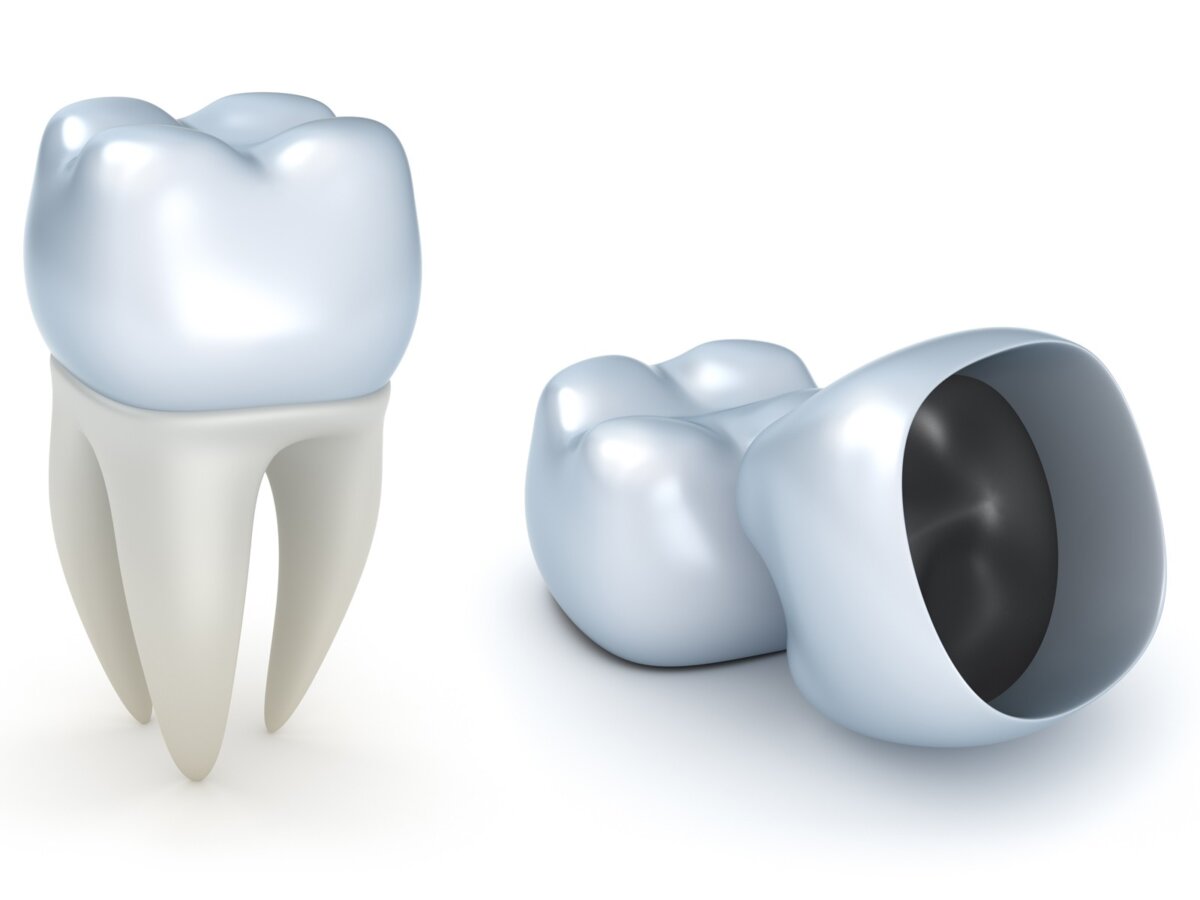
The easiest way to picture “what a dental crown is” is to imagine a cap placed over a tooth. Once it is attached, the crown becomes the new outer surface.

The crown surrounds the visible part of the tooth above the gums. From the outside, most people cannot tell the difference.
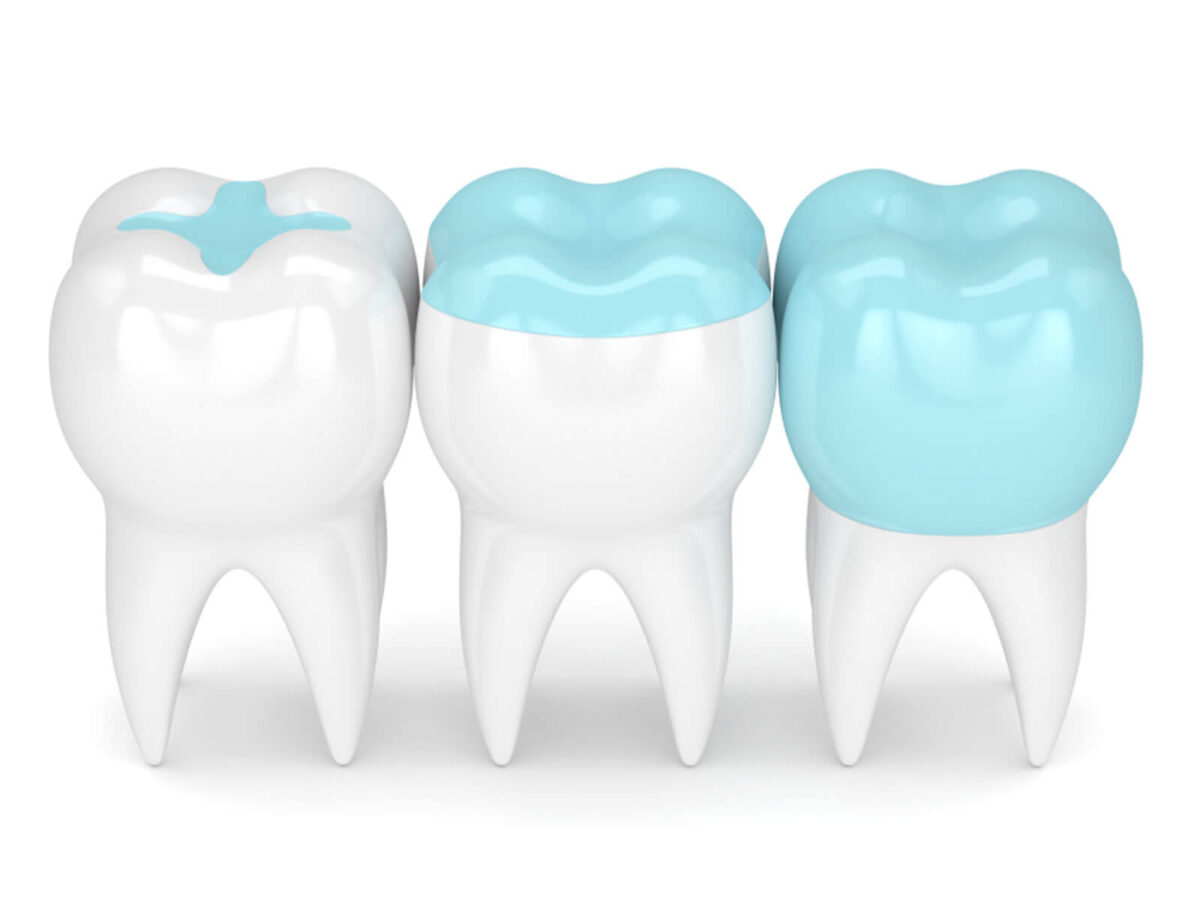
A filling is not always enough when a tooth has lost too much structure. In that case, dentists may place a crown for tooth restoration to protect the entire tooth.

When Dentists Suggest a Crown

Crowns are often suggested when a tooth has lost too much structure. Large cavities can remove a lot of enamel, leaving the tooth more likely to break. They are also common after root canal treatment. Without the nerve, the tooth may become weaker over time.

A crown for tooth protection covers the tooth and helps keep it stable again. According to the American Dental Association, crowns are widely used in dental treatment. They help restore teeth affected by decay or large fillings.

What Dental Crowns Are Made Of

Crowns can be made from different materials. Dentists choose based on the tooth’s location and the amount of chewing pressure. Porcelain is a common choice for front teeth because it matches the color of natural enamel.

Metal crowns have also been used for many years. They are very strong and tend to hold up well in areas where chewing pressure is heavier.

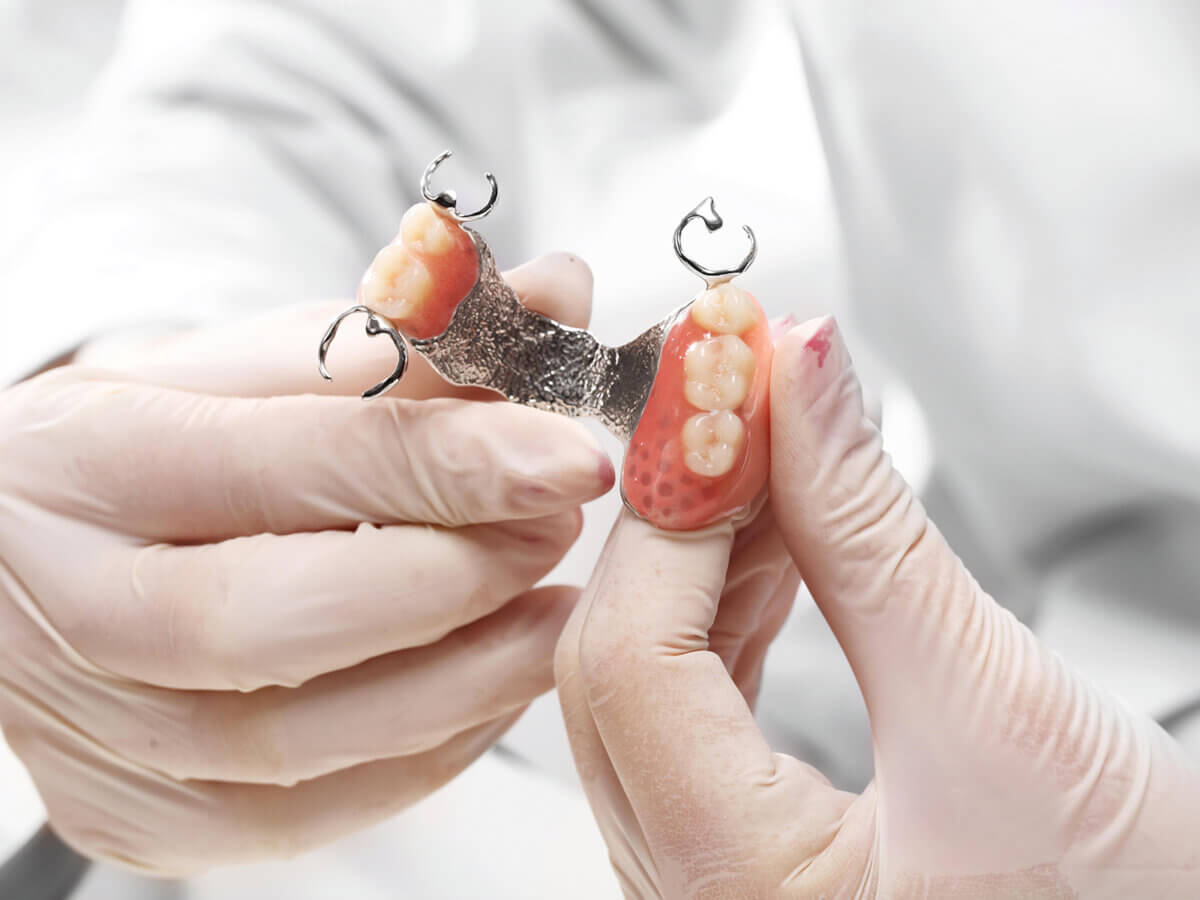
In some cases, materials are combined. One type combines porcelain with a metal base. It includes a metal structure underneath with porcelain on the outside. This allows the crown to stay strong while still looking natural. No matter the material, the purpose is the same. A crown for tooth restoration helps protect the tooth and restore its normal function.

Why Crowns Protect Weak Teeth

Teeth that have lost too much structure can break unexpectedly. Even normal chewing can place pressure on thin enamel.

A crown acts as reinforcement. It holds the remaining tooth structure together and distributes pressure more evenly across the surface.
Understanding “what is a dental crown” also means understanding its preventive role. Instead of waiting for the tooth to fracture further, the crown stabilizes it early.

Research published through the National Library of Medicine has shown that crowns significantly increase the survival rate of restored teeth.

What Happens During the Dental Crown Procedure

The dental crown procedure usually isn’t finished in a single visit. Dentists normally divide it into two appointments. The main reason is simple. The crown cannot be placed right away. It has to be made so it fits the tooth properly. That process usually takes a little time.

At the start, attention goes to the tooth itself. Nothing major has happened yet. A small amount of enamel is adjusted. Just enough to prepare it for the crown. This allows the crown to have enough space later. It is not a big change, but it helps the crown sit properly once it is placed.

Once that step is done, impressions are taken. The molds help record the tooth and the patient’s bite. From there, they are sent to a lab so the permanent crown can be prepared.

While the lab prepares the final crown, the dentist places a temporary one. It protects the tooth for the time being. At the next visit, that temporary crown comes off, and the permanent one is placed and bonded. At that point, the dental crown procedure is complete.

Getting Used to a Dental Crown

Right after the crown is placed, people usually notice it. That is expected. The tooth can feel a little different at first, especially when chewing food or closing the bite.

This stage usually does not last long. Once the mouth gets used to the crown, the tooth starts to feel normal again. After a while, most people forget it is even there.

A bit of sensitivity can also happen early on. Hot or cold foods might feel a little stronger than usual at first. It does not last long, though. As the tooth settles in and the mouth adjusts, that sensation usually fades on its own.

How Many Years a Dental Crown Can Last

A crown is meant to hold up over time. After it is placed, everyday activities usually feel normal again. Eating feels the same. Talking too. After a while, the crown usually stops feeling like something new.
Dentists usually say crowns last around ten to fifteen years. That is the number patients hear most often. Still, it can vary. Some crowns stay in good condition much longer, depending on the person.
Keeping a crown in good condition usually comes down to regular oral care. Brushing helps keep the tooth clean. Flossing helps too. It clears out the small spaces a toothbrush usually misses. Plaque tends to sit there if it is ignored. Dentists also take a quick look at the crown during regular checkups. Just to make sure everything still looks fine. With steady care like this, a crown for tooth restoration can protect the tooth for many years.

FAQs

What is a crown used for?
It is used to protect the teeth. It is also used to strengthen a damaged tooth.
Is the process painful?
Not usually. Dentists numb the tooth before starting.
For how many years can a crown stay?
Many last 10–15 years. It depends on the daily care.
Do crowns look like real teeth?
Yes. Many are designed to match the color of nearby teeth.

Conclusion

During a routine dental visit, patients sometimes hear the question what is a dental crown. The topic usually comes up when a tooth has become too weak. But instead of removing the tooth, dentists search for ways to save it.

There are a few materials dentists may use for crowns. It often depends on the location of the tooth. Back teeth need durability, while front teeth are chosen for a more natural look. To start the dental crown procedure, the tooth is carefully prepared. After that, they place a restoration designed specifically for that space.

At first, people may notice the crown a little. That is normal. After a little while, it usually feels normal again. After some time, people usually stop noticing the crown. It simply feels like part of the tooth. With regular cleaning and dental visits, a crown may keep protecting the tooth for years.

Sometimes a tooth starts feeling weak or worn down. People often think extraction will be the next step. Before making a final decision, the dentist will usually study the tooth carefully. They want to see how much healthy structure is still there. If the tooth can still be supported, a covering may be placed on top to protect it. It helps the tooth deal with the pressure of daily biting. In many cases, that small step helps the tooth last much longer.

Categories
Dental care

Does Dental Cleaning Damage Enamel?

Why This Question Comes Up So Often

The question does dental cleaning damage enamel usually doesn’t come up randomly. It tends to surface later, often after someone notices slight sensitivity once they’re back home. The teeth feel smoother than before. A sip of cold water feels sharper. That small shift is enough to create doubt.

Enamel is something people are told to protect at all costs. It doesn’t grow back. Once it wears down, it stays that way. So when tools scrape against the tooth surface, it’s understandable to wonder what’s actually being removed.

The sound of scaling makes it more confusing. It doesn’t sound gentle. The scraping noise feels stronger than what’s truly happening. Even without pain, the experience can seem aggressive.
This is where the worry often turns specific, leading to the question does professional teeth cleaning damage enamel, or, on a broader level, does teeth cleaning damage enamel over time? The fear usually isn’t about that moment in the chair. It’s about long-term effects.

What Is Actually Being Removed During Cleaning

During a cleaning, they’re not scraping away your actual tooth. They’re really just removing buildup that’s been there for some time. Plaque shows up daily. It doesn’t matter if someone brushes well. Some of it still lingers. It starts off harmless. You wouldn’t even notice it.

But leave it sitting there, and over time it stiffens into something that won’t budge easily. That’s tartar. And once it gets to that stage, your toothbrush isn’t winning that fight. It locks itself along the gum line and just stays there. Since it builds up bit by bit, most people don’t even realize how different their teeth have started to feel.

So when that layer is finally removed, the difference can feel dramatic. The surface underneath feels smoother than expected. Almost slippery. Sometimes a little sensitive to air or cold drinks. It’s not that enamel has been shaved down. It’s that something that had been sitting on top of it is suddenly gone. That shift can trick your mind into thinking something was lost, when really what changed is that the natural surface is exposed again after being covered for so long.

But enamel is significantly harder than plaque or tartar. According to the National Institute of Dental and Craniofacial Research, enamel is the most mineralized tissue in the body. [Source] Professional tools are designed to remove deposits that sit on top of the tooth — not the tooth itself.

Why Sensitivity Afterwards Feels Concerning

People often ask, “Does professional teeth cleaning damage enamel?” because of what they notice afterwards. The appointment may have gone smoothly, but later on, their teeth feel a little more reactive. A sip of something cold lingers longer than usual. That small shift can create doubt.

When hardened buildup is removed, areas that were covered for a long time are exposed again. After tartar is taken off near the gums, the teeth don’t always feel the same right away. If there was any swelling before, it may ease, and that can uncover a small area that wasn’t as exposed earlier. That shift can make sensitivity more noticeable for a short time.

It usually doesn’t last long. Things calm down on their own, and what you’re feeling is often just the difference between having built up there and suddenly not having it anymore. As the tissues stabilize, the sensitivity typically becomes less noticeable.

Where Enamel Wear Actually Comes From

Enamel usually doesn’t thin out because of one single reason. It’s more about what keeps happening day after day without much thought. Drinking acidic beverages regularly, grinding at night without realizing it, or brushing a little too firmly can slowly wear away at the surface. You don’t notice it right away. It’s something that develops over time, quietly.

A cleaning at the dentist isn’t something that happens every week. It’s spaced out, usually just a few times a year, and the goal is simply to clear away tartar that brushing can’t remove at home. What really shapes enamel over time are the daily habits in between appointments. Those happen constantly. The Centers for Disease Control and Prevention recognizes regular dental checkups as part of ongoing oral health maintenance. The idea behind those visits is to keep small issues from turning into bigger ones, not to create new damage.

Why Skipping Cleanings Can Be Riskier

Some people feel that skipping cleanings might somehow protect their enamel. If the scraping sounds harsh, it can make fewer visits seem safer. That’s often when the thought Does teeth cleaning damage enamel starts to take hold. Plaque doesn’t just sit there. It can create acids while it lingers, and that continues until it’s removed. Once it hardens into tartar, bacteria tend to stay close to the gum line.

If it isn’t removed, the teeth just keep sitting in that same acidic setting. After a while, that can have more impact than the cleaning people worry about. It becomes less about the tools used during an appointment and more about what happens when bacteria are left alone for months.

Why the Sound Feels Worse Than the Reality

It’s worth acknowledging something simple. The sound of scaling feels harsher than the actual contact on the tooth. Metal against hardened tartar creates noise. That noise can feel aggressive, even though the pressure is controlled.

Many patients assume that if it sounds forceful, it must be removing tooth structure. In reality, enamel is far harder than the deposits being removed. Perception doesn’t always match physical effect. That mismatch fuels the concern behind the question.

What Dentists Watch For During Cleaning

Before they begin, hygienists usually take a quick look at how the teeth are holding up. If there are signs of grinding or acid wear, they simply work a bit more carefully in those areas. It isn’t about using pressure. It’s about clearing buildup without stressing the surface, even if someone walks in wondering, “Does professional teeth cleaning damage enamel?”

When enamel wear is obvious, the focus isn’t on scraping harder. It’s more about protecting what’s left, whether that means fluoride or dealing with grinding at night. A cleaning appointment ends up being more than just a cleanup. It’s also a checkpoint to see how things are holding up.

When Concern Is Reasonable

If things still feel sensitive a week later, or sharper than you’re used to, mention it when you go back in. That kind of feeling doesn’t automatically mean enamel was damaged. Sometimes it’s related to gum recession that exposes dentin, or erosion that was already there. Having that conversation can clear up a lot of doubt.

The question “Does dental cleaning damage enamel?” tends to feel less dramatic once you look at your own situation. Your own dental history usually tells you more than broad worries about the procedure ever could.

FAQs

Can a cleaning cause lasting enamel loss?

No. Cleanings just remove buildup. Not healthy enamel.

What if my teeth are already sensitive?

Sensitivity often reflects exposed dentin or prior wear.

Are cleanings every six months safe?

Standard six-month intervals are generally safe for healthy teeth.

Would avoiding cleanings protect enamel?

Skipping visits may increase exposure to plaque and tartar.

Conclusion

It’s normal to wonder about “does dental cleaning damage enamel”, especially since enamel doesn’t grow back once it’s worn down. But cleanings are focused on clearing buildup that can weaken teeth if left in place. When sensitivity shows up afterwards, it’s often temporary and related to exposed areas that were already there.

If the feeling sticks around, tell your dentist when you’re back in. You don’t need to explain it perfectly — just describe what it feels like. Your dentist can check the area and talk you through it so you’re not left guessing.

Categories
Dental care

Pros and Cons of Dental Sealants: Complete Guide

The explanation about sealants is usually brief. A coating. A barrier. Something preventive. It sounds manageable while you are sitting there under the bright light, but once you get home, the simplicity of it starts to feel incomplete. Anything added to teeth, especially your child’s, deserves more than a one-sentence description. Even if the dentist makes it sound routine.

So you look up dental sealants’ pros and cons, wanting context instead of comfort. If the suggestion was made for your child, you probably searched specifically for dental sealants for kids’ pros and cons, because the stakes feel different when you are deciding for someone else. You are not trying to argue with professional advice. You are trying to understand it fully before agreeing.

When you go through the pros and cons of dental sealants, it honestly feels less dramatic than you expected. They are not some revolutionary fix. They are also not pointless. For kids who get cavities easily, especially on back teeth that are hard to clean well, they can help. But if brushing is careless every day, sealants will not save the situation. They help. They do not replace effort.

What Sealants Actually Do

Back teeth are actually pretty rough on top. There are tiny grooves and narrow spaces that you can even feel with your tongue. They are useful for grinding food, though they also give food and bacteria places to sit.

Even children who brush carefully can miss those narrow fissures. A toothbrush bristle simply doesn’t always reach the bottom of them.
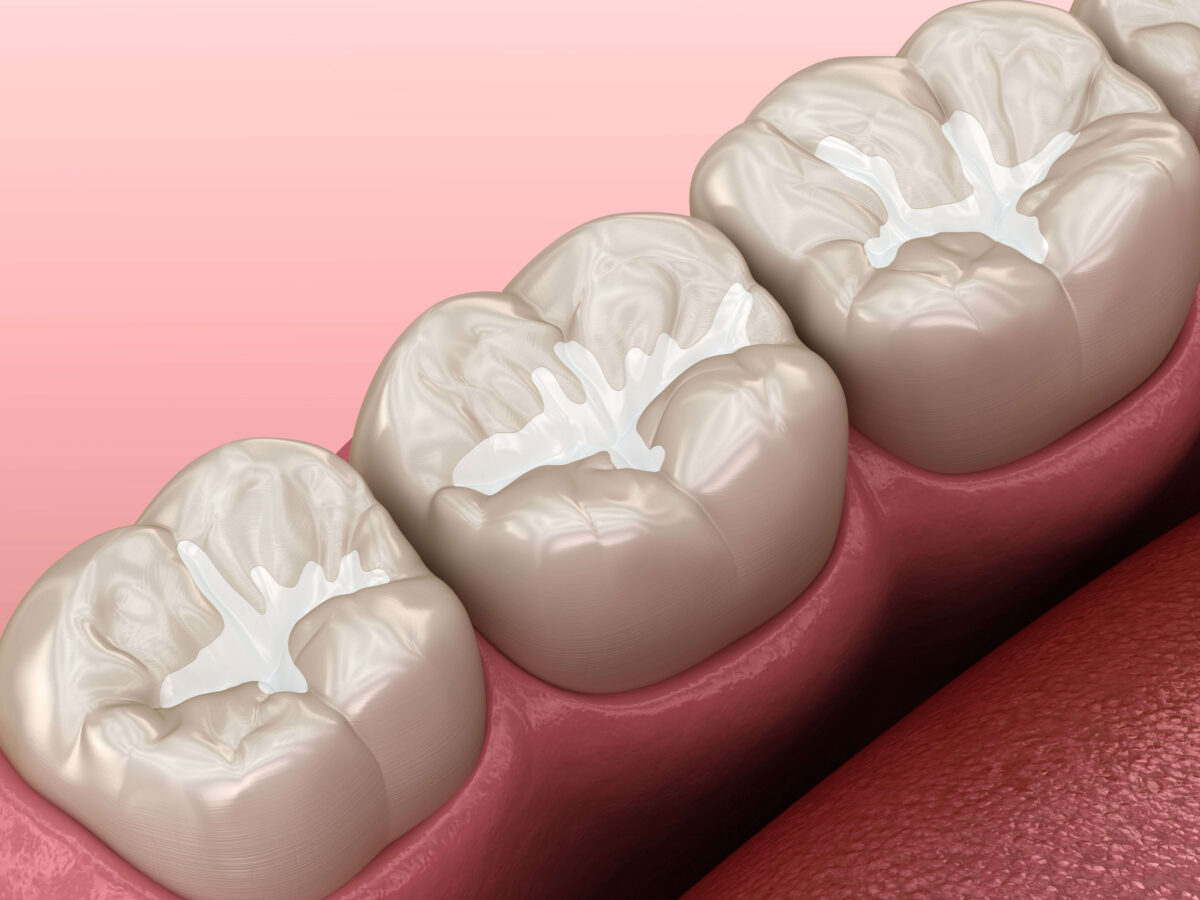
What sealants do is fairly simple. The dentist places a thin layer over those uneven grooves. Once it sets, the surface is smoother than before. That smoother finish makes it tougher for food and plaque to stick around.

But numbers don’t automatically make decisions for families.

The Strong Case for Sealants

If we’re being honest, the strongest argument in favour of sealants is simple: prevention.

Cavities in back molars are common, especially during childhood.
That statistic doesn’t mean children are careless. It often reflects anatomy and habits. Newly erupted molars have deep grooves. Kids are still mastering brushing. Diets sometimes include sticky snacks. Sealants don’t fix brushing technique. They reduce vulnerability.

Another advantage is how easy the procedure is. There’s no drilling. No injection. The tooth is cleaned and dried. Then it is coated and cured with a light. Most kids barely notice it. When parents look at dental sealants for kids, pros and cons, the fact that it’s non-invasive often tips the scales.

And then there’s cost. A sealant is usually far less expensive than a filling. Preventing decay early may avoid more complicated treatment later. That part feels practical.

The Concerns That Make Parents Hesitate

One question that comes up often involves materials. Some dental sealants contain trace amounts of BPA-related compounds. Hearing “BPA” can immediately raise alarms.

Another issue is durability. They do not stay perfect for life. With use, sealants can wear or break in small areas. That is why dentists look at them during routine visits and add more if necessary.

The pros and cons of dental sealants come down to realistic expectations. They protect, but they do not guarantee anything long-term. In rare cases, if a cavity has already begun and is not spotted, sealing the tooth could trap it. That possibility is why a proper check always comes first. These concerns don’t invalidate sealants. They simply make the decision more thoughtful.

Dental Sealants for Kids: Pros and Cons: Why Timing Matters

The usual timing for sealants is when permanent molars erupt. For many children, that means around age 6 and later around 12 when the second molars show up. Why then? Because newly erupted molars are at their highest risk. They’re fresh. The grooves are deep. Brushing skills are still developing.

It is not identical for adults. Some could still benefit, especially if their molars are deep and untouched by decay. But many already have fillings or teeth that have worn flatter over time. So when considering dental sealants for kids, pros and cons, age naturally comes into the picture. Sealants tend to help most when those back teeth have just come in.

What Sealants Don’t Do

Sealants are not meant to do everything. They do not clean teeth, and they do not protect the sides or spaces between them. They cover a specific surface, and that is about it.

If daily brushing is irregular, sealants will not magically balance it out. They cover one surface, nothing more. They tend to matter more when good habits are already there. It is just part of understanding the pros and cons of dental sealants.

How Long Can They Keep Up?

They are not permanent, but sealants do last a while. A lot of them stay in good shape for several years, sometimes around five or longer. Dentists look at them during checkups to make sure they are still doing their job. If one starts to wear off, it can be fixed without much fuss.

That maintenance factor is part of the overall pros and cons of dental sealants discussion. They are pretty low effort overall, just not something you set and forget forever.

Is It the Right Choice for Your Child?

For some kids, sealants clearly help. Especially the ones who keep getting cavities or have those deep molars that trap everything. For others, maybe they do not change much. A child who brushes well and rarely has issues might not see a big difference.

When parents read about the pros and cons of dental sealants, it is usually not about finding a perfect answer. It is more personal than that. They are thinking about their own child. How they brush. Whether cavities have been a problem before. It ends up being less about theory and more about what feels reasonable.

FAQs

Are sealants considered safe for kids?

They’re generally viewed as safe. Reviews from dental organisations report very low exposure levels.

Does getting sealants hurt?

No drilling or numbing is involved. Most children tolerate it easily.

How long do they usually last?

Often several years. Dentists check them during routine visits.

Does every child actually need them?

Not necessarily. It depends on cavity risk and daily habits.

Conclusion

If you really step back and look at the pros and cons of dental sealants, it is not a dramatic decision. They lower the chance of cavities on certain teeth. They do not remove the risk completely. They are backed by research, but they are not something every single person must have.

For many parents, thinking through the pros and cons of dental sealants, the appeal is simple. If it prevents even one cavity, that can feel like enough. Especially if their child has already dealt with fillings before.

Some hesitation makes sense. Instead of guessing, it is usually easier to just ask your dentist why they suggested it in the first place.

Categories
Dental care

Are Dental Bridges Painful? Procedure and Recovery Explained

When a dentist brings up the idea of a dental bridge, most people don’t think about looks or function first. They think about pain. That reaction is completely normal. Dental treatments already make many people nervous, and the word “bridge” can sound far more intense than it actually is. So the question almost always comes up immediately: Does a bridge hurt?

For most people, a dental bridge doesn’t really hurt. Not how they think it will. You’re numb during work. Afterwards, there may be some soreness or a pressure feeling. It can feel strange at first. That usually settles. For many patients, there’s a lot of worry going in. The experience itself doesn’t usually match that.

What Is A Dental Bridge? Why Is It Used?

Dental bridges are used in cases of missing teeth. A missing tooth leaves a space. It may not cause trouble right away. Teeth tend to gradually move toward empty spots. As they shift, the bite can feel different. Chewing can change. Sometimes the jaw notices.

A bridge works by using the teeth on either side of that gap. Those teeth support it. They hold everything in place. Once it’s fitted, eating usually feels more normal again. Speaking can feel easier too. And it helps keep the shape of your face from changing.

Dentists often recommend bridges because they stay put. You don’t remove them. You don’t take them out at night. For a lot of people, that fixed feeling just feels more natural in daily life.

Does A Bridge Hurt During The Procedure?

This is usually where the anxiety shows up. People start imagining drills and pressure and all sorts of worst-case stuff. That’s why the question “Does getting a bridge hurt?” comes up so often.

During the appointment, the area is numbed. Completely. You might still notice movement or pressure. That part can feel strange. Sharp pain isn’t expected. And if something doesn’t feel right, you can say so. More numbing can be given. That’s normal.

The appointment can feel long, especially the first time. Not so much painful, just tiring. Once the supporting teeth are prepared, impressions are taken. A temporary bridge is usually placed to keep the area protected while the final one is made.

What Happens Right After The Bridge Is Placed?

Once the numbness fades, soreness can happen. The gums near the bridge may feel tender. The teeth supporting it can feel sensitive, especially with hot or cold. That reaction happens often and does not usually last.

The discomfort tends to feel dull rather than sharp. Many people get by using simple pain relief. Over the next few days, the mouth adjusts. The gums settle down. Sensitivity starts to ease.

Studies on restorative dental work point to the same thing. Post-treatment sensitivity usually eases within the first week as tissues settle. [Reference]

How Dental Bridges Feel Compared To Other Dental Work

Many patients compare bridges to crowns. This makes sense. A bridge often involves placing crowns on the supporting teeth. Because of this, the experience feels similar to getting crowns.
If you have had a crown before, you may find the bridge process familiar. Compared to tooth extraction or implant surgery, bridges usually involve less recovery discomfort. There is no bone healing involved unless implants are part of the plan.

For patients who want to avoid surgery, bridges can feel like a more comfortable option. This is one reason bridges remain a common choice when conditions allow.

How Long Does Recovery Usually Take?

Recovery after a dental bridge is usually fairly short. It’s not something that drags on for weeks for most people. The first few days are when you tend to notice it the most. Some soreness. A bit of pressure. Nothing sharp, just an awareness that work was done. That usually settles as the mouth starts to adjust.

Sensitivity can last a little longer. Hot or cold foods tend to bring it out. Some days, you notice it more. Other days, not so much. Over time, it fades. Soft foods help early on. Chewing evenly helps too, even if one side feels easier at first. Keeping the area clean matters during this time. It helps the gums settle around the bridge.

If soreness sticks around longer than expected, checking in with the dentist helps. Often it’s not serious. Sometimes the bite just needs tweaking.

What Affects Comfort Levels With A Dental Bridge?

Everyone’s mouth reacts differently. Pain tolerance plays a role. Gum health matters too. If the gums were swollen going in, soreness doesn’t always clear up quickly.

The position of the bridge can also affect comfort. Bridges placed toward the back of the mouth handle more chewing pressure. This can cause awareness when biting down, usually during the first few days.

Small bite adjustments after a bridge is placed are fairly common. They’re usually done to ease pressure and improve how it feels. [Reference]

Does Getting Used To A Bridge Take A Long Time?

A new dental bridge can feel odd at first. The tongue notices it. Speech may sound slightly different. This happens at the start. Most people adjust within a couple of weeks. The bridge usually feels more natural after that. After healing, ongoing pain isn’t typical if the bite feels right. If discomfort continues past the adjustment phase, it should be looked at.

Can Eating Hurt After Getting A Bridge?

Eating isn’t always comfortable early on. That usually settles as the gums heal. Speaking may feel different for a short time. Certain words can sound odd until the tongue adapts. This passes for most patients within days. As healing goes on, eating and speaking come back to normal. Many patients forget the bridge is even there once they are fully adjusted.

What Signs Should Not Be Ignored?

Some soreness can happen and is considered normal. Sharp pain isn’t. Swelling that keeps getting worse or pain that doesn’t settle after a while is different. That’s when something needs to be checked. Sometimes the bite needs a tweak. Sometimes the gums need attention. Taking care of it early helps prevent bigger issues later.

Follow-up visits help too. They give the dentist a chance to check how things feel and confirm the bridge is sitting where it’s supposed to.

FAQs

Does a bridge hurt more than a crown?

In most cases, the sensation is very similar since crowns support the bridge.

Does eating hurt with dental bridges?

There may be some tenderness early on. Chewing usually feels more comfortable later.

What about long-term pain?

A properly fitted bridge should not cause pain years later. Pain later on may point to gum problems or bite changes.

Conclusion

So, does a bridge hurt?
Most of the time, no. Not the way people think it will. The procedure is done with numbing, so pain isn’t usually part of it.

Afterwards, there can be some soreness. That’s normal. It’s usually mild and temporary. Even though people usually ask, “Does a dental bridge hurt?” many are surprised by how easy the experience feels.

Considering a dental bridge? It often starts with a simple discussion with the dentist. Once people understand the process and recovery, the anxiety tends to drop. Treating missing teeth earlier usually leads to fewer problems later.

Categories
Dental care

Dental Inlay vs Onlay: What’s the Difference

Most people don’t hear words like inlay or onlay at the beginning of dental care. Those terms usually show up later, often after a filling has already been done. Or when a tooth just feels a bit off. Nothing feels urgent, but it doesn’t feel totally normal either. That’s usually when different options start getting mentioned.

That moment is where the confusion around inlay vs onlay begins. Not because the treatments are complicated, but because they sit in a space people don’t think about very often, somewhere between fixing a small problem and covering the entire tooth.

Why Inlays And Onlays Sound More Complicated Than They Are

From a patient’s point of view, a lot of dental work looks the same. You’re in the chair, staring at the light, hearing tools, and at the end, something is repaired. The process feels familiar, even if the details change.

That’s why it’s easy to think all restorations do the same thing. Inlays and onlays tend to get grouped together with fillings and crowns because, to most people, it all looks like tooth repair. Something got fixed, and that’s what people remember most. The differences matter, but they’re easy to miss.

This is why the phrase dental inlay vs onlay feels confusing at first. The difference isn’t about how serious the problem is. It’s about where the damage is and how much healthy tooth is still worth protecting.

What Are Dental Inlays And Why Are They Used

To understand “what are dental inlays”, it helps to picture the chewing surface of a tooth. That surface has grooves and pits. When damage stays within those grooves and hasn’t weakened the pointed edges, an inlay is often a good option.

An inlay sits within the tooth instead of covering it. It fixes damage while leaving the stronger parts untouched. That’s the key reason inlays exist. They allow dentists to fix what’s broken without removing extra enamel just to make a crown fit.

Inlays tend to come up when a filling would be too large, but a crown would feel excessive.

What Are Dental Onlays, And How Do They Come Into Play

Once damage reaches the chewing points of a tooth, things usually start to feel different. Those raised areas take most of the pressure when you eat, so when they are involved, a simple inlay may not hold up the way it once did. That is usually the point where questions like what are dental onlays start coming into the conversation.

An onlay is designed to cover the chewing surface along with one or more of those raised areas. It helps support the parts of the tooth that deal with pressure every single day. At the same time, it avoids covering the entire tooth as a full crown would. That smaller footprint helps preserve more of the original tooth underneath. This middle ground is why people tend to describe onlays as something between an inlay and a crown.

The Difference Between Inlay And Onlay In Real Terms

The difference between inlay and onlay isn’t about materials or appearance. It’s about how much of the tooth needs help. Inlays stay within the centre of the tooth. Onlays extend over the biting edges. That’s it. That single distinction drives the entire decision.
Cusps matter because they absorb force. If a cusp is weak and left unsupported, it can fracture later. An onlay exists to prevent that.

Why Dentists Don’t Always Choose Fillings Anymore

Large fillings can do their job, but they aren’t always kind to the tooth long-term. As fillings get bigger, the tooth has less natural structure left to support everyday chewing. Over time, that extra stress adds up. Back teeth feel it first because they’re doing most of the work.

Inlays and onlays are made to fit the tooth more closely. That tighter fit helps spread pressure instead of forcing it into thin edges. Because of that, dentists often think through inlay vs onlay instead of replacing a large filling again and crossing their fingers.
It’s not about doing more than necessary. It’s about choosing something that makes sense for how teeth actually wear down over time.

Why A Crown Isn’t Always The Best Answer

Crowns are strong, no question about that. They’ve been used for a long time, and in the right situation, they do their job well. The tradeoff is that a crown usually means removing a fair amount of natural tooth to make everything fit properly. Once that structure is gone, there’s no getting it back.

When the damage is limited to just part of the tooth, going straight to a crown can feel like more than what’s actually needed. Inlays and onlays take a different approach. They keep strong enamel untouched and work only on areas that truly need fixing. That conservative mindset is a big reason dentists often think through dental inlay vs onlay before deciding a full crown is the best move.

Materials And Why They Matter Less Than You Think

Most inlays and onlays are made from ceramic or porcelain these days. They’re strong, they look natural, and they hold up well when you’re chewing normally. For a lot of patients, that combination makes them an easy choice without much debate.

Gold hasn’t disappeared completely. It’s still used in some situations, especially for molars that need extra strength. Still, it’s not chosen as often now.

No matter the material, the difference between inlay and onlay stays the same. What defines each option is coverage, not what they’re made of.

What The Process Feels Like From A Patient’s Side

Getting an inlay or onlay usually takes more than one visit. The tooth is prepared. A scan or impression is taken. A temporary may be placed. The final piece is bonded later.

It’s not rushed. That slower pace often surprises people who expect a quick filling. The extra time exists because precision matters.

How Long Do Inlays And Onlays Tend To Last

Because inlays and onlays are custom-fit and bonded, they usually don’t behave like large fillings once pressure starts adding up. They tend to stay steadier. Less shifting, less strain on weak areas.

Still, how long it lasts depends on habits. Grinding and oral hygiene play a role too. That’s why night guards are sometimes suggested, not because something is wrong, but because prevention is easier than fixing damage again.

This idea of long-term reliability is why inlay vs onlay keeps coming up during treatment planning instead of being an afterthought.

Who Usually Benefits The Most

Teeth that are moderately damaged tend to benefit the most. Too damaged for fillings. Not damaged enough for crowns.
Dentists don’t apply the same answer to every tooth. They judge each situation on its own. That’s why two teeth in the same mouth can receive different recommendations.

What Inlays And Onlays Don’t Fix

These restorations don’t treat infection. They don’t replace missing teeth. They don’t address gum disease. Understanding those limits helps keep expectations realistic when discussing dental inlay vs onlay.

Why Timing Changes The Options

Damage spreads if it’s ignored. What starts as an inlay may later require an onlay. What could have been an onlay may eventually need a crown. Early care preserves choices. Delaying care narrows them.

Conclusion

So, inlay vs onlay isn’t about which one is better. It’s about how much of the tooth needs support and where that support is needed.
Inlays protect the inside. Onlays protect the biting edges. Both exist to save as many natural teeth as possible while still making the tooth functional again.

Categories
Dental care

Do Dental Sealants Hurt? What You Need to Know

Lots of people ask, “Do sealants hurt?” more than you would think. Dental appointments can feel more worrying when the visit is for a child. Parents usually start picturing everything that might happen. For most kids, the actual visit is quick and usually goes by without pain. There can still be a few light sensations along the way. This guide breaks down the visit, why real discomfort is uncommon, when a brief twinge could occur, and how parents can make the experience easier.

What A Sealant Is And Why It Is Offered

A sealant is a thin layer brushed onto the eating surface of molars. They cover small grooves so bits of food and germs don’t settle there. The material bonds to the enamel and sets in seconds. The purpose is simple: prevent cavities in spots a toothbrush cannot easily reach. It doesn’t reach the nerve and normally doesn’t hurt, because it’s only surface work.

What Happens During The Visit

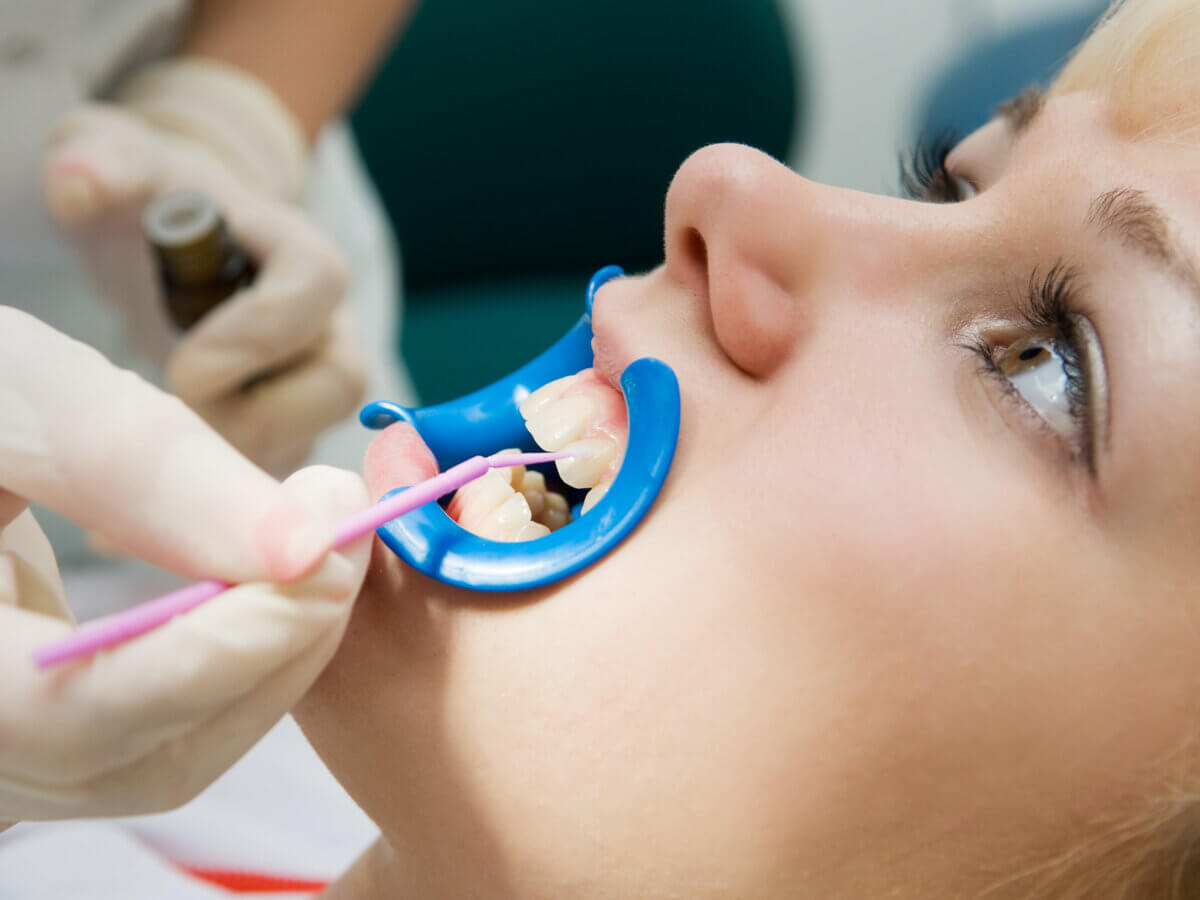
Before anything else, the tooth is cleaned so loose food and plaque aren’t in the way. It is dried next, so the material will stick. The sealant is then painted into the grooves and hardened by a small light for a few seconds. No drilling occurs. No needles. That short sequence is why most people ask Do dental sealants hurt and are surprised by how calm the process is.

What Children Typically Notice

Most children say they felt nothing or a small tickle. The light’s click and the feeling of cotton in the cheek are the most common impressions. A slight taste may be noticed for a moment. Little ones might think the mouth sensations feel unusual at first, but it rarely becomes true discomfort. Many kids move on and forget about the visit soon after it’s over.

When A Child May Feel Uneasy But Not In Pain

Fear really does change how things feel. A child who’s already nervous might think even a gentle touch is a big deal. Normal movement inside the mouth can feel strange just because they’re tense. A soft voice or a short timeout often helps them calm down. When children understand they can lift a hand to pause, they relax more, and the visit feels less like a big event.

Does Drying The Tooth Cause Soreness?

As part of the placement, the tooth is dried so the surface stays free of moisture. This is usually done with air or cotton. The air stream can feel cold, which some children react to right away. It’s a short sensation and tends to fade almost as soon as it starts.

Questions like Do dental sealants hurt tend to come up when something feels different during the visit. On a healthy tooth, drying the surface isn’t painful. If there’s existing sensitivity or a bit of root showing, though, it can feel sharper, and the approach is changed to keep things comfortable.

If the Tooth Is Already Sensitive

If sensitivity exists beforehand, placing a sealant may make the area feel different because the tooth surface has changed. That change is not the sealant causing harm. It is the tooth that was sensitive to start with. In such cases, the dentist checks first, uses gentler methods, and may apply a topical desensitiser before bonding. The team avoids placing a sealant on a tooth that clearly needs other care.

Does The Curing Light Cause Pain Or Heat?

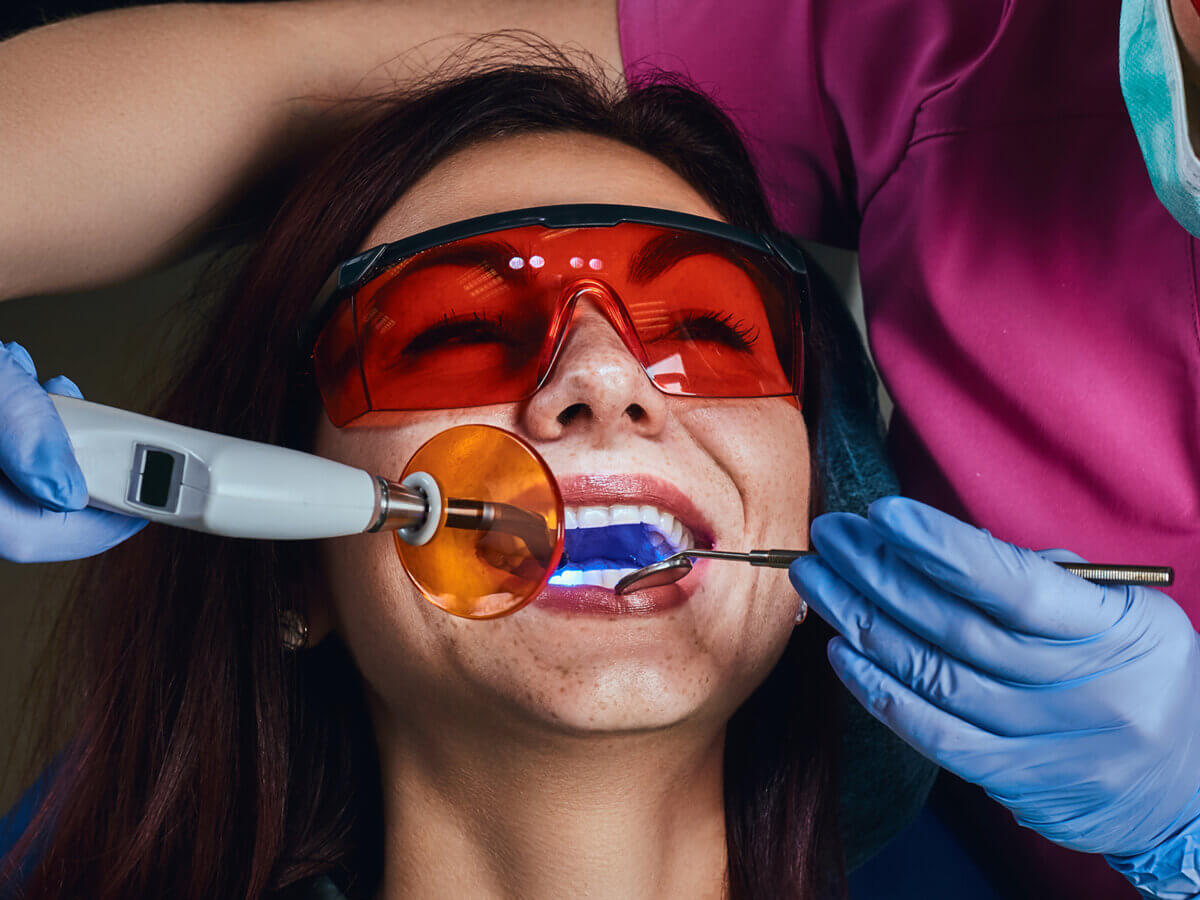
The curing light gives a brief flash as it hardens the resin. Patients sometimes notice a tiny warm sensation near the cheek. It is short-lived. The light does not heat the tooth in any damaging way when used correctly. If a child feels more than a mild warm tickle, the clinician will stop and check. That rare pause keeps things safe and calm.

Is There Soreness After The Visit?

Sealants don’t usually lead to soreness. A little sensitivity can happen at first, mostly because the tooth surface feels smoother and different. That unfamiliar feeling can stand out briefly. Questions like Do sealants hurt come from that moment, but the experience is far removed from concerns such as root canal vs extraction. If pain becomes sharp, swelling appears, or discomfort doesn’t fade, calling the office makes sense. Those checks are typically quick and uncomplicated.

Can The Sealant Cause An Allergy?

Dental resins used in clinics today are familiar materials. They’ve been part of routine care for many years. Allergic reactions don’t come up very often. In normal situations, the resin stays on the tooth surface and doesn’t move beyond that area.

Questions about safety can appear when parents ask do dental sealants hurt, especially at a first visit. When a material allergy is already known, it’s usually mentioned early so the approach can be adjusted if needed.

Does Having A Cavity Change The Answer To ‘Do Sealants Hurt’?

If a tooth has an existing cavity, it needs attention before a sealant is considered. Sealants aren’t made to cover decayed areas and can cause discomfort if used that way. Each tooth is checked before placement, and only healthy or minimally affected chewing surfaces are selected. This helps avoid issues later.

How The Team Keeps Anxious Kids Comfortable

Often, it isn’t the clock that sets the mood during a visit. Tone and pacing tend to matter more. A steady voice and short updates about what’s happening can help kids stay calm. Small pauses or soft, calm gestures often make the moment feel easier.

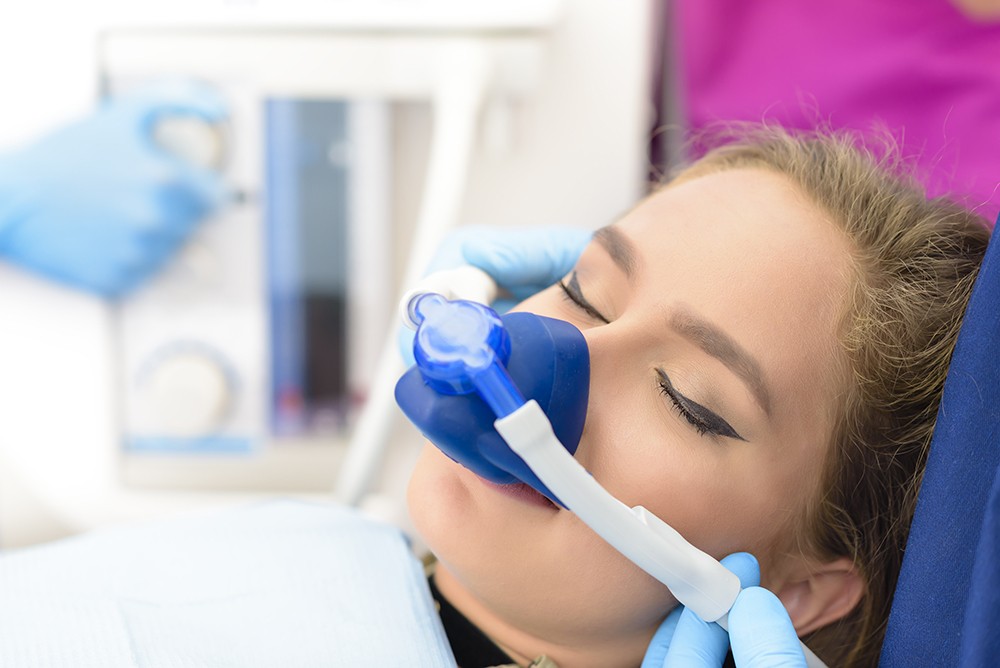
That context is usually behind questions like Do dental sealants hurt. When anxiety remains high, some clinics offer nitrous oxide to help children relax during the visit. The focus stays on comfort and cooperation, not sedation.

Parent Tips To Reduce Fear And Perceived Pain

Avoid scare words before the visit. Call it a quick tooth paint instead of a procedure. A favorite toy or some music they like can be a big help. You can also play little mouth-opening games at home to make it less strange. When you stay relaxed, your child often does too. Those small moves often turn what feels like a medical step into something short and familiar.

Follow-Up Checks And What To Expect Later

At routine cleanings, sealants are checked as part of the normal exam. When a small chip or light wear is seen early, it’s usually straightforward to correct. If a sealant lifts slightly, food can catch along the edge and feel odd for a short time, though this isn’t common.

This is the sort of thing that leads parents to ask Do sealants hurt, even though it’s usually not a big problem. Regular dental visits help confirm the sealant is secure and allow quick tweaks before anything grows.

When To Call The Dentist

When pain sharpens, swelling appears, or something feels loose after a day or so, that’s usually when a call happens. Those conversations are rarely urgent. Many end with reassurance or a quick appointment to smooth or repair the area. Teams would rather take a short look than have someone worry at home.

Final Thought

The question “Do dental sealants hurt?” comes up a lot, sometimes even from parents who aren’t especially worried. In practice, many children barely react. A short tickle or an odd sensation can happen, but it’s not usually painful. If there is some sensitivity afterward, it often goes away within a few days.

Children with known sensitivity or frequent cavities sometimes need a gentler approach. Letting the clinic know in advance helps with that. Some offices use short explanations or simple pause signals, which can make the visit feel calmer overall.

Categories
Dental care

What Does an Orthodontist Do?

People often notice small things in their smile long before they think about treatment. A tooth that leans slightly forward. A gentle shift in the way the bite feels when chewing. Nothing sharp or sudden. Just tiny changes that settle in quietly. These small moments often bring up the quiet question of what does orthodontist do, not from urgency but from a slow curiosity that appears when something in the mouth feels a little different than before.

Orthodontists handle these small changes gently, guiding the teeth so everything feels steady. They don’t hurry the process. It follows the natural rhythm of tooth movement and the jaw’s slow adjustment. In that quiet rhythm, the mouth starts to understand what their hands are shaping and supporting.

This quiet path often leads people to wonder “what is an orthodontist?” and what their role truly feels like when the teeth and bones respond to careful guidance.

How Orthodontists Notice the Things Most People Overlook

Orthodontists often see details that others miss. A tiny rotation in a tooth. A soft spacing between two edges. A slight imbalance in how the jaw rests when the mouth closes. These are not loud problems. They do not announce themselves. They sit in the background, shaping how the bite moves day after day.

Understanding what orthodontics does begins with noticing how these small signs create the starting point of their work. They watch the way teeth respond to pressure. They study how the jaw grows. They look at how the smile aligns with the face. Everything they see forms a picture that guides each gentle step that follows.
It is not about change happening quickly. It is about listening, watching, and guiding the mouth in a direction that feels steady and natural.

How Teeth Find Their Balance With an Orthodontist’s Guidance

Teeth are always moving. They drift a little on their own, even without any treatment. Orthodontists use that gentle motion, adding small pressures that help the teeth settle into healthier positions. Braces and aligners just guide what the teeth can already do.

This makes a soft answer to what does an orthodontist do. Their work follows the mouth’s natural pattern, one small adjustment at a time. The teeth move slowly, the jaw adjusts, and the smile finds a balanced place to rest.

How Orthodontists Look After Jaw Alignment Too

Sometimes the issue is not the teeth themselves but the way the jaw rests. The upper and lower jaws may not meet evenly. One side may carry more pressure than the other. These gentle imbalances shape how a person eats, speaks, and breathes without always being obvious at first.

This is another part of “what does an orthodontic assistant do?” because orthodontists study how the jaw guides the entire bite. They use tools and methods that help the jaw ease into a more proper position, letting the mouth move comfortably again. The changes come slowly, often so quietly that people notice them only when the bite starts to feel right.

How Orthodontic Assistants Support the Whole Process

Behind the orthodontist is someone who works quietly, often without much notice. The orthodontic assistant helps get the mouth ready for treatment. They adjust wires, place small pieces, and make sure everything feels good before the next step begins.

Their work gives real shape to the idea of what does an orthodontic assistant do because they steady the entire process, guiding patients through each step with calm, careful hands. They check for discomfort, make small changes to calm it, and keep the plan going as it should. They also bring a soft warmth that helps the whole journey feel easier for anyone trying to understand how their smile will change.

How Tools Like Braces and Aligners Move With the Body’s Pace

Braces and aligners work at a pace that matches the natural movement of teeth. The brackets and wires apply tiny amounts of pressure. Aligners sit against the teeth, nudging them softly day by day. Nothing happens quickly. The mouth needs time. The bones need time.

This slow shift becomes another way to understand what does an orthodontist do. They watch these movements, guiding them, adjusting them, making sure the path stays gentle and consistent. Each new aligner. Each small tightening. Each soft change allows the mouth to reshape itself without strain. And through this quiet sequence, the smile finds its softer balance.

How Orthodontists Shape Space When Teeth Crowding Appears

Some mouths hold the teeth too tightly together, giving them hardly any space to move. Orthodontists see this quickly by seeing jaw growth, spacing, and the smile’s shape. They use slow guiding tools to open space gently.

This gentle style connects with what does an orthodontic assistant do, since their calm help keeps everything opening slowly and comfortably. The whole process moves at the same soft pace the bones use as they change over time.

How Orthodontists Watch the Mouth Through Every Small Change

With every visit, the orthodontist gets a new sense of how the mouth is reacting. A slight movement in one tooth. A soft shift in another. These details define the next steps, keeping everything calm and steady.

This steady guidance helps answer what does an orthodontic assistant do because orthodontics is not simply about braces. It is about reading the mouth’s small signals and adjusting the plan to match them. The work moves forward slowly, letting the teeth settle into their new places without stress.

How Orthodontic Assistants Support Comfortable Care

Orthodontic assistants help people feel at ease during treatment. They adjust small pieces, check how everything sits, and listen closely when someone mentions discomfort. They are often the first to sense when a wire needs softening or when a bracket needs a tiny shift.

This gentle and constant support shows what does an orthodontic assistant do each day. Their hands guide the tools. Their calm talk eases anxiety. Their presence keeps the journey smooth from start to finish.

How Retainers Continue the Quiet Work After Treatment

Once the teeth reach their new positions, the work isn’t finished. Teeth have a natural pull toward where they used to sit. Retainers keep them steady, making the mouth remember its new balance. Orthodontists and their assistants guide people through this stage as well, showing how to hold those changes while the mouth adjusts.
This steady guidance adds a final note to what does orthodontist do, showing how their care continues long after the braces or aligners come off.

How the Smile Learns Its New Shape Over Time

The smile does not change in one moment. It learns over months, following small pressures and gentle adjustments. Orthodontists help it settle into the shape that feels natural. The jaw aligns. The teeth rest comfortably. The bite moves smoothly.

This slow settling gives the quiet answer to what does orthodontics do. It moves the smile into a place where everything feels steady and comfortable.

Invitation to Start Your Journey

Anyone unsure about small changes in their bite or smile can take a quiet step toward clarity. A calm visit with an orthodontist or assistant brings gentle insight and soft guidance, helping the smile move toward comfort at its own pace.

Categories
Dental care

How Smoking Affects Your Teeth

Smoking changes the mouth in small ways long before anyone notices. It may feel like a relaxing habit or a social moment, but slowly the smile begins to show signs. Stains become deeper. Breath feels off more often. Tiny dental issues start popping up.

Knowing the truth behind these shifts can help someone choose what is best for their smile. This article looks at how smoking affects teeth and how caring guidance from a dental team can make that next step easier.

What Is Tooth Damage From Smoking About

When someone starts thinking how does smoking affect the teeth, stained enamel is usually the first thing that comes to mind. But there is more happening. Smoke can dry out the mouth and lower oxygen in the gums. Chemicals sit against enamel and soft tissue every day, and that makes fighting bacteria tougher. It is not about blame. It is simply understanding what the mouth deals with, so better choices feel within reach.

How Smoking Interrupts Natural Defences

Saliva helps protect the mouth every day by clearing food and keeping enamel strong against damage. Smoking slows that natural protection, and dryness begins to take over quickly. A dry mouth encourages bacterial growth and makes gums feel irritated without warning. People asking “how does smoking affect your teeth” often miss saliva as the reason discomfort grows quietly. With less moisture and reduced oxygen reaching the gums, healing slows, and even small issues remain longer than they should inside the mouth.

Staining And Enamel Wear

Nicotine and tar settle into the tiny grooves of enamel. They leave behind yellow or brown marks that brushing alone cannot remove. A dental cleaning can help, yet the stain returns quickly if smoking continues daily. Over time, the enamel surface itself begins to lose strength. It becomes easier for acids to work their way into the deeper layers of the tooth. A slight shock from something cold or sweet may be the first sign. As the discomfort worsens, a person finally wonders how to treat tooth sensitivity pain and get back to eating comfortably again.

Gum Health And Hidden Risks

Some people notice one thing first. The smile looks fine, but the gums feel a little off. That is one of the quiet effects of smoking on the teeth. Smoking changes how the gums react. They do not bleed much, even when something is wrong, because less blood reaches the area. So gum trouble stays hidden. As the gums retreat, the tooth starts to show more than it should. Cold drinks hurt. Food touches the roots. It feels different every day. When someone finally asks how smoking affects teeth, gum disease becomes part of the answer, even if it stayed hidden for years.

Loose Teeth And Bone Support Loss

Support for each tooth comes from bone beneath the gums. Chronic gum infection causes the support to shrink. Smoking makes this process move faster. When bone reduces over time, teeth start to feel loose or shift slightly out of place. A once-comfortable bite can change, and cavities form in areas that used to be safe.

Understanding how smoking affects your teeth means understanding this long journey beneath the gum line. The loss is quiet at first, but the result can be the need for advanced treatment later on.

Slower Healing After Dental Work

The mouth repairs itself after every cleaning or filling. Smoking gets in the way by slowing how blood moves through the gums, and healing does not happen as quickly. Dentists sometimes schedule more follow-ups for patients who smoke. They ask these questions because they want everything to go well. Comfort and easy recovery always come first.

Bad Breath And Changes To Taste

Smoking can influence everyday life in ways people rarely think about. One meal tastes slightly different. Then the next. The tongue loses some of its spark, and flavours that used to stand out now feel muted. Even after brushing, breath turns quickly because dryness allows bacteria to hang on tight. To feel satisfied at meals, people might add sugar or spices without noticing how often it happens. Months later, the dentist spots extra cavities or early damage that comes from those quiet, slow changes inside the mouth.

The Bigger Picture

Most people think first about oral health. But the smile influences daily life in other ways, too. When teeth appear dull or gums feel uncomfortable, someone may hide their smile in photos or feel uncertain when speaking up. Seeing the changes early gives a chance to take control instead of feeling discouraged later.

If Quitting Feels Hard, Small Changes Still Help

The purpose here is not to judge the habit. The goal is simply to make space for small choices that help the mouth feel better again. Maybe it starts with fewer cigarettes in a day, a little more water while working or relaxing, or a gentle fluoride rinse before bed. The question “how to treat a sensitive tooth” often becomes easier to manage once dryness settles down, and the enamel receives steady support again.

A dentist can help choose products made for how to treat tooth sensitivity, including toothpaste with calming minerals. A professional cleaning can remove stubborn stains and check early signs of gum problems. These visits build a path toward better days without expecting instant change.

Why Support From Your Dental Team Counts

Talking about smoking at an appointment can feel a bit personal. A kind dental team understands that. They check what the gums and bone need and suggest simple steps that fit life as it is right now. They cheer progress instead of showing their mistakes. When someone feels understood, looking after their smile starts to feel like a positive part of the day.

Small Habits To Protect Your Teeth

Keeping water nearby helps saliva protect the teeth and gums all day. A straw can shield front teeth when enjoying dark drinks that usually stain quickly. After smoking, rinsing removes whatever clings to the mouth. Daily cleaning takes away the bits that bacteria love. None of this feels big, but it matters. It gives the mouth support while someone quietly thinks about what health changes might fit their life in the future.

Conclusion

Some of the ways smoking affects the mouth are quiet and gradual. The smile loses brightness. Gums struggle a bit more. Healing slows after a dental visit. Once someone sees the effects of smoking on the teeth, they can make choices that help the mouth stay strong. More water. Regular check-ins. Support from a team that understands. Progress may come slowly, yet every step counts as a win.

If someone starts to feel sensitivity or notices stains or gum soreness, checking in with a dentist can help. A caring team will explain how does smoking affect the teeth in a simple way, look for early concerns, and suggest an easy plan that keeps the smile comfortable in everyday life.

Categories
Dental care

The Benefits of Professional Teeth Whitening

A brighter smile changes small everyday things. It lifts confidence. It nudges someone to smile in photos and speak up a little more. A trusted dentist in Beaumont TX hears that story often. People come in hoping for a noticeable, predictable change and leave with a plan that fits their life. This article explains what professional teeth whitening really is, why a visit to a Beaumont cosmetic dentist matters, who benefits most, and what practical steps keep the result looking natural and long-lasting.

What Professional Teeth Whitening Actually Is

In professional dental whitening, the clinician uses stronger agents that are measured and supervised during the visit. These gels move through the enamel and loosen the particles that create stains. The Beaumont cosmetic dentist controls the strength, the timing, and the way the gums are protected. That level of attention makes the results more dependable than store products. Many patients find the treatment strong enough to work well yet gentle enough to keep the shade looking natural.

Why A Dentist Gives Better Results Than Over-The-Counter Options

Store products sometimes promise dramatic change. In practice, they vary wildly. A Beaumont cosmetic dentist can choose a strength and a method that suits the teeth and the sensitivity level. The clinic protects soft tissues and watches reactions in real time. That oversight reduces the chance of uneven whitening and limits sensitivity. In short, professional care turns a marketing claim into a reliable result that matches daily needs.

Who Benefits From Professional Whitening

Many adults with healthy teeth and light surface stains get strong results from dental whitening. Deeper stains from medication may brighten only a little. Since crowns and veneers do not change colour, the clinician helps patients figure out how to keep everything looking even. People who want a steady, noticeable boost without guessing are often great candidates for a natural smile makeover.

How an In-Office Whitening Session Usually Goes

The visit begins with a quick exam. The clinician checks for cavities and gum irritation that must be addressed first. Then the gums are protected and the whitening gel is applied. Lights or gentle warming are sometimes used, depending on the system. Many people see a clear difference in a single visit that lasts about an hour. The process is direct, and the clinician monitors comfort throughout.

How Custom Take-Home Trays Work

Some patients prefer gradual change or need to fit treatment around family and work. Custom take-home trays are made from impressions and delivered with a professional-strength gel. The patient wears the trays for the prescribed daily time. This method gives control over pace and reduces the intensity of sensitivity for people who need it. A dentist in Beaumont TX gives clear instructions so trays are used safely and effectively.

Managing Sensitivity During And After Whitening

A little sensitivity is pretty normal, though it rarely hangs around for long. Your clinician may suggest a desensitising toothpaste before the appointment or simply choose a lighter approach during treatment. After care often comes with a calming step and a quick note to avoid extremes in temperature for a short time. Most people settle within a few days. If someone still feels it, the team adjusts the plan to keep things easy.

How Long Results Usually Last

The length of whitening results depends a lot on everyday habits. People who drink coffee often or smoke may see stains come back sooner. Many keep their brighter shade for months, sometimes longer. Light upkeep with take-home trays now and then, or a quick in-office refresh, helps hold the colour. A Beaumont cosmetic dentist works with each person to find a rhythm that feels natural.

Why Whitening Leads the Way

Whitening is often the first step in a smile makeover because it sets the real base colour for everything that follows. A Beaumont cosmetic dentist likes to settle the shade before talking about veneers or bonding so the final look stays even. Once the teeth brighten, people can see which small changes might help next. Taking it in this slow order keeps the process easy and comfortable.

Costs Versus Value

The price of professional dental whitening is higher than store-bought kits, yet the value comes from better control and fewer surprises. Many patients avoid the back and forth of trying again when the colour turns uneven. Clinics often pair an office session with trays for simple upkeep. A Beaumont cosmetic dentist explains costs and likely outcomes so people can choose what works for them.

Safety Notes

Whitening is not right for everyone, and some issues need care first. Cavities, gum trouble, or exposed roots should be treated before thinking about brightening. Pregnant or breastfeeding patients usually wait. Since fillings and crowns do not lighten, the clinician tells what that means. A dentist in Beaumont TX checks overall health to be sure whitening is safe.

Getting Ready for a Whitening Visit

Getting a cleaning first leaves the teeth fresh and helps the gel settle evenly. Most people stay away from staining foods for a little while around the appointment. When the clinician understands your health background and your usual medications, they can plan safely. These simple bits of prep make the visit easier and improve the final result.

Workable Hue Goals

Not everyone wants a bright white. A natural shade that complements skin tone often looks best. Clinicians use shade guides and samples so patients know what to expect. The aim is a beautiful, flattering change. When results look like a natural version of the patient, happiness is highest.

Aftercare Tips

Simple habits help the brighter shade last longer. A quick rinse with water after dark drinks, using a straw for coloured ones, and cutting back on slow sips of sweet coffee all make a difference. Now and then, a short visit to the clinic or a night with trays brings the colour back. With whitening and simple daily care together, the teeth stay in good shape and the colour holds.

Choosing A Trusted Provider In Beaumont

Look for a clinic that explains options, shows examples, and treats sensitivity carefully. A local dentist in Beaumont TX pays attention to your goals, can shape a plan that fits life. A direct talk with your dentist usually gives the truest sense. A clear explanation of steps and follow-up makes the visit calm and predictable.

Conclusion

When a reliable dentist in Beaumont TX oversees it, professional teeth whitening gives a steady way to brighten a tired smile. It usually works best after a routine exam and with a bit of care around sensitivity and upkeep. A lot of patients use this as the opening step in a smile makeover, something soft and simple that helps them feel more sure about their smile.

When a brighter smile is on someone’s mind, seeing a Beaumont cosmetic dentist can help sort out what makes sense. The team checks overall health and works out a plan that fits into normal routines.

Categories
Dental care

Top 6 Reasons To Choose Dental Implants For Missing Teeth

Missing a tooth changes more than a smile. It changes how the mouth works. A local Beaumont Dentist TX sees patients who delayed replacement and later needed more complex care. Choosing dental implants Beaumont early often avoids that cascade. Implants replace both the visible tooth and the hidden root. That root replacement is what makes many practical advantages possible. This article explains six clear reasons implants stand out, then walks through who is a good candidate, what the process looks like, and how to pick a trusted Beaumont Dental Office TX, for lasting results.

What Dental Implants Are And How They Work

With a dental implant, a titanium post is placed in the jaw right in the space the tooth left behind. The bone slowly tightens around it and gives it strength. A crown is set on that post so it looks and acts like a normal tooth. Because it stands in for the root, everyday chewing pushes signals into the bone and helps keep the jaw and facial outline steady. A Beaumont Dentist TX maps out the position so the final result fits comfortably and lasts with regular care.

Reason One: Implants Protect Jaw Bone Over Time

Without regular pressure from a tooth, the bone in that empty spot slowly weakens and starts to thin. The ridge can flatten, and the face may look a little sunken. An implant changes that by carrying chewing forces straight into the bone through its post. This helps the jaw hold its form and makes it easier to treat later on. That is why dental implants Beaumont are commonly recommended to prevent the slow bone changes that follow a missing tooth.

Reason Two: Natural Function For Chewing And Speaking

An implant gives a crown enough support to act almost like a regular tooth. Biting into solid foods feels closer to what people remember. Since the post is anchored in bone, it avoids the shifting or sliding that removable options can have, and that steadiness improves speech. Words come out cleaner without the slight slips caused by a loose partial. For anyone wanting daily life to feel normal again, dental implants in Beaumont offer a practical boost in chewing and speaking.

Reason Three: Longevity And Fewer Future Visits

When well cared for, implants often last decades. The implant post itself rarely needs replacement. The crown may wear over time and get replaced, but that is a simpler step than repeated repairs on weakened natural teeth. Compared with bridges that may force repeated replacement of supporting teeth, implants frequently demand less maintenance overall. A Beaumont Dental Office TX explains longevity clearly so families can compare upfront cost with the long-term value of fewer visits and fewer surprise repairs.

Reason Four: Protects Nearby Teeth From Extra Work

A fixed bridge needs changing other teeth to support the replacement. That means removing healthy enamel to make room for crowns. An implant avoids that trade-off entirely. Because it stands alone, the surrounding teeth remain untouched. Preserving healthy tooth structure is a clear win for long-term mouth stability. A clinician in Beaumont often shows side-by-side examples so patients can see how an implant protects the rest of the smile from avoidable procedures.

Reason Five: Restores Nutrition And Daily Comfort

Once a tooth is gone, chewing often changes fast. People skip harder foods, and the diet slowly narrows in ways they barely notice. Months later, it can affect nutrition and even how much they enjoy meals. An implant restores solid biting pressure and makes it easier to eat a mix of foods again. That steady, everyday comfort improves energy and general health. For many, this practical return to normal eating is the part of dental implants Beaumont that matters most.

Reason Six: Confidence And A Lasting Natural Look

An implant crown matches neighboring teeth in shape and shade. The result is subtle. Friends see a natural smile, not a replacement. That confidence shows in social settings and the workplace. For many patients, the emotional payoff is immediate. They smile more freely, speak easily, and stop thinking about a gap. A local Beaumont Dentist TX works with labs and technicians so the crown blends in naturally and supports a confident face without dramatic or artificial results.

Who Makes A Good Candidate For Implants

Most healthy adults with enough jawbone can be considered. Healing can slow if someone smokes or has certain medical conditions, so the plan is shaped around those needs. Thin bone can be strengthened with grafting or other supportive steps. Age almost never limits treatment. After the exam, imaging, and review of health history, the Beaumont Dental Office TX can outline a clear, safe plan. For many, that clarity makes committing to a long-term missing teeth solution much easier.

The Implant Process In Simple Stages

It begins with a visit where the clinician takes a look at the jaw, soft tissues, and bite through imaging. Then the implant is placed under local anaesthesia, and healing takes over for a while as the bone connects to it. When that part is settled, the crown is attached. A few patients can get a quicker crown, but not everyone. The team keeps the timing clear and checks in about comfort. Most folks return to normal life soon after, with the dental implants Beaumont team guiding the simple care steps.

Aftercare And How To Make Implants Last

Regular cleaning keeps the area around an implant in good shape. Two daily cleanings and attention between the teeth make the biggest difference. The implant cannot decay, but the gum beside it can still react if plaque sits there. That is why routine visits and professional cleanings matter. Good overall health and avoiding smoking help as well. With this steady approach, an implant usually stays strong for years.

Cost Considerations And Financing Options

Implants do cost more at the beginning, though they often make up for it because repairs and replacements are far less common. Many offices offer payment options or spaced-out plans to make things easier. A straightforward talk about cost, steps, and long-term value helps families weigh their choices. With clear estimates from a Beaumont Dental Office TX, the decision feels much less stressful.

Conclusion

For many patients dental implants Beaumont are the most reliable missing teeth solution available. They preserve bone, restore function, protect neighboring teeth, and offer long-lasting results that feel natural. The choice to replace a tooth quickly often prevents a chain of larger problems and reduces long-term cost and visits. A clear consultation with a trusted Beaumont Dentist TX turns a missing tooth into a manageable project with a practical, predictable outcome.

If you want to know whether dental implants Beaumont make sense for you, set up a quick visit with a Beaumont Dentist TX at a Beaumont Dental Office TX. They look over your health and help you decide what feels right for your life.

Categories
Dental care

5 Ways Preventive Dentistry Keeps Your Smile Strong For Years

Most of the time, keeping teeth healthy for decades comes down to small, steady habits rather than big fixes. A Beaumont Dentist TX notices this in every week of appointments. Patients who follow simple routines often avoid pain, stress, and higher bills later.

Preventive dentistry is built on catching early trouble and shaping Beaumont oral hygiene habits that match busy schedules. Here, you’ll see a few ways those steps protect long-term dental health.

1. Routine Exams Catch Problems Early

Regular exams are a core part of preventive dentistry Beaumont. Each visit, the dentist quickly checks your mouth and overall comfort. They use X-rays when they add clarity. That’s how small cavities, early gum changes, and early wear are found before they ever cause pain. A small cavity is quicker and cheaper to handle than one that has been left for months. A Beaumont Dentist TX often compares it to car upkeep: ignore it, and repairs get bigger.

These visits also help the team spot helpful trends. Night grinding shows up as specific wear, so a night guard may be suggested. Early enamel weakness in a child might lead to fluoride varnish and closer monitoring. This kind of early action keeps trouble from growing.

2. Professional Cleanings Remove What Home Care Misses

Even good home care misses buildup that sits below the gumline. A professional cleaning removes it, so gums calm down and long-term dental health stays on track. For many people, it’s the most reliable part of their preventive dentistry routine.

According to a Beaumont Dentist TX, cleanings are not just about appearance. They interrupt the pattern that leads from plaque to tartar to gum trouble. Patients who stay on track with them usually enjoy healthier gums and fewer urgent visits.

3. Fluoride And Sealants Strengthen And Protect

In preventive dentistry Beaumont, fluoride treatments and sealants are simple ways to stay ahead of problems. Fluoride strengthens weakened enamel, while sealants cover the grooves of back teeth so food can’t settle and start the decay.

Clinics often add a fluoride varnish at a child’s checkup or place sealants when new molars arrive. These are quick, inexpensive steps with big benefits. A Beaumont Dentist TX sees how a single sealant can prevent a later filling and how focused fluoride helps with early decay or sensitivity. Over time, these little choices support steadier long-term dental health.

4. Coaching On Daily Oral Hygiene Habits

Prevention is at least partly about daily life. Clinics that focus on preventive dentistry Beaumont spend time coaching patients on realistic oral hygiene habits. That coaching is personal. Rather than giving a long list, the clinician asks about the person’s usual morning and night rhythm and suggests a couple of small changes that work with their Beaumont oral hygiene habits.

Simple shifts matter. Switching from a sugary juice to water between meals, rinsing after coffee, or adding a 60-second cleaning between teeth each evening reduces steady acid exposure. A Beaumont Dentist TX, often demonstrates easy brushing angles and shows how to make flossing quicker using a floss pick. Those small habits keep enamel stronger and gums calmer, and they remove the steady wear that leads to large repairs later.

5. Coordinated Long-Term Plans Save Time And Cost

Preventive dentistry also involves planning. A local clinic works with each patient to shape a long-range plan that blends routine visits, simple preventive steps, and any restorations that should be timed well. Sometimes that means handling a small filling now instead of waiting until a crown is needed, or placing a crown on a tired tooth before it risks cracking.

A Beaumont Dentist TX coordinates these steps so they fit a patient’s life. If a patient travels for work, the clinic may set up early appointments and a clear schedule for check-ins. Families often get grouped visits for the kids, so the routine isn’t disrupted as much. This planning reduces emergency visits and predictably spreads costs. Over the years, that steady planning keeps the mouth healthier and the budget steadier.

How Prevention Protects Gums And Bone

Periodontal care doesn’t always get the attention it should. A little gum irritation may seem harmless, but it can quietly grow into a disease that damages bone and loosens teeth. Consistent exams, cleanings, and deeper cleanings when pockets appear help stop that from happening. A Beaumont Dentist TX reviews gum charts every visit to catch trouble before it grows.

Keeping bones stable is a long-term dental health benefit. People who act early stay ahead of bigger problems and avoid complex procedures. That mindset is central to preventive dentistry Beaumont.

Nutrition And Long-Term Dental Health

The way someone eats shapes enamel and gum comfort just as much as brushing does. Smoking and certain medicines also change saliva and make the mouth more vulnerable. A prevention-first clinic walks through diet and daily routines, suggesting simple snacks, straws for darker drinks, or snacks with calcium. A Beaumont Dentist TX helps turn broad nutrition advice into steps that fit life in the area.

That kind of guidance works. One small change can mean fewer cavities and less irritation at the next exam.

The Role Of Technology In Preventive Care

Modern clinics use simple technology to improve prevention. Digital X-rays offer lower exposure and highlight early trouble spots.

Intraoral cameras let patients view their teeth up close, making the clinician’s advice easier to follow. Some clinics use gentle laser tools to manage early gum swelling without invasive procedures.

A local Beaumont Dentist TX mixes these tools with hands-on care to keep treatment minimal. Technology supports prevention by making early problems visible and easier to explain. That clarity helps patients commit to the small steps that preserve smiles long term.

When Prevention Needs A Little Extra Help

Some patients need a little more focused care. Dry mouth from medicines, age-related health issues, or night grinding can call for a stronger prevention plan. The clinic may suggest a gentler toothpaste, a soft night guard, or cleanings that happen a bit more often. These tailored steps help keep small issues from turning into bigger ones.

A preventive dentistry Beaumont approach adapts to each person instead of handing out the same plan to everyone. That kind of attention saves time and helps protect natural teeth.

The Takeaway

In preventive dentistry Beaumont, routine visits, good cleanings, focused treatments, and simple daily habits all work together with long-term planning. The result is steadier teeth, calmer gums, and fewer costly surprises. A Beaumont Dentist TX shapes the plan around each person’s lifestyle so prevention becomes easy to maintain. Those small moves today add up to strong dental health for many years.

Call To Action

To build a realistic prevention plan that fits your schedule, call a trusted Beaumont Dentist TX. The team reviews the basics of your routine and offers simple steps you can actually follow. They then put together a long-term plan, so your smile stays strong well into the future.

Categories
Dental care

What To Expect on Your First Visit To The Dentist

The first few seconds inside a dental office feel strange. It’s quiet. You catch that mix of mint and something sharp in the air. Someone behind the desk smiles, and you return it, hoping you look calm. But your thoughts are already racing ahead. Everyone does that.

A first appointment at a Beaumont Dental Office is simple, calm, and predictable. It’s not about long procedures or big decisions. It’s just a start. A way to get to know the space, the people, and how your mouth is doing. The routine is familiar to the team. And that makes it easy for you.

The Welcome And Reception

A staff member greets you the moment you walk in. They check your name, offer a seat, and hand over a short form. Nothing complicated, just a few details about your health and history.
If you filled the form out online, they’ll just confirm it. Insurance cards are scanned quickly, and if you don’t have one, that’s fine too. A Beaumont dental clinic explains costs clearly before anything begins.

While you wait, you might notice the quiet. Most people do. The atmosphere stays soft and slow so nerves can settle.

Talking Through Your Health

The form you filled out matters more than it seems. Details about your medications and allergies help a dentist in Beaumont TX, plan treatment safely.

Got jaw pain or bleeding gums? Mention it sooner, not later. The team notes everything and keeps it close during the exam. That’s what shapes the visit. A Beaumont Dental Office doesn’t just check teeth; it studies habits and patterns. This part takes a few minutes but saves time later.

Moving Into The Treatment Room

A staff member calls your name and walks you in. The chair adjusts slowly, and a screen nearby glows softly. You settle in while the assistant tells what’s coming next.

This small moment matters. It gives control back to you. When patients know what’s happening, the visit feels easier. At this stage, the new patient experience really begins.

X-Rays: A Quick Look Inside

Most first visits include X-rays. The process is quick: a small sensor, a light click, and an image appears. It shows what the eye can’t see. Cavities between teeth. Bone levels. The shape of roots.

Digital X-rays at a Beaumont Dental Office use very low exposure, and the team explains every step as it happens. You’ll see the results within seconds. It’s a quiet moment of clarity.

The Exam

The dentist steps in, greets you, and reviews the notes. They’ll ask about your brushing routine, sensitivity, or any problem areas. The tone stays warm, never rushed.

Then the exam begins. The dentist in Beaumont TX goes over your gums, each tooth, and the soft tissue around them. Sometimes they use a mirror and quietly share notes with their assistant. It’s a pace that feels soft and careful. No surprises, just steady care.

The Cleaning

If time allows, your first visit may include a cleaning. The hygienist starts with small tools that take away tartar and plaque. You’ll hear a few soft clicks and feel gentle pressure. Nothing harsh.

Water rinses, a light polish, and suddenly your teeth feel smooth again. That clean feeling after? Everyone notices it. It’s the moment most people realise they’ll actually enjoy coming back.

If deeper cleaning is needed, the Beaumont dental clinic explains why and schedules it later. Everything stays simple and open.

What The Dentist Explains After

When the cleaning ends, the dentist sits beside you. Together, you review what was found. Sometimes, a small cavity, sometimes just strong gums and healthy enamel.

X-rays make it easier to understand. The dentist points out what’s normal and what to watch. They’ll share tips like cleaning softly near the gumline or flossing at a slower rhythm. It’s direct, kind advice, not a lecture. That’s the part people remember most.

Planning The Next Visit

Before you leave, the front desk helps book your next appointment. Usually, it’s a six-month cleaning. Sometimes sooner if treatment is needed.

They check insurance again and walk you through the estimate. No hidden numbers, no confusion. If you’re new to regular care, they’ll map out a simple plan, one that fits your schedule and budget. That’s what builds trust.

A Note On Costs

Money questions come up often. A Beaumont Dental Office explains everything clearly, so nothing feels awkward.
For insured patients, the staff outlines coverage. For others, the Beaumont dental clinic offers in-house options that make routine care affordable. It’s meant to be simple and transparent. You should always know what you’re saying yes to.

Easing Nerves

Everyone feels a bit on edge after a few years away. It’s normal. Modern clinics understand that. The team moves slowly, checks in often, and adjusts at your pace. If you need breaks, you simply ask, and they pause. That’s it. No judgment. This gentle approach is a trademark of a Beaumont Dental Office.

Why These Visits Matter

That first visit opens a door. Seeing your dentist in Beaumont TX regularly keeps your mouth healthier, longer. Cleanings stop tartar before it hardens. Small issues get fixed before they turn into pain. You spend less time in the chair and more time smiling without worry. Consistency is what keeps dentistry simple.

Preparing For Next Time

After you leave, stick with a few habits. Brush twice a day with a soft brush. Floss before bed. Rinse after coffee or tea.

If you were given a nightguard or special toothpaste, use them daily. Bring any new concerns to your next visit. A Beaumont Dental Office team listens first and acts second. That’s what patients value most.

What Patients Often Notice After The First Visit

Something small changes after that first appointment. People notice how light their mouth feels, but it’s more than that. There’s a sense of relief, too. They realise most of the worry they carried wasn’t needed at all.

A Beaumont Dental Office often hears the same thing: that the hardest part was just booking the visit. Once patients sit down and see how gentle modern care feels, everything gets easier.

The next time they come in, there’s no hesitation. They know the faces, they know the sounds, and they already trust the process. That comfort is what builds real progress over time. A Beaumont dental clinic believes dental health grows from that familiarity, visit by visit, one calm step at a time.

The Takeaway

A first dental visit isn’t a mystery. It’s a calm and simple visit, just to see where things stand and what should happen next. The staff at a Beaumont dental clinic manages the details so you can relax. They will help you through everything and make sure you leave smiling.

Go ahead and call your local Beaumont dental clinic. You will walk out with cleaner teeth and the sense that dental visits don’t have to be stressful. That’s what a good new patient experience really is.

Categories
Dental care

The Hidden Dangers of Energy Drinks For Your Teeth

Many grab an energy drink without even thinking. It could be from tiredness, needing focus, or simply liking the flavour. But those cans that promise instant energy? They come with a cost your teeth quietly pay.

At Beaumont Dental Office TX, they have seen how common energy drinks dental damage. People often claim they brush daily but can’t figure out why their teeth ache or stain. Ask about drinks, and energy drinks are usually to blame.

What’s Happening To Your Teeth

The trouble starts the moment that cold drink hits your mouth. Energy drinks are filled with acid and sugar. Even the ones labelled “zero sugar” still have acid that eats away at your enamel, the thin outer shell that protects your teeth.

Once enamel gets soft, bacteria can move in. That’s how you end up with cavities and sensitivity. The tooth starts reacting to hot and cold. Sometimes even a sip of water feels sharp.

Your Beaumont Dentist TX can usually spot it right away. The enamel starts thinning near the edges. Teeth start to lose their shine, slowly turning a pale yellow. It’s not sudden, but it happens gradually.

The Acid-Sugar Combo

Acid chips away at enamel. Sugar fuels bacteria. Together, they spell trouble for your teeth. When sugar and bacteria mix, more acid forms. Sip slowly, and your mouth stays acidic for hours, like your teeth are soaking in soda. After some time, enamel starts to thin and lose strength. Cold foods feel sharper, and front teeth may look dull. Damage often comes from small habits that pile up.

What You Don’t See

People assume they’ll know when something’s wrong. But enamel damage doesn’t hurt at first. It’s silent. Once sensitivity appears, the harm is already done. Enamel doesn’t return, no matter how careful you try to be with brushing or eating afterwards. All you can do is protect what’s left.

That’s why your Beaumont Dental Office TX keeps reminding patients that prevention is always easier than repair. Once enamel is gone, fixing it takes time and care.

The “Healthier” Versions Aren’t Safe Either

It’s easy to think switching to sugar-free helps. But even those are just as acidic. Acid alone can harm your enamel, and drinking it every day makes it worse.

Your mouth needs time to neutralise acid. But if you sip all day long, it never gets that break. The pH in most energy drinks is similar to vinegar. That’s how harsh they can be on your teeth. So even if it’s labeled “natural,” don’t be fooled. Acid is acid.

The Longer You Sip, The Worse It Gets

If you finish your drink quickly, your teeth deal with the acid for a few minutes. But if you keep sipping slowly, that damage lasts for an hour or more. Every sip resets the clock.

That’s one of the biggest habits we try to change. If you ever have to drink one, finish it in one go. Rinse with water after drinking. It clears some acid before it can do more damage. You don’t need to skip all your favourite treats. Simple daily steps help protect your teeth for the long run.

The Staining Problem

Besides the acid and sugar, there’s the colour. Those sugary, colourful drinks can stain your enamel, and the effect is stronger when your enamel is already fragile.

Daily brushing doesn’t always prevent dull or yellow teeth. Rough enamel lets stains stick, and whitening products can’t completely fix it since the problem is texture, not just colour. That’s why prevention matters. Once erosion starts, it’s hard to bring that smooth, glossy look back naturally.

What To Do Instead

No one’s saying you can never have an energy drink again. But balance helps. Try having one with food instead of on an empty stomach. Food helps neutralise acid and reduces contact with your teeth. Sip water throughout the day to naturally rinse your mouth.

If you need caffeine, black coffee or green tea is much better for your enamel. You’ll still get the boost without the extreme acidity. If energy drinks are a regular thing, talk to your Beaumont Dentist TX.

They can point out toothpastes or rinses that protect enamel from acid.

The Part You Can’t See

It’s not just about your teeth. The acid and sugar from energy drinks can damage your gums too. The surface irritation and bacterial growth lead to early gum problems. You might not feel pain right away, but the first signs show up as bleeding when you brush or a slight swelling near the gumline.

Many young patients we see at Beaumont Dental Office TX, have perfect brushing habits but early gum inflammation. And the only common factor? Energy drinks.

Smart Fixes For Everyday Drinkers

If giving them up completely isn’t possible, don’t worry. There are still ways to keep your teeth safe. Use a straw. It helps keep the drink away from your front teeth. Swish with water after drinking, but wait to brush. Enamel is soft for about half an hour, and brushing immediately can wear it down.

A quick fluoride brush or rinse at night helps. That helps rebuild strength where acid has already started to wear things down. And of course, see your Beaumont Dentist TX twice a year for cleanings. They’ll catch small problems before they become big ones.

What If The Damage Has Already Started

Sensitive teeth aren’t the end of the road. Dentists can use fluoride varnish or bonding, and for bigger wear, veneers or crowns restore both look and function.

The key is not to wait. Once enamel wears down completely, it can’t defend your tooth anymore. Acting early makes everything simpler and far less expensive. Even when teeth feel good, a dentist visit can prevent future trouble.

Tiny Habits, Big Payoff

Little things add up. Drinking water between energy drinks. Having a quick rinse. Using a straw. Visiting your dentist regularly. None of those takes much time, but they can save you from major dental work later.

They may wake you up for a few hours, but energy drinks can hurt your teeth for years. A few easy habits can protect your smile, and it’s worth doing.

Conclusion

Your enamel doesn’t complain, but it remembers. Every can leaves a small mark. It’s okay to enjoy energy drinks sometimes, but avoid making them a daily habit. Your Beaumont Dentist TX will tell you the same thing. Take care and make a few smart changes, and you can enjoy treats without hurting your teeth. Even sensitive or dull teeth can still get some help.

Don’t wait for discomfort to signal a problem. Visit Beaumont Dental Office TX, today and let us help you protect what matters most, your smile.

They will check for early signs of energy drinks dental damage and give you easy ways to keep your enamel strong. Call or drop by anytime. Let’s get your smile back to its best.

Categories
Dental care

The Rise of Eco-Friendly Dentistry: What Patients Should Know

The moment you step inside, that sharp chemical smell fills the air. Bright lights glare down, plastic all around, and that steady machine hum gets to you before the appointment even starts.

Now imagine something completely different. Soft daylight instead of glaring bulbs. The air smells fresh, not like chemicals. Reusable tools instead of piles of plastic waste. That’s what’s happening across many clinics now, especially at your Beaumont Dentist TX.
They call it eco-friendly dentistry. It feels different; softer lights, cleaner air, a calmer space. And somehow it’s better for your smile and the planet at the same time.

How the Change Began

Dentistry has always focused on being precise and clean. That part’s not going anywhere. But over the years, people started realising just how much waste comes from keeping things spotless.

Gloves, masks, water use, and endless paper forms. All of it was needed, but none of it was kind. Then small steps began to appear. One clinic went paperless. Another switched to LED lighting. Another started using digital X-rays. Bit by bit, it turned into a quiet movement.

Your Beaumont Dental Office TX took notice too. The goal was simple: stay safe and stop creating so much waste.

What Daily Eco-friendly Dentistry Looks Like

The word eco-friendly probably brings bamboo to mind. In dentistry, the idea reaches much deeper. It means rethinking every single step, from the materials used in your fillings to the water that rinses your mouth. It’s about designing a system that keeps both patients and the planet healthy.

Your Beaumont Dentist TX uses digital systems instead of stacks of paper, energy-efficient equipment, and eco-safe cleaning supplies. Even the office decor tends to be more natural. It’s a complete mindset shift.

Less Paper, Less Waste

Those endless consent forms and insurance papers? They’ve mostly gone digital now. Patients fill them out online, and files stay safely stored in the cloud instead of thick folders. This one small change saves hundreds of pages a month. No printers running nonstop, no ink cartridges, no paper shredders.

And when you get X-rays, your Beaumont Dental Office TX doesn’t use film or chemicals to develop them anymore. Digital imaging gives clearer results instantly, and it’s safer too — lower radiation, no toxic waste. It’s cleaner, simpler, faster, and smarter.

Safer Materials Inside Your Mouth

Old fillings used to contain mercury or silver. They worked fine, but weren’t exactly great for the environment or your body. Today, Eco-Friendly Dentistry uses non-toxic, BPA-free materials. Composites and ceramics blend perfectly with your natural teeth and don’t release any harmful chemicals.

When your Beaumont Dentist TX replaces an old filling, the waste is handled properly so nothing ends up polluting the water or soil. It’s better science meeting better ethics.

Simple Changes That Save Energy

In an eco-friendly dental office, you can sense it instantly. The air feels calm and clean. The lighting’s warm. Machines don’t buzz as loudly. Most Beaumont Dental Office TX, practices now use LED lights, motion sensors, and low-power sterilisation units. Even the chairs and suction systems are energy-efficient.

Some offices have gone a step further with solar power or renewable energy programs. You wouldn’t know it just by sitting in the chair, but the energy savings are huge.

Water — The Hidden Resource

Dental offices use gallons of water every single day. It’s essential, but easy to waste. That’s why Environmentally Friendly Dentistry puts water conservation right at the top of the list.

Modern clinics use advanced systems that recycle safe water and reduce waste without affecting cleanliness. Your Beaumont Dentist TX might even use equipment that reuses sterilised water during procedures. Here in Texas, where every drop matters, every bit of effort counts too.

What About Mercury and Waste?

Most people know old silver fillings contain mercury. It’s fine when sealed, but taking it out can release tiny, unsafe bits. Eco-conscious dental offices don’t just toss that waste away. They use special filtration systems that trap mercury before it ever reaches water pipes.

That’s what responsible dentistry looks like today, and it’s one more reason your Beaumont Dental Office TX is part of the new green generation.

Reusable Beats Disposable

For a long time, the rule in dentistry was: use once, throw away. It kept things clean, but it also filled landfills fast. Now, many Beaumont Dentist TX practices are turning back towards reusable, sterilizable tools. Small changes, such as switching from paper to fabric bibs, make a real difference. And it just feels nicer knowing your appointment didn’t create extra waste.

How Offices Themselves Are Going Green

Eco-friendly practices don’t stop at the dental chair. Many offices are being designed from the ground up with sustainability in mind. Non-toxic paint, natural flooring, recycled materials, indoor plants that clean the air, you’ll see it the moment you walk in.

Your Beaumont Dental Office TX might even be using natural sunlight for lighting most of the day. It’s kinder to the planet and to you. Because really, who doesn’t feel calmer in a bright, comfortable space than in a stark white room?

Cleaning Without the Harsh Smell

The one thing people always remember about old dental offices is that sharp disinfectant smell. It said “clean,” but it never felt healthy. Now, most Eco-Friendly Dentistry practices use plant-based, biodegradable cleaners that still kill germs but leave behind fresh air instead of fumes.

It’s safe for patients, staff, and even the plumbing. When you visit your Beaumont Dentist TX, you can actually take a deep breath.

Supporting Local and Going Green

Eco-friendly dental care isn’t just about equipment. It’s about community too. Many Beaumont Dental Office TX teams buy supplies locally to cut down on shipping waste. They work with Texas-based labs and suppliers who use sustainable packaging.

Seeing a local dentist who practices green dentistry does more than help the planet. It supports your local economy too. Everyone wins.

Why It Matters

Dentistry and environmental care actually share the same foundation: prevention. You brush and floss to prevent decay. Eco-friendly offices work the same way: reduce, reuse, recycle before damage happens.

Your Beaumont Dental Office TX believes Eco-Friendly Dentistry isn’t just good for smiles, it’s good for the planet too. Healthier teeth today mean a healthier world tomorrow.

The Takeaway

You might not realise all the green choices your dentist has made, but you can find them in the air, the water, and the paperless systems.

Your Beaumont Dentist TX is part of a growing shift toward Environmentally Friendly Dentistry, a future where good health and good habits go hand in hand. A clean mouth. A clean planet. That’s the goal.

Ready to experience modern dental care that feels better in every way? Visit your Beaumont Dentist TX, today. Your trusted Beaumont Dental Office TX practices Eco-Friendly Dentistry that combines comfort, modern care, and respect for the environment. Because every smile looks better when it helps the planet, too.

Categories
Dental care

Caring For Your Retainer: Maintenance Tips For Long-Term Results

If you’ve ever gone through braces or Invisalign, you know how much effort it takes to get that perfect smile. But here’s the truth: your teeth don’t just stay put after treatment. That’s where a retainer comes in. Wearing it is only half the job. Taking care of it? That’s what really keeps your teeth straight over time.

Many patients at Beaumont Dental Office TX find out the hard way that neglecting a retainer can lead to cracks, warping, and even losing it completely. But once you know the simple steps, it’s easy to keep your retainer clean, safe, and useful. And the payoff? A smile that stays perfect for years.

At Beaumont Dentist TX, patients often ask things like, “How should I clean my retainer?” or “What if I miss a few days?” The answers are simple, and sticking to them saves you stress, money, and extra visits.

Why Retainers are So Important

A retainer works like a bodyguard for your teeth. Once braces or Invisalign are done, your teeth will want to drift back. That’s completely normal. A retainer keeps them in line, literally. Skip wearing it, and you’ll notice your bite or spacing start to change.

Small shifts at first can turn into bigger issues over months or years.
Dentists at Beaumont Dental Office TX, often see patients who regret not wearing their retainers regularly. Some even need braces again because their teeth moved back. If you wear your retainer as directed, you’re protecting all the work and money you’ve already invested in straightening your teeth.

Keeping Your Retainer Clean

Most people don’t realise retainers collect the same bacteria and plaque as teeth. If you don’t clean it, your retainer can start to stink and even mess with your oral health. The easy fix? A soft brush and warm water are all you need to clean it every day. Hot water can change its shape, so don’t use it.

At Beaumont Dentist TX, we recommend avoiding toothpaste on retainers. Regular toothpaste can be rough on retainers, scratching the surface so bacteria cling more easily. Safer options are gentle soaps or special retainer cleaners.

Caring for Clear Invisalign Retainers

Clear retainers can lose their shine if you don’t clean them. Over time, retainers can get cloudy or pick up stains. Soak them in the right cleaner to keep them clear. Rinse after coffee, tea, or wine, and always store them safely. Many people accidentally leave them in a napkin at lunch.

More than a few patients at Beaumont Dental Office TX, have accidentally thrown them away this way. Make sure your retainers are always stored in a protective case. A small daily habit like this can save you from plenty of trouble.

What Not to Do

It is easy to forget that retainers are delicate. Chewing or tossing them into a pocket can lead to damage. Don’t leave them in the open either. Pets also love retainers; dogs, in particular, find them irresistible. Keeping your retainer in a case prevents these accidents.
Some people also try to adjust their retainers themselves. That’s risky. Any bending or forcing can break it. If it doesn’t fit right, a visit to Beaumont Dental Office, TX is the safest way to fix it. Your Beaumont Dentist TX can adjust it without damaging the appliance.

Long-Term Maintenance

Even with great care, retainers won’t last forever. Over time, retainers can wear down. They can even lose their shape or simply stop fitting properly. Most retainers need replacement every few years. Regular checkups at Beaumont Dental Office TX help you know when it’s time for a new one.

Dentists look at retainer fit during regular visits. Too snug or too loose usually means there’s an issue. It could be the retainer itself or just your teeth moving slightly. Whatever the cause, your dentist will guide you on what to do.

Consistency Over Perfection

Life happens. You might forget your retainer at a friend’s house or skip a night here and there. Everyone misses a day now and then. The key is to get back on track quickly, since teeth begin to shift the longer the retainer is left out.

At Beaumont Dental Office TX, dentists emphasise that consistency matters more than perfection. A day or two off won’t ruin your teeth, as long as you return to regular wear. That’s the most important way to keep your smile in shape.

Travelling With Your Retainer

Travelling can make retainer care tricky. No matter if it’s a short weekend trip or a long vacation, pack your retainer the right way. Keep your retainer in a strong case at all times. Avoid leaving it loose in a bag. Carry a small cleaning kit too, so you can rinse it after meals.

Many patients at Beaumont Dentist, TX, find that a few simple habits, like keeping their retainer case in their toiletry bag, make travel stress-free. A little planning goes a long way.

What Happens If You Lose Your Retainer

Losing a retainer isn’t the end of the world, but it can be costly. Replacement retainers take time to make. Your teeth might start to shift while you wait. It’s best to get a new one quickly. At Beaumont Dental Office, TX, we can often create a replacement quickly to prevent unwanted movement.

Patients are sometimes surprised by how quickly teeth begin to shift without a retainer. Just a few weeks of neglect can undo months or years of orthodontic progress. That’s why you should treat your retainer like something important; it honestly is. Think of it as the guard that protects all your hard work.

Making Retainer Care Part of Your Routine

Retainer care works best when it’s part of your normal day. Store the retainer cleaner next to your toothbrush to make cleaning simple. Rinse your retainer when you wake up and at night. And also, look over it weekly for cracks or buildup. It takes barely any time, but it saves you a lot later.

Beaumont Dentist, TX, also suggests talking with your family or roommates. They can remind you or even help clean your retainer if you’re busy. Having a support system keeps your smile protected without stress.

Conclusion

Your retainer is more than just a chunk of plastic or wire. It’s the key to keeping your smile straight. Daily care, proper storage, and consistent use are all it takes. Patients at Beaumont Dental Office TX, who follow these simple steps save themselves from a lot of frustration, money, and lost progress.

Finished with braces or Invisalign? Don’t put your retainer aside. Follow these tips, schedule regular visits with your Beaumont Dentist, TX, and safeguard your smile long term.

Keep your teeth in perfect alignment. Schedule a visit with Beaumont Dentist TX, today at Beaumont Dental Office TX, to learn more about caring for your retainers and protecting your orthodontic investment.

Categories
Dental care

How Long Does It Take To Recover From A Root Canal?

A root canal can sound scary. The name alone puts people on edge, but the procedure saves a tooth from extraction. Knowing the typical Root canal recovery time helps calm nerves. It also helps plan meals, time off work, and follow-up visits with a Beaumont Dentist TX.

This article lays out what to expect in simple language and clear steps. It covers the first hours, the first days, the first weeks, and the longer healing that happens under the surface. It also shows signs that mean a call to the Beaumont Dental Office TX is needed.

Why recovery time varies

Everyone heals differently. Age, health, and the type of tooth make a difference. Front teeth heal faster than back molars most of the time. Old infections take longer to settle. A small, routine root canal will feel different than a retreatment or a tooth with heavy infection.

How the dentist works also matters. Some root canals are done in one visit, while others need two. If a temporary filling is placed, the final restoration waits. The full root canal healing process includes the inside of the tooth, the gum around it, and the bone under it. Each part has its own timeline.

The first few hours

The hard part’s over. The dentist cleans out the infection, seals the canals, and you’re good to go. Once the numbness fades, that first “ouch” when air hits can surprise you. For most people, the pain is mild and usually peaks within a day. Others hardly feel a thing.

Once the procedure is done, the tooth may ache or puff up a little, which happens often. Biting on that side isn’t comfortable, and gums can stay tender for several days. An ice pack usually helps, and a regular painkiller works fine if you take it the way your dentist said.

If you had stronger meds, give yourself some time before you drive anywhere. The rest of the day, just take it easy. Stick to soft stuff, drink some water, and leave the heavy chores or gym for another day.

Day one to two: the peak

This is when the tooth often feels the most sore. That does not mean the root canal went wrong. The tooth is fixed. The tissues around it are just healing and can stay sensitive for a while.

Keep food soft and avoid chewing on that side if you can. Hot or cold drinks may set it off, so keep things mild. After you eat, rinse with warm salt water. It helps wash out food and keeps the gums calm. If you get antibiotics, take them the way your dentist told you and finish the pack.

Days three to seven: steady improvement

Most people notice things improving here. Pain lets up, the swelling settles, and eating isn’t as tricky. Chewing slowly comes back to normal. If a temporary filling was placed, it may feel a little different, but that’s expected. The temporary material simply protects the tooth until the final crown or filling is done.

If pain worsens after it first improves, call Beaumont Dental Office TX. New swelling, fever, or severe pain may signal infection or a missed canal, and quick checkups can catch it early.

Week two to four: soft tissue heals, crown planning

By this stage, the gums are healing well and the seal is holding. Most of the pain has gone, and eating is usually comfortable again.
The tooth still needs a proper finish. For some teeth, a filling is enough. For molars, though, a crown is safer because it gives more protection and helps you chew properly. The timing depends. Some dentists do it within weeks, others wait longer if the tooth has a bad infection.

It’s worth getting it done. If the tooth isn’t protected with a good cover, bacteria can slip back in. Healing drags on, and you could need another round of treatment later.

Months: bone and deep healing

Healing under the gum takes time, as the bone may need several months to recover. If the root tip was infected, the surrounding bone must repair itself slowly. Over time, your body removes the damaged bone and fills it in with new bone. Most people heal in three to six months, though for some it can stretch to a year.

Your dentist will take X-rays after a root canal to see how the tooth is healing. They put the new one next to the old one and look for changes around the root. If things look better and the tooth feels normal when you eat, that shows the treatment is working.

What affects recovery time

Healing speed isn’t the same for everyone. Age and health matter a lot. People with diabetes or immune conditions may notice it takes longer. Smoking makes it tougher too, because less blood reaches the area. Steroid medicines can change how your body handles swelling and slow down healing.

Every day habits matter too. Grinding or clenching adds pressure on a healing tooth and can cause soreness. A night guard helps if that’s an issue.

The type of root canal matters. Re-treatment is harder. A tooth that had a previous root canal and reinfection needs extra work. Sometimes an apicoectomy is required. That is minor surgery to remove the root tip and infected tissue. That has its own recovery timeline.

When to call the dentist

Some soreness is fine, but pain that keeps getting worse isn’t. Call your dentist if swelling gets worse, or if you get a fever or pus. Also, get in touch if the filling comes out or the tooth feels too high when you bite.

The Beaumont Dental Office TX can sort these problems quickly, and it’s best not to wait.

Long-term care

A root canal tooth can last many years if you care for it. Brush twice a day, floss, and keep up with cleanings at Beaumont Dental Office TX. Try not to bite ice or other hard stuff. Don’t tear things open with your teeth, and if you play sports, wear a guard.
If the tooth starts feeling sore or loose later on, check in with your dentist. It’s not common, but early checks keep problems small.

Final thoughts

A root canal can save your tooth, and healing is usually pretty easy. The pain eases fast, and within a week or two, you’ll likely feel fine, even if the bone still needs time. Just follow your dentist’s directions, start with soft foods, and reach out if anything seems unusual.

A trusted Beaumont Dentist TX and the team at a Beaumont Dental Office TX are ready to help through the root canal healing process. Quick checks save teeth and time. If a root canal is scheduled or has been recently done, book a follow-up with a Beaumont Dentist TX. Call if you’ve got pain, swelling, or questions about healing. It’s better to look at it sooner.

Categories
Dental care

Wisdom Tooth Removal: When It’s Necessary And What To Expect

Most people hear the words “wisdom teeth” and instantly feel a little uneasy. Those late-arriving molars don’t have the best reputation. For some, they never cause trouble. For others, they bring pain, swelling, or infections that make daily life hard.

A trusted Beaumont Dentist TX, often becomes the guide in these moments. Patients walk in worried about wisdom tooth extraction, but they walk out relieved, often saying, “I wish I had done this sooner.”

Why Do We Even Have Wisdom Teeth?

It helps to know the backstory. Long ago, humans needed these extra molars. Diets were rougher roots, raw meat, and tough plants. The jawbones were larger, too, leaving space at the back for extra chewing power.

But modern life changed all that. Softer diets, smaller jaws, and advanced dental care. The teeth kept coming in, but the space to hold them shrank. And that’s where the problems began.

When Wisdom Tooth Extraction Becomes Necessary

Not everyone needs removal. Some people’s wisdom teeth grow in straight, fit nicely, and stay clean. But that’s not common. More often, they come in at odd angles, press against other teeth, or only break through halfway.

That’s when trouble starts. Food gets trapped. Gums swell. Pain flares. Sometimes infections spread. And when a tooth grows sideways, it can even damage the one next to it.

This is usually the point when a Beaumont Dentist TX suggests wisdom tooth extraction. It’s not about rushing into surgery. It’s about preventing bigger problems later.

Common Signs It’s Time

Patients often notice signs before they’re told. Swelling in the gums near the back. Jaw stiffness makes chewing harder. Bad breath that won’t go away. Sometimes, there is sharp pain when biting down.

Others only find out during a routine check-up at a Beaumont Dental Office TX. X-rays reveal wisdom teeth sitting under the gums, pushing into places they shouldn’t. Even without pain, a dentist may suggest removal to avoid future problems.

The Procedure Explained Simply

Hearing “surgery” makes people tense, but wisdom tooth extraction is one of the most common procedures in dentistry. Dentists and oral surgeons perform it every single day.

The process usually goes like this. First, the area is numbed. To stay calm, some patients go with sedation and even nap through it. The dentist opens the gum, takes out the tooth, and uses a few stitches if needed.

Most of the time, the entire procedure is quicker than patients expect. Many walk in nervous and walk out surprised at how smooth it went.

Recovery After Wisdom Tooth Removal

This is the part people worry about most. And it’s true, there’s some downtime. The first day often brings swelling and mild discomfort. Ice packs and prescribed medication help. Rest is key.

Healing picks up fast in the first few days. Stick with soft foods, keep things clean, and follow your dentist’s directions. In a week or two, most folks feel back to normal.

A Beaumont Dental Office TX, usually gives detailed aftercare steps. Don’t use straws. Quick saltwater rinse and eat soft stuff like mashed potatoes until things heal. Easy steps, but they really help with healing.

Why Timing Matters

Many patients wait until pain forces them in. Waiting can make removal harder. Taken earlier, usually in the late teens or early twenties, the roots aren’t finished yet. That means easier removal, quicker healing, and fewer risks.

Older patients can still have successful extractions, of course. It just sometimes takes a bit longer to heal. That’s why a Beaumont Dentist TX, often recommends addressing wisdom teeth before they create problems.

Risks of Ignoring Problem Teeth

What happens if wisdom teeth are left alone when they clearly don’t fit? Several issues can show up. Infections around the gums. Damage to neighboring molars. Cysts or decay form in places that are nearly impossible to clean.

And it’s not just about the mouth. Infections from wisdom teeth can sometimes affect overall health. That’s one reason dentists take them seriously, even when the discomfort seems small at first.

Patients’ Real Experiences

Every patient’s story is different. Some barely feel a thing after surgery, just mild soreness. Others feel more swollen and need a few extra days of rest. But nearly all agree on one thing: the relief after it’s over is worth it.

One patient at a Beaumont Dental Office TX said they had avoided family dinners for months because chewing hurt so much. After the extraction, they were back enjoying meals without hesitation. That’s the kind of everyday change that matters most.

Emotional Side of the Process

There’s also fear of pain, fear of surgery, and recovery. Totally normal. Dentists get it, and they slow down to explain, answer, and reassure. Sedation options make the process easier for anxious patients.

After the procedure, many patients say the same thing: all that stress and worry was so much worse than the treatment itself. The shift they feel, moving from fear to relief, ends up being one of the biggest takeaways of having wisdom teeth removed.

The Role of Technology in Extraction

Dentistry today is easier than before. Digital X-rays reveal where the tooth sits and how the roots look. 3D imaging helps plan every move, while gentler tools reduce trauma.

All of this adds up to quicker procedures, less swelling, and faster healing. A Beaumont Dentist TX today uses tools that weren’t available decades ago, making wisdom tooth extraction far more efficient.

What About Costs?

Cost depends on how complex the case is. A simple extraction costs less than one where the tooth is deeply impacted in the bone.

Sedation choices also affect the price. Depending on the various factors, the cost of wisdom tooth removal ranges from under $100 for a simple extraction to over $750 per impacted tooth.

Insurance often covers part of wisdom tooth removal, especially if it’s medically needed. Many Beaumont dental offices also offer payment plans to help. Looking at the long-term comfort and fewer future problems, most patients agree the investment makes sense.

Preparing for the Appointment

Preparation helps ease nerves. Wear comfortable clothes. Arrange a ride home if sedation will be used. Stock the fridge with soft foods. Have ice packs ready.

The staff at a Beaumont Dental Office TX, usually explains all this ahead of time. Knowing what’s ahead makes the day a lot less scary.

Conclusion

Wisdom tooth removal may feel a bit too much, but it’s actually a very common dental treatment. And for most patients, it ends up bringing comfort and relief.

A Beaumont Dentist TX walks patients through every stage, starting with the X-rays and ending with the follow-up. They explain clearly, help during recovery, and make healing as easy as possible.

When you feel swelling, pain, or pressure at the back of your mouth, it may be time to ask about wisdom tooth removal. And if you’re already scheduled, don’t worry; healing is short, but the comfort lasts.
At the end of the day, wisdom tooth removal isn’t only about teeth. It’s about easing daily comfort, protecting your health, and letting you smile without pain.

Categories
Dental care

5 Key Reasons Why You Should Consider Dental Implants

Losing a tooth isn’t just a small gap. It may change eating, speaking, and even your comfort when showing your smile. The good news is that modern dentistry has come a long way, and today there’s an option that really stands out.

The benefits of dental implants are hard to overlook. A trusted Beaumont Dental Office TX can show you why this choice is different from other tooth replacement options and why more patients are asking their Beaumont Dentist TX about it.

What Makes Implants Different

So, what exactly sets implants apart? Most other tooth replacement options sit on top of the gums or use other teeth for support. Implants don’t. “They’re placed in the jawbone, and as it heals, the bone grows around them. That’s what makes the fit strong and natural.

This is one of the main benefits of dental implants. They don’t move around like dentures. They don’t rely on healthy teeth like bridges. They simply act like the tooth you lost. Patients at a Beaumont Dental Office TX often say it feels like they never lost a tooth at all.

Confidence Comes Back

A smile can lift your mood fast. Lose one tooth and suddenly you hide from photos, cover laughs, maybe stop smiling at all. When a Beaumont Dentist TX places an implant and finishes it with a crown that matches your teeth, the change is dramatic.

You won’t stress about a gap showing. You won’t feel uneasy when talking with people. This confidence boost is one of the most personal benefits of dental implants, and it’s something no removable option can fully give back.

Keeping the Jawbone Strong

A hidden problem with tooth loss is what happens underneath the surface. Without a root to support, the jawbone starts to weaken. This can make your face look older as the bone shrinks and the cheeks lose their support.

The implant serves as a new root. Each bite stimulates the bone, keeping it strong. A Beaumont Dental Office TX will often explain that this is a key reason many patients choose implants over dentures or bridges. It’s not just about filling a gap. It’s about protecting the structure of your entire face.

Eating Without Worry

If you’ve ever struggled with dentures, you know that some foods become almost impossible. Sticky snacks, crunchy nuts, or even biting into an apple can be stressful. Implants change that.

Because they are secure in the bone, you can chew naturally again. A Beaumont Dentist TX may even encourage patients to test their implants with foods they’ve avoided for years. That freedom is another reason implants stand out when comparing tooth replacement options.

A Long-Term Solution

Here’s another point people often overlook. Dentures and bridges wear out and usually need work every few years. Implants, when cared for, can stay strong for decades.

Yes, the cost at first can feel higher. But when you think about how long they last, implants often turn out to be the smarter choice. Many patients at a Beaumont Dental Office TX realize that the long-term value is one of the strongest benefits of dental implants.

Protecting Other Teeth

Bridges have been a traditional solution for missing teeth, but they require grinding down the healthy teeth on either side of the gap. That means two good teeth are changed to fix one missing tooth.
Implants don’t need that. They stand alone, leaving nearby teeth untouched. A Beaumont Dentist TX may highlight this as a way of protecting the rest of your mouth from unnecessary procedures. When you compare tooth replacement options, this advantage matters.

Easy to Care For

Some people think implants must require special tools or cleaning. The truth is, they don’t. They’re looked after the same as your teeth, with brushing and flossing daily.

Dentures need adhesive, soaking, and careful handling. Bridges can make flossing tricky. But implants? Daily care is simple. Patients at a Beaumont Dental Office TX usually find that implants blend into their routine without any extra hassle.

Everyday Comfort

Imagine laughing at a joke and not worrying if your teeth will shift. Picture enjoying dinner without thinking about your dentures slipping. That kind of peace of mind is another of the everyday benefits of dental implants.

Feeling comfortable matters more than people think. It touches how you connect with others, how you eat, and how you live daily. A Beaumont Dental Office TX helps patients see that implants provide a comfort level no removable solution can match.

Are Implants for Everyone?

Not every patient will be ready for implants right away. Some people may need a bone graft if the jaw has already lost too much strength. Others may need to manage gum health first.

That’s why seeing a Beaumont Dentist TX is so important. With X-rays and a close look at your jaw, the dentist can suggest the best option for you. Whether you’re a candidate now or later, the right care team will make sure the timing is right.

Comparing Options Side by Side

Dentures remain popular because they are less costly upfront. Bridges are another choice when you want a fixed solution. But when patients at a Beaumont Dental Office TX compare these with implants, they often realize implants combine the best of both.

They are permanent, like bridges, but don’t harm healthy teeth.

Implants stay secure like real teeth, something dentures can’t match. That’s why, in many tooth replacement options, implants feel like the best option for keeping a natural smile.

How Implants Change Quality of Life

It’s not just about teeth. It’s about living fully again. Many say implants help them feel younger and healthier. Without stressing over missing teeth, it’s easier to smile and enjoy time with others.

That overall improvement in quality of life is something a Beaumont Dental Office TX sees in patients often. And it’s one of the strongest arguments for considering implants seriously.

Choosing the Right Team

Not all offices offer the same level of implant care. Picking a skilled Beaumont Dental Office TX means choosing experience, modern tools, and personal attention. The process can take months, and you want a team that communicates clearly and supports you the entire way.

This is why so many people in the area trust their Beaumont Dentist TX when it comes to implants. The expertise makes all the difference.

Conclusion

Living with missing teeth can be harder than most expect, but it isn’t permanent. Implants restore more than just appearance. They keep the jaw strong, bring back confidence, and make daily life feel easier.

If you’re exploring tooth replacement options, start by visiting a trusted Beaumont Dental Office TX. Speak with a Beaumont Dentist TX, learn what’s possible, and take the first step toward bringing back your smile.

Implants aren’t only about filling a gap. They help you feel comfortable, stay healthy, and enjoy daily life again.

Categories
Dental care

Understanding Air Abrasion: A Drill-Free Cavity Treatment Option

A New Way to Think About Cavities

The word cavity has always carried a certain weight, hasn’t it? A lot of people picture the drill right away. That whirring sound. Sitting back in the chair, maybe squeezing the armrest without even noticing. That sound is almost burned into memory.

But dentistry has changed a lot. Not everything needs to be done with a drill anymore. One option that more people are hearing about now is air abrasion cavity treatment. It sounds futuristic, but really, it’s a simple idea: instead of using a drill, the dentist uses a fine stream of particles and air to gently remove decay.

If you’re visiting a Beaumont Dentist TX, you may already see this offered as part of modern cavity care. And if you’re wondering, “Is this better? Does it hurt less? Is it safe?”—Those are fair questions.

Why People Fear the Drill

Let’s be honest. The dental drill has a bad reputation. Even though it does its job well, it makes a noise that instantly raises anxiety levels. The vibration, the pressure—it’s not exactly a comforting experience.

That’s one of the reasons air abrasion dentists in Beaumont Dental Office TX are leaning toward drill-free techniques whenever possible. Air abrasion was designed to take some of that fear away.

So, What Exactly Is Air Abrasion?

Imagine a mini sandblaster, just softer than what you’re picturing. No sharp metal digging in, just a fine spray of particles aimed right at the decay. They don’t cut, they just wear it down bit by bit.

The tool itself doesn’t look like the classic drill either. It’s a small handpiece, less intimidating, and while the particles do their work, suction clears everything out right away.

The whole thing feels precise. It’s cleaner. And the part most patients notice first—it’s quiet. No harsh buzzing in your ears.

What It Feels Like

Patients usually describe air abrasion as almost a tickling sensation. Some say it feels like air blowing, others say it feels like tiny grains brushing against the tooth. What’s notable is what it doesn’t feel like—there’s no sharp pressure, no drilling vibration, and in many cases, no need for numbing injections.

That’s one of the biggest draws. A visit to your Beaumont Dentist TX for air abrasion may mean you get your cavity treated and walk out without a numb lip or cheek.

When Air Abrasion Works Best

Here’s the thing—it’s not a cure-all, and it doesn’t replace every tool in dentistry. Air abrasion shines in certain situations. For example, it’s often used on tiny cavities that haven’t sunk in too deeply. It’s not just for cavities either.

Sometimes it’s used to clear small spots or stains before they turn into trouble. Dentists sometimes use it before putting on sealants, because it leaves the surface clean without the rough grinding a drill would do. And for anyone who jumps at that buzzing sound, whether kids or nervous adults, it feels like a calmer option.

That said, it has limits. If decay has spread deep into the tooth, or if you’re looking at one that needs a crown, a large filling, or a more complex repair, traditional methods are still more dependable. Air abrasion is a useful tool, but like any tool, it has its place.

Why Dentists Like It Too

From the dentist’s perspective, air abrasion has a few advantages:
Preserves more healthy tooth structure. Since it’s so precise, it only removes the decayed part.

  • No heat, pressure, or vibration. This means less chance of stressing the tooth.
  • Quicker clean-up. No smell of burning enamel (a common complaint with drills).
  • At Beaumont Dental Office TX, some dentists even combine air abrasion with other treatments, tailoring it based on the tooth’s needs.

What Patients Notice Most

It’s often the simple things. No drill sound. No needle for anesthesia. No lingering numbness that makes it hard to eat or talk for hours.
Many patients report feeling less stressed before and during the appointment. Some even say they’d rather not go back to the old way if they don’t have to.

Air abrasion isn’t always completely painless—deeper spots can cause mild sensitivity. Still, most people are surprised by how easy it feels.

Common Questions People Ask

1. Does it replace drilling completely?
Not always. Deep or large cavities may still need traditional methods.

2. Is it safe?
Yes. The material is non-toxic, and with suction in place, it doesn’t reach your stomach.

3. Will insurance cover it?
Usually, yes—because it’s still considered a standard cavity treatment.

4. Can kids get it?
Absolutely. In fact, it’s one of the best uses—kids who fear the drill often do much better with air abrasion.

Why It Feels Like the Future

There’s something almost futuristic about treating cavities without the dreaded drill. It’s not science fiction anymore—it’s just science catching up with patient comfort.

Your Beaumont Dentist TX isn’t just filling a cavity; they’re giving you an experience that feels less like “toughing it out” and more like modern healthcare. And really, that’s where dentistry is heading—gentler, smarter, more personalized.

Looking Beyond the Cavity

Air abrasion isn’t only for fixing decay. While smoothing out small grooves, your dentist can seal them or add a layer of protection. That way, cavities have a harder time showing up later. In many cases, it’s less about repair and more about stopping problems early.

Why It Matters for Dental Anxiety

For many patients, dental fear keeps them from visiting the dentist regularly. The drill, the noise, the shots—it’s a mental barrier.

Air abrasion gives people a reason to return without dread. Once a patient has one positive, drill-free visit, they’re more likely to come back for checkups. And consistent visits mean healthier teeth overall.

In that way, this tool isn’t just technical—it’s emotional. It restores trust between patients and dentists.

The Role of Your Dentist

Not every dentist uses air abrasion yet. It requires training, and not all offices have invested in the technology. That’s why, if it’s on your mind, just bring it up at your next visit:

  • Does your Beaumont Dental Office TX offer air abrasion?
  • Am I a good candidate for it?
  • In my case, how is it different from the usual way dentists handle cavities?

The answers will help you decide what’s best for your health.

Conclusion

Air abrasion isn’t just another tool sitting on the shelf. It’s part of how dentistry’s shifting. Less drilling. More comfort. Care that bends around the patient instead of forcing the patient to bend around it.

If you’ve stayed away from the dentist because of the drill, or maybe you just want to know what else is out there, it’s worth asking a Beaumont Dentist TX about air abrasion cavity treatment. It might change how you look at those visits.

So when you hear the words, “you’ve got a cavity,” don’t picture the same old drill right away. These days, there are other ways.

Categories
Dental care

What To Expect During A Laser Gum Treatment Session

First Things First: Why People Even Choose Laser Gum Treatment

Let’s be real. Gum disease rarely gets the same focus as cavities or crooked teeth. Many people only realize there’s an issue when their gums bleed while brushing. Or when their breath won’t freshen up, no matter what mouthwash they use.

That’s when a dentist might mention laser gum treatment. And if you’ve never heard of it before, it sounds high-tech—almost intimidating. A laser… in your mouth?

But here’s the thing: it’s actually gentler than you think. Many patients who once dreaded traditional gum surgery now prefer the laser approach. Less pain. Faster recovery. No scalpels, no stitches.
If you’re seeing a Beaumont Dentist TX and they suggest laser care, you probably want to know what the session actually feels like. We’ll go through it one step at a time.

Step 1: The Consultation Comes Before the Laser

Before anyone points a laser anywhere near your gums, you’ll sit down for an exam. Your dentist won’t just jump straight into the treatment.

They’ll check:

  • How deep are your gum pockets?
  • Whether there’s an infection or inflammation.
  • If bone loss has already started.
  • What your overall oral health looks like.

At a Beaumont Dental Office TX, this usually means X-rays, a pocket depth chart, and sometimes photographs for records.
And here’s the key: not every patient needs laser gum treatment right away. Sometimes, a deep cleaning (scaling and root planing) might be enough. Sometimes gum disease is advanced, and the laser is the smarter option.

The consultation is where you get to ask questions, too:

  • Will the laser treatment replace surgery for me?
  • How many sessions will I need?
  • Will I be numb?

This talk sets the stage. By the end, you know what’s about to happen and why.

Step 2: Getting Comfortable in the Chair

On treatment day, things start pretty routine. You check in. You sit in the chair. The team sets up equipment.

But here’s what’s different compared to older gum procedures: you won’t see scary tools laid out. No scalpels. No big syringes sitting out in plain sight. Instead, you’ll notice a small handpiece that looks a lot like a pen. That’s the laser.

Before they begin, your Beaumont Dentist TX may apply a local anesthetic. It numbs the area so you don’t feel discomfort. For some patients with mild cases, less anesthesia is needed. But most still get a little numbing to be safe.

Step 3: The Laser Gets to Work

This is the part people get curious about. What does the laser dentistry procedure actually do?

Here’s the short version:

  • The laser is used to remove diseased tissue inside gum pockets.
  • It also kills bacteria living deep under the gums.
  • It helps clean out infection so your gums can reattach to the tooth.

And the best part? The laser is precise. It removes only the unhealthy tissue. Healthy and stronger parts are left alone.
Patients often describe it like this: you don’t feel cutting. You don’t feel stitching. What you feel is more like a light warming sensation or sometimes a tickling buzz. That’s it.

Step 4: Deep Cleaning After the Laser

Once the laser has cleared out diseased tissue and bacteria, your dentist usually follows up with a scaling process. This smooths out the tooth roots.

Why? Because rough roots give bacteria places to hide. When they’re smoothed, gums can heal more easily and reattach without infection coming back so quickly.

At a Beaumont Dental Office TX, this step is often paired with special rinses or antibiotics, depending on the severity.

Step 5: Sealing and Natural Healing

Here’s where laser gum treatment shines. Traditional gum surgery usually means stitches to close things up. With a laser? No sutures.

The laser itself helps “seal” the gums in place. That seal protects against bacteria sneaking back in right away. And because it’s a clean closure, your body starts healing almost immediately.

Many patients walk out surprised by how comfortable their gums feel compared to what they imagined.

Step 6: The Recovery Phase

What happens once you leave the dental chair? That’s the question most patients care about.

The good news: recovery is much easier than with traditional surgery. Most patients experience mild soreness instead of major pain. Some take over-the-counter pain relievers the first day or two, but many don’t need much.

Your dentist will give aftercare instructions. They might include:

  • Eating softer foods for a few days.
  • Rinsing gently with warm salt water.
  • Avoiding smoking, which slows healing.
  • Brushing carefully around treated areas at first.

Give it a week, and most folks will say there’s less bleeding, the swelling eases, and their gums feel healthier than they did before.

How Long Does a Session Take?

This depends on how severe the gum disease is. Treating one section of the mouth may take as little as an hour. Treating the entire mouth could be spread out over multiple sessions.

Your Beaumont Dentist TX will let you know the schedule during your consultation.

Does It Really Work Better Than Traditional Surgery?

A common question. Traditional gum surgery still has its place for very advanced cases. But for many patients, laser therapy has clear benefits:

  • Less bleeding during treatment.
  • Minimal swelling.
  • Faster healing.
  • Lesser risk of infection.
  • Less time off work or normal life.

That’s why many Beaumont Dental Office TX practices now offer it as a first choice for moderate to advanced gum disease.

Will Insurance Cover It?

Here’s where things get tricky. Some insurance plans recognize laser dentistry procedures as medically necessary, so they’ll cover part of it. Others still see it as “new” and may not cover much.

It is wise that you discuss it with your dentist. And, just to be safe, check again with your insurance company, too.

Why Laser Gum Treatment Isn’t Just About Your Gums

Think bigger for a minute. Gum disease doesn’t just hang around your gums. If you ignore it, teeth can loosen, bone can wear down, and your odds of bigger health problems like heart issues or diabetes can creep up.

That’s why a visit to a Beaumont Dental Office TX about laser treatment isn’t only about how your teeth look. It’s also about keeping the rest of you healthier down the road.

Wrapping It All Up

Here’s the bottom line. A laser gum treatment session isn’t painful or scary at all. The steps are simple:

  1. Consultation and exam.
  2. Local numbing for comfort.
  3. Laser clears diseased tissue and bacteria.
  4. Deep cleaning of roots.
  5. Sealing without stitches.
  6. Quick recovery with minimal downtime.

If your dentist mentioned gum surgery and the idea makes you nervous, ask a Beaumont Dentist TX whether laser treatment could work instead. It might turn out to be an easier path.
At the end of it, stronger gums usually mean stronger teeth too. And healthier teeth? They mean more smiles, more confidence, and fewer dental worries.

Categories
Dental care

The Pros and Cons of a Dental Bridge

Losing a tooth isn’t just about looks. It can change how you eat and even how you speak. Even though you feel when you meet someone new. That small empty space can lead to bigger issues down the line.
One fix is a dental bridge. It’s not new. Dentists have been doing them for decades. But not everyone knows how they work. Or whether they’re the best choice for their mouth.

Your Beaumont Dentist, TX, can explain every option. Still, it helps to know the basics of dental bridge pros and cons before you’re in the chair.

Let’s walk through them.

What Is a Dental Bridge?

The name really fits. A bridge links the teeth on both sides of the empty space.

In dentistry, it fills the empty space left by missing teeth. A standard bridge uses the teeth on both sides as anchors. These anchor teeth get crowns. A pontic, or artificial tooth, fits in the center and remains fixed once the bridge is securely cemented.

There are variations. A fixed dental bridge is the type you’ll usually see. A cantilever bridge uses one anchor tooth. A Maryland bridge uses small wings to attach behind nearby teeth.

Your Beaumont Dental Office, TX, will help you decide which design works best for you.

The Pros of a Dental Bridge

1. Restores Function Fast
A bridge can be ready in just weeks. That means you can start using both sides of your mouth again and eat more normally, pretty quickly. People often notice the difference right away. Biting feels balanced. Talking feels easier. You stop thinking about the gap every time you eat.

2. Stops Teeth from Drifting
Gaps don’t stay empty forever. Teeth shift into them. Slowly. Quietly. Then your bite changes, which can lead to more dental problems. A bridge locks everything in place. It keeps your bite stable. And it protects your jaw from uneven wear.

3. Blends with Natural Teeth
A good bridge doesn’t really stand out. It looks like your other teeth. Same size. Same shape. Same color. Most people won’t notice it. Not unless you point it out. You can smile. Talk. Laugh. No worries about the gap or the repair. It just fits in. Feels normal. Almost like it’s always been there. Makes it easier to show your teeth and not even think about it.

4. No Surgery Needed
Implants need surgery. A bridge doesn’t. This is good news for people who can’t have a surgical procedure or just don’t want one. The process is simpler. Less healing time. Less anxiety for many patients.

5. Reliable for Years
When well-maintained, a bridge can serve you for 5 to 15 years. Sometimes even longer. That’s a lot of normal chewing, talking, and smiling.

The Cons of a Dental Bridge

1. Changes Nearby Teeth
To make room for a bridge, the teeth next to the gap are reshaped by your dentist. Crowns go on these teeth to help hold the bridge in place. Even if those teeth were healthy, they’ll now need crowns forever.

2. Will Need Replacing Eventually
A bridge can hold up for years, but eventually, the cement may loosen. Supporting teeth can get cavities. At some point, the bridge will need repair or replacement.

3. Doesn’t Prevent Bone Loss
When a tooth root is gone, the jawbone there starts to shrink. A bridge goes on top and fills the gap. It doesn’t replace the root. The bone underneath still shrinks. Slowly. Bit by bit. You might not notice it at first. It tends to happen again and again. That’s why it’s good to remember when caring for your mouth.

4. More Cleaning Steps
You can’t floss under a bridge like you do with normal teeth. You need a floss threader or a tiny brush to clean under the pontic. Skip it, and plaque starts to build up. Then your gums can start acting up.

5. Might Not Be the Forever Fix
A bridge works well for a lot of people, giving them a way to fill a gap and get back to chewing and smiling comfortably. For others, it’s more of a short- to medium-term choice, especially when the teeth next to the gap are healthy and haven’t been treated yet. Your Beaumont Dentist, TX, can help you figure out if it makes sense to prepare those neighboring teeth and whether a bridge is the right fit for your mouth and your smile.

When a Bridge Makes Sense

It’s often a smart choice if:

  • You want a quick solution.
  • You’re not a candidate for implants.
  • The teeth next to the empty space already require crowns.
  • You want to avoid surgery.

It’s less ideal if keeping bone volume is a top priority. Or if you want something that can last a really long time without needing changes. Then, there might be other choices that make more sense. It’s a good idea to talk it over with your dentist and see what works best for you.

How to Care for a Bridge

Think of your bridge like real teeth, but give it some extra attention. Brush twice a day with a soft brush, keeping it gentle. Each day, clean underneath using a floss threader or a small water flosser. Stop by your Beaumont Dental Office, TX, on schedule so your dentist can check how it fits. The better you take care of it, the longer it will stay healthy and feel comfortable.

Having a Talk with Your Dentist

Picking a bridge isn’t only about filling a gap in your smile. It’s about getting your mouth back to working properly and helping you feel confident again. Your Beaumont Dentist, TX, will take a close look at your bite and check the health of the teeth around the area. You’ll also get a chance to talk about your chewing habits and any worries you have. Your dentist will go over how a fixed dental bridge would work for you, so you understand what to expect.

Conclusion

It helps a lot to know the good and not-so-good sides of a dental bridge. Some people find it works perfectly for filling a missing tooth. Others see it more as a first step, and they might go for something more permanent later on.

The main thing is this: you want your smile back. You want your bite to feel normal. You want your mouth to stay healthy.
Take your time with it. Sit down and have a good chat with your Beaumont Dentist, TX. Ask whatever pops into your head. Forget the little stuff for now. Just sit with it for a bit. Then do what feels right. No rush. It’s your mouth, your teeth, your smile—so take care of it.

Categories
Dental care

AI-Powered Dental Diagnostics: What Patients Should Know

Technology moves fast. And dentistry moves with it. New tools help us see what was hidden before. One of the biggest breakthroughs is AI in dentistry.

At Beaumont Dental Office, TX, we use advanced tools to catch small problems early. This lets us find decay faster, before it turns into something bigger. We plan treatments with more precision.
This article explains what AI-powered dental diagnostics mean for you. No jargon. No fluff. Just clear answers on how this new technology works.

What Is AI in Dentistry?

AI means artificial intelligence. It’s basically software that picks up patterns over time. The more it sees, the sharper it becomes. Picture it like a helper that watches things closely over time, then starts picking up on patterns by itself. In dentistry, AI is making things a whole lot easier. It can scan dental X-rays, find cavities, spot bone loss, and even study jaw alignment. And it does all that in just seconds.

Not long ago, dentists had to depend on their eyes and a few basic tools. Spotting early problems wasn’t always easy. Some signs were too subtle to notice right away. Now, we’ve got something new backing us up. AI works as a second set of eyes. Ones that don’t get tired, never blink, and almost always catch what’s there. It doesn’t take over the job, but it sure helps your dentist catch more and do it faster.

Why Beaumont Dentist TX Uses AI Tools

Our goal is better patient care. AI helps us reach that goal. It flags early signs of decay. It measures bone density around the teeth. It even suggests treatment options.

These insights come from hundreds of thousands of dental images. The software compares your X-rays to a massive library. It finds patterns that a human might miss.

We still make the final call. AI does not replace our expertise. It enhances it. It adds another layer of safety.

So, How Exactly Does AI Help Your Dentist Catch Things Early?
Humans make mistakes. That’s normal. Eyes get tired. Judgment can vary. But AI is consistent. Studies show AI matches or exceeds human accuracy on certain tasks. It finds micro-cracks. It notes early gum recession. It spots root canal issues.

When our Beaumont Dentist, TX, reviews AI results, we catch problems sooner. That means simpler treatments. And more tooth preservation.

Common Types of AI-Powered Diagnostics

During your visit, you might notice a few newer tools we use behind the scenes. One of them helps spot the tiniest cracks or early signs of decay in your teeth, things that usually go unnoticed.

Another creates a 3D image of your jaw, layer by layer, so we can see exactly what’s going on beneath the surface. We also use small sensors to check your bite and make sure the pressure is even. And if something doesn’t look quite right, our system flags it for a closer look. All of this makes the exam more detailed, and the care you get even more accurate.

What Patients Experience During AI Screening

The process is simple. You sit in the chair. We take digital X-rays or scans. The software looks through the images fast, sometimes in just a few seconds.

Then your dentist reviews the AI findings. We discuss any concerns and plan a treatment together. There’s no extra discomfort. No longer appointments. Just more insight.

Benefits of AI in Dental Diagnostics

You’ll notice the difference AI makes during your visit. It catches little problems early, so they don’t turn into something worse later. You usually won’t need extra X-rays either, which means less exposure for you.

Your treatment ends up being more tailored to your actual needs. And knowing your scan gets an extra layer of review? That’s a relief on its own. You’ll also get answers faster—less waiting, less stress, and a quicker path to feeling better.

Limitations of AI Tools

AI is strong, but not flawless. It may overlook unusual cases. It might also raise false alarms. That’s why your dentist’s judgment still matters most. Our team at Beaumont Dentist TX reviews the AI findings. We verify each finding. We consider your symptoms and history. AI is a tool. Not a decision-maker.

How AI Affects Treatment Planning

Imagine needing a crown. AI software can simulate different crown shapes. It shows how each will fit your bite. For orthodontics, AI can predict tooth movement. It charts each shift over time. That leads to shorter treatment plans.

Even for implants, AI guides precise placement. It avoids nerves and sinuses. The implant heals stronger. All this precision comes from dental diagnostic technology. All this precision comes from AI in dentistry.

Is It Safe, and What About Your Privacy?

AI needs data. That means your scans and records. We keep those safe. We use encrypted servers. We follow HIPAA guidelines.
Your data helps the AI learn, but it never shares personal details. The software sees tooth shapes. Not names. At Beaumont Dental Office, TX, your privacy is our priority.

Cost and Accessibility

Some folks worry AI might make dental care cost more. But the truth? Many insurance plans already cover AI-based exams. They recognize the benefits of spotting issues early.

Plus, AI reduces repeat appointments. It streamlines workflows that could reduce costs over time. Talk to our office about your coverage. We’ll guide you through the process.

The Future of AI in Dentistry

AI is still growing. Soon, we’ll have real-time AI in the chair. It will analyze your mouth live as we scan. We’ll see 3D models update instantly. We’ll get alerts if we miss a spot. We’ll plan treatments in virtual reality before we begin. This future is close. And it will make dental visits even more precise. Even more comfortable.

Questions to Ask Your Dentist

Curious about AI in dentistry? Here are questions you can ask:

  • Do you use AI for X-ray analysis?
  • How does AI improve accuracy in your practice?
  • Are AI screenings covered by my insurance?
  • Can I see the AI report during my visit?
  • How do you protect my data?

Your dentist will welcome these questions. It shows you’re engaged in your care.

Why Choose Beaumont Dental Office TX

Our practice stays on the cutting edge. We invest in the latest tools. We train our team on every update. We combine AI insights with years of clinical experience. We provide you with a balanced approach. If you value accuracy. If you value innovation. If you value care. Then you’ll feel at home with us.

Final Thoughts

AI in dentistry isn’t science fiction. It’s here now. It’s helping your Beaumont Dentist TX, catch problems before they grow. You deserve the best care. You deserve to feel secure, backed by the best diagnostic tools available.

Next time you visit Beaumont Dental Office, TX, ask about AI-powered screening. See how it can benefit your smile. Your teeth are unique. And with AI, your care is too.

Categories
Dental care

Are Lemon or Orange Peels Safe For Teeth?

Many people hear “natural” and just assume it’s safe. But that’s not always true. It surprises a lot of folks. Especially when it comes to teeth. We get this question all the time at our Beaumont Dental Office TX.“Is it safe to use lemon peels to whiten my teeth?” Or sometimes orange peels. TikTok videos say yes. Instagram reels say yes. But what’s the real answer?

Why Do People Use Lemon or Orange Peels on Teeth?

It makes sense. People want brighter, whiter teeth. Then they scroll online and see someone using fruit peels. It seems simple. No equipment. No appointment. Just a lemon or orange from the counter. So they try it. They rub the peel right onto their teeth. Some even toss in baking soda. That feels clever. But it’s not. It might seem harmless. But it slowly causes real damage.

What’s the Idea Behind It?

Citrus fruits are full of acid. That acid can break down surface stains on your teeth. So people start to believe it helps. They figure it’s safe. A natural way to clean teeth. It seems like a smart move. It feels clean. But teeth don’t work that way. That thought skips a big detail. Whitening isn’t just about stains. There’s more happening underneath.

What Actually Happens?

Here’s the problem. That acid doesn’t just remove stains. It eats away at enamel. Once enamel wears away, it doesn’t return. That matters. It protects the softer inner layer of each tooth. Without that layer, teeth get weaker fast. They get more sensitive, too.

What About Orange Peels?

Some people say orange peels are safer. They think they’re less acidic. That’s true to a point. Orange peels are gentler than lemon peels. But they still have acid.

At our Beaumont Dental Office TX, we see this damage often. People go for these hacks since they look harmless. But they often cause damage that lasts a long time.

Can Lemon Peels Actually Whiten Teeth?

At first, maybe you notice a tiny change. A little brightness. But it’s not true whitening. It’s just the top wearing away. Lemon peel rubs off the enamel with acid. That outer layer gets thinner. So your teeth look brighter for a moment. But you’re losing protection. And that’s not worth it.

What Are the Risks?

The biggest danger here is enamel erosion. That’s the hard outer shell of your tooth. Once it wears away, it doesn’t grow back. And what’s underneath? A softer layer called dentin. It’s not white. It’s yellow. So even though your teeth might look whiter at first, that fades fast. Then they start to look darker over time.

And that’s not all. Without strong enamel, teeth get sensitive. Cold water stings. Hot coffee hurts. And your cavity risk jumps.

What About Baking Soda With Lemon?

Some people take it a step further and mix the two. That actually makes things worse. Baking soda is gritty. It scrubs the surface of your teeth. On its own, that’s already a little harsh. But when you mix it with lemon juice, you’ve got acid and abrasion working together.

That combo is bad news for enamel. It wears it down faster. At our Beaumont Dentist TX office, we always steer people away from this kind of DIY whitening. It’s just not worth the damage.

Are There Safer Natural Options?

Some things are safer. Drinking water after eating or drinking can help. Chewing sugar-free gum helps too. It makes your mouth produce more saliva. That protects your teeth naturally.

But if you want real, natural teeth whitening, the safest option is professional care. At our Beaumont Dental Office TX, we provide gentle whitening care. They’re designed to protect enamel.

What If I Already Used Lemon Peels?

Don’t panic. If you’ve tried this once or twice, you’re probably okay. But if you’ve done it often, come see us. We’ll check your enamel. We’ll look for early signs of erosion. Sometimes we spot it early and help guard your teeth before it worsens.

Why Do People Fall for These Hacks?

Because it sounds easy and natural. It’s also free. That’s the magic combo for internet hacks. But being natural doesn’t always make it safe.

At our Beaumont Dentist TX office, we hear this all the time. People try things they find online. Then they come in when something feels wrong.

Is There a Safe Method to Whiten Teeth?

Dental whitening is the safest. We check your teeth first. We protect your gums. We use products that won’t harm your enamel.

Sometimes, people assume that professional whitening costs too much. But when you compare it to fixing enamel damage, it’s actually cheaper in the long run.

Can I Whiten at Home Safely?

Yes, but use whitening toothpaste that’s dentist-approved. Avoid anything that says “acid-based” or “citrus whitening.”

At our Beaumont Dental Office in TX, we can recommend safe at-home options. Custom trays. Mild gels. Things that won’t hurt your enamel.

Is It Ever Okay to Use Lemon or Orange Peels?

Not on your teeth. Sure. They work well in baking. You can use them to clean surfaces. They even help freshen the air. But your teeth are different. That acid shouldn’t touch enamel. It looks harmless. But it slowly wears your teeth down. And enamel never grows back. Your smile’s too valuable to risk like that.

Final Thoughts

We get it. Everyone wants a whiter smile. But certain tricks can cause more harm than help. Lemon peel teeth whitening isn’t safe. Neither is orange peel rubbing.

At our Beaumont Dentist, TX office, we’ve seen the damage firsthand. Thinking about whitening? Stop by and talk to us. We’ll show you the right way to do it. No gimmicks. No tricks. Because your smile should be healthy. Not just white.

Categories
Dental care

How Pacifiers And Thumb-Sucking Impact Dental Development

Let’s just be honest for a second. A lot of parents don’t really give pacifiers or thumb-sucking much thought, at least not right away. At first, it feels like a win. Baby’s asleep. You finally exhale, and honestly? Who’s questioning it? You’re not about to question what’s working. If a pacifier calms them down, you’re going to use it. If they find their thumb, you’ll think, “Well, at least I don’t have to run around the house looking for that.” It’s survival mode. We’ve all been there.

So… When Does It Become a Problem?

When your kid’s teeth start to grow in, their jaws are developing right along with those teeth. If they’re still sucking their thumb all the time, or holding onto that pacifier way past the toddler years? That’s when you might run into problems.

Your Beaumont Pediatric Dentist will tell you: it’s not about being perfect. It’s about knowing when to help them stop.

Why Do Kids Even Do This?

Honestly? Because it feels good. Babies have this built-in reflex to suck. It’s how they survive in the beginning. It also helps them feel safe. Comforted. Some babies actually start thumb-sucking before they’re even born. You might’ve even seen it on an ultrasound. Happens all the time.

Pacifiers work the same way. They’re calming. They help kids fall asleep. Sometimes they even help them focus when they’re overwhelmed. The issue isn’t that your child sucks their thumb. It’s how long they keep doing it.

How Long Is Too Long?

Most dentists say if your kid quits the habit by age 2 or 3, you’re probably fine. At that age, the jaw is still super soft. The teeth are only beginning to break through. If they stop early, the mouth usually grows the way it’s supposed to.

But if your child is still sucking their thumb at 4 to 6? That’s when the teeth start moving out of place. And the longer it keeps up, the more those changes settle in.

What Happens to the Teeth?

When a thumb or pacifier stays in the mouth too often, it pushes on the front teeth. Over time, those teeth start moving forward. Sometimes the top teeth stick out. Other times, the bottom teeth tilt back. You might also see what dentists call an “open bite.” That’s when the front teeth don’t touch when your kid bites down. There’s a gap in the middle, even when the back teeth are together.

Kids sometimes get teased for this. Or they have trouble biting into things like apples or sandwiches. And it’s not just about the teeth, either. The jaw itself can change shape. The roof of the mouth might narrow. That may change how the jaws align with each other. And over time, it causes bigger bite problems.

Some kids might even develop a lisp or find certain sounds hard to say clearly. Especially S’s and TH’s. That’s not always from thumb-sucking, but it can be.

Thumb-Sucking vs Pacifiers—Is One Worse?

Both can cause the same issues if the habit sticks around too long. But here’s the catch. You can throw away a pacifier. You can’t exactly throw away a thumb.

That’s why your Beaumont Pediatric Dentist might actually suggest starting with a pacifier when your baby is small. It’s easier to control later. If your child gets attached to their thumb, it usually takes longer to break the habit.

How Do You Help Kids Stop?

This is where most parents get stuck. You don’t want to traumatize your kid by forcing them to stop too early. But you don’t want their teeth to suffer either. So what do you do? Start small. Pick a time when life is calm. Don’t try to break the habit the same week your kid starts preschool. Or right after a new sibling is born. Stress makes everything harder.

Focus on limiting the habit first. Maybe you start by saying, “We only use the pacifier at bedtime now.” Try saying something like, “Let’s work on keeping your thumb out during the day, okay?” Then praise them when they do. Spot them avoiding thumb-sucking? Praise them. Kids enjoy being praised for good behavior. Sticker charts work for some kids. Little prizes. A trip to the park. A hug and a “proud of you” can go a long way.

For older kids, you can explain why you’re doing it. Something like, “Your teeth need room to grow the right way. We’re going to help them do that.” Make it a team effort, not a struggle.

What If Nothing Works?

Sometimes children simply can’t stop the habit by themselves. That’s when you check in with your Beaumont Dental Office TX. There are special appliances that can help. These are gentle devices that go on the roof of the mouth. They don’t hurt. They simply make thumb-sucking less comfortable. Most kids stop the habit pretty fast once that’s in place.

Can Their Teeth Go Back to Normal?

Sometimes, yes. If your child stops the habit early enough, their teeth and jaws might fix themselves as they grow. But if the teeth have already shifted a lot? They might need orthodontic treatment later. That could be braces. Or a palate expander to widen the top jaw. The key is to help them stop before it sticks. Step in early, and it’s way easier to get things back on track.

Conclusion

Parenting is full of moments like this. You’re just trying to do your best. Some days you win. Some nights, you hand the pacifier back at 2 a.m. because sleep is more important.

When you’re ready to tackle the habit, your Beaumont Dentist TX will help. No guilt. No pressure. Only support that matters and real answers for your child’s dental health and your peace of mind.

Categories
Dental care

The Link Between Nutrition And Oral Health

The majority of people know sugar is bad for teeth. That part’s easy. But what about everything else you eat? The healthy stuff. The everyday meals. Turns out, your teeth aren’t just affected by brushing and flossing. What you eat and don’t eat can change a lot more than you’d think. Your smile depends on it.

And your Beaumont Dentist TX, will tell you the same. The food you choose matters. Every bite adds up. Let’s talk about how nutrition plays into your oral health in real life. Not just in dentist-speak.

What You Eat Shows Up in Your Smile

Your teeth aren’t just floating around on their own. They’re part of a bigger system. Gums. Bone. Enamel. Saliva. All of it works together. And all of it depends on nutrients. If your diet is missing certain things? Your mouth is the first to feel it.

Ever get mouth ulcers when you’re low on iron? Or sore gums when you’re not getting enough vitamin C? Yes, that’s not random. Even saliva needs nutrients. It’s your mouth’s natural cleaner. Helps wash away food. Keeps bacteria in check. But if your body isn’t hydrated? Your saliva dries up. That’s when the bad stuff sticks. So no, nutrition isn’t just about body weight or heart health. It’s about your teeth, too.

Healthy Eating for Teeth Starts With the Basics

You don’t need a fancy meal plan to protect your smile. But you do need a few basics in your daily routine.

Calcium is huge. Your teeth and jaw need it to stay sturdy. No calcium? You’re looking at weakened enamel and bone loss. Dairy is an obvious source. Spinach, nuts, and even bone-in canned fish? All solid choices.

Vitamin D helps your body pull in calcium. Without it, calcium doesn’t do much. That’s why sunshine and eggs both matter.

Vitamin C keeps your gums strong. If your gums bleed when you brush, this one’s worth looking into. And phosphorus, found in fish, lean meats, and nuts, helps restore enamel. See how it all connects? Real food. Real nutrients. Real protection.

What to Eat for a Healthier Smile

You don’t have to overthink this. Just think balance.

Here’s what your Beaumont Dental Office TX would quietly love to see more of on your plate:

  • Cheese. Helps balance acids in your mouth. Also packs calcium.
  • Yogurt. Same deal. Plus, it’s full of probiotics. Good bacteria that help your gums.
  • Spinach. Kale. Full of calcium and fiber.
  • Fruits and veggies. Apples. Carrots. Celery. They clean your teeth as you chew.
  • Water. Boring? Maybe. But it washes away food particles better than any mouthwash.
  • If it’s fresh and you can chew it without thinking twice, you’re on the right track.

What Hurts Your Teeth That You Might Not Expect

You already know soda and candy aren’t doing your teeth any favors. But here are a few sneaky ones:

  • Dried fruit. It sounds healthy, but it’s sticky. And packed with sugar. Gets stuck in places your brush can’t reach.
  • Fruit juices. Even the “100% natural” ones. Full of sugar. Acidic, too.
  • Crackers and chips. They turn to mush and stick between your teeth. Bacteria love that kind of snack.
  • Sports drinks. Same story. Lots of sugar. Lots of acid. Not worth it.

And watch out for those “low-fat” snacks. They usually toss in sugar to boost the taste. Your best bet? Whole food. The kind that doesn’t need a long label.

The Role of Snacking in Oral Health

How often you eat matters almost as much as what you eat. Eating nonstop puts your mouth in an ongoing acid state. Your saliva can’t keep up. Your enamel doesn’t get a break. That’s how erosion starts. Little by little. If you do a snack, pair it with water. Or end with a crunchy apple. Something to help clean up.

And don’t fall into the habit of eating late at night without brushing after. That’s a fast track to plaque buildup. Your teeth need breaks between meals. Just like the rest of you.

Your Dentist Can Spot Deficiencies

You might think you’re eating just fine. But your mouth might tell a different story. Bleeding gums. Chronic bad breath. Slow healing after dental work. These could all point to missing nutrients.

Your Beaumont Dentist TX isn’t just checking for cavities. They’re looking for signs your body might be missing something. They might ask about your diet. It’s not some dig or anything. They’re just trying to help. That’s all it is. Because treating symptoms without looking at the root cause? That’s actually a short-term fix.

Small Shifts Make a Big Difference

You don’t need to change everything at once. Try sipping more water here and there. Pick a crisp snack instead of chips now and then. Toss in a salad once or twice a week. Try adding a little yogurt to your breakfast. A handful of nuts in the afternoon. These aren’t big changes. But your teeth will notice. Your gums will too. And over time? Fewer cavities. Less gum irritation. Maybe even fewer dentist visits. Now that’s worth it.

Final Thoughts

Your smile doesn’t just come from brushing twice a day. It also comes down to what you put into your body. The link between healthy eating for teeth and strong oral health is real. It’s powerful. And it’s totally doable. Whether you’re sipping soda out of habit or just never thought about food affecting your teeth, now you know.

And our team at the Beaumont Dental Office TX is always ready to help you out. With real advice. No lectures. Just small shifts that work. Your body and your mouth are on the same team. Feed both of them well, and you’ll feel the difference every time you smile.

Categories
Dental care

Why Regular Cleaning Matters More With Braces

Braces Are Great, But They Change Everything

Getting braces isn’t just about straight teeth. It’s a whole new daily routine. Suddenly, food sticks to everything. Brushing feels like a chore. Flossing takes forever. Some days, your mouth might just not feel as fresh. It’s normal. Doesn’t mean you’re doing something wrong. It just means braces need more help. That’s exactly when regular cleanings really help out.

Your Beaumont Dentist, TX will probably tell you: cleanings are even more important when you’ve got wires and brackets involved.

You Can’t Clean Everything On Your Own

You might brush three times a day, rinse after snacks, and still miss a few spots. It’s just part of having braces. That’s not your fault. It’s just the way braces work. They’ve got all these tiny corners and tight spaces where plaque loves to hide. It builds up fast, and before you know it, you’ve got tartar forming under the wires. Once that happens, no toothbrush can fix it.

That’s why regular visits to your Beaumont Dental Office, TX, matter so much. They go deeper than your brush ever could. They reach places you can’t even see. And they stop problems before they start.

Gum Problems Start Quiet, and Get Loud Fast

Let’s talk gums. Because braces don’t just move your teeth, they mess with your gums too. You might notice some puffiness. A little bleeding here and there. Maybe even some soreness after brushing. Most people ignore it. They assume it’s just part of the deal. But that’s not true.

Swollen, irritated gums are usually the first warning sign. And if you don’t handle it early, it can turn into something serious. Regular cleanings help calm things down before inflammation turns into infection. Your Beaumont Dentist, TX, will check everything and make sure your gums stay strong during treatment.

You Don’t Want White Spots After Braces Come Off

Here’s the truth: most people don’t hear until it’s too late. If you don’t clean well with braces, you might get white marks around the brackets. They’re not stains. They are signs your enamel has weakened. Once those spots appear, they don’t always go away. And they can leave your fresh, straight smile looking a little off.

It’s frustrating, especially after wearing braces for months or even years. Cleanings at your Beaumont Dental Office, TX, can help prevent that. They polish away early buildup and protect your enamel. They keep your teeth healthy under the brackets, so you love the result when they finally come off.

Braces Slow Things Down If Your Mouth Isn’t Healthy

Most people don’t know this, but your braces actually work faster when your mouth is healthy. If your gums are inflamed or your teeth are covered in tartar, things don’t move as they should. In fact, your dentist might even pause treatment to deal with those issues first. That’s the time you could’ve saved. Appointments you could’ve skipped. And progress you could’ve made.

Regular cleanings keep things moving. They give your braces the fresh start they need to work properly. And that means a smoother, faster path to your new smile.

Nobody’s Perfect, But Cleaning Helps You Stay Close

Let’s be honest. Some days, brushing for a full five minutes just doesn’t happen. Flossing might slip your mind. Maybe you ate chips and forgot to brush. It’s okay. Nobody gets everything just right.

And that’s completely fine. You just need support. And that’s what cleanings are, they help you catch up when things slip. They reset your mouth so that little setbacks don’t turn into big problems.

Your team at the Beaumont Dental Office, TX, isn’t there to judge. They’re just there to help you keep going. And that’s the part that really counts as time goes on.

Clean Teeth Are More Than Cosmetic, They’re Functional

There’s this idea that dental cleanings are just about looks. Like you’re only doing it for shiny teeth and fresh breath. But that’s only part of it. The real value is deeper. Clean teeth fight off infection. They support gum health. And they let your braces move teeth the way they’re supposed to.

So, it’s not just a bonus or anything. It’s part of the treatment. Your Beaumont Dentist, TX, will probably tell you that straight teeth are great, but clean teeth make it all possible.

You’re Doing A Lot—Let Us Help With The Rest

If you’ve got braces, you’re already putting in the work. You’re watching what you eat. You’re brushing more than ever. And sometimes you just get tired of the whole thing. That’s normal. You’re not in this alone. Cleanings help ease some of that load you’ve been carrying.. You get to relax for a bit. Let someone else do the hard work. And walk out knowing your mouth is clean and back on track.

Your Beaumont Dental Office TX, isn’t just about appointments. It’s about support. And that makes all the difference when you’re going through something as demanding as braces.

Conclusion: Cleanings Help Finish the Job Right

When most folks think about braces, they pretty much just picture wires getting tightened and teeth slowly moving around. But cleanings? Those matters are just as much. Because what’s the point of straighter teeth if they’re stained or decaying underneath? Why go through all that effort if the result doesn’t feel as good as it looks? That’s why every cleaning counts.

Every visit helps protect what you’re building. And every little step you take now makes your final result so much better. So don’t skip them. Even when days get hectic. Even when it feels like you’ve already got it covered. Cleanings are part of your success. And your smile will thank you for it, every single day after the braces are gone. It seems small, but it changes a lot over time.

Categories
Dental care

Sealants For Kids: Preventing Cavities Early On

Let’s Talk Cavities, Because They Don’t Wait

Children tend to hurry through brushing, leaving the back teeth unchecked. When asked if they brushed properly, they usually say yes, even if they didn’t give those spots enough attention. But deep down, you know those back teeth probably did not get much attention. Those back corners are exactly where cavities love to sneak in and settle.

You are definitely not the only parent who feels this way. Most parents go through the same thing. That is exactly why dental sealants for children are such a smart move. They give extra protection to those back molars your child keeps missing during those rushed brushes.

What Are Sealants Anyway?

Sealants are basically armor for your child’s molars. They’re not thick or obvious at all. Really, you wouldn’t even spot them when eating or talking. They settle into those small molar grooves and help guard against decay. Those spots tend to trap food and sugar, even if you brush well. This is exactly where cavities often begin.

Your Beaumont Pediatric Dentist applies the sealant with zero drama involved. There are no shots and no drilling. There isn’t even a hint of discomfort. The process is quick and gentle. Chances are, your child won’t even notice anything during the entire process. It’s quick and pain-free, yet it makes a huge difference in keeping those teeth safe for many years ahead.

When Should You Think About Sealants?

Most dentists recommend sealants around age six. That’s often around when the first adult molars come through. Then again, around age twelve, when the second set arrives. This timing matters. It protects those teeth from the start, before decay has a chance.

If you wait until there’s a cavity, sealants can’t help. They’re a preventative thing, not a fix-it tool. It’s one of those little steps that make a huge difference over time. Kind of like sunscreen, better applied before the burn.

Sealants Aren’t Just Smart, They’re Affordable Too

Honestly, dental visits can start costing you more than you expect. Especially when you’re facing things like fillings or crowns that often come with a higher price tag. But sealants? They’re one of the lowest-cost treatments your child can get. And they help you avoid the much pricier stuff down the line.

A lot of insurance plans, especially those for kids, often cover sealants. And even without insurance, the cost is still much lower than dealing with a cavity later. A quick visit to your Beaumont Dental Office TX could save your child from needles, drills, and long appointments in the future. Not to mention the stress.

Are Sealants Safe for My Kid?

For sure. People ask this a lot, and it makes sense to be curious. Parents want to be careful about anything going into their child’s mouth. But sealants have been used for decades. They’re safe, effective, and most dentists today use materials that are BPA-free.
There are no side effects, and nothing gets absorbed into the body. There’s hardly any risk here. When an experienced Beaumont pediatric dentist handles it, you can relax knowing they’ll keep things safe and smooth.

What’s the Appointment Like? Super Simple.

If you’re imagining drills, loud noises, or a scared child, none of that happens here. Sealants are quick and gentle. Here’s how it usually goes:

The dentist cleans the tooth. Then they dry it and apply a mild solution so the sealant sticks well. Then they brush on the sealant and harden it with a blue light. That’s it. Just a few minutes are enough to treat each tooth. Once done, your child can eat, drink, and continue their day just like normal, without any interruption.

Do They Still Need to Brush? Definitely.

Sealants add a layer of defense. Brushing remains essential. Stick with brushing twice every day and flossing too. Sealants just add a little extra help where your brush can’t quite reach. They lower the risk but don’t remove it completely. That’s where your routine and your Beaumont Dentist TX, come in. Together, they form a full protection plan for your child’s teeth.

What If My Child Is Older?

You’re not too late. Even if your child is a teenager, sealants can still help. If their molars are cavity-free, dentists can still place a sealant on top. And honestly, teens can be just as inconsistent with brushing as little kids.

Your Beaumont Pediatric Dentist can take a quick look and let you know if your child is a good candidate. It’s not just about age. It’s about whether the tooth is still in good shape. And in many cases, it is.

Think of Sealants Like a Helmet for Their Smile

You’d never send your child out on a bike without a helmet. It’s just not a risk worth taking. Sealants do something similar for their teeth. They add a layer of protection against all those daily hits, like sugar, food bits, and stubborn bacteria.

Once a permanent tooth gets damaged by a cavity, even with a filling, it’s never quite the same as before. So why take that chance when you can shield it early? Putting on sealants takes hardly any time and feels painless. They protect your child’s teeth well. Taking small actions like this helps stop bigger issues and makes things smoother down the road.

Final Thoughts

As a parent, you’ve got a million things on your mind. From school schedules to snacks to screen time, it never ends. But your child’s smile? That one’s worth locking in early. Kids’ cavity prevention doesn’t have to be complicated. A five-minute sealant appointment now can prevent a year’s worth of stress later.

So go ahead. Call your Beaumont Pediatric Dentist. Ask about sealants. Take the win. You’ve already got this part under control.

Categories
Dental care

6 Meals To Eat After Dental Implant Surgery

Once you get dental implants, your mouth needs a little time to rest. Eating the wrong stuff too soon? That can slow things down or make you feel sore. That’s why your food choices matter when your gums and jaw are still healing. Soft meals help your body recover without making your mouth work too hard. Most people don’t think food plays a big role after surgery, until something starts hurting.

If your implants were placed by a Beaumont Dentist, TX, chances are they gave you a list of dos and don’ts already. Still, figuring out what to eat every day? That part can get tricky. You need real meals. Something that tastes good, keeps you full, and actually helps you heal. So, let’s go over six simple meals that are soft, easy, and won’t mess with your healing mouth.

Creamy Mashed Potatoes With Steamed Carrots

Mashed potatoes are one of the best things to eat after dental work. They’re soft, smooth, and don’t need chewing. That’s exactly what your mouth needs while it heals.

Want them creamier? Add a little milk. Or melt in some butter.
For something extra, steam a few carrots until they’re really soft. Mash them in. They’re gentle on your gums and add a little more flavor. It still feels like real food. Warm and comforting.

Meals like this are perfect during the first few days. Your body needs energy. Your mouth? It needs rest.

Stick with soft food. Let your body heal.

Warm Vegetable Soup That’s Blended Smooth

A bowl of hot soup always feels good when you’re not feeling your best. It works even better after dental implants, especially if the soup is blended until there are no chunks left. You can make it using carrots, pumpkin, squash, or even lentils if they’re cooked long enough. Blend it until it’s totally smooth. That helps it glide over your gums without bothering any sore spots. Want to add protein? Stir in some cream or even soft tofu. It blends in smoothly and won’t bother your gums while they’re still healing.

Make sure the soup is warm and not boiling hot because heat can hurt the healing spot. Most people who visit a Beaumont Dental Office, TX, are told to stick with soups during those early recovery days.

Soft Oatmeal With Mashed Banana

Oatmeal sounds kind of boring, sure. But when you make it right, it’s perfect for healing. Cook it with extra water or milk. This keeps it soft and stops it from sticking to your teeth. You could mash a banana right into the oatmeal. Just mix it up well. The banana adds flavor and vitamins without adding sugar or texture that could hurt.

Avoid toppings like granola or seeds because anything crunchy is not your friend right now.

This meal works well in the morning or even for dinner if you’re feeling tired. It fills you up without needing much effort from your mouth.

Soft Scrambled Eggs With Mashed Avocado

Eggs are a top choice for people healing after dental surgery because they’re full of protein and super soft. Make them slow on low heat so they come out creamy and easy to eat. Skip the frying or anything that makes them too firm. You want them soft enough to fall apart in your mouth. Mash a ripe avocado and serve it on the side or mix it in. It’s creamy and full of healthy fats.

It’s one of the easiest things to eat after surgery. Especially when your appetite starts to return. Just skip the toast. Even if it sounds really good, your mouth’s not ready.

Yogurt With Pureed Fruits Mixed In

Cold yogurt can be a real relief when your gums feel sore or puffy. Go for plain or Greek yogurt. Skip the ones with sugar or fruit chunks mixed in. Then take fruits like ripe mango or peach and blend them into a smooth purée to stir into the yogurt. It gives you natural flavor without adding anything that might scratch your healing gums. Just keep it smooth for now. Skip anything crunchy.

No seeds and no granola.

This meal works when you’re not in the mood for a full plate. It cools the mouth, keeps you full, and helps you feel a little more normal again.

Overcooked Pasta With Soft Sauce

If you’re really craving something warm and cozy, soft pasta can be a good pick. Just cook it longer than usual—like, really soft. You don’t want anything chewy right now. And go for a smooth sauce. Pumpkin purée works. Soft ricotta works. Take it easy. Keep things simple.

Stay away from tomato chunks or meat sauces because those are still too rough on your mouth. If you’re unsure when to try soft pasta, check in with your Beaumont Dentist TX to be safe.

This kind of dish feels like comfort food without being dangerous for your gums or the implant area. It’s a great next step once you’re ready to move past just liquids and soups.

Recovery Starts in the Kitchen

Your dental implant recovery isn’t just about rest and medicine. It’s also about the food you eat every day. These six meals give your body what it needs without putting your new implant at risk. They’re soft, safe, and full of the right kind of nutrition that supports healing. A good dental implant recovery diet is one of the best things you can stick to right now.

Follow your dentist’s advice. Listen to your body. You’ll be back to eating normally before you know it. For now, go with soft and soothing foods. Go easy on your teeth and your mouth. Let your meals help you heal.

Categories
Dental care

Crowns Vs. Fillings: Which Dental Restoration Do You Need?

It might start with a small ache that comes and goes. Or maybe your dentist spots something during a routine visit—something you hadn’t noticed at all. However it shows up, one thing’s clear: a damaged tooth won’t fix itself. It needs care.

When it comes to repairs, dental crowns and fillings are two go-to options. But they’re not the same. The right decision can impact your teeth as you continue to age.

If you’re trying to figure out which one is best, don’t worry. This guide breaks it down—what each one does, when they’re used, and how your Beaumont dentist in TX can help you choose what’s right for your smile.

What Is a Filling?

The dentist cleans out the bad spot first. Then they patch it up with a tough material—usually one that matches your tooth. Simple fix, but it makes a big difference. It seals the space and keeps the tooth structure intact.

See it like fixing a pothole on the street. It’s quick, it’s effective, and it prevents bigger problems from forming.
Fillings are great for small to moderate cavities. They work best when most of the tooth is still healthy and only a small section needs repair.

What Is a Crown?

Sometimes a filling won’t do the job. If the tooth is really cracked or worn, a crown could be better. It’s kind of like a little helmet for your tooth. It covers the whole top part and helps protect what’s left underneath.

Crowns are used when the tooth is too damaged for a regular filling. They give it strength again and help it work like it should. It usually takes two visits to get one done. A bit more time, but the result looks real and holds up for years.

So, How Do You Know Which You Need?

Here’s where it gets tricky—both options serve different purposes, but sometimes the line isn’t crystal clear. That’s why your Beaumont Dental Office TX takes a close look before deciding.
Here’s a general breakdown to help you get a feel for which way your dentist might lean:

  • Small Cavity or Mild Decay? Likely a filling.
  • Large Cavity, Cracked Tooth, or a Failed Old Filling? A crown might be the better bet.
  • Root Canal Treated Tooth? Usually ends with a crown to protect the structure.
  • The Beaumont Dentist TX will help you understand the good and the bad qualities of each option.

Materials Matter Too

Fillings and crowns aren’t one-size-fits-all. They can be made from different materials. Most dentists today use tooth-colored resin for fillings. It blends in well and looks natural. Crowns are a bit different. Sometimes they use porcelain or ceramic. Other times, metal. Sometimes it’s a bit of both.

Porcelain and ceramic are pretty common because they match your teeth nicely. But if the tooth is in the back, where you do most of your chewing, your dentist might go with something tougher. It all depends on what the tooth needs and where it’s located.

Cost Considerations

Fillings are generally less expensive than crowns. The procedure is quicker, uses less material, and doesn’t require a lab to create anything.

Crowns, being more involved, do cost more. But they also last longer and offer better protection for teeth that are already compromised.

Still, if cost is a concern, your Beaumont Dental Office TX can help you explore your options. Insurance often covers a portion of both, especially when the procedure is medically necessary.

Longevity and Maintenance

Fillings and crowns don’t last the same. Fillings often last about 7 to 10 years. That’s if you keep up with brushing and dentist visits. There are cases where crowns endure for as long as 15 years. How long they stick around really depends on your bite, your habits, and how you care for your teeth.

Both need regular care. But if you grind your teeth or have a bigger area of damage, a crown usually holds up better than a filling.

Does One Feel Better Than the Other?

Not quite. Both are meant to feel like your real tooth.

People sometimes say crowns feel nicer, especially if their tooth was cracked before. After it’s settled, you likely won’t feel much difference when you eat or talk.

Either way, your Beaumont Dentist TX makes sure everything is shaped just right to fit your bite and smile.

What Happens If You Wait?

Small problems rarely stay small. That tiny cavity that needs a filling today could need a crown—or worse, a root canal—down the line if left untreated.

That’s why acting sooner can save you time, discomfort, and money.

They do not advise you to have treatment so they can sell you something. They do it to help you stay ahead of bigger dental issues.

Making the Right Call for Your Smile

Picking a crown or a filling isn’t about what costs less or takes less time. It’s about making sure your tooth stays strong for years to come.

A filling may be perfect now. Or your tooth might need the strength and stability a crown provides.

Either way, you’re not navigating this alone. At your Beaumont Dental Office TX, the goal is to help you feel confident and informed—every step of the way.

Final Thoughts

Teeth really do a lot for you. They help you bite, chew, smile, and talk. Whenever something gives you a bad feeling, you should deal with it urgently and correctly.

Restoring a damaged tooth can be done effectively by using fillings or crowns. Each one has its place. Your dentist is there to guide you toward the one that fits your situation best.

So, whether you’re dealing with a tiny cavity or something more involved, don’t put it off. Just give Beaumont Dentist TX a call.

Categories
Dental care

Tips For Brushing and Flossing During Invisalign Therapy

Starting Invisalign can feel like a big deal—and honestly, it kind of is. You’re not just improving your smile. You’re building confidence and looking after your health, too. But while those clear aligners seem low maintenance, there’s still some work to do.

Brushing and flossing matter more than ever right now. It’s not just about a bright smile—it’s about keeping your teeth strong while they shift. Your local Beaumont Dentist, TX would definitely back that up.

Let’s get into the real stuff. No fluff, just the actual ways to make brushing and flossing work while you’re wearing Invisalign.

Why Oral Hygiene Gets Tricky With Invisalign

Here’s the thing. Invisalign trays cover your teeth pretty snugly. That means any food or bacteria left behind get trapped. You can’t just rinse and forget. Without proper cleaning, it’s a fast track to plaque, gum trouble, and even bad breath.

That’s why brushing and flossing matter even more during this phase.

Start With a Solid Routine

Before anything, get into a rhythm. Make it a habit. Take out your aligners, clean your teeth well, then put them back in place. Sounds easy, but life gets busy. So, keeping that routine helps.

Morning and night are non-negotiables. But after meals? That’s where most people forget. Your Beaumont Dental Office, TX may suggest carrying a travel toothbrush and flossers to make things easier.

Brushing Tips That Actually Work

Start with a soft toothbrush—your teeth and gums don’t need anything harsh right now. Your gums can get irritated if you’re aggressive, and no one wants that.

Use fluoride toothpaste. It keeps your enamel strong, especially since aligners create a moist environment that bacteria love.

And here’s the real kicker—Make sure to clean your aligners with a soft brush as well. Gently. Use clear soap or a mild cleanser. Never use toothpaste on them. It might leave tiny scruffs and make your aligners look cloudy.

Don’t Skip the Tongue

Sounds weird, right? But trust me—it matters. Bacteria hang out on your tongue, and if you don’t brush it, they end up trapped under your aligners.

A quick brush over your tongue does the trick. It makes a huge difference in breath freshness, too, helping you feel much better throughout the day.

Let’s Talk About Flossing

People hate it, but it’s necessary. Flossing during Invisalign therapy isn’t optional. It clears out the stuff brushing misses.

If regular floss is a pain, switch to floss picks or water flossers. They’re easier and way more convenient when you’re tired or in a rush.

Just be gentle. Don’t force the floss. Carefully work it between each tooth, follow the arch, and pull it out.

Cleaning After Meals

If you’re eating three times a day and snacking too? That’s a lot of chances for bacteria to hang around.

Even if you can’t brush, at least rinse with water after eating. Swish it around. It helps get rid of food debris before you pop those trays back in.

But whenever you can? Brush. Even if it’s just with water and a clean brush.

Be Careful What You Eat

Sticky or sweet foods are a no-go right now. They get stuck easily and can damage your trays or cause decay under them.

Chew sugar-free gum only when aligners are out. Never while wearing them. Avoid dark-colored drinks like coffee or wine unless you’ve removed your trays.

Aligners Need Care Too

You clean your teeth, yes. But your trays need love, too. Rinse them every time you remove them. If they start smelling weird or looking cloudy, it’s time to deep clean. Use Invisalign’s rinsing crystals or a denture solution. Avoid hot water—it can warp the shape. A dirty tray on clean teeth? Still gross. Keep both fresh.

Build a Small Travel Kit

This tip comes from patients who’ve been there. Carry a zip lock bag with a toothbrush and toothpaste. You can also add floss and even some mouthwash. This can be a real lifesaver.
When you’re on the go, you won’t always have access to a full bathroom setup. This little kit makes sure you’re never stuck without a way to clean up.

Your Beaumont Dentist, TX, probably has sample-sized items they recommend, too. Just ask at your next visit.

Keep Up With Your Dental Appointments

Aligners make things easier, but they don’t replace check-ups. Your dentist still needs to keep an eye on how things are progressing.
They’ll check for plaque, gum issues, and whether you’re cleaning well enough. Don’t skip those appointments.

Your Beaumont Dental Office TX, might even offer cleaning tips based on how your mouth is responding to the trays.

Common Mistakes to Avoid

Some people brush too hard. Others forget to clean their aligners. And a few just skip flossing altogether.

Another one? Using mouthwash with color in it. That stuff can stain your trays. Go for a clear, alcohol-free version instead.

Lastly, don’t soak your aligners in toothpaste. That might seem like a shortcut, but it actually does more harm than good.

We understand. Sometimes, you are very tired. At the very least, rinse, scrub lightly, and sanitize your trays. You don’t have to be perfect. Just consistent.

A Healthier Smile, One Day at a Time

At first, keeping up with Invisalign care might feel like a lot, but soon it’ll just be another easy part of your day. You’ll feel better. You’ll notice fresher breath. Cleaner trays. Healthier gums. And by the time you’re done, your smile won’t just be straighter. It’ll feel healthier and more like you.

If you’re ever unsure or feel like something’s off, don’t wait. Reach out to your Beaumont Dentist TX. A quick check-in could save you from bigger problems later on.

Categories
Dental care

How To Get A Perfect Smile With Composite Bonding

Over the years at our Beaumont dental office TX, we’ve watched countless smiles totally change for the better—all thanks to one simple treatment: composite bonding. It’s kind of the sweet spot. Not as basic as whitening, but not as full-on as veneers either.

What surprises people most is how much of a difference it can actually make. We’re talking about fixing that one tooth you chipped ages ago, closing that tiny gap that’s always caught your eye, or even covering up that one stubborn stain that bleaching just won’t touch. Bonding might seem small, but it can totally shift how you feel about your smile. And the best part? It’s fast, and absolutely subtle.

Understanding Composite Bonding

At its core, composite bonding means adding a tooth-colored resin to fix up small flaws or just give your smile a little boost. Getting it to look right takes a bit of finesse—some patience, a steady touch, and a good eye for what feels natural on someone’s face.”

Here’s why it works:

  • It keeps your natural tooth structure intact
  • Doesn’t need a ton of prep work
  • You walk out with results the same day
  • It’s budget-friendly

If you’re wondering how it ends up looking so natural, it’s because the resin is shaped and polished right there on the spot to blend right in with your real teeth.

Who’s a Good Fit for Bonding?

You might be surprised by the number of people who qualify for this. Bonding works great for things like:

  • Chips and cracks
  • Small gaps between teeth
  • Teeth that look uneven
  • Stains that won’t lift with whitening
  • Worn down edges from grinding

When you visit our Beaumont Dental Office TX, we’ll take a look and let you know if bonding is the right move—or if another option might work better. It’s all about what looks best for your smile.

The Composite Bonding Process

Step 1: The Consultation
We’ll start with a simple conversation. No pressure—just a chance to check out your teeth, hear what’s been bugging you, and walk you through what kind of improvements are possible. You might even get a preview of your potential new smile.

Step 2: Getting the Tooth Ready
We gently prepare the surface of your tooth. Nothing dramatic—just a light etch that helps the bonding material grip better. Most of the time, it’s so minimal you won’t even need numbing.

Step 3: Building Your New Look
This is where the magic starts. We carefully apply the resin in layers, shaping it for a natural, seamless finish. Instead of rushing it, we really take our time making sure it fits just right—like it’s always been part of your smile.

Step 4: Final Touches
After shaping it just right, we harden the resin with a curing light—then smooth it out and polish it up so it matches the rest of your smile perfectly.

Why So Many People Choose Bonding

See Results Right Away
You don’t have to wait around—bonding shows results the very same day you come in. Leave with a renewed smile—no waiting required.

Gentle on Your Teeth
The nice thing about bonding? We don’t have to file down your natural tooth like we would with veneers or crowns. It keeps things simple and conservative.

Won’t Break the Bank
Looking to upgrade your smile without spending too much? Bonding offers a noticeable boost without and doesn’t cost much.

Meant to Be Flexible
It’s not meant to be permanent—and that’s actually a good thing. If down the road you decide to try something different, we can tweak or remove the bonding without harming your natural tooth underneath.

How Long Does It Last?

With the right care, bonding holds up well:

  • Usually lasts about 5–7 years
  • Some people get even more time with it if they’re gentle on their teeth
  • Routine checkups let us spot any areas that might need a quick touch-up.

Want it to last longer? Here’s the cheat sheet:

  • Don’t chew on pens or ice
  • Cut back on coffee, red wine, or anything that leaves a stain
  • Stick to your brushing and flossing
  • Use a custom night guard in case you grind your teeth while sleeping.

It’s not high maintenance, but it does need a little TLC to stay looking its best.

Keeping Your Smile Looking Sharp

If you’ve just had bonding done (or are planning to), keeping that fresh look is pretty simple:

  • Brush twice a day with a soft-bristle brush
  • Floss gently around bonded areas
  • Come in for dental cleanings every six months
  • And try not to use your teeth as tools (no opening packages with them!)

Bonding is tough, but it’s not invincible. Treat it well, and it’ll keep your smile looking sharp for years.

Got Questions? Let’s Cover a Few

Does bonding hurt?
Not at all. Most people feel perfectly comfortable during and after the procedure.

Can I eat right after?
Yep! You’re good to eat once the appointment is done.

Is it covered by insurance?
Sometimes. If bonding is used for structural repair (not just cosmetic), your plan might cover part of it. We’ll help you find out.

What if my teeth are really crooked?
Bonding can help with small alignment issues, but if your teeth are pretty crowded, braces or aligners might be a better route.

Thinking About It?

If bonding sounds like something you might want to explore, book a consultation at our Beaumont dental office TX, tell us what you’re hoping to fix or improve and talk through what’s possible and come up with a plan that fits your needs Whatever problem it is, we’d honestly be excited to be part of making that happen.

Categories
Dental care

6 Things To Know About Dental Implants

Let’s be honest, losing a tooth can throw you off more than you’d expect. It’s not just about the way your smile looks in photos. It’s chewing dinner and realizing something feels off. It’s talking and noticing that your speech sounds just a little different. And for many people, it’s that quiet dip in confidence that sneaks up over time.
That’s why more and more people are turning to dental implants. They’re not just a patch job—they’re a long-term fix that gets your mouth back to where it needs to be. But before diving in, it’s smart to know what you’re signing up for.

Thinking about dental implants in Beaumont? These six real-world facts might clear a few things up before you decide.

1. They Don’t Just Look Natural—They Act Natural Too

Dental implants aren’t some awkward thing you clip in and out like dentures. Once they’re healed, they’re in there for good, and they behave like your real teeth. You can eat normally and talk without worrying about slippage, and honestly, most folks forget they even have them after a while.

The implant itself goes into your jawbone, and over time, the bone actually bonds with it. That gives it the kind of stability that dentures just can’t compete with. You’ll still need a crown on top, of course—but your dentist in Beaumont will make sure it matches the shape and color of your other teeth so everything blends like it’s always been there.

2. They Help Keep Your Face From Changing Shape

This part doesn’t get talked about enough. When a tooth is missing, the bone underneath it starts to change shape. Why? Because it’s not being used. No pressure from chewing = no reason for your body to keep the bone around.

That slow shrinking can actually change how your face looks over time. Your cheeks might start to sink in a bit, or your jawline might not seem as defined. It’s subtle at first, but it adds up.

Implants help stop that. Since the post goes into the bone and works like a tooth root, it keeps that part of your jaw active. That’s one of the long-term benefits people don’t usually think about—until they notice their face hasn’t changed much years later.

3. The Surgery’s Probably Easier Than You’re Thinking

“Implant” sounds like a big, scary word—but most folks walk out of the appointment saying, “That’s it?” It’s done in stages, and usually under local anesthesia, so you’re numb during the procedure. You might feel some pressure, but dental implant pain is minimal for most people. Sure, there’s some soreness after—kind of like getting a tooth pulled—but it usually fades fast. A lot of patients are back to work the next day or the day after.

The key is taking it step by step. A trusted Beaumont Dentist, TX will lay everything out for you—no surprises, no guessing. Just clear, simple guidance from consultation to post-op care.

4. Implants Still Need Regular Care

Yes, it’s true—implants don’t get cavities. But your gums? Still very much alive. And if bacteria start hanging out around the implant, you can end up with an infection called peri-implantitis. That’s not something you want.

So, regular brushing and flossing stay on the table. The Same goes for your dental visits. Your dentist will want to keep an eye on things, especially early on, to make sure the implant’s healing right and there’s no inflammation creeping in.

5. You Might Need Some Prep Work First

Not everyone’s ready for an implant on day one. If your jawbone’s thinned out or if you’ve got something like uncontrolled diabetes, your dentist might suggest a few extra steps before going ahead.

Sometimes that means a bone graft to beef up the area where the implant will go. Other times, it’s about getting gum disease under control or adjusting a medication. It might feel like a detour, but it’s just your dentist making sure the foundation’s strong before they build on it.

The right dental office in Beaumont will take the time to tailor the plan to you.

6. They’re an Investment, But One That Makes Sense Over Time

Yeah, implants cost more upfront than dentures or bridges. No sugarcoating that. But here’s the deal: those cheaper options often need repairs, replacements, and special products to keep them working. Over time, that stuff adds up.

Implants, though? Once they’re in and cared for, they can last decades. No adhesives. No overnight soaking cups. Just a tooth that works like the real deal.

If you go to a reputable Beaumont Dental Office TX, you’re not just paying for a product—you’re investing in something that lets you eat, speak, and smile comfortably for years to come. That peace of mind is worth something.

Bonus: You Might Be Surprised How Much Your Confidence Comes Back

Here’s one that doesn’t usually show up on dental pamphlets: when people get a missing tooth replaced, it often does more than just fill a gap. It changes how they carry themselves.

People who used to hide their smiles or avoid group photos suddenly start laughing without covering their mouths. That little shift shows up in ways you wouldn’t expect. Conversations feel easier. You stop thinking about your teeth every time you meet someone new.

Implants can do that. They don’t just fix your bite. They give you a part of you back.

Final Thoughts

Whether you’re looking for one implant or more, the process doesn’t have to be overwhelming. With the right Beaumont dentist, everything can be broken down in a way that works best for you.
If you’ve been putting it off, now might be the perfect time to ask questions. That smile you’ve been missing? It could be closer than you think.

Categories
Dental care

Signs You May Need A Root Canal And What To Expect

Let’s be honest, when we hear the word “root canal,” it makes most people anxious. But the truth? It’s not as scary as you think. It’s one of the few ways to keep a damaged tooth from being pulled.

The trick is recognizing root canal symptoms early and knowing what the process involves. The sooner you catch the signs, the easier and less painful the entire experience becomes.

If you’re unsure whether that nagging toothache is serious, a quick checkup with a Beaumont Dentist, TX can give you answers before it turns into something bigger.

What Root Canals Are and When They’re Needed

Teeth can get infected from the inside. In the area that has the tooth’s blood supply. That soft center, called the pulp. It can get inflamed or damaged, usually from deep decay, a crack, or an old injury. If this happens, a filling may not be enough to fix the problem.

This is where a root canal comes in. The dentist clears out the infected part from deep inside your tooth, makes sure everything is clean, and then seals it to keep the issue from coming back.

It might sound like a lot, but the truth is, a root canal isn’t as bad as it sounds. While many people wonder, Is a root canal painful?, the reality is that it’s a standard treatment now, and most folks feel relief pretty quickly once it’s done.

Common Root Canal Symptoms to Watch Out For

Not every toothache calls for a root canal, but some do. If any of these sound familiar, it’s a good idea to get things looked at before it turns into something worse:

  • Ongoing pain that won’t quit: If your tooth hurts even when you’re not eating or drinking anything, there might be trouble deep inside the nerve.
  • Sensitivity that doesn’t go away: That sharp zing you feel when you drink hot coffee or cold water? If it sticks around longer than it should, it could be more than just mild sensitivity.
  • Swelling or a weird bump on the gums: Some people notice puffiness near one tooth or a small lump.
  • Tooth darkening: If there’s any tooth that has started to look gray or darker than the rest.
  • Pain when you bite: If chewing hurts any of your teeth, the root might be inflamed or infected.

Still, if you have any of these problems, that doesn’t mean you need a root canal. These are just warnings. It is a wise choice to get yourself checked so the problem doesn’t stay untreated.

What to Expect During a Root Canal

People don’t like root canals because they don’t really know what goes on in the process. But once you really know the steps, you understand there’s nothing too dramatic about it. Here’s how it goes:

Step 1: Taking a Closer Look
Examining your teeth with an X-ray. This helps figure out how deep the problem runs and whether a root canal is really needed.

Step 2: Numbing the Area
The place of treatment is numbed using local anesthesia. It makes the whole thing pain-free while you stay awake.

Step 3: Cleaning Things Out
A small opening is made so they can get to the soft tissue inside and clear out what’s causing the problem.

Step 4: Sealing the Canal
When all the cleaning is over, your dentist will fill the space. They use a soft, protective material to keep it closed and save it from further infections.

Step 5: Restoring the Tooth
Most of the time, the tooth will need a crown to protect it and bring back full function. Sometimes you’ll get it the same day, or your dentist might schedule a second visit.

This process may take just two or three appointments. But it also depends on the condition. In the end, time doesn’t matter; the point is to save the tooth.

Recovery Tips After a Root Canal

Recovery is usually smooth. Here’s how to help it go even better:

  • Take over-the-counter pain relievers if needed
  • Don’t chew on the side of a treated tooth until you get a crown for it
  • Stick to soft foods for a few days
  • Keep up with brushing and gentle flossing
  • Follow any specific instructions from your dentist

Clinics like Beaumont Dental Office TX often provide personalized aftercare to ensure your recovery is quick and pain-free.

Why Delaying Can Make Things Worse

Waiting too long to address root canal symptoms can lead to more serious issues like:

  • Spread of infection to other areas
  • Severe pain and abscess formation
  • Complete loss of the tooth
  • Need for more invasive treatment later

That’s why dentists at Beaumont Dentist TX stress the importance of not brushing off early warning signs. Acting quickly often means a simpler, more affordable treatment and a much better outcome.

Still Not Sure If You Need a Root Canal?

If something feels off with a tooth or you’ve noticed any of the signs we talked about, it’s worth having it checked out. It might turn out to be nothing serious, but if there is a problem, catching it early usually means a much simpler fix. Not every toothache means a root canal, but ignoring one can definitely make things worse.

Final Word: It’s Not as Bad as You Think

Root canals get a very bad reputation, but they actually aren’t as bad. These days, with better tools and techniques, it’s more like getting a deep filling than anything dramatic.

If you’ve been dealing with sensitivity, swelling, or a tooth that just feels off, don’t put it off too long. A quick visit to a Beaumont Dentist, TX, can help you figure out what’s actually going on and how to fix it before it gets worse.

Categories
Dental care

Dental Solutions for Sleep Apnea and Your Oral Health

Ever noticed if you or someone you know is snoring a lot, waking up feeling tired, or just having trouble sleeping? Sleep apnea can be a reason behind that. Many people don’t realize it, but sleep apnea isn’t just about difficult nights or feeling annoyed in the morning. It can actually show up in your mouth as well, and you won’t even notice it. This goes unnoticed for years as people treat the symptoms like fatigue or jaw discomfort separately. It’s not rare for someone to go through dental treatments or use night guards by themselves to treat the problem.

From dry mouth to worn teeth and even tender jaws, sleep apnea has the ability to leave a tangible imprint on your oral well-being. And the person who might first notice it may not always be your primary doctor; sometimes, it’s your dentist. If you are dealing with sleep or jaw issues, your Beaumont Dentist TX could be the first one to help you connect the dots.

How Does Sleep Apnea Harm My Teeth?

It may seem strange at first, but the link is legitimate. Individuals suffering from sleep apnea tend to mouth-breathe during sleeping, and this results in dryness. Saliva has a great deal of influence when it comes to healthy teeth. Without saliva, your chances of getting cavities and bad breath increase.

Another issue? Grinding your teeth. It’s very common among sleep apnea patients, and it can wear away enamel, cause sensitivity, and even lead to jaw pain. Now, couple that with inflamed gums or facial tension, and you’ve got a list of things that dentists are trained to identify, even if you haven’t uttered a word about your sleep issues.

Here’s Where Your Dentist Can Step In

Now here’s the best part. You don’t have to wait until things worsen. Your dentist can provide real, practical assistance, no sleep lab required. Dentists who understand the connection between sleep and oral health can often begin evaluating and treating mild cases right from the clinic. That means quicker support, fewer delays, and often more consistent follow-up compared to traditional sleep studies alone.

  • Custom oral appliances:
    They’re small, custom-made devices you wear while you sleep to help keep your airway from closing up. A lot of people like them because they’re quiet, easy to travel with, and way more comfortable than a bulky CPAP. For mild to moderate sleep apnea, this is actually one of the most effective dental treatments out there.
  • Bite and jaw checks:
    How your teeth are set (or aren’t) can be a real factor. A consultation with a Beaumont Dental Office TX, provides you with an unmistakable sense of whether your jaw may be part of the issue. Even subtle misalignments in your bite can contribute to breathing problems at night without you realizing it.
  • Personalized follow-up:
    The ideal care is not one-size-fits-all. A good dentist will monitor your progress, adjust your appliance if necessary, and coordinate with any other healthcare professionals involved in your sleep therapy.

Why Involve a Dentist at All?

It’s simple, they often see what others don’t. While doctors look at sleep patterns and oxygen levels, dentists see the physical toll sleep apnea takes on your teeth and jaw. The Best dental treatments for sleep apnea aren’t just about better sleep, they’re about preventing long-term damage to your mouth.

A lot of times, your dentist might notice something’s off way before it becomes a bigger issue. And honestly, it’s often easier to bring it up during a regular dental visit than to dive straight into sleep tests or see a bunch of specialists.

And let’s be honest, if you’re dealing with poor sleep and sensitive teeth, the last thing you want is more appointments and more guesswork. Your Beaumont Dentist, TX, can be a great starting point, especially if you’re not ready to jump into machines and overnight sleep studies.

Final Thoughts

Sleep apnea doesn’t only reside in the bedroom; it leaves its mark on your mouth, as well. If you’re experiencing dry mouth, tension in your jaw, or eroded teeth, maybe it’s time to get your dentist’s perspective. Your go-to team at your neighbourhood Beaumont Dental Office TX, will be happy to guide you through your choices, reveal the effectiveness of oral devices, and get you feeling more like yourself: rested, relaxed, and ready to smile.

Your sleep and dental health are more connected than most people think. Detecting the signs early can save you a lot of issues and time later on. Sometimes, even small actions like wearing an oral device or adjusting how your bite lines up can make a real difference.

Categories
Dental care

How Do Dental Sealants Work For Kids?

The oral situation of your child will affect them all their life. Early on, establishing a healthy mouth will make all the difference in the future of their brilliant smiles. Although the standard for preventing tooth decay and gum disease is still brushing and flossing, dental sealants could help you somewhat increase their effectiveness.

What are dental sealants for kids, and how might they assist in guarding their teeth? Right here we have the solutions to your questions.

What are Dental Sealants, and How Do They Work?

Dental sealants are a thin layer put on your child’s tooth surface. Glass ionomers and resin-modified ionomers make up most of them. Both are administered to the teeth as a liquid during the sealant’s operation prior to a chemical or light treatment.

The treatment triggers the process that makes them hard on the teeth. That curing helps the sealants cling to the tooth so they do not wear off when your child eats or drinks in both sets of sealant application techniques.

The dental sealant process fills up the surface of the tooth with the chosen substance. Putting in the teeth invites germs to enter your child’s mouth in those small “caves,” where they would find a comfortable home. Sealants shield the tooth from the acid generated by germs and stop them from hiding in the tooth.

Benefits of Dental Sealants for Children

Growing kids need to maintain their oral hygiene. Apart from flossing and brushing, another preventive action could be quite beneficial in maintaining their teeth: dental sealants. Applied on the chewing surfaces of the back teeth, sealants are thin protective coverings. Let’s address the several benefits of dental sealants for kids here.

Stopping Tooth Decay

Tooth decay is the most typical significant dental problem young individuals run across. Since these surfaces are essentially rough, they occur predominantly in the molar and premolar portions.

Dental sealants are like a cover protecting those weak points from food accumulation and germs, which most of the time results in deterioration. The very deep grooves, which are difficult to reach for cleaning with a toothbrush alone, are sealed off by this sealant material used for the pits and fissures of the teeth.

Children who have their teeth capped are less likely to acquire cavities and more easily maintain good oral health. Usually between the ages of 6 and 12 years, this sealant is placed on permanent molars just following tooth eruption.

Sometimes, if the child is more likely to have dental decay, sealants could also be helpful for infant teeth. It can be regarded as a safe preventive action for youngsters since it is somewhat quick and painless without causing any damage.

Cost-Effective Solutions

When parents seek treatments for their teeth in the future, dental sealants help them to save a lot of money. Most dental cavity treatments are expensive, particularly considering that several teeth have been affected.

Dental sealants are a cheap solution since they stop cavities from developing. Dental sealants can assist in reducing the financial load of dental carvings as a preventive against fillings, root canals, and other restorative treatments.

Long-Term Advantages

Dental sealants are an important preventive treatment that protects children’s teeth from decay. They shield the sensitive chewing surfaces of molars and premolars, supporting proper chewing, speech development, and maintaining space for permanent teeth. Dental sealant longevity refers to how long this protection lasts, which depends on good oral hygiene and regular dental care. With proper maintenance, sealants can provide lasting defense against cavities, helping children keep their teeth healthy and strong over time.

Since it instills in kids a sense of responsibility and the requirement of taking adequate care of their mouth, sealing would also motivate them to improve their oral health.

Once the kids observe the sealant outcome, they will try to start using correct oral hygiene to prevent making the same mistakes. This is achieved by routinely brushing and flossing under regular dental check-ups and cleanings.

Conclusion

Given their several advantages, sealants on children’s teeth are a great investment in their oral health. By shielding the sensitive chewing surfaces of the back molars, they help prevent tooth decay, reducing the risk of cavities and the need for costly treatments. Families seeking quality care can rely on pediatric dentistry specialists to recommend sealants as a smart preventive measure. Pediatric dentistry emphasizes proactive steps like this to keep young smiles healthy and strong.

Over time, their case review could help the parent save on dental care expenses. Furthermore, dental sealants for kids support their long-term oral health, correct their chewing, enhance their speech and articulation of sounds, and enable them to form oral hygiene practices.

With dental sealants available, as a parent, you would exceed simple dental wellness for your child. Ask your child’s dentist whether they would be able to suggest dental sealants for kids based on their needs.

Your youngster will have dental sealants with a lifetime of healthy teeth walking away! Call us to schedule a visit whenever you like!

Categories
Dental care

How To Reverse Gingivitis Before It Turns Into Periodontitis

Early diagnosis of gingivitis results in potential reversibility. Knowing you have gingivitis leads to an urgent need for a dental session to create a selected treatment plan. Some instances of gingivitis can heal while sufferers modify their lifestyles and exercise better oral hygiene practices.
Advanced cases of the issue will require stronger treatment methods.

What is the timeline for reversing gingivitis after implementing lifestyle changes? According to observations, several dental specialists indicate that gum healing requires a minimum of fourteen days. Regular practice of good oral hygiene is vital to stop the recurrence of gingivitis. Your smile will stay healthy when you practice proper care, and you will prevent advanced dental issues from forming.

What is gingivitis?

Protecting yourself from advancing to severe gum disease requires understanding its nature and its underlying origins. Treatments for early-stage gum disorder, known as gingivitis, must start as soon as feasible, considering it may evolve into a greater severe level of periodontitis.

Gingivitis is a basic gum ailment that triggers base-of-enamel gum inflammation and swelling. While gingivitis occurs often among adults, it demands interest because it could cause future dental health issues.

In its initial section, gum sickness can become severe trouble when the tissue around teeth becomes inflamed, with bone degradation taking place in its wake. Poor bone support in the tooth ends in loosening the enamel, possibly requiring extraction in the future.

How does gingivitis form?

People who fail to practice proper oral care activities usually develop gingivitis.
Daily brushing combined with interdental brushing helps eliminate plaque between teeth and gums. Plaque is a sticky, colorless film in your mouth, and its bacterial presence allows it to form between teeth and gums.

Gum inflammation occurs once bacterial growth begins. Daily removal of plaque is necessary because plaque redevelops quickly. Plaque remaining on your teeth develops into tartar beneath your gumline and above your teeth; professional dental cleaning operates as the only solution to remove tartar.

What If You Don’t Seek Treatment for Your Gingivitis?

Gingivitis might also progress into periodontitis when you put off instant movements to improve oral hygiene for its prevention. Irritation of the gums develops into periodontitis that destroys tooth-helping bone tissue as a result of enamel loss.

Failure to treat gingivitis increases your risk of developing persistent health conditions that will linger throughout your lifetime. So, following your dentist’s advice and reversing your gingivitis immediately is vital.

Step-by-Step Guide to Reversing Gingivitis

You should treat your gingivitis by improving your dental care alongside increased oral hygiene and transforming your lifestyle habits. This guide includes a series of steps you need to follow to treat your gingivitis condition effectively.

1. Commit to Excellent Oral Hygiene

Regular oral hygiene practices serve as the base for gingivitis reversal by requiring daily brushing of teeth and daily flossing.

  • Flossing requires soft-bristled brushes and fluoride toothpaste while spending at least two minutes on each surface of the teeth during daily brushing.
  • The gum line has to get hold of special care due to its tendency to keep plaque.
  • You must floss to eliminate meal scraps and plaque buildup between teeth and close to the gum border, which remains inaccessible to brushing.
  • People should develop a daily practice of flossing their teeth.
  • Using mouthwash provides antimicrobial properties, lowering bacteria counts in your mouth and reducing plaque formation and gum problems. Chlorhexidine- or tea tree oil-based mouthwash products should be your selection.

2. Schedule Regular Dental Checkups

The need to visit your dentist regularly remains important even when you are attentive to oral hygiene. Regular visits to the dentist allow them to be aware of gingivitis early on. At the same time, they professionally smooth away stubborn plaque and tartar that brushing and flossing can not do away with.

Professional cleanings encompass scaling and root planing techniques that dispose of tartar buildup from above and below the gums. Regular expert dental visits are important because they prevent the progression of gingivitis.

A dental checkup includes gum inspections where your dentist searches for possible indications of swelling or infection within the oral cavity. Doctors use X-ray technology to evaluate the condition of bones that support teeth.

3. Adopt a Gum-Healthy Diet

The food you eat greatly impacts the condition of your oral cavity. Your eating regimen that consists of nutrients and minerals will improve gum health whilst defending you from infections at the same time.

You ought to include ingredients with rich nutritional content, which include oranges, strawberries, and broccoli, when you consider that they assist in enhancing gum health. Due to their excessive calcium content, you could decorate your teeth and bone systems with dairy meals, almonds, and leafy vegetables.

It can enhance your teeth and bone structures with dairy foods, almonds, and leafy vegetables.

The intake of sugar needs to be controlled because it encourages plaque development. Low-sugar snacks and beverages should be replaced with water and unsweetened drinks.

Water consumption should be sufficient to remove food debris and bacteria and lower the chance of developing dental plaque.

4. Stop using tobacco products along with quitting smoking

Tobacco products weaken your immune defenses, making your body struggle more to fight gum infections. Giving up smoking creates better gum health while bringing multiple advantages to your well-being.

Healthcare providers and support organizations help people stop smoking, and nicotine replacement products assist with the process.
Stay away from areas with tobacco smoke since brief exposure to secondhand smoke can damage your gums.

5. Manage Stress

Stress that continues over time will slow down your body’s protection against germs. It leads to gum infection. Physical activity helps alleviate stress and improve your fitness and oral well-being. Regular relaxing practices, physical activity, and sufficient rest make it simpler to preserve your gum fitness.

Stress alleviation comes from rest exercises like deep breathing, meditation, or yoga.

Your body needs 7 to 9 hours of sleep to stay strong against infections and diseases.

6. Use Natural Remedies

Alongside regular treatments, natural ingredients assist with gum swelling and promote better oral wellbeing.

  • A warm saltwater mouthwash reduces swelling and destroys germs.
  • As an alternative therapy, aloe vera shows pain-relieving and germ-fighting benefits. Your gum infection will ease when you spread pure aloe vera gel to the affected area.
  • Coconut oil or sesame oil pulling acts as an effective method to remove dental plaque and bacteria from your mouth.
  • Use one tablespoon of oil for a rinse that lasts 10 to 15 minutes before spitting out the oil and completing the procedure with water rinsing.

Conclusion

Contact Beaumont Dental for treatment if you have gingivitis or have not visited the dentist for some time and have symptoms of bleeding or swollen gums. The experts in our group will create an individual plan to treat your gingivitis and enhance your oral health. Patients can receive teeth cleanings and fluoride treatments with sealants in our service options at our clinic. Contact Beaumont Dental right now for an appointment booking session.

Categories
Dental care

7 Common Mistakes That Could Be Ruining Your Oral Health

How to improve your oral health? This is a question of the hour. Most people who do not take oral hygiene seriously might face many oral problems and even lose teeth. They become hesitant to smile in public. It might not seem like a big problem for most, but it affects one’s personality. This is why you should try to avoid common mistakes. These can damage your oral health.

This article will help you learn more details about oral health mistakes. You can explore ways to avoid these while learning some tips. It will improve your oral health. The right dental tips will ensure your oral health stays long-lasting and better. You can get your oral health better and stop it from further damage with effective measures.

1. Brushing Techniques

The way you brush tells a lot about your oral health. People who brush too fast or too hard might get in trouble. Your gumline is sensitive and can get irritated with the wrong technique. Brushing your teeth too hard can damage your tooth enamel. It will also irritate your gums. In some cases, it can lead to gum recession if ignored.

You must brush your teeth in circular motions using soft hands. It is better to brush softly and calmly, instead of brushing too hard. You cannot remove food particles from teeth grooves even if you try too much. It is better to consult a dentist for professional cleaning if necessary.

2. Using the Wrong Brush

The wrong type of brush can also be a huge mistake. People need a soft-bristled brush. You can also use the brush for sensitive types if you have sensitive gums. However, if you are using a hard bristle brush, your enamel might vanish. You can also damage and irritate your teeth and gums.

You cannot get better results if you have too many food deposits using a hard-bristled brush. A slow and thorough brushing often removes the most residue from your teeth.

3. Forgetting about Floss

While you can remove food deposits from your teeth with brushing, you forget about the gaps between teeth.

Flossing teeth ensures the gaps between teeth are free of food deposits. It also helps you avoid foul breath and improves oral health. This process hardly takes a few minutes of your morning routine. And it can transform your oral health for the better.

4. Skipping Dental Visits

Dental appointments are essential even if you do not have any issues. People often seek medical intervention only when they have a problem. While that approach might work for other scenarios, oral health needs regular check-ups. You can avoid a number of diseases with just regular dental visits. Moreover, by staying proactive with your oral care, you reduce the chances of needing an Emergency Dental Visit, which often arises from untreated issues that could have been caught early.

Your dentist can check your mouth and diagnose diseases, you might not be aware of. You can get early treatment started for potential oral problems. This will not only make treatments affordable but also ensure your oral health is well-maintained.

5. Dietary Restrictions

Your food also plays a vital role in your oral health journey. People need to consume fluoride in small amounts to improve their enamel strength. One also needs to regulate their sugar consumption to avoid decay or cavities.

You must ensure that your oral health is managed. You must avoid beverages, or food options with too sugar content. If possible, you must also avoid smoking as it affects your oral health as well. With a fibrous diet and limited sugar consumption, you can improve your overall oral health.

6. Neglecting Toothbrush Care

While maintaining oral health is vital, it is also essential to keep your toothbrush well-maintained. Yet this is also the most overlooked one. But when to replace your old toothbrush?

You must ensure you switch to a new toothbrush after every few months. You must avoid using the same toothbrush for too long. Toothbrush bristles become old with time and are not as effective as before. It might damage your gums. They also grow bacteria if you do not cover them with a toothbrush cap.

7. Ignoring Oral Problems

People also need to pay close attention to their oral problems. You must check signs of oral problems and get immediate medical attention if required. This way you can avoid many oral problems from advancing. You can also save money and get treatment before the disease advances and affects overall oral health.

If you underestimate oral problems, the disease might overgrow and damage the neighboring teeth as well. You must follow certain guidelines to ensure your oral health improves.

Improve Oral Health With Tips

You need guidelines for proper care and an oral hygiene routine. You must follow some guidelines to manage your oral health better. Here are some tips you can follow:

  • Floss once a day to remove plaque and food
  • Use a water flosser or pre-threaded flossers to clean your teeth properly
  • Use a soft-bristled brush
  • You must brush gently in small circles. Use short back-and-forth strokes for proper cleaning.
  • Brushing your tongue and gumline for in-depth cleaning
  • You must replace your toothbrush every 3–4 months
  • Smoking can also stain your teeth and tongue. It can cause bad breath
  • Visit your dentist at least once a year for checkups and cleanings
  • Don’t put objects in your mouth to clean your teeth

Conclusion

Your oral routine is something that you follow every day. It does not need to be complex or complicated. You must follow a simple and effective oral hygiene routine to maintain your oral health. At the same time, there are many suggestions regarding the tips to add. You must evaluate these based on your choices.

You can consult experts regarding which tips to follow at Beamount Dentist TX. You can determine the right strategy for yourself with effective advice and professional opinion on oral health. With these strategies, you can ensure your oral health lasts longer and your smile remains healthy.

Categories
Dental care

Recognizing The Early Warning Signs of A Dental Infection

Tooth infections are common dental problems causing great discomfort. They are also known as dental abscesses. Pus gathers around the root as bacteria compromise the tooth. Anybody, young or old, can get tooth infections. Understanding the signs of a tooth infection enables you to seek dental treatment and prevent later problems.

In this blog, we’ll cover tooth infections’ causes, symptoms, diagnosis, and therapy. We will also discuss how good oral hygiene and dental checkups prevent tooth infections. Knowing the indications of a tooth infection, you can take the help of Beaumont Dentist TX, and preserve your dental and general health.

Definition of a Tooth Infection

Tooth infections are abscesses caused by pus-forming inside or around a tooth’s root. Germs can grow inside teeth when there is gum disease, gaps, or broken teeth. Once germs get into a tooth, they spread and cause swelling and pus.

Pus pocket discomfort and swelling are further symptoms. Untreated tooth infections might spread to other body parts, causing major problems. If you think a tooth infection exists, see a Beaumont Dentist in TX to prevent future issues.

Top 8 Early Signs of Dental Infection

Check out these early signs of dental infection suggested by Beaumont Dentist TX:

1. Constant Tooth Pain

Ongoing tooth discomfort is one direct sign of many dental problems, including infections. It starts with minor discomfort and progresses with time or during chewing to become extreme, throbbing pain.

This discomfort could radiate over the jaw or face or concentrate on a single tooth. Deep decay, tooth abscesses, and dental pulp irritation are among the causes. Ignoring ongoing dental pain runs the danger of further compromising the tooth structure. It may spread infection.

2. Gum or Face Swelling

Gum or facial swelling requires quick attention. It could show up as localized swelling around a tooth or as broad swelling of the gums covering more facial areas. The body’s immunological reaction is responsible for this swelling; it causes inflammation and fluid retention.

Depending on the degree of swelling, redness, warmth, and discomfort in the afflicted areas could all play roles. A quick dental evaluation from a nearby dental clinic can help identify the reason for and avoid problems.

3. Hot or Cold Sensitivity

Sensitive teeth can lead to dental problems like enamel loss and infections when exposed to extremely hot or cold items. Hot, cold, sweet, or acidic meals or beverages produce sudden, terrible pain for certain people.

Sensitivity might concentrate on one tooth or cover the mouth. It comes from weakened tooth layers, revealing nerves to outside stimulation. Early sensitivity address helps with oral comfort and avoids major dental issues.

4. Clearly Visible Pus

Pus around teeth or gums points to an infection. A thick, yellowish fluid containing dead white blood cells, bacteria, and tissue waste signifies active mouth illnesses, including dental or periodontal abscesses.

Pus could accompany pain, edema, and a bad tongue taste. Immediate dental care by Beaumont Dentist TX can drain the abscesses, eradicate infection, and stop their spread.

5. Gum Redness and Tenderness

Bacteria and plaque cause red, swollen, and aching gums. They can cause gum disease, tooth loss, and pain if untreated. Quick care of redness and tenderness stops the spread of infection and relieves pain. Dental exams find the reasons for gum inflammation and administer treatments to help restore gum health.

6. Problems with Swallowing or Breathing

Problems breathing or swallowing indicate a serious gum infection extending to the jaw or throat. It needs quick medical attention, it can cause an advanced infection or block the airway.

Difficulties swallowing food, liquids, or saliva can cause discomfort or agony. Quick dental or emergency medical treatment can control infections and remove obstacles.

7. Foul Taste or Odour

Like metallic or rotten tastes or smells, a nasty one indicates bacterial growth and infection. Common with advanced tooth infections (e.g., abscesses or severe periodontal disease), these flavors endure even with routine oral hygiene habits.

Addressing infections through therapies like antibiotics or abscess drainage, tailored to the degree of illness, removes bad tastes and restores dental health.

8. Unwanted Loose Teeth

In the absence of recent trauma, loose teeth may indicate underlying issues, such as periodontal disease or infection. Infections compromise the tooth-supporting structures (gums, mandible), resulting in tooth mobility or misalignment.

Extreme cases show moving or loose teeth. Early dental evaluation by Beaumont Dentist TX finds the reasons for tooth movement. It helps prevent further damage to the impacted teeth and surrounding tissues.

Getting Rid of Dental Infections with Beaumont Dentist TX

Timeliness in intervention and treatment depends on an awareness of the indicators of tooth infection. Knowing these signals from early indicators like pain and sensitivity to more advanced symptoms like swelling and discharge may help to avoid more problems.

One should seek dental treatment while suffering from fever or trouble breathing to prevent the infection from spreading. Consistent dentist visits and proper oral hygiene routines are two main preventative measures.

Give your mouth priority if you want a good, infection-free smile. See Beaumont Dentist TX for professional advice and direction if you have any queries or worries concerning dental infections.

Categories
Dental care

When To See A Dentist About Wisdom Tooth Pain?

The wisdom teeth typically emerge during the late teens or early twenties. They are the last set of molars. While these teeth don’t bother most people, they can hurt and swell up for many others.
When you know the right moment to see a Beaumont dentist in TX for wisdom tooth discomfort, it will help prevent more dental problems. We will review the most crucial signs in this post that will help you point out the need to see a specialist.

Signs That You Need to See a Dentist for Wisdom Tooth Pain

The signs of pain in your wisdom tooth becoming unbearable and that you are required to go to a Beaumont Dentist in TX are given below.

1. Persistent Pain and Discomfort
While having wisdom teeth ache, one usually feels some slight discomfort. The progression of your discomfort may suggest an infection or gum inflammation. A dentist in Texas can assess your issue and offer therapy recommendations.

2. Gum or Jaw Swelling
An infection may be suggested by swelling in the jaw or tissues near your wisdom teeth. You may experience difficulty opening your mouth, discomfort, and redness. Once this stage is reached, consulting a Beaumont Dentist in TX can prevent problems from spreading much further.

3. Problems with Chewing or Biting Food
Your bite may become misaligned when your wisdom teeth lack the necessary room to erupt correctly. A visit to a dentist might help one decide whether or not teeth alignment and crowding prevention call for an extraction. See your dentist if you struggle to bite or chew food correctly.

4. Bad Taste or Breath
Wisdom teeth that have only partially erupted can create small areas where food particles and bacteria can get stuck. It could cause bad breath or a flavor that bothers your mouth. If you have these symptoms, a Beaumont Dentist in TX can help you clean the region and decide whether another treatment or wisdom tooth extraction is needed.

5. Regular Earaches or Headaches
Wisdom teeth’ pressure and discomfort might travel to the head and ears. Especially if there is no clear reason for your recurring headaches or ear discomfort, problems with your wisdom teeth could be a reason. X-rays let your dentist locate your wisdom teeth and create a treatment plan fit for you.

6. Cysts or Tumors Near Wisdom Teeth
Wisdom teeth that fail to emerge may form cysts, damaging the surrounding bone and teeth. Routine dental exams with a Beaumont dentist in TX can detect any issues early and prevent them from worsening.

Options for Treatment for Pain Caused by Wisdom Teeth

Given below are some of the treatment options for getting relief from the wisdom tooth pain:

1. Pain Management
If the discomfort related to your wisdom teeth is minor, pain-relieving medications like acetaminophen or ibuprofen—available without a prescription—may be useful. Apart from lowering inflammation, warm salt water rinses also assist in warding against infections.

2. Professional Upkeep
Regular checkups with a Beaumont Dentist TX, can guarantee that your wisdom teeth are properly checked and cleaned to prevent difficulties such as infection and decay. It is especially important if your wisdom teeth are coming in without any significant complications.

3. Tooth Extraction
If your wisdom teeth are impacted, uncomfortable, or aggravate existing dental issues, their removal may be the most sensible line of action. Your dentist will assess the particulars of your case and determine if a simple or surgical extraction is required.

4. Antibiotic Management
If an infection is present right before deciding on extraction or any other course of action, your dentist could write prescriptions for medications. These antibiotic medicines can immediately reduce the pain.

5. Orthodontic Evaluation
Wisdom teeth occasionally can produce misalignment problems, compromising your general dental structure. Whether further treatment—such as braces or aligners—is required to straighten shifting teeth—an orthodontic evaluation might assist in deciding.

6. Fluoride Treatment
To keep your wisdom teeth from getting cavities, your dentist may suggest fluoride treatments or tooth caps. If your wisdom teeth are partially removed and hard to clean, these choices can help improve your enamel and lower your risk of cavities.

Last Views

Regarding wisdom teeth, pain should never be taken lightly since, if left untreated, it can create major problems. It is absolutely time to schedule a visit with a Beaumont Dentist in TX if you are always in pain, have swelling, headaches, or develop cysts.

After assessing your circumstances, a qualified professional can provide the best approach to maintaining your dental health. Make sure you book your consultation right away to prevent any future possible dental problems.

Categories
Dental care

7 Signs That Indicate You Might Need A Root Canal Treatment

If you are experiencing tooth pain, edema, or weakening, it indicates an oral issue. It shows you might need a root canal. A root canal is never an enjoyable process. However, knowing the early warning signs could help you receive treatment before the situation worsens.
In this article, we’ll talk about seven signs that you might need a root canal treatment. Visiting your Beaumont dentist TX for an evaluation can help you determine if a root canal is necessary and get the proper care to protect your oral health. Don’t wait until the pain becomes unbearable—acting early can save your tooth.

1. Persistent Tooth Pain

The most common telltale sign when something doesn’t feel right is tooth pain, which should always be addressed. It is generally one of the most visible signs that you need root canal treatment. It may be sharp, throbbing, or constant. Cavitations are most pronounced when chewing or handling the afflicted tooth.

If you are dealing with continuous tooth pain, you must reach out to your Beaumont dentist TX. However, the sooner you deal with the problem, the better your chances are of saving the tooth and preventing more invasive treatment.

2. Sensitivity to Hot and Cold

Many people get occasional mild tooth sensitivity, but if yours is extreme or lingers after exposure to hot or cold stuff, it’s a tip that something lingers if you feel heightened sensitivity, especially if it stays up even after you get rid of the hot or cold, one sign that the pulp in your tooth is damaged or infected.

It is one of the early root canal treatment signs that can be observed. A vital sign to take notice of if your tooth is sensitive to hot and cold foods and beverages, and if the pain doesn’t go away quickly, is to see the Beaumont Dentist TX. If not treated, the condition can worsen, and root canals may be necessary to remove the infection and stop the pain.

3. Swollen or Tender Gums

Other clear signs of something wrong with your tooth are swollen or tender gums. Swollen or soft tissue around a particular tooth; signs of infection include gums that bleed without reason. The gums may have redness and inflammation or a pimple-like bump with pus inside. If the warning signs are these, the infection has spread and gone into the tooth’s root.

If you have swollen or tender gums, do not hesitate to visit your Beaumont Dental Office in TX. Early intervention can prevent further complications, and some sort of early intervention might prevent you from going toward more extensive treatments.

4. Pain When Pressure is Applied

Pressure or biting down on the infected tissue inside the tooth may cause it to become damaged and increasingly painful. This type of root canal pain is one of the more common signs that you may need treatment. Many patients describe a root canal painful experience before the actual procedure due to the infection inside the tooth. If you’re experiencing persistent pain or pressure, it’s important to visit your Beaumont dentist, TX as soon as possible to prevent further complications.

The relief and treatment of the issue may include a root canal to diminish the pressure, and other relevant therapies may also be offered.

5. Recurring Pimples on Gums

Another clear sign that you could need a root canal is a pimple-like bump on your gums next to the damaged tooth. This happens when the infection spreads to the gums and an abscess develops.

Sometimes the lump disappears, but it often returns. Especially if the illness is untreated, usually loaded with pus, these pimples could indicate that the infection is still active.

If this kind of recurring pimple appears on your gums, you should visit the Beaumont Dentist TX for treatment. Root canal procedures help eliminate this infection and prevent the formation of more abscesses in your oral health.

Conclusion

If you are experiencing any of the above symptoms, you should make an appointment with your reputable Beaumont Dentist TX at any of the Beaumont Dental Office TX. By being diagnosed early and treated, your tooth may be saved, the pain can be alleviated, and the infection can be contained. Don’t ignore the warning signs of decayed or broken teeth; go see a professional, and they can perform the necessary treatment; it’s a common and effective way to solve these problems.

Categories
Dental care

What Does Fluoride Do To Protect Your Smile?

Fluoride supports beautiful smiles and general well-being through optimal oral health maintenance. The public commonly misunderstands fluoride usage even though the substance provides numerous advantages in dental care. This post examines fluoride benefits, tooth-safeguarding mechanisms, and the necessity for daily dental care practices.

What Is Fluoride?

Fluoride is a simple mineral that people commonly believe is a sophisticated enamel protection agent. People find fluoride in nature as a mineral substance across all regions of the globe.

In the 1930s, scientists observed that exposure to naturally fluoridated water throughout childhood reduced the occurrence of tooth decay in affected children. Researchers evaluated the oral health conditions of two groups. Group one received fluoridated water, while the other received regular water supplies. And the results supported fluoride.

Throughout demineralization, fluoride plays an active role. When acid damages your enamel, fluoride helps rebuild those lost essential minerals. Fluoride acts as an external defense, returning dissipated minerals to teeth while blocking more harm. Fluoride is a defensive safety mechanism that builds up dental strength. It defends against decay to maintain oral health.

Fluoride To Protect Teeth

What does fluoride do? The scientific demonstration proves that fluoride produces benefits by creating stronger enamel. Your teeth acquire additional defense against dental decay because of this.

How Cavities Form

Some microorganisms present in our mouths feed on sugars. The bacterial processes break down enamel minerals through their released minute acidic compounds.

All procedures that strengthen enamel will stop tooth decay and reverse its progress. The progressive nature of tooth decay requires us to stop enamel demineralization because this action protects from cavities and prevents more severe oral health problems.

Fluoride proves so effective that the American Dental Association and the World Health Organization have issued explicit approval for water fluoridation in municipalities.

How Fluoride Protects Your Smile

The primary functions of fluoride involve tooth remineralization and inhibiting harmful bacteria. The following overview explains how fluoride protects your smile:

Remineralization
Your teeth continuously experience two opposing natural processes: demineralization and remineralization. Through the acid production of bacteria and acidic foods, tooth enamel experiences a chemical breakdown process known as demineralization.

Prevents Tooth Decay
Your enamel becomes stronger through fluoride use while the developing tooth decay stays prevented because fluoride breaks down the acid-producing capabilities of bacteria, thus stopping the formation of cavities at their initial stages.

Fluoride treatment benefits all candidates except the groups of young children under 6 months old and pregnant women.

Anyone who has dealt with cavities should regularly use the enamel-protecting mineral; sugar-rich diets tend to heighten the risk of tooth decay.

How Do I Make Fluoride a Part of My Daily Oral Care?

You should use fluoride toothpaste to acquire fluoride protection. Every such product will show an enamel-strengthening ingredient on its label. Statistical data from the CDC indicate that fluoride is the key ingredient in toothpaste products available in the United States, representing over 95% of all products.

Brushing releases the mineral, penetrating the tooth enamel and absorbing it naturally. Children 6 years of age or younger can use fluoridated products only with a dentist’s medical approval. Using electric toothbrushes with toothpaste doubles the cleaning ability and safeguards the oral health system.

Fluoride Mouth Rinse

A fluoride mouth rinse provides additional enamel defense against plaque. It can be used daily or weekly. If you require more substantial fluoride doses, the dentist will recommend home-fluoride mouth rinse prescriptions.

Tap Water
75% of American water distribution systems contain fluoride compounds as an additive. Water utilities have used this mineral since its safe addition to water systems over 75 years ago.

People who reside in cities with fluoridated water systems receive enamel protection against plaque by adding minerals to water supplies. However, using fluoridated water as a stand-alone protection method cannot guarantee sufficient protection for people who have experienced tooth decay or whose family members have experienced it.

Fluoride Supplements

Fluoride supplements are available in tablets, liquids, and lozenges. Sodium fluoride is the primary active component in almost all these products.
Using supplements to prevent tooth decay occurs mainly for high-risk teens who drink water from areas with little fluoride content.

Consuming fluoride supplements should not be the primary purpose of their usage. Consuming fluoride lozenges or tablets takes two minutes as it extends the fluoride contact time with teeth.

Fluoride Gel

Fluoride oral application by dentists creates an amplified oral health advantage through foam and gel application. Because of their strong potency, a dentist or physician provides fluoride foam and gel prescriptions.

The periodic use of fluoride gel creates minimal danger of developing dental fluorosis, producing white spots on the teeth.

People who use tap water with fluoride benefits do not require regular fluoride foam or gel applications.

One widespread dental office practice involves the application of fluoride varnish. A dental health professional or dentist must apply the varnish that paints onto teeth before the semi-hard process creates a soft fluoride layer on enamel surfaces.

Why Fluoride Treatment Is Important

The additional protection provided by professional fluoride treatments goes beyond home fluoride toothpaste usage because it offers increased cavity defense. These are the main benefits of fluoride treatments:

Extra Protection Against Cavities
Compared to fluoride products available at stores, these treatments from professionals contain more intense fluoride levels. The dense fluoride solution provides robust cavity protection to your teeth through its treatment.

Strengthens Teeth at Any Age
The dental recommendation for fluoride treatment benefits children’s developing teeth. Although it also benefits adults. People with a tendency toward dental cavities, enamel weakness, or dry mouth problems will notice significant improvements from fluoride dental treatments.

Safe and Effective
People of all ages can use fluoride treatments since these procedures are quick and painless while remaining non-invasive.

Who Should Get Fluoride Treatment?

People more likely to develop tooth decay receive maximum benefit from fluoride treatments. You should consider getting fluoride treatment when any of these conditions apply to you.

Experience Frequent Cavities
Your existing gum disease opens your teeth fully to bacteria exposure.
Dental appliances or braces in your mouth indicate that you are a fluoride treatment candidate.
A dry mouth, which causes a reduction in saliva’s acid-neutralizing function.

Your dentist should provide fluoride treatments that substantially protect your teeth from decay if you are in the targeted risk groups.

Fluoride and Your Daily Dental Routine
Your daily fluoride routine provides additional cavity protection after professional fluoride treatments, if you are in the targeted risk groups, your teeth, drinking fluoridated water, and commuting to your dentist’s office guarantee that your visits.

Conclusion

Fluoride treatment is a trustworthy and potent technique to guard your smile from dental decay while retaining strong teeth and dental fitness. Schedule a go-to with your Beaumont dentist to revel in professional fluoride remedies combined with professional care to reach a healthier, brighter smile.

Categories
Dental care

5 Warning Signs of Gum Disease You Shouldn’t Ignore

Gum disease is Among the most common dental problems. It is also known as periodontal disease. It starts softly, but if left untreated, it can develop into significant issues, including tooth loss. Many people ignore the early symptoms, which causes long-term damage.

In this article, we will explore five warning symptoms of gum disease that you should never overlook. See a Beaumont Dentist TX to help residents looking for professional treatment to make all the difference.

Top 5 Warning Signs of Periodontal Diseases

Let’s discuss these top 5 signs of gum disease:

#1 Red, swollen, or tender gum

Firm, pale pink gums are healthy. Redness, swelling, or soreness are early indicators of gingivitis. Plaque on teeth hurts gums, causing these issues. Plaque’s germs induce inflammation.

Without proper oral treatment, the redness might worsen, pulling the gums away from your teeth. Therefore, brush softly, floss, and use antibiotic mouthwash to help yourself.

#2 Gum bleeding while flossing or brushing

Though they are a significant red indicator, bleeding gums are sometimes trivial. Even if it occurs sometimes, it can point to gum disease starting. The buildup of plaque and tartar irritates and inflames gum tissues, therefore weakening them and causing bleeding readily.

Keep brushing and flossing; stopping either will aggravate the condition. Instead, plan a dental visit to a professional Beaumont Dentist in TX to find the reason. Professional cleaning can clear tough tartar and plaque accumulation.

#3 Continual bad taste in the mouth or bad breath

Everybody occasionally smells awful, but recurrent halitosis could lead to gum disease. A persistent bad taste in the mouth could also indicate a bacterial illness. Toxins and bad-smelling molecules are released by bacteria caught in spaces between your teeth and gums.

Gum disease worsens these areas as it advances. Reducing bacteria depends mostly on regular dental cleanings. While mouthwash helps cover lousy breath, long-term effects depend on addressing the underlying problem with a Beaumont Dentist, TX.

#4 Disappearing gum lines or gum recession

Have your teeth seemed longer than usual? Common signs of advanced gum disease and receding gums could be why. The gums recede as bacteria consume the gum tissue, revealing more of the tooth—including its roots.

It influences the look of your smile and your sensitivity to both hot and cold. Without expert intervention, gum recession is permanent. Your dentist could advise scaling and root planing—a deep cleaning process—or gum grafts to stop more damage.

#5 Shifting smile or loose teeth

Gum disease can ruin the ligaments and bones supporting your teeth as it advances. It causes either loose teeth or apparent bite alignment abnormalities. Deep pockets of infection erode the basis supporting your teeth.

Untreated, this problem could cause tooth loss. To stop irreparable damage, one must pay quick attention. A Beaumont Dentist TX can evaluate your situation and suggest procedures like surgical corrections or periodontal therapy.

Why Early Detection is Important

Avoiding more serious consequences depends on early gum disease detection. The importance of early detection includes:

  • Advancements in gum disease are a major contributor to adult tooth loss.
  • Early-stage gum disease treatment is less expensive and less intrusive than addressing advanced problems.
  • It has been linked to respiratory problems, diabetes, and other systemic diseases, including heart disease. Treating it will improve your general state of health.

How Might a Beaumont Dentist in TX Assist?

Texas residents are lucky to have access to knowledgeable dental experts with gum disease diagnosis and treatment specialties. A Beaumont Dentist in TX provides this:

  • Personalized care plans designed to support your tooth and gum health.
  • Regular visits to spot early gum disease symptoms are part of comprehensive exams.
  • Professional cleanings help to remove tartar and plaque, thereby stopping gingivitis from getting worse.
  • For severe situations, advanced treatments include laser therapy, scaling, root planing, and even surgical possibilities.

Suggestions for Stopping Gum Disease

Professional dental treatment is crucial, but prevention begins right at home. These ideas will help you avoid gum disease:

  • Use an antibacterial mouthwash to remove plaque and bacteria.
  • Lead a balanced diet. A diet heavy in vitamins C and D promotes gum health.
  • Drinking water helps clear food particles and microorganisms.
  • Prevention and early identification depend on a visit to your Beaumont Dentist in TX every six months.

Last Thoughts

Though the prevalence of gum disease is more than one would believe, the good news is that it is treatable and avoidable. Early warning indicators and appropriate dental treatment help you to preserve your smile and general health.

Don’t wait for symptoms to aggravate if you live in Texas and worry about gum disease. Expert advice and efficient treatment from a reputable Beaumont Dentist in TX will help to maintain your gums healthy and your smile brilliant.

Take charge of your mouth now; your smile is well worth it!

Categories
Dental care

Oral Health For Seniors: Preventing And Treating Periodontal Disease

One thing that people care about when they grow older is their oral health, as is the case with any other part of their health. Gingivitis is another prevalent oral ailment among the elderly, where a little over 18% of citizens aged 65 years and above are affected in the United States. To most individuals, gum disease is something they are bound to experience as they grow old, and it calls for constant prevention.

There are a variety of risk factors that require proper attention for dental problems, especially among the elderly. Diabetes is a disease associated with oral health; it has a genetic factor. However, hormone changes due to age are also other factors that affect women’s oral health. Numerous medications can be classified as causing problems with teeth, for example, those that have a drying effect on the salivary glands.

How Does Aging Impact One’s Dental Health?

Regular aging brings several factors into the scene that can impact your dental health standards. Such problems may cause certain discomforts, pains, and issues with eating and may negatively impact a person’s self-image.

The following are causes of tooth decay in seniors: the elderly tend to have weak tooth enamel and are prone to cavities. Most seniors have dry mouths due to the usage of prescription drugs, and their diets are poor. Gingiva and periodontal illness subtypes also encompass gum sickness, gingivitis, and periodontitis, which could result in tooth loss whether treated or not.

Moreover, dry mouth, which several drugs or diseases could prompt, decreases the amount of saliva delivered, leading to a higher probability of both caries and pathological periodontal statuses. The problem of sensitive teeth can be painful or uncomfortable when consuming certain foods – especially those extremely hot or cold.

In this case, the discoveries will provide an understanding of periodontal disease and how it is managed in the elderly.

The infection can go to the gums and then to the underlying bone structure that supports the teeth, known as periodontitis. For seniors, this condition results in tooth loss and restricted ability to chew on foods that require harder chewing, and in severe cases, cardiovascular diseases and diabetes complications.

The main factors that lead to gum disease are lack of stringent oral hygiene practices, tobacco use, drugs, and diseases including diabetes. Old people are vulnerable to gum disease for several reasons, including poor immune response, poor saliva flow, and other associated health conditions. Measures should be taken to maintain good oral health.

Periodontal Disease amongst the Elderly and How They Can Prevent It

The first measure regarding periodontal disease is always prevention, which can be done in several ways. Here are some hints that can help those in Artesia who are over sixty protect themselves from periodontal disease.

Some common behaviors are: one should regularly brush their teeth, which is one of the key healthy habits people should adopt. Brushing teeth twice and flossing once is essential in removing plaque and preventing cavities.

Individuals with constrained mobility or arthritis should visit their dentist and consider using the electric toothbrush because they are easy to use and provide a superior clean. Also, fluoride toothpaste can assist in building the enamel and enhance protection against gum disease.

Ways to Ensure Good Oral Hygiene Practices in The Elderly

  • Brushing Techniques and Frequency: You should brush your teeth at least twice daily. Foam toothbrushes, softened bristles, and fluoride toothpaste are recommended. Put some water in your mouth and rinse it thoroughly by moving the toothbrush around your mouth until you find every tooth close to the gum line, and brush it well. Deciding on a toothbrush with a bit of head and a proper handle assists seniors with disability and impaired hand strength. If you realize you do not know how long it is appropriate to brush your teeth, use an alarm or any song for about 2 minutes.
  • Flossing and Interdental Cleaning: Although seniors should not forget to brush their teeth commonly, they should also floss and do interdental cleaning because they significantly prevent gum diseases. Interdental cleaners clean between the teeth and gums and remove plaque and food debris when used at least once daily. Using other interdental cleaners, such as brush or water flossers, may be beneficial, particularly for older adults with limited hand function.
  • Selecting the Correct Oral Care Products: Oral care products for special needs exist. For instance, fluoride toothpaste reduces tooth enamel’s current and future susceptibility to acid attack. If you have a dry mouth, saliva-releasing or moistening mouthwash will be of great help since saliva serves to guard against other diseases.
  • Regular Dental Check-Ups: Older people should also continue seeing the dentist for check-ups and having their teeth scaled and polished. Dentists are taught to recognize signs of developing gum disease or other oral health complications and can then give the appropriate guidance and treatment. Depending on your unique requirements, your visits may be more frequent, but again, a visit is suggested at least every 6 months for the average person.
  • Addressing Dental Issues Early: If you are experiencing a dental problem, you must seek help to stop gum problems and toothlessness worsening. Any gum receding, redness, swelling, bleeding, or tooth sensitivity should be communicated to the dentist. This is all good if you do something about it early enough to save the teeth and further destruction of the gum.
  • Balanced Diet: Formulating a healthy diet for teeth and gums is mandatory. Other oral conditions must be prevented, starting with seniors ensuring they consume foods rich in vitamins, minerals, and antioxidants. Dietary products that have qualities like calcium included in them and products like dairy and greens are suitable for the teeth and other bones. Moreover, apples and carrots are crunchy, which ensures that they offer the body essential nutrients besides helping to encourage saliva production, which is vital in washing the teeth and gums.
  • Limiting Foods High in Sugar and Acid: Apart from the proper nutrition plan, seniors should pay particular attention to how much sugar and acid they consume as both harm the teeth and gums. Acidic foods and/or drinks should not be often taken. If taken, seniors should rinse their mouth with water afterward and wait before brushing away the softened tooth enamel.
  • Quitting Smoking and Reducing Alcohol Consumption: Cigarette smoking is disastrous to oral health since oral cancer, periodontal disease, and tooth loss are frequent if one is a smoker. It is advised that seniors quit smoking to improve their oral health, as well as their overall health.

Conclusion

These are prime prevention features; people must brush and floss daily and have regular dental checkups. It is recommended that seniors visit a dentist twice a year for a prophylaxis and examination.

These appointments enable the dentist to assess the state of gums and notice the initial signs of periodontal disease, hence treating them. Cleanings are essential for mechanical and hard-to-remove substances such as plaque and tartar that cannot be removed by brush. Contact Beaumont Dental for all your needs.

Categories
Dental care

Unlocking The Secret To Effortless Invisalign Maintenance

Every dental treatment you go through teaches us to make strategic efforts to improve oral health. Whether it is dental implants, braces, or Invisalign, all these require cleanliness and maintenance to make them viable options in the long run. Lack of oral hygiene can make them damaged, cracked, or chipped easily, and it will require replacement.

This article will help you understand some essential tips to keep your Invisalign longer. You can enjoy all the benefits of Invisalign braces and prevent them from being damaged. These tips can effectively save costs, provide comfort, and improve oral health.

What Is Invasiglin?

Invasignlin are transparent aligners that help you straighten your teeth. They are almost invisible and help your teeth shift in a structured way. These aligners are customized to your size, and you can gradually push your teeth to straighten them. They offer a discreet treatment, as they are less noticeable than traditional braces.

These aligners are a modern marvel; each set is designed for the patient. As suggested by their dentist, patients must shift their aligners every two weeks. It will help them move their teeth to their proper structure slowly and comfortably.

Benefits of Invisalign

Invisalign offers more than one benefit. It makes it a preferred choice for straightening teeth as it is easy and convenient. Let us explore these benefits of Invisalign in detail to understand them better:

Discreet Appearance
Most people are conscious of their treatment and want it to be discreet. Invisalign is almost invisible and difficult to notice, making it the perfect solution for such patients. One can use this treatment without drawing much attention to one’s teeth. These benefits are helpful for adults and professionals who want to keep their lifestyles private.

Comfortable and Removable
Invisalign is made of smooth, comfortable plastic, which causes minimal discomfort when used. It is also removable, making cleaning, eating, or discussing easy. Thus, it allows you to consume food without any restrictions.

Better Oral Health
Braces are challenging to clean and maintain hygiene. With removable Invisalign, they can help you take better care of your oral hygiene. You can brush, floss, and talk naturally without the risk of any dental injuries. It enables you to get structured teeth and improves your oral health.

Convenience
Invisalign treats various dental problems, not just improving appearance. It can also help you correct misalignment and dental spacing very conveniently. Thus, it is a versatile option for correcting smile appearance and orthodontic problems using one treatment.

Success Rate
Invisalign treatment plans are based on modern technology, which can visualize the desired results. This technology ensures guaranteed results and predicts all possible problems in the future. Through 3D imaging, patients can understand the final results and get an idea of them before the treatment begins.

Importance of Invasiglin Maintenance

Invisalign is a discreet and effective way to improve your smile. Unlike traditional braces, they need proper care and maintenance; otherwise, their functionality might be affected. Without proper maintenance, the treatment might not provide the desired results and will continue for longer. Here are some factors that explain why Invisalign maintenance is essential:

Prevents Plaque Buildup
Regular maintenance can help you keep your aligners clean and hygienic, avoiding infection and inflammation of the gums. If ignored, plaque buildup can solidify and affect oral health, causing gingivitis and bad breath, and affecting your overall appearance.

Maintains its Lifetime
With proper care, you can use Invisalign for a longer duration. It might damage the aligners before the treatment ends. It will increase the overall cost of treatment.

Maintains the Invisalign Invisibility
If your aligners are clean, they will appear invisible and hard to notice. Otherwise, they might become pale or yellowish, making them detectable throughout the treatment.

Maintains its Integrity
If aligners are cleaned using harsh chemicals or boiling water, they can warp and affect the fitting. It will damage the aligners permanently, and you might need a replacement.

Treatment Effectiveness
Clean and well-maintained Invisalign can shift teeth as required, allowing your treatment to proceed as scheduled without any delays.

Do’s And Don’ts For Your Invasiglin

Maintaining hygiene is essential for Invisalign aligner treatment, but using it correctly also matters. To help you care for your aligners better, here are some do’s and don’ts related to Invisalign.

Avoid Using Hot Water
Boiling water can cause your aligners to warp and affect their fitting. This will eventually require you to replace your Invisalign, which will cost you more money.

Avoid Harsh Chemicals
Dipping your aligners in a mild cleansing solution can be an effective way to keep them clean. If you dip them in a harsh or abrasive chemical, they might get scratched or become cloudy.

Eating Or Drinking While Wearing Aligners
Aligners must be removed before eating or drinking as they are easily stained. You can drink water if you want, but removing them before eating other foods is better.

Daily Cleaning
Cleaning your aligners daily is essential to keeping them deposit-free. This will help you maintain their invisible, transparent color and avoid bacteria or plaque buildup.

Storing Aligners Wrong Way
The way you store your Invisalign also affects its results. Leaving it in the open air can attract bacteria to its surface. It is better to store it in its case to keep it safe and germ-free.

Final Thoughts

Addressing common mistakes about Invisalign care is essential to preventing its mismanagement. You can avoid damaging your Invisalign and keep it safe with the right tips. You can contact experts at Beaumont Dentist, TX, to check your oral hygiene. You can also learn more about Invisalign from your dentist. With the proper guidance, you can maintain the integrity and appearance of your Invisalign for much longer.

Categories
Dental care

How To Identify Early Signs of Gum Recession

The state of your teeth and mouth depends much on your gums. Often beginning slowly over time, gum recession can surprise you. Most people only notice it when it starts to get more serious. Your teeth’s roots show more as your gums recede.

It increases their chances of cavities, sensitivity development, or even fall-out. If you notice the signs of early gum recession, you can steer clear of pain and costly treatments down the line. This article talks about the signs, causes, and ways to prevent issues to help keep your gums healthy.

What is the Gum Recession?

Gum recession exposes your teeth’s roots; this is evident from the declining gum tissue in your mouth. Gum recession can have several causes, including past existing gum disorders, too-aggressive brushing, or inadequate mouth care. If gum recession is caught early, it can often be controlled and even corrected with the right care.

The First Signs of an Early Gum Recession You Cannot Ignore

  • More sensitive teeth
    More sensitive teeth are one of the first signs of gum loss. It could mean that your gum line is receding and showing your tooth roots if drinking hot coffee or eating ice cream all of a sudden hurts.
  • Longer-Looking Teeth
    You can really tell that your teeth look different, and that’s a clear sign of early gum loss. When your lips pull back from your teeth, you get a better view of them, making your teeth appear “longer.”
  • Exposed Tooth Roots
    Does a line appear when you look in the mirror at your teeth, where the gums once covered the roots of your teeth? Teeth sensitivity and decay are two additional side effects of this problem that might worsen the appearance of your teeth.
  • Bleeding Gums while Brushing
    Gum recession or another periodontal disease may cause excessive bleeding during flossing or brushing. Plaque-induced irritation can cause hemorrhage and gum recession if left untreated.
  • Swollen or red gums
    Healthy gums are pink and firm. Red, swollen, or painful gums indicate early gum recession. It could mean that there is a problem deeper down that is causing your gums to recede. And this problem needs immediate action.
  • Persistent Bad Breath
    Bacteria can build up in areas made by gums that are receding, even after you brush your teeth. It can cause bad breath that won’t go away. This problem can lead to severe confidence issues.

What are the Reasons for the Early Gum Recession?

Understanding the reasons for gum recession enables you to implement preventive measures. Common causes of gum recession include:

  • Too much pressure or a stiff toothbrush might damage gums.
    Because plaque builds up on your teeth, not brushing and flossing can compress your gums and create pain.
  • Periodontal illnesses, including periodontitis and gingivitis, weaken dental tissue, increasing tooth loss risk.
  • Too much grinding might cause molar pain and receding due to stress. Tobacco and nicotine products damage gums, making healing difficult and requiring special care.
  • Poor chewing can stress your gums and cause early gum recession.

If you find your gums shrinking, consult a dentist immediately. A dentist or periodontist can examine your gums and recommend scaling, extensive cleaning, or surgery if necessary.

How to Keep Gum From Receding?

If you pick up healthy habits, you can often stop or slow down early gum recession:

  • Use a soft-bristled toothbrush and soft, rolling motions while brushing your teeth. Do not scrub back and forth too hard.
  • Daily flossing eliminates food pieces and plaque that brushing by itself cannot remove.
  • Visit a Beaumont Dentist in TX at least twice a year to have your teeth cleaned and to check your gums.
  • Stopping tobacco use will help your general and oral health be much improved.
  • If you grind your teeth, discuss bespoke mouthguards with your doctor. It will guard your teeth and gumline.
  • A diet high in minerals and vitamins—especially calcium and vitamin C—helps to maintain healthy gums.

Various Approaches for Addressing Tooth Loss And Gum Recession

Although avoiding gum recession in the first place is the best approach to stop it, other techniques can also be useful:

  • Deep cleaning removes plaque and tartar from below the gum line using cutting and scaling techniques. It calms inflammation.
  • Severe cases may call for covering the roots with tissue from another section of your mouth. This process is called gum grafting.
  • Gum tissue is transferred to cover regions where it has receded in minimally invasive pinhole surgery.

Conclusion

Maintaining the health of your teeth and avoiding more major issues depend on early identification of gum recession. By spotting symptoms like sensitive teeth, longer-looking teeth, or bleeding gums, you can preserve your smile over time.

Remember that gums are as vital as teeth for dental health. Proactively visiting the dentist and developing good habits can make a difference. Have you encountered the signs of an early gum recession recently? Post your concerns or questions below.

Categories
Dental care

5 Ways To Prevent Tooth Decay

Tooth cavities are painful and can lead to significant oral diseases if not treated. They are formed through the action of complex, undesirable bacteria that invade between the teeth due to accumulated foods and, more significantly, sugars.

These bacteria feed on sugar-containing foods and drinks and release acids that dissolve the tooth’s outer covering, the enamel. When the outer layer–enamel, is eroded or removed, the bacteria can invade deeper into the tooth structure, reaching the cementum, nerves, and roots, thus causing sensitivity.

Generally, it’s easy to avoid tooth decay if one practices oral hygiene and has the right food regimen. Oral hygiene is something that human beings must by no means overlook. It, therefore, entails cleaning the teeth and gums, flossing in the morning, and going to a dentist for a checkup as soon as a month. It is also suitable to contact a dental care specialist, and it is also encouraged that your dentist makes a decision to maintain your teeth in great condition.

1. Brush and Floss

The American Dental Association is a number of the many sources that encourage brushing teeth at least two times a day using fluoride-containing toothpaste.

Moreover, it’s recommended that you brush for not less than 2 minutes every time you brush your teeth. Rinsing your teeth, preferably after each meal or after consuming soda or any other sweetened product, helps reduce food residuals and plaque formation.

Brushing your teeth twice with a toothbrush and dental paste is crucial, but that is not the end. You have to brush your teeth and make sure that you floss those teeth between them, even at the back. Cleaning spaces where your toothbrush has no reach is made possible through flossing. Moreover, it helps clean the interdental triangle area and eliminates small food particles between the teeth.

2. Visit Your Dentist Regularly

Family dentists often recommend that people pay them a visit for a check-up at least every six months. You should go to a dentist after six months but the best thing is practicing proper oral hygiene then, you may never have tooth decay at all.

Dental check-ups and cleaning are essential compared to going through pain and spending more time, many hours, and even money on dental procedures. Such visits are most useful in scrubbing out firmly stuck stains and polished or hard deposits between the teeth and below the gum line. Your teeth will also be healthier after your appointment, and you can breathe fresh air.

They are also effective because they can identify and fill cavities during the appointment. Dental fillings can reconstruct and strengthen your teeth and save you from any mishap, such as tooth decay or loss. These dental fillings can be used to restore caries, damaged or chipped teeth, and worn or abraded teeth.

3. Complete the Required Water Intake

Fruits and vegetables have high vitamin and mineral content, low fat, and fewer calories. They help to clean the mouths. Eating foods like apples and pears or veggies like celery and broccoli benefits our mouths by giving the teeth a workout to wash away the plaque and bacteria coating them.

Refrain from taking snacks or sips of sweet drinks so often between meals. There is a lot of doctor’s advice regarding how many meals one should take daily. Many nutrition experts recommend that four to six meals a day is ideal.

However, three meals can do the trick. The problem arises when we take snacks in between, besides having full meals, especially during the day. Every time we use our mouths to eat something, we leave many more food particles.

When we drink beverages like cola or fruit juice, sugar sticks on our teeth. This means that taking snacks in between main meals also has the potential to cause weight gain and exposure to dental caries, also known as cavities.

You must have come across many articles on how many glasses of water are recommended for a person to take a day. For instance, we should take 11.5 to 15.5 cups of water daily, depending on sex and weight.

Drinking water benefits the body by enhancing human pumps’ efficient and effective functioning. Also, it aids in removing food deposits left over in the mouth. In other words, water is the healthiest beverage for your teeth.

4. Chew Sugar-Free Gum

A good thing you get from chewing gum is that if you are a snacker or a nervous muncher who always puts his/her hands in your mouth, this will prevent that. Top of this list is gum, which has a lot of sugar, and as you know, taking too much sugar is harmful to our teeth.

Chewing sugar-containing gum is undesirable because it adds more sugar to the teeth, but chewing sugarless gums can help meet such needs and stimulate the secretion of saliva to wash off bacteria or food particles. One should not expect chewing sugar-free gum to replace brushing one’s teeth twice daily or flossing each morning before retiring to bed.

5. Consider Sealants or Fluorides

The next time you attend a dental health clinic, you should ask the dentist to explain the procedure or recommend a sealant or fluoride coating for your teeth. Although they may not be the total cure for tooth decay, sealants are inexpensive in preventing tooth decay in some parts of your mouth; hence, they are used to protect the teeth.

Fluoride guards your teeth against the negative impact of plaque bacteria and the acid they create, which causes commercial cavities. And depending on how bad your bite is, that dental sealant could last you many years.

Conclusion

The condition of the oral cavity is very important for general health. One should perceive visits to the dentist as friendly checkups from the perspective of one’s health. Coming to the dentist every 6 months can help note any signs of tooth decay early enough, and they can be treated before developing into more serious issues.

Further, if cavities are not treated on time, the person often experiences very bad toothaches and severe infections in the mouth. This may cause intricate therapies or, in the best-case scenario, lead to the extraction of your precious teeth. Contact Beaumont Dental Office for all your dental needs.

Categories
Dental care

The Impact of Climate Change On Oral Health

Climate change is a controversial topic. Media stories highlight glacier melting, rising sea levels, and unpredictable weather. Have you ever thought that the climate can affect your smile? Yes, it is weird but true!

Climate change has surprising effects on things as small as your oral health, as well as on the whole world. Let’s learn more about this interesting subject with Beaumont Dentist TX. And also find out how changes in our surroundings affect the health of our teeth and gums.

How Can Climate Change Affect Dental Health?

At first appearance, climate change and oral health seem unrelated. However, they are connected in surprising ways. Water quality and rising temperatures are two ways climate change is increasing oral health risks.

  • Rising temperatures
    Global warming increases the risk of dehydration. Insufficient water can cause dry mouth or xerostomia. Saliva washes away food and reduces mouth acids, but people forget. Without enough saliva, bacteria can thrive and cause cavities, gum disease, and unpleasant smell.
  • Water shortages
    Many countries need help accessing clean water. Water shortages make it impossible to receive fluoridated water, which is essential for healthy teeth and no cavities. Fluoride helps weak enamel grow back and stops cavities from happening. Without it, teeth problems could get much worse, especially in areas that are already more likely to have them.

How Extreme Climatic Conditions Affect Your Dental Health

Extreme weather, like storms and wildfires, is also getting worse because of climate change. Not only do these tragedies mess up lives, but they can also mess up oral health routines. Beaumont Dentist TX warns, “If it is not handled, dental problems can worsen over time.”

A lot of the time, bad weather makes people feel more worried. One might show jaw clenching or teeth grinding in response to anxiety. Both of these are bad habits that hurt your teeth over time. Stress also weakens your immune system, which makes you more likely to get gum disease.

What You Need to Know About Air Quality and Oral Health

The air we breathe is another hidden link. Over the years, climate change has increased air pollution in several areas. Polluted air impacts dental health. It causes gum irritation, which can worsen and cause periodontal disease. If you don’t fix it, you might even lose your teeth.

Climate change affects everyone, but some groups are more likely to be hurt than others. Changes in the environment often hurt children, older people, and people who live in low-income areas the most.

Coupled with environmental problems, these groups have less access to health care, including dental care, which makes oral health problems worsened by climate change more likely. So, here are some tips from Beaumont Dentist TX to protect your mouth health.

How to Keep Your Smile Safe When the Weather Changes

Here are some tips from Beaumont Dentist, TX, on how to take care of your mouth health when the weather is bad. By doing these things, you can keep your smile safe no matter what the outside world does:

  • Remember to drink a lot of water. It is particularly crucial during hot weather. In places where fluoride isn’t added to the water, you should take fluoride vitamins (but first, talk to your doctor!).
  • It is important to follow a routine. Even when the weather is bad, try brushing and flossing your teeth every day. Keep a small dentist kit in your bag in case of an emergency. It could be very helpful.
  • Be aware of your stress. Learn how to deal with it by meditating, working out, or even just taking deep breaths. It will be good for your teeth.
  • See your dentist regularly. It’s always better to avoid problems than to fix them. You may save money and avoid pain by going in for checkups regularly.
  • Support projects that fight climate change and make it easier for people to get clean water. People and their smiles will be healthier if the world is healthier.

Conclusion: A Reason to Smile About the Future

Even though climate change has a great environmental impact on oral health, it may seem like a faraway problem. However, the way it affects oral health makes it feel very close to home. We can’t stop global warming by ourselves, but we can keep our health safe by doing small things.

By staying aware and taking action, we can keep our smiles big and bright even though the world is changing. You need to protect something much more private: your beautiful whites! Let us collaboratively improve the world. Beaumont Dentist TX is there to help you at every step.

Categories
Dental care

Gum Disease And Its Connection To Heart Disease

Many people underestimate the importance of maintaining healthy teeth and gums. The finding of the association between gum disease and heart disease is one of the most significant in medical history.

It has been demonstrated that failing to care for your teeth and gums and allowing gum infections to worsen can have a negative impact on your heart. This article talks about the connection between gum disease and heart disease and how to avoid both with the help of Beaumont Dentist TX.

Understanding Gum Disease

When the tissues around and supporting the teeth get infected, this is called gum disease or periodontal disease. A film of germs called plaque builds up and is the main cause of it. When you don’t remove plaque, it turns into tartar. Tartar can hurt your gums and lead to major problems with your gum health.

The first step is gingivitis. It shows up as red, swollen gums that might bleed when you brush them. That’s what it’s called when your gums pull away from your teeth, making spaces where bacteria can live. It might hurt your gums and make you lose teeth.

Understanding Heart Disease

Heart disease includes a lot of different illnesses that affect the heart and blood vessels. Some examples are coronary artery disease, heart attacks, and strokes. Lots of people with these conditions also have atherosclerosis, a disease in which fat builds up in the vessels and makes it hard for blood to flow.

What Gum Disease Has to Do With Heart Disease

This is what Beaumont Dentist TX says about the links between gum disease and heart disease:

  • Spread of Bacteria
    If your lips are infected, germs can get into your blood and spread to other parts of your body. If these germs enter the heart and irritate or enlarge the blood arteries, the person is more prone to develop atherosclerosis.
  • Cause of Inflammation
    Swelling causes damage to the gums as well as the heart. Long-term gum inflammation causes inflammation of the body’s organs. Some heart problems, like valves getting hard, can happen because of it.
  • Chance of Endocarditis
    Sometimes, germs from gum problems can get into the heart and make it sick. It is a sickness that can be very bad and even kill you.
  • Health Risk Factors
    Both gum disease and heart disease are more likely to happen if you smoke, eat poorly, have diabetes, or are stressed out. This connection shows how important it is to look at these problems as a whole.

Signs of Gum Disease and Related Heart Disease You Should Look Out For:

  • Swollen gums that bleed
  • Constantly having bad breath
  • Loss of teeth or sagging lips
  • Having pain when chewing
  • Pain or soreness in the chest
  • Being unable to breathe
  • Feeling tired or dizzy
  • Swollen legs or feet

A Unified Approach to Prevention

To keep your mouth and heart healthy, you need to take the initiative and pay attention.

  • You should brush your teeth twice a day for at least two minutes each time.
  • Clean your mouth with antibiotic mouthwash to get rid of plaque and germs.
  • Floss every day to get rid of bacteria and food stuck between your teeth.
  • Go to the Beaumont Dentist TX at least twice a year to get your teeth cleaned and checked out.

This is what Beaumont Dentist TX says you can do to improve your heart health:

  • If you want to keep your gums and lungs healthy, don’t smoke.
  • Eat plenty of fresh fruits and vegetables, healthy grains, and lean proteins.
  • Most days of the week, work out for 30 minutes at a moderate level.
  • Chronic stress may cause heart disease and gum disease.

Choices for Treatment

If gum disease is detected early, it can be treated by experts like Beaumont Dentist TX.

  • To treat gingivitis, have your teeth cleaned by a professional and maintain good dental hygiene.
  • Periodontitis can be treated with scaling, root cutting, or, in the worst cases, surgery.

Scientific Evidence Supporting the Link

Many studies have connected good oral health to good heart health:

  • Periodontitis increases heart disease risk by two to three times, according to a 2012 American Heart Association research.
  • A study published in the British Medical Journal in 2020 found a strong link between losing teeth because of gum disease and a higher risk of having a stroke.
  • A report from the European Society of Cardiology in 2021 declared mouth health an important part of lowering heart disease risks.

Why Knowing About Oral Health is Important

Although the link between heart disease and oral health is not entirely understood, it is becoming more apparent. Many people neglect their dental health because they assume it’s distinct from their overall health.

A healthy mouth is important for a healthy body. Understanding and managing this relationship can reduce the risk of significant health issues and extend life.

Conclusion

The strong connection between gum disease and heart disease is a strong warning of how important it is to take care of your whole body. Maintaining your teeth is good for your heart and overall health, not just your smile.

Going to the Beaumont Dentist TX regularly, maintaining a healthy lifestyle, and obtaining help early can prevent gum disease. It may prevent heart disease. Remember that good oral health benefits the heart. Oral health can save your life.

Categories
Dental care

6 Causes of Black Spots on Gums

Everyone knows that a healthy gum color is pink. Thus, it can be quite surprising to discover a dark or black lesion on your gums. But should you be concerned? There may be numerous causes why you can suddenly have discoloration on the gums. Though some are just as usual and may clear up on their own, most are severe and will need medical attention. Now, let’s have a little more detail on what causes dark spots on gums and how they are treated.

1. Bruises

You need to know that just like any other body organ, your gums can be harmed too. Tripping and falling on your face or eating something with jagged edges will cause your gums to bruise, and so can brushing or flossing your teeth too aggressively. The common coloration of bruises on the gums is dark red or purple, although they can also be dark brown or black. You also feel some minor bleeding in addition to the formation of a bruise. You will feel some pain at the site of the bruise as well.

A bruise can often go away without any medical intervention, although this will depend on the severity of the case. If you begin experiencing more bruises, and you have no idea what could have led to it, then you could be suffering from thrombocytopenia. It is a condition in which you can have blood clots. These other symptoms include nose bleeding and bleeding gums. Several factors can influence thrombocytopenia; you should consult your physician to determine the most suitable treatment.

2. Oral Melanoma

Most of the time, black spots on gums are not serious, but some serious diseases, such as oral melanoma, need to be taken care of. Oral melanoma is a rare but very malignant cancer that might start as a black or dark-colored spot on the gums or cheek mucosa. It may start in any part of the mouth. In contrast to benign disorders, melanoma spreads rapidly, and it needs to be treated immediately.

3. Amalgam Tattoos

If you have ever had a cavity filled, you might notice a black dot on the gum. This is because amalgam is used to fill teeth, and some can still be left after a cavity filling.
Tooth fillings use amalgam, a particle. In some cases, these particles get trapped in the tissue surrounding the filling and create a stain in the soft tissue. Your doctor can often identify an amalgam spot simply by examining the skin.

Amalgam tattoos are not surgically erasable; however, they are non-toxic, and treatment is unnecessary. To avoid them, you should request a dentist to apply a rubber dam whenever you need a filling the next time you visit the dentist. This isolates your teeth from gum during a dental process to reduce the chances of particles reaching these regions.

4. Smoking

Habits such as smoking make the gums turn discolored, a condition known as smoker’s melanosis. Melanocytes, a unique type of body cell, produce a black pigment called melanin. Tobacco contains nicotine, which tends to stimulate melanocytes to synthesize more than the normal amount of melanin.

More gingival tissues can become brown or black. Changes in color can occur in patches or cover the entire inside of the mouth. Discoloration may also occur on the inside of the cheeks and the lower lip.

Smokers are likely to have gums with darker color as compared to non-smokers, and this may mean that these patches of color that develop due to smoking are likely to disappear.

5. Melanotic Macule

Melanotic macules are benign hypermelanotic lesions resembling freckles. They may be found in any area of the body, including gums. They are typically between 1-8mm in size.

Doctors remain unaware of the specific causes of melanotic macules. However, most children are born with them, but sometimes, people develop them during adulthood. They can be a sign of other diseases, such as Addison’s disease or Peutz-Jeghers syndrome.

Melanotic Macules Melanotic macules do not need treatment; hence, if you see that the spot has changed in shape, color, or size, your doctor may carry out a biopsy to check for cancer.

6. Acute Necrotizing Ulcerative Gingivitis

Acute necrotizing ulcerative gingivitis or trench mouth is a gum disease. It brings fever, gum disease, and a persistent foul smell in the mouth. If a layer of dead tissue forms over the gums, an infection can lead to black or grey gums. Trench mouth originates from the rapid development of bacteria in the mouth, mainly from gingivitis.

These include poor hygiene, stress, lack of sleep, or an unhealthful diet that may lead to a buildup of bacteria in one’s mouth. Trench mouth signs and symptoms include mild inflammation, bright red-colored gums, chronic halitosis or bad breath, increased salivary output, and generalized body weakness. Affected dogs may develop ulcers to the gums at the edges of their teeth. Treatment is straightforward. A dentist will cleanse the mouth, and he may put the client on antibiotics. Mouth rinses with prescribed mouthwash and proper cleaning of the teeth and gums will discourage future infections.

7. Oral Cancer

Formerly, oral pigmented lesions may undergo malignant transformation from a benign lesion that may not need intervention to oral malignant melanoma, a type of oral cancer. Only when a doctor considers several aspects will he/ she be able to determine whether the lesion is melanoma. The Journal of Oral Medicine and Radiology clarifies that melanoma contributes to only 3-5% of cutaneous malignancies, and oral melanoma is a highly malignant tumor, contributing less than 0.5%.

If you think you have symptoms that might suggest you have oral cancer, then we advise that you do not self-diagnose and, instead, seek medical advice from your physician, like Smilepoint Dental, TX. They may carry out a biopsy if they notice symptoms of melanoma, whose laboratory results check your skin tissue.

Remember that cancer is one of the least common reasons for black spots. A more innocent explanation probably exists; therefore, the plug should not cause worry. Well done for educating yourself about possible causes – don’t miss the next step to a successful outcome: make an appointment to see your doctor or have routine check-ups.

Finishing It Up

Although black patches on your gums are normally benign, they can occasionally indicate oral cancer or children’s teething issues. Be sure to inform your physician of any new spots you observe on your gums. The spot should be checked for any changes in size, shape, or color, even if it is not malignant.

Categories
Dental care

6 Ways To Get Rid of Toothache At Night

When you have a toothache, it can be very painful at any time of the day, but it usually gets worse at night. It can keep you from sleeping and make you tired the next day. Sleeping makes our heads get more blood, which can put pressure on sensitive areas and give us toothaches.

If your tooth is broken or has cavities, it hurts more. Gum diseases or infections can harm your teeth and make them tender. Bruxism can also cause anxiety. While it may be harder to get to the dentist late at night, some effective night toothache solutions can help right away.

Top 6 Night Toothache Solutions

Consider these night toothache solutions and get immediate comfort. But don’t forget to go to the dentist in the morning so that the pain won’t get worse.

#1 Saltwater Rinse

A helpful first treatment for many is a saltwater rinse. Since salt water is naturally antibacterial, it can help remove food and other things stuck between your teeth. Additionally, using salt water to treat a toothache can help lower swelling.

It also speeds up the healing of any mouth wounds. This method involves using a glass of warm water with 1/2 teaspoon of salt mixed in it as a mouthwash. It is one of the best solutions for nighttime toothache pain relief.

#2 Antibacterial Mouthwash

Like all mouthwashes, antibacterial mouthwash reduces plaque buildup around the teeth, which helps prevent infections. Mouthwash also helps get rid of concealed food bits while you brush and floss. Plus, this cleanser makes cavities less likely.

Mouthwash with antibiotic properties can also treat mouth pain and infections. Its anti-inflammatory properties can help reduce swelling in your gums and lips and prevent infections and irritations.

#3 Cold Compress

A cold compress can ease the pain you’re feeling, especially if you hurt your tooth. It happens because the blood vessels in the area get smaller when you use a cold compress. An added benefit is that it can help reduce any swelling or pain.

Apply this method by placing an ice pack wrapped in a towel on the hurt area for twenty minutes at a time. Repeat every few hours. If you feel colder, put a cloth below the ice pack.

#4 Raise Your Head

Pillows should be used to support your head when you go to bed at night. The pillow you only use should be thick enough to raise your shoulders and head.

Maintaining a raised head position can help reduce swelling and keep fluids from building up around the bothersome tooth. Try sleeping while slightly reclined.

#5 Use Painkillers

Apply painkillers that you can buy without a prescription. Aspirin, ibuprofen, and acetaminophen can ease common toothaches. You can also get some rest by applying numbing pastes or creams that contain benzocaine.

Infants and children younger than 2 should not be treated with items containing benzocaine. It should be one of the least-used night toothache solutions. Take the medicines only if you have severe and uncontrollable pain.

#6 Clove Oil

Clove oil is a plant oil that may help ease toothaches. Studies show that eugenol may help ease the pain of irreversible pulpitis, an inflammation of the dental pulp or the tissue inside a tooth. Eugenol takes away the pain by numbing the area.

Boiling cloves in water makes a solution that you can use to treat toothaches. You can then either put the solution on the tooth or in an empty tea bag and put it in your mouth.

Additionally, eating or sucking on a single clove slowly and then putting it next to the painful tooth may help ease the pain. Families with kids should not use this treatment because the kids might swallow too much clove. A single clove can be sharp and harmful if swallowed.

Why Do Some Toothaches Hurt More at Night?

In some cases, toothaches don’t hurt as much during the day, but they can get worse at night. It could be because when you lie down, blood runs to your head. Extra blood causes higher blood pressure and toothache pain.

Toothaches also hurt more at night because there are fewer things to focus on, making it harder to sleep. But night toothache solutions can help you get rid of this pain and give temporary relief.

Visit Your Dentist to Get Comfort from a Persistent Toothache

Getting a better night’s sleep may help ease the pain of a toothache. However, these are temporary night toothache solutions—patients who have toothaches at night need to see a dentist right away.

We at Beaumont Dental Office TX are ready to assist you! Our friendly dentist will estimate your toothache, figure out what’s causing it, give you the right treatment, and make you feel better again. Call us right away to request an appointment.

Categories
Dental care

The Benefits of Laser Therapy To Treat Gum Disease

Laser Therapy for dental problems is a new procedure. It is an advanced method to treat periodontal conditions in reduced time and with precision. Laser therapy offers various other benefits. It has made periodontal treatments more effective and less painful. Gum diseases are oral conditions with infected or inflamed gums.

This article will help you understand how laser therapy benefits patients with gum diseases. You will also learn more detailed information about gum diseases and laser therapy. This therapy requires a much shorter recovery period and much more effective results.

What is Laser Therapy?

Laser therapy or gum surgery is an advanced procedure to treat periodontal issues. It not only improves smile but also improves oral health. It is a method that enhances bone growth and kills the bacteria. This method treats gum diseases, hypersensitivity, and tooth decay and helps you reshape gums for a more attractive smile.

In this treatment procedure, inflamed tissue is removed using a laser. This treatment is precise and prevents future gum diseases. The laser can identify unhealthy tissues and remove them at high precision. This is why this treatment method is effective and less invasive.

Benefits Of Laser Therapy

Laser therapy is a more popular choice than traditional gum surgery methods. Laser treatment is an effective and time-saving method. This method is much less invasive than other procedures and has much less recovery time.

Laser therapy is a popular choice for gum disease treatment with multiple benefits and effective results. Here are some benefits of this treatment method. Let us learn about these benefits in detail.

  • Effective

This treatment method is quite effective and helps treat moderate to advanced gum diseases. It is an accurate and precise method to identify tissue. It can leave the healthy gum tissues intact and remove the infected tissues. If your gum condition has reached advanced stages, this therapy method is used along with other treatment procedures.

  • Less Painful

Oral and gum surgery processes are quite painful methods. You might not feel pain during the process, but when pain meds wear off, you can experience severe discomfort. Laser therapy is less painful than other traditional methods. You might experience discomfort, but local anesthesia can help you manage it well.

  • Less Invasive

This method is much less invasive than traditional methods. Traditional methods slice gum tissues and leave wounds to heal. These wounds cause pain and discomfort for days. On the other hand, a laser does not cut gum tissue and minimizes the risk of infection. This makes the risk of complications low.

The laser method and its less intensive approach help patients who are afraid to get their oral issues fixed. It is a gentle method that decreases the risk of sensitivity or bleeding after the surgery.

  • Shorter Recovery Time

Advanced procedures have much less recovery time, unlike traditional methods. They cut gum tissues and require healing time. However, laser therapy has minimum recovery time as it is less invasive. One can return back to a regular routine within 24 hours after the treatment. There is no sticking and cutting involved. This makes the recovery process quicker.

A shorter recovery time indicates minimum chances of infection, bleeding, or any discomfort post-recovery. Most traditional treatments require recovery for at least a week or two. This makes laser therapy a better choice.

  • Won’t Impact Bite

Due to no cutting or stitching of gums, your bite remains intact. If you are doubtful that this therapy might affect your ability to bite, you must not be worried. It is a treatment with no sutures or bleeding after the process. Its precision makes it the perfect choice for moderate or advanced gum treatment.

  • Precise

The most essential benefit of laser periodontal therapy is its precision. With expert periodontists, your unhealthy gums can be removed. This way, your healthy gums are intact, and it stimulates new healthy gum tissue. The laser precision helps it identify unhealthy gums. Also, it won’t impact bones or teeth.

Why not Select Laser Surgery?

Dentists around the globe mostly consider laser treatments to treat advanced gum diseases. However, it has some drawbacks as well. If your case is too severe to treat using a laser, your periodontist might not suggest it. Also, laser treatment requires high-tech equipment, making it quite expensive compared to other traditional methods.

Laser treatment is a relatively new technique. Not all periodontists have the equipment and knowledge required for this method. This is why they might not offer it.

Conclusion

Laser treatments are advanced and modern techniques that can help you effectively in treating gum disease. They reduce pain and have less recovery time. If you qualify for laser therapy for your gum condition, you must prefer it. It might be a bit expensive, but it is precise and accurate.

You can visit our experts at Beaumont Dentist TX. With expert opinion, you can decide whether laser treatment for gums is beneficial for you or not. Laser gum treatment can be useful in gum conditions better than traditional methods if you qualify.

Categories
Dental care

Common Problems With Dental Bridges And How To Fix Them

Dental bridges are a popular way to replace lost teeth because they look good and work well. But they can be problematic, just like any other dental work. This article will talk about problems with dental bridges and how to avoid them. Also, we have covered their solutions by Smilepoint Dental.

Dental Bridge Problems And Their Solutions

Smilepoint Dental discusses the major problems associated with dental bridges and the solutions they offer, which we have mentioned in this article.

1. Loosening of Bridges

Dentists at Smilepoint Dental say that dental bridges tend to come loose. It can happen because of normal wear and tear, a bad fit, or bad oral health that leads to supporting tooth decay.

How to fix the loosening of bridges:

If your bridge is loose, you should see your dentist right away. If the teeth that hold the bridge in place are decaying or broken, they may need root canal surgery before the bridge can be put back in place.

Brushing twice a day, flossing, and using an antibacterial mouthwash can help keep the bridge in place by preventing decay around it.

2. Food Getting Stuck Under the Bridge

Since dental bridges are held up by supporting teeth or dental crowns, food can get stuck under or around them. It can make you feel pain and lead to plaque buildup, which can make your gums swell and build cavities.

How to fix the problem of food getting stuck under dental bridges:

Interdental brushes and water flossers can help you remove food and crumbs from between your teeth. You can also prevent cavities by washing your teeth with saltwater or antibacterial mouthwash after each meal. Keeping up with your medical visits will make it easier to keep your bridge clean.

3. Swollen or Painful Gums

When dental bridges are newly put in or don’t fit right, they can cause sore gums. If you don’t treat the stiffness, pain, or swelling around your linked teeth, it could turn into gum disease.

How to fix irritated or sensitive gums:

Your gums need some time to get used to the bridge. To reduce swelling, rinse your mouth with warm salt water and, if necessary, sensitive gum toothpaste. If the pain doesn’t go away, the bridge might not fit.

In this case, dentists at Smilepoint Dental may change the bridge or put it in place again. A clean mouth and gentle brushing can also help soothe irritated gums.

4. Cracks in the Dental Bridge

Dental bridges can be made of metal or ceramic, but they can break. Things like bruxism, biting on hard foods, or other events can damage or destroy the bridge.

How to fix cracks in the dental bridge:

If your dental bridge is broken or cracked, you should see your dentist right away. The doctor can easily fix the bridge. If the crack is severe, you might need to replace it. To avoid this problem, it’s best not to eat hard foods or open packages with your teeth.

5. Decay in Abutment Teeth

The normal teeth that hold the bridge in place can become contaminated with plaque and germs, which can damage them. If these teeth start to decay, it could weaken the bridge’s support system and cause it to break.

How to fix decay in abutment teeth:

It is very important to keep the abutment teeth from decaying. Be careful when you brush and floss, especially near the bridge. A water flosser could be used to clean the area around the bridge’s support system.

If you go to Smilepoint Dental regularly, they can find and fix problems faster. It will depend on how bad the damage is. The dentist could either fix the bridge or take care of the roots.

6. Changes in the Bite Alignment

Teeth bridges might change the way you bite, which might make it tough to chew. If you change the way you bite, it can lead to headaches, mouth pain, and bruxism.

How to fix the changes in bite alignment:

If you’re having trouble biting, talk to your dentist about changing the bridge. Small changes to the bridge’s form or height might fix the issue. If your bite changes, you might grind your teeth. A custom-made night guard can help. If your bite isn’t correct, you should get it fixed right away because misalignment can lead to other tooth problems.

7. Allergies to Bridge Material

It is rare, but some people may be allergic to metals or other materials used in toothbridges. These reactions can cause pain, swelling, and other major problems.

How to fix allergies to bridge material:

To fix it, tell your dentist right away if you notice a bad response. For sensitive people, they can suggest bridges made of clay or no metal at all. Tell your doctor about any allergies beforehand to avoid this problem.

8. Short Life Because of Bad Care

With proper care, dental bridges should last between 10 and 15 years. However, bridges that aren’t properly maintained may wear out faster, which can cost more and pose health risks to the teeth.

How to increase the life of dental bridges:

For your bridge to last as long as possible, you need to go to the doctor regularly. Your dentist may suggest cleaning tools to keep the bridge in good shape. Keeping your teeth clean could also affect its longevity.

Conclusion

Bridges are used to repair missing teeth, but they, too, have some problems. Knowing what problems could happen and taking proper dental bridge solutions to help avoid them will help your bridge last and work right.

You need to get regular checkups to keep a dental bridge healthy and working well. See a dentist at Smilepoint Dental whenever you need help. We are always committed to serving you.

Categories
Dental care

How Sedation Dentistry Can Ease Dental Anxiety

Due to dental phobia, the patient may face marked limitations in receiving the dental treatment required. Sedation dentistry offers an option to address the patient’s concerns and phobias. Dental practitioners can make the patient relax and at county by prescribing sedative drugs.

Understanding Dental Anxiety

Dental phobia is a very familiar problem that can be observed in various individuals, regardless of their age. Factors contributing to dental anxiety include:

  • Pain and discomfort as treatment outcomes
  • Any previous unpleasant moments spent in a dental clinic
  • Specific sounds or sensations termed as sound or somatosensory hyperesthesia or phonophobia to dental procedures
  • The sensation of helplessness and being out of control while in the dental chair
  • Just flossing or brushing or getting a simple cleaning and polish becomes very difficult for people with high anxiety levels. Mental anxiety in patients can dissipate their regular dental health maintenance, which comes with severe oral health complications ranging from caries to periodontal disease. This is where sedation dentistry offers a route through which the patient can receive treatment without stress.

What Is Sedation Dentistry?

Sedation dentistry is the administration of oral medicines that are meant to calm the patients during dental procedures. As in sedation dentistry, you don’t knock out like in general anesthesia; you help you remain calm and comfortable even when unaware of the dentist’s work being done. An adequately trained professional in the dental field will be in a position to change the dosage to meet the anxiety level of the patient as well as the difficulty involved in the dental procedure.

There are several types of sedation used in dentistry, each with unique benefits:

  • Nitrous Oxide (Laughing Gas): Orally administered through a mask, this type of sedation allows you to feel at ease and may induce a sense of happiness. It is a temporary effect, and you are not advised to drive yourself home after the appointment.
  • Oral Sedation: This form of sedation is in the form of a small pill, which is swallowed one hour before the planned procedure. This moderately effective sleeping aid makes the patient sleep but be conscious of his or her surroundings.
  • IV Sedation: This is an IV sedation form, meaning that it will help put the patient into a very relaxed state. It is most appropriate for intricate surgeries or patients who experience an intense fear of the dentist or dental procedures. IV sedation makes you appear as if you are asleep during the process, although you are only under sedation.
  • General Anesthesia: While not frequently required across the range of general dental practice, certain surgeries may require that you be put fully under, which means you’ll be unconscious. It is usually associated with oral surgery or other aggressive treatment procedures.

Advantages of Sedation Dentists

Here are some key advantages to choosing sedation dentistry:

1. Reduced Anxiety and Fear

The main advantage of sedation dentistry is that it reduces patient anxiety and fear connected with dental procedures. Sedatives create relaxation, making the patient comfortable during the dental visit.

2. Enhanced Comfort

Sedation dentistry advocates increased comfort by eliminating any discomfort or pain experienced during a dental procedure. Sedatives can help numb the sensations, benefiting people with weak nerves or sensitive teeth.

3. Time Efficiency

For patients who need a lot of work done or have procedures that might take a long time, sedation dentistry can help save time. In other words, anesthesia helps professional dentists work more productively and perform several procedures simultaneously, reducing the number of appointments required.

4. Increased Cooperation

Dental anxiety means a higher level of nervosity and the feeling of inability to cooperate maximally during dental procedures. Sedation dentistry is essential in patient cooperation during dental procedures so the dental team can work unhampered.

5. Memory Suppression

Phosphorylation of the reference memory up-regulated sedation may be beneficial in patients with a dental phobia or who have had some unpleasant experience related to dental procedures. They may not remember the procedure or may not remember it at all, which might minimize the negative social effects of visits to the dentist.

6. Improved Dental Health

Through sedation psychiatry, clients with dental phobia can get the dental treatment they require by reducing dental fear and anxiety. This improves oral health since patients will not hesitate to attend checkups, dental cleanings, and other procedures.

Sedation Dentistry: Should You Go For It?

If you experience any of the following, sedation dentistry may be an ideal solution for you:

  • You have dental anxiety described as between moderate and severe or dental phobia.
  • You are prone to sensitive teeth or have a problem with a repulsive reflex.
  • You need several treatments within a single sitting.
  • You have a tendency or a desire to fidget or be unable to sit still for long periods.
  • You have an extensively complicated dental scenario requiring a higher level or treatment plan.
  • Whether or not sedation dentistry is right for you should be discussed with a Beaumont Dentist. Your dentist will consider your medical history, necessary treatment, and degree of dental phobia to determine which kind of sedation you require.

Sedation Dentistry: What You Need to Expect

If you are planning to take sedation dentistry, you need to follow the instructions given by your dentist before and after the process. Here’s what to expect:

  • Before Your Appointment: Do not eat or drink for at least 6 hours before the appointment regarding the type of sedation used. If you are being prescribed oral or IV sedation, you should plan to have someone drive you home.
  • During the procedure: Your dentist will give you the sedation and watch over you to ensure you are comfortable and safe while the dentist carries out the treatment.
  • Aftercare: After that, adhere to any further guidelines from your dentist about the treatment.
  • Relaxation: Give yourself time to relax and recuperate completely before returning to your regular activities if you’re experiencing deeper levels of sedation.

Selecting a Dentist with Options for Sedation

Selecting a dentist who provides sedation can greatly enhance your dental care experience, particularly if you have previously avoided routine appointments due to discomfort or anxiety. In addition to improving comfort, sedation dentistry enables you to get the treatment you need to keep your mouth in the best possible condition.

Conclusion

The way nervous individuals receive dental care has changed due to sedation dentistry. Thanks to the relaxing effects of sedation, you can receive the treatments you require to keep your smile healthy while feeling comfortable and confident. See Beaumont Dental Office, which specializes in sedation dentistry, if you want kind, stress-free dental treatment.

Categories
Dental care

Advanced Cosmetic Dentistry Services In Beaumont, TX

People notice your smile first, so feeling confident about it can boost your self-esteem and looks. Modern cosmetic dentistry makes it easier than ever to get the smile you want. Cosmetic dental services have many remedies for chipped, discolored, or gapped teeth.

Beaumont Dentist TX can improve your smile. Let’s examine its modern cosmetic dental treatments and how they can help you attain the perfect smile.

What Is Cosmetic Dentistry?

Smiles, teeth, and lips can be improved with cosmetic dentistry. Aesthetic dentistry focuses on tooth appearance, while general dentistry promotes mouth health and function. These treatments can solve many dental issues. The Beaumont Dentist, TX who specializes in cosmetic services can use veneers to fix broken teeth or whiten your teeth.

Common Dental Care in Beaumont

With advanced dental treatments, people can get the smile of their dreams. These are some well-known services:

Teeth Whitener

Getting your teeth whitened by a doctor is typical dental care. Smoke, coffee, tea, and wine can turn your teeth yellow over time. Whitening solutions done by the Beaumont Dentist TX, are faster and work better than kits you can use at home.

When you whiten your teeth professionally, the bleaching agents are stronger than those in over-the-counter products. In just one visit, your teeth will be many shades lighter. If you want to whiten your teeth at home, you can use custom-fit trays.

Dental Veneers

Dental veneers transform smiles. Veneers are thin, custom-made porcelain or composite shells that cover the front teeth. They can hide chips, cracks, and stains and cover minor gaps between teeth.

Veneers seem natural and match your teeth’s color and form, which is a huge benefit. The talented Beaumont dentist in TX will customize the veneers to give you a stunning smile.

Invisalign Aligners

Teeth straightening has evolved from metal braces. With Invisalign, teeth are moved gently with plates that are made just for you and are almost impossible to see. Many youngsters and adults prefer Invisalign to metal braces for crooked teeth or terrible bites.

No one will know if your dentist uses Invisalign to correct your teeth. Because these braces are removable, you can eat, drink, and brush your teeth while having treatment. It’s simple to put on Invisalign, and it doesn’t hurt your teeth like braces do.

Dental Bonding

Bonding your teeth together is a quick and cheap way to fix broken, chipped, or decaying teeth. In this method, the problem is fixed by shaping a tooth-colored plastic. The material gets hard with a certain kind of light. It then sticks to the tooth and is cleaned to look like real teeth.

Bonding can fix small flaws in your appearance. The material might not last as long as veneers, but it may be better for people who want a cheaper and less invasive treatment. If you take good care of your dental sealant, it can last for years.

Dental Implants

It is hard to smile, eat, and talk with missing teeth. People who have lost teeth can get dental implants to replace them for good. When you put a tooth into your jawbone, it can work like real teeth, not like dentures or bridges.

Beaumont Dentist TX specializes in dental implants and can make teeth look and work better. Implants are permanent and natural-looking tooth replacement options that mix with your smile.

Gum Contouring

If your gums are uneven, gum contouring may help. The gum line is reshaped to improve smile balance and appearance. By reducing extra gum tissue, gum contouring can treat periodontal disease.

With new laser technology, Beaumont Dentist in TX can execute this surgery fast and comfortably. The smile is more proportional and the gums are healthier.

Inlays and Onlays

Dental laboratories make indirect fillings. They are used for mild to moderate decay or insufficient tooth structure to sustain a filling. The inlay is placed directly on the tooth surface if the cusps are intact. They support teeth, shape them, and prevent decay.

When the cusp or a larger part of the tooth is damaged, your dentist may use an onlay to cover the entire tooth. Once made of gold, inlays, and onlays are now manufactured in a dental lab from porcelain or ceramic composite and affixed with dental cement.

Why Choose Beaumont Dentist in TX

Picking the right doctor is important for getting the best results from cosmetic services. Beaumont Dentist in TX uses the newest technology to give great care. Here are some reasons to go with one:

  • They use cutting-edge equipment to ensure proper therapy.
  • Their stellar reputation and experience make them trustable.
  • They provide sedatives to keep patients comfortable throughout dental treatments.
  • Because no two smiles are alike, dentists personalize their care to each patient’s
  • individual needs.

Conclusion: Discover the Best Cosmetic Dental Care in Texas

Beaumont currently boasts dental cleanings, veneers, and implants. A qualified Beaumont Dentist in TX can change your smile. Book an appointment with them about cosmetic dental work to get a more brilliant and confident smile.

Categories
Dental care

Why Does My Child Keep Getting Cavities?

All children can be at risk for cavities, and many things can contribute to it. Thus, the CDC estimates that tooth decay, also known as Dental Caries, is one of the most frequent chronic diseases experienced by children.

A child should have dental check-ups every six months because a dentist can give the child preventive care, assess caries risk, and look at teeth and the rest of the child’s mouth. If your child has a cavity, you are not alone, and over one-quarter of children have at least one cavity by the age of 4.

What Can I Do To Prevent My Child From Getting Cavities?

Many variables can cause caries in kids, including tooth topography and location, diet, types of bacteria, and salivary composition. First, consider how often your child snacks during the day. Every time they eat or sip anything other than water (milk, juice, sports drinks), food particles or a sticky residue remain on the child’s teeth.

We all know that snacks such as crackers or goldfish do not contain sugar, but their carbohydrates remain in their mouth and turn into simple sugars. Bacteria then feed on these sugars and produce acid, hence causing cavities. This is how it is (even if we manage to reduce our children’s sugar consumption) ‘normal’ food and beverages can lead to cavities. Another discovered that increased usage of snacks between hours likely leads to increased cavities.

How Are Cavities In Kids Managed?

A dental filling is usual for toddlers and children with one or more tooth decay. Transparent fillings can be done on either permanent teeth or baby teeth. In the work done here, the dentist removes the decay and then uses white filling material or metal to fill the hole. Capping is also used to restore a tooth that forms a cavity in baby teeth so that it can be saved.

It is likely advantageous to save a tooth because, typically, if one loses their baby teeth before the adult teeth are ready, space, summoning adult teeth, would be adversely affected. Baby teeth also help your child chew their food and speak correctly. Dentists perform fillings on kids and toddlers, including those too young to be one or even two years old.

If the teeth are badly decayed, the dentist may advise you to have a crown generally made of silver.

At other times, if the tooth is severely diseased or infected, you may need to have this baby tooth pulled out. If your dentist pulls out the tooth, then as you grow up, your permanent teeth will be able to grow in the right places using a space maintainer.

Of course, it can be complicated to get young children to sit for a dental procedure. Some dentists will administer nitrous oxide or laughing gas to calm children during the procedure.

They still have to inject the numbing agents into gums, but laughing gas generally makes this very convenient. A dentist can also give your child an oral sedation before the procedure.

Your dentist may suggest splitting the sessions if your child has several cavities. The advantage of making several trips is that it becomes almost soothing to the child, as he or she does not have to sit in the dental chair for many hours.

Your dentist may suggest your child be put to sleep for the dental procedures. This is called general anesthesia and is often done for young children, those with many cavities, and children who can’t sit still.

How Do You Protect Kids’ Teeth From Getting Cavities?

Genetics is also crucial; however, instilling good nourishment habits is the most effective method of avoiding cavities in your child.

  • You must admit that it is rather uncomfortable when you feel you must supervise their attempts; however, you must supervise your child’s brushing and flossing of teeth. Ensure that they understand how to do it right and that it takes them a specific amount of time.
  • They should also note that they should brush their teeth at least twice a day and floss at least once a day. However, the first and better order is to floss and then brush. They also want you to ensure that you book dental appointments at least once every six months.
  • Infant oral care cannot be ignored by parents or dentists! Remember, whether your baby is drooling or not, spitting up or not and whether they have teeth or not, their mouth has germs.
  • Allowing your baby’s gums to remain wet after every feeding is helpful after the first month of life. Clean gently with a soft, damp cloth, and later, start toothbrushing twice daily using a small amount of fluoride toothpaste for kids.

If your child is a little picky eater, especially when it comes to sweets, there is always an option of availing healthier foods that are sweet to taste but will not harm their gums or teeth.

Alternatives include:

  • Low-glycemic fruits include blackberries, blueberries, and
  • raspberries.
  • trail mix with nuts
  • yogurt
  • frozen bananas
  • cheese sticks
  • unsweetened applesauce
  • preserved fruits without any form of sweetener included
  • carrots and dip

Conclusion

Those holes in our teeth are not exclusive to adults and can occur in children and even toddlers. Therefore, it is helpful to know early signs of a cavity, and when this has been observed, it is right to consult the dentist to take care of your child.

The fillings will stop tooth decay from progressing; thus, the child’s tooth can be saved. By consuming less sugar and practicing good dental hygiene, you can help guard your child’s teeth so they will not need fillings. Contact Beaumont Dentist TX for more information.

Categories
Dental care

Do You Need To Shave Your Teeth For Veneers?

Veneers are regularly used to brighten smiles. Dental professionals at Beaumont Dentist TX can repair chips, gaps, and discoloration. Many veneer patients inquire, “Do you need to shave your teeth for veneers?”

It depends on your dental concerns and veneers. Without enamel removal, veneers may appear big or unnatural. Its bulk and ugly appearance may make chewing and talking difficult. Thicker plaques can harm and hurt teeth.

Traditional veneers with minor enamel removal usually look and fit better. The causes of tooth shaves, enamel loss, and prevention will be discussed in this article. Beaumont Dentist TX will determine the best method for your dental needs.

What Do Veneers Do?

Veneers are thin shells that are created to order and placed over the front of your teeth. They improve the appearance of your teeth. Dental veneers can change the size, shape, color, and look of your teeth.

They are usually porcelain or composite materials. From installation, they provide a long-term solution to many cosmetic dental issues while maintaining a natural appearance.

Why Do Dentists Shave Teeth for Veneers?

Traditional veneers typically require the removal of a small amount of enamel from the front of the tooth. Shaving a tooth is required because –

  • Effective veneer adhesion follows the tooth as the enamel fades away. This prevents over time, such as chipping or loosening, problems from developing.
  • Veneers should match your teeth. The dentist removes a tiny layer of enamel to make way for the veneer. When applied, the veneer appears authentic and light.
  • You might have to shave if you are seeking to correct problems such as chipped or uneven teeth. The degree of the problem will decide the degree of enamel loss.

How Much Enamel is Lost?

Usually, the operation removes a thin layer of enamel, perhaps 0.5 to 0.7 millimeters in thickness. This amount is almost exactly the thickness of the veneer, hence your tooth will retain its natural form and function.

Although shaving enamel could be frightening, your dentist precisely determines this little cut to ensure the tooth remains strong and healthy following the treatment.

Understanding that enamel does not regenerate helps one to realize that the removal of enamel is permanent. The goal is to keep as much of the original tooth structure as possible.

Do You Have to Shave to Get Veneers?

Yes, no-prep veneers, also known as minimal-prep veneers, are an option for those who prefer not to shave their teeth. You don’t have to shape or shine these veneers because they are so thin. Here’s what you should know about no-prep veneers:

  • Enamel Removal: Most of the time, no-prep veneers don’t need much or any enamel cutting. If your dentist wants to join your teeth, they may only need to slightly smooth the tops of them.
  • Natural Look: As thin as possible, no-prep veneers are made to look like your real teeth. They don’t make your teeth look too big.
  • Less invasive: Because the tooth does not have to be completely chopped down, the procedure is less unpleasant and may be more comfortable for persons who are concerned about having their enamel removed permanently.

No-prep veneers aren’t right for everyone, though. They work best for small problems like discoloration or a small space between your teeth. Because they remove enamel, regular veneers might be better for people with serious tooth problems.

What Happens When You Cut Off Too Much Enamel?

Too much enamel removal can cause many problems:

  • Teeth enamel prevents hot and cold temperature sensitivity. Too much shaving can make tooth enamel more sensitive, making eating and drinking uncomfortable.
  • Enamel strengthens teeth. Too much removal weakens it, making it more likely to break.
  • Shaving too much exposes the tooth’s dentin. These may cause cavities or disease.

The treatment must be performed by a skilled and experienced dentist. Dentists from Beaumont Dentist TX will carefully assess how much enamel to remove to save your teeth.

Tips to Maximize the Benefits of Veneers

Follow these steps to maintain your veneers’ appearance and durability:

  • If you chew on hard things like ice, pens, or fingernails, they can break or crack veneers.
  • Floss and brush daily to maintain oral health. That prevents plaque from sticking to your veneers and teeth, which is unhealthy.
  • To maintain your veneers and natural teeth, visit the dentist periodically.
  • Try a mouthguard. If you grind your teeth at night, talk to your doctor about getting one. That way, both your veneers and your real teeth will be safe.

Beaumont Dentist TX: Expert in Veneers Treatment

For veneers, you need to shave a few teeth. After surgery, veneers fit perfectly, stay in place well, and look like they were always there. Regular veneers are better for serious tooth problems, but no-prep veneers are less noticeable.

Talk to a dentist at Beaumont Dentist TX about the veneer choices you have. Remember that if you take care of your smile regularly, it will stay beautiful for years.

Categories
Dental care

Gum Disease: Understanding The Causes And Treatment Options

Gum diseases, also known as periodontal diseases, are caused due to plaque buildup in your mouth. The condition results in a foul odor, red swollen gums, and sometimes bleeding gums. People need immediate medical attention to resolve such issues. If not, you can get inflammation, infection, and swollen gums as a result.

But what are the causes of these conditions? And how can one prevent themselves from such diseases? With this blog, you can learn the common symptoms and causes of gum diseases. It also guides you in gum disease prevention and how to take care of your oral hygiene. If you need immediate medical attention, you can contact our expert Beaumont Dental Office, TX.

What Are Gum Diseases?

Gums are tissues that wrap around your teeth to provide support. If your gums are infected or inflamed, you can call it a Gum disease. This is mainly caused by bacteria in your mouth. You can easily avoid such conditions with regular brushing and flossing. When gum diseases are left without the proper treatment, they become periodontal conditions.

Gum diseases are the leading cause of tooth loss in adults. Dental hygiene measures such as regular brushing and flossing can prevent the infection. You must visit your local dentist at regular intervals to avoid gum diseases, mainly if any symptoms are present.

Common Symptoms With Causes

You must visit the dentist if you observe any of the symptoms. If you ignore these symptoms, they might worsen your condition. Some common symptoms are:

  • Pain while chewing
  • Sensitive teeth
  • Loose teeth
  • Bad breath or taste
  • Pain in gums
  • Red, swollen gums
  • Bleeding gums
  • Receding gums
  • Deep pockets between teeth and gums

Gum Disease Causes

Plaque and bacteria cause gum diseases that, in the end, result in gingivitis. However, there are several factors that increase your risk of gum disease. Some of these factors are:

  • Hormone Change
    During pregnancy, menopause, puberty, and periods, gums are more sensitive than usual. It is easier for gingivitis to occur during these situations.
  • Terminal Diseases
    Diseases such as HIV, cancer, and diabetes increase the risk of infection.
  • Smoking
    Smoking reduces gum repairment mechanisms that slow results in receding gums.
  • Poor Oral habits
    Lack of good oral hygiene can result in plaque buildup and end up causing gingivitis.
  • Genetics
    People with a family history of gum problems are more prone to gum diseases.

Periodontal Disease Stages

Gum or Periodontal disease has four stages in total. It begins with red or swollen gums but results in tooth loss and even permanent bone damage.

Stage 1: Gingivitis
This early stage of the periodontal condition is called gingivitis. The gums might bleed, but bone is present. It is easier to reverse gum damage at this stage.

Stage 2: Mild Periodontitis
The disease has reached its second stage when the bacteria starts affecting the gums. Mild periodontitis creates gum pockets and pulls gums away from teeth. Then, bacteria fill these pockets to directly impact the bone.

Stage 3: Moderate Periodontitis
During stage three, the bacteria almost eats away your gums, and you feel pain in your gums. You can feel pus around the gums and infection in the gumline.

Stage 4: Advanced Periodontitis
The final stage causes some permanent damage. Your teeth might fall out or get loose. The oral condition is in an irreversible place, and you might need new dental implants.

When To Seek Treatment?

If you have some plaque buildup, you can clean it yourself. However, if you experience pain, or observe blood, pus, or infection around the gumline, you need immediate medical attention. You also need treatment if you feel swollen or receding gums, the pocket between gums and teeth. You must visit your dentist every six months for a proper checkup.

Tips to Avoid Serious Gum Diseases

Some tips can help you maintain healthy teeth and gums and help you avoid gum diseases. These tips are as follows:

  • Reduce stressful environment.
  • Stop smoking, as it makes you more prone to gum infections.
  • Eat a balanced diet and avoid extra-sugar-based foods.
  • Avoid grinding your teeth.
  • Regular brushing and flossing are essential.
  • You must visit your dentist at least once every six months.

Final Thoughts

Gingivitis is an early stage of gum disease. The lack of timely medical attention and dental care can result in advanced periodontal conditions and affect your teeth permanently. You need immediate medical attention if you experience any gum disease symptoms. Bone damage is irreversible damage and can result in tooth loss.

You can contact or visit our experts at Beaumont Dentist TX, to get your teeth checked properly to avoid any periodontal conditions. With effective dental care, you can preserve your teeth from any long-lasting infection.

Categories
Dental care

Is It Possible For Receding Gums To Grow Back?

Gum recession is one of the most common problems people face, wondering if it’s an oral health issue. When gums recede, they actually pull back from the teeth and expose the sensitive roots. It may cause discomfort and sensitivity towards hot and cold; if not treated as it should be, this might lead to tooth loss. Perhaps one of the questions that have been asked most by patients is: can receding gums grow back? The answer is not simply yes or no. Allow me to delve into the details as we find out if this is possible, and go over the best way to manage the condition.

What Causes Gum Recession?

In understanding if receding gums can grow back, it is important to first know what causes gum recession. The design of the gums is to protect the roots of the teeth. However, they can be torn away or receded for several reasons, including the following:

  • Poor oral hygiene – Inadequate brushing and flossing may lead to gum disease, a major cause of gum recession.
  • Aggressive brushing – Hard brushing or using a hard-bristled toothbrush may wear away gum tissue.
  • Periodontal disease – It is an infection/inflammation of the gums in which the tissues and bones that keep your teeth in place get destroyed.
  • Use of tobacco – Smoking and chewing tobacco can very badly affect the gum.
  • Genetics – People who may have a family history of gum diseases are more likely to have receding gums.
  • Poor bite or crooked teeth – Misaligned pressures on gums can cause them to recede.

Can Receding Gums Grow Back Naturally?

Once gums have receded, they do not grow back on their own. Unlike other tissues in the body, like skin for example, when gums are lost, they cannot grow back. You can, however, prevent further gum recession and restore health to your gums with the right treatments. A visit to Beaumont Dentist TX could be the first option toward finding what will best suit your needs.

Best Solutions for Receding Gums

While receding gums won’t grow back on their own, there are receding gums solutions that can help restore the health and appearance of your gums. Treatment often depends on the severity of the recession.

  1. Deep Cleaning (Scaling and Root Planing)
    This is a common treatment performed at a Beaumont Dental Office TX. The dentist cleans below the gum line to remove tartar and bacteria. This procedure smooths the tooth root, which helps the gums reattach to the teeth. It also reduces inflammation and prevents further damage.
  2. Gum Grafting
    Gum grafting is a surgical option that involves taking tissue from another part of your mouth, such as the roof of your mouth, and attaching it to the affected areas. This procedure helps cover exposed roots, protecting them from sensitivity and further damage. If you’re considering a treatment for receding gums, this is one of the most effective options, especially when done by a skilled professional.
  3. Pinhole Surgical Technique (PST)
    This is a less invasive option for treating receding gums. Instead of taking tissue from another part of the mouth, the dentist creates small pinholes in the gum and gently pulls the tissue down to cover the exposed roots. It’s a relatively new procedure and can be performed by experienced dentists in a Beaumont Dental Office TX.
  4. Desensitizing Treatments
    Receding gums can expose the tooth roots, leading to increased sensitivity to hot and cold. Dentists may recommend special kinds of toothpastes, fluoride gels, or dental products to reduce sensitivity. Desensitizing treatments can be a crucial part of the receding gums solutions plan for those suffering from extreme sensitivity.

How to Prevent Further Gum Recession

Preventing further gum recession is essential, especially once you start noticing the signs of gum loss. Here are some ways to protect your gums from further damage:

  • Brush properly – Use a soft-bristled toothbrush and brush gently to avoid irritating or damaging your gum tissue.
  • Floss daily – Flossing is essential for removing food and plaque that can cause gum disease, which leads to gum recession.
  • Quit smoking – Tobacco use is a significant contributor to gum disease and recession. Quitting smoking not only benefits your overall health but also helps preserve your gum tissue.
  • Regular dental check-ups – Regular visits to a Beaumont Dentist TX ensure that any gum problems are caught early before they worsen.
  • Use a mouthguard – If you grind your teeth at night, a custom-made mouthguard can protect your gums from damage caused by grinding or clenching.

When to Seek Treatment for Receding Gums

If you notice any of the following signs, it may be time to seek treatment for receding gums:

  • Teeth appear longer than usual
  • Increased tooth sensitivity
  • Exposed roots of the teeth
  • Pain or discomfort at the gum line

An experienced dentist at a Beaumont Dental Office TX can evaluate your condition and recommend the most effective treatment for receding gums. Early intervention can make a significant difference in the outcome, helping you maintain a healthy smile and avoid more severe dental issues.

Conclusion

While gums cannot grow back naturally once they have receded, there are numerous treatments available to help protect and restore your gums. From deep cleanings and gum grafts to the innovative pinhole technique, modern dentistry offers several receding gums solutions. It’s crucial to take preventive measures, such as maintaining good oral hygiene, using a soft toothbrush, and avoiding tobacco, to keep your gums healthy.

Categories
Dental care

5 Reasons You Might Need Root Canal Retreatment

In the majority of cases, root canal therapy can alleviate tooth pain permanently. It also stops infections in their tracks in the soft tissues deep inside the gums and teeth. Unfortunately, the body’s healing process can’t always be planned for. This is true for all surgeries.

You may feel pain in the hurt tooth again after some time has passed. Even if there are no signs, X-rays can show that there is an infection around the roots of the tooth. According to Beaumont Dentist TX, there are times when a root canal retreatment may be needed.

Top 5 Root Canal Retreatment Reasons

Root canals are common dental treatments that save teeth that are hurt or infected. If the first fails, you may need another. Restoring the tooth requires removing the filling, cleaning the canal, and resealing. Understanding why retreatment is needed makes patients value dental care and follow-up. The main reasons for root canal retreatment are –

1. Poor Shaping
Root canal retreatment is initially caused by insufficient shaping. The complicated root canal system has many tiny branches that are hard to find and clean. When sick tissue is left behind or canals are misshaped, bacteria can grow and cause illness or reinfection. Retreatment lets the dentist clean and reshape canals to fix these abnormalities.

2. Canal Misses
A dentist may miss one or more root canals during initial treatment. Multiple canals in teeth can be concealed or narrow, making them easier to miss. Untreated canals can harbor germs, causing pain, infection, and abscesses. Retreatment allows the dentist to find and fix these missing canals, addressing all tooth portions.

3. Poor Sealing
After root canal therapy, tooth sealing is crucial to success. Bacteria might reinfect the root canal system if the tooth is not sealed properly. Poor sealing might result from incorrect filling material placement, crown, or temporary filling leaks. Sometimes, retreatment is needed to remove the old filling, clean the canals, and seal the tooth to avoid infections.

4. Placement Delay
A crown is necessary to prevent more harm and infection after a root canal procedure. Too much time passes between the root canal and the placement of the crown, and the temporary filler may not hold. It would let bacteria into the tooth. It can lead to reinfection and spread. Because of this, do what the doctor says and get the crown put on right away after treatment.

5. Complex Anatomy
Extra roots or an intricate canal architecture are two examples of the unusual root canal anatomy that might affect some teeth. In such cases, prompt beginning of root canal treatments may be challenging. Ignoring any portion of your intricate body could lead to illness or injury. During retreatment, the dentist can treat these hard-to-reach areas with new methods and tools.

What to Expect After Getting a Root Canal

After getting a root canal, your tooth may hurt for a few days. You might also feel a little pain. That’s why your Beaumont Dentist TX, might give you drugs. You can go about your everyday life after a root canal, but to make sure you heal properly, stay away from sticky, chewy, complicated, or crunchy foods.

A lot of people have the wrong idea about how root canal treatment can help them. However, most dentists will say that a root canal is the best way to save a very infected tooth. How do you know if you need a root canal? You can only find out by getting checked out by a trusted dentist. Protect your teeth and health in general. Make an appointment soon.

Conclusion

If the initial treatment fails, root canal retreatment is needed. Retreatment may be needed because of incomplete cleaning, missed canals, inadequate sealing, crown implantation delays, and complex anatomy.

Retreatment removes infection, relieves pain, and restores tooth health, maintaining it for life. Regular dental checkups and quick dental care can prevent retreatment and ensure root canal success. For further information, you can contact a Beaumont Dentist TX.

Categories
Dental care

Recognizing The Early Signs of Gum Disease

Periodontal disease, commonly referred to as gum disease, is a widespread disease that many people fail to pay much attention to because of its slow onset of severity. It is crucial to diagnose gum disease and ascertain its progression so that it cannot seriously affect both oral and general health. The following early indicators of gum disease and guidelines for gum health tips will help you maintain good health for your gums and your entire mouth.

What Is Gum Disease?

Gum disease is a condition of the tissues covering and supporting your teeth· It is mainly caused by the buildup of plaque, a sticky film of bacteria that forms on the teeth. When plaque is not cleared through regular brushing and flossing, it solidifies into tartar, which can only be removed by a dental expert· If left untreated, gum disease can progress from mild gingivitis to more severe periodontitis, leading to tooth loss and other health issues.

Early Signs of Gum Disease

Identifying the early indications of gum disease is vital for timely intervention. Here are some of the most common symptoms to watch out for:

1· Red, Swollen, or Tender Gums

Healthy gums are typically firm and pale pink· If you notice that your gums have become red, swollen, or tender to the touch, it could be an early sign of gingivitis, the mildest form of gum disease. Inflammation is your body’s response to infection, and it’s important to address this symptom early to prevent the disease from worsening.

2· Bleeding Gums

One of the most common and noticeable signs of gum disease is bleeding gums, especially when brushing or flossing. While occasional bleeding might not be cause for concern, consistent bleeding is a red flag that something is wrong. Following good gum health tips, like gentle brushing and using the right toothbrush, can help reduce bleeding. However, persistent symptoms should be evaluated by a dentist.

3· Bad Breath

Continuous bad breath, or halitosis, can indicate gum disease. Bacteria trapped in the plaque and tartar release toxins that produce an unpleasant odor. If you notice that your breath remains bad despite good oral hygiene practices, it may be due to underlying gum issues that need professional attention.

4· Receding Gums

Receding gums occur when the gum tissue pulls away from the teeth, exposing more of the tooth or even the tooth’s root. This can make your teeth appear longer than usual. Receding gums are a significant indicator of gum disease, and addressing this issue early with the help of gum health tips can prevent further damage.

5· Changes in Bite or Tooth Alignment

As gum disease progresses, it can cause the teeth to shift or loosen. You might notice changes in how your teeth fit together when you bite or that your teeth feel loose or wobbly. These changes can indicate advanced gum disease and require immediate dental intervention.

Preventing and Managing Gum Disease

The good news is that gum disease can often be prevented or managed effectively with proper oral care and regular dental check-ups. Here are some essential gum health tips to keep your gums healthy:

1· Brush and Floss Daily

Brushing your teeth at least twice a day and flossing daily are fundamental to preventing plaque buildup. Use a soft-bristled toothbrush and fluoride toothpaste, and be sure to brush gently along the gumline. Flossing removes plaque and food particles from between your teeth and below the gum line, areas where a toothbrush can’t reach.

2· Regular Dental Check-Ups

Visit your dentist regularly for professional cleanings and exams. During these visits, your dentist can detect early signs of gum disease and provide treatments to prevent it from progressing. Even if you think your gums are healthy, routine check-ups are essential for maintaining long-term oral health.

3· Use an Antibacterial Mouthwash

Incorporating an antibacterial mouthwash into your oral hygiene routine can help reduce plaque and bacteria that contribute to gum disease. Look for a mouthwash that is specifically designed to promote gum health.

4· Quit Smoking

Smoking is an influential risk factor for gum disease. It weakens your immune system, making it harder for your body to fight off a gum infection. Quitting smoking not only improves your overall health but also greatly reduces your risk of developing gum disease.

Conclusion

Recognizing the early signs of gum disease is vital for protecting your oral health and preventing more severe issues down the line. By staying vigilant and following these gum health tips, you can keep your gums healthy and avoid the complications associated with periodontal disease. Regular dental visits and good oral hygiene practices are your best defenses against gum disease, ensuring that your smile remains bright and healthy for years to come.

Categories
Dental care

6 Benefits of Invisalign For Kids And Teens

As a parent, you always want the best for your child’s health, including their dental health. Dental care can be daunting, especially while making decisions about orthodontics. But what do you think about Invisalign? This new dental treatment from a Beaumont Pediatric Dentist is becoming more popular, particularly among kids and teenagers. What are its unique features, and why is it getting so popular? Here are six key benefits of using Invisalign for teens and kids, explaining how it helps fix an individual smile.

1. Enhanced Comfort with Invisalign

Comfort is paramount for teenagers deciding between traditional braces and Invisalign. Traditional braces have metal brackets and wires, which may cause discomfort, especially during adjustments. However, Invisalign aligner trays are made from smooth medical-grade plastic, making them far more comfortable to wear.

So why is this important for children and adolescents? During such years of growth, comfort is crucial. With Invisalign fixed into their teeth, they can navigate their daily activities without the constant irritation that often comes with metallic braces. If your teen plays sports, Invisalign reduces the risks of getting hurt while playing; they can be removed temporarily—a feature many parents find convenient.

2. Easy Oral Hygiene Maintenance

Owing to the exceptional design, Invisalign oral hygiene is easy to maintain, unlike traditional braces that make brushing difficult due to trapped food particles within brackets. This leads to plaque build-up, causing tooth decay and gum disease.

For teens, maintaining Invisalign oral hygiene becomes simpler since these aligners can be removed on the spot. Your child can brush or floss their mouth normally without any discomfort or hindrance. It ensures healthier gums and teeth during orthodontic treatment, a prominent treatment that any parent would want.

3. Almost Invisible

One of the major Invisalign teen benefits is its nearly invisible look. These days, metal braces are a source of embarrassment for most children and teenagers. The brackets made of metal can be easily noticed and this can lower their self-esteem, especially in social settings.

In contrast, Invisalign aligners are clear and inconspicuous throughout orthodontic treatment, without people knowing about them at all. This imparts a boost to your kid’s confidence as they go through the process for a result of a gleaming smile. Is that not something worth giving a try? Though it entirely depends on your decision toward your child’s care, Invisalign has been the choice of countless parents ever since its launch.

4. No Food Restrictions

Traditional braces have so many foods that you cannot eat when wearing them since they could damage the wires or brackets if chewed on or sticky. Your child could be forced to avoid some of their favorite snacks due to metal braces. However, this is not the case with Invisalign since your child can remove them right before eating. Now, let your child enjoy any of their preferred foods with Invisalign without compromising treatment.

Moreover, braces make eating uncomfortable and cumbersome, especially when food gets stuck in the braces. This problem is eliminated with Invisalign for teens, offering a great mealtime that is free of stress. Just take off the aligners, have your meal, brush them, and then put them back on – very easy and worry-free!

5. Less Dental Visits

Life is already hectic for kids or teens, who have to go out for regular brace adjustment visits too often. With Invisalign, dental visits are not as often required, occurring approximately every 6-8 weeks. That’s because Invisalign can be changed at home every 1 to 2 weeks.

Apart from this, the Invisalign appointments are typically short and simple, focusing on checking progress as well as issuing a new set of aligners. This means fewer school days missed and fewer interruptions to your family’s outing calendar!

6. Promotes Responsibility and Independence

Invisalign treatment requires a level of responsibility that can be a great opportunity for growth in kids and teens. Since the aligners are removable, your child must remember to wear them for at least 20-22 hours a day for the treatment to be effective and yield fruitful results.

This encourages a sense of ownership over their dental care. It’s a valuable lesson in responsibility as they learn to manage their aligners and maintain their Invisalign oral hygiene. It’s empowering for teens to take control of their orthodontic journey, knowing that their efforts directly impact the success of their treatment.

Invisalign vs. Traditional Braces: A Comparative Lookup

Comprehending the differences between Invisalign and metallic braces can push you toward an informed decision for your child’s dental treatment. Have a look!

Appearance

  • Invisalign- Transparent, removable aligners that are virtually invisible.
  • Metal Braces- Brackets and metal wiring that’s visible.

Comfort

  • Invisalign – Sleek plastic design aligns teeth with the least distress.
  • Metal Braces – Metal may cause tenderness and discomfort during adjustments.

Food Intake

  • Invisalign- Removable for uninterrupted eating/drinking.
  • Metal Brace – There is a choice of foods to be avoided.

Oral Hygiene

  • Invisalign- The removable nature allows for easier brushing and flossing.
  • Metal Braces- Extra effort is required to cleanse the brackets and wires.

Treatment Duration

  • Invisalign – Faster treatment compared to traditional braces.
  • Metal Braces – Depending on complexity, treatment can extend longer.

Conclusion

Invisalign offers numerous benefits for kids and teens, from comfort and convenience to boosting confidence and promoting good Invisalign oral hygiene. It’s a modern, effective alternative to traditional braces, particularly for those looking to minimize the visibility of orthodontic treatment. Whether your child is self-conscious about their appearance, active in sports, or just prefers a more comfortable and less intrusive option, Invisalign could be the ideal solution.

If you’re considering orthodontic treatment for your child, it’s essential to consult with a Beaumont Pediatric Dentist. They can assess whether Invisalign is the right choice and guide you through the process. Remember, your child’s dental health is crucial, and choosing the right treatment will set them on the path to a beautiful, healthy smile. Don’t hesitate to reach out to a professional who can offer expert advice and tailored solutions.

Categories
Dental care

What To Expect During And After Wisdom Tooth Extraction

There’s a common dental procedure of removing wisdom teeth that many people are subjected to during their late teens or early twenties. Knowing what to expect before and after the removal of wisdom teeth can help reduce anxiety and promote smooth healing. This blog will go through all you need to know about the wisdom tooth extraction process from Beaumont Dentist TX.

Understanding Wisdom Tooth Extraction

What Happens During Wisdom Tooth Extraction?

During wisdom tooth extraction, the dentist or oral surgeon will start by injecting local anesthesia around the area of the tooth in question. Sometimes, sedation may be used to help you relax.

  • Preparation: X-rays can be taken by the dentist to determine how each tooth is positioned.
  • Removal: The gum tissue is cut open, exposing the tooth and bone. It might be broken into sections for ease of removal.
  • Stitches: After pulling out these teeth, stitches may be needed to close up the gums.

How long does the procedure take? The duration of time taken for this procedure varies depending on its level of complexity. Usually, it takes around 45 minutes to one hour. However, if multiple wisdom teeth are removed, then it may take longer.

What To Expect Immediately After Surgery

Post-Extraction Care

After your wisdom teeth have been pulled out, immediately follow the post-extraction care given by your Beaumont Dentist TX on post-operative care provisionally. Here are some tips to implement:

  • Gauze Pad: Bite down softly but firmly on a piece of gauze over the area where surgery was done to control bleeding.
  • Ice Packs: Use ice packs on your cheek’s external side to minimize swelling too following extractions.
  • Rest: Rest for the remainder of the day while avoiding heavy jobs as well as activities that may lead to injury in case you happen to get up unawares from sleep during the day.

Pain and Discomfort

It is common to have some pain and discomfort after getting your wisdom teeth extracted. As such, a dentist will give you painkillers to manage it. Equally, ibuprofen can be used as an over-the-counter painkiller.

Will you be in a lot of pain after the extraction? However, there is expected mild discomfort which is managed by medicine prescribed by the dentist and good practices.

Managing Your Recovery at Home

Dietary Restrictions

Within the first few days that follow your surgery for wisdom tooth removal, you are required to eat only soft foods while avoiding anything extremely hot or cold. Here are some examples:

  • Soft Foods: Yogurt, mashed potatoes, smoothies.
  • Liquids: Broths, water, juices.

Avoid using straws because sucking through them may dislodge blood clots and slow the healing process.

Keeping the Extraction Site Clean

Remember, oral hygiene is important but go gentle around the spot where teeth were removed from.

  • Rinsing: Rinse your mouth with warm salty water to keep that area untouched by food particles without irritating it too much.
  • Brushing: Brush carefully other than where these teeth were pulled out of.

How soon can you start brushing your teeth after the surgery? You can begin brushing your teeth on day two following wisdom tooth removal but do not brush harshly around where they’re taken out from.

Potential Complications

Common Issues

While most wisdom tooth removal procedures go smoothly, sometimes there are complications:

  • Dry Socket: This means when the blood clot gets loose resulting in exposure of nerves as well as bone which is very painful requiring care by a dentist.
  • Infection: Fever increased pain or swelling are signs of infection. Contact Beaumont Dentist TX in case you suspect it.

Availing Help

In case you experience intense pain, the excessive flow of blood, or have any symptoms that seem odd, it is important to quickly reach out to your dentist. This will aid in preventing further serious issues.

If you see unusual signs in the healing process, what should you do? Contact Beaumont Dentist TX immediately for a discussion about your symptoms and get some relevant advice.

Long Term Recovery

Full Recovery Timeline

While the starting recovery period lasts for about two weeks, comprehensive healing of the extraction site may last up to a few months.

  • 1st Week: Bruising and swelling lessen.
  • 2-3 Weeks: A normal diet feels almost painless.
  • 2-3 Months: Entire tissue heals.

Regular Follow-Up Visits

Your dentist later can schedule follow-up visits for an effective recovery. These are extremely necessary to track your recovery progress and tend to any potential issues.

Tips for a Smooth Recovery

  • Stay Hydrated: Drink ample water/fluids to keep your body hydrated which hastens healing.
  • Avoid Tobacco: Tobacco consumption may excessively delay recovery.

Wrapping Up

Wisdom tooth extraction could feel intimidating, but with the appropriate care and treatment, you can sail through smoothly. Knowing the fine guidelines from Beaumont Dentist TX will accelerate recovery 2x times and make it way smoother. Do not forget that the right post-extraction care plays a significant role in a fruitful recovery and long-term relief.

Categories
Dental care

4 Things You Can Expect During An Emergency Dental Visit

In case a dental emergency happens, it could be a distressing and painful experience. Knowing what to anticipate during an emergency dental visit may help lower some of the tension. Whether it is severe toothache, broken tooth, or any other urgent issue in dentistry, visiting Beaumont Dental Office TX will give you the necessary care and relief. Here are four things to expect during your emergency dental visit.

1. Immediate Pain Relief and Assessment

Are you experiencing severe pain in your teeth? The major reason why people seek emergency dental visits is to get immediate relief from the unbearable pain that they are experiencing. During your visit to Beaumont Dental Office TX, the dentists will aim at relieving your pain as fast as possible.

Rapid Evaluation

Once you arrive, a brief evaluation will be done to determine how bad your condition is. The dentists will want to know about symptoms, levels of pain experienced by patients, and also if there have been recent events that might have brought an emergency.

Pain Management

The dentists will provide appropriate measures for managing the pain. It can involve local anesthesia, administration of analgesics, or other ways aimed at numbing that area and making one comfortable. This ensures getting rid of pain rapidly so that exams, including further scans, can move on well.

Urgent Dental Treatment Plan

After managing the pain, the dentist gives an outline of the initial treatment plan, which sometimes may require prompt actions over some important details about your dental problem.

2. Thorough Examination and Diagnosis

Having controlled your pains, the dentist will conduct a thorough examination to come up with an accurate diagnosis.

Dental X-Rays

Dental X-rays may be taken by the general practitioner to understand his patient’s problem completely through visual image capturing. These images assist them in finding underlying issues that cannot be seen directly, like cracks, infections, or impacted teeth.

Visual Examination

In this regard, a dentist performs a visual examination to check for decay processes, gum diseases, and other things. Other times, the practitioner may want to identify the extent of damage by using special equipment to make inquiries.

Detailed Diagnosis

This will depend on x-rays and visual examinations carried out by the dentist, who will provide a detailed diagnosis. They should explain what happened, give possible reasons behind it, and suggest the best ways of tackling it.

3. Emergency Treatment Procedures

But what if you need immediate treatment? At your emergency dental visit, there may be an immediate need for treatment to prevent further damage or relieve symptoms.

Common Emergency Treatments

  • Tooth Extractions: When a tooth is severely damaged or infected, removal may be necessary to stop the infection from spreading as well as alleviate pain.
  • Temporary Fillings: While still cavities or broken teeth are common issues among people, temporary fillings can help until a permanent solution is sought.
  • Root Canal Therapy: In cases of severe infection or decay, a root canal may be needed to remove the infected tissue and save the tooth.
  • Dental Bonding: When teeth have been chipped off or broken, they can be made good through the dental bonding process.

Step-by-Step Guidance

The dentist leads you through each step of emergency treatment. They tell you what happens during the procedure, address any concerns that you might raise, and also ensure that you are comfortable with this approach throughout.

Post-Treatment Care

Right after emergency treatment is over. The dentist will take time to give instructions regarding proper post-treatment care, which might involve suggestions on how to manage pain, diet restrictions, and some appointments in the future meant for checking your recovery progress.

What happens after the emergency is sorted? Your emergency dental visit will not end just there. For long-term maintenance of your dental health, follow-up care, and preventive measures are important to consider.

4. Scheduled Follow-Up Visits

Follow-up visits ensure that a dentist will monitor the progress of your recovery as well as the success of the treatment. These visits are important to deal with untouched aspects and avoid complications.

Preventive Advice

Preventive advice from the dentist is also offered during follow-up visits, which helps you to avoid further emergencies in the future. This can mean tips on oral hygiene, diet suggestions, or ways on how to protect teeth from injury.

Comprehensive Care Plan

The dentist will also create an all-inclusive care plan tailored to your individual needs that may require other treatments such as permanent fillings, crowns, or other restorative processes necessary for complete dental health restoration.

Conclusion: Dental Services Centered Around Holistic Solutions

When you go for an emergency dental visit at Beaumont Dental Office TX, you receive immediate attention and relief for pain. They specialize in various forms of dental emergencies, including severe toothache and broken teeth.

Knowing what to expect during an emergency dental visit can make you feel more relaxed about it since your oral health is being handled by capable personnel. From immediate pain relief and thorough examinations to emergency treatments and follow-up care, you will get comprehensive dental services meant to recover and sustain your oral hygiene.

Whenever a situation arises where urgent attention towards your dentition becomes obligatory, contacting a Beaumont Dental Office TX would be advisable. Their experienced team will quickly respond with appropriate measures required for handling your problems in time before they escalate into major issues that could ruin your smile or overall oral wellness forever.

Categories
Dental care

Understanding The Impact of Tooth Loss on Dental Alignment

Tooth loss is a common dental issue known to greatly affect dental alignment. The loss of a tooth can have effects on more than just your smile, whether it happens through injury, decay, or other dental issues. It is important to understand the consequences of tooth loss and the significance of timely intervention to keep your teeth healthy.

The Immediate Effects of Tooth Loss

The first effect that you will see after tooth loss is the creation of empty spaces in your mouth. Dental gaps resulting from missing teeth may impact an individual’s aesthetic appearance and self-esteem, but other detrimental outcomes result from this process.

Do you know what happens when you lose a single tooth? This leads to movement among surrounding teeth, which fills the gap left behind by the extracted tooth. This condition can lead to malocclusion, causing bad biting and poor functioning of your entire dental structures. Thus, if you lost your tooth recently, ensure that you consult with an expert like Beaumont Dental Office TX.

Long-Term Consequences of Dental Gaps

It is not just about how they look. Spaces left by missing teeth can cause several problems over time. One major concern is the possibility of having crooked teeth.

How does this misalignment affect you? Misaligned teething processes are harder to clean, making one susceptible to cavities and gum diseases. Hence, bite changes may lead to pain along jaw muscles and even temporomandibular joint (TMJ) disorders. Prompt addressing of lost teeth could help avoid a chain reaction of oral ailments.

Impact on Jawbone Health

You should also know that losing a tooth affects your jawbone as well. Your jaws have their integrity upheld by teeth since they play an essential role in keeping them strong as well as supporting their structure, hence if one falls off then resorption takes place within its associated bone area leading to such a degradation process.

Why is jawbone health important? A healthy jawbone provides much-needed support for your other remaining teeth and helps maintain a structured face. With Beaumont Dental Office TX, dental implants are among the options that you can be offered to enable you to keep your jaw bone intact.

Shifting Teeth and Alignment Issues

You can observe changes in your dental alignment as your teeth shift to fill the gaps created by missing ones. This means that there could be many problems, such as overcrowding and spacing, resulting from this movement of teeth.

What does this mean for your dental health? Overcrowded teeth are difficult to clean hence making one prone to cavities and gum diseases, also malpositioning may result in uneven wearing of the enamel leading to further decay process.

Solutions for Tooth Loss and Dental Alignment

The best thing to do when you lose a tooth is to seek professional help. Here are some popular treatment methods:

  • Dental Implants: These devices have been used widely as an ideal replacement technique for lost teeth. Moreover, they help prevent the surrounding neighboring ones from moving or changing their position, thus creating voids between them.
  • Bridges: Dental bridges are utilized whenever a person has lost a single tooth, and other teething structures are used as anchors.
  • Dentures: For multiple missing teeth, dentures offer a removable solution that can restore functionality and appearance.

It is advisable to go see Beaumont Dental Office TX so that they can determine what you need most, depending on your condition.

Preventive Measures to Avoid Tooth Loss

Maintaining a good dental arrangement means staying away from losing any tooth at all. Some tips include:

  • Good Oral Hygiene Practices: Regular brushing of teeth alongside flossing guards against both dental caries and periodontal diseases, which cause people’s mouth parts to become loose due to bacteria harm.
  • Regular Dental Visits: Go for checkups with your dentist twice yearly or even more often than that; it will help in identifying any issues early enough for their quick solution.
  • Protect Your Teeth: Do not use your teeth as tools besides making use of mouthguards when you are participating in vigorous activities.

By taking the precautions described above, you will be able to minimize the chances of losing teeth while keeping up with good oral hygiene practices.

Why Act Quickly?

Addressing the issue promptly helps keep dental problems from worsening, keeping dental hazards at bay.

How soon should you act? It’s best to see a dentist as soon as possible after losing a tooth. Beaumont Dental Office TX professionals can provide quick solutions to counteract the effect on your dental alignment.

Conclusion

Therefore, understanding how loss of teeth affects dental alignment shows why it is important to have good oral health and seek immediate dental intervention. Major dental gaps can cause bite problems that affect your general dental health.

Tooth loss treatment options are available at established dental offices in the form of both different services and solutions that prevent these conditions. Professional advice ranging from tooth implants to oral care gives one an opportunity for the maintenance of healthy smiling capabilities. Look for what suits you well-informedly if you do not want to allow dental gaps resulting from a missing tooth, leading to a dental disorder.

Categories
Dental care

Understanding Crossbites: What Are They And How Are They Treated?

Do people say that you have a crossbite smile? A crossbite is when your upper teeth fit inside your lower teeth or when both rows of teeth do not align correctly. When biting, the edges of the upper teeth should be slightly outside the lower teeth.

Besides aesthetic issues, improper teeth alignment will prompt other dental problems. It is a type of misalignment of the teeth that leads to functional problems like pain and impaired functionality while eating or speaking.

  • A cross-sectional study that assessed 1554 people aged between 4 and 25 years when determining permanent dentition indicated a prevalence of 51.
  • Tooth contacts were recorded as 0% for bilateral posterior crossbite and 47% for anterior crossbite.
  • 2% had unilateral crossbites on the left side of the mouth, and 3% of the students had unilateral crossbites on the right side of the mouth.
    6% reported having unilateral crossbite on the left side of the mouth.
  • However, the dental crossbite is not favorable for the health of your teeth. Fortunately, these conditions can be corrected by a dentist or dental specialist like an orthodontist or an oral maxillofacial surgeon.

In this blog post, we will discuss crossbites, their causes, symptoms, and possible treatments suggested by Smilepoint Dental.

What is a Crossbite?

Crossbite is one of the most widespread types of malocclusion, due to which the upper teeth are situated inside the lower teeth, and the backmost teeth of the upper row rest entirely outside the lower row. It may affect one or more teeth, a set of teeth at the front or back of the mouth, or the entire dental arch. For this reason, it’s critical to diagnose and treat posterior and anterior crossbites differently.

There are two classifications of crossbite: posterior and anterior.

A posterior crossbite is a condition where the lower teeth, positioned towards the rear aspect of your mouth, fit into the corresponding teeth in your top jaw. An anterior crossbite can be described as the lower anterior fitting outside the upper anterior when it shuts.

What Causes a Crossbite?

A crossbite often originates from a dental or skeletal issue or, in most cases, a combination of the two. These problems can arise from habits, delayed tooth eruption, cranial facial abnormalities, or Genetics.

Specific crossbite causes can include:

  • Babies who continue to use pacifiers or fingers
  • Tongue thrust during swallowing
  • Missing teeth
  • Teeth that are still in the mouth after a child has grown each year
  • Premature shedding of baby teeth that leads to migration of teeth
  • A small jaw that cannot accommodate all the teeth
  • Crowded teeth and those too large to fit well for the optimal arrangement.
  • Cleft palate
  • Cleft lip
  • Mouth breathing

Symptoms of a crossbite

There are two types of causes for crossbite: Dental and Skeletal factors.

Genetics

Some of the causes may include genetic factors in your body’s skeletal and dental systems. This means that if other people in your family have had a crossbite, this might work as a hereditary trait, and you or your child might also have it.

Circumstantial factors

Several detailed factors indicate the presence of anemia in the production process. If your baby teeth did not drop out during your childhood, or if your adult teeth were late to grow, it can be that your jawline and other teeth in your mouth took a crossbite to make up for that. If a child breathes through the mouth or sucks their thumb in late childhood, this might lead to a crossbite.

Crossbite Treatment Options

Wondering how to correct a crossbite? Crossbite treatment consists of non-surgical and surgical treatment options. The following are the procedures that are used to manage crossbite. Crossbite teeth are commonly corrected using orthodontic treatment including:

Palatal Expander: A palatal expander is given to children to gradually expand the width of the upper arch required for growing children. This orthodontic appliance is worn in the upper dental arch and on the buccal shelf of the mouth.

The appliance is then followed by turning the appliance screw using a key to widen one’s palate and jaws occasionally. It is advisable to administer this treatment to growing patients mainly because the jaw and the teeth are flexible, and the palatal bone sutures still need to join.

Braces or clear aligners: When the degree of crossbite in children and adults is mild or moderate, braces or clear aligners may be used to treat it. Both braces and detailed aligner treatment can assist in straightening the teeth to the appropriate position and treating crossbite issues.

Reverse pull headgear: This fixed orthodontic appliance can be used in young children and patients still in the developmental process with an anterior crossbite or underbite. Reverse pull headgear acts to facilitate forward growth of the upper jaw.

Habit appliances: Those who find it challenging to get rid of habits affecting their oral cavity, such as thumb or finger sucking, can utilize orthodontic habit appliances. A palatal crib is handy to stop sucking habits since fingers cannot reach the roof of the mouth and upper front teeth when a fixed palatal crib is applied.

Crossbite surgery: For adults, it may involve surgical treatment to correct crossbite. This is required mostly in skeletal crossbites, whereby the upper or lower jaw lacks the proper development.

This may include surgical expander appliances or upper jaw surgery (maxillary osteotomy where the over jaw is realigned by making cuts and moving. Treating crossbites early when the jaws are growing is advisable so that one does not have to undergo surgery in adolescence or adulthood.

Cost of Crossbite Treatment

The price of treating a crossbite depends on the treatment type, and sometimes, your choice of dentist depends on whether insurance coverage is available.

For instance, orthodontic treatments such as the typical braces necessitate approximately $5000 in expenditure. However, clear aligners may be priced differently, ranging from $2,000-$9,000.

Most dental insurance plans can provide some form of coverage for orthodontic treatments; in most cases, the patient is expected to contribute to healing, too. It’s helpful to know that many orthodontic offices, including Smilepoint Dental office, can work with patients to make the investment reasonable and provide payment options to assist in splitting the costs.

Summing It Up

Crossbite injuries might worsen if they are not addressed. However, a crossbite bite is not life-threatening. If you don’t receive therapy, it can harm your facial features and result in problems with your jaw. Uneven teeth are not only harder to clean, but they also have a higher risk of cavities and other issues.

As suggested by Smilepoint Dental, there are tried-and-true techniques for treating crossbite injuries in adults and children. If you have a crossbite, schedule an appointment with your dentist or orthodontist to discuss your options and get a diagnosis.

Categories
Dental care

Should You Brush or Floss First? A Guide To Optimal Oral Hygiene

Let the great dental debate begin: is it better to wash your teeth first or floss? Dentists and their patients have been debating this very topic. Although both brushing and flossing are essential for good dental hygiene, the sequence in which you perform them matters.

Smilepoint Dental has studied this matter and gives a detailed orientation on it. We will explore this issue in-depth and find out the best ways to take care of your teeth. Let’s get ready with your brush and floss.

Why Flossing Is Necessary First

It may seem awkward to floss first, but doing so actually helps. Here are some reasons why flossing could be a good place to start:

  • Loosens Plaque and Debris: To begin, flossing aids in removing food particles and grime that have become lodged between your teeth. If you pick them up before you brush, you may be sure they’ll be thoroughly removed.
  • Increased Absorption of Fluoride: Flossing improves the absorption of fluoride from toothpaste, which helps strengthen enamel and reduces the risk of cavities.
  • Emotional Devotion: You can psychologically prepare yourself for the whole routine by starting with flossing. Brushing is more likely to be a continuous process once you start, says Smilepoint Dental.

Why It’s Necessary to Brush First

A lot of people, though, think that there are benefits to brushing first as part of your oral hygiene routine:

  • Initial Cleaning: The first step in cleaning your teeth must be to brush them so that plaque and food particles can be removed. With this first cleaning under your belt, flossing will be a breeze.
  • Fresh Breath Boost: Brushing your teeth first thing in the morning gives you a breath of fresh air and a clean mouth, which is a great incentive to keep brushing.
  • Maintaining a Regular Schedule: After brushing your teeth, many people find it simpler to remember to floss since it becomes second nature.

What is The Opinion of Smilepoint Dental

Curiously, there needs to be more consensus among experts and research on this subject. While some studies have shown that flossing first is more successful at reducing plaque, others have found no such difference.

According to the American Dental Association (ADA), “It doesn’t matter what order you brush and floss; what matters is that you do both completely.” Smilepoint Dental also has a neutral opinion regarding both methods.

Interactive Decision-Making: Discover Your Optimal Schedule

We can do a little interactive activity to assist you in making a decision. Customize your oral hygiene regimen by answering the following questions:

How frequently does flossing slip your mind?

To make sure it stays a regular part of your regimen, flossing is a good place to start.
No, for a more immediate sense of cleanliness, you might find that brushing comes first.

Do you think a quick brushing is necessary before flossing?

Yes, it would help if you brushed to loosen plaque and tartar and then floss to get stuck in between.
No, it would help if you flossed to loosen food particles before brushing them away.

Is maximizing fluoride protection something you consider important?

Yes, flossing before brushing will help the fluoride in your toothpaste reach all of your teeth.
No, the best way to get the fluoride advantages is to brush your teeth first.

Maximizing the Benefits of Your Toothbrush and Floss

Here are some suggestions to make sure you’re doing both well, regardless of the sequence:

  • Two minutes of brushing with fluoride toothpaste and a toothbrush with soft bristles is all it takes. After each meal, brush your tongue and all surfaces of your teeth.
  • Use approximately 18 inches of floss per day and carefully slide it between teeth, being careful to follow the contour of each tooth.
  • If your teeth are spaced apart more than the average person’s, an interdental brush may be a good investment.

Conclusion

The most important thing is to brush and floss regularly and correctly, regardless of which comes first. Establish and maintain a regular schedule that serves you well. Maintaining regular dental checkups is good for your health.

Get ready with Smilepoint Dental to take your dental hygiene to the next level! Experience the transformative power of a well-planned dental regimen beginning tonight!

Categories
Dental care

Emergency Dental Care For Children: What Parents Need To Know

It is a normal concern of every parent to keep their children medically safe. When it comes to dental emergencies, it will be hard not to be worried as a parent for the child. Understanding how to deal with these situations can majorly impact the outcome. This article will explain some of the dental emergencies that can arise in children, what you should do in each case, and why every parent should have an emergency dentist for kids.

Common Dental Emergencies in Children

1. Toothache:

Dental pain may involve a variety of causes, including dental caries, infections, and trauma. If your child shows any symptoms of toothache, it is best to seek professional help immediately to diagnose and treat the cause.

What to Do:

  • Sucking on an ice chip or applying a cold compress to the cheek in the area of the mouth can help.
  • Brushing the teeth and flossing might help in removing any stuck food particles on the teeth.
  • Put an ice pack or a chilled towel outside the cheek to reduce swelling.
  • Avoid giving aspirin to children; instead, use other appropriate pain relievers for their age group.

2. Knocked-Out Tooth

A knocked-out tooth is an emergency and it needs to be handled fast especially if it is a permanent tooth. Sometimes immediate intervention can help save the affected tooth.

What to Do:

  • Rinse the tooth gently with water without rubbing it at the root end.
  • Attempt to put the tooth back in the gum if it is still in the mouth.
  • If reinsertion is not possible, a topical milk or saline solution may save the tooth.
  • Arrange for an emergency dentist for children as soon as possible.

3. Chipped or Broken Tooth

Children will likely have chipped or broken teeth due to their accident-prone nature as they fall or play sports. It is important to treat it quickly to avoid further damage and infections.

What to Do:

  • Gargling with warm water.
  • Save any fractured tooth particles in milk or saline solution.
  • Place an ice pack on the affected area to prevent the skin from swelling.
  • When this happens, an emergency dentist for kids should be sought immediately.

4. Dental Abscess

A dental abscess is an infection that appears on the tooth. It is usually painful and requires draining. Such a condition requires immediate medical intervention to prevent the infection from spreading further.

What to Do:

  • Gargle with warm, salty water a few times a day to alleviate pain and help with drainage.
  • If pain persists, you can use child-appropriate pain relievers.
    Contact an emergency dental clinic immediately.

5. Soft Tissue Injuries

Lip, tongue, or gum sores that bleed should be seen by a dentist as soon as possible to avoid infection.

What to Do:

  • Clean the mouth by rinsing it with cold water.
  • Apply constant pressure with a clean cloth or gauze to mitigate bleeding.
  • Apply a cold compress to stop the inflammation.
  • One should seek dental emergency care if the bleeding does not stop from home care.

Importance of an Emergency Dentist for Kids

Having access to an emergency dentist for kids is crucial for several reasons:

  • Specialized Care: Pediatric dentists are trained to address children’s unique dental needs and anxieties, ensuring effective and comforting treatment.
  • Immediate Attention: Quick emergency care alleviates pain, prevents further damage, and can save teeth.
  • Preventing Complications: Prompt treatment from an emergency dentist for kids prevents infections, misalignment, and long-term damage.
  • Peace of Mind: Knowing a trusted emergency dentist is available ensures your child receives the best care in emergencies.

How to Prepare for Dental Emergencies

1. It is important to have the contact information of an emergency dentist for kids available at hand. This should include their phone number, address, and contact time.

2. Prepare a dental emergency kit that includes items such as:

  • Gauze
  • Saline solution
  • A box with a lid (in which to preserve an extracted tooth).
  • Common over-the-counter pain relievers for children.
  • An ice pack

3. Parents need to educate their children on dental safety and hygiene. They should advise them to wear mouthguards during sports and help them resist the temptation to bite hard objects.

Conclusion

Dental emergencies are very stressful, but if you know what to do and can access an emergency dentist for kids, it will save you a lot of stress. Knowing how to prepare for an emergency and react accordingly is important for the best recovery of your child’s teeth. It should be noted that seeking timely treatment can go a long way in helping your child avoid further oral health issues.

Categories
Dental care

5 Tips For Sleeping Through A Toothache At Night

It can be very painful to have a toothache during the day. And it is worse if you have a toothache at night. The toothache hurts and can keep you awake all night.

Your pain will be more apparent when there are fewer things to do. If you don’t know how to treat tooth pain quickly, you may need to find comfort in using items already in your home. Here, we will discuss tips for toothache relief at night so you won’t face any such issues.

Top 5 Suggestions to Get Toothache Relief at Night

Here are some popular toothache remedies for bedtime –

#1 Clove

Clove is a popular spice that can be found in most kitchens around the world. It is used to bake and cook a wide range of tasty foods, and a chemical found in cloves called eugenol can be used to relieve pain.

A paste can be made by mixing ground cloves with water and then applying it directly to the painful area. For a short time, you can chew on a whole clove and hold it in your mouth next to the hurt tooth.

Make sure you don’t fall asleep with a clove in your mouth. This method of treating toothaches is not good for kids because cloves can be hot and spicy. They also have sharp points that can hurt if eaten.

#2 Cold Compress

Compressing your cheek with a cold compress may cause blood vessels to constrict. It will, in turn, minimize the swelling and dental pain that is associated with toothache discomfort.

To prevent pain from happening as your head hits the pillows, you can try applying one throughout the night or holding a cold compress to the problematic area for fifteen to twenty minutes before going to sleep. Both of these will help you avoid experiencing discomfort.

#3 Peppermint Tea

Peppermint has antibacterial characteristics. It also contains menthol, which has a calming and numbing effect on the body. To alleviate the discomfort associated with toothaches, you can try brewing a cup of peppermint tea and swishing it around your mouth.
Also, drinking peppermint tea will help you feel more at ease and quiet an upset stomach. Overall, it will make it much simpler for you to get back to sleep.

#4 Raise Your Head

When you rest flat in bed, blood and other fluids can collect in your head. This can cause further irritation and pressure around a severe toothache.

Put gravity to work by adding one or two additional pillows to your bed. Keeping your head elevated will prevent blood from collecting.

It will allow fluids to escape and will assist in reducing swelling around the area of your toothache that is aching.

#5 Take Painkillers

One easy thing you can do at home to ease a toothache is to take non-steroidal anti-inflammatory (NSAID) drugs. In an emergency, over-the-counter drugs like ibuprofen, acetaminophen, or naproxen can help ease the pain of a toothache.

Carefully read the labels and take the quantity that is mentioned in the bottle. Make sure that the NSAID you choose will work with any other prescription or other medicines you are taking.

When to See a Dentist: In-Office Toothache Care

Toothaches can be caused by sensitivity, cavities, accidents, grinding your teeth at night, infections, and other things. If you have a toothache, you should make an appointment with a dentist to have your teeth and gums checked out. It will help you fix the problem that’s causing the pain.

When you come in to see a dentist for a toothache visit, he will carefully look at your teeth and gums and talk with you about your symptoms and dental history. If he thinks it’s necessary, he may suggest that you get some dental X-rays to help him figure out what’s wrong with your teeth.

Once he figures out what’s causing your toothache, you can finally get some rest. He will then give you a number of treatment choices to eliminate the pain at its source. So, next time you want toothache relief at night, you must follow these tips.

Categories
Dental care

Debunking Common Myths About Cosmetic Dentistry

Would you love to have a beautiful smile that could light up any room? This is the area of dentistry you need to go to if you want perfect teeth. Before going on this life-changing trip, you need to be able to tell the difference between fact and myth. We’re going to bust five cosmetic dentistry myths and show you the truth.

Get ready for a shocking discovery as we tell you the truth about these myths. This will give you the knowledge and confidence to get the smile of your dreams.

Myth 1: Cosmetic dentists only care about how your teeth look

As the word “cosmetic” might suggest, cosmetic dentistry is more than just making someone look better on the outside. Many cosmetic procedures can solve functional and health problems as well as make someone look better. Think about dental caps as an example.

They not only protect teeth but also make them look great. Invisalign straightens teeth just like braces do, which is good for your oral health and makes you look better. Cosmetic dentistry is a great place to start if you want your smile to be even more beautiful and healthy.

Myth 2: Getting cosmetic procedures done has to be painful

A lot of people think that getting cosmetic dental work done will always hurt or make them feel bad, but that’s not always the case. In the past, some cosmetic treatments could be a little painful. But with new tools and methods, they are a lot less painful now.

Dentists at Smilepoint Dental know how to make sure their patients are comfortable during dental treatments. If needed, they can give sedation or a local anesthetic. This means that most patients only need painkillers to ease any pain they may feel after the treatment.

Myth 3: Cosmetic dentistry is only for wealthy people

People also often think that only famous and rich people can afford cosmetic dentistry. Different budgets can be met with a variety of options to provide you with better dental aesthetics. However, some tasks may be more expensive than others because they are more complicated.

Many dental offices offer flexible financing plans or other pay methods that make cosmetic dentistry treatments easier for more people. Investing in a better smile can boost your self-esteem and improve your quality of life for many years.

Myth 4: Non-surgical ways to whiten teeth hurt real teeth

Many people think that veneers or tooth whitening hurt real teeth, but this is not true. Cosmetic dentists who care will do everything they can to keep your real teeth safe. Cosmetic dentists work to improve the aesthetics of a patient’s smile without compromising their health.

Bonding teeth or placing porcelain veneers are examples of dental treatments that aim to improve both the appearance and function of the patient’s teeth. Smilepoint Dental assures healthier teeth and better oral health with cosmetic dentistry.

Myth 5: Do-it-yourself kits are no good

For all their ease of use, teeth-whitening kits from the store and braces bought online can’t match the work of a trained cosmetic dentist. For the best results, personalized dental care from trained professionals takes your unique needs into account. Don’t fall for short-term fixes; instead, talk to a trained cosmetic dentist to get results that will last a lifetime.

Conclusion

It is not just about making your smile better; the goal of cosmetic dentistry is to improve your health as a whole. Smilepoint Dental is home to a renowned and respected cosmetic dentist who can help you achieve the smile of your dreams by straightening your teeth. Put an end to the myths and start on the road to a beautiful, confident smile!

Categories
Dental care

How Dental Implants Can Improve Your Quality of Life

If you lose a tooth, you may experience considerable difficulties in your day-to-day life. Missing teeth can harm your ability to chew food, talk, and even your self-confidence. It might result from an injury, decay, or other circumstances.

The good news is that dental implants provide a remarkable solution for oral health enhancement. They restore your smile and improve your quality of life. In this extensive blog post, we will delve into the advantages of dental implants.

Here, we have placed particular emphasis on standard tooth replacement solutions. We will also study the benefit of improved speech clarity, which is frequently ignored. So, let us start by getting a better idea of dental implants.

What are Dental Implants?

Before proceeding, let’s briefly discuss dental implants. Dental implants are titanium or ceramic posts supporting artificial jawbone teeth. They operate like your original teeth’s roots to support permanent or removable replacement teeth that match yours. They are one of the best solutions for your oral health enhancement.

Top 5 Reasons for Using Dental Implants for Oral Health Enhancement

Dental implants are considered the gold standard when it comes to replacing teeth. These tiny titanium pieces, which serve as fake tooth roots, are surgically implanted into your jawbone, where they perform their function. This is what makes them stand out:

  • Natural Appearance: Dental implants’ natural appearance is similar to natural teeth. Since they have a lifelike appearance, they guarantee that your smile will continue to be genuine and seamless.
  • Longer Life: Dental implants, in contrast to other choices, can last for decades if properly cared for. Implants stimulate the jawbone, which helps to prevent bone loss and maintain face shape.
  • Adjacent Teeth: Contrary to bridges, dental implants do not require the adjoining teeth to be altered in any way. They only focus on the problematic tooth. Hence, you can ensure no pain to your adjacent teeth.
  • Oral Health: Implants make flossing easier and maintain gum health. Wearing implants can offer long-term oral health enhancement without altering adjacent teeth. They also protect teeth from bacterial infections.
  • More Comfort: As your gums change shape, dentists recommend realigning and replacing your dentures every 5-8 years. Implants feel better than dentures that slip on your gums because they become part of you.

Enhanced Speech Clarity with Dental Implants

Dental implants’ impact on speech clarity is sometimes underestimated. They are well-known for their cosmetic benefits and oral health enhancement. This is how they contribute to enhanced speech clarity.

  • Stability: In terms of stability, dental implants are a solid basis for replacing missing teeth. Implants remain firmly in place on the teeth, unlike removable dentures, which can move about when the patient speaks.
  • Articulation: Teeth missing can impact pronunciation and voice production. It can also lower oral health enhancement. Dental implants can restore the correct alignment of teeth, enabling you to articulate more effectively.
  • Confidence: Enhancing one’s ability to communicate raises one’s self-confidence. During talks, presentations, and other social engagements, you will experience a greater sense of convenience.

Final Thoughts

Dental implants can improve one’s appearance and life. It is essential to remember that tooth replacement is not just about beauty; it is about regaining the ability to chew, speak, and smile confidently. This is true regardless of whether you replace your teeth with implants or bridges.

You should discuss your requirements with your dentist to choose the most appropriate solution. Adopting the power of dental implants will allow you to live a life in which every word is crystal clear. Also, it improves the rate of oral health enhancement in the long run.

Categories
Dental care

Turn Around The Effects of Teeth Grinding

Revitalizing Your Smile: Preventive Measures Against Teeth Grinding

Bruxism, the medical term for teeth grinding, poses a silent threat to many, often going unnoticed until significant damage has occurred. This habitual clenching or grinding, particularly prevalent during sleep, can precipitate a variety of dental challenges. Through preventive dentistry, however, the tide can be turned, mitigating the detrimental impacts of bruxism on your oral health.

Decoding Teeth Grinding

Bruxism’s origins are multifaceted, with stress, anxiety, dental misalignment, and certain medications among the common culprits. The condition can manifest through:

  • Tooth Wear: Chronic grinding wears down enamel, heightening sensitivity and the propensity for cavities.
  • Jaw Pain: The undue stress on jaw muscles can lead to discomfort, pain, and even temporomandibular joint (TMJ) disorders.
  • Headaches: Teeth clenching can be a precursor to frequent, especially morning, headaches.
  • Fractured Teeth: Persistent grinding may cause teeth to crack or fracture, necessitating dental repairs.

Preventive Dentistry Strategies for Bruxism

Adopting preventive dentistry measures can significantly alleviate bruxism’s effects:

  • Night Guards: Custom-fit night guards serve as a protective buffer between teeth, absorbing grinding forces and safeguarding enamel during sleep.
  • Stress Management: Given stress’s role in triggering bruxism, engaging in stress-relief activities such as meditation, yoga, or counseling can curtail grinding episodes.
  • Routine Dental Check-ups: Regular dental visits enable early detection and management of bruxism-induced damage. Dentists can monitor for wear signs and propose timely interventions.
  • Orthodontic Solutions: For bruxism driven by dental misalignments, orthodontic treatments can rectify bite issues, reducing grinding tendencies.
  • Behavioral Adjustments: Behavioral therapy can heighten awareness of grinding habits, fostering techniques to minimize involuntary clenching.
  • Limiting Stimulants: Reducing intake of stimulants like caffeine and alcohol, particularly before bedtime, can diminish nocturnal teeth grinding.

Conclusion

The insidious nature of teeth grinding necessitates proactive measures to prevent lasting oral health repercussions. Through preventive dentistry’s arsenal—from protective night guards to stress management and regular dental check-ups—bruxism’s effects can be substantially mitigated, safeguarding your smile’s integrity and health.

Prompt action and ongoing dental care are paramount in countering bruxism. If you suspect you’re grappling with nighttime teeth grinding, seeking personalized guidance from a dental professional is crucial. With tailored strategies, maintaining a vibrant, healthy smile on the face of bruxism becomes an achievable goal.

Categories
Dental care

Common Pediatric Dental Problems And How To Prevent Them

Pediatric dental health is crucial for the overall well-being of children. However, many parents are unaware of common dental issues that can arise in their little ones. In this blog post, we’ll explore common dental emergencies for children and provide effective strategies for prevention.

Some Common Pediatric Dental Problems You Should Know About

Here are some common dental emergencies for children that you should know:

  • Tooth Decay: Dental caries, commonly known as cavities, tops the list of pediatric dental concerns. Poor oral hygiene, coupled with frequent consumption of sugary snacks and beverages, creates an environment conducive to bacterial growth and tooth decay. Untreated cavities can escalate into severe dental emergencies for children, leading to abscesses, pain, and even systemic infections if left unaddressed.
  • Gum Disease: Gingivitis and periodontitis aren’t exclusive to adults; they can afflict children too. Gingivitis manifests as inflamed and bleeding gums due to plaque accumulation, while periodontitis entails more severe damage to the gums and supporting structures of the teeth. Without intervention, gum disease can progress, causing irreversible damage and contributing to dental emergencies such as tooth loss.
  • Malocclusion: Misaligned teeth or jaws, medically termed malocclusion, can impact a child’s oral health and overall quality of life. Malocclusion may result from genetic predispositions, thumb sucking, or prolonged use of pacifiers. Left uncorrected, malocclusion can lead to difficulties in chewing, speech impediments, and heightened susceptibility to dental emergencies, such as injuries due to protruding teeth.
  • Dental Trauma: Accidents are an unfortunate reality of childhood, and dental trauma ranks among the most common injuries. Falls, sports mishaps, or rough play can result in knocked-out teeth, fractured teeth, or soft tissue injuries. Immediate action is vital in dental emergencies for children, necessitating preparedness on the part of parents to administer first aid and seek prompt dental care.

Common Prevention Strategies for Dental Emergencies for Children

You can use the tips below to help your kids fight common dental issues with ease:

  • Establish Comprehensive Oral Hygiene Practices: Educate children on the importance of brushing their teeth twice daily with fluoride toothpaste and flossing regularly. Supervise brushing sessions, especially for younger children, to ensure thorough plaque removal and proper technique.
  • Promote a Tooth-Friendly Diet: Encourage the consumption of nutritious foods rich in calcium, phosphorus, and vitamins essential for dental health. Limit sugary snacks and beverages, opting instead for wholesome alternatives like fruits, vegetables, and dairy products.
  • Prioritize Regular Dental Check-ups: Schedule biannual dental visits for your child with dentist to monitor their oral health status, identify potential issues early, and receive professional cleanings and preventive treatments. Early intervention can mitigate the risk of developing severe dental problems.
  • Embrace Fluoride: Integrate fluoride into your child’s oral care routine through fluoride toothpaste and mouth rinses. Your dentist may recommend additional fluoride treatments or varnishes to strengthen tooth enamel and prevent decay, particularly in high-risk individuals.

Wrapping Up

Preventing pediatric dental problems is a multifaceted endeavor that demands proactive engagement from parents and caregivers. By implementing comprehensive oral hygiene practices, promoting a tooth-friendly diet, prioritizing regular dental check-ups, and being prepared for dental emergencies, you can safeguard your child’s oral health and nurture a lifelong commitment to dental wellness. Remember, investing in preventive measures today ensures a brighter and healthier smile for your child in the future.

Categories
Dental care

4 Signs That You Need To See A General Dentist

Oral health is a cornerstone of overall well-being, and regular visits to your family dentist are essential for maintaining a healthy and vibrant smile. The best Beaumont Family Dentist understands the importance of early detection and intervention in dental problems. This comprehensive guide will explore four key signs that indicate it’s time to schedule an appointment with your dentist.

From persistent toothache to gum issues and changes in oral appearance, this guide aims to empower you to take charge of your oral health and make informed decisions for a confident smile.

1. Persistent Toothache or Discomfort:

  • Possible Causes: Persistent toothache may be indicative of several dental problems, including dental infections and gum disease.
  • Action Steps: If you experience persistent toothache, scheduling an appointment with your dentist is crucial. During the visit, the dentist will conduct a thorough examination to identify the cause of the pain and discuss appropriate treatment options.

2. Gum Issues and Bleeding:

  • Possible Causes: Bleeding gums and swollen or red gums can indicate gingivitis or periodontitis, poor oral hygiene, or other underlying issues.

3. Changes in Oral Appearance:

  • Possible Causes: Discoloration of teeth, visible cavities, or chips may suggest dental decay, staining, or enamel erosion.

4. Persistent Bad Breath or Unpleasant Taste:

  • Possible Causes: Chronic bad breath or an unpleasant taste in the mouth may indicate poor oral hygiene, gum disease, dry mouth, or dental infections.

Conclusion

Dentists emphasize proactive oral health management by recognizing and addressing early signs of dental problems. Whether it’s persistent toothache, gum issues, changes in oral appearance, or persistent bad breath, taking action promptly can prevent the progression of the problems and preserve the health and beauty of your smile. Regular dental checkups play a crucial role in maintaining optimal oral health.

Our Beaumont Family Dentist team is dedicated to supporting you on your journey to a confident and healthy smile. By staying vigilant and seeking professional dental care when needed, you contribute to the longevity and vibrancy of your oral well-being.

Categories
Dental care

When A Tooth Abscess Is a Dental Emergency

A tooth abscess, a bacterial infection resulting in a pus-filled pocket, demands immediate attention as it can escalate into a dental emergency. Beaumont Dentist, TX, underscores the importance of quickly recognizing warning signs and addressing the dangers of a tooth abscess. This article delves into the critical aspects of tooth abscess emergencies, highlighting how to identify risks and take swift action to safeguard oral health.

Understanding Tooth Abscess Danger Signs

Persistent Toothache:

  • Significance: A continuous, throbbing toothache, particularly when accompanied by swelling, may signal an abscess.
  • Action: Seek emergency dental care from your dentist to assess the severity and determine the appropriate treatment.

Swelling of the Face or Jaw:

  • Significance: Swelling in the face or jaw, especially if it expands rapidly, suggests an abscess.
  • Action: Immediate consultation with dental professionals is crucial to identify the cause of the swelling.

Sensitivity to Heat and Cold:

  • Significance: Increased sensitivity to temperature changes and discomfort could indicate an abscess.
  • Action: Notify your dentist of any sensitivity changes for a thorough evaluation.

Pimple on Gums (Gum Boil):

  • Significance: A pimple-like lesion on the gums may denote an abscess draining.
  • Action: Immediate contact with your dentist is essential to prevent the spread of infection.

Fever and General Malaise:

  • Significance: Systemic symptoms such as fever and a general feeling of unwellness often accompany severe tooth infections, highlighting the urgency for care.
  • Action: Report these symptoms to the dentist promptly for a comprehensive assessment.

Risks Associated With Dental Abscess

Risk of Infection Spread:

  • Untreated tooth abscesses can disseminate infection to adjacent tissues and into the bloodstream. Systemic infections pose significant health risks, necessitating early intervention by the dentist.

Formation of Dental Cysts:

  • Risk: An abscess left untreated may lead to cyst formation, causing further dental complications.
  • Consequence: Cysts might require surgical removal, underscoring the importance of early abscess treatment.

Tooth Loss:

  • Untreated abscesses can lead to irreversible damage to the tooth, potentially resulting in tooth loss.
  • Consequence: Your dentist may need to explore restorative treatments or extractions if tooth loss occurs.

Impaired Oral and Overall Health:

  • Neglecting dental abscesses endangers both oral health and general well-being.
  • Consequence: Prompt treatment by a dentist mitigates these risks.

When is a Tooth Abscess Considered a Dental Emergency?

  • Severe Pain and Swelling: These symptoms necessitate emergency dental care.
  • Difficulty Swallowing or Breathing: Swelling that impedes swallowing or breathing requires immediate attention.
  • Visible Pus Drainage: Pus drainage signifies a need for emergency dental intervention to manage infection and drainage.

Seeking Urgent Dental Care

  • Accessibility: Contact your dental office immediately for an emergency appointment.
  • Communication: Share your symptoms, including pain intensity, swelling, and other systemic signs.
  • Emergency Treatment Options: Emergency care may involve pain management, abscess drainage, and comprehensive evaluation to control infection and alleviate discomfort.

Prevention and Aftercare

  • Preventive Measures: Adhere to routine dental check-ups and maintain proper oral hygiene practices.
  • Aftercare Recommendations: Follow all prescribed medications and aftercare instructions for complete recovery.

Conclusion

A good dentist recognizes the seriousness of dental abscesses and stresses the importance of early detection and intervention. Being aware of warning signs, understanding the risks, and seeking prompt treatment for dental emergencies are crucial steps in preserving oral health and preventing severe outcomes. Trust us for expert management of tooth abscess emergencies and prioritize your oral health even in urgent situations.

Categories
Dental care

How To Pick The Best Colors For Your Braces

Braces have evolved from simple orthodontic tools to customizable accessories that reflect individual style and personality. Choosing the right colors can make your braces more unique and special. This guide will discuss standard brace colors, factors to consider when picking a color, and how to make your smile bright and confident.

Think About Your Style and Personality:

Before choosing the best braces colors, consider your style and preferences. The colors of your braces can reflect your personality, whether you prefer bright and bold colors or something more subtle. Think about what colors make you feel good.

Enhance Your Complexion:

Choose braces colors that complement your natural hair, skin, and eye color. People with warmer skin tones may prefer gold, orange, or earth tones, while those with cooler tones might opt for blues, greens, or silver.

Embrace the Season:

Consider the current season or upcoming holidays for inspiration. Bright, cheerful colors suit spring and summer, while darker, richer tones are ideal for autumn and winter. You can even match your braces to holiday themes, like red and green for Christmas or orange and black for Halloween.

Coordinate with Your Wardrobe:

Think about the colors you frequently wear. Matching your braces to your clothing can create a cohesive and balanced look. If you have a favorite color that dominates your wardrobe, incorporating it into your braces can be a fun expression of your style.

Express Yourself with Patterns:

Explore patterned or alternating color choices for your braces. Many orthodontic offices offer options like stripes, checks, or alternating colors for a more dynamic look. Patterns allow for creativity and can make your braces more noticeable.

Consider Your Lifestyle:

Your daily activities and lifestyle can influence your brace color choices. Opt for primary colors or more subdued shades for a professional look at school or work. If you enjoy experimenting with your appearance, consider brighter and bolder colors.

Embrace Your Favorite Colors:

Using your favorite colors for your braces can make the experience more enjoyable and positive. Whether it represents your sports team, a beloved hobby, or simply a color that brings you joy, choosing your favorite colors can make getting braces more fun.

Stay on Trend:

Keep up with the latest fashion trends in orthodontics. Some orthodontists offer trendy or seasonal colors to make your braces more fashionable. Modern colors and styles, like florals and metallics, can keep your look fresh and current.

Tips for Maintaining Bright Brace Colors:

To maintain vibrant brace colors, consider the following tips:

Good Oral Hygiene:

Maintain good oral hygiene to prevent discoloration or staining. Brush your teeth thoroughly, floss daily, and rinse your mouth with water after each meal.

Avoid Stain-Causing Foods and Drinks:

Limit foods and beverages like coffee, tea, red wine, and dark-colored dishes known for staining. Rinse your mouth or brush your teeth after consuming stain-causing items.

Regular Professional Cleanings:

Schedule regular professional cleanings with your orthodontist to remove plaque or buildup. Professional cleanings help maintain the bright colors of your braces.

Keep Orthodontic Appointments:

Attend orthodontic check-ups and adjustments regularly. Consistent adjustments ensure your braces function correctly and allow you to change or update the colors.

Experiment with Different Colors:

Have fun experimenting with various color combinations at each adjustment. Complementary or contrasting colors can create an attractive design.

Conclusion:

Choosing the best colors for your braces is a fun and creative aspect of the orthodontic experience. By considering your style, personality, and lifestyle, you can select colors that enhance your smile and express who you are.

With a wide range of color options, you can personalize your braces, whether you prefer classic shades or enjoy experimenting with new patterns and styles. Embrace this opportunity to express yourself and make your orthodontic journey a vibrant and enjoyable part of your life.


Categories
Dental care

Pediatric Dentistry: Tips For Children’s Oral Care

Establishing appropriate children’s dental health at a young age is critical for the long-term health of their teeth and gums. Pediatric dentistry provides specialized care for children to ensure they develop a strong foundation for a lifetime of healthy smiles. This guide offers crucial recommendations for parents and carers to properly navigate children’s oral care and build excellent dental habits.

Tips For Children’s Dental Care

1. Early Dental Visits:

a. First Dental Visit: Make an appointment for your child’s first dental visit with the pediatric dentistry before their first birthday or within six months of their first tooth appearing. Early visits help children become acquainted with the dental environment and enable dentists to monitor oral development.

2. Brushing Techniques Instruction:

a. Begin Early: Brush your child’s teeth as soon as the first tooth appears. Use an infant toothbrush with gentle bristles.

b. Brushing: Supervise your child’s brushing regimen until they can brush successfully independently, usually around 6 or 7. Encourage vigorous brushing, covering all tooth surfaces.

c. Use Fluoride Toothpaste: Once your youngster can spit, use fluoride. For youngsters aged 3-6, use a pea-sized amount and make sure they spit out any extra toothpaste.

3. Creating a Routine:

a. Consistent Routine: Establish a regular dental care routine, including brushing in the morning and nighttime. Consistency encourages the development of a habit engrained in a child’s daily existence.

b. Make it Fun: Make oral care more entertaining by using a colorful toothbrush or playing a two-minute song while brushing.

c. Set a good example: Children often emulate their parent’s behavior, so show them you prioritize your dental health. Brushing teeth together can be a bonding experience.

4. Nutritional Balance for Oral Health:

a. Limit Sugary Snacks: Sugary snacks and beverages should be avoided because they contribute to tooth decay. Choose healthier choices such as fruits, vegetables, and dairy.

b. Encourage Water Consumption: Water is good for rinsing your mouth and hydrating your body. Encourage people to drink water in between meals.

c. Limit continual Snacking: Limit continual snacking to meal and snack times. Snacking frequently exposes teeth to acids, increasing the risk of decay.

5. Flossing for Healthy Gums:

a. Start Flossing Young: Begin flossing your child’s teeth as soon as two of their teeth contact. Teach them to floss gradually as their manual dexterity improves.

b. Show Correct Technique: Show your youngster how to floss between teeth softly, emphasizing the need to reach the gumline.

c. Mouthguards for Activities: Encourage using mouthguards during contact sports to prevent dental injury. Custom-fitted mouthguards provide the finest protection.

d. Fluoride Treatments: Talk to your pediatric dentist about fluoride treatments to strengthen your child’s teeth and prevent cavities. Consider dental sealants, a protective coating given to the chewing surfaces of molars to prevent decay.

6. Dealing with Thumb-Sucking and Pacifier Use:

a. Gradual Weaning: Encourage gradual weaning by age 2-4 if your child uses a pacifier or sucks their thumb. Prolonged behaviors might have an impact on oral growth.

b. Positive Reinforcement: Provide positive reinforcement when your youngster refrains from sucking their thumb or using a dummy. Discuss any concerns you have with your child’s pediatric dentist.

7. Regular Dental Exams:

a. Biannual Visits: Schedule regular dental exams every six months. Early detection of problems allows for timely intervention.

b. Monitor Tooth Development: Dentists monitor tooth growth and development, resolving alignment or spacing issues.

c. Books and Apps: Use educational books and apps to teach youngsters about oral health in a fun and engaging way. Age-appropriate resources help youngsters grasp the significance of dental hygiene.

8. Prepare for an Emergency:

a. Know What to Do: Educate yourself on what to do in a dental emergency. Prompt action can help to reduce harm and discomfort.

b. Contact Information: Keep your pediatric dentist’s phone number and address handy. Prompt communication is critical in an emergency.

9. Orthodontic Assessment:

a. Assessment scheduling: Consult with your pediatric dentist about scheduling orthodontic assessments. Early intervention can effectively alleviate alignment concerns.

10. Positive Reinforcement:

a. Celebrate Milestones: Commemorate dental care milestones such as a cavity-free check-up. Positive reinforcement fosters a favorable attitude toward dental visits.

Conclusion:

Investing in children’s dental health at a young age lays the groundwork for a lifetime of healthy smiles. You may help your child’s general health by implementing these recommendations into their daily routine and encouraging a positive attitude towards dental care. Regular dental check-ups, a healthy diet, and preventive measures lay the groundwork for your child’s ideal oral health, allowing them to grow up with a bright and confident smile.


Categories
Dental care

How Laser Dentistry Can Help Gum Disease

Periodontal disease, often known as gum disease, is a common oral health disorder that affects the gums and supporting structures of the teeth. Scaling, root planing, and, in severe situations, surgical procedures are standard therapies. However, the introduction of Laser dentistry has transformed the approach to gum disease therapy. This detailed guide will examine how Laser dentistry alters gum disease care by providing patients with a less invasive, efficient, and effective alternative.

Understanding Periodontal Disease:

Gum disease is a chronic disorder characterized by gum inflammation and infection. It can range from mild gingivitis (redness and swelling of the gums) to severe periodontitis (damage to the supporting bone and tissues around the teeth). These are common signs of bleeding gums, chronic poor breath, receding gums, and tooth movement.

Laser Dentistry’s Role in Gum Disease Treatment:

1. Least Invasive Procedures:

One of the critical benefits of Laser in dentistry in treating gum disease is that it is minimally intrusive. Laser devices use concentrated light beams to target and remove bacteria and sick tissue without typical surgical equipment.

2. Accuracy and precision:

Lasers enable precise and accurate therapy. Dentists can target and remove unhealthy tissue while keeping healthy gums and causing minimal harm to the surrounding structures.

3. Less Discomfort:

Laser therapies are often associated with less discomfort than older treatments. Patients frequently report decreased pain and edema, resulting in a more pleasant postoperative experience.

4. Improved Healing:

Laser dentistry improves speedier healing by boosting blood flow and collagen synthesis. Compared to traditional procedures, this speeds up the regeneration of healthy gum tissue and shortens the healing time.

5. Bacterial Reduction:

Lasers kill germs and remove infected tissue, lowering the bacterial load in gum pockets. This is critical for preventing gum disease and maintaining long-term dental health.

6. Gum Contouring and Reshaping:

Laser dentistry helps treat gum disease and cosmetic operations. It can reshape and contour the gums, enhancing the smile’s attractiveness.

7. Gum Pocket Treatment:

Laser technology is instrumental in treating deep gum pockets caused by severe gum disease. The laser can get into these pockets, clean them out, and encourage healing.

Standard Laser Gum Disease Procedures:

a. Laser-Assisted New Attachment Procedure.

LANAP is a laser-based gum disease treatment technique. A precise laser wavelength is used to eliminate bacteria and damaged tissue, encourage bone regeneration, and create a clean environment for healing.

b. Laser Gum Contouring:

Lasers are used in this cosmetic operation to reshape and contour the gums, improving the symmetry and appearance of the smile.

c. Periodontal Pocket Reduction:

Using Laser dentistry, periodontal pockets can be targeted and reduced in depth, preventing further gum disease progression.

The Benefits of Laser Dentistry for Gum Disease Treatment:

a. Minimally Invasive:

Laser dentistry does not require typical surgical instruments, so it is a less invasive approach to treating gum disease. This decreases patient suffering and speeds up healing.

b. Precision and Accuracy:

Lasers enable exact targeting of infected areas while protecting healthy tissue. This accuracy leads to good treatment outcomes while also lowering the danger of damage to neighboring structures.

c. Less Discomfort and Swelling:

Compared to traditional treatments, laser operations frequently result in less discomfort and swelling for patients. This can make postoperative recovery more comfortable.

Considerations for Patients and Potential Limitations:

a. Consultation with a Dentist:

Patients with gum disease should meet with a dentist to establish the best treatment option. While Laser dentistry has significant advantages, it is only appropriate for some circumstances.

b. Individual Variations:

The efficiency of Laser dentistry may differ between individuals. Consider factors such as the severity of the gum disease, overall health, and personal reaction to treatment.

c. Cost Factors:

The cost of Laser dentistry procedures can vary. Patients should consult their dentist about treatment alternatives and associated costs to make informed selections.

Conclusion:

Laser dentistry has emerged as a game-changing technique in treating gum disease, providing patients with a less intrusive, more precise, and efficient alternative to older treatments. The advantages of laser dentistry, from its ability to target germs and sick tissue to promote speedier healing and deliver cosmetic benefits, make it an increasingly popular choice in periodontal care. Patients with gum disease symptoms should speak with their dentist to see if laser dentistry is a good choice for them or not.


Categories
Dental care

What Are The Signs Of Infection After Tooth Extraction?

Though modern dentistry has made tooth extraction a relatively risk-free procedure, the possibility of post-operative infection, albeit rare, still exists. Being aware of the signs, prevention methods, and steps to take if an infection occurs is crucial. Untreated infections following tooth extraction can spread to neighboring tissues and potentially lead to serious health issues.

Infection Symptoms Following Tooth Extraction:

In the first 24 hours post-extraction, severe pain, prolonged bleeding, and significant swelling are common. As the infection progresses, a rise in temperature might be noticed, accompanied by an unpleasant taste and odor in the mouth. Additionally, discharge near the extraction site may be visible.

Infections can manifest within two days of the procedure, with symptoms typically appearing on the first day. Remember, healing from a tooth infection takes time and requires a dentist’s attention. With proper treatment, the maximum duration for an infection is usually about a week. Let’s delve into each sign of infection for timely identification and treatment.

Redness of Wound:

Redness or warmth around the extraction site typically subsides within a day or two. Persistent redness beyond this period may signal infection and can sometimes be accompanied by pain.

Bacterial Infection:

The tooth extraction site can harbor bacteria, potentially infecting the gums. In severe cases, this can lead to bone infection or sepsis, a critical condition where bacteria enter the bloodstream and affect vital organ functions.

Endless Discomfort:

Some discomfort and pain are expected following tooth extraction, usually lasting a few days to a week. Persistent pain beyond this timeframe may indicate an infection, as pain and discomfort should diminish as the gums and surrounding tissue heal.

Heavy Hemorrhage:

While some bleeding is inevitable after an extraction, it typically lasts only a few minutes to a day. Excessive bleeding outside this time frame could be a sign of infection.

No Flavor or Aroma:

A bad taste or smell is not a common post-extraction symptom. If present, it may indicate an infection, potentially caused by pus discharged from bacteria in the wound.

Summing It Up:

In conclusion, recognizing the signs of infection after tooth extraction is vital for your dental and overall health. Key early signs include redness and swelling at the extraction site, discomfort exceeding the expected duration, and pain persisting beyond the anticipated recovery time. Symptoms like a foul taste or smell or the presence of pus should not be ignored and warrant immediate medical attention. High fever or symptoms of oral disease also require prompt intervention.

Early detection and treatment are crucial in preventing an infection from worsening. Maintain open communication with your oral healthcare provider and report any unusual symptoms. Following postoperative instructions carefully, practicing good dental hygiene, and adhering to medication regimens are essential to minimize the risk of infection and ensure a swift recovery.


Categories
Dental care

How Dental Implants Revolutionize Cosmetic Dentistry

With the introduction of dental implants, cosmetic dentistry has undergone a transformative shift. Dental implants provide a comprehensive and long-term option for those looking to repair their smiles, offering not only aesthetic improvements but also functional and long-term benefits. This article examines how dental implants have altered cosmetic dentistry, giving patients enhanced aesthetics, improved oral health, and renewed confidence.

How Dental Implants Revolutionize Cosmetic Dentistry?

Traditional Approaches to Permanent Tooth Replacement:

Historically, tooth replacement methods such as dentures and bridges were used, but these solutions often had issues like discomfort, upkeep, and instability. Dental implants, surgically implanted into the jawbone, serve as artificial tooth roots, providing a solid foundation for crowns, bridges, or dentures.

Advantages:

  • Permanent and secure tooth replacement.
  • Restoration of natural teeth in both appearance and function.

Aesthetic Harmony and Natural Appearance:

Traditional methods like dentures and bridges don’t always mimic the natural appearance of teeth. Dental implants, designed to replicate natural teeth’s structure and appearance, are custom-made to match the neighboring teeth, resulting in a seamless and natural look.

Advantages:

  • Cosmetic harmony with adjacent teeth.
  • Realistic and natural appearance.

Jawbone Structure Preservation:

Traditional tooth replacement methods often fail to address jawbone resorption. Dental implants stimulate the jawbone and prevent bone loss, preserving facial contours and overall oral health.

Advantages:

  • Prevention of jawbone loss and preservation of facial attractiveness.
  • Promotion of long-term dental health by protecting bone structure.

Improved Stability and Functionality:

Dentures can pose stability and functionality issues. Dental implants offer unmatched stability, integrating with the jawbone to provide a stable foundation for everyday activities.

Advantages:

  • Increased stability and reduced denture slippage.
  • Restoration of full chewing function, allowing for a varied diet.

Lifespan And Durability:

Known for their lifespan and durability, dental implants can last a lifetime with proper care, providing a long-term solution for those seeking lasting results.

Advantages:

  • Long-lasting and durable tooth replacement.
  • Reduction in the need for adjustments or replacements.

Improved Quality of Life:

Traditional tooth replacements can limit dietary choices and social interactions. Dental implants significantly enhance the quality of life, allowing people to live without the limitations of traditional tooth replacements.

Advantages:

  • Increased confidence in social situations.
  • Removal of dietary restrictions, promoting overall health.

Conclusion:

Dental implants have emerged as a transformative force in cosmetic dentistry, revolutionizing tooth replacement and smile restoration. They prioritize functionality, stability, and long-term oral health. As a result, those seeking tooth replacement solutions can now enjoy unprecedented levels of comfort, confidence, and natural appearance. The continued advancements in implant technology are reshaping cosmetic dentistry, making dental implants a cornerstone in pursuing revolutionary smile makeovers.


Categories
Dental care

Dental Bridge Complications And How To Address Them

Dental bridges are a popular and effective method for replacing lost teeth, restoring oral function, and enhancing the appearance of a smile. However, like any dental treatment, bridges can develop complications over time. Understanding potential issues and knowing how to address them is crucial for individuals with dental bridges. This detailed guide will explore common dental bridge problems and provide solutions.

Dental Bridge Decay:

  • Cause: 

Dental bridges are susceptible to decay, especially when they connect to natural teeth. Plaque and bacteria can accumulate at the bridge’s edges, leading to decay over time.

  • Solution:
  1. Maintain Good Oral Hygiene: Brushing and flossing around the bridge are vital for preventing decay. Use a floss threader or an interdental brush to clean underneath the bridge and between supporting teeth.
  2. Regular Dental Check-Ups: These allow the dentist to monitor the bridge’s condition and address any decay signs promptly.

Gum Recession Around the Bridge:

  • Cause

Gum recession around the dental bridge can result from poor oral hygiene, aggressive brushing, or improper design.

  • Solution:
  1. Optimal Oral Care Practices: Use a soft-bristled toothbrush and brush gently to avoid harming the gums.
  2. Routine Dental Exams: These can detect gum recession early, allowing for timely intervention.

Bridge Fracture or Breakage:

  • Cause: 

Excessive force from biting, chewing hard foods, or trauma can lead to bridge fracture or breakage.

  • Solution:
  1. Dietary Changes: Avoid hard or sticky foods that can place excessive stress on the bridge.
  2. Nightguard for Teeth Grinders: This can prevent undue stress on the dental bridge.
  3. Immediate Dental Attention: Seek prompt dental care for repair or replacement in case of fracture or breakage.

Supporting Tooth Deterioration:

  • Cause: 

Neglecting oral hygiene can lead to the deterioration of the natural teeth supporting the dental bridge.

  • Solution:
  1. Routine Dental Check-Ups: These are essential for assessing the condition of supporting teeth and addressing deterioration early.
  2. Optimal Oral Hygiene: Maintain a comprehensive oral hygiene routine, focusing on areas around and under the bridge.

Inadequate Bridge Fit or Misalignment:

  • Cause: 

Poor bridge design, improper installation, or changes in natural teeth over time can result in poor fit or misalignment.

  • Solution:
  1. Dental Evaluation: If you notice changes in fit or alignment, schedule a dental check-up to assess the cause and necessary adjustments.
  2. Bridge Replacement: In some cases, a poorly fitted bridge may need replacement for optimal function and aesthetics.

Sensitivity or Discomfort:

  • Cause: 

Discomfort around the dental bridge can be due to nerve exposure, ill-fitting bridges, or underlying dental conditions.

  • Solution:
  1. Dental Examination: A thorough exam can identify the cause of sensitivity and recommend appropriate treatment.
  2. Bridge Adjustment: If the bridge is causing discomfort, it can be adjusted to improve fit and reduce sensitivity.

Bridge Pylon Loosening:

  • Cause: 

The pylon or abutment securing the bridge to natural teeth or implants may loosen over time, compromising the bridge’s stability.

  • Solution:
  1. Dental Treatment: Seek immediate dental care if you notice any signs of pylon loosening.
  2. Refitting or Replacement: Depending on the severity, the dentist may need to refit or replace the bridge.

Allergic Reactions to Bridge Materials:

  • Cause: 

In rare cases, individuals may experience allergic reactions to the materials used in dental bridges.

  • Solution:
  1. Consultation with Dentist: If you suspect an allergic reaction, consult your dentist. They can identify the materials used in the bridge and offer alternative solutions if necessary.

Conclusion:

While dental bridges are a reliable and aesthetically pleasing tooth replacement option, complications can arise. Key to effectively managing these issues are proactive oral care, regular dental check-ups, and timely intervention when complications are detected.


Categories
Dental care

Understanding The Basics Of Oral Cancer Prevention

Oral cancer is a severe health issue, and prevention begins with understanding the basics. This in-depth guide delves into the significance of early diagnosis, typical symptoms, and the necessity of frequent oral cancer screenings to maintain good oral health. By embracing these concepts, individuals can actively contribute to preventing and managing oral cancer early.

Understanding The Basics Of Oral Cancer Prevention

The Prevalence of Oral Cancer:

Oral cancer, which includes malignancies of the mouth, lips, and throat, affects a significant number of people worldwide. Understanding the incidence of this condition is crucial for increasing public awareness and its importance in public health.

Risk Factors and Lifestyle Choices:

Tobacco and alcohol use, as well as exposure to the human papillomavirus (HPV), are all risk factors for developing oral cancer. Exploring these risk factors enables people to make educated lifestyle choices that lower their risk of oral cancer.

The Importance of Early Detection:

Early detection is crucial in the case of oral cancer. Recognizing the signs and symptoms early improves treatment success rates and overall prognosis. Understanding the significance of early detection lays the foundation for proactive oral cancer prevention.

Typical Oral Cancer Signs:

Recognizing the typical signs of oral cancer is critical for early detection. Symptoms that demand attention include persistent mouth sores, unexplained bleeding, difficulty swallowing, and voice changes. Knowing these symptoms allows individuals to seek immediate medical attention.

The Importance of Regular Oral Cancer Screenings:

Regular oral cancer screenings performed by dental professionals aid in early detection. These exams carefully examine the oral cavity, including the tongue, gums, and throat. Understanding the importance of these screenings motivates people to prioritize frequent dental check-ups as part of their preventative healthcare practices.

Self-Examination Techniques:

While professional screenings are essential, individuals can also self-examine at home. Learning proper self-examination skills can help spot potential warning signs between dental visits, supporting a proactive approach to oral cancer prevention.

Lifestyle Changes for Prevention:

Lifestyle changes can significantly lower the risk of developing oral cancer. Preventative steps such as quitting smoking, practicing cautious sun exposure, and eating a balanced diet aid overall oral health.

The Relationship Between HPV and Oral Cancer:

Understanding the relationship between HPV and oral cancer provides insight into the changing landscape of risk factors. Individuals should be aware of this link and seek vaccination as necessary, highlighting the importance of preventative actions for oral and cervical cancers.

Community Education and Awareness Programs:

Community education and awareness programs are vital in preventing oral cancer. Public health campaigns, school instructional programs, and community outreach contribute to informed decision-making and early intervention.

Coping Mechanisms and Support Systems:

A multifaceted approach to oral cancer prevention extends beyond physical wellness. Emotional and psychological well-being are also essential. Creating support networks and coping strategies can assist individuals in navigating the challenges of a potential diagnosis or the preventative journey.

The Effect of Diet on Oral Health:

Dietary choices significantly impact oral health and the prevention of oral cancer. A diet rich in fruits and vegetables, along with moderate alcohol consumption, improves overall health and reduces the risk of developing oral cancer.

Collaboration in Healthcare:

A comprehensive approach to oral cancer prevention requires collaboration among healthcare providers, including dentists, oncologists, and primary care physicians. Integrated care ensures comprehensive screenings, early detection, and effective oral health management.

Conclusion:

Preventing oral cancer is a complex task that involves identifying risk factors, recognizing symptoms, prioritizing frequent screenings, and adopting a holistic approach to health. By taking proactive steps, staying informed, and fostering a collaborative healthcare environment, individuals can aid in the prevention and early diagnosis of oral cancer. This thorough guide is a resource for those who wish to arm themselves with knowledge and actively participate in the journey to good dental health and overall well-being.


Categories
Dental care

Does Medicare Cover Dental Implant Surgery?

Many individuals are concerned about the cost of dental procedures, particularly those that are more complex and potentially expensive, such as dental implant surgery. Medicare, the federal health insurance program primarily for individuals 65 and older, as well as some younger individuals with specific disabilities, plays a crucial role in healthcare coverage.

However, it is essential to comprehend which dental services Medicare covers and which does not; unfortunately, dental implant surgery falls into the category of non-covered services. In this article, we’ll examine the specifics of Medicare’s coverage for dental implant surgery, as well as other options for obtaining coverage for this dental procedure.

Understanding Medicare Coverage

Medicare is divided into various sections, each covering a distinct set of healthcare services. The primary Medicare components are:

  • Hospital Insurance: This primarily covers hospital inpatient care, skilled nursing facilities, palliative care, and certain home healthcare services. Although it may cover certain dental services required for specific medical treatments, such as dental surgery before heart surgery, it typically does not cover routine dental care or dental implant surgery.
  • Medical Insurance: This covers doctor visits, ambulatory care, preventive services, and specific medical equipment. Typically, dental care, including dental implant surgery, is not covered by Part B.
  • Medicare Advantage: Medicare-approved private insurance companies offer Part C policies. They offer an alternative to Original Medicare (Parts A and B) and frequently contain additional benefits. Some Medicare Advantage plans may provide limited dental coverage, but this can vary greatly, and dental implant surgery may not be covered.
  • Prescription Drug Coverage: Part D does not include dental care or dental implant surgery.

Medicare and Dental Implant Therapy

Dental implant surgery is a specialized procedure for replacing missing teeth with artificial tooth foundations and crowns. It is often performed by oral surgeons or periodontists and is considered restorative dentistry. Medicare does not typically cover dental implant surgery despite its significance for many individuals with missing teeth.

Medicare does not cover dental implant surgery due to the program’s emphasis on medical services and separating dental care from general medical care. The Medicare coverage guidelines state that most dental care, procedures, and supplies are not covered, including dental implant surgery.

Options for Dental Implant Surgery Insurance

Medicare may not cover dental implant surgery, but individuals seeking coverage for this essential dental procedure have other options.

Private Dental Insurance: There are available private dental insurance plans that cover dental implant surgery. Typically, these plans require a monthly premium, and coverage varies depending on the plan and the procedure. It is essential to evaluate the terms, restrictions, and waiting periods of any dental insurance plan to ensure that it covers the necessary dental services.

Medicare Advantage Plans: Some Medicare Advantage programs offer dental coverage as a supplementary benefit. Review your Medicare Advantage plan’s details to determine whether dental implant surgery is covered and under what conditions.

Dental Savings Plans: Dental savings plans, or dental discount plans, serve as an alternative to conventional dental insurance. When you visit a participating dentist, these plans provide discounts on various dental procedures, including dental implant surgery. Although they are not insurance and do not cover the entire cost, they can significantly reduce out-of-pocket expenses.

Dental Financing: In addition, numerous dentists offer financing options to help patients afford dental implant surgery. These arrangements may involve loans with minimal or no interest that permit you to pay for the procedure over time.

The Significance of Oral Health

Medicare may not cover dental implant surgery, but it is essential to recognize the importance of maintaining excellent oral health. Not only can dental problems affect your ability to chew and communicate, but also your overall health. Teeth loss can result in dietary restrictions, nutritional deficiencies, and a decline in life quality.

Dental issues may also have broader health consequences. For instance, periodontal disease has been linked to numerous systemic diseases, such as heart disease and diabetes. Regular dental checkups are recommended for maintaining oral health and identifying problems before they become severe. Dental care is an essential component of preventive healthcare.

Conclusion

Medicare, the federal health insurance program, does not typically cover dental implant surgery or most routine dental care. This may be a concern for those in need of dental implants, but there are other options available to help you obtain coverage for this essential dental procedure.

Examining private dental insurance, Medicare Advantage plans, dental savings plans, Medicaid (if eligible), charitable organizations, dental institutions, and dental financing can provide potential solutions for dental implant surgery cost management. It is essential to research and compare these options to find the one that best fits your requirements and budget. Dental care is an investment in your health and quality of life.


Categories
Dental care

How Do Orthodontists Fix Buck Teeth?

The power of a genuine smile may work wonders for your first impression. However, individuals born with buck teeth may experience a decline in their sense of identity and self-confidence. Overjet, often known as “buck teeth,” occurs when the top front teeth protrude far beyond the lower front teeth.

Thumb-sucking and other habits or environmental factors can exacerbate this condition. Fortunately, there are effective treatments for buck teeth available today that can improve both the appearance and function of a person’s smile. This blog will examine how orthodontists use braces and Invisalign to correct buck teeth.

The Meaning of Buck Teeth

Before attempting to fix buck teeth, it’s essential to understand what causes them. This condition can be attributed to genetics, thumb-sucking, tongue-thrusting, or differences in upper and lower jaw sizes. The optimal course of therapy is determined when an orthodontist investigates the root of the problem.

How Are Braces Installed?

The first step is to undergo an orthodontic evaluation. This includes x-rays, photos, and imprints to tailor care to each patient’s needs.

Brackets will be attached to the teeth, and wires will be threaded through them by the orthodontist during the installation of braces. In most cases, this won’t cause any discomfort.

Every 4–6 weeks, you’ll need to adjust your braces so that the wires can be tightened and the teeth can be shifted into place. Brackets can correct buck teeth in an average of 12 to 36 months, depending on the severity of the overjet.

When Braces Won’t Do: Invisalign for Buck Teeth

Invisalign is a more contemporary and discreet option for correcting overbites and underbites. In this method, the patient’s teeth are gradually moved using a set of transparent, removable aligners. For mild to moderate buck teeth, Invisalign is preferable to traditional braces due to its comfort and convenience. Invisalign consists of transparent removable appliances worn over the teeth for around two weeks. The aligners gradually move the teeth into place.

How to Get Invisalign Treatment:

  • The first step is to schedule an appointment with a dentist or orthodontist, who will evaluate your condition and discuss the viability of Invisalign as a treatment option.
  • To create an accurate treatment plan, 3D digital scans or impressions of your teeth are taken.
  • Once you receive your personalized aligners, you should wear them continuously for at least 20-22 hours daily, removing them only for eating and cleaning your teeth.
  • Regular checkups are necessary to receive new sets of aligners and monitor progress. The duration of treatment varies depending on your specific condition.

How Invisalign Stacks Up Against Braces:

  • Invisalign is suitable for mild overjet cases and individuals seeking a discreet solution, while traditional braces are better for severe cases that require more precise control.
  • Invisalign aligners can be removed for cleaning and eating, unlike traditional braces.
  • Since no one will know you’re undergoing orthodontic treatment, adults and teenagers concerned about their appearance often choose Invisalign.
  • Both methods are equally effective in correcting buck teeth, so the decision ultimately comes down to personal preference, lifestyle, and the advice of an orthodontist.

Practicing Regular Dental Care:

Regardless of the chosen treatment, practicing good dental hygiene is essential. Food particles stuck between buck teeth can lead to cavities and gum disease. Patients with braces need special care when brushing and flossing around the brackets and wires, whereas those with Invisalign can simply remove their aligners and clean their teeth normally. Having buck teeth can be embarrassing and cause oral health problems, but thanks to advances in orthodontics, there are now reliable ways to address this issue.

Conclusion

The choice between braces and Invisalign for correcting buck teeth should be based on the patient’s individual condition, daily routine, and aesthetic preferences. Both procedures have proven effective in enhancing patients’ self-esteem and repairing buck teeth. Consulting with a professional orthodontist can help you or someone you know determines the best treatment for buck teeth and embark on the path to a healthier, happier smile.


Categories
Dental care

The Role of A General Dentist In Your Oral HealthQ

A person’s smile reflects their overall health and personality. General dentists play a pivotal role in achieving and maintaining oral health, which is integral to one’s overall well-being. They offer a range of services, from routine cleanings to advanced procedures. This article delves into the multifaceted role of a general dentist in preserving oral health.

The Role of A General Dentist In Your Oral Health Care:

Preventive Care: At the forefront of a general dentist’s responsibilities is preventive care. Regular dental checkups and cleanings form the bedrock of oral health. Dentists recommend periodic exams (typically every six months) to assess teeth, gums, and other oral structures. 

Professional cleanings by dental hygienists, under a dentist’s supervision, remove tartar and plaque, preventing cavities and gum disease. Dentists also educate patients on proper oral care practices, including brushing, flossing, and dietary choices. They may also offer specialized preventive measures like fluoride treatments or dental sealants.

Early Detection and Diagnosis: Early diagnosis and treatment of oral health issues are vital. With the aid of X-rays and other imaging techniques, dentists can identify cavities, infections, and structural problems. 

Regular check-ups also include screenings for oral cancers and precancerous conditions. Periodontal disease screenings are essential to prevent tooth loss and other complications. Advanced diagnostic tools, like intraoral cameras, allow for a more comprehensive examination.

Comprehensive Treatment: General dentists offer a wide array of treatments. They can address cavities by removing decayed tissue and filling the tooth with materials like amalgam or composite resin. 

They can restore severely decayed or damaged teeth with crowns, perform root canal treatments to save infected teeth, and extract teeth when necessary. They can also provide orthodontic evaluations and treatments, dental implants, and teeth whitening procedures.

Management of Dental Emergencies: Dental emergencies can be distressing, but general dentists are equipped to offer immediate relief. They can address toothaches resulting from cavities, infections, or fractures. 

They can repair or replace knocked-out or broken teeth and provide treatments for painful dental abscesses. They are also trained to treat injuries to the teeth, gums, and other oral structures.

Referrals and Collaborations: For specialized treatments, general dentists often collaborate with specialists. They can refer patients to experts like oral surgeons, periodontists, orthodontists, and endodontists.

Patient Education and Empowerment: Dentists empower patients by educating them about their dental health, potential treatments, and preventive measures. Informed patients can make better decisions for their oral health.

Long-Term Care and Follow-Up: General dentists build lasting relationships with their patients, monitoring treatment outcomes, conducting follow-ups, and making necessary adjustments to ensure continued dental health.

Sedation Dentistry: For patients with dental anxiety or phobia, many general dentists offer sedation techniques, including nitrous oxide, oral sedatives, and intravenous (IV) sedation.

In Conclusion:

In essence, a general dentist is a primary ally in achieving and maintaining lifelong dental health. From routine check-ups to addressing urgent dental issues, they provide comprehensive care. Regular visits to a general dentist are pivotal for the health and aesthetics of your smile and for preventing potential oral health disorders.


Categories
Dental care

Can You Whiten Porcelain Veneers?

If you’ve invested in porcelain veneers to enhance your smile, you probably cherish the newfound confidence and beauty they bring to your life. But what happens if your veneers show signs of staining or discoloration? Are you wondering about porcelain veneer whitening? In this blog, we’ll explore the ins and outs of this common dental question and provide you with the answers you need.

Understanding Porcelain Veneers

Before delving into the porcelain veneer whitening process, it’s essential to understand what porcelain veneers are and how they work. Porcelain veneers are thin, custom-made shells that are bonded to the front surface of your teeth. They are an excellent solution for correcting dental imperfections, including staining, chipping, and misalignment. Veneers are known for their natural appearance and durability, making them a popular choice for smile makeovers.

Porcelain Veneers and Stains

Over time, it’s natural for teeth to accumulate stains from the foods we eat, beverages we consume, and other factors like smoking. While porcelain veneers are resistant to staining compared to natural teeth, they are not entirely immune to discoloration. The dental porcelain used for veneers is non-porous, which makes it less susceptible to staining than natural tooth enamel. However, the adhesive used to bond the veneers to your teeth can develop stains, and the edges of the veneers may darken over time due to wear and tear.

Can You Whiten Porcelain Veneers?

The short answer is no; you cannot whiten porcelain veneers in the same way you would whiten natural teeth. Traditional teeth whitening methods, such as whitening toothpaste, strips, or professional bleaching, do not work on porcelain veneers. This is because the porcelain material is not porous, which means it does not absorb the whitening agents used in these products.

Alternative Solutions

If you’re unhappy with the color of your veneers, there are alternative solutions to consider:

  • Veneer Replacement: If your veneers have become discolored or are no longer meeting your aesthetic expectations, you can opt for veneer replacement. Your dentist will remove the existing veneers and replace them with new ones. This allows you to choose a whiter shade that better suits your preferences.
  • Teeth Whitening for Natural Teeth: To achieve a consistent and harmonious smile, you can whiten your natural teeth to match the shade of your veneers. This approach ensures that your entire smile remains uniform in color.
  • Maintaining Proper Oral Hygiene: Preventing stains and discoloration in the first place is always the best strategy. Maintain good oral hygiene practices, including regular brushing, flossing, and professional dental cleanings, to keep your veneers and natural teeth looking their best.

Preventing Veneer Stains

To prolong the lifespan and appearance of your porcelain veneers, it’s crucial to take preventive measures against stains:

  • Avoid Stain-Causing Foods and Beverages: Limit your consumption of foods and drinks known to stain teeth, such as coffee, tea, red wine, and berries. If you do indulge, rinse your mouth with water afterward.
  • Quit Smoking: Smoking not only stains natural teeth but can also affect the color of your veneers and the adhesive that holds them in place. Quitting smoking will improve your veneers’ longevity and overall oral health.
  • Use a Soft-Bristled Toothbrush: Abrasive toothbrushes can damage the edges of your veneers over time. Opt for a soft-bristled brush and gentle brushing techniques.

Conclusion

While you cannot whiten porcelain veneers through conventional methods, you have options to maintain their vibrancy and address discoloration issues. Veneer replacement and teeth whitening for natural teeth are effective approaches to achieving the desired shade for your smile.

Preventive care is the key to keeping your porcelain veneers looking their best. Avoiding stain-causing habits, practicing good oral hygiene, and visiting your dentist regularly will go a long way in preserving the beauty of your smile and helping with porcelain veneer whitening.


Categories
Dental care

Should Everyone Get Their Wisdom Teeth Out?

Wisdom tooth extraction is suitable depending on your wisdom teeth’ position and shape. Most dentists advise removing wisdom teeth even if no pain or swelling remains. Your wisdom teeth can be stuck and hurt your jaw if not removed. Your mouth may not have enough space for your teeth or may be at an angle that can harm other teeth roots and gums. 

These days oral surgery for wisdom teeth removal is standard practice. Most of you might wonder if it is essential. There are some aspects in which wisdom teeth can stay as they are. If your wisdom teeth are healthy, erect, and fully erupted, removing them is unnecessary.

Signs You Need Wisdom Teeth Removal

Several signs can indicate if wisdom tooth extraction is a must. Sometimes you may experience pain, swollen areas or cysts, and even extensive damage to nearby teeth. You may also feel extensive tooth decay or infection around the wisdom teeth. 

Suppose teeth remain entirely within the gums. If you decide not to remove the wisdom teeth with Orthodontic treatment, it can impact your jaw badly. Sometimes it results in infection or fluid-filled sacs that can hurt bone support or teeth roots. 

The area is hard to clean if wisdom teeth emerge partially through the gums. This partially visible wisdom tooth extraction is necessary because they can get easily infected. They can attract a lot of bacteria that can lead to oral infection and can be a must when it comes to maintaining good oral health care.

Suppose your wisdom teeth are in a crowded area. If they have no place to come out correctly, they might also damage the nearby teeth. Some dentists suggest not removing wisdom teeth until they fully emerge, while others recommend removing them. It’s better to talk to the dentist and decide after a couple of X-rays.

Why is Wisdom Teeth Removal needed?

When wisdom teeth cause problems or X-rays detect issues, they require orthodontic treatment immediately. Some reasons mentioned here indicate why it is necessary to have wisdom teeth extraction. 

  • Damage to nearby teeth

Wisdom teeth might cause damage to the nearby teeth if they are out in a crowded spot. They might push other teeth, damage the teeth’ shape, and even damage the bone support.

  • Jaw Damage

Fluid-filled cysts can form around partially out wisdom teeth, which might need orthodontic treatment. If not treated, they can hollow out the jaw and severely damage your bone roots and nerves.

  • Sinus Issues

Problems with wisdom teeth can cause extreme sinus pain, a feeling of pressure, and congestion. 

  • Inflamed Gums

Wisdom teeth can come at an angle, and tissue around these can swell and harden up. This inflamed tissue is tough to clean up and can cause severe pain.

  • Cavities

Swollen gums can create pockets that can cause bacteria growth at the inflamed area and allow cavities to form. Cavities can damage the teeth further and even hurt the bone support.

  • Teeth Alignment

Impacted teeth need wisdom teeth extraction immediately to maintain teeth alignment. Crowding and pushing nearby teeth can hurt the gums and you will require dental extractions to maintain good oral health.

Final Thoughts

The decision to remove wisdom teeth is complex. It would be best to have professional advice and tips to make the right decision. A tilted or bent tooth can cause so much damage to your overall teeth’ shape and alignment. With professional dental experts and tests, you can decide what’s best for you. 

A simple surgical process is better than facing extreme pain and discomfort because of wisdom teeth. Visit your dentist and decide what’s best for you. 

Categories
Dental care

Which Foods Should You Eat And Avoid After A Tooth Extraction?

Tooth extraction, though common in adulthood, can be a daunting experience. Various reasons such as tooth infection, extensive decay, jaw pain, or overcrowding might necessitate this procedure.

While the procedure can be uncomfortable, healing is paramount before resuming regular activities. Recovery time varies, but typically, a week is needed for healing.

Understanding the procedure, recovery time, and after-care is essential to alleviate anxiety. One common post-extraction concern is dietary choices. This article provides guidance on post-tooth extraction nutrition to promote faster healing and minimize discomfort.

Why Does Diet Matter After Tooth Extraction?

The foods we consume post-extraction can either aid healing or exacerbate the extraction area. It’s crucial to protect the blood clot that forms at the extraction site.

Healing begins immediately post-extraction. Your dentist will apply cotton gauze to the area, and you’ll be asked to bite down. This pressure helps reduce bleeding and facilitates clot formation. Some foods can dislodge this clot, potentially causing infections, dry sockets, or other complications.

When Can I Start Eating After Tooth Extraction?

You can begin eating a few hours post-surgery. The numbing medication used during the procedure takes time to wear off, so it’s best to wait until the numbness subsides before consuming recommended foods.

What and When to Eat After Tooth Extraction?

The importance of appropriate food choices post-extraction cannot be overstated. Here’s a timeline for post-extraction dietary choices:

First 24 Hours: Avoid chewy foods. Opt for:

  • Soft-cooked vegetables like steamed spinach, carrots, or squash.
  • Soft rice and pasta, possibly combined with soft vegetables.
  • Protein-rich foods like fish, scrambled eggs, or lentils.
  • Soft fruits such as canned fruits, ripe bananas, and sliced peaches.
  • Smoothies made with yogurt, soft fruits, and protein powder.

After 24 Hours: 

You can introduce foods that require some chewing, but avoid eating on the extraction side. Stay away from extreme temperatures, as they can hinder recovery. Avoid alcohol for the first 48 hours, as it can interfere with medications. Refrain from smoking, as tobacco can impede healing.

After Two Weeks: 

Avoid chewing on the extraction side for at least two weeks post-procedure. While you can gradually reintroduce your usual foods, continue to avoid sticky, hot, acidic, spicy, and crunchy foods until fully healed.

Foods to Avoid After Tooth Extraction

During the healing process, it’s best to avoid:

  • Spicy Foods: They can cause irritation and pain.
  • Acidic Foods: High-acid foods like citrus fruits can cause discomfort.
  • Crunchy Foods: Foods like crackers or granola can leave particles that might get lodged in the extraction site.
  • Chewy Foods: Foods like pizza, candy, or jerky require significant chewing and can cause discomfort.
  • Alcoholic Beverages: Alcohol can negatively interact with medications, hindering recovery.

Conclusion

While tooth extraction can be necessary, pain and complications can be minimized by adhering to the recovery guidelines outlined in this article.

Categories
Dental care

Does A Failed Root Canal Mean Its Time For A Dental Implant?

An infection in a tooth’s root requires root canal treatment. This treatment is also called endodontic treatment and is preferred by many patients. Because in addition to keeping the tooth intact, the extractions allow for the use of a dental crown to cover and protect the tooth’s roots.

But not every endodontic treatment is the same. There are many instances in which your treatment might not turn out as expected. It can happen due to various reasons which we will cover later in this article. 

Approximately 95% of root canals work, but occasionally they do not, and an infection may remain. If your endodontic treatment fails, you may experience certain symptoms. There may be symptoms like discomfort around the infected area, discharge, swelling, or an abscess. 

It is likely that you have a failing root canal if you experience any of the above symptoms. It is also crucial not to leave any unsuccessful dental treatment just like that, as this can cause more severe problems later on.

Why does root canal treatment fail?

Upon the failure of this treatment, there are different ways to restore it, for example, dental implants. But before jumping on whether implants are the best option after the treatment failure or not let us see why it happens in the first place: 

Insufficient cleaning: Dentists may have difficulty accessing narrow or curved canals, and if the infection is not fully removed, it can lead to a failed root canal treatment.

Obstruction: When your dentist cannot perform the canal treatment completely due to an obstruction in your teeth like a filling or a crowded tooth, it can result in a failed procedure. Unsuccessful endodontic treatment is the result of the dentist’s inability to reach the area in your mouth easily. 

When you have multiple canal branches: We have multiple canals in our teeth, but sometimes they are hidden behind one another or cannot be seen. The treatment failure can result from a hidden branch that wasn’t taken care of and sealed out completely.

Having a cracked root: Cracked roots are also one of the reasons for treatment failure. A fracture in the root canal may result in a fissure within the gum, making it challenging to fully perform the procedure. It increases sensitivity, and pain and also opens the door to infection.

Lack of proper restoration: Saliva and bacteria can leak into a tooth if it is not restored properly after root canal treatment. If your dentist does not restore your tooth properly, it can become infected again and can cause various other problems as well.

How to deal with unsuccessful root canal treatment?

Now that you know the reasons why sometimes this procedure goes unsuccessful it is time to see what is the next step you should take to restore your teeth. 

Well, there are many options depending on your tooth condition. But generally, people go for either a second root canal treatment or dental implants after a failed procedure.

In most cases, an unsuccessful endodontic treatment is treated by dental implants and they are considered the best option because: 

  • Missing teeth can be permanently replaced with implants.
  • Implants help to keep the jawbone strong by providing it with proper nutrients, preventing the possibility of it becoming sunken.
  • They look and feel like the original teeth.
  • Having implants will replace a painful tooth entirely with a natural long-lasting tooth.

A dental implant is one of the many options if you are dealing with failed root canal treatment. But it is not necessary that your dentist will recommend the same.

After analyzing your symptoms like pain, swelling pus, etc., he/she will decide whether you need an implant or not so it is very vital to consult your oral health care provider and then decide whether you need the implants or not. 

Categories
Dental care

What Affects Recovery Time For Dental Implant Surgery?

Dental implants have revolutionized dentistry, offering a robust and natural-looking alternative for replacing missing teeth. Although dental implant surgery is typically safe and effective, the recovery phase is pivotal for ensuring a successful outcome.

Recovery time for dental implant surgery varies among individuals and is influenced by several factors. This article delves into these factors and offers insights on optimizing your post-surgery recovery.

Factors Affecting Recovery Time

  • Overall Health and Wellness:

Your general health significantly influences your post-surgery recovery. Individuals in good health usually experience a more streamlined recovery. However, chronic conditions like diabetes or autoimmune disorders can prolong healing and elevate the risk of complications.

Healing Tip: Prior to dental implant surgery, it’s crucial to share your medical history and any existing health conditions with your oral surgeon. They can provide tailored advice on managing your health during the recovery phase.

  • Bone Density and Quality:

The health of your jawbone is central to the success of dental implant surgery and its recovery duration. A robust jawbone ensures the implant securely integrates over time. If your bone isn’t sufficiently dense or healthy, preparatory procedures like bone grafting might be necessary.

Healing Tip: Ensure your jawbone is primed for the implant to minimize recovery time.

  • Number of Implants:

The quantity of dental implants you get in one session can influence your recovery duration. More implants mean a more involved surgery, potentially leading to an extended recovery.

Healing Tip: If you’re apprehensive about a prolonged recovery, discuss the feasibility of multiple implant placements with your oral surgeon.

  • Implant Location:

The implant’s position in your mouth can also affect recovery. Implants in the front (anterior) usually heal faster than those at the back (posterior) because the latter endure more stress during chewing.

Healing Tip: If you’re receiving implants at the back of your mouth, brace for a slightly extended recovery and adhere strictly to post-operative care guidelines.

  • Smoking and Tobacco Use:

Tobacco use, especially smoking, can considerably lengthen recovery time. Smoking hampers blood flow, diminishes oxygen levels, and weakens the immune system, all vital for healing. Smokers face a heightened risk of complications like implant failure and infections.

Healing Tip: If you smoke, consider quitting or at least refraining during the recovery phase to expedite healing and enhance the success of your implants.

  • Oral Hygiene and Post-Operative Care:

Diligent oral care and adherence to post-operative instructions are vital for a swift recovery. This includes using recommended mouthwashes and avoiding certain foods to stave off infections and complications.

Healing Tip: Uphold stringent oral hygiene throughout your recovery to mitigate complications and hasten healing.

  • Diet and Nutrition:

Your dietary and nutritional choices can impact your body’s healing capacity post-surgery. A diet rich in essential vitamins and minerals, especially vitamin C and calcium, promotes tissue repair and bone health.

Healing Tip: Collaborate with your oral surgeon or a nutritionist to ensure you’re consuming foods and supplements that bolster your recovery.

Conclusion

The recovery duration post dental implant surgery is influenced by various factors. While some elements, like your inherent health and bone quality, might be unalterable, there are proactive measures you can adopt to enhance your recovery. Patience during this phase is paramount. Should you harbor any concerns about your healing progress, always consult your oral surgeon for advice.

Categories
Dental care

Expert Tips on Caring For Invisalign Clear Aligners

Straightening teeth using Invisalign transparent aligners is now a more convenient and less noticeable option than ever before. These translucent plastic aligners can be taken out for eating, brushing, and flossing. Proper care and maintenance are required to keep your Invisalign aligners clear and functional during your orthodontic treatment. In this post, we’ll provide some of our best advice for maintaining the health and beauty of your smile while wearing Invisalign clear aligners.

Expert Tips on Caring For Invisalign Clear Aligners

Maintaining a regular routine of cleaning your aligners and teeth every day while undergoing Invisalign treatment is essential. 

  • Keep your aligners clean daily to avoid the accumulation of bacteria and plaque. 
  • Use a soft-bristled toothbrush dipped in clear, antibacterial soap or mild Invisalign cleaning crystals to brush your aligners gently. Soaps and toothpaste with bright colors can damage your aligners and draw unwanted attention to them.
  • The option to remove Invisalign aligners before eating or drinking is a major benefit. 
  • You can eat whatever you choose without worrying about ruining or breaking the aligners. Remember to clean your teeth and rinse off the aligners before re-inserting them after each meal.

How to Protect Aligners?

  • Invisalign aligners are made of plastic that can become warped if exposed to high heat. It would be best if you didn’t wash your aligners in hot water or leave them in a hot car because doing so can warp the plastic. When cleaning your aligners, use only lukewarm water.
  • When you remove your aligners, rinse them with water and dry them properly before putting them back in their case. The aligners can stay clean and fresh thanks to removing saliva and microorganisms.
  • Don’t forget to put your aligners away in their case when you’re not wearing them. The risk of loss or harm increases if you leave them unprotected. Don’t risk having them thrown away by putting them in a serviette or tissue.
  • Avoid chewing gum while wearing aligners because doing so might cause the devices to become stuck to your gums and warp out of shape. If you wear aligners, you should take them out before eating gum or anything sticky.
  • Wear your Invisalign aligners for the recommended 20-22 hours daily for the best results. Your treatment will be more effective if you are consistent with it. It would help if you only took out your aligners to eat, drink (other than water), brush, and floss.
  • To ensure that your aligners are seated properly and provide a secure fit around your teeth, utilize aligner chewies, which are soft foam cylinders. Chewing on the chewies softly for a few minutes after inserting the aligners might assist in moving the teeth into their proper positions.

Keep up with your biannual cleanings and exams:

Even using Invisalign, you must visit the dentist twice a year. Your dentist will check in on you periodically to ensure you’re doing okay and make any necessary adjustments to your care plan.

It would help if you didn’t Move On to the Next Group of Aligners. For each set of aligners, adhere to your dentist’s instructions. It would help if you didn’t move on to the next stage of medications without first talking to your doctor about it.

Keep your aligners out of the reach of pets, especially dogs, as they may be drawn to the taste or smell of them. If you don’t want your pet chewing on or eating them by accident, put them safely out of reach.

Conclusion:

Maintaining the clarity and performance of your Invisalign clear aligners throughout your orthodontic treatment depends on your diligent attention to their maintenance. Experts agree that for the best effects, you should clean your teeth every day, keep them in a safe place, and wear them consistently. Feel free to ask your dentist or orthodontist anything you want to know about taking care of your Invisalign aligners. You may have the beautiful, straight teeth and self-assured grin you’ve always wanted with Invisalign if you follow the instructions and take good care of your teeth.

Categories
Dental care

How often Should You Change Your Invisalign Trays?

To gently and discreetly straighten teeth, Invisalign uses a series of transparent aligners. These bespoke aligners should be swapped out regularly to make steady progress during the alignment procedure. But how frequently must the Invisalign trays be replaced? This article will discuss how often you should change your Invisalign trays, what elements determine how often, and why following your orthodontist’s instructions is crucial.

The goal of Invisalign Tray Replacement

The teeth in an Invisalign patient are gradually shifted into place through a succession of aligners. Changing trays at the appropriate intervals is essential to ensure progress and the desired results, as each set of aligners represents a step in the treatment plan. Aligners must be replaced periodically as teeth move throughout the treatment process.

A new set of Invisalign trays must be applied every week or two. Your orthodontist will provide a timetable detailing when you should progress to the next pair of aligners. There are subtle differences between the two sets when replacing an old set of aligners with a new one.

Invisalign tray changes may occur more or less frequently depending on the patient’s unique treatment plan and other circumstances. Possible influences on the frequency of tray changes include:

  1. The complexity of your orthodontic case is a major factor in determining how often you should change your aligners. a. In more complicated circumstances, the wear time between aligner sets may need to be increased.
  2. Your orthodontist will keep tabs on how things are going throughout your treatment. a. Treatment Progress. If the teeth are moving as planned and the aligners are doing their job, you can proceed to the next trays in the prescribed order. However, your orthodontist may modify the tray replacement schedule if there are unforeseen difficulties or delays in tooth movement.
  3. The effectiveness of your Invisalign treatment depends on your willingness to comply with your orthodontist’s recommendations. It is crucial to wear your aligners for the required number of hours daily and to swap them out at specified intervals. Not doing so can slow recovery and add unnecessary time to the treatment process.
  4. Tooth movement is typically more rapid in younger patients than in older ones. As a result, younger patients may have a modified tray change schedule.
  5. Unique Aligner Components: Depending on the desired treatment outcome, special Invisalign components, such as those utilized for faster treatment, may require a unique tray change schedule.

You must follow your orthodontist’s recommendations to a tee for the success of your Invisalign treatment. Your teeth will be continuously steered toward their final placements if you wear your aligners for 20-22 hours each day and change them at the prescribed intervals. The final result may suffer when treatment is delayed due to patient compliance issues.

Some Helpful Hints

Changing Invisalign trays can be difficult initially, but here are some helpful hints for mastering the process. Some suggestions for smooth tray swaps:

  1. Many patients find it most convenient to swap out their trays for a new pair of aligners just before bed. You’ll have plenty of time to adjust to your new aligners before you face the day after.
  2. Use Chewies, Invisalign’s specialized cylindrical foam tools. They ensure your aligners are seated appropriately and fit snugly over your teeth.
  3. Don’t Skip Trays: Your orthodontist has a plan to follow, and you should follow it to the letter.
  4. Respond to Issues Contact your orthodontist immediately if you have any problems or questions about changing your trays.

Conclusion:

Keeping up with your Invisalign tray changes is crucial to the effectiveness of your orthodontic treatment. While every week to two weeks is the norm, this range might be impacted by factors such as therapy complexity, patient compliance, and overall improvement

To get the results you want from your orthodontic treatment, follow your orthodontist’s instructions and wear your aligners as prescribed. Your Invisalign experience, and your journey to a beautifully aligned smile, will go more smoothly and quickly if you follow your doctor’s instructions and voice any problems as soon as they arise.

Categories
Dental care

How Do You Fix Bleeding Gums When Flossing?

While regular flossing is crucial to good oral health, finding bleeding gums might be alarming. Gums that bleed while flossing may indicate gum disease or poor flossing technique. Fortunately, if you take the appropriate steps and form healthy routines, you can stop your gums from bleeding and keep your teeth in good shape. This article will provide practical methods to stop flossing-related bleeding gums.

Gum Bleeding: What You Need to Know

Gingivitis and periodontitis, both forms of gum disease, are the leading causes of bleeding gums. Inflammation and infection of the gum tissue can be caused by plaque accumulation at the gum line. The infected gums are so sensitive that they may bleed when you floss them.

Using the wrong flossing method is another possible cause of bleeding gums. Injuries to the gums and subsequent bleeding might result from aggressive or abrasive flossing motions. Avoiding injuring the gum tissue using gentle but thorough motions is crucial when flossing.

How to Stop Your Gums from Bleeding When You Floss:

1. Maintain Consistency:

When treating bleeding gums, it is essential to be consistent. Keep your gums healthy and irritation-free by making flossing a routine. Regular flossing can help improve gum health and minimize bleeding gums over time.

2. Select the Appropriate Floss: 

Using the correct floss can help stop gum bleeding. Choose a soft and gentle floss piece on your gums and teeth, such as waxed or weaved floss. Don’t use anything that could pierce your gums, such as a dental pick or string floss.

3. Protect your gums by using a gentle method while you floss

Rather than snapping the floss down, use a sawing motion to slide it through your teeth gently. Curve the floss around each tooth in a C shape to remove plaque and debris and slide it under the gumline.

4. Carefully floss right up to the gum line because most plaque builds up.

Take time and carefully floss between your front and back teeth to remove any plaque buildup. Regular and thorough flossing has been shown to improve gum health and decrease bleeding.

Some other things to keep in mind

  • If you use too much force on your gums during flossing, you risk irritating them and perhaps causing them to bleed. When cleaning in between your teeth, use a pressure that is just light enough to get the job done without hurting your gums. Don’t give up if your gums bleed when you first start brushing; the bleeding should stop with practice.
  • Antibacterial mouthwash rinses help destroy bacteria and reduce inflammation, so they’re a great addition to your post-flossing routine. Find a mouthwash that works on both gum disease and general oral hygiene. To maximize the efficiency of the mouthwash, swish it for the time specified on the packaging.
  • Scheduling a dental checkup is essential if you have chronic bleeding gums after flossing. A dentist will be able to evaluate the condition of your gums, diagnose any underlying problems, and recommend solutions. Seeing the dentist consistently is essential for good oral hygiene and the avoidance of gum disease.
  • Eating a diet rich in essential nutrients will help support healthy gums. Therefore, it’s important to keep that balance. Solid and healthy gums are dependent on vitamin C and other nutrients. Support your dental health and your body as a whole by eating a diet rich in fruits, vegetables, healthy grains, lean proteins, and dairy products.

Conclusion:

Gum bleeding when flossing can indicate more serious dental health issues, but it can be treated appropriately with the proper care. Consistency, good technique, and the right floss are crucial to stop your gums from bleeding while flossing. To maintain healthy gums, floss carefully but thoroughly and then rinse with an antimicrobial mouthwash. See your dentist regularly so any issues with your gums can be addressed. You may stop bleeding gums for good by following these steps and sticking to other proper oral hygiene practices. Keep in mind that solid gums are the key to a stunning grin.

Categories
Dental care

How Long Do CEREC Crowns Last?

CEREC crowns have changed the face of dentistry by giving patients a fast and painless option for fixing broken or diseased teeth. The question of how long CEREC crowns endure WO2255is a prevalent one. For patients looking for long-term solutions for their dental restorations, knowing how long a CEREC crown will last is crucial. This article will cover the average lifespan of CEREC crowns and investigate the elements that contribute to their durability.

A Glimpse of CEREC Crowns 

Crowns made with CEREC technology (Chairside Economical Restoration of Aesthetic Ceramics) can be planned, fabricated, and affixed in a single appointment at the dentist’s office. High-quality ceramic crowns that closely mimic the patient’s teeth in colour and shape may now be fabricated using this cutting-edge technology thanks to computer-aided design and manufacturing (CAD/CAM). CEREC crowns save patients time and hassle by eliminating the need for temporary restorations and further trips to the dentist.

Predicting the Survival Rate of CEREC Crowns

CEREC crowns’ durability can be affected by several factors:

  1. When it comes to the crowns used in CEREC procedures, the quality of the ceramic used is often excellent. The durability of the crown depends on the material chosen. However, CEREC crowns are notoriously long-lasting because they are built to endure the pressures of biting and chewing.
  2. Good oral hygiene is essential for the life of any dental treatment, including CEREC crowns. Plaque and germs can form around a tooth’s crown if it isn’t regularly removed through good oral hygiene practises, including brushing, flossing, and rinsing with an antiseptic mouthwash.
  3. How your upper and lower teeth fit together when you bite or chew is called your occlusion, and it’s crucial to the longevity of your CEREC crowns. Misalignment of the teeth or an unequal bite might cause the crown to wear out faster than usual or even break. To reduce the likelihood of these problems, dentists take extra care to fit the bite correctly when placing CEREC crowns.
  4. Too much force can be put on dental restorations like CEREC crowns if the patient engages in parafunctional habits like teeth grinding (bruxism) or clenching. The crowns may only last briefly if you engage in such practices. Dentists may suggest a nightguard or other methods to safeguard the crowns if bruxism occurs.
  5. Depending on the patient and how well the crown is cared for, the average lifespan of a CEREC crown can be anywhere from five years to ten years. With care and frequent dental checkups, a CEREC crown can last as long as 15 years or more.
  6. Although CEREC crowns are incredibly sturdy, they are not invincible. Factors that affect a crown’s durability include the patient’s oral hygiene routine, oral habits, and the crown material. To keep tabs on the crown’s health and handle any difficulties as soon as they arise, routine dental checkups are essential.

CEREC crowns are also susceptible to damage from accidents or mouth trauma, necessitating repairs or replacement. When engaging in potentially dangerous activities, like sports or vigorous activities, it is crucial to safeguard the crowns by donning a mouthguard.

In sum 

CEREC crowns are an excellent option for dental restorations because of their practicality and cosmetic appeal. CEREC crowns have a long lifespan if taken care of properly, often lasting between 10 and 15 years. The longevity of CEREC crowns can be affected by factors such as the patient’s oral hygiene, bite alignment, and chewing habits. Routine dental checkups and the maintenance of appropriate oral hygiene can maximize the lifetime and durability of CEREC crowns.

Categories
Dental care

How Much Discomfort Is Expected After Root Canal Therapy?

Root canal therapy, also called endodontic treatment, removes bacteria from a tooth’s pulp. It is a standard dental procedure and is covered under general dentistry. 

In earlier days, a root canal treatment was quite painful, and its effect lasted many days, but with advancements in dentistry, the treatment is no longer as painful. 

The procedure is not so painful as the dentist would use local anesthesia, and the residual pain can be easily managed at home with over- the- counter medicines.

Endodontic treatment prevents pain from a fractured or decayed tooth. There could be mild to moderate discomfort for a few days after the treatment, but if the pain persists, you might need additional cleaning of the canal.

If you are scheduled to undergo root canal therapy and wondering how much pain and discomfort to expect, this article will provide all the information about this topic.

What is Root Canal Therapy?

If your tooth has an abscess or it has decayed, the endodontic treatment procedure can save your tooth.

  • Your dentist would begin with giving you a local anesthesia to mange pain or discomfort during the root canal procedure.
  • The process involves removing the inflamed pulp from the inside of your tooth.
  • Your dentist would clean and disinfect the surface inside the tooth after removing the infection.
  • Finally, the doctor would place a dental filling to seal the tooth and protect it from further decay.

How Long Is The Root Canal Therapy?

You might need more than one appointment to treat your tooth, based on the degree of infection

  • On average, it would take anywhere between thirty to sixty minutes for the endodontic treatment.
  • If your affected tooth is large and has multiple roots, it might take one and a half hours.

How Much Pain After The Treatment Is Normal?

Many of us associate root canal therapy with a lot of pain and discomfort, but you must know that excessive pain is not normal. 

  • Due to modern technology along with anesthesia, this treatment is now very quick and mostly pain-free.
  • You can expect slight pain and tenderness for a few days (up to three days) after the treatment. The pain is primarily due to the cleaning procedure where the dentist makes a tiny hole in the tooth’s crown to remove the diseased pulp.
  • Though the dentist has removed the nerve root, there are some nerves in the tissue and ligaments around the impacted tooth. These are never-ending and can produce discomfort, and are inflamed after the therapy.

What Can Cause Severe Pain After Endodontic Treatment?

  • Sometimes your tissue can get damaged due to the dental instrument used during the procedure. This could also register some pain.
  • If the dentist does not smooth down the temporary filling properly, it could cause discomfort because your mouth would bite harder on the spot where the filling is uneven or higher.
  • The treated tooth can get bacteria again due to incomplete treatment. In such cases, the doctor generally advises antibiotics.
  • Our molars have many canals, which complicates the procedure, and your dentist might miss one. When this happens, the initial pain never subsides.
  • If the damaged nerves inside the tooth are not removed completely, you will feel pain when your tooth comes in contact with extreme temperatures (both hot and cold).
  • Sometimes bacteria could get accidentally injected into the surrounding tissues. For instance, the file being used inside the tooth pokes past the tip of the tooth’s root and hits the tissue underneath. In such situations, the pain will disappear once the tissue heals.

How To Manage Pain After Root Canal Therapy?

Apart from taking over-the-counter medicines, you must also make some lifestyle changes right after the treatment to avoid immense pain.

  • You must avoid hard and crunchy foods till the pain resolves.
  • If you smoke, it is best to quit smoking.
  • You can perform stress-relieving activities such as yoga, meditation, and tai chi. These activities aid in taking your focus off the pain.
  • Reduce sugary foods and drinks.

How To Know If My Root Canal Has Failed?

Fortunately, the majority of root canals are successful. In some cases where the treatment fails, you can experience any of the following symptoms:

  • The pain persists beyond three days.
  • Gums are swollen.
  • There is pus or drainage.
  • The tooth has discolorations.
  • Gums have boils or pimples on them.
  • You develop sinus problems.

Conclusion 

Endodontic treatments are an excellent way to save a decayed tooth. The treatment is no longer painful and the residual pain can last up to three days. But if you develop complications and experience any of the signs of root canal failure, you should immediately get in touch with your dentist.

Categories
Dental care

Does Dental Insurance Cover Emergency Treatments?

Dental emergencies can happen suddenly and call for prompt care to reduce discomfort, stop further damage, and restore oral health. Many still need to determine if their dental insurance will pay for urgent care. This article will discuss oral-care insurance coverage for urgent care, giving you important information to help you take an informed decision.

A glimpse of dental cover:

  1. Having a Better Understanding of Dental Insurance Coverage 

Knowing how oral-care insurance works is crucial to comprehend the coverage for urgent care. Think about the following elements:

Dental insurance policies differ in coverage, perks, and exclusions. While some plans may have particular exclusions or limitations, others may provide extensive coverage for emergency medical services. Review your insurance policy documentation or speak with your insurance company to learn more about the specifics of your coverage.

Oral-care insurance policies frequently offer a network of preferred providers. Going to a dentist in your insurance’s network may provide you with better coverage for urgent care. Although at a different reimbursement rate, some plans also provide coverage for providers not in their network.

  1. Emergency Dental Care Coverage:

Dental insurance coverage for urgent care may vary depending on the case’s particulars. Think about the following elements:

Oral emergencies are often divided into two categories: urgent emergencies and non-urgent emergencies. Urgent crises require rapid assistance to treat unexpected trauma, control bleeding, or relieve excruciating pain. Non-urgent emergencies are oral-care issues that should be treated immediately but are not immediately life-threatening or excruciatingly painful.

Emergency treatments frequently covered by dental insurance policies are judged vital for immediate relief and oral health preservation. These may consist of the following:

  • Treatment for severe oral pain and toothaches.
  • Extractions of teeth in a hurry.
  • Tooth restoration for broken or damaged teeth.
  • Treatment for oral abscesses or infections.
  • Root canal therapy on the spot.
  • Dentures and other oral-care appliances need emergency repair.

Pre-Existing Conditions & Waiting Periods: Some dental insurance policies may impose waiting periods before covering emergency procedures. These waiting periods make sure people don’t buy insurance just in case of an emergency. According to the rules of the insurance policy, pre-existing conditions that call for emergency care may only be partially covered or excluded.

Advantages Of Dental Insurance

Oral-care insurance plans in India offer comparable advantages to health insurance because they are a part of the latter.

  1. Financial support

Teeth-related or oral operations can occasionally be pricey, much like other OPD services. Especially if the illness is severe, the remedy is difficult, and the patient lives in a big metropolis. Oral-care insurance plans can assist in reducing the financial strain while paying the medical payment in this situation.  

  1. Routine examinations

To ensure excellent oral health, regular checkups are necessary. But only some have a strong desire to go to the dentist frequently. People may be more likely to get regular oral-care checkups and maintain better oral health if they know that a dental care insurance plan covers some dental care costs.

Conclusion 

Depending on the policy and the particulars of the oral-care emergency, dental insurance coverage for emergency treatments can vary. While some plans provide thorough coverage for critical and urgent therapies, others can have restrictions or exclusions. It is essential to comprehend all of the conditions of your dental insurance plan, including waiting periods, network providers, and coverage limitations. Contact your insurance company or check your policy documentation to find out the details of your coverage before seeking emergency oral care. Remember that prompt communication with your insurance company and the dentist can help you manage the financial aspects of dental crises and guarantee you receive the required dental care to restore your oral health.

Categories
Dental care

Can Older People Get Dental Implants?

Dental implants have revolutionized dentistry by offering a long-lasting and natural-looking solution for missing teeth. However, there may be concerns about whether older individuals can benefit from oral implants. Keep reading to explore the suitability of dental implants for older people and discuss the considerations and advantages associated with this oral restoration procedure. 

Age is Not a Limiting Factor

Contrary to common misconceptions, age alone is not a limiting factor for receiving dental implants, and advanced age does not automatically disqualify someone from being a candidate for this procedure. Instead, the focus should be on an individual’s overall health and bone density, which are crucial for successful implant placement.

Assessment of Overall Health

Before recommending dental implants, the dentist will comprehensively evaluate the patient’s overall health. Factors such as chronic medical conditions, medications, and lifestyle habits will be considered. Conditions such as uncontrolled diabetes or severe cardiovascular issues may impact the success of the implant procedure. However, many older adults maintain good overall health and are suitable candidates for oral implants.

Evaluation of Bone Density

Sufficient bone density is essential for dental implants’ successful placement and long-term stability. During the initial consultation, the dentist will assess the quality and quantity of the patient’s jawbone through imaging techniques such as X-rays or CT scans. In cases where the bone density is inadequate, additional procedures such as bone grafting may be recommended to enhance the implant’s support.

Advantages of Dental Implants for Older People

  1. Enhanced Quality of Life: Dental implants significantly improve chewing ability, speech clarity, and overall oral function. This allows older individuals to enjoy a wide range of foods and maintain a balanced diet, leading to better overall health and well-being.
  2. Preservation of Facial Structure: Missing teeth can lead to bone loss in the jaw, which can cause the face to appear sunken and aged. Oral implants stimulate the underlying bone, preventing further bone resorption and maintaining the natural facial contours.
  3. Durability and Longevity: Dental implants are designed to permanently solve missing teeth issues. Proper care and maintenance can last a lifetime, eliminating the need for frequent replacements or adjustments associated with dentures or bridges.
  4. Improved Confidence and Self-Esteem: oral implants provide a natural-looking and aesthetically pleasing smile, boosting self-confidence and improving the overall quality of life. Older individuals can enjoy social interactions and feel more comfortable in public settings.
  5. Convenience and Comfort: Unlike removable dentures, dental implants eliminate the need for messy adhesives or uncomfortable clasps. They are securely anchored in the jawbone, providing stability and eliminating concerns about slippage or discomfort.
  6. Simplified Oral Hygiene: Dental implants can be cared for like natural teeth, requiring regular brushing, flossing, and routine oral check-ups. They do not require additional maintenance procedures or specialized cleaning solutions.

Conclusion

Age should not be a deterrent when considering oral implants. Older individuals can benefit greatly from this innovative oral treatment, improving their oral health, function, and overall quality of life. With a thorough assessment of overall health and bone density, dental implant procedures can be successfully performed in older patients. If you are an older individual with missing teeth, it is recommended to consult with a qualified dentist to determine your eligibility for dental implants. Enjoy the advantages of a complete smile and regain your confidence with the transformative benefits of oral implants.

Categories
Dental care

How Does A Mouth Guard Protect Your Teeth?

Mouthguards are crucial in safeguarding your teeth from potential damage and trauma. Whether you are engaging in sports activities or struggling with teeth grinding, this simple dental device can provide significant protection. This article aims to explain the importance of mouthguards and how they shield your teeth from harm.

Understanding the Purpose of a Mouth Guard

Mouth guards, also known as sports guards, night guards, or occlusal splints, are dental appliances designed to cover and protect your teeth. These custom-fit devices act as a cushion, absorbing and dispersing the impact force, reducing the risk of dental injuries. Additionally, they can alleviate the effects of teeth grinding and jaw clenching, preventing further damage to your teeth and temporomandibular joint (TMJ). Here are some ways in which a mouthguard help protect teeth: 

Protection Against Impact and Trauma

One of the primary functions of a mouth guard is to protect your teeth from impact and trauma. During sports activities or accidents, it acts as a shock absorber, distributing the force of a blow across the entire mouth, reducing the risk of broken teeth, lip injuries, and jaw fractures. Cushioning and providing a barrier can significantly minimize the chances of severe dental injuries.

Prevention of Teeth Grinding and Jaw Clenching

A mouth guard can provide immense relief for individuals who suffer from bruxism (teeth grinding) or temporomandibular joint disorder (TMJ). Creating a physical barrier between the upper and lower teeth helps reduce the friction and pressure caused by grinding or clenching, thereby protecting the tooth enamel from wear and tear. It also helps alleviate muscle tension and jaw pain associated with these conditions.

Safeguarding Teeth During Sports Activities

Engaging in sports activities, especially contact sports, puts your teeth at risk of injury. Wearing a properly fitted mouthguard can provide essential protection. It acts as a shield, absorbing and dispersing the impact force, preventing tooth fractures, avulsion (complete tooth displacement), and soft tissue injuries. Whether it’s football, basketball, or martial arts, a mouth guard is essential to ensure dental safety.

Different Types of Mouthguards

There are several types of mouthguards available in the market, including stock, boil-and-bite, and custom-made mouthguards. Stock mouthguards are pre-formed and come ready to wear, but they may not provide an ideal fit. Boil-and-bite mouthguards are softened in hot water and then molded to the shape of your teeth, offering a more customized fit. Custom-made mouth guards, created by dental professionals, provide the best fit and highest level of protection.

Proper Care and Maintenance

Proper care and maintenance are crucial to maintain the effectiveness of your mouth guard and ensure its longevity. Rinse them with cold water or mouthwash before and after use. Brush it gently with a toothbrush and mild soap, and store it in a protective case when you are not using it. Regularly inspect them for any signs of wear or damage, and replace them as your dentist recommends.

Conclusion

Mouth guards are essential dental devices that protect your teeth from impact, trauma, and grinding. They provide a cushioning effect, reducing the risk of dental injuries during sports activities and preventing further damage from teeth grinding and jaw clenching. Remember to choose the right type of mouthguard for your specific needs and maintain it properly to ensure its effectiveness. By prioritizing using a mouth guard, you can take proactive steps to preserve your dental health and protect your beautiful smile.

Categories
Dental care

Self-Care Tips For Your Chipped or Broken Tooth

When you break, crack, or chip a tooth, it can be extremely painful. You can hurt or damage your teeth in various ways, for instance, a blow to the face or crunching something hard like ice or a piece of candy. This damage could be mild or severe based on the type of injury and the condition of your tooth. If it is a minor chip, you can manage it with some home care, but for extensive cracking of your dentition, you would need to see a dentist.

Most of us do not prefer to do any DIY (Do It Yourself) dentistry at home, but we know that life happens. At times we might not be able to get an immediate dental appointment, or we are out on vacation and can not see a dentist right away; hence these home care tips are your go-to till the time you can meet your dentist.

Go through this article to brace yourself for tips on how to take care of a broken or cracked tooth at home.

What To Do If I Break Or Chip My Pearly Whites

When you break your teeth, it gets exposed to various irritants in your mouth, such as saliva or bacteria. This could be painful, and you might even bleed. If only the outer layer of your teeth is broken, you can manage it at home by following some home remedies outlined below:

  • Determine the severity of the damage – You would first need to take a close look at the chipped dentition and its size. For any chip smaller than a quarter inch, you could try a temporary fix with dental glue at home, but if it’s larger than that, then you need to visit your dentist for a permanent solution.
  • Rinse mouth – By rinsing your mouth immediately after the injury, you can remove all the debris left behind by the cracked dentition. You could use regular warm water or make a saline solution (or mix water with hydrogen peroxide) for additional protection against bacteria and pain. But ensure you are not squishing water vigorously as it might aggravate the condition of the injury.
  • Gather necessary products for temporarily fixing the tooth – If you have determined that your teeth can be fixed at home, then you need to get hold of the products needed to fix the tooth. You would need a repair kit or dental adhesive along with a toothbrush, Q-tips, and water. You can talk with your pharmacist regarding the apt product for your condition and follow the instructions on the kit.
    • Dip the toothbrush into some water and use it to apply the dental adhesive to your dentition.
    • Wait for the adhesive to completely dry, which could take a few minutes.
    • If you feel that some areas do not look smooth, then use a Q-tip to fix that.
    • You could also use dental wax to cover a tiny chip or a jagged area in your dentition.
  • Use ice to manage swelling and pain – If you have swelling in your face, use ice packs to reduce that. You could cover ice cubes in a towel to make a pack and apply it over the affected area for fifteen-minute intervals till the pain and swelling subside.
  • Use gauze to stop bleeding – If blood is oozing out from the impacted tooth, use gauze to stop bleeding. You might have to replace the gauze a few times before the bleeding stops.
  • OTC (Over-the-counter) pain relievers – If you are unable to bear the pain despite the ice packs, you can take some OTC medications such as ibuprofen or acetaminophen by following the instructions on the package. Do not exceed the recommended dosage mentioned on the packaging. You could also use clove oil on the area to lessen the pain. Clove oil has eugenol, which is known for its anti-inflammatory properties and numbing pain.
  • Avoid foods and beverages that can cause pain and aggravate the impacted site – Some foods can cause damage to your broken tooth, such as alcohols, coffee, acidic sodas, nuts (they can get stuck inside the damaged dentition), fruits that have seeds, tough or chewy foods such as beef, sugary foods, and beverages, etc.
  • Avoid chewing from the side of the chipped tooth – You might break additional portions of the damaged tooth if you chew from that side. Until your chipped tooth is restored, try to eat from the other side of your mouth.

When Would You Require Professional Care For a Broken Tooth

You would most likely need to visit a dentist for any kind of breakage unless it is an extremely small chip or crack. You can not find out the severity of damage without an X-ray; hence it is best to eventually go and see your dentist. You should contact your doctor immediately if you experience any of the following:

  • There is severe pain in your mouth around the impacted dentition.
  • There is further damage to the dentition over time.
  • There is an infection in the pulp of the tooth, which might need root canal treatment, or the tooth has to be extracted.
  • The jagged and sharp edges of your broken dentition are cutting the soft tissues of your tongue, cheeks, or other areas of your mouth.

You might feel that a small chip or crack in your tooth is nothing to worry about and can be easily fixed at home but be aware that it can lead to more severe problems and complications in the long run. 

Only a professional can assess the extent of the injury and provide the required treatment. So, after trying a temporary fix for a chipped tooth at home, you must visit your dentist at the next available appointment.


Categories
Dental care

Are Too Many Dental X-Rays Harmful?

X-rays of the teeth are a crucial aspect of any dentist’s practice. Dentists can use them to view what’s happening inside a patient’s mouth and treat any issues. However, many question the security of dental X-rays. 

Can everyone use them without risk? Who should stay away? In this blog, we’ll explain why dental X-rays are perfectly safe and answer any other questions you might have.

When do you need a dental X-ray?

Low-dose radiation is used in dental X-rays to create images of your teeth and bones. Dental X-rays help dentists detect tooth decay, gum disease, and infection. Adults should have a full series of X-rays every three to five years, as the American Dental Association (ADA) recommends. 

Nevertheless, your dentist may advise more or fewer X-rays based on the state of your teeth and gums. For instance, your dentist may recommend more frequent X-rays if you have cavities or other dental issues.

What about the safety of dental X-rays?

For the most part, a dental X-ray poses no danger to patients. Dental X-rays expose patients to a negligible dose of radiation. Commonplace activities like watching TV or taking a plane ride expose you to more radiation. However, some people, like pregnant women, should avoid or minimize their exposure to dental X-rays.

  • According to the American Pregnancy Association, yearly checkup X-rays are generally safe to delay until after delivery. Many dental operations, especially dental emergencies, need an X-ray. The American College of Radiology states that an individual diagnostic X-ray does not emit enough radiation to harm a growing embryo or fetus.

Some pregnant mothers, knowing their unborn child is most vulnerable, may delay or forego dental care until after the first trimester. However, no proof of going to the dentist during this period can harm the unborn child. In addition, most women wait until after giving birth to get any dental treatment that isn’t an emergency. This reduces the likelihood of having a baby too soon and limits the time spent lying on your back.

  • According to the ADA’s Children’s Mouth Healthy, X-rays are a valuable diagnostic tool that can assist your dentist in spotting signs of damage and disease that might otherwise go undetected during a visual examination. The imaging frequency varies on factors such as the patient’s age, the risk for disease, and the presence or absence of symptoms of oral disease. 

Because their jaws and teeth are still developing, children may need X-rays more frequently than adults because they are more susceptible to decay. Your dentist will consider your medical record and oral exam when deciding if an X-ray is necessary.

Is There Danger Involved?

Dental X-rays carry few health hazards. However, radiation exposure does carry a slight danger of causing cancer. According to the National Cancer Institute, a full mouth series of dental X-rays is associated with a 0.4% increased lifetime risk of acquiring cancer.

Your dentist may take a digital X-ray of your teeth instead of conventional ones to reduce the radiation you are exposed to. A lead apron is another option for shielding yourself from radiation while visiting the dentist. The teeth are photographed by an electronic sensor in a digital X-ray. The data from the sensor is sent to a computer and shown on a monitor.

Wrapping Up

Digital scans produce up to 90% less radiation than film scans, making them safer. These X-ray images can be adjusted in brightness or contrast to help your dentist see even the smallest details. These can be easily achieved and shared across dentists since they can be kept in a digital format on a computer.


Categories
Dental care

5 Amazing Benefits of Having A Family Dentist

Family dentistry involves addressing dental health at every stage of a patient’s life, specifically in kids and teenagers. Family dental practitioners are similar to general dentists but are typically more experienced in dealing with children. Some family dentists might even be qualified pediatricians. By choosing the same dentist for you and your kids, you have someone who will take care of the oral health of all of you throughout your lives.

Family dentistry focuses on general and preventive dentistry, providing common services such as regular cleanings and dental examinations, orthodontics, dental sealants, fluoride treatments, and more. 

Since each of our family members have unique oral care needs, family dental services are very beneficial in tackling each family member’s different dental health issues. A family dental practitioner can take care of them all, from toddlers to teens to adults. 

The biggest benefit of having one dentist for every family member is that you just need to make one phone call to book appointments for all your family members’ dental checkups. This article will show several benefits of having a family dental practitioner.

What Is Family Dentistry?

Before you understand the advantages of family dentistry, you must understand what a family dental practitioner does.

  • A dental practitioner for your whole family differs from a general dentist since family dentists receive special training.
  • A family dental practitioner is qualified to work with children, though s/he might need to be more trained in dealing with children as a pediatric dentist. They can handle oral issues of all ages, from infants to teenagers to adults.
  • A family density can treat dental issues of all ages, so they are a one-stop-shop solution for dental care for you and your children.

What All Family Dentists Can Do For Their Patients

A dental practitioner that treats everyone at your home is well-versed in the following dental care:

  • Regular cleanings and exams – Patients of all ages must examine their teeth every six months to catch oral issues and prevent tooth decay.
  • Dental sealants and fluoride treatment – Dental sealants and fluoride treatments can prevent tooth decay, especially in kids.
  • Orthodontics – It is optional that your family dental practitioner can also offer in-house orthodontic treatment, but they do provide orthodontic exams and refer you to outside orthodontists if required.
  • Fillings and cavity checks – Most endodontists trained in family dentistry specialize in dealing with cavities such as fillings for all ages.
  • Gum disease treatment – If you have a dental practitioner for you and your kids, s/he can help in periodontal maintenance with services like scaling and root planing.

5 Biggest Advantages Of Having a Family Dental Practitioner

A professional family dentist helps maintain and improve the oral health of you and your near ones. Cost efficiency and time are two prominent advantages of having a single dental practitioner for you and your kids. Some of the other top five benefits are:

  1. Reduce dental anxiety – Children and adults face anxiety and phobia when they have to go and see a dentist. A family dental practitioner will relieve this anxiety as you develop familiarity with them over time. It is true, especially for kids, as when they see you also going for treatment or check-ups, they become more comfortable with the dental practitioner and gain confidence. It will ensure regular dental checkups are not scary for you or your children and that your oral health is optimum.
  2. It is convenient – Life gets easier when you have to make a single appointment for several people. This way, you do not have to leave work multiple times to take different people to the dental practitioner. You also do not have to run around to different dentists’ offices to accommodate the dental needs of you or your kids.
  3. Solves dental genetic issues – Many of our dental problems are hereditary, and your kids can be around 64% more prone to cavities due to genetic factors. A dental practitioner who looks after you and your kids would have your complete dental history and be in a better position to deal with such genetic conditions. S/he will be able to proactively spot recurring oral issues and take preventive action against them for all of you. If there is any emergency, your dental practitioner would also know what treatment would suit you and what not.
  4. Create personal and long-lasting relationships – Since family dentists see their patients throughout their lives, a personal dentist-patient relationship develops over the years. It enables the dentist to identify oral issues early. Trust is a crucial factor between a patient and a doctor, and if you see the same dental practitioner over the years, you build a strong bond with your dentist where you can share your fears easily with them.
  5. Consistent and regular services – You and your kids must visit the dental office at least twice yearly to maintain good oral hygiene. If the same dental practitioner attends to your needs every time, you will experience consistent treatments. You and your children will get consistent services by having one dental practitioner for all of you.

A family dentist can take care of the oral needs of all ages. If you opt to have the same dentist for you and others at your home, dental appointments become convenient, cost-effective, and consistent.

Categories
Dental care

How Long Can You Go Without Adjusting Your Braces?

A straight set of teeth helps us with a stunning smile which is everyone’s dream. This dream is well within reach as you can get braces fitted by an orthodontist to align your teeth in their desired positions. 

But braces are not something you can fit and forget, i.e., it is not a one-time fitting that your orthodontist puts on you, and then you can go away for the magic to take place. You need regular visits, reviews, and adjustments of these brackets to align your teeth effectively.

Braces tightening has a vast significance on the efficacy of your orthodontic treatment. The gentle pressure of the brackets on your teeth helps them move and shift into their proper positions. So, each time your teeth shift, the brackets lose their grip over them. Hence, getting them tightened at the scheduled time with your doctor is essential.

So, the question is how often you visit the orthodontist to tighten the appliance and what to expect during and after the adjustments are made. This article will explore the significance of brace tightening or adjustment in your journey toward a dazzling smile.

The Process of Adjusting Braces

The steps mentioned below will give you an idea of what happens when you go for the adjustment of your orthodontic cases:

  • First step – Your doctor would remove the elastics or ligatures that connect your braces to wire and archwire.
  • Second step – Your orthodontist would allow you to thoroughly brush and floss your teeth without wires and elastics hindering the process.
  • Third step – The orthodontist would then review the treatment progress by examining how much your teeth have repositioned. If needed, your doctor might change the archwire.
  • Fourth step – Lastly, the orthodontist will connect back braces to your teeth with the help of new elastics.

Why Should I Get My Braces Adjusted?

Metal brackets apply slow and steady pressure on our teeth to move them in their desired direction. It might take months and years to achieve the result, depending on how misaligned or crooked your teeth are.

  • The pressure applied by braces improves the jaw shape and the orientation of your teeth, but it works only when the braces are adjusted at regular intervals.
  • Once your teeth shift to a certain amount in a few weeks, the wires that exert pressure on them become loose and ineffective in moving the teeth further as the pressure diminishes. Hence, your orthodontist needs to tighten the wires occasionally so that the realignment process continues without any halts.

How Often Should I Get My Braces Tightened?

If you want to finish your treatment in time, there are two vital things to note. The first one is to go for regular visits as your dentist recommends so that s/he can make adjustments and address all oral challenges. The second is to wear your elastics for at least twenty-two hours daily.

  • Though each patient and their needs are different, you need to have your brackets adjusted every four to six weeks.
  • Your orthodontist is the best person to tell you when the braces will be adjusted, as the treatment is customized for each patient. Your doctor might call you sooner or later based on your case.
  • If you feel your braces are losing their grip, you must contact your orthodontist’s office even if your scheduled date is further down. You can tell if your braces are loose when you do not feel any pressure while you eat.
  • If you skip your appointment for the adjustments, it will not harm your teeth, but you will add extra time to your current treatment plan.

What Oral Health Issues Can I Have If I Miss My Appointments

You may encounter oral hygiene issues if you miss your scheduled appointments.

  • When you visit your dentist, he can assess your oral health and suggest treatment for any issues.
  • Missing appointments would delay your alignment process.
  • Brushing can become tricky when you miss appointments as bits of food will get stuck to teeth more often.
  • If you wear your brackets for too long, nerve damage is possible. Your orthodontist can look for this potential problem if you visit them regularly.
  • If you are not getting your teeth straightening device checked regularly, you could have snapped wires or brackets, causing teeth to move in unwanted directions.

What to Expect After Brackets Are Tightened

  • After adjusting your brackets, you could experience some sensitivity in your jaws, teeth, and gums for a few days.
  • The pain is mild, tolerable, and feels like you bruised your teeth but not a throbbing toothache.
  • This pain or discomfort would last only a day or two.
  • Sticking to soft food for a couple of days after tightening your braces is a good idea.
  • You can eat soups, smoothies, mashed potatoes, pumpkins, sweet potatoes, yogurt, ice cream, soft pasta dishes, soft fruits (banana, pawpaw, etc.), rice pudding, or porridge.

Braces are not something you fix one day and forget for the rest of the treatment period. You need to visit your orthodontist regularly (every four to six weeks) to have them tightened and also find out if you have any oral issues which can be rectified in time.

Categories
Dental care

What are flexible partial dentures?

Dentures are a popular option for people suffering from tooth loss caused by an injury, decay, or other dental problems. However, not all implants are created equal. One option that many people are turning to is flexible partial dentures. In this article, we’ll learn about the same and see how they work and the benefits they offer.

What are flexible partial dentures?

Flexible partial dentures are a type of removable denture designed to replace one or more missing teeth. They are made from a thermoplastic material that is lightweight, comfortable, and durable. Unlike traditional implants, which are often made from rigid acrylic resin, these dental devices are designed to adapt to the mouth’s contours.

How do flexible partial dentures work?

These devices work by attaching to the remaining teeth in the mouth. They are designed to fit snugly around the remaining teeth, using small clips or hooks to hold them in place. It allows the denture to stay in place while eating and speaking and provides a comfortable and secure fit.

In order to get a set of these dentures, a dentist will first take impressions of the patient’s mouth. It involves using a putty-like material to make a mold of the teeth and gums. The mold is then sent to a dental laboratory, where the flexible partial dentures are custom-made to fit the patient’s mouth.

Once the prosthetics are ready, the patient will return to the dentist’s office for a fitting. During the fitting, the dentist will ensure that the prosthetic fit correctly and make any necessary adjustments to ensure a comfortable fit. The patient will also receive instructions on how to care for and maintain their new dental device.

What are the benefits of flexible partial dentures?

There are several benefits to choosing flexible partial dentures over other types. Here are just a few:

  1. Comfort: These are made from a soft, pliable material that is gentle on the gums and teeth, making them more comfortable to wear than traditional dentures, which can be complicated and rigid.
  2. Natural appearance: These dental devices are designed to blend in with natural teeth, making them less noticeable than other types of implants. They can also be customized to match the color of the surrounding teeth, giving the patient a more natural-looking smile.
  3. Easy to clean: Flexible partial dentures can be easily cleaned with a soft-bristled toothbrush and mild soap or denture cleaner. They do not require any unique cleaning solutions or adhesives.
  4. Affordable: Flexible partial dentures are often more affordable than other devices. It makes them a good option for people who cannot afford more expensive dental treatments.
  5. Non-invasive: Because such devices are attached to the remaining teeth in the mouth, they do not require invasive procedures like dental implants or bridges. It makes them a good option for people who want to replace missing teeth without surgery.

Are there any downsides to flexible partial dentures?

While there are many benefits to choosing flexible partial dentures, there are also a few downsides to consider. For example, because they are made from a soft, stretchy material, they may not be as durable as other types, and they may also be more prone to staining and discoloration over time.

Additionally, some people may experience difficulty adjusting to wearing this dental device, regardless of the type. Getting used to having a foreign object in the mouth can take some time, and some people may experience soreness or irritation.

Patients with severe gum disease or other oral health issues may not be good candidates for this type of prosthesis. Patients should carefully weigh the pros and cons of this type of prosthesis and work closely with their dentist to determine whether they are the best option for their unique needs and circumstances.

Categories
Dental care

The benefits of professional pediatric dental care

Childhood is an age of innocence where many changes happen in body and mind. Parents are continuously bothered about their kids’ health in all respects, including dental health. For families, it is quite common to have a common dentist for every member of the family. But as we seek specialists for our children in the form of a pediatrician, we also must have a pediatric dentist for our kids.

Pediatric dentists are called pedodontists who are equipped with specialized skills to provide dental care to infants, children, and teens. Since children and teens undergo many cycles of change and growth till they reach the age of 18 years, a dentist is better placed to deal with the dental issues of your kids. 

We will take a closer look into how your kids can benefit immensely by getting help from pedodontists for different dental issues.

What is a Pedodontist?

A pediatric dentist is someone who treats dental issues occurring in toddlers, children, and teenagers. 

  • Pediatric dentists receive the same training as general dentists.
  • During their master’s program, pedodontists undergo intensive training to gain in-depth theoretical knowledge in pediatric dentistry by getting involved in research and academics.
  • During their master’s program, pediatric dentists strengthen their practical knowledge by treating children.
  • As part of their curriculum, pediatric dentists might also get involved with school camps which gives them immense exposure in their area of work.

Advantages of Taking Your Child to a Pediatric Dentist

Childhood is the time when you can help your kids establish good dental care rituals and health practices. A pediatric dentist can assist you immensely in instilling solid dental health routines for developing strong teeth for your children. 

Your child’s first visit to a dentist could be an anxious and scary moment for them, but a trained pediatric dentist could ease this experience considerably. Consider the following benefits of a pediatric dentist over general dentists to decide who you want to go to for any dental issues of your kids:

  • Provide comfort, reduce fear, and distraction – Dental procedures could be excruciating for kids, and they usually turn to their parents for comfort during these times. But if you are surrounded by staff trained in handling children, they could offer novelty and interesting experiences for the kids, which can be very effective in settling them down. 
  • Specialized training – Young teeth and jaws of children need a different kind of dental care which pediatric dentists specialize in. The specialization of pediatric dentists can provide safer and more effective solutions that are comfortable for you and your kid.
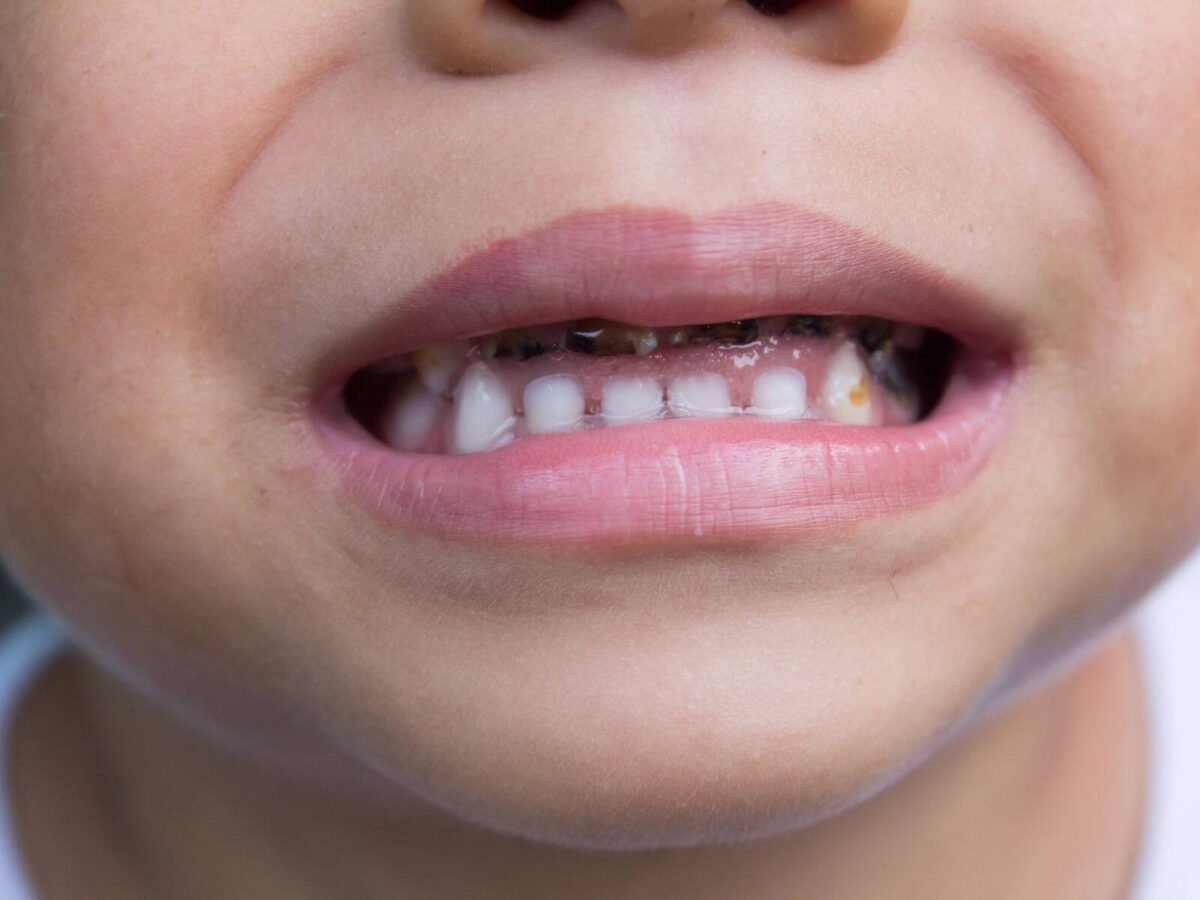
  • More awareness about common childhood dental issues and habits – Infants and even older children have habits like thumb sucking or teeth grinding. These habits could lead to aggravated dental issues later in their lives. Pediatric dentists are well-versed in dealing with these problems and can come up with creative solutions to eliminate such behaviors.
  • Prevention of common problems – Due to their immense knowledge about dental issues related to kids, pediatric dentists can proactively take measures to prevent some of the most common problems. They could apply sealants to discourage the growth of cavities (specifically in new molars) before the cavities could form.
  • Early intervention in the case of orthodontics – Dentists deft in handling kids’ dental issues can identify signs early on in case your child needs braces. If they are trained as orthodontists then they can try early intervention to encourage teeth to grow straight. If not, they would refer you to an orthodontist.
  • Understanding of changes and growth in children – From infancy to 18 years of age, kids go through many changes. The dental changes are huge when it comes to the oral part as the shape of the entire jaw changes and moves during a child’s growth. Due to such quick and tremendous changes, working with a pediatric dentist ensures the best possible dental care for your child’s teeth all through their childhood and teenage years.
  • Making dental care a fun routine – Brushing and flossing should be a habit ingrained in you by the time you are an adult. But convincing kids to take oral health seriously could be a tough job for parents. But a trusted clinic’s staff are equipped with ways to make dental care appear fun to kids. Dealing with young patients in an age-appropriate manner becomes a pediatric dentist’s second nature. Hence, they can easily teach good dental practices to children while having an enjoyable time.

It is essential to bring your children as young as two years to a pediatric dentist. Emphasizing the significance of oral health at a young age would make this habit stick with them as adults too. While choosing the right pediatric dentist for your young ones, consider the clinic environment, their tactics for dealing with misbehaving kids, and their medical tool size (whether it is apt for kids or not).


Categories
Dental care

Why I Care So Much About Screening For Oral Cancer

How often do you have your oral cancer screenings? You may be surprised at how important it can be. You could potentially save your life through this screening- and it is a fast and painless procedure.

Patients are increasingly receiving this treatment routinely from their dentists. Most patients are unaware of the early symptoms of this condition because they are usually subtle. 

Early detection and treatment of this condition are possible. If left untreated, oral cancer can be aggressive and can take a toll on your health and other body parts as well. 

So, in this article we will discuss the same and why you should start getting your screening as soon as possible.

Overview of oral cancer screening

In oral cancer, both the tongue and the back of the throat are affected. There are several places where this disease may develop, including the tongue, the gum tissue, the tongue base, around the throat, and behind the back teeth.

It is important to note that oral cancer has four stages, with each stage having a greater or lesser chance of survival. Generally, stage 1 has a survival rate of 80% -85%, stage 2 is 65% -70%, stage 3 is 35% -65%, and stage 4 is 20% -35%.

These numbers make it even more vital to get oral cancer screening done when you visit your dentist or healthcare provider. 

Here are some of the symptoms of oral cancer that you should look out for and take immediate medical attention if you notice any of these: 

  • Lump in the throat or neck
  • Continually recurring lesions or sores in the mouth
  • The voice that is persistently hoarse
  • Both ears are often bothered by persistent earache
  • A sensation of numbness in the mouth or surrounding areas
  • Having difficulty swallowing or experiencing pain while chewing 

Advantages of getting oral cancer screening done

The screening of oral cancer is very beneficial to keep your overall health on track. It helps in detecting various underlying diseases. 

For example, cancerous growths in the throat and mouth are unlikely to be detected. Since they do not cause pain, most people are unaware of them until they become painful. 

The sooner they are discovered, the easier it is to remove them or treat them. As a result, oral cancer screening provides the most significant advantage in the form of early detection.

The need for an extra appointment isn’t required in the case of oral screenings. Routine dental office visits are the best time to schedule them, as they do not require a lot of extra effort or time.

What is the screening process? 

A lymph node palpation and skin examination are performed during the screening process.


Tonsils, tongue surfaces, and mouth floors are the most commonly affected areas for oral cancer in the mouth.

As the process is so noninvasive, it is usually finished before the patient has a chance to realize it has happened.

The low-intensity light used in this exam also exposes the abnormal cancer cells. The light makes them appear and they can be detected quickly. 

By performing a screening procedure, dentists or hygienists are able to detect oral cancer in its earliest stages in the most accurate way.

Who is at risk and preventive care?

In addition to tobacco users and alcoholics, older men and adults over 44 are also at high risk. HPV infections have also been linked to oral cancer in recent research findings.

A common problem with this disease is that it is usually diagnosed in the late stages and that makes it hard to cure. In order to reduce the number of cases, dentists are screening patients for this disease during routine visits.

It is even more important for patients to receive regular preventative dental care, as these visits provide the opportunity to detect emerging health issues as early as possible. The goal is to catch dental problems in their early stages, such as decay and gum disease, as well as to screen for oral cancer.

Brushing, flossing, and using mouthwashes are common habits that must be followed every day. Preventive care not only promotes good dental health but helps a person maintain overall well-being, as oral health is closely related to physical health. 

Categories
Dental care

How Long Do Sealants Last?

A thin plastic sealant or coating can be applied to the chewing surfaces of premolars and molars to treat deep grooves, pits, and fissures. The purpose of this dental treatment is to seal the teeth from harmful bacteria by applying thin coatings of composite resin.

You must have heard the same if you have ever suffered from chewing or cavity issues. Though sealants are mainly used for children, dentists can also recommend them to adults in special cases. These are very durable dental equipment. 

The upper surface of the teeth is where seventy-five percent of dental decay is found. The teeth become difficult to clean when they have these conditions, and they decay more easily as a result. By using the sealant, the tooth will be protected from decay.

When your dentist recommends dental sealants, it is important to understand how long they will last and how to prolong their life and make the best of them!

What is the purpose of sealants for different individuals?

  • Children and teenagers – Ages 6 to 16 when cavities are most likely to occur, particularly when the first permanent teeth appear 
  • Adults – Teeth surfaces that don’t have deep depressions or grooves and do not show evidence of decay.
  • Baby Teeth – If a child is prone to cavities or if there are deep depressions or grooves in the baby teeth, sealants may be used on them.

For how long do dental sealants last?

The durability depends on the individual and their teeth condition. But with proper precaution, they can last for up to 8-9 years. 

Dental sealant is designed to last, despite their simplicity, which may cause one to doubt their durability. Good material can last 10 years or more as mentioned above. It does not need to be removed like braces or other dental treatments.

As they wear away, they will eventually disappear. It is possible to replace them with new ones if your dentist suggests so. These dental devices are known to last many years if the teeth are not overly stressed. As long as they don’t get damaged too much you don’t have to worry about anything. 

Natural enamel and dental sealants are both subject to wear down when chewing hard foods such as ice and popcorn kernels. So, you must pay attention to this. 

In addition, once your dentist has applied sealants you have to visit the clinic for regular checkups to ensure they are sitting properly in their place. And in case they feel worn out your dentist might also replace them with new ones.

Now that you know the longevity of sealants let’s have an overview of how they are fixed in the teeth!

What is the procedure to fix sealants?

The procedure of applying sealants to a tooth takes just a few minutes. Dental hygienists can perform this task. In order to seal the teeth, cotton is placed around them. Once they are completely cleaned, they stay dry this way.

The enamel will be treated with a special solution to help the sealant bond with the teeth. In the next step, you will be rinsing and drying your teeth. The material is painted onto deep grooves and depressions in the enamel surface.

Two methods are available for hardening these materials, artificial light, and natural means, depending on the type of sealant used. 

Lastly, a good oral hygiene routine, a balanced diet, and regular consultations with your dentist are all key to preserving the effectiveness of your new sealants.


Categories
Dental care

Is Fluoride Bad for Toddlers and Kids?

It is important for parents to carefully monitor certain conditions affecting children’s teeth. Just like adults, kids also need proper dental care to maintain their overall health. But children’s oral care needs are different from ours in many cases. 

Therefore, we must pay great attention to the dental care products we are giving them to use. For example, baby teeth decay more rapidly than adult teeth because they are softer. So, preventing such issues is very necessary. Also, it is vital that you choose a good toothpaste for them.

But how do you know the toothpaste your toddlers are using is safe? Or it will not harm his/her oral health? Well, there is always an ongoing debate on whether a fluoride-based oral care product/toothpaste is suitable for children or not.

So, in this article, we have decided to cover all things fluoride with regard to toddler dental care. But before jumping on to that, let us see what fluoride is.

Several dental products contain fluoride, a naturally occurring mineral that strengthens tooth condition and prevents decay or cavities.

What is the need for fluoride in kids’ dental care routine?

There is always a risk for cavities among children because according to some studies, most of the kindergarten students or preschoolers suffer from cavities and decay. 

Therefore, introducing your child to a fluoride-based product in his/her growing years will help reduce the risk of cavities, limit the growth of bacteria, prevent decay, protect teeth from mineral loss, etc.  But with every pro, there comes a con, and the same is with fluoride-based products. 

Fluorosis is one such condition that can occur in young kids if they take or use too much fluoride in their oral care routine. Therefore, parents must pay attention to whether their toddlers are spitting out the toothpaste or not.

It is very vital to make sure that kids do not use too many fluoridated dental care products because it can lead to neurological health conditions. Though, in most cases, fluoridated products are harmless. But a constant habit of swallowing such products can pose a problem with concern to kids’ overall health.

How to ensure your toddlers are using the right amount of dental care products?

With fluoridated products, one thing that really matters is the quantity we use. And the same goes for our little ones. So, here are some tips which you can use as a parent to ensure your child is taking the right amount of fluoridated oral care product to stay away from any health concerns:

  • Keeping toothpaste out of reach of children and supervising them while they brush can prevent any future health risks.
  • Children with fully developed spitting and swallowing reflexes can safely use fluoridated toothpaste.
  • Brushing should be done under adult supervision for children under six years old, and younger children should be watched as they still have a tendency to swallow things.
  • Giving your children a pea-sized amount of toothpaste at 3 years of age is recommended.
  • It is essential to prevent your child from swallowing more than a pea-sized amount of toothpaste continuously, as this can upset their stomach.

Can you give your child alternatives to fluoride-based products?

Although non-fluoridated toothpaste can replace fluoridated toothpaste in some cases, it will not be able to control tooth decay, so it should be used more frequently.

‍It is generally safe for children and adults to use fluoridated toothpaste. However, it should be used in the correct proportion.  In addition, toddlers and babies should be carefully monitored when using this product.

Lastly, if you want to find a replacement for such products, you must consult a pediatric dentist because they help you find a solution to this after listing all the pros and cons for the same. 

Categories
Dental care

Can Invisalign Affect the Way You Speak?

Invisalign is a relatively new treatment that straightens teeth. You have certainly heard about all of the advantages that Invisalign offers. Compared to the old metal braces, it is less painful. Moreover, it is more aesthetically attractive since it is “invisible.” 

Certainly, you’ve also heard about its drawbacks, such as the fact that it may take longer for your teeth to straighten than with metal braces. However, despite its reduced pain, the procedure isn’t completely free from discomfort. Apart from the discomfort you initially experience, there could be some drawbacks to it that can affect your social life, for example, difficulty speaking. 

Though in most cases, Invisalign does not affect the way you speak. It’s a legitimate concern when it comes to teeth straightening treatment. Therefore, you must know that any orthodontic device in your mouth has the potential to influence the way you talk or say certain words.

Thankfully, any concerns that may arise with Invisalign can usually be fixed efficiently! You can reduce any potential speech impediments by reading below about what to expect from this treatment.

How does Invisalign affect the way you speak?

The Invisalign system gradually shifts your teeth into place with thin, clear, plastic aligners. You won’t notice any difference in your speech since the trays are so slim. In the beginning, you may hear a slight lisp, and nothing serious. Making sounds like “sh”, “s”, or “z” will most likely reveal or grab your attention toward any speech issue. Once you get used to the aligners, it will dissipate.

During treatment, you might also notice a change in your speech style. Because you’re not used to having something in your mouth limiting your motion, you may speak slowly and slur words initially. The quicker you get used to aligners, the faster you will be able to correct any alterations. Speech impediments can fade in as little as a few hours to as many as several weeks, depending on the individual.

How can you keep speech problems away when wearing Invisalign?

There are some tips that you can follow to keep speaking issues at bay when wearing aligners for the very first time. Here are some tips for the same if you can follow: 

  • Wear your aligners as much as possible: If you want to see any difference in the way you speak with aligners, then you must wear them as much as possible. Make sure only to remove it when you are eating or brushing. Wear it for at least 20 hours daily to get used to it quickly. 
  • Converse as much as possible: You can easily get rid of any speech impediment if you try to talk as much as possible when wearing Invisalign. In order to say words clearly without any discomfort, you are saying letters or words that you find difficult to talk about again and again while wearing aligners. This will help you get in the habit of conversing more.
  • Try reading loudly to others: Practicing pronunciation and reading newspapers or books loudly to others will help you with your speech problem.  Developing your pronunciation and enunciation of words can help you adapt to your new dental appliance and overcome a slight lisp. 

During the start of the treatment, most patients experience lisps. But when it does not disappear within a few weeks, it may be concerning. You should contact your dentist if your speech does not return to normal after trying the tips above. This could indicate that the mold does not fit or is not placed correctly in your mouth. 

Categories
Dental care

Take advantage of your dental insurance before it expires

Dental insurance covers orthodontic treatment costs as part of the oral health plan. Such policy covers dental treatments only in cases of injuries, accidents, illnesses or when directed by your dentist. 

Under dental insurance, procedures are classified as diagnostic, preventive, or cosmetic, depending on your plan type and what kind of treatment is covered under it. But to fully take advantage of your orthodontic insurance, you must know how the insurance works.

Most dental insurance pays 100% for preventive care procedures, 80% for basic procedures, and 50% for other major teeth-related procedures. So, commonly such plans work by the 100\80\50 rule. And anyone who hasn’t seen a dentist in a while can attest to the importance of preventive care. 

Therefore, you must visit your dentist regularly and take maximum advantage of your insurance before it expires. There are many advantages to using your dental plans at the correct time. For example, most plans give 100% preventive care coverage, so if you visit your dentist regularly during the cleaning process, multiple teeth-related issues can be identified at an early stage and can be prevented before it gets out of control. 

Before your dental insurance expires, you should make it a priority to use it fully. You can save your healthy smile with the help of your medical care plan, and here is how you can do that. 

Why should you use your dental insurance before it expires?

Dental insurance is essential to keep your oral health in check. It saves you hard-earned money and gives you reasons to visit your dentist often and look after your oral hygiene. Below are a few reasons that you help understand how you can take advantage of your plan before it expires: 

  • Dental insurance helps you stay healthy financially: We all know keeping oral health in check can be very expensive, which is why people can’t look after it most of the time. But a dentistry-related plan helps you save money while giving multiple benefits. You will not only save yourself from paying huge sums of money, but you will get full penetrative and cosmetic care assistance. One of the most crucial factors to consider as healthcare costs continue to rise is to use your plan fully before it expires.
  • You can prevent multiple dental issues early: Dentistry-related plans prevent oral issues and lower overall treatment expenditures. Maintaining good oral health by visiting your dentist twice a year can prevent life-threatening teeth-related complications, and it is only possible while your dental care plan lasts.  You can get routine oral care with the help of your insurance. A small co-payment can get you 100% preventive coverage to see your dentist twice a year with a monthly premium. And you can more frequently visit your dentist and prevent major oral issues like cavities, sore gums, plaque build-up, etc. Additionally, your plan will cover your second hygiene appointment before the end of the year.
  • Use your dental insurance because the benefits don’t roll over: Most people must be aware that the annual benefits the dentistry plan covers do not roll over after the year ends. Hence, using them on time is vital. And it is one of the main reasons you should keep track of your insurance‘s start and end date and take full advantage of it accordingly.

Hope this article has helped you understand all the aspects of dental insurance. In addition, keeping the above-mentioned points in mind will help you take advantage of your plan before it expires in a more comprehensive way. 

Categories
Dental care

What is periodontal disease?

There are many dental or gums-related diseases; one is periodontal disease. Periodontal disease is caused by severe gum infection or inflammation around the bone that supports and surrounds the teeth. 

The early sign of this disease is bleeding, red and swollen gums, etc. In the early stages, the swelling and bleeding might seem normal but if not diagnosed early, it can cause teeth to fall off, gums to pull away from teeth, weak bones, and more. 

On the other hand, periodontal disease is most common in adults, and if not treated properly, it can cause other health-related issues as well. In addition, a study suggests that more than 48% of adults above the age of 30 have some kind of periodontal disease. 

What causes periodontal disease in the first place?

The main reason why patients face periodontal issues is because of the increased amount of bacteria in their mouths. When the mouth is infected by any outside or inside bacteria, it directly affects the tissue surrounding the teeth, eventually leading to this disease. 

Now that you know periodontal disease is a gum disease, you must also know how it can badly impact your gums if not treated timely. If the bacteria in your mouth stay longer than a specific period, they tend to form a thin film layer called plaque. 

Plaque is a yellow layer that, when hardened, is called tartar or calculus. This layer build-up around the gum line, which makes it harder to clean the teeth properly. And in many cases, bacteria stays inside the mouth even after brushing or flossing.

Therefore, this plaque layer slowly leads to infections and cavities that can cause periodontal disease in the longer run. But going to a dental care professional can help you remove the plaque layer from your mouth correctly and efficiently. In addition, it prevents any further infection.

What are the early signs of periodontal disease?

There are multiple signs to look out for in periodontal disease, and some of the most important signs or symptoms are listed below: 

  • Bad breath: Watch out for bad breath. It can be concerning if your bad breath is not gone even after brushing your teeth.
  • Swollen gums: Swollen and red gums are one of the easily noticeable signs of periodontal disease. Professional dental care must be taken if you are suffering from the same.
  • Bleeding gums: Sensitive and bleeding gums is another sign you must look out for. Severely bleeding gums can also make your teeth sensitive to different foods and drinks. 
  • Pain in chewing: You should consult your dentist if you experience frequent gum pain while chewing food, as it can result from periodontal disease.

How can you prevent periodontal disease?

Before jumping into the precautions, let us see what factors can make this disease worse: 

  • Excessive smoking
  • Condition of diabetes in the family
  • Bad oral health/hygiene
  • Uneven or crooked teeth
  • Mouth dryness
  • Any hormonal changes 

These were some of the everyday things that can badly affect this disease. So now let’s see how one can prevent it from happening:

In the early stages, gingivitis or periodontal disease is easily controllable. You have to incorporate some easy steps into your dental routine. Moreover, weekly professional oral hygiene check-ups and cleaning are very successful ways of preventing this issue. 

You can start by brushing your teeth twice daily, followed by a proper tongue cleaning and flossing routine. To clean the root surface of your teeth, you can go for more extensive treatments by visiting your dentist.

Your dentist might prescribe you some medication if the condition gets worse. Lastly, it is always advised not to diagnose the condition independently and seek professional help. 

Categories
Dental care

What can happen if a tooth infection is left untreated?

We frequently undervalue minor scratches, but we should never do so when it comes to toothaches and infections of the tooth roots. Never put off visiting a dentist if you have a severe toothache, especially if your gums are red and inflamed.

Untreated dental root infections can spread throughout the body, cause more severe health issues, and even put your life in danger. Even though our teeth and gums make up a relatively minor portion of our bodies, disregarding their demands has an adverse effect on other sections of your body.

How Does Tooth Infection Happen?

A buildup of pus at the tooth roots, known as a tooth root infection or periapical abscess, is brought on by a bacterial infection. It occurs when the bacteria enter the tooth’s pulp, which contains connective tissues, blood vessels, and nerves.

Severe Effects of Tooth Infection

Numerous health concerns could develop after the disease-causing bacteria from your diseased tooth enters the circulation. When germs and viruses invade our body, our body responds differently. Untreated tooth infections may not hurt some healthy people, but they may harm other patients who have the following health issues:

  • The bones surrounding your diseased tooth, especially your jawbone, are the first place bacteria go for food. Osteomyelitis, often known as a bone infection, is an inflammation of the bone marrow or bone brought on by a systemic bacterial infection.
  • Severe osteomyelitis can be excruciatingly painful and alter your bone structure. The worst-case scenario is when the germs take control of your body and endanger your life. The course of antibiotics and antifungal drugs used in the treatment can run for four to six weeks.
  • When bacteria from a tooth root infection migrate through the skin’s veins and cause cellulitis, the area becomes infected. Infection of the inner layer of skin near fat is known as cellulitis. You can get cellulitis in your breast, anus, or face. 

Before it’s too late, make an appointment with your dentist and take care of your oral health.

Categories
Dental care

What type of retainers are better?

After your Invisalign treatment, the next step is to wear retainers. Retainers are vital to wear after the orthodontic treatment because they help to keep your teeth in place and in the best shape possible for the rest of your life.

After the teeth straightening treatment, people often get confused while choosing retainers. There are mainly two types of retainers: fixed and removable.

Fixed are also called bonded, or permanent retainers, and removable retainers are also called Hawley or Essix retainers.

Depending upon your teeth condition, your dentist will give you retainers suitable for you. After the teeth straightening process, you still have to take care of your teeth. It can be done by wearing retainers as they will prevent your teeth from shifting back to their previous position.

You must visit your dentist to know which retainer you should wear. Though the purpose of all the retainers is the same, they can affect your teeth differently. Therefore, knowing how different retainers work is vital to choosing the best for yourself.

How do different types of retainers work?

Below listed are different types of retainers and how they work:-

Permanent retainers:

Permanent retainers are also called fixed or bonded wire retainers. As the name suggests, these retainers are fixed to your teeth only onto the six teeth in the front and the back. These retainers are glued behind the teeth providing permanent support to help your teeth retain their shape and position. After continuously wearing permanent retainers, you might have to replace them after 5-6 years.

Removable retainers:

As the name suggests, these are removable retainers. You can remove it while eating, drinking, flossing, or brushing your teeth. Removable retainers are called Essix retainers. They sit above your gum line. These are made up of clear plastic, which makes them less noticeable.These were some of the retainers and you can choose one depending upon your requirements and budget. Lastly, if you face any problem with your retainers, make sure to visit your dentist for proper treatment.

Categories
Dental care

How often should I clean my retainer?

With the teeth straightening process comes the responsibility to properly clean your teeth and retainers to maintain good oral hygiene. Retainers are made from plastic and wire; both plastic and wire-bound retainers are delicate and need daily cleaning and washing. Patients’ most common question about their retainers is how and when they have to clean them.

Retainers are delicate and can easily get torn off if you do not take proper care of them. Not taking good care of your retainers can also harm your teeth straightening process. There are some common steps that you should follow to clean your retainers. 

You should always wash your retainers before putting them back in your mouth. In addition, after having a meal, you should always wash and brush your teeth and retainers to ensure there are no debris or food particles between them. 

Not only this, it is vital to clean your retainers with lukewarm water after you have taken them out of your mouth to ensure that they are properly cleaned, and you can wear them again. Moreover, if you see plaque build-up or stain on your retainers, you can soak them in a dishwashing shop and clean them lightly with a soft brush. You can do this method every once a week to properly disinfect your retainers.

What are the advantages of cleaning your retainers often?

Apart from washing your retainers daily, you should deep-clean your retainers every 2 days a week. Some advantages of cleaning your retainers often are:

  • It will increase the life of your retainers.
  • It will prevent your teeth from cavities.
  • Cleaning your retainers will prevent any dental relapse.
  • Deep-cleaning your retainers will save them from turning yellow and plaque build-up.

Lastly, if you experience any issues with your retainers, you must visit your dentist for the treatment.

Categories
Dental care

How long do permanent retainers last?

There are two types of retainers: permanent and removable/temporary. Both these prevent your teeth from shifting back to their previous position. Retainers are important for maintaining a straight-looking and prominent smile forever.

Permanent retainers are made from plastic or metal wires or a combination of both. Most dentists give metal or wire constructed permanent retainers as they are more sturdy.

Permanent retainers are fixed at the back of your front teeth, and you can’t take them out. Permanent retainers are good as there is no worry of losing them, though they can make your oral hygiene routine a little difficult. But if you are daily brushing your mouth before and after every meal, it is not a problem.

How much time do permanent retainers work without replacement?

After you have worn your Invisalign aligners for 6-24 months depending upon your condition, you have to wear permanent retainers. As the name suggests, permanent retainers are worn daily on and off.Permanent retainers are high in sturdiness and quality compared to temporary retainers. So, they last longer than temporary retainers for up to 20 years. With proper care, permanent retainers can greatly impact keeping your teeth in a straight position.

However, permanent retainers are not invincible; they can also damage with time if you do not follow a proper flossing and brushing routine.

Therefore, a permanent retainer is not permanent in a true sense as you must replace them once worn out. You can not wear a damaged retainer as it can harm the progress of your teeth straightening process.

Even if you have to change your permanent retainers at some point, they are more durable than any other retainer.

Lastly, if you experience any issue with your retainers, you must visit your dentist for proper treatment.

Categories
Dental care

Do Retainers Straighten Teeth?

A “retainer” is a wire-based dental device a dentist gives to wear overnight to keep your teeth aligned after removing braces. You can’t simply sleep with a retainer or borrow someone else’s retainer to straighten your teeth without braces.

Both temporary and permanent retainers aid in correcting minor tooth and bite shifts by guiding the teeth back to their correct positions. The degree of shift determines whether a retainer can correct the shifting teeth or prevent further shifts.

You can also use Invisalign and other new orthodontic treatments to correct shifts after a course of orthodontic treatment. Invisalign retainers, like temporary maintenance retainers, are temporary and removable. You can remove them for eating, drinking, tooth care, and special occasions, but retainers should wear them for the best results. If tooth or bite shifts are more pronounced, Invisalign can be a good alternative to more orthodontia.

Wear and Care of Retainers

You can keep your teeth and bite in alignment by properly caring for your retainer and wearing it as your dental professional recommends.The following are some suggestions for properly caring for your retainer:

  • Stay away from hot water and environments that could cause warping.
  • Carry a storage case with you to keep it safe when not in use.
  • Please keep it away from pets and avoid storing it in a napkin, as these are frequently thrown away by accident.
  • Brush your retainer after every meal (but only with non-abrasive toothpaste!)
  • After each use, rinse your retainer with cold water.

Your dentist may recommend a fixed retainer, not a full set of braces if your teeth are only slightly crooked or crowded. Sometimes, a removable retainer may be used for slightly crowded teeth treatment. It would be best if you only carried out retainer treatment plans under the supervision of the orthodontist who prescribed them.

Categories
Dental care

Can wearing retainers move teeth back?

Retainers are an orthodontic treatment that helps you maintain a more straight and prominent-looking smile. A retainer is great for someone who suffers from a misaligned, crooked, uneven, or weird-looking smile, as after the Invisalign treatment, it helps to hold your teeth back in position. Retainers do not help move teeth back majorly, but they can make a slight difference in how your smile appears.

Various factors determine the time of your progress with retainers. Factors like age, condition of your tooth, and how much time you had worn your Invisalign aligners before coming into play. If you have fewer dental issues like minor gaps, little uneven positioning, etc., retainers can help move your teeth by some inches.

How do retainers affect the teeth’ movement?

Certain factors determine your treatment time, but it is important to understand that retainers do not fully push or move your teeth; you can’t rely on retainers for major dental issues.Firstly, as suggested by your dentist, you will have to wear your retainers, which should be at night or for some hours of the day. Wearing your retainers regularly will help you speed up the process of maintaining a prominent smile.

Every custom-made retainer is meant to hold your teeth in a proper position gently. Retainers are meant to fit your teeth, holding the new bones and gums together to prevent dental relapse. They put pressure on your teeth to help get them straight and aligned.

In addition, it is vital to understand that everyone is different so is their treatment progress. But in general, almost everyone starts to see major changes in their smile by 3-5 months if wearing retainers.

Lastly, if you face a problem with your Invisalign aligners, you must consult your dentist for proper treatment.

Categories
Dental care

Does Invisalign make you talk funny?

Invisalign is a teeth-straightening orthopedic treatment. While Invisalign is less noticeable and easy to manage compared to the traditional braces, it can cause some problems with speech or make you talk funny, but it is easy to deal with and does not cause serious trouble.

While some people can have difficulty speaking, some can experience slight changes in how they talk, but it will go as you get used to wearing Invisalign every day. Invisalign trays completely cover your teeth, making them look slightly thicker, due to which some people experience a slight change of speech, which is temporary.

Most of the patients find it difficult to pronounce words with the sound of ‘s,’ ‘sh,’ ‘z’ or ‘th’. However, the problem is not noticeable enough, and you can adapt to the speech change once you wear your Invisalign for more than 2 weeks. In addition, if your speech and pronunciation problems are persistent, it is important to consult your dentist.

Why do you have a speaking or pronunciation problem with Invisalign?

Your Invisalign aligners are supposed to fit perfectly to your teeth, and they should not slip around while you wear them. If your Invisalign tray is not properly molded, it could make your Invisalign either too tight or too loose, and it will not sit properly on your teeth. Any such problem with your Invisalign tray could make it hard to talk or pronounce words correctly.

Tips for speaking properly with Invisalign

  • Often practice the pronunciation of words you face difficulty in speaking
  • Try reading more books or newspapers aloud to yourself or others
  • Speak as much as you can without hesitation while wearing your Invisalign. This will get you used to talk while wearing your aligners.
  • Speak slowly. Don’t rush out words while talking

Lastly, if you face any difficulty with your Invisalign treatment, it is important to consult your dentist for proper treatment.

Categories
Dental care

Do you have to get both top and bottom Invisalign?

Getting Invisalign on your top or bottom teeth is an option when you are interested in straightening your smile. While wearing the Invisalign aligners on one arch, you can complete the process of teeth-straightening. The treatment of this sort is focused on a particular problem area rather than adjusting your entire occlusion.

However, traditionally Invisalign treatment involves wearing both pairs of aligners, one on your bottom teeth and one on your top teeth.

How does single arch or Invisalign treatment work?

Single arch or single Invisalign treatment involves wearing Invisalign either on the bottom or the top teeth. It depends on your specific needs and dental issues. However, It’s important to understand that not everyone qualifies for single arch treatment. Your dentist can only determine if you are eligible for a single Invisalign treatment depending upon your occlusion (how your teeth bite).

How does double arch or Invisalign treatment work?

Invisalign on one arch is usually best for people who have a few crooked front teeth or people who only want cosmetic teeth straightening. At the same time, double arch or double Invisalign treatment is for more complex cases like crossbites, open bites, or malocclusion (which means your upper teeth are not correctly aligned with your bottom teeth). Your dentist can give you both upper and lower teeth Invisalign to improve such dental issues. Hence, it is not essential to get both top and bottom Invisalign. However, you can get both top and bottom Invisalign in serious dental issues. And if you’re facing problems like spacing or gaps, slightly crooked front teeth, misaligned teeth, any teeth in your smile zone, etc., you can go for a single Invisalign treatment. 

Lastly, if you face a severe dental problem, you should consult your dentist immediately for quick and proper treatment.

Categories
Dental care

Can I Get a Permanent Retainer After Invisalign?

Invisalign can get you perfectly aligned teeth without making your braces look conspicuous. Invisalign are clear braces that you can remove for eating and drinking and can happily wear to parties, sports, and other events without worrying about how your teeth look.

One of the biggest reasons for Invisalign’s popularity comes from being practically invisible as well as having a shorter treatment time as compared to traditional metal braces. Reduced treatment time means patients can see the results in a shorter duration, which they find extremely rewarding.

If you just got Invisalign fitted on your teeth and are on your journey towards a perfect smile, you might have a lot of questions in your mind. Some concerns or queries most people will have at this time are “Would I need a retainer after the treatment is complete?” or “How long do I need to wear a retainer”, etc.

Let us find out what is required of you after finishing your Invisalign treatment.

Retainers After Invisalign Treatment

Once you have got our desired result from Invisalign and your teeth are correctly positioned, your orthodontist will advise you to wear a retainer. The retainer could be temporary or permanent based on what your orthodontist feels is best for you.

So, why the retainers?

  • Invisalign puts gentle pressure on your teeth to push them in the right direction, and once that force is gone, your teeth will tend to move back to their original positions. This is especially true for growing kids and teenagers as their bones are not fully hardened, and they have a very high metabolic rate. Due to this, a retainer is a must.
  • Invisalign retainers remind your teeth to maintain their positions after the active Invisalign treatment.

Types of Retainers:

There are mainly two types of retainers to choose from:

  • Fixed or permanent retainer: For this, a small wire is placed on the back/inside surface of your front or/and back teeth. These retainers may be used for an indefinite period so that your teeth never get a chance to move back. The retainer is unobtrusive, and no one can see you are wearing it. Also, you will never lose the retainer as it is bonded to your teeth.
  • Removable retainers: These come in two forms:
      • Hawley retainer: This is a traditional wire retainer.
      • Clear retainer: This is often referred to as Essix or 3D retainer and looks like the Invisalign trays. In this, you can see the wire component from the outside, but the plus point is you can remove them when you wish to.

    After Invisalign treatment, you must use retainers as advised by your orthodontist; else, your teeth will tend to shift back. The retainer could be a permanent or a removable one as advised or preferred by you and your orthodontist.

    Schedule your appointment with a dentist today and get the treatment on time!

    Categories
    Dental care

    What braces colors to avoid?

    Avoid dark colors like black or brown since they might stain and discolor your teeth. White and yellow bands should also be avoided since they absorb the color of dark beverages like coffee, tea, or red wine.

    You should avoid these colors for the following reasons:

    • Black: Can appear as if your teeth are rotting or as if you have food stuck between your teeth.
    • White: White elastics are likely to stain more easily and might make your teeth appear yellow.
    • Yellow: Tends to make yellow-toned teeth look even more yellow.
    • Brown or Green: It may be mistaken for food in your teeth.

    How to Select the Best Colors For Braces

    • To complement darker skin tones, select pink, gold, orange, dark blue, turquoise, or violet.
    • To compliment lighter skin tones, choose pale blue, bronze, dark purple, or subtle reds and pinks.
    • To make your teeth appear whiter, you must choose darker colors.
    • Keep an eye out for lighter colors that may make your teeth appear yellower.
    • Colors that compliment or match your eyes are a good choice.
    • Consider colors that go well with the clothes you wear most frequently.

    When it comes to braces, color is important!

    Traditional braces are made up of numerous parts. The archwires that go from tooth to tooth are held in place by strong metal bands that encircle your back molars. Rubber bands secure the upper and lower archwires to brackets on the front of each tooth. That’s when things start to become interesting.

    Since dentists advise that children begin orthodontic treatment between the ages of 8 and 14, the majority of the color options are geared toward children. Still, for a particular occasion, some adults may choose a playful, short-term splash of color.

    At each orthodontic appointment, don’t be scared to request new colors of braces.

    Categories
    Dental care

    What’s the longest time to wear braces?

    You should only expect to wear your braces for a maximum of three years. While this may appear to be an excessively long period with braces on your teeth, please make an effort to understand that this is the worst-case scenario. Two years is an approximate time of how long your braces will last.

    However, check out this additional information!

    How Long Will Braces Be Required?

    Because everyone is different, there will be no similar patient care plans for braces. When you wear braces, a lot of things are taken into account, and each of these limiting factors will have an impact on how long you’ll have to wear them.

    When determining the duration, some of the most important factors to consider are:

    • The age of the patient
    • The extent to which teeth are misaligned
    • Pre-existing dental and skeletal problems

    When all three of the above-mentioned factors are taken into account, a more precise time frame for your orthodontic treatment can be determined.

    Is it possible to shorten the treatment time for braces?

    Maybe. Patients who properly follow treatment recommendations have a better chance of having their braces removed sooner. This might be as easy as brushing and flossing regularly or, in the case of aligners or removable equipment like bands, wearing them for the entire prescribed treatment time every day.

    While wearing braces, patients should also follow good eating habits. Avoiding sticky or hard foods like corn, gum, popcorn, chips, and candies can help you get through your treatment faster. Brackets that are broken or missing can cause treatment to take longer.

    Finally, not everyone recognizes how difficult it is to brush your teeth wearing braces, but it is essential to do so correctly.

    Schedule your appointment with a dentist today and get the treatment on time!

    Categories
    Dental care

    Are My Braces Working If They Don’t Hurt?

    Every orthodontic patient wonders about this question within the first two weeks of fitting the appliance, “if my braces do not hurt, are they still working?” To answer in short, if your teeth are hurting a little or there is some amount of discomfort, then for sure the braces are doing their work. Though this discomfort soon disappears in a matter of a few days after each readjustment (or tray change in case of Invisalign.) Also, if you feel your teeth are shifting, it is a sign of your braces working.

    That being said, every person will have a different experience with their braces. Let us see what to expect in general when you get your braces fitted.

    Experience of Wearing Braces

    In the first few hours of putting the braces on, the patient might not feel any discomfort or pain right away. Though after a few hours, the gentle pressure of braces on teeth will start its effect.

    • Braces put pressure on teeth to slightly pull them into the right alignment which can create discomfort or pain. This pain could last a few days or close to a week.
    • You might have sore gums and also scrapes on the inside of the cheek if you are wearing metal braces. The metal braces rub against your cheek.
    • If you use your tongue to feel your braces, you might also get cuts on your tongue.
    • While eating food, it’s quite common for your teeth to feel sore after putting on braces.

    Braces No Longer Hurting – Have They Stopped Working?

    As the body adjusts, a person might not notice the braces too much. When the braces shift the alignment of teeth and jaw; the pain persists for just a few days. But once the discomfort is gone, it does not mean the braces are no longer working.

    • During every visit, the dentist would change wires and tighten springs. This would cause a new shift and discomfort but once your teeth are in their new position, the discomfort stops.
    • In the next adjustment, the same process is repeated, which will cause the discomfort to come back for a few days. For Invisalign, this happens for every tray change.
    • With the advancement in technology and flexible wires, the pain and discomfort are much less than in the olden days.

    After getting braces, tightening typically occurs once per month. But you might not get bruises on your tongue or cheeks after every tightening since you have already adjusted to having braces in your mouth.

    Schedule your appointment with a dentist today and get the treatment on time!

    Categories
    Dental care

    What are the pros and cons of having braces?

    Everyone wants their smile and face attractive. But because of tooth deformities, people feel embarrassed. Not only does it cause embarrassment, but other dental issues as well. Braces are used to correct these problems. But having braces has both pros and cons.

    What are braces for?

    Braces are part of orthodontic treatment by dentists to improve your teeth’s alignment. But many people consider it for a facial reason, to improve their smile and look more attractive. Dental braces are used for crooked and unaligned teeth, and many children and adults prefer them for medical and cosmetic purposes. Read some general points to consider about braces or not. A dentist or orthodontist can help determine if braces are the right option for you or not.

    Having Braces: Pros

    • Enhance your smile and facial features: our lips, cheeks, jaw shape, and parts become disproportionate due to dental asymmetry caused by misaligned teeth and the face. Braces help your teeth to align with one another correctly. It can assist in improving the appearance of your face and makes you look better.
    • Decreases the chances of other dental issues: alignment issues: correction could be a great solution with braces. You may experience pain or discomfort if your teeth are unaligned. It can cause swallowing and chewing problems over time, cause facial pain and make cleaning more difficult, increasing the likelihood of plaque and bacterial issues in the mouth and lowering the risk of other serious dental problems.

    Having Braces: Cons

    • Take times and are difficult to clean: Braces take a long time for treatment, especially in adults for months to years. Not having habits of braces, Braces makes brushing and cleaning challenges. It can trap food particles and cause plague if not cleaned properly.
    • Every Noticeable: People have a social stigma regarding braces and discourage others due to it. And they feel embarrassed about them, especially teenagers. But remember, it will be beneficial for a short period in the long term.

    Schedule your appointment with a dentist today and get the treatment on time!

    Categories
    Dental care

    How long do you wear rubber bands with braces?

    Rubber bands are utilized to provide more force to a specific area of your mouth, and elastomers are another name for them.

    Rubber bands are used to link your braces’ brackets and can be positioned in a variety of ways. Using little metal hooks on the bracket, they’re fastened and secured.

    Rubber bands can be used to help braces in a variety of ways. They’re frequently utilized to correct a variety of jaw misalignments, including:

    • underbite
    • open bite
    • overbite
    • crossbite

    They can also be used with braces to help adjust tooth spacing or position, such as correcting a crooked tooth.

    How long do you have to keep your braces’ rubber bands on?

    Your bite and the amount of adjustment required will determine the answer. It could last anywhere between a month and six to eight months. Unless otherwise specified, it is critical to wear your elastics for at least 24 hours each day.

    Only take your elastics off when:

    • Tooth brushing
    • Eating (if necessary)
    • New elastics to replace old elastics (which should be done once a day)

    Tips on how to put rubber bands with braces

    It takes a few days to become comfortable wearing your elastics 24 hours a day. We’ve included some pointers on how to make the transition to wearing elastics on your braces as painless as possible:

    • Changing rubber bands on your braces: Securely hook your elastics on your brackets using your thumb and pointer finger. When attempting to put them on for the first time, it’s best to practice in front of a mirror.

      If you need any guidance on wearing rubber bands with braces, you can connect with your dentist at the earliest.

    • Replace them daily: Because these are rubber bands, they will eventually lose their tension and suppleness. To keep your treatment plan on track, change your elastics every morning.

    If you need any guidance on wearing rubber bands with braces, you can connect with your dentist at the earliest.

    Categories
    Dental care

    How does Dental Insurance Work?

    Dental procedures are quite costly and having dental insurance takes that burden off your head. Quality dental insurance will cover almost all dental procedures, from routine checkups to cleaning, root canal, extractions, and more. Most dental insurance policies are pretty straightforward and they tell you the procedures they cover, how much they will pay and how much you have to pay from your pocket. Let us go through some of the details associated with dental insurance.

    How to Apply for Dental Insurance?

    There are a couple of ways you can avail yourself of dental insurance:

    • Through employer: As part of your employment benefits, your employer may offer you dental coverage.
    • Buy a dental plan by yourself: You can buy dental insurance either through a health insurance company or the state health exchange.
    • As riders: Some medical insurance policies have dental insurance attached as riders.

    Characteristics of Dental Insurance
    Most dental plans work in the following manner:

    • Premium payment: In general, you will require to pay a monthly amount for owing dental insurance. If your dental coverage is through your employer then the premium is deducted from your salary.
    • May have a waiting period involved: There is a waiting period of six to twelve months with most dental insurance companies. This means you will have to wait to get any standard work done. For major procedures, the waiting period could even be two years.
    • Deductibles: Deductible is the amount of money you need to pay from your pocket for the dental procedure.
    • Primary dentist: Some dental policies need you to select a primary dentist. Your primary dentist is the one you would see for any dental issues and they will coordinate for any major or specialized dental care you need.
    • In-network/Out-of-network: Based on the plan you select, you might or might not be required to see a dentist within the insurance company’s network.

    Most dental plans will take care of preventive as well as restorative dental procedures like a dental exam, cleaning, mouth-x rays, cavity filling, root canals, tooth extraction, bridges, crowns, dentures, etc. In general, dental policies do not cover cosmetic procedures like veneer, teeth whitening, braces, retainers, etc. Dental insurance is extremely beneficial as they lower your out-of-pocket costs and offer preventive dental care at zero cost.

    If you are looking for Dental Billing Company in US, you can contact Capline Dental Services.

    Categories
    Uncategorized

    Does flossing help speed up braces?

    Yes, flossing two times a day is one of the most basic and efficient ways to remove your braces sooner.

    How Does Flossing Help With Braces?

    Braces straighten your teeth, but they also promote an increase in the amount of food, plaque, and bacteria that must be cleaned regularly. Otherwise, you’ll encourage the growth of germs and the formation of plaque. If you wish to keep tooth decay and gum disease at bay, you must clean your teeth regularly.

    Braces come with brackets that tend to trap food particles in the brackets and wires. Because of the way it’s set out, you’ll have to put in more effort to travel to all of the difficult-to-reach locations.

    While braces might raise the chance of gingivitis and cavities, you can combat this by brushing as well as flossing your teeth regularly to ensure that your oral health is maintained so that your braces are removed sooner.

    Benefits of flossing:

    • Prevents excessive bleeding and swelling of the gums.
    • Reduce your risks of developing gum disease or tooth decay.
    • Keep your gums and teeth in a good shape.

    Correct Way of Flossing

    A floss threader, waxed floss, and some time are all you’ll need.

    Loop 12-14 inches of floss in your threader and direct it under a wire using the stiff end. Slide it beside and up each tooth’s gum line after you get there. Remove it and thread it under a major wire, through the next set of teeth. While teens can floss on their own, small children with braces will almost certainly need assistance from their parents.

    Even if flossing takes longer with braces, don’t skip it. These flossing methods may make the process go more quickly and easily. Make an appointment with your dentist if you require additional assistance.

    Yes, flossing two times a day is one of the most basic and efficient ways to remove your braces sooner.

    How Does Flossing Help With Braces?

    Braces straighten your teeth, but they also promote an increase in the amount of food, plaque, and bacteria that must be cleaned regularly. Otherwise, you’ll encourage the growth of germs and the formation of plaque. If you wish to keep tooth decay and gum disease at bay, you must clean your teeth regularly.

    Braces come with brackets that tend to trap food particles in the brackets and wires. Because of the way it’s set out, you’ll have to put in more effort to travel to all of the difficult-to-reach locations.

    While braces might raise the chance of gingivitis and cavities, you can combat this by brushing as well as flossing your teeth regularly to ensure that your oral health is maintained so that your braces are removed sooner.

    Benefits of flossing:

    • Prevents excessive bleeding and swelling of the gums.
    • Reduce your risks of developing gum disease or tooth decay.
    • Keep your gums and teeth in a good shape.

    Correct Way of Flossing

    A floss threader, waxed floss, and some time are all you’ll need.

    Loop 12-14 inches of floss in your threader and direct it under a wire using the stiff end. Slide it beside and up each tooth’s gum line after you get there. Remove it and thread it under a major wire, through the next set of teeth. While teens can floss on their own, small children with braces will almost certainly need assistance from their parents.

    Even if flossing takes longer with braces, don’t skip it. These flossing methods may make the process go more quickly and easily. Make an appointment with your dentist if you require additional assistance.

    Schedule your appointment with a dentist today and get the treatment on time!

    Categories
    Dental care

    Do clear braces turn yellow?

    In terms of white/clear braces, there are two types. The front of the teeth is traditionally fitted with white ceramic braces that look like train tracks during orthodontic treatment. In addition to clear removable braces, there are also clear retainer braces, which are removable and act similarly to retainers worn after the braces are removed to keep your teeth in place.

    Likely, clear removable braces will not turn yellow since they can be removed for eating and drinking. They can be rinsed/washed quite easily if they get dirty for any reason.

    Using white wires and clear elastics to attach the braces to the teeth, we move the teeth using the white braces attached to the front of your teeth, which are made of ceramic or porcelain. You can clean your teeth with clear removable braces as they don’t have any parts that are glued to your teeth.

    After eating, brush, rinse and floss your teeth immediately
    You were keeping your invisible braces invisible, which means removing food particles from your teeth as much as possible to minimize the appearance of stains. Whenever possible, it is best to brush, floss, and spit with mouthwash even after smaller snacks, rather than only after large meals. Furthermore, it prevents tooth decay around and behind your brackets, as well as keeping your teeth cleaner and healthier.

    Quit smoking
    Even if you immediately brush after smoking, smoking can still stain your teeth a sickly yellow, not to mention the health risks associated with it and the already existing staining power of nicotine smoke. Cleansing your teeth after smoking is harder than cleaning after any food that may stain, so you should brush as soon after smoking as possible. Don’t smoke.

    Try not to use whitening toothpaste
    This is a good choice whether you have clear braces or traditional braces. It is true that once you remove your brackets, the tooth surface underneath the brackets will be a different shade from the rest of your tooth, leaving you with some unsightly imprints of where your brackets once resided. Having said that, once your brackets are removed, they will remain white, but once these are removed, they will likely be a different shade than the rest of your teeth. If you wish to whiten your teeth, wait until your treatment has been completed and after all your appliances have been taken out.

    Whenever those elastics begin to show, make sure you visit your orthodontist regularly and schedule extra appointments as necessary.

    Schedule your appointment with a dentist today and get the treatment on time!

    Categories
    Dental care

    Can you get braces at 25?

    People who wish to straighten their teeth can choose braces as a reliable option. Despite the common misconception that orthodontic treatment is reserved for children and teenagers, starting braces at any age is never out of the question. Adult braces are typically only recommended for patients who have completed their jawbone development and have erupted all primary teeth. If a patient considers braces, their age is not a determining factor. Instead, it comes down to whether they are willing to commit and when their dental health permits.

    Many adults indeed wish to get braces at a later age. Even if they did not have braces or retainers as children, adults are often delighted at the opportunity to improve their smiles – it is never too late. The fact that children may not pay as much attention to crooked teeth or spacing issues as adults may explain why children are more likely to neglect dental care. Although as an adult, if you are paying for the braces yourself, you are more likely to maintain proper oral hygiene and embrace the journey towards a better smile.

    Due to the stigma associated with traditional metal braces, several orthodontic options allow adults to correct their teeth more privately. Patients who are searching for a better alternative to bulky metal braces can consider clear braces, invisible braces like Invisalign, and lingual braces (less common), among others.

    Hence, don’t let the stereotypes deter you; the braces treatment is not restricted to certain age groups. Braces can be used at any age to correct misaligned teeth if your teeth and gums are healthy and strong to withstand the impact. Ensure to consult your trusted dentist to know more about your teeth condition and braces treatment.

    Schedule your appointment with a dentist today and get the treatment on time!

    Categories
    Dental care

    Who should get the HPV vaccine?

    HPV, or Human Papilloma Virus, is a sexually transmitted infection. These viruses cause cases related to cervical cancer. For girls or women who are at risk of it, the vaccination can prevent most cases of cervical cancer. It is also advisable for boys and men to get vaccines to prevent transmission.

    Recommendations
    According to the CDC, these are the following recommendations:

    • 11- and 12-year-olds should receive two doses of HPV vaccine within 6 months gap
    • For younger adolescents (ages 9 and 10) and teens (ages 13 and 14) also; the two-dose strategy is effective
    • Age groups 15- 26 should also schedule to receive 3 doses.
    • For ages of 27 and 45, it is recommended to seek medical advice about whether you should get the HPV vaccine or not.

    Side Effects
    Many research findings have shown that the HPV vaccine is safe. Side effects are minor. You might have soreness, swelling, or redness at the injected site. After injection, you may experience dizziness or fainting, headaches, nausea, vomiting, exhaustion, and weakness.

    Precautions
    The HPV vaccine is not recommended during pregnancy or for people who are ill. Check with your doctor if you have any severe allergies. If you’ve had a life-threatening reaction to any component of the vaccine or happen to have had any previous dose.

    Even if you already have one type of HPV, the vaccine may be beneficial because it protects you from other types that you do not have. The vaccinations primarily protect you from HPV strains to which you have never been exposed.

    Disclaimer. The article is for information and educational purposes only. Please visit a medical professional for any consultation.

    Schedule your appointment with a dentist today and get the treatment on time!

    Categories
    Dental care

    What Causes Baby Bottle Tooth Decay?

    Yet they are temporary, your child’s baby teeth are important and still susceptible to cavities.

    Tooth decay in infants is known to be baby bottle tooth decay. Children need strong, healthy teeth to chew their food, speak and have the best-looking smile. 

    Their first teeth are also crucial to the growth of straight and healthy teeth in their adulthood. It’s essential to get infants off with good oral care to help protect their teeth for decades to come.

    Causes of baby bottle tooth decay
    Baby bottle tooth decay most frequently happens in the upper front teeth, however other teeth may likewise be affected.

    Many factors can cause tooth decay. One common cause is the regular, prolonged exposure of the baby’s teeth to drinks that contain sugar. Tooth decay can happen when the baby is put to bed with a bottle, or when a bottle is used as a pacifier for a fussy baby.

    Tooth decay is a disease that can start with cavity-causing bacteria being passed from the mother or primary caregiver to the infant. These bacteria are passed through the saliva. When the mother puts the baby’s feeding spoon in her mouth or cleans a pacifier in her mouth, the bacteria can be easily passed to the baby.

    If your infant does not receive an adequate amount of fluoride, they may also have an increased risk for tooth decay. Fortunately, baby bottle tooth decay is preventable.

    How to prevent baby bottle tooth decay?

    • Don’t share saliva with the baby through the common use of feeding spoons or licking pacifiers. After every feeding, make sure to wipe your child’s gums with a clean and damp cloth.
    • At the point when your child’s teeth come in, brush them tenderly with a child-size toothbrush and a smear of fluoride toothpaste until the age of 3.
    • Brush the teeth with a pea-sized amount of fluoride toothpaste for ages 3 to 6.
    • Supervise brushing until your child can be counted on to spit and not swallow toothpaste typically not before they’re 6 or 7.
    • If your child uses a pacifier, give a clean one.
    • Encourage your child to drink from a cup when they’re one year old.
    • Encourage them to have healthy eating habits.

    When your child’s first tooth appears, make sure to speak to your dentist about scheduling the first dental visit. Always treat the first dental visit as you would treat a well-baby checkup with the child’s physician. Always remember to start early because it is the key to a lifetime of good dental health.

    Schedule your appointment with a dentist today and get the treatment on time!

    Categories
    Dental care

    When can I wear my flippers after a dental implant?

    A flipper tooth is a removable retainer with one or more prosthetic teeth attached that fits along the roof of your mouth (palate) or sits on your lower jaw. When you put it in your mouth, it offers the illusion of a complete smile, even if you’ve lost teeth due to injury, extraction, or disease. A flipper tooth, commonly known as an acrylic detachable partial denture, is a visually appealing prosthetic tooth option. It usually lies on your lower jaw or fits along your palate and is attached to one or more prosthetic teeth.

    Wear your partial denture or flipper until the surgeon says it’s okay. Your partial or flipper may need to be adjusted by his or her dentist.

    Dental flippers are intended to be worn just temporarily while you wait for your gums to recover before receiving a permanent implant. Some patients may prefer to wear dental flippers permanently because they are less expensive or because they are lighter and simpler to adjust to.

    Dental flippers may be a long-term solution for children under the age of 17 who are missing teeth until they reach the age of implant placement. Because flippers are easily broken or damaged, they require frequent maintenance to keep them clean and free of plaque and food particles. This will help safeguard the rest of your teeth and gums.

    Schedule your appointment with a dentist today and get the treatment on time!

    Categories
    Dental care

    How long does it take to place an abutment?

    The different components of dental implants are rarely considered by most people. However, you would need them if you were missing teeth or had one missing.

    Placing Abutments and Making Your Prosthesis with Dental Implants
    A dentist may recommend dental implants if you are missing a tooth or teeth. It is an artificial tooth root. Implants fuse with your jawbone to provide a secure platform for prostheses (artificial teeth). An abutment connects the prosthetic tooth to the implant. As part of your treatment, an abutment and prosthesis may be necessary.

    Abutments
    It is possible to place abutments at the same time as implants. But surgery to place abutments is usually done only after the implants have fused with the jawbone. In most cases, the second procedure is less invasive than the first. The type of abutment you need may depend on your dental needs. As the gum tissue heals around the implant site, healing abutments (also known as healing cuffs) are used. Final abutments are placed after the gum has healed so that the implant and prosthesis can be connected.

    The Placement of Abutments

    • Exposure of the implant. An incision is made in the gum tissue before a second surgery to place abutments is performed.
    • Placement of healing abutments. It is common to attach a healing abutment to an implant temporarily.
    • Abutments are then placed permanently. Abutments are placed once the gums have healed.

    After Abutments Have Been Placed
    Gums usually heal around abutments in 4-6 weeks. Follow your surgeon’s advice regarding what foods to eat during that time. You will also be instructed on how to clean around the abutments. Good cleaning prevents infections and facilitates healing.

    Schedule your appointment with a dentist today and get the treatment on time!

    Categories
    Dental care

    What are the side effects of root canal treatment?

    In general, root canal treatment is very safe. Pain recurrence or side effects are possible in some cases. Here are a few of the possible aftereffects of root canal treatment.

    • Tooth discoloration: Nerves are removed from teeth, causing slight discoloration. Many patients do not notice this discoloration. This discoloration is not visible in the majority of cases due to the fact that following root canal treatment a crown is usually required. Where a dental cap is not necessary, bleaching can be used to remove the discoloration.
    • Reduced tooth function after treatment: After root canal treatment, the tooth structure becomes slightly weaker. The tooth won’t function as it once did. The risk of fracture is slightly higher compared to other teeth. If you have a root canal treatment on your tooth, you should avoid eating hard foods like almonds or use other teeth instead. One should always get a dental crown fitted to root canal-treated teeth to avoid this risk of fracture.

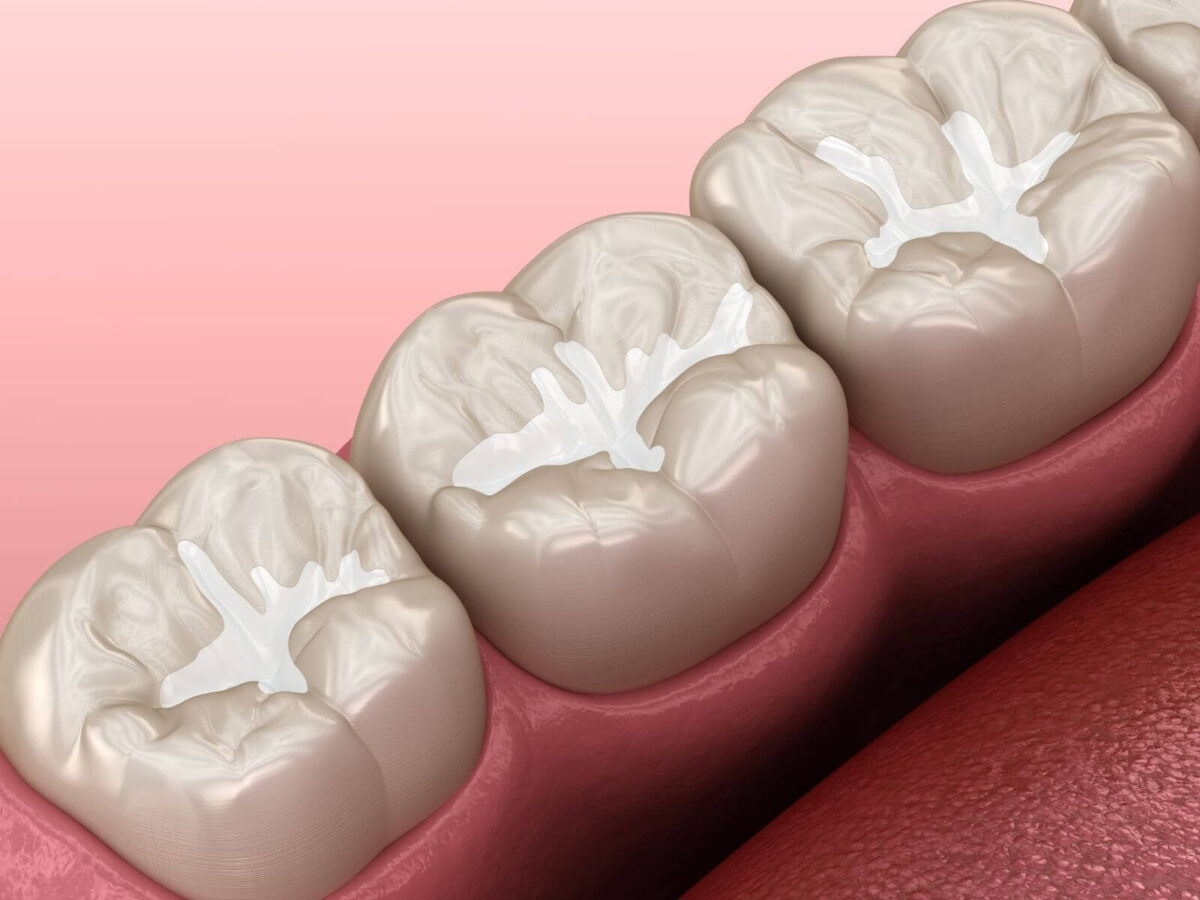
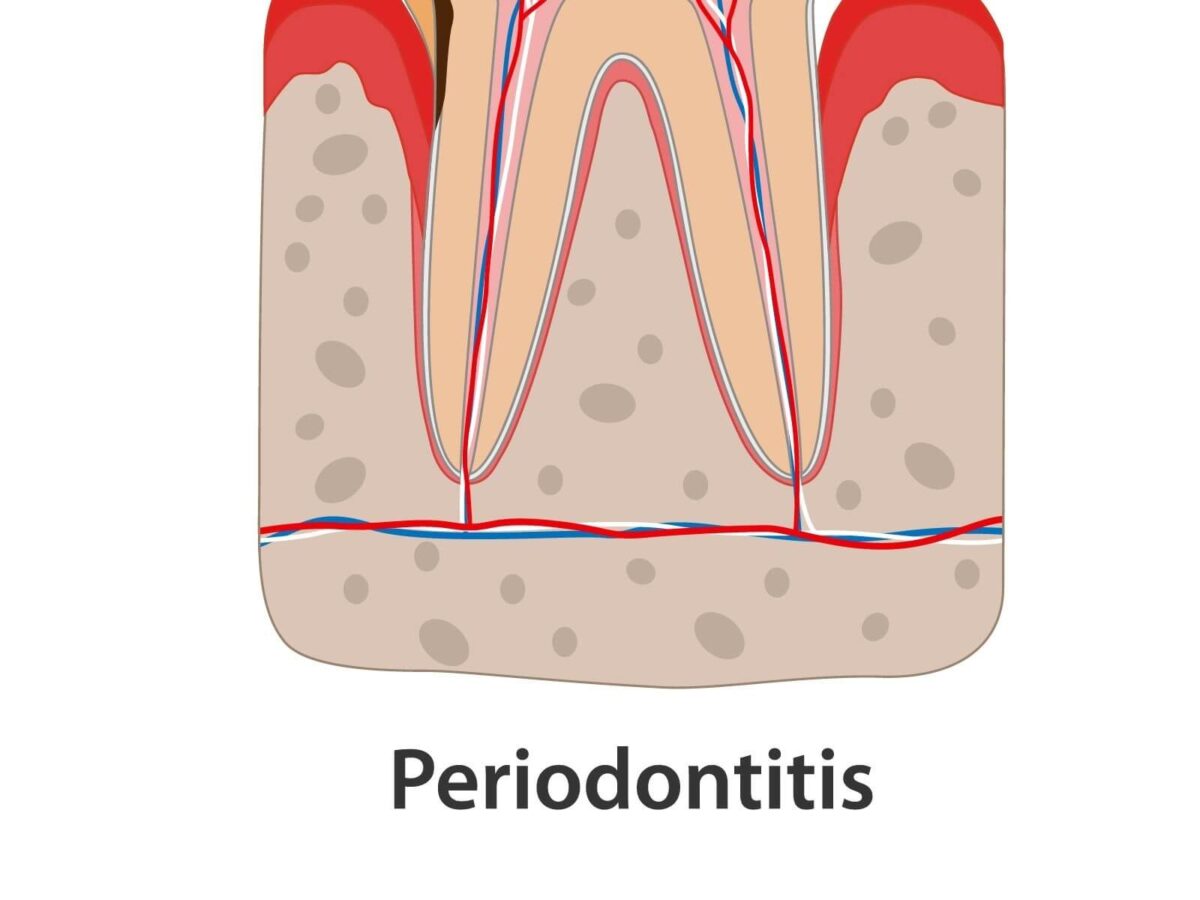
    • Acute infection: In some cases, infected teeth treated with root canals may become infected as well as non-infected teeth. In case the tooth is infected as a result of a root canal procedure, the only treatment is extraction.
    • Inflammation: As part of the root canal treatment, the root canal needs to be disinfected, and the pulp from the canal chambers needs to be removed. The pulp is located in the canals at the center of a tooth, and it is filled with nerve endings. The reason behind this is that a bit of pain for a couple of days could be a side effect of getting a root canal treatment.
    • Increased swelling: When mechanical cleaning or the chemicals used during root canal treatment irritate long-standing infections in dead teeth, they may flare-up. When this happens in the body, it can lead to a reaction that can cause swelling in that area for a short period of time.

    In addition, there may also be some other undiscovered side effects of taking root canal treatment. If any side effects persist, you should schedule an appointment with your dentist as soon as possible.

    Schedule your appointment with a dentist today and get the treatment on time!

    Categories
    Dental care

    How painful is root canal treatment?

    A root canal can cause a lot of anxiety for patients. Root canals indeed have an unpleasant reputation, but you’ll find out that root canals are usually less painful than expected. Dental and facial pain are commonly relieved by root canals.

    How Painful Is a Root Canal?

    When pulp tissue is infected or inflamed, it can lead to severe toothaches. Endodontic treatment can alleviate that pain. The use of local anesthetic and modern endodontic techniques makes many root canals as painless as cavity fillings. People usually feel pressure and movement during their medical procedure, but no pain is reported.

    Anesthetic is used for numbing the affected tooth and its surrounding tissue during endodontic treatment. To remove the pulp, the tooth is then opened so the doctor can access it. A rubber-like material is then injected into the tooth chamber and roots to seal them and prevent infection. A dental filling or a crown is used to restore the treated tooth

    Root canal pain after a procedure

    You might experience some sensitivity and tenderness in a few hours after your root canal treatment as the local anesthetic wears off. In particular, if you experienced pain or infection before your root canal treatment, this is especially true. Analgesics can be used to manage this sensitivity, which is typically slight and can be treated over-the-counter. You should limit your food intake and avoid eating with the treated tooth until the discomfort has passed, but other activities can be continued as normal. 

    Your dentist should be consulted for pain beyond a root canal. Besides taking medication temporarily, there are other ways to manage root canal pain. Until your tooth pain improves, you should avoid eating hard or crunchy foods. Book an appointment with your doctor if pain persists beyond this time.

    Schedule your appointment with a dentist today and get the treatment on time!

    Categories
    Dental care

    Do I Need Antibiotics after Root Canal?

    Root canal therapy involves removing an infected or diseased part of a tooth and saving it from extraction. A dentist performs root canal therapy by removing the pulp of an infected tooth, cleaning the root canal, and ultimately re-filling the space with synthetic material. Although root canal therapies have a terrible reputation for being excruciatingly painful, the fact is that advancements in dentistry in the last few years have made root canal therapy tolerable when it comes to pain.

    Antibiotics are not absolutely necessary after a root canal. After a root canal, you need very little time to recover, and post-operative care is the best way for fast healing. However, a dentist may recommend antibiotics before root canal to improve the chances of a successful outcome. At times, a dentist may also prescribe non-steroidal, anti-inflammatory medications such as ibuprofen or naproxen. 

    While talking about antibiotics, it is essential to know about antibiotic resistance. The medical community is worried that antibiotic resistance could become the next big epidemic and wreak havoc. Thus, there has been a growing acknowledgment about the need to abstain from prescribing antibiotics for minor problems, and a root canal recovery timeline is no exception.

    Guidelines for Care after a Root Canal Therapy
    It is normal to feel sensitivity and pain for two to three days after a root canal procedure. Moreover, slight swelling around the mouth is a part of the natural healing process. Some of the things that you should take care of include.

    • Avoid consuming hard foods until the numbness caused by local anesthesia disappears
    • Avoid chewing brittle foods until your dentist entirely restores the tooth
    • Make sure to brush and floss normally
    • Avoid extremely hot or cold foods and beverages for a day or two after the root canal therapy.

    Schedule your appointment with a dentist today and get the treatment on time!

    Categories
    Dental care

    Can Root Canal Affect Your Eyesight?

    A root canal is a dental procedure that removes the infected pulp of a tooth. A root canal is a substitution for tooth removal and attempts to repair and save a tooth. It is a traditional way of saving a dead tooth by taking the nerves and blood supply out of the tooth and filling it with a material that occupies the space where nerves and blood vessels were previously present. In other words, a root canal is similar to embalming a dead and decaying tooth. Despite being very common and relatively safe, the procedure comes with its fair share of complications. 

    When a tooth is alive, the blood supply and other fluids in the root canal can be easily flushed out, thereby keeping the area clean. However, by disrupting the standard mechanism and alternating the nerves with synthetic material, the possibility of the root canal being clean becomes dim. Hence, an environment conducive to bacteria and virus proliferation is created. Now that we have talked briefly about the nitty-gritty of root canals, let us try and answer the looming question of whether root canals can affect our eyesight or not.

    Eyesight and Root Canal Complications
    A root canal procedure is not typically related to eyesight complications. Nevertheless, an eye infection can have a dental origin in some cases. Dental infections, including a severely decayed tooth, can sometimes spread to the orbital. The neurotoxic bacteria that cause damage to the root canal can travel from the mouth to the eyes through the lymphatic system and then damage the optic nerve, consequently leading to vision loss. Moreover, it is noteworthy to mention that after a root canal treatment, the patient may suffer from pain in the back of the eye because of muscle spasms. 

    Therefore, a root canal procedure can prevent eyesight complications by eliminating bacteria from the mouth. Simultaneously, postoperative pain and facial nerve damage, leading to visual problems, are two possible side effects that few unlucky patients might experience. 

    Schedule your appointment with a dentist today and get the treatment on time!

    Categories
    Dental care

    Can a Root Canal Affect Your Brain?

    If the internal nerves of your tooth are damaged due to a deep cavity or injury then you might require a root canal. The damage to the root of the tooth causes immense pain, and you can develop sensitivity to food and drinks, which are only at room temperatures. A damaged and painful tooth needs immediate attention from your dentist.

    Causes For a Damaged Tooth Pulp
    There can be many different reasons for a damaged tooth; some of those can be:

    • Wrong food habits like excess sweets or sugary drinks
    • Certain medications can deteriorate the health of your teeth over time
    • Injury or accident that affects the tooth enamel
    • If there are a lot of dental treatments done to a tooth, it can also cause damage.

    Myths About Root Canal and Brain Damage
    The root canal is a fearful and uneasy concept to many of us, which gives rise to various myths around the process. The massive pain associated with the root canal was there in old times but with modern technology, which involves anesthetics, the pain of going through the process is much less than living with a damaged tooth.

    Let take a look at a few other myths linked with a root canal:

    • A root canal can affect your brain: If you search the internet, you might find lots of information with claims of many illnesses after a root canal. Some of the research on the internet says that root canals can cause cancer, or most brain cancer patients have gone through a root canal. These claims are entirely false and propagated due to poorly designed and debunked research work done by Dr. Weston Prince almost a century ago. But no valid scientific evidence has been established between root canal causing disease elsewhere in the body such as cancer.
    • Better pull the damaged tooth out than get the root canal done: It is always better to save your natural teeth than removing them and replacing them with artificial ones. Artificial teeth cannot match the appearance and function of your natural teeth. Endodontic treatments like root canal have proved to be highly successful where teeth treated by root canal have lasted a lifetime. Going for an implant or bridge is more time-consuming since these treatments also require procedures to be done on supporting tissues and neighboring teeth.

    Root canals are an extremely effective, safe, and unobtrusive procedure for the treatment of damaged and infected teeth. Root canals not only allow you to preserve your natural teeth but also eliminate the bacteria that caused the infection and prevent re-infection.

    Schedule your appointment with a dentist today and get the treatment on time!

    Categories
    Dental care

    Can you eat apples with dental implants?

    Most durable restoration for missing teeth requires special care to last for many years to come. It not only brings the teeth back as good as new but a chance to live a healthier life. Dental implants fuse with the jawbone to retain 90% of the chewing ability so that you can enjoy the meal. 

    Hard fruits like apples do not bite them straight after a few weeks of the treatment. Cut them first in small pieces before consuming them in the long run. As that is the action in the first place, you had dental implants.

    Here are some other foods that should be avoided, so that they do not damage the implants if eaten. 

    • Sticky & sugary foods such as caramel & cakes promote the growth of harmful bacteria.  
    • Steaks or tough meats that require a lot of chewing can put unnecessary strain on the implants. 
    • Hard vegetables such as carrots, unless shredded into a softer texture. 
    • Crunchy foods such as potato or corn chips & hard taco shells leave crumbs in the implants and cause potential decay. 
    • Ice cubes can lead to the cracking of implants. 

    While there is a limit after getting the implants, you still got healthy and approved food options for happy and safe years to come. 

    • Eggs, omelets, and scrambled eggs, easy to chew and continue to heal the jaw.  
    • Filling and nutritious smoothies that do not require chewing and do not use a straw.  
    • Applesauce is a healthy option. You won’t bite an apple but can enjoy the sauce with the same nutrition. 
    • Soups but refrain from acidic foods such as tomatoes. You can enjoy cold soups such as gazpacho to not interfere with the healing process. 
    • You can have dairy products with no added sugar, such as cheese, yogurt, and milk loaded with calcium and protein.  

    Following your dental implant surgery, you might lose your normal appetite. Give your body the fuel to heal soon.

    Schedule your appointment with a dentist today and get the treatment on time!

    Categories
    Dental care

    Is Alcohol Bad for Dental Implants?

    Dental implants are synthetic appliances that help fix dental anomalies caused by injuries, decay, and so forth. In other words, dental implants replace a tooth that may be broken, chipped, or severely decayed. Dental implants serve as a boon for millions of people, but they also have to be associated with pressure. One of the primary questions that people have after getting implants is whether or not they can consume alcohol after that. So, let us now try and answer the looming question and clear the doubts.

    Reasons Why Alcohol Is Detrimental for Dental Implant 

    • Alcohol interferes with implant integration, the natural healing procedure wherein the gum tissues regenerate, and the new bone is built to integrate with the titanium implant post.
    • Alcohol consumption can also increase the pain after dental implants. Alcoholic drinks cause capillaries in the gums to dilate, increasing sensitivity. 
    • Alcohol can increase dry mouth. We all know that alcohol is a dehydrating drink and can be dangerous for people recovering from a dental implant. High alcohol consumption can dry out delicate tissues and may not heal properly, thereby increasing sensitivity and discomfort.
    • One of the severe determinants related to alcohol abuse after a dental implant is a condition known as Avascular Necrosis. It is an atypical complication of dental implant surgery wherein the blood vessels that transport essential nutrients to the jaw are blocked and cause the bone to die. Excessive alcohol consumption elevates the risk of AVN as it increases the fat content of the blood and increases the possibility of a clot in the blood vessels. 

    As such, it is safe to conclude that excessive alcohol consumption has severe repercussions for dental implants. So, it is best to avoid the drink as much as possible at the beginning of the healing process. Simultaneously, it is also essential to remember that you can have a drink or two after the healing process. 

    Schedule your appointment with a dentist today and get the treatment on time!

    Categories
    Dental care

    How can I get help paying for dental implants?

    No one should ever hide his or her smile. Yet this is a sad truth for millions of individuals who require expensive or unforeseen dental cures. In fact, a whopping 12.5% of working-age grown-ups refrain from consulting dentists due to expenditures.

    If you do not know how to ask for support to bear the dental expenses then, do not lose hope. Below, we reveal two unexpected aids to support you recover your confident smile without financial limitation.

    Based on the type of treatment you require, the expenditure of consulting a dentist varies greatly. The complete cost of a dental implant, a surgical process, needs an artificial root to fix the replaced tooth ranging from about $1800 to $9,000 per tooth.

    From nonprofits that support tooth dental expenses for elders to low-cost dental clinics, these possibilities can support you to find financial aid for dental treatments.

    Dental Grants Program:
    These resources can help you regain your confident smile.  However, these programs come with an index of terms & conditions that needs to be read carefully. Read those terms and conditions to check for your eligibility.

    School of Dental Medicines:
    Government dental service options are open to both dental schools and general health hospitals, which entitles them to offer discounted assistance to those in need. Students under the guidance of a licensed dentist perform these dental practices.

    Tips for Locating a Special-Care Dentist
    If you need such therapies, the foremost measure is to ask around you. For example, ask your nearby dentist, family, and pals. They might help with a clinic with a dental unit that takes care of uninsured people to afford the cost of care, some of which are funded by state or national grants.

    Schedule your appointment with a dentist today and get the treatment on time!

    Categories
    Dental care

    Can dental abscess go away on its own?

    A dental abscess is a group of plus that can mold within teeth, gums, or bones that hold teeth and can cause by a bacterial infection. Moreover, an abscess at the end of a tooth is known as a periapical abscess, and when it’s formed in the gum, it’s known as a periodontal abscess. Surely, they are generally painful, but not all the time. In some cases, they need an expert’s attention, that’s why you must consult a trusted doctor as quickly as possible because it won’t go away on its own. It can often spread to various other body parts and make you severely ill.  

    Symptoms 
    The most frequently noticed signs and symptoms of a dental abscess are as follows: 

    • Fever
    • Sensitivity to cold and hot temperatures 
    • There is a sudden rush of bad-smell and foul-taste, salty fluid in the mouth, and pain relief if the abscess ruptures. 
    • When the severe, constant throbbing ache in teeth has extended to the neck, jawbone, and ear. 
    • Swelling in the face or cheek. 
    • Consistent sensitivity while chewing or biting. 
    • Problems in breathing or swallowing. 
    • Tender or severely swollen lymph nodes under your jaw or in your neck. 

    Risk Factors
    Check out the factors that may increase your risk of a dental abscess: 

    • Bad Oral Hygiene: If you don’t take proper care of your overall mouth, including teeth and gums, like not brushing your teeth twice a day and not flossing enough, it can increase your risk of tooth decay, oral disease, tooth abscess, and various other dental complications. 
    • Dry Mouth: Having a frequent dry mouth can increase your tooth decay risk. Moreover, dry mouth is generally because of the side effects of particular medications or aging problems. 
    • High Sugar in Diet: Often consuming foods or drinks high in sugar like sweets, chocolates and sodas can lead to dental cavities and result in a tooth abscess. 

    If you notice any of the following symptoms, it’s recommended to visit a trusted dentist promptly.

    Schedule your appointment with a dentist today and get the treatment on time!


    Categories
    Dental care

    Are dental implants painful?

    Have you been thinking about getting a replacement for your missing tooth? Our teeth and gums comprise our smiles. These are essential to how we feel about ourselves and are the central matter of our confidence. At the point when a tooth goes missing, we search for ways to fill the gap.  One of the most up to date ways dental offices are offering to restore smiles is with dental implants. 

     Dental implants are not similar to bridges and dentures. While they on a very basic level do exactly the same things, fill a gap, an implant includes a medical procedure and healing. It is fundamental to know what the procedure involves, as to get what sort of or level of pain to expect. 

    Will the medical procedure hurt? What to expect from the procedure 
    Breaking down dental implants ought to be done in two sections. The first part is simply the medical procedure, and the second is the recovery. Dental implants are carefully placed in by your dentist. This expects them to cut into the gums.

    As you can envision, this sounds painful. However, before your dentist gets everything rolling, they will use a local anesthetic.

     This is basically the same as what you would get in a fillings procedure. After the area is totally numb, the dentist can make an incision to expose the jawbone. You will feel no uneasiness, as the area is completely anesthetized.

    Subsequent to making the area more accessible, a hole can be easy to drill for the implant. While drills may likewise sound extremely painful, your jawbone has no nerves to feel any pain. The most inconvenience you could feel is pressure. You won’t feel any of the drilling. The dental implant would then be able to be in a bad way into place. 

    The most common way of numbing the area, making the incision, drilling, and installing the implants will take about 60 minutes. Once your dentist is happy with the situation, the person in question will close up the incision. 

    While the local anesthetic is still in effect, the patient will feel no issue in terms of pain at all. Your dentist might give you pain medication prior to beginning the procedure so that when the anesthetic wears off, you have adequate relief from discomfort, for good measure. That is the place where the healing process begins.

    What to expect when healing?
    You can expect some tenderness after the sedation wears off. In any case, it isn’t unmanageable. Your dentist will most likely recommend that you take an over the counter pain reliever for any distress felt during the healing process. It is principal that you follow any aftercare points distributed by your dentist. This can include the following:

    • Avoid straws for 24-hours following surgery. 
    • Anticipate some minor swelling for 2 to 3 days.
    • The day following rinse with salt water thrice daily. 
    • Stay away from excessively hot food in the initial 48 hours.
    • Adhere to a fluid eating regimen for 24-48 hours.
    • Abstain from smoking for something like three days following a surgery. 
    • Use Tylenol® for any discomfort.

    Recovery and healing will be different for everyone. The consensus is that you ought not have a lot of pain throughout either the procedure or recovery. In the event that you are having pain, particularly days after the fact, you should look for medical attention, or schedule an appointment with your dentist for a follow-up. While surgery isn’t known to be pain-free, dental implants are one of the more accessible operations to have. Most patients equate the pain too altogether not exactly having a tooth pulled.

     Having any type of surgery can be extremely scary. You may be excessively stressed over the drilling, cutting, or having to have sutures. Most importantly you shouldn’t have any pain when getting dental implants. Nor should you have much issue throughout recovery. 

    During the procedure, you will be entirely numbed; For the days following Tylenol® or other over the counter, products can be sufficient to settle any pain in the area due to sutures.

    Schedule your appointment with a dentist today and get the treatment on time!

    Categories
    Dental care

    How often should you remove dentures?

    You will no longer notice that you are wearing dentures once you become accustomed to them. Unfortunately, as the wearer becomes more comfortable with their dentures, they start to neglect them and not properly care for them. Dentists recommend removing the dentures once a day before sleeping and soaking them in the denture cleaning agent. 

    Avoid the following denture care mistakes you see people making, and you can save yourself from hassles (and added expenses)

    Wearing them infrequently: People forget (or ignore) to wear their dentures more often than you might expect. Make sure you wear your dentures regularly, as they are designed to be worn. You could deform your dentures if you don’t soak them in water when you aren’t wearing them (especially if you don’t soak them in water during the night).

    Wearing them to bed without taking them off: Dentures should be worn regularly, but you should also give your mouth and gums a break daily. When it comes to denture care, taking them off while sleeping is the best option since you won’t have to deal with people or do anything else while you are asleep. Not only is forgetting to remove your dentures bad for your oral hygiene, but it also keeps more bacteria in your mouth, leading to infection.

    Lack of regular cleaning: Besides being bad for your oral health, it could also cause your dentures to deteriorate more quickly. When your dentures aren’t cleaned regularly, they can harbor bacteria and germs that cause them to become dirty and smelly over time.

    They are not properly cleaned: Maintaining regular dental hygiene is not enough if you want your dentures to last. Be sure to clean them properly as well. The majority of people who have dentures clean them incorrectly or with the wrong tools. 

    The fit and comfort of dentures can change even with the slightest adjustment due to complicated designs and structures. Additionally, correct adjustment often requires special tools and expertise. It’s best to leave denture repairs and adjustments to your denture professional and follow the guidelines to maintain a long life of dentures. 

    Schedule your appointment with a dentist today and get the treatment on time!

    Categories
    Dental care

    How can I Make My Dentures Look real?

    Dentures are synthetic appliances that can fix a dental anomaly arising due to teeth decay, teeth loss, facial injuries, and so forth. Dentures can look natural provided that they have a snug fit and are custom-made for your teeth. Adequate maintenance by following a proper dental regimen is also crucial in offering a natural look to your dentures.

    Ways to Make Your Dentures Look More Natural/Real: Tips and Tricks

    1. The first and foremost factor that makes a denture natural is its positioning. If the dentures are placed too far out, too far, or too short or too long, they won’t seem as natural as you would like them to be.
    2. Another common element that can make your dentures look natural is the phenomenon of the ‘Cheshire cat smile.’ Specific dentures often reveal too many teeth when smiling, which gives off a very unnatural look. So, make sure that your dentures don’t propound the Cheshire Cat Smile phenomenon.
    3. The positioning of the posterior teeth is also crucial in making your dentures look natural and normal. In addition to making your face asymmetrical, improper positioning of posterior teeth can cause problems such as joint pain and headaches.
    4. It is noteworthy to remember that the quality of your dentures has veritable significance in determining their appeal. A high-quality set of dentures will imitate your natural teeth in all possible ways. The texture of the dentures is equally essential as highly glossed teeth look fake and artificial.
    5. Lastly, the color and thickness of your dentures are also elemental in making them seem as natural as possible. The gum color of high-quality and natural-looking dentures has dimension and variation.

    In conclusion, dentures can look natural and similar to your real teeth if certain precautions are taken during the customization process.

    Schedule your appointment with a dentist today and get the treatment on time!

    Categories
    Dental care

    Can you adjust your dentures at home?

    Your dentures may be damaged beyond repair if you try to adjust or file them yourself. As dentures are so expensive, filing or adjusting them yourself could result in you losing a lot of cash. You can’t avoid wondering if you need a denture adjustment if you wear dentures. Some signs indicate that an adjustment is needed, but you do not know what they are. Here are a few signs that you should consider. Make an appointment with your general dentist if you observe any of these symptoms or other problems.

    Trouble Eating
    In the beginning, it is normal for denture wearers to have difficulties eating. When getting dentures for the first time, people usually eat soft, easy-to-chew foods. It is important for the person wearing the prosthetics to adjust quickly to it. People who continue to have chewing difficulties or, if the problem gets worse, need denture adjustment. The adjustment will ensure that the denture fits properly so people can chew comfortably.

    Slippage
    Denture slippage is a common problem after getting new dentures. It happens when people laugh, or cough and the dentures slide around. When people smile, the dentures can slide around. The tongue and cheek muscles help patients keep their dentures in place. After engaging the muscles, the fit may not be snug enough, and the dentures need to be adjusted to ensure they stay in place.

    Discomfort 
    Getting dentures can cause mild discomfort in some people. After people become accustomed to wearing prosthetics, the discomfort subsides. However, the prosthetics will likely need to be adjusted if the dentures become uncomfortable later. Sore gums can result from improperly fitting dentures. If the dentures are not adjusted properly, the gums can become inflamed and sore.

    Patients shouldn’t adjust their dentures themselves. The dentures can break if they are adjusted at home. Patients with dental issues are encouraged to schedule an adjustment at their dentist’s office. 

    Categories
    Dental care

    Are dentures covered by Medicare?

    Most dental procedures, dental equipment, or supplies aren’t covered by Medicare, including cleanings, fillings, tooth extractions, dentures, dental plates, or other dental devices. The hospital insurance part of Medicare covers certain dental services you receive while you are in a hospital. Even though Part A doesn’t cover dental care, it can cover emergency or complicated dental problems. 

    About Medicare
    In Australia, health care is largely funded by Medicare, the publicly funded universal health care system. Medicare is available to you if:

    • Your nationality is Australian or New Zealand;
    • your residency status is permanent in Australia;
    • in addition to meeting a few basic requirements, you have applied for permanent residency;
    • Another country covers your health insurance under a Reciprocal Health Care Agreement.

    When you meet any of the criteria listed above, you will be eligible to receive a Medicare card. The entitlement to Medicare for children aged 15 and over is separate from their parents. Children younger than 15 are eligible with their parents’ Medicare.

    Medicare pays for only those dental treatments that are necessary for the patient’s well-being. However, Medicare does not cover cosmetic procedures that enhance the appearance of your smile. However, in certain states and territories, dental procedures such as diagnostic, preventative, and restorative are covered by Medicare (partial or full cost).

    Medicare covers the cost of a tooth extraction procedure, but the cost of the replacement dentures after the procedure is not. Similarly, suppose you have suffered a facial injury in a car accident and require tooth extraction as part of a surgical procedure. In that case, Medicare will cover the cost of your tooth extraction but won’t cover any subsequent dental work you might need.

    To have better clarity on what Medicare covers and whatnot, you must talk to their consultants. You can choose a Medicare health plan according to your requirements. 

    Schedule your appointment with a dentist today and get the treatment on time!

    Categories
    Dental care

    How to correct deep bite with braces?

    Having a beautiful smile is your greatest asset. The ability to smile has not only been shown to boost confidence and facilitate communication with others but has also been linked to lowering blood pressure and reducing the risk of heart disease. The condition and appearance of one’s teeth, such as that caused by a deep bite, can lead to a lack of confidence in one’s smile. This blog discusses correcting deep bites with braces and how you can reap the benefits of a life-changing smile. 

    Deep bite: what is it?
    An excessive vertical overlap between the front teeth is defined as a deep bite in dentistry. This is termed malocclusion in the dental profession. It occurs when the back teeth are lost or when the teeth and jaw are misaligned, but it can also be the result of gum disease (gingivitis), worn, broken teeth, or periodontal disease (gum disease).

    The deep bite can be caused by genetics, tooth crowding, worn or decayed teeth, poorly done dental work, and missing teeth, particularly the back teeth. It can worsen a bite by lip biting, nail-biting, thumb sucking, or teeth grinding, among other behaviors.

    The average healthy overbite is between 1 and 2 millimeters. When upper front teeth are overlapped over lower front teeth, this is a deep bite. In extreme cases, a deeper bite can damage the roof of the mouth’s gums behind the upper teeth, causing excessive tooth wear. The result could be the premature loss of front teeth.

    What are the chances of braces fixing a deep bite?
    It is, fortunately, possible to correct a deep bite with several effective orthodontic treatment options utilizing different braces. Correcting a deep bite is usually the best treatment for younger patients, as it improves the function of your teeth, reduces tooth wear, helps keep your teeth healthy, and improves your self-confidence.

    In addition, restorative treatment may be needed in older patients or who have significant tooth wear or a missing or broken down tooth. A multidisciplinary approach to treating deep bites is often necessary, involving both orthodontics and restorative dentistry.

    What is the effectiveness of braces alone in fixing an overbite? 
    Orthodontic treatment may not be sufficient for an adult with severe skeletal overbite and jaw problems, and surgery may be required. When braces are used in conjunction with other treatments, such as surgery or tooth extractions, they are ineffective. A dentist or orthodontic specialist conducts extractions on patients referred by an orthodontist.   

    A growing jaw can assist braces in moving the jaw into the correct position, which reduces the need for surgery in children and teenagers.

    When children have crowded teeth in small jaws, a palate expander may be used to expand their mouth to accommodate the teeth. Larger jaws make it easier for braces to move teeth into place, meaning teeth can be left in their natural positions without being removed.

    If you are not satisfied with your smile even for 1%, you owe it to yourself to make it better. Get the best possible treatment for your deep bites by consulting the dentists. 

    Schedule your appointment with a dentist today and get the treatment on time!

    Categories
    Dental care

    How Long Does Teeth Whitening Last?

    A bright, white smile is appealing to nearly everyone, but most people do not have highly polished teeth. Teeth can be whitened and surface stains reduced with at-home whitening products like strips, gels, or dental office procedures, like chairside bleaching.

    The results of any method you use for whitening your teeth won’t last forever. Home remedies may produce minimal-to-great results over a short period of time. But professional dental procedures can extend the period by as much as 2-3 years.

    It lasts for how long?
    Teeth whitening lasts a certain amount of time, depending on the kind of whitener you are using and the lifestyle you follow. Listed below are some of the top whitening treatments and their durations.

    • Using whitening toothpaste: A whitening toothpaste should give you results in 2 to 6 weeks if you use it twice a day. Some users report lasting results for as long as 3 months. You can use whitening toothpaste several times a week or every day. Toothpaste containing only abrasives deal only with surface stains. They are unable to alter the internal colour of teeth. Teeth can be whitened, and stains can be removed to varying degrees with those containing peroxide. If you keep using whitening toothpaste, you may be able to prolong these results. The ingredients can also irritate some people’s gums or teeth, leading to discomfort after prolonged use. 
    • Mouthwash for whitened teeth: If you use a whitening mouthwash, you may not see any results for up to 3 months. Hydrogen peroxide is usually found in whitening mouthwashes. To help remove minor surface stains, you can use a whitening mouthwash every day. In addition to tooth whitening mouthwash, whitening strips and in-office whitening may also result in better results. However, its effects are not drastic nor long-lasting when used alone.
    • Teeth Whitening strips: There are varying numbers of treatments needed for whitening strips to produce results. Depending on the strips, some of the results can last more than six months. Strips are one of the best over-the-counter methods for whitening teeth at home. Peroxide is used in whitening strips to remove stains and whiten teeth. Using them incorrectly or too often can hurt your teeth or make them uncomfortable. With high-quality whitening strips, you can effectively remove extrinsic and mild intrinsic stains, brightening the colour of your teeth.
    • Gel trays for whitening at home: After using a whitening gel tray for about a week, you should begin to see results, and you will see maximum results after 2 to 4 weeks. Depending on the peroxide concentration and how long it is worn, you will see varying degrees of whitening. The use of dentist-supervised at-home whitening gel trays combined with proper oral hygiene can provide long-lasting results. If you need a custom-made tray filled with gel whitener that you can fill at home, your dentist can make one for you. You will be guided by your dentist on how long and how often to use this treatment. 

    The process of teeth whitening has never been easier. A single dental office visit is all it takes to complete the whole process, and the results are superior to over-the-counter or at-home tooth whitening options.

    Schedule your appointment with a dentist today and get the treatment on time!

    Categories
    Dental care

    Benefits of Composite Resin Fillings

    Composite resin fillings are becoming increasingly popular for repairing damage caused by cavities and tooth decay. A major reason behind this is that the resin filling more closely resembles the appearance of our teeth. As a result, they are ideal for filling both front and back tooth cavities.

    Composites resin fillings also have the advantage of not containing mercury, which is known to cause long-term health problems because of the gas it releases over time.

    What is composite resin?

    Composite resin closely resembles the natural look and feel of a tooth since it is composed of plastic and glass particles. It can be used to repair discolorations, repair decayed teeth, fill gaps between teeth, and make your teeth appear evenly spaced. Also, it makes your teeth appear longer and wider.

    Composite resin fillings: what are the advantages?

    The drilling required is much less than in other types of fillings
    Composite fillings are less invasive compared to other fillings because they don’t require the removal of teeth. Once the tooth is filled, the whole tooth becomes stronger as the bond between the filling and the natural tooth becomes strongly established.

    Your existing tooth is bonded to a composite filling
    Onlays or overlays are two ways to apply composite fillings. A bonding agent is placed into your natural tooth as soon as it is ready for application. Onlays are inserted and harden as they bond with the natural tooth, giving them extra strength.

    Fast Hardening
    Infrared light is used to accelerate the hardening of the bonding agent once the filling has been applied to your tooth. It generally takes only 20-40 seconds for the filling to cure and harden.

    Chipped and cracked teeth are repaired with composite fillings
    Putting composite resin applications on a tooth to repair a chip or crack can be an ideal solution. This is because composite resin bonds immediately are durable, and looks natural. A resin-based veneer can also be made using this method, giving you a set of perfect pearly whites.

    Tooth sensitivity is reduced with composite fillings.
    Composite resin fillings have fewer chances of causing tooth sensitivity than other filling materials. As a result, the resin shields teeth from the hot and cold temperatures present in the foods and beverages we consume every day. It is important to note that you might experience mild but temporary tooth sensitivity following the procedure.

    It is possible to repair your composite fillings
    Your dentist can clean and repair your filling if it has been damaged by excessive chewing or grinding. Your dentist may be able to replace metal fillings with composite resin ones if you already have amalgam fillings. It will remove dangerous mercury from your mouth, giving you a smile you’ve always wanted.

    Do you have questions about which composite resin filling might be right for you? Consulting a dentist can give you a better idea of whether to go for the composite filling or not. 

    Categories
    Dental care

    Do Teeth Whitening Toothpaste Actually Work?

    While toothpaste that whitens the teeth can remove surface stains, it cannot change the natural color of teeth. You will notice visible changes in your smile when you use quality whitening toothpaste on a regular basis if you have noticeable stains from soda, coffee, or cigarettes. For deeper discolorations, other whitening products may be more effective in giving you the results you want.

    Choosing the right treatment based on your requirement will be much easier if you know the active ingredients used for tooth whitening as well as how various products differ.

    A whitening toothpaste typically contains these ingredients to remove surface stains:

    • The teeth are gently polished with special abrasives
    • A chemical that breaks down or dissolves stains, such as peroxide

    How Does Whitening Toothpaste Work?

    You can brighten your smile even further with whitening toothpaste, which removes more surface stains. A non-whitening toothpaste is designed to remove surface stains and help you maintain good oral health, and clean your teeth. Silica is abrasive and can scrub the teeth, so toothpaste with it is generally more abrasive. Make sure the whitening toothpaste you use is approved by the American Dental Association.

    Whitening toothpaste that contains blue covarine is recommended. Chemically, the yellow appearance of the tooth is diminished by this product. The effect is immediately noticeable, though it is not as long-lasting as other methods. You should combine blue covarine’s optical properties with other techniques for whitening teeth.

    Achieving the best long-term results

    It is recommended to use a whitening toothpaste at least twice a day. You must brush with these products every day for several weeks to get the best results. However, it is still possible to get impressive results using products that do not contain blue covarine. Nevertheless, users should keep in mind that the whitening won’t be apparent right after brushing.

    The ingredients in whitening toothpaste work by polishing the teeth and removing stains over time. Whitening toothpastes contain an array of abrasives, including:

    • Hydrated aluminum oxide
    • Calcium carbonate
    • Magnesium carbonate

    A whitening toothpaste may also contain hydrogen peroxide or carbamide peroxide. Despite the faster effects of carbamide peroxide, these ingredients produce a similar overall color change after only two weeks of use.

    Professional Whitening Alternatives

    Your dentist can provide you with information about professional whitening products that can effectively whiten your teeth. There are more active bleaching ingredients in these products, so they produce more noticeable results. The industry standard for over-the-counter bleaching kits is 10 percent carbamide peroxide, while a professional bleaching kit may have up to 40 percent hydrogen peroxide. With these strong treatments, gums are protected with a gel or another agent to prevent irritation.

    A professional treatment also whitens teeth much faster than alternatives. A dentist will likely complete this treatment within an hour, eliminating the need for repetitive applications for weeks.

    The correct use of whitening toothpaste when treating surface stains may prove to be an effective way to achieve whiter teeth. On the other hand, alternative products are more likely to achieve a more even and long-lasting white. You can best address any concerns regarding your teeth’ color by speaking with a dentist and determining a satisfactory solution.

    Categories
    Dental care

    Professional Teeth Whitening vs. Home Teeth Whitening

    It is unsurprising to see a large chunk of the world’s population desiring white and dazzling teeth. The appeal of a perfect set of teeth that are immaculately clean, shiny, and straight is tangible. Celebrities and influencers love flaunting their tantalizingly beautiful teeth, and we commoners cannot help but drool over them and crave the same. With the advent of modern dentistry, a lot has changed, and the teeth whitening process has become reasonably accessible. But, at the same time, the onset of the ‘natural movement’ within the domain of health and wellness has made home remedies intensely famous. So, the looming question that we need to answer is the optimal trajectory for teeth whitening – professional treatment of at-home whitening? Let us find out.

    Professional Teeth Whitening – What, Where, and How 

    Experts in a dental office do professional teeth whitening procedures. It entails using in-office whiteners that are much stronger and effective. The concentration of hydrogen peroxide, the teeth bleaching agent, is much higher in professional teeth whitening tools. They can alter the shade of your teeth very fast. The time taken by professional teeth whitening is also less, and the entire process can even be over in an hour.

    Moreover, the level of protection that the teeth are offered is much higher in a professional setup. The teeth are covered with a sheet of rubber or a protective gel to safeguard the mouth from solid and robust hydrogen peroxide. Occasionally, a lighter laser is used in conjunction with peroxide. It is noteworthy to mention that professional teeth whitening can be pretty expensive, and the after-care also mandates spending a certain amount of money.

    At-Home Teeth Whitening – What, Where, and How

    In case you are interested in whitening your teeth at home, teeth whitening strips and gels can be your perfect choice. They are made of hydrogen peroxide and can be effectively used to whiten your teeth at home. The best part is that over-the-counter teeth whitening gels are affordable. Although the results may not be as astounding as a professional teeth whitening session, the result you get is quite visible. At-home teeth whitening products are also user-friendly, and results can be seen within a week or two.

    If you are intrigued by natural remedies, then charcoal-based products might piqué your interest. The American Dental Association (ADA) approved charcoal dental products as gentle. These products don’t destroy your enamel and are also abrasive enough to remove extrinsic stains. Furthermore, baking soda is also another kitchen ingredient that you can safely use to polish your teeth and make them look whiter. 

    Prevention is better than cure, and this line has invaluable significance within the realm of dental health. Rather than letting stains develop and accumulate, it would help to adapt good habits like regular brushing and flossing to keep them at bay. Avoiding beverages like tea, coffee, and red wine that stain the teeth is also a good idea. Eating foods that are rich in vitamin D and calcium is a must. Consult with your dentist today.

    Categories
    Dental care

    Difference Between Maxillary And Mandibular Molars

    We can divide the human teeth structure into four types where each type serves a specific aspect of eating and chewing. One of the teeth types is molars which are divided into upper molars and lower molars. Maxillary molars are present in the upper jaw, whereas mandibular molars exist in the lower jaw.

    Maxillary molars are different from mandibular molars in many ways, starting from their size to the number of roots in the molars. In this blog, we will scrutinize the differences between maxillary and mandibular molars.

    What are Molars?

    Molars are placed at the back of your teeth structure, and their primary purpose is the grinding of food. A typical adult has a total of 12 molars, six each in upper and lower jaws. There are three molars on each section of our jaws. These molars include four wisdom teeth. Molars are the largest amongst all teeth, and they help us clench, chew and grind food. There are three roots present in molars, two are buccal, and one is lingual. One of the primary roles of molars is to maintain our face’s vertical dimension and help keep our other teeth aligned.

    About Maxillary Molars

    The six molars on the upper jaw form the maxillary molars. These molars have four well-formed cusps (2 buccal and two lingual) and one supplemental cusp called the cusp of carabelli. The supplemental cusp has very little practical use. These molars have one buccal groove and three roots. These roots form a tripod arrangement to provide better anchorage in the alveolar bone.

    About Mandibular Molars

    The six molars on the lower jaw constitute the mandibular molars. The first molar has two buccal grooves, while the second and third molars have only one buccal groove. These molars have no oblique ridge and two roots.

    What Makes Maxillary molars Different from Mandibular Molars

    The following characteristics separate the maxillary and mandibular molars: buccal grooves, buccal cusps, root trunk, number of roots, the cusp of carabelli, cervix of the crown, oblique ridge, crow, fossae, and transverse ridges.

    You can find the differences in detail in the table given below:

    Maxillary Molars Mandibular Molars
    They have only two buccal cusps They have two  or three buccal cusps
    They have are three roots They have two roots.
    They have just a single buccal groove These have two buccal grooves on the first molar.
    Trunks are longer Trunks are shorter
    The cervix of the crown in maxillary molars tapers more to lingual. The cervix of the crown in mandibular molars tapers less to lingual.
    There is the presence of an oblique ridge. Oblique ridge is absent in these.
    The crown in maxillary molars is square in shape. The crown in mandibular molars is pentagon in shape.
    They have a single transverse ridge. They have two transverse ridges.
    There are four fossae in maxillary molars where the central one is large and distal ones are shaped like cigars. There are three fossae in mandibular molars where the central fossae is the largest.

    Book your appointment now and get your dental issues resolved!

    Categories
    Dental care

    Can Dental Crown Get Cavities?

    When you experience a cracked tooth or weakness due to decay, your dentist can make use of a dental crown. These dental crowns protect the weak tooth from breaking and help to rebuild a tooth, which was getting destroyed due to plaque. These dental crowns act like caps for these weak teeth, guarding them and fitting snugly on the teeth. Usually, these dental crowns are made up of an amalgamated composition of dental ceramic or porcelain, gold alloy or a mixture of both. 

    Dental crowns are designed in a manner that ensures each of them are personalised and match the shape of the tooth it will be fitted in. Once the dentist fits these dental crowns they get placed there permanently. Apart from protecting the teeth from further damage and catalysing the healing of cracks, they also enhance the look of the teeth. 

    As you might have already faced accumulation of plaque and cavities, you’d probably be thinking whether your dental crowns get cavities or not. These dental crowns are made up of synthetic material and a mixture that is made for protection. 

    Hence, it is natural to think that they can never have any disqualifications like getting a cavity. However, it is crucial to remember that crowns are placed on the tooth that can certainly get cavities. This means that you can get cavities or tooth decay below the crown as cavities cannot occur above them. 

    Causes for cavity below the dental crown

    Plaque: The reason why you can get a tooth decay or cavity below your dental crown is because of the formation of plaque. Usually, the plaque gets accumulated at the gums of the teeth and starts spreading if not cleaned. The plaque can even spread and form at the gap and juncture between the crown and the tooth. If the plaque gets accumulated in the margin and is not removed, it will lead to a cavity eventually.

    Not maintaining oral hygiene: If you do not maintain proper oral hygiene after consumption of foods and beverages like wine, coffee, berries, pomegranates then they can severely affect the teeth causing formation of plaque. Hence, to ensure there is no plaque formation, proper cleansing, rinsing, and care for teeth is important. You must floss and brush your teeth regularly to maintain your oral hygiene. This is the only way you can stop dental crowns from getting cavities. 

    Although dental crowns will not get cavities, it is essential for you to take care of the teeth below it. They will be prone to decay and cavities if the habits of eating and oral hygiene are not followed properly. Hence, go for regular dentist check ups once in three to six months. This will help the doctor diagnose cavity formation or decay in the crowned tooth. 

    Your dentist can make you undergo X-rays to detect what is occurring beneath the crown. Hence, if you feel pain in your tooth after the crown and are skeptical whether it is a cavity or not – it is best that you consult a professional.

    Schedule your appointment with a dentist today and get the treatment on time!

    Categories
    Dental care

    Link Between Rheumatoid Arthritis (RA) and Your Oral Health

    Rheumatoid arthritis (RA) can be detrimental to your oral health. Both RA and gum disease are accompanied by severe inflammation, which your body uses to protect you from foreign substances like viruses and bacteria. As RA is an autoimmune disease, inflammation occurs despite the absence of foreign bodies. Better dental health may help you reduce your RA symptoms. There has been ongoing research into the relationship between oral health and RA for decades. According to a study conducted at Johns Hopkins, 70% of RA patients have gum disease.  However, only 35% of the general population is affected by gum disease.

    The effects of RA

    By disregarding the signs and symptoms of RA, you put your oral health at risk. Aside from seriously affecting your health, RA can lead to serious oral health complications, such as:

    • In Gingivitis, the gums get swollen and tender because of the disease.
    • Periodontitis affects the bones and tissues supporting the teeth.
    • Sjögren’s syndrome is caused by inflammatory changes in the salivary glands, which causes tooth decay and dry mouth.
    • Loss of motion in the temporomandibular joint: Opening and closing your mouth can be painful when you have RA.
    • Oral Infections: Infections of the mouth, such as bacterial and fungal infections.

    Bacteria may be at fault

    It has been long suspected there is an association between rheumatoid arthritis and periodontal disease, but only recently has this connection become apparent. According to Dr Konig, certain bacteria in your mouth that cause periodontal disease might also trigger RA.

    There have been several cases in which autoimmune diseases have been tied to certain types of oral bacteria. Studies have shown that certain types of bacteria can make people more susceptible to inflammation if they have a history of the disease or genetic markers for it. Several trials have shown that antibiotics are somewhat effective in treating autoimmune diseases. Joint pain symptoms can either be initiated by your oral health or exasperated by it.

    Treatment of one condition may improve the other

    An investigation at Case Western University found that gum disease treatment effectively improved rheumatoid arthritis symptoms in people with severe forms of the disease. In a study of patients with rheumatoid arthritis and gum disease, those treated with gum disease-specific medications did better than those who received RA medication alone. An informed treatment plan should include a physician and a periodontist for people with both gum disease and RA. The act of brushing and flossing can be challenging when you have RA, so consult your doctor for the best technique. Also, get a dental checkup every year to monitor the health of your gums. If you do not have a periodontist, get one with your dentist.

    Listed below are some additional tips from the American Dental Association for managing dental care more efficiently:

    • Regularly visit your dentist. If your gums need extra care, a professional can spot the signs and refer you to an oral surgeon.
    • Put a new spin on your toothbrush.  For better grip, attach a tennis ball or bicycle handle to your brush . A traditional toothbrush may have too narrow of a handle, whereas an electric toothbrush has a wider handle, making it easier to grip. Use a soft toothbrush and fluoride-containing toothpaste to brush your teeth twice a day.
    • Before you go to sleep, remove your dentures. Then, consult your dentist on how to maintain them.

    Book an Appointment to find out which treatment might be best for you.

    Categories
    Dental care

    How long does plaque take to turn into tartar?

    Medical jargon can be intimidating and confusing for the layman. But, a few terminologies are used so frequently in the commercial sphere that we are desensitized to them. One such term is dental plaque. It is a word that is bombarded in advertisements, but ever wondered what dental plaque is? Let us find out.

    Also known as microbial plaque, dental plaque is a soft, sticky film or layer that accumulates on the teeth. It is a highly sticky substance that is colorless to pale yellow. The interesting aspect is that dental plaque forms on our teeth every day, and we experience it as the slippery coating in the morning before brushing our teeth. Scientists call plaque a “biofilm” because it is a faction of living microorganisms engulfed by an adhesive layer of polymer. The purpose of the gluey layer is to help the microbes attach to the teeth’ surface and thrive into micro-colonies. Dental plaque is formed when saliva, food, and drinks combine to produce bacteria deposits. The bacteria in dental plaque secrete acids that attack the precious enamel, damaging the teeth and gums. Plaque is not malicious in its embryonic form, as we can easily remove it through regular brushing and flossing. But, dereliction in our daily oral hygiene routine can cause plaque to build up and form tartar which is a potent threat to our teeth and gums. 

    What is tartar? How long does it take for dental plaque to turn into tartar? 

    Our mouth is a habitable ecosystem for microorganisms. Bacteria and other organisms enter inside our mouths when we eat, drink, and breathe. The bacteria accumulate in a sticky layer to form plaque. In usual circumstances, a delicate balance is maintained in our oral ecosystem. But, when plaque is not regularly removed, it can assemble minerals from the saliva and harden into a brownish or yellow substance called tartar. Tartar builds up along the gum line, on the front and back of our teeth. 

    It takes 24 to 72 hours for accumulated dental plaque to harden into tartar. Sixty-eight percent of adults have tartar, which is alternately known as dental calculus. Unlike dental plaque, tartar is stark yellow or brown and is easily recognizable on the teeth. Moreover, tartar is tough and so strongly bonded with the teeth’ enamel that we can only remove it through a professional cleaning session with the dentist. Those who suffer from dry mouth, use braces, have crowded teeth, or are chain smokers are more susceptible to tartar buildup. If tartar is not removed in due time, it can lead to several dental issues such as cavities, gingivitis, periodontitis, bad breath, and even tooth loss in severe cases. 

    Prevention is better than cure, and this statement holds unrivaled significance in the world of oral hygiene. The best way to deal with tartar is to take precautionary steps and prevent it from forming. Thorough and regular brushing, flossing, and using a mouthwash are three of the rudimentary measures to keep teeth and gums healthy, happy, and tartar-free.

    Book Appointment to find out which treatment might be best for you.

    Categories
    Dental care

    Things to Know About Diabetes and Gum Health

    Diabetes is a disease that occurs when the blood sugar is too high. Blood glucose or sugar is the primary source of energy in our body and comes from food. Insulin, a hormone made by the pancreas, helps glucose from the food get into the cells and is used as energy. However, sometimes, the body does not produce enough insulin, and the glucose remains in the blood and does not reach the cells. This change in insulin causes diabetes in a person.

    The American Diabetes Association has declared November as National Diabetes Month. Suffering from diabetes can take a toll on the entire body, including the teeth and gums. In addition, diabetes increases the susceptibility of a person to gum diseases.

    Diabetes and gum diseases – all your need to know

    Gum disease is an acknowledged complication associated with diabetes. High blood sugar levels can intercept with the mouth’s ability to fend off infection, increasing the risk of gum diseases. Two of the typical yet severe gum problems found in diabetes patients are –

    • Gingivitis: Accumulation of bacteria can lead to the formation of plaque in the mouth. If you do not remove the dental plaque with proper brushing and flossing, it hardens under the gumline into a substance called tartar. The prolonged presence of tartar and plaque in the mouth’s baseline causes the gums to swell and bleed. This gum problem is known as gingivitis.
    • Periodontitis: If gingivitis is left untreated, it can escalate into a more severe infection called periodontitis which causes the gums and jawbone to pull away from the teeth. As such, the teeth become loose and fall out.

    Therefore, if uncared for, a person may also lose teeth due to gum diseases. In addition, studies reveal that one in five people who all their teeth have diabetes.

    Gum diseases and diabetes is a double-edged sword when it comes to detrimental effects on health. Gum diseases make it harder to control and manage diabetes. Infections of the gums can cause blood sugar levels to rise. This rise happens because chronic inflammation can weaken the body’s immune system, directly influencing blood glucose levels.

    Gum diseases diabetes, together, can be an absolute double burden. But, you can do a lot to manage both these chronic conditions effectively. Taking control of the blood sugar levels by using the prescribed medicines and making vital dietary changes and exercise goes a long way. You should also pay special attention to your oral health regimen and brush your teeth twice a day. Regular flossing is also essential in preserving good oral hygiene.

    It is important to note that preventing and managing gum diseases should be a team effort. It would help if you took a consultation from your diabetes expert and dentists simultaneously. Collaborative efforts will help in keeping both issues under check. In addition, regular visits to the dentist, dental cleanings, and self-examination are critical ways to take care of the gums while being diabetic.

    In case of discomfort or pain in teeth and gums, please visit your nearest dentist at the earliest.

    Book Appointment to find out which treatment might be best for you.

    Categories
    Dental care

    Can root canal stop tooth decay and save your teeth?

    Also known as endodontic therapy, a root canal is a process of treating and removing the infected pulp, the soft center within a tooth. The pulp is composed of nerves, connective tissue, and blood vessels that foster the overall growth of the tooth. The main objective of the root canal treatment is to clear the infection and restore the functionality of a damaged tooth. It is also helpful in relieving any inflammatory pain. A successful root canal procedure eliminates infection and protects the cleaned tooth from future microbial attacks. In root canal therapy, a tiny Roto-Rooter cleans out decayed parts from the tooth and preserves the infected tooth.

    A general dentist may do a root canal treatment or a specialist called an endodontist. The dentist or endodontist drills a hole on top of the tooth and gains access to the pulp. After meticulously removing the infected pulp, the expert sterilizes the space and seals the hole with filling to prevent new decay. Antibodies are used to disinfect the affected area. If the top of the tooth has to be replaced during the root canal process, the dental expert reshapes the natural tooth and places a crown atop. Crowns are false teeth that are not susceptible to infection and therefore last a lifetime.

    How to know if you need a root canal treatment?
    The sure-shot way of knowing if you need a root canal treatment is by visiting the dentist. But, there are sure signs and symptoms that may foreshadow a root canal.

    1. Persistent toothache is one of the signs that you require a tooth canal. You can experience pain in the bone of the tooth, or there can be interlinked pain in the face, jaw, or other unaffected teeth. Apart from the root canal, gum disease, cavities, sinus infection, etc., may also cause toothache.
    2. Sensitivity – that is, sharp, dull pain when consuming something hot or cold – is another sign that you need a root canal.
    3. An infection in a tooth’s pulp can lead to discoloration. Trauma to the teeth or harm to internal tissue can damage the tooth’s roots, resulting in a greyish-black look. So, tooth discoloration is another sign that you need a root canal.
    4. Swollen gums near the aching tooth can be another red signal that you need a root canal treatment.
    5. An injured or chipped tooth can damage the nerves inside the tooth, mandating root canal procedure.

    Can a root canal treatment stop tooth decay and save the tooth?
    A root canal treatment allows the original tooth to stay in place and prevents further decay. But, the process makes the tooth more fragile. A crown placed on top of the affected tooth is complementary to the root canal treatment. It is a restorative process, and most people who go through the therapy enjoy positive results for the rest of their lives. But, good oral hygiene habits are a must even for the restored tooth.

    In case of discomfort in teeth or gums, please visit your nearest dentist at the earliest.

    Book Appointment to find out which treatment might be best for you.

    Categories
    Dental care

    Is Veneer good for me?

    A Veneer is an aesthetic solution for slight teeth disfigurations such as a chip, blemishes, staining, and so forth. Veneers are attached over the contorted tooth to give an impression of seamlessness and perfection. They are the perfect options if you want to enhance the look of your teeth without undergoing any long-term dental procedure.

    A Veneer is a fragile shell or layer of tooth-coloured material that is either porcelain or composite. Veneers are not permanent answers to damaged teeth; they merely cover the visible faults.

    Veers are not a permanent solution to your damaged teeth; they will cover the imperfections. A Veneer is moulded in such a way that it fits your tooth, and then it is attached to the tooth’s front with the objective of beautification. The life span of Veneers ranges from 7 to 15 years. The average cost of a Veneer is around USD 1000 to 2000.

    Veneers are used most often on:

    • Teeth that are discoloured 
    • Chipped or broken teeth
    • Irregularly shaped teeth
    • Teeth with gaps

    Types of Veneers

    • Porcelain Veneers- These are the costliest among all types of Veneers but the best-looking. Porcelain Veneers fit the size and shape of the original tooth. They are attached to the tooth by UV light or by using special cement.
    • Composite Veneers- They are commonly used to correct minor chips in teeth or gaps between teeth. They are less expensive than porcelain Veneer but have less durability. 
    • Instant Veneers- These are a quick option as they are ready-made and can be applied during the same day as the dental appointment. Instant Veneers are affordable, but as they are pre-made, they cannot seamlessly match the shape and size of your natural teeth. 
    • Removable Veneers- They are the latest inclusion within the Veneer family and are a hybrid of porcelain and instant Veneers. Removable Veneers are customized to match your teeth, but as the name suggests, they are removable. They are the least expensive type of veneers but are a very short-term fix for dental deformities.

    Merits of using Veneers

    The most apparent advantage of Veneers is a boost in self-esteem as they result in a flawless smile. They are seamless and perfectly fit the size and shape of the original tooth. Moreover, you can also choose the colour of the Veneer. After the Veneer is attached to your tooth, no extra maintenance or care is mandated. All you need to do is brush regularly and floss like usual. 

    The demerits of using Veneer

    Veneers don’t change colour once made. So, while the rest of your teeth will organically change with time, the Veneer will not, thereby leading to an uncanny appearance. However, with regular dental visits, you can swerve this issue. 

    As porcelain is fragile, Veneers are susceptible to chipping and cracking. They are not advisable for people with habits like nail-biting, gnashing, etc. 

    A tooth can decay while being under the Veneer, causing damage to the crowns and root canals.

    We can say that Veneers are safe to use, but you should avoid them if the person has a history of weak enamel, gum disease and the like.

    In case of discomfort in teeth or gums, please visit your nearest dentist.

    Book Appointment to find out which treatment might be best for you.

    Categories
    Dental care

    Can I Have a Tooth Removed if There’s Infection There?

    A common belief associated with infected or abscessed teeth is that they cannot be extracted until the infection has subdued. This is not true in a large number of cases where the best option to get rid of the infection is to remove the tooth. The infection may occur in the tooth’s nerves, roots, or the gum surrounding the area. The method of treatment that is used to treat the infection depends on the area of infection and how far it has progressed.

    In case of an infection, the bacteria from your mouth may find their way to the pulp and cause nerve damage. This is why tooth extraction has to be performed to prevent this damage. A root canal procedure may also help in case the damage isn’t extreme. In this procedure, the infection is drained, and the area is sealed to prevent the bacteria from infecting it again.

    Signs of infection

    Before tooth extraction, dentists look for certain signs and symptoms to determine the course of the treatment. The signs may vary in every individual, and therefore, only a reliable medical expert can help you with the diagnosis. If the signs of infection are evident, the patient is prescribed some antibiotics before the tooth extraction.

    • Extreme pain and visible swelling
    • The distinct appearance of the teeth as compared to the others
    • Pus coming out on squeezing the affected area
    • Damage to roots visible in dental X-ray

    Why is tooth extraction needed?

    If left untreated, the infection may reach other parts such as the jaw, head, or neck. In severe cases, it may even cause brain damage and become life-threatening. This is why proper treatment of the infection is necessary. This may be done by draining the infection, using root canal treatment, or removing the tooth altogether.

    Using antibiotics to postpone the tooth extraction is not the ideal solution if the infection has progressed and reached the nerves. In case the tooth has been infected beyond repair, there is no choice but to remove it. After the tooth is removed, some infection may still be present inside, which has to be drained or targeted with the help of antibiotics.

    When is tooth extraction not preferred?

    There are certain situations such as excessive swelling of the face or stretched oral tissue where the dentist would advise against getting an infected tooth extracted. In such conditions, the infection has to be drained first, along with the use of antibiotics.

    The bottom line is that the infected tooth has to be extracted as soon as possible. Visiting a dentist regularly can help you recognize the signs of infections in the initial stages and get the tooth removed before significant damage has already occurred. The risk of developing such an infection can be reduced if you take proper care of your teeth. This included maintaining proper oral hygiene, avoiding substances that may harm the teeth, and having a dental check-up every six months. 

    Book an Appointment to find out which treatment might be best for you.

    Categories
    Dental care

    Does it matter what toothpaste you use?

    Every morning begins with brushing the teeth, and every night ends with it. This activity is ritualized to such an extent that we never try to scratch beneath the surface. Moreover, the one product that we use every day – toothpaste – goes unquestioned. A beautiful smile starts by maintaining good oral hygiene. The pressing question is whether we need marketed toothpaste or can we make do with natural ingredients? Does it matter what toothpaste we use, or all toothpaste in the market does the same job?

    Toothpaste – an indispensable part of dental care

    Regularly brushing our teeth is vital to remove the plaque and bacteria that build up after each meal. And brushing with toothpaste is even more necessary as natural alternatives like charcoal or baking soda are not enough on their own. Experts say that you should brush at least once a day – it is the bare minimum. Does it matter what toothpaste we use? Well, it certainly does. The market is full of dental hygiene brands that produce a plethora of different types of toothpaste. From whitening to curing sensitivity, advertisements claim that toothpaste can do it all. If sensitivity is your problem, then look for toothpaste with potassium nitrate. It is the Holy Grail ingredient that calms the nerves and provides relief. People suffering from cavities should opt for toothpaste with a higher amount of fluoride. Lastly, for removing extrinsic teeth stains, you can use toothpaste with abrasive agents like charcoal and silicates. Apart from working on these specific needs, good toothpaste must contain the following ingredients.

    • Fluoride: Toothpaste is incomplete with fluoride as it is the ingredient that strengthens teeth and prevents decay. Because of the emergence of fluoride-infused toothpaste in the market, tooth decay and cavities have dramatically decreased in the last 50 years.
    • Humectants: They prevent water loss in the toothpaste. The toothpaste will immediately dry out without their presence.
    • Silicates: They are the abrasive agents which remove extrinsic stains.
    • Foaming agents: They help in the breakdown of plague and also facilitate the process of brushing.
    • Flavoring agents: They are crucial because without them, brushing teeth would not be a pleasant experience. Many children and adults might avoid brushing teeth if toothpaste does not have flavoring additives.

    What to avoid and what to seek!

    Fluoride and pyrophosphates are the most critical ingredients in toothpaste. Without a prescription, you should be looking for toothpaste with fluoride of at least 1000 PPM.  Ingredients like strontium chloride and potassium nitrate are significant to calm sensitivity. Mild silicates can successfully remove temporary and surface-level stains. But, one must be cautious while using abrasive toothpaste. Particular whitening toothpaste contains harsh abrasive agents that may wear your precious enamel down. The FDA recommended RDA (Relative Dentin Abrasive) in any toothpaste should range between 70-100.  The RDA should not, in any circumstances, surpass 200; because these toothpaste are highly abrasive and can lead to irreparable damage.

    Thus, there is no doubt about the importance of toothpaste in our daily oral hygiene regimen. The type of toothpaste we also use matters as specific ingredients more fruitfully cater to certain problems. So, on your next visit to the supermarket, make sure that you check the ingredient list of this indispensable product.

    PFA – In case of discomfort, pain, or other issues related to teeth and gums, please visits your nearest dentist at the earliest.

    Book Appointment to find out which treatment might be best for you.

    Categories
    Dental care

    Tooth Plaque Causes, Prevention, and Treatment

    Maintaining oral hygiene is important to stay away from several painful conditions. One of these is the development of plaque. Tooth plaque is a problem that a lot of people struggle with. While it is completely okay to get it, it can cause major harm to your teeth if not treated well in time. This can prevent the development of cavities or any gum related disease. 

    Preventing tooth decay or cavities require you to be careful about what you eat and maintain proper oral hygiene. Plaque is a sticky coating that can be really uncomfortable and make your teeth appear dirty.

    Causes

    For dealing with it, you need to start by understanding what plaque actually is. Your mouth has bacteria present in it naturally. When you eat sugary or sticky food, it remains stuck in between the teeth for a long time. The bacteria break the food down to produce an acidic substance which results in the formation of a biofilm called plaque. It can also harm your gums and the bones supporting the teeth. You can feel this a fuzzy layer on your teeth which is colourless or yellow.

    Plaque can harden over time if not removed. This is termed as tartar that develops on your gumline and teeth. Only a dentist can help remove this buildup as it is harder, stickier and difficult to get rid of.

    Prevention

    Preventing the development of plaque is much better than dealing with its aftermath. Here’s how you can avoid the formation of this stick layer on your teeth-

    • Use flouride toothpaste to brush twice daily.  
    • Clean your mouth after eating anything sugary.
    • Use a brush with rounded bristles to reach all parts of the mouth.
    • Floss once daily to remove any food particle remaining in the mouth.
    • Avoid too much sugary and carbohydrate-rich food as the bacteria thrives on it.
    • Eat vegetables that can neutralize the acid produced by bacteria.
    • Regularly use a mouthwash with antibacterial properties to rinse the mouth.
    • Get your teeth checked by a dentist routinely.  
    • Always brush your teeth before going to bed. This removes any food particle stuck in the mouth that can be broken down by the bacteria.

    Treatment

    Removing plaque from your teeth requires maintaining proper oral hygiene. You can get rid of this buildup with regular brushing and flossing. Using an electric toothbrush can also help as it is more effective in cleaning. If you haven’t cleaned the plaque and it has hardened to form tartar, you cannot get rid of it yourself. You will have to get this tartar cleaned by a medical professional.

    If you are observing a sticky coating on your teeth, you should immediately see a dentist to help find out if it is plaque. Timely intervention can prevent any major harm to your teeth in the future. Adopting better hygiene practices for your teeth like proper brushing and flossing can significantly improve its condition.  

    Book Appointment to find out which treatment might be best for you.

    Categories
    Dental care

    What Should You Know About Complete Dentures

    If you have ever seen someone with dentures, or if you are wearing them, you likely have some curiosity about them? You might have thought what dentures really are, what they are made up of, when one needs to wear them, and how they should be taken care of, etc. Even if you ask someone about them, you may not get satisfied until you get to know the basics.

    What are dentures?

    Dentures are also popularly known as false teeth. They are prosthetic devices fitted in the mouth when the natural teeth are lost. Generally, dentures are removable, and they are available in various designs. It also depends upon the needs of the person to fetch the right piece of a denture. If you are curious about the composition of these dentures; the components have changed over the years. Earlier, it was made up of Porcelain or plastic. But as of now, they are made of hard resin. Also, the material with which any denture is prepared is softer than the real teeth.

    According to the number of teeth lost, dentures can be complete or partial. If only some teeth, which may be from the bottom gum line, are missing, then a partial denture can work. On the other hand, if all the teeth are lost, one needs to fit the complete denture. Complete debentures replace the entire set of teeth; whether the upper jaw, lower jaw or the whole mouth.

    Complete dentures need proper care
    Whether it is partial or full dentures, if you are wearing one, you need to take proper care to sustain hygiene and health. Reasonable care will keep the teeth free from stains and prevent the accumulation of bacteria in the mouth.

    Here are some steps to follow healthy dentures:

    Detach and rinse the dentures: To clean your dentures, remove them, and run water to dislodge any food debris, and other particles. Also, run water in your mouth and along the gum line to ensure complete cleanliness. Make sure you handle them carefully while cleaning, otherwise they may break.

    Brush daily: What if you don’t have real teeth, even the dentures need to be brushed daily. You only need to remove them and brush gently. Also, remember to use the brush with soft bristles only to avoid any damage.

    Soak them: Some dentures need to be soaked overnight to maintain the moisture. Ask your dentist about the type of overnight storage your dentures need.

    Scheduled checkups: Not only the complete dentures you are wearing, but if you have any dental issues, the prime step is routine dental checkups. These scheduled checkups let you be aware of all the activities in your mouth and keep you in a safe zone.

    In case of any problem with fitting, immediately contact your dentist.

    At last, you are recommended to avoid anything that harms your dentures. The list includes abrasive cleaning material, whitening toothpaste, bleach products, hot water, etc. Make no delays in seeing a dentist if you find any issues with the dentures and also have a detailed discussion of the dos with him before using dentures.

    Book Appointment to find out which treatment might be best for you.

    Categories
    Dental care

    What are the Interim Prosthesis Options for Dental Implants?

    What are the Interim Prosthesis Options for Dental Implants?

    Dental implants are quite a standard treatment mode for replacing missing teeth. With this regard, the significance of restoring patients with function during the implant healing period has increased in recent years. There are some reasons you should consider restoration: maintenance of the space needed for esthetic and functional definitive restorations in cases where the implant site is surrounded by natural teeth. A lot of experts have explained different kinds of interim prostheses and their fabrication methods.

    What is Interim Prosthesis?

    An interim prosthesis is basically a dental prosthesis that is employed to restore or reconstruct intraoral defects like missing parts of teeth, missing teeth, and missing soft or hard structures of the jaw and palate. Prosthodontics is the dental specialty that aims at dental prostheses. It is an essential part of fixed prosthodontic treatment.

    Most patients should be offered an interim restoration from starting tooth preparation until the definitive prosthesis is placed. An interim prosthesis is widely referred to as a fixed or removable prosthesis, well-designed to improve esthetics, function, or stabilization for a limited time frame, later which is to be replaced by a definitive prosthesis. Usually, such prostheses are employed to help in the determination of the therapeutic productiveness of a certain treatment plan or the kind and function of the well-planned definitive prosthesis.

    The term ‘provisional’ prosthesis is usually employed as a synonym for ‘interim’ prosthesis. The needs of an interim restoration are vitally similar as for the definitive restoration with the exception of longevity and potentially the sophistication of color. They may be considered as biologic, mechanical, and aesthetic, and, also, they may offer a diagnostic potential.

    What are the Different Aspects to Consider?

    • Timing
    • Interocclusal space
    • Longevity
    • Ease of construction and modification
    • Ease of removal
    • Aesthetics
    • Price

    An interim prosthesis can be utilized in three main phases: before placing the implant, after placing the implant in the unloading time, and after placing the implant in loading time. Moreover, after a tooth extraction, the healing time is generally a period of 2 to 4 months (no grafting) or 4 to 8 months. Preferably, a prosthesis that doesn’t apply too much pressure on the grafting site is desirable.

    Process of Interim Prosthesis

    This method for creating a surgical interim obturator permits for instant replacement of the anterior teeth and maxillary arch type. Generally, alleviating the physiologic and psychologic shock of a maxillectomy of the patient. The method also decreases the number of visits usually needed to offer separate surgical and interim obturators. The lips and tongue can maintain a near-normal anatomic connection with the palate and teeth, facilitating the return of normal swallowing, speaking, and eating.

    The beginning prosthesis can be utilized until the patient is ready for his or her definitive prosthesis. As tissues change, the prosthesis can be altered, removing the need for a separate interim prosthesis, which decreases the treatment cost and time.

    A second interim prosthesis can be formed if needed, but esthetic needs can be easily acquired as the patient’s natural dental and gingival position, shape, and contour have been conserved.

    Make sure to get in touch with a professional when wanting to get an interim prosthesis for dental implants.

    Book Appointment to find out which treatment might be best for you.

    Categories
    Dental care

    How Do Hormonal Changes Affect Women’s Oral Health?

    Women are more prone to oral health problems due to the different hormonal changes that they undergo during their lifetime. Hormones in women don’t only affect their oral by affecting the blood supply to the gum tissues, but also because of harmful toxins by the plaque.
    Due to these types of changes, women are more vulnerable to periodontal diseases that occur at certain stages of their lives.
    What Are the Situations That Put Women at a Stage Where There are Risks Related to Oral Health Problems?
    According to the World Health Organization, it is found that there are five sets of specific situations that fluctuate the level of hormonal imbalances in women and even make them more susceptible to oral health problems.
    It happens more often during the monthly menstrual cycle. Most women consume birth control pills while getting intimate with their partners without the advice of a gynecologist and suffer from oral problems later.
    If the right type of medication isn’t available at the time of pregnancy, then there is a probability that her oral-health might deteriorate with time.
    Menopause is another stage in her life when the menstrual cycle comes to a halt due to the natural depletion of ovarian oocytes because of aging. It has been diagnosed that after a woman experiences to miss her menses for 12 consecutive months. The menopause has also been connected with potential oral health diseases.
    Puberty
    It is a phase that comes in every girl’s life where she experiences a spectrum of changes in her body, and in her first period, she is advised by her mother to consume foods that are less tangy and spicy. During puberty, the production of female hormones like estrogen and progesterone increase the blood flow to the gums, and often change the way gum tissues react to irritants in plaque. It causes the gum tissue to become red and tender, and this is the reason why women experience bleeding while brushing and flossing.
    Monthly Menstrual Cycles
    Women face hormonal changes way early in their life due to the increase in the production of progesterone that occurs during the menstrual cycle. Whereas some women experience oral changes that consist of swollen gums and salivary glands, there can also be a development of canker sores.
    In some women, menstruation gingivitis generally happens a day before the onset of the period and straightens out after the period starts.
    Usage of Birth Control Pills
    Sometimes women do experience inflamed gum tissues that occur because of the body’s exaggerated reactions to the toxins that are produced directly due to plaque. Women who consume birth control pills that contain high-concentrated progesterone increase the hormone level in their body.
    Thus, it is quite essential for women who often consume birth-control pills to consult a dentist because the more secure their oral health becomes, the lesser issues related to their health and future child will be.
    Pregnancy
    It is one such phase in a woman’s life where hormone levels change considerably.
    It happens because of the constant increase in the levels of progesterone, which as a result surges the diseases related to the gums.
    From the duration of the second month of pregnancy to the eighth month, most women suffer from pregnancy gingivitis. Thus, proper consultation with the reputed dentist becomes the need because frequent professional cleanings of their teeth reduce the chances of developing gingivitis.
    Menopause
    A woman in her late forties does witness the missing of her timely periods, and at that stage, she bears the menopause. It is the period where she faces several oral changes that arise owing to her advanced age. Due to which they consume medication that is low in the concentrations of harmful acids, that seldom advance the hormonal imbalances.
    There are times when women experience oral changes that include altered taste, burning sensations in the mouth, increase sensitivity to hot and cold foods, and decreased salivary flow that further results in dry mouth.
    Apart from feeling unpleasant at times, many women often experience dryness in their mouth that is propounded by teeth decaying as well as gum disease.
    Why Does Dryness Happen During Menopause?
    It is because of the less availability of salvia fluids propelling inactivity of less moistening and least neutralization of acids produced by plaque which catapults dryness in the mouth. Perhaps this is the reason why women above their 40s should not consume counter-effective medicines.
    This goes to show that women need to take care of their oral health in different measures at the different stages of their lives. And that any subsequent changes in their hormones have a direct impact on their oral health.

    Book Appointment to find out which treatment might be best for you.

    Categories
    Dental care

    Are Sweets Really Bad for Your Teeth?

    It is not unknown that sugar is harmful to your teeth. The reason for that is the way the sugars feed the harmful bacteria in your mouth, leading to the eventual enamel erosion and untimely cavities in your teeth. What is also true is that sweets are hard to stay away from; not only that, if you have kids, keeping a check on what they eat is imperative, but you are sooner or later compelled to give them sweets. But what if we tell you that sweets aren’t that bad for your teeth? Well, there is a cheat code to snacking on sweets and still protecting your teeth effectively.

    • Love Chocolates? Switch to its Darker Companion! Who doesn’t love chocolates? It is the most popular sweet there is, and we can understand if you crave this after every meal! But chocolates can harm your teeth and most definitely so. We won’t lie on that. Although, if you choose dark chocolate, by which we mean the actual dark chocolate, then you can skip on the milk and sugar, which means skipping on potential tooth decayers. Dark chocolate, on the other hand, contains Polyphenols. These lead to preventing sugar from building to acid. So the next time you reach out to grab a bar of chocolates, get yourself all-natural dark chocolate and eat guilt-free.
    • Choose Fruits all the Way Even approved by the dieticians, good on your calorie intake and your teeth, eating fruit can help you combat those sweet cravings with minimal damage. But there is something to be careful of here too, eating fruits that are high in citric acid can be harmful to your teeth too. The high amount of acid in them can lead to enamel erosion too. So rather than helping your health, acid-rich fruits can harm your teeth more.
    • How About a Slice of Apple Cheesecake? Reading this would have appalled you! But what if we told you that apples help remove plaque from the teeth and cheese neutralizes the acidity that is already in your mouth. Having a combination of apple and cheese in a moderate amount can help you combat tooth damage effectively.
    • Xylitol is Your New Friend! You need to check the nutrient makeup of the fruits that you consume, and if they contain Xylitol, then you can naturally fight the harmful effects of acid build-up on your teeth.The best things in the world are indeed sweet. And there is no need for you to be bereft of the world of desserts. All you need to do is to have the right choices and the desired nutrient makeup for you to combat the ill-effects of the acid build-up on your teeth. The way you count calories to snack smart, you can also see your desserts a bit closer to identify how you can satiate those cravings and still protect your teeth. Last but not least, never forget no matter what you eat, moderation is the key to it all!

    Book Appointment to find out which treatment might be best for you.

    Categories
    Dental care

    Is Oral Piercing Bad for Your Teeth?

    The trend of expressing one’s individuality with tattoos and piercings has gained quite a momentum in this day and age. With the pace at which it’s gaining popularity, it can be concluded that it is here to stay. If you are a piercing fanatic, you need to know about both sides of the coin. As oral piercing is gaining popularity, so is the debate about it having any demerits for your teeth and mouth. Let’s dive right in and find out. 

    Swelling and infection

    As you know, our mouth has millions of bacteria residing in it. In such a case, a piercing may lead to severe infection and oral health problems. If you have done a piercing in other parts of your body like your ears or nose, you should be aware that a minor or major infection follows it in the area. However, as these are dry areas of body and one can frequently apply antiseptic creams and keep them clean, the infection subsides. But imagine having the same kind of infection in your mouth which is never dry and already has a lot of bacteria. What do you think will happen? The area pierced can swell up so much that it can reduce the passage for the airway. In the worst-case scenario, you could be prone to serious infections like endocarditis or hepatitis. 

    Damage to teeth and gums

    Often, the piercing placement can damage your teeth, gums, and even other dental work. Continually playing with your piercing can lead to erosion of your tooth enamel which is the protective coating of your teeth. The exposed dentin and pulp can easily catch bacteria and lead to more severe issues like tooth decay. It can also cause an injury to your gums, which can turn into an infection causing unbearable pain and sleepless nights. Your teeth can become extra sensitive or crack due to the piercings. 

    Nerve Damage

    Usually, after piercing your tongue or lingual frenulum, the connecting membrane underneath your tongue and the surface of your mouth could encounter numbness. This numb feeling is due to temporary damage in the nerves. Sometimes, the damage in the nerves can be permanent and can affect your taste buds. It can also affect the movement of your tongue and mouth. One can also experience severe blood loss due to piercings. 

    In addition to the demerits mentioned above, you can also be prone to excessive drooling due to increased saliva production after piercing. An allergic reaction to the metal used is also a possibility. So, it is best advised not to keep your mouth open for piercings. But if you have already pierced, make sure that you clean your mouth with a mouthwash after every meal. Moreover, if you show signs like swelling or pain in the area, do visit your dentist immediately to avoid the possibility of severe infection. Also, be aware of the movement of your piercing to reduce its contact with the teeth. 

    In a nutshell, it is best that you keep the piercings out of your mouth for better oral health and hygiene. If you want to get an oral piercing done, it is advised to visit your dentist for a pre-procedure consultation.

    Book Appointment to find out which treatment might be best for you.

    Categories
    Dental care

    How Are Your Teeth and Self-Confidence Related?

    Although body acceptance is something that people have started to encourage globally, still unhealthy teeth make people conscious about themselves. People who have healthy teeth feel confident about themselves and smile without any worry. A beautiful smile is not only directly related to your self-esteem, but it can also increase the level of happiness in your life. 

    It is scientifically proven that smiling results in the release of endorphins. So, it becomes really important to make your smile beautiful with the proper and regular care of your teeth.

    How Exactly Teeth Quality Affects Self-Confidence?

    Bad teeth quality creates a wrong first impression

    A first impression is the last impression and thus, it becomes important to feel confident, to leave people impressed at the first instance. When having interaction with new people chances are that people will notice your teeth if they are not well-maintained since it is certainly impossible to ignore them. A glare from them can instantly make you feel low. On the other hand, having healthy teeth makes you feel good from within, which eventually leads to a long-term positive impact on others. 

    Dental disorders shake your self-confidence

    Even the typical dental disorders such as crooked teeth, malocclusion, yellowish teeth, and so on may decrease your inner confidence.  And make you feel bad about yourself. 

    Teeth issues keep you dissatisfied

    If you face any teeth issues, for example, you have a toothache. Your self-esteem keeps on diminishing as you can’t talk, smile, and behave normally. Any dental problem may lead you in a miserable situation.

    Tips to Lift Confidence with Healthy Teeth

    Here are some tips to keep your dental health in a good state which in turn lifts your self-confidence:

    Maintaining your oral health

    Maintaining good oral health should be one of your concerns. There are many ways by which you can take care of your teeth. The most fundamental of all is brushing and flossing. Always choose a toothbrush having soft bristles because they are tender on your teeth and gums and cause no discomfort. Also, make it a habit to brush your teeth twice a day, accompanied by flossing at least once a day.

    Regular dental check-ups

    Along with considering regular oral care, a dental visit is also essential for your teeth. Dental check-ups must be done at least once every 6 months as the dentist can locate even a small decay or any other symptoms, leading to a serious problem in the near future.

    Whitening treatment

    You can consider getting whitening treatments for white and bright teeth to attain greater self-esteem. The kind of food and beverages we are consuming regularly stains our teeth. Sometimes, even if we brush hard, it becomes challenging to retain the brightness of teeth. Thus, to make your teeth whiter and brighter again, you can get whitening treatments done.

    Use of braces

    Braces are used to straighten crooked teeth. Crooked and misaligned teeth are a very common problem experienced by children, teens, and even adults. If you are not happy with the alignment of your teeth, you can get them sorted by getting braces. It will make your teeth alignment correct and make your smile even more beautiful.

    Avoid social media remedies

    Several social media tips might promise to provide you healthy-looking teeth in just a couple of days. Such platforms may provide you with remedies but are not reliable in the long run and badly damages your teeth. Avoid such social media trends if you want to protect your teeth from experiments.

    Unhappiness with dental appearance leads to low self-esteem. Dental disorders cause an intense impact on psychosocial behavior. Your smile unfolds positive vibes that can make people around you more comfortable and if you have healthy teeth, your smile will be confident. Good oral health effectively contributes to leading a life of contentment and happiness. So, boost your confidence by keeping your teeth clean, healthy, and beautiful!

    Book Appointment to find out which treatment might be best for you.

    Categories
    Dental care

    Is Cough Syrup Bad for Your Teeth?

    Cough syrups are one of the most common over the counter medicines that people usually rely on. They might help your body in getting rid of the rough bouts of coughing, but there’s more to these syrups than you know. The taste of such syrups might give you an idea about the quantity of sugar present in it.. It may sound like a stretch, but cough syrups are not considered good for your oral health. The sugary composition could be harmful to your teeth. They may degrade your enamel which puts you at a higher risk of developing cavities. Some of the ingredients present in cough syrups that are harmful to your teeth are:

    • Sucrose: The fructose or sucrose that is added to make the syrup taste better could be potentially dangerous to your dental health. The bacteria present in your mouth breaks down this sugar to produce acid. This acid could be harmful to  enamel, which is the outer protective covering of the teeth. Degradation of enamel may cause development of cavities which may later cause you discomfort.

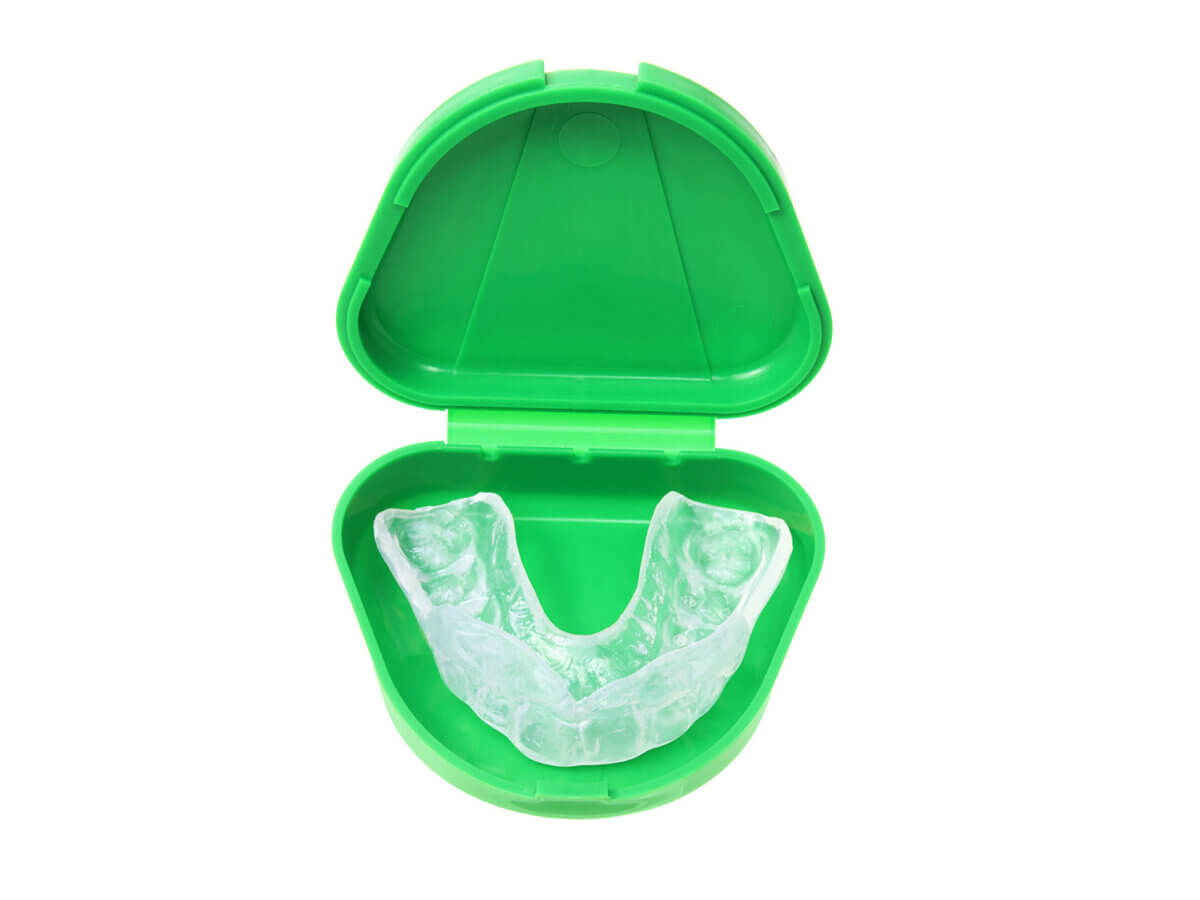
    • Citric Acid: Although it has Vitamin C, too much of citric acid can also be harmful to your teeth. Combined with the antihistamines that are present in cough syrups, this acid can cause various dental problems.
    • Alcohol: Another major ingredient of cough syrups is alcohol. It has a dehydrating effect in the mouth which decreases  production of saliva. Saliva is  crucial for maintaining your oral health. Bacteria present in saliva removes the sugars and acid and internally cleanses build ups. Higher quantities of alcohol could be detrimental to oral health. 

    How to prevent this    

    While cough syrups may work wonders for relieving your cough, it is important to keep your dental health in mind as well. The ways in which you can prevent the development of cavities from cough syrups are:

    • Choose a sugar-free alternative for cough syrups. Sugar free options are readily available nowadays. Also, remember to read the label for the amount of sugar content before buying it.
    • Do not drink cough syrup before going to bed  as saliva production naturally decreases  at night.
    • If you have to, do not forget to brush your teeth after taking cough syrup. Use a fluoride-based toothpaste for best results.
    • You can also rinse your mouth properly to clean the teeth.
    • Try using a pill instead of syrup.
    • You can also take the syrup along with a meal. This will ensure that the saliva production in your mouth has not lowered. 

    These basic steps can help you reverse the damage caused by these sugary cough syrups.  Cough and other symptoms of flu can be extremely daunting to deal with, but you should not be putting one part of your body at risk to cure another. If you see any cavities developing or feel pain in your teeth after using too much cough syrup, visit your dentist as they can help you deal with it before it is too late. 

    Book Appointment to find out which treatment might be best for you.

    Categories
    Dental care

    Are Cavity Prone Teeth Genetic?

    It is a fact that genes shape our physical and mental being. Found in DNAs, these genes have characteristics that you have inherited from your parents. Let’s be honest; everyone has compared their physical appearances with parents to find similarities. But it is an interesting fact that these genes are not just limited to your physical traits. They decide your dental well-being too or your teeth’s ability to fight decay.

    Sounds unusual? Well, it is not! According to a recent study related to the same, over 60% of tooth decay in an individual is related to their genes. However, this doesn’t mean that genes are the only cause of tooth decay. Dental hygiene also plays a vital role in the same. Although the field still requires a lot more research and studies, until then this is a floating fact.

    There are different ways of the cavity to be hereditary. Let’s look at some of these:

    Are you a sweet tooth or not?
    You might have noticed that one of your friends might like eating a lot of sweets. On the other hand, you maintain a one-arm distance from desserts. You are not a sweet tooth, and you are okay with it—the reason being you and your friend’s varied genetics. Thus you will notice your friend with more dental issues and rapid tooth decay due to a high-level consumption of sweets. It proves that the cavity is indirectly related to a person’s genes.

    Not every tooth enamel is the same
    The protective coating on your teeth called the tooth enamel keeps your teeth healthy. This tooth enamel can either be soft or hard. Soft enamel is exposed to bad bacteria, acids and tooth decay easily. You with hard enamel are far more protected from tooth decay due to your genes.

    The immune response you possess
    Your body is home to umpteen colonies of bacteria. The bacteria which are found in your mouth are collectively called a microbiome. Our body’s response to these bacteria also depends on our genetics. Due to a weak immune system, you would likely be prone to tooth decay sooner than others.

    Everyone’s saliva differs
    The strength and ability of your saliva to provide necessary minerals to your teeth also decide your fate related to tooth decay.

    Above mentioned are a few ways your dental health is dependent on your genetics. But,

    there’s nothing to be upset or stressed about. Yes, the cavity is hereditary, but that doesn’t mean you can’t avoid it. There are some standard ways to protect your teeth from rapid tooth decay.

    Remember to follow the routine of brushing your teeth twice a day, followed by flossing. You can also use a mouth freshener for keeping your mouth germ free. Also, don’t forget to pay regular visits to your general dentist or orthodontist for checkups and avoid cavities. Leave behind the genetics and look forward to a beautiful smile.

    Book Appointment to find out which treatment might be best for you.

    Categories
    Dental care

    Is laser teeth whitening safe?

    The debate about safety related to laser whitening therapy has been in the market for quite some time now. Finally, you can stop going through umpteen forums to put an end to this debate.

    It is a universal fact that everyone wants a perfect smile. White and bright teeth are one way to go about it. We are all guilty of picking up teeth whitening home-remedies off the social media and failing miserably. Usage of activated charcoal to scrub off stains is also in trend these days. Ignorant of the long term effects, people usually spend a lot of their money and time, only to achieve no change whatsoever.

    Laser Teeth whitening as of now is the most effective and promising way of getting cleaner and brighter teeth.

    What is Laser teeth whitening, and how does it work?

    It is a faster way of getting brighter teeth. This treatment can either be performed by a professional or by using home-kit. But, it’s always better to choose an expert for the same.

    The procedure starts with a thorough examination of your teeth. If there’s a need for any filling, it is advised to get it done with. The professional also checks the degree of stains and discolouration your teeth bores. This examination is followed by customized moulding of the mouth trays, which are essential for the procedure.

    The process finally starts after the preliminary cleaning of your teeth. With the mouth tray intact, the gel made up of hydrogen peroxide is applied on your teeth, avoiding the gums. After application, the gel-covered teeth are exposed to laser light for over 15 minutes.

    This process can be just performed once or more number of times depending on the shade an individual wants to achieve.  

    Why are there reservations about laser teeth whitening?

    Its right laser whitening treatment has adversely affected a few people. Some report about irritation in the gums, some claim that it leads to tooth sensitivity and some think that it is too expensive.

    The sore gums after a laser treatment often is a result of improper mouth trays. Usage of a resin-based barrier by an expert in the field can avoid the irritation in the gums. It is also said that people who experience sensitive teeth after the treatment are often already suffering from the same. The whitening increases the sensitivity for a temporary period.

    Even if its ADA ( American Dental Association) approved, there are still debates about exposing your teeth to the laser beam. It has been argued that laser light can erode the tooth enamel and affect the teeth pulp.

    Why is Laser teeth whitening popular these days?

    Laser teeth whitening by far is the first treatment in a dentist’s clinic which is entirely painless.

    Moreover, Laser whitening takes only an hour and shows immediate results. Many people don’t even have to take the treatment more than once— a single time laser teeth whitening leaves your teeth over seven to ten times cleaner and whiter. Not just this, the effect stays on for an extended period.

    If you are still concerned about exposing your teeth to the heat for long 15 minutes, you can always opt for advanced laser whitening procedures which use less heat and UV emissions. Under this, your teeth are exposed to the blue light for over 30 minutes. This also reduces the number of times you should make a trip to the dentist.

    It is a one-time investment if performed by experts with utmost care and precision.

    All said one shouldn’t fall for false claims and consult with a trusted dentist to go ahead with a laser whitening treatment.

    Book Appointment to find out which treatment might be best for you.

    Categories
    Dental care

    Which one is better: Invisalign or Braces?

    Are you also confused between braces and Invisalign? Well, you are not alone in this. Many people aspiring for straight teeth deal with this dilemma and consult with an Orthodontist for the same. You can also do the same, but it is good to have appropriate knowledge before that. So, straightening the teeth is done in different ways. The two most popular methods include traditional braces and the Invisalign, both have their pros and cons. Moreover, let us consider below Pros and Cons of both Invisalign and Braces, before opting any one of them:

    Braces: Pros and cons

    Dental braces are wire-based appliances and are applied directly to the teeth to straighten them or to check their misalignment.

    Advantages

    • The best option for the severe misalignment: Traditional braces remain affixed to the teeth and thus guarantee success in alignment. On the other hand, other methods like Invisalign have a problem in gripping the teeth.
    • They are not removable: Again, if you want your child’s teeth to be corrected, traditional braces are the best option as these cannot be removed easily, making it useful. Even for the adults, who can’t commit to wearing the Invisalign trays all the time, should get the braces.
    • Braces address the actual problem: Traditional braces apply pressure on teeth from top to bottom, pushing them on to the right position.
    • Faster treatment and variety: The right braces and the regular inspection of the Orthodontist, offer you faster results. Moreover, as per the requirements, you have various options like metal, ceramic, and lingual braces.

    Disadvantages

    • Eating with braces can be difficult.
    • Hard food is to be avoided.
    • Cleaning the teeth becomes a challenge.

    Invisalign: Pros and cons

    Invisalign has revolutionised the dental industry. They are invisible braces used to straighten the teeth and are aesthetically the best option. However, there are a few disadvantages of Braces too as mentioned below.

    Advantages

    • They look better: This is the most common reason behind choosing the Invisalign. They don’t give you a rather unsightly appearance and look as the braces do.
    • They are removable: So, unlike braces, Invisalign are removable. You can easily remove them and carry on the processes of brushing and flossing.
    • No need to avoid some food: Braces don’t allow you hard and sticky food. But, there is no such necessity with Invisalign. So, waiting and cleaning both become convenient with the Invisalign.

    Disadvantages:

    • Removable Invisalign can interrupt the straightening process.
    • Treatment with Invisalign is a slow process as compared to braces.
    • They are slightly more expensive than traditional braces.

    Invisalign OR braces?

    Both Invisalign and Braces have their pros and cons. If you seek quick results, braces are probably the best option. On the other hand, if you ask for a comfortable journey and want no compromise with the aesthetics of your teeth, then you must probably go for the Invisalign. Use the above information to choose the best method.

    Book Appointment to find out which treatment might be best for you.

    Categories
    Dental care

    How to Whiten Sensitive Teeth?

    Sensitivity is the experience of pain in the teeth caused by a specific stimulus. The causes of sensitivity are plenty and vary from person to person. One of the gravest questions people with sensitive teeth face is how to whiten sensitive teeth. It is better to take counsel from a professional before taking any whitening regimen. The primary symptom of sensitivity is experiencing a sharp pain on eating something too hot, cold, sweet or sour. Some whitening products can worsen the pain caused due to sensitivity as they may have an abrasive nature. It is essential to figure out the cause behind your sensitivity and opt for a method that suits your teeth.

    Some probable causes of sensitivity are:

    • Vigorous brushing: Being too hard on your teeth while brushing or using a hard toothbrush may be the reason you have sensitive teeth.
    • Grinding: People who grind teeth have more chances of developing sensitivity due to the breakdown of the outer protective enamel.
    • Treatments: Some whitening treatments or filling procedures may also cause temporary sensitivity of teeth.
    • Diseases: Gingivitis and gum diseases are also major causes of sensitivity.

    Professional Methods

    Some professional methods that can be performed by experts can help you whiten sensitive teeth. They use some chemicals and gels that can reduce the pain during the procedure. This is the most expensive and longest-lasting method of teeth whitening. The process involves applying a bleaching agent to remove stains and discoloration from the teeth.

    Veneers

    Veneers are shells of porcelain that cover your teeth. They do not stain easily and provide you with the pearl white teeth that you want.

    These are also available in other types such as composite resin which are not as strong but cost less.

    Buffered Bleaches

    Improved bleaches with a mild composition can be used to whiten sensitive teeth. It may cause a little discomfort which is why it is crucial only to use the products recommended by your dentist.

    Whiten Sensitive Teeth at Home

    Many gels, strips and toothpaste that are specially designed to suit sensitive teeth are also available for use.  These are effective and can help you get whiter teeth with minimal pain.

    Some additional tips to whiten sensitive teeth:

    • Brush and floss your teeth to prevent them from yellowing.
    • Avoid food items that can stain your teeth.
    • Brush and clean your teeth immediately after consuming any such product to prevent the development of any stain.
    • Avoid tobacco and cigarettes.
    • Consuming food items such as apples can help your oral health.

    A white smile is something that everyone desires. Dealing with discolored teeth can be even more difficult when coupled with sensitivity. You do not have to settle with this as several products have been designed for sensitive teeth. Getting a bright, white shine isn’t a distant dream anymore.

    Book Appointment to find out which treatment might be best for you.

    Categories
    Dental care

    Why are there rubber bands on braces

    Most of us would have at least a brief idea about the use of braces. They help us have corrected teeth back and enhance our look. But how many of us are aware of the parts of the braces? Amongst all the parts, one is the rubber band. It becomes one of the top hurdles people face while wearing the braces.

    What are the dental rubber bands?

    The rubber bands used for braces are also called orthodontic elastic bands. In simple words, they are elastics attached to the brackets for various purposes. They come in multiple colors and make the treatment enjoyable. With rubber bands, there are other parts too.

    • Brackets: These are square metal pieces attached directly to the teeth.
    • Archwire:Archwire, a metal wire, runs through the braces and provides the force required to move the teeth.
    • Ligatures: These are the tiny rubber bands engulfing the braces and come in a variety of colors. However, they are not limited to the decoration purpose. They hold the archwire at its place and keep them intact till you don’t visit your orthodontist.
    • Interarch rubber bands: The purpose of using this part is to adjust the jaw and bite position. They are connected to the brackets with the help of hooks.

    Significance of rubber bands for a brace

    Generally, all traditional metal braces have rubber bands. These are the ligature bands and hold the archwire in place. The interarch bands are commonly used for patients with overbite, under-bite, crossbite. Also, the orthodontist uses the elastic bands when some teeth need to be pushed or pulled for proper positioning.

    Rubber bands for overbite: Type 2 rubber bands are used for the overbite condition. These start near the canines on top of the mouth. They stretch till the lower molars on the lower jaw. So, they pull the jaws in the forward directions so that the teeth do not project.

    Rubber bands for under-bite:Under-bites require type 3. These are exactly opposite to the bands for overbite. These bands start on the lower jaw. Also, this helps to pull the jaw backward so that the chin does not stick.

    Rubber bands for cross-bite-:Cross-bite is one of the most popular dental issues, and rubber bands are one of the best solutions to the problem. In this, the elastic band will stretch across the mouth and might interfere with the tongue.

    How to fix the braces

    In the consultation phase, your doctor will guide you on where to place the braces. Nonetheless, every person has unique issues, and the requirement differs. This will tell where the pair are attached. Thus, before leaving the dentist’s office, make sure you enquire everything about the placement of the pair.

    He will also guide you on removing the bands later.

    Apart from applying and removing the bands and the braces, it would be best if you also learned to clean them effectively. This will help you keep your dental hygiene up and running. Thus, the information mentioned above will give a brief idea of the significance of the rubber bands for braces.

    Book Appointment to find out which treatment might be best for you.

    Categories
    Dental care

    Difference Between Dental Cleaning and Dental Polishing

    No one likes to deal with dental issues. Whether it is a minor toothache or a severe gum disease, it wants fair attention. With a long list of dental problems, we have a good collection of the treatments too. Moreover, to manage dental health, you might have been suggested visiting the dentist periodically. So, what for? Well, there are many things that you can get done at the clinic to enhance the glory of your smile. The two most common of all are dental cleaning and dental polishing.

    What is a dental cleaning?

    Most of the people visiting the dentist have a lot of anticipation regarding the cleaning procedure. They apprehend it to be a painful and uncomfortable process. However, one should know about the entire process before having any such fears. In short, dental cleaning consists of steps to clean around the gum line and remove all the tartar and plaque.

    Below is the process in detail:

    Examining the mouth physically: First of all, the dental hygienist checks the mouth with a small mirror. It is to make sure that there are no major dental issues. If some symptom prevails, the hygienist calls the dentist to make them fine to proceed.

    Remove plaque and tartar: The hygienist now uses a scalar to remove the tartar and plaque around the gum line and in between the teeth.

    Cleaning with toothpaste: After all the tartar is wiped out, the hygienist will clean the teeth with an electric toothbrush. It is for the deep cleaning of teeth.

    Flossing and rinsing: To remove the leftover food and debris, you will be given an expert flossing session followed by the liquid Fluoride rinse.

    Fluoride treatment: The final step of the session is Fluoride treatment. The procedure is provided to maintain dental hygiene for at least 2-3 months.

    What is dental polishing?

    Dental polishing is sometimes used interchangeably with a dental cleaning, but there is a slight difference in the process. Dental polishing is a broader aspect where the teeth are not only checked for the tartar and plaque but also polished to give the tooth enamel a smooth and glossy look.

    The steps for dental polishing are as follows:

    • Inspection of teeth for decay.
    • The scrapping of plaque and tartar.
    • Removing stains with buff and polish.
    • Flossing
    • Fluoride treatment.

    Difference betDifference Between Dental Cleaning and Dental Polishingween the two processes

    Dental cleaning and polishing both are an essential part of dental hygienic processes. All the steps performed in the two methods from the inspection to the Fluoride treatment are far more effective than the regular brushing and flossing you do at home.

    Now, dental cleaning is somewhat painful performed with ultrasonic devices, whereas polishing is comparatively less painful and feels smooth on the teeth. Some patients even enjoy the process of polishing, which is done with a rubber cup.

    Thus, both the processes are related and complementary to each other. Not only this, but dental cleaning can also be called as a subset of the polishing procedure. Now, no matter what you go for, have proper research on that and prepare yourself for the process to avoid any anxiety.

    Book Appointment to find out which treatment might be best for you.

    Categories
    Dental care

    Ways to manage pediatric dental anxiety

    Pediatric dental anxiety, also popularly known as Dental Fear and Anxiety (DFA)  may sound a not so important, but is a severe problem in actuality. The problem arises when the patient is about to visit the dentist, especially the children. Needless to say, it causes hindrance in dental care and prevents all the necessary steps from being taken on time.

    What causes pediatric dental anxiety?

    Pediatric dental anxiety can be very problematic if not treated timely as it will restrict a person from visiting the dentist even when he requires him the most. So, apparently, it needs to be treated, and treatment is never possible without knowing the causes. Let’s have a look at few prevalent causes for dental anxiety-

    Previous bad experience at the dental office: Some experiences leave a long-lasting impact on our minds, and the one at the clinic is a similar one for the children. They anticipate the present one to be like that only and are scared to go to that place. Here, neither the dentist nor the patient completely can be blamed, but the previous dentist might have behaved cold or rude.

    Genetic fear: It may be due to the genes which carry the fear towards the clinic.

    Fear of pain: There are many who have not even visited a dentist once, but anticipate a lot about the pain they will be having during the session. When they are entrapped by this fear of pain, they are not able to see the positives of the treatment and step back from the same.

    Ways to overcome dental fear

    Tell the children about the procedure: The thing is when the children are known to what is going to happen next, they expect it eagerly. The dentist should practice telling them about the entire procedure so that they already know enough and do not fear.

    Make dental clinics a familiar place: Many times, children are naturally scared of going to a new place. For this, parents can take the child some earlier than the session timings and make him familiar with the environment. Once he is familiar, he will have no anxiety for the remaining time.

    Relax them instead of projecting your anxiety: Sometimes, the parents are themselves stressed and unknowingly pass it to the children. Hence, it is advisable to conceal such gestures and instead try to make them relaxed by having some game or music.

    Allow the kids to have fun: To ease the situation, you can bring the child his favorite toy or gadget and help him relax. Moreover, you can tell and give them a gift after the dental session. This way, you will divert their mind towards thinking about the gift instead of the pain.

    Search for the understanding dentist: As the behavior of the dentist also has a lot to do with the experience, find a dentist who understands the anxiety and does his best to make it convenient.

    The above-mentioned methods will surely assist you in overcoming dental anxiety and have a soothing experience at the clinic.

    Book Appointment to find out which treatment might be best for you.

    Categories
    Dental care

    Signs of Gum Disease

    Nobody likes the falling of their teeth at any condition. But unfortunately, with the increasing age, the teeth become prone to cavities, decay, and then you lose them all. Gum diseases occur at the roots of the teeth and are usually caused by a lack of nutrients resulting in bone loss and chronic inflammation in the area of your gums. Gum diseases occur in three stages; they are gingivitis, periodontitis, and advanced periodontitis.

    Now before gum diseases become severe at some stage and cause long-lasting effects, one should be aware of the signs and symptoms. Have a look at some of them-

    Swelling in gums– In the early stage of gum diseases, the sufferer will experience pain in the gums, and the pinkish color will turn reddish. Swollen gums look bulged out and follow a different line, unlike others. In some cases, the gums may even start hiding some parts of the teeth. Further, you will find these painful gums to bleed frequently. If you discover any of such signs, you must understand that it is the gingivitis-the first stage of gum disease.

    Red-blue gums– Though the color of the gums may vary from person to person, the usual color is pink. If you find any change in the color of the gums suddenly, you need to connect to the dentist to inquire about the reasons. You also need to know that the reddish and bluish coloration in the gums may be a result of acne medications and smoking. However, if the coloration is accompanied by the bad breath, fever, and pain in the gums, you need to be careful.

    Bleeding gums– Gums can bleed for more than one reason. They can bleed when hard brushing and flossing is done over them or when you use blood thinners consistently. But frequent bleeding of gums without any of these reasons has to be addressed as this can be an indicator of severe gum disease.

    Sensitivity– Whenever the teeth or the gums are attacked by the bacterias, one common sign to warm you is the sensitivity towards the hot or cold food. You will not know where the pain has come, and it will do the work gradually, making the process of eating difficult.

    Bad breath– when the bacterias accumulate in the teeth and cause plaque formation and cause the toxins that gradually irritates the gums. These toxins also break down the tissues around the teeth; these food particles later cause bad breath in the mouth and poor health in some cases.

    Receding gums– When the above-mentioned signs are avoided, the sufferers will now face receding gums- the roots of the teeth will be exposed, and the difference between damaged and fine areas can be clearly seen. Though this can be the side-effect of other diseases too, you should consult with the dentist for this.

    All the signs and symptoms listed above are an indication of the prevailing gum diseases and should be taken seriously. Apart from this, one must visit the dentist frequently and get the teeth and gums checked regularly. Routine checkups will prevent your dental health from getting worsened.

    Book Appointment to find out which treatment might be best for you.

    Categories
    Dental care

    What is hyperdontia

    Hyperdontia is a condition where there is excessive growth of teeth in your mouth. The extra teeth are called supernumerary teeth. These extra teeth can grow in any part of the dental arches, which is the curved area where the teeth and the jaw are attached.

    Hyperdontia is not age, gender, or race-specific, but it is more common in people with cleft lip, Gardner’s syndrome, or children with Down Syndrome. Thus, anyone suffering from Hyperdontia without these diseases is considered to be abnormal. Now depending upon the location and morphology of the extra teeth, Hyperdontia can be categorized into two types-

    Paramolar Hyperdontia- When the growth of extra teeth occurs beside the molar teeth, they are named as Paramolar Hyperdontia. They are generally not developed completely.

    Mesiodens Hyperdontia- This type is more common and consists of growing extra teeth between the two upper central incisors. Based on the shape of the tooth, this can be further classified into-

    • Eumorphic
    • Dysmorphic

    Symptoms and Causes of Hyperdontia

    The apparent symptom of Hyperdontia is the extra teeth growing anywhere in the dental arch. Generally, it is not painful, but in some cases, the crowding of teeth can cause additional pressure on the jaws and gums, leading to swollen and sore gums. It also causes disorientation of teeth, which will bring change in the looks of the sufferer. Nonetheless, more than the required pair of teeth cause a hindrance to the speech and eating habits.

    Even though a lot of research has to be done before concluding every cause of the Hyperdontia, still there are two main factors responsible for the same-

    • Genetic factors- Parents with supernumerary teeth are prone to have a child with the same disease.
    • Environmental factors( The exact cause or the triggering element is still unknown).

    Treatment of hyperdontia

    The earlier it is diagnosed, the better it is treated. Though completely grown extra teeth can easily present the problem, it is still difficult to guess the issue at an early stage. The experts suggest that it can be diagnosed at the age of 2 or onwards. All you need to do is to be attentive while taking the child’s care, instead of overlooking the small details of their body.

    Well, in some cases, hyperdontia need not be treated, but in few others, those extra teeth cause hindrance to the regular processes, thus arising the need to be removed. Here are a few conditions, where a dentist will recommend you to remove the supernumerary teeth-

    • When you have a genetic condition making the extra teeth to appear
    • When you can’t chew the food properly, and the extra teeth cut the mouth while eating
    • When the extra teeth cause discomfort or uneasiness
    • When you are not able to brush or floss your teeth because of Hyperdontia leading to gum diseases and cavities
    • When you feel self-conscious about your looks because of the extra teeth.

    If the extra teeth are creating problems in eating, chewing, brushing, or in the growth of the permanent teeth, it is suggested to remove them as soon as possible. Otherwise, they can create long-lasting painful effects.

    Book Appointment to find out which treatment might be best for you.

    Categories
    Dental care

    Bottle Vs. Tap Water: Which One is Better for Your Teeth

    When it comes to managing our body health, water plays an essential role and it also makes a difference in our oral health. We are advised to take proper intake of water to prevent dehydration, but many people are confused about what to consume: Bottled water or tap water? Now both of them have their pros and cons, but when it comes to considering their effect on dental health, the ingredient creating difference is Fluoride.

    Bottled water and tap water: pros and cons

    Bottled water has been a savior whenever we go out and crave to consume chilled drops of water. These bottles are at least better than the soda or other sugary drinks and are appropriately sealed, making them safe to drink. Moreover, they are handy and can be taken anywhere along.

    However, if we consider the environmental effects of these bottles, we can have numerous reasons to avoid them. They enter the food chain by breaking in the environment, having adverse impacts on wildlife and humans as well. Plus, these bottles are made of plastics having chemicals like BPA, which can cause harm to the body. In addition to this, knowing the fact that anything kept in plastic for long may turn toxic due to the leaching effect of the plastic, we cannot put ourselves at risk.

    In comparison to bottled water, tap water is inexpensive and has no added chemicals like that of plastic packaging. Along with this, tap water is treated for the microorganisms at various phases, unlike the water in packed bottles, for which there is no strict law and check. However, in emergencies and during natural disasters like cyclones, we depend upon bottled water to quench our thirst and do necessary water-related activities.

    Comparing in terms of Fluoride

    When it comes to measuring the value of water for the teeth, the best parameter is the amount of Fluoride, which is a crucial mineral for healthy teeth. One needs to know that the soil and water naturally contain this mineral. Still, when the bottled water is prepared, the Fluoride and other minerals are treated to bring the desired taste, which devoids it of the required value. But this is not the case with the tap water. Even after the essential treatments, some amount of Fluoride remains in the water, which makes it an appropriate choice for our teeth.

    Now talking about the intake of water in terms of oral health, the type makes no significant difference except the amount of Fluoride in it. That is why, when you buy a bottle to drink water next time, check the label for the Fluoride content. An average of 0.7 to 1.7 ppm is enough. You can even call the toll free number provided in the label to query about the same. Otherwise, it is always better to carry the water, which is home filtered.

    With the above piece of information, you can judge the suitability of water for oral health and decide which one to consume: bottled water or tap water?

    Book Appointment to find out which treatment might be best for you.

    Categories
    Dental care

    How do I handle my child’s dental emergency

    With kids going through growth and development, they often engage in rough-and-tumble activities that lead to dental emergencies often. A tooth emergency can happen to any child at any time. Situations may vary as your child might fail and break out a tooth or may bite the inside of her cheek or tongue to the point of swelling. Depending on the condition, it is essential to visit a reliable pediatric dentist to fix the problem.

    Here are some tips suggested by expert dentists to do when your children lose baby teeth, experiencing teeth pain, and other various dental problems.

    Sudden Teething Pain: Normally, it happens in babies that are between the age of four months to two and a half years. The cause of teething can be excessive drooling, soft gums, and frequent irritation. According to dental experts, giving a lot of fluids to kids who are undergoing teething pain can bring relief to them. You can even give your baby a cold teething ring, or carefully rubbing the gums with your finger can make them feel better.

    Knocks Out a Permanent Tooth: Firstly, try to stay as calm as possible! Your child is already in a tough situation, and seeing your panic can worsen the case for them. Keep the situation under control by comforting them and diverting their minds off the accident. Once your child is calm, locate the tooth and pick it up without touching the root. If the tooth is not dirty or broken, you can attempt to reinsert it into your child’s mouth. Next, tell them to hold the tooth in place by biting on a clean cloth. However, if the tooth is dirty or broken, you can’t reinsert it instead schedule a quick appointment with your dentist to examine the further condition.

    Bleeding Gums or Tongue: A cut or bitten cheek, tongue, or lip is extremely painful for a child. It can lead to excessive swelling or bleeding, which can bring a lot of discomfort to your baby. To relieve the pain, you can apply direct pressure to the wound and stop the bleeding. If there is swelling, make sure to use a cold compress or offer them a popsicle.

    Severe Toothache: While growing up, a toothache is quite common in children though sometimes it is too much to handle. During such cases, you can try to soothe the ache by offering them a warm salt water rinse. If your dentist has recommended any medicine for pain, you can give that to ease their irritation as well.

    Don’t Scare your Kids, Comfort Them

    Children are known to adapt what they see or observe around, which is why your actions and reactions play a crucial part in dental emergencies. It can be hard to stay calm when seeing your child in pain, but try your best as it will keep them calm and composed too. Regardless of the dental problem your child has, make sure to always consult your well-trusted dentist for further assistance and guidance. They will ensure to offer your child a quick assessment and pain-free treatment as per the condition.

    Book Appointment to find out which treatment might be best for you.

    Categories
    Dental care

    How to Keep Your Teeth Strong and Healthy

    Have you ever wondered why the last stage of human life is generally talked of lacking the proper functioning of some essential senses? It also speaks of either no teeth or only a few of them existing at that time of death. This is mostly because the majority of people ignore the amount of care they need to give to their teeth.

    Given below are a few ways to keep your teeth strong and healthy.

    Include flossing in the routine

    Many people skip flossing as an essential activity, as they feel brushing will be enough to keep their teeth in a good state. However, this is a mere misunderstanding that calls for some clarity. No doubt, brushing two times a day is essential, but it does not clean the gap between the teeth. Moreover, flossing is also necessary to remove the food debris and plaques from the edges. Hence, complement your brushing with flossing to ensure a complete cleaning process.

    Avoid smoking

    Even though smoking does no god to organs, many people get addicted to it and let their teeth too get affected poorly. It not only turns your teeth yellowish but also gives you bad breath. Also, it reduces the saliva production that quickly let the tarter and bacteria to get accumulated in the mouth and cause the decaying further.

    Have lots of water

    Regular intake of water is a must to wash away the remaining food and bacteria after you have anything. It also helps you get rid of the leftover pieces of your mouth. Thus, add rinsing your mouth in the to-do list as a post-meal process.

    Take a healthy diet

    Like the other parts of your body, your teeth too need a diet full of nutrition so that they grow at their best condition. Do include the calcium-rich foods like fat-free milk, cheese, almonds, dark green leafy vegetables, etc. in your diet to give strength to your teeth. Some amount of phosphorus too in the form of eggs, lean meat, beans, etc. will be beneficial.

    Limit acidic food and sugary drinks

    Acidic food and sugary drinks can be hazardous to the tooth enamel that guards your teeth. It is so because the acid in the diet fractures the enamel and allows the bacteria to enter the tooth surface. Thus, avoid these acidic foods, if not wholly, limit them to a certain amount.

    Use proper dental objects

    The proper toothbrush and toothpaste can make a big difference in your dental hygiene. With the right objects, make sure you brush the right way. Brush your teeth for at least two minutes and always use Fluoride toothpaste for the purpose as it helps you fight tooth decay and strengthen your teeth enamel.

    Your dental hygiene is the key to strong and healthy teeth. However, even after proper maintenance, if you feel, your teeth are becoming vulnerable to any disease or decay, see your dentist without any delay and let him know every detail related to the issue.

    Book Appointment to find out which treatment might be best for you.

    Categories
    Dental care

    What is an Impacted Tooth

    In a series of several dental problems, one significant issue is having an impacted tooth. In the dental terms, ‘ impacted’ means a tooth that has not erupted correctly. That means it is not able to come out of the gums and is blocked. Well, there are a few possible reasons for it. The basic hindrance to its coming is that there is no room for it. In simple terms, the lack of space in the bone is a broad cause. Now, as the lower molar teeth are the last to erupt, mostly they are the ones to be impacted.

    Symptoms of Impacted tooth

    Having an impacted tooth may cause several problems. It will also harm the neighbouring teeth and create crowding. In addition to it, it can push the already erupted teeth into wrong, unhealthy positions. The overcrowding and ill-positioning can definitely affect your appearance, consequently hurting your self-esteem. Now how can you make out the presence of an impacted tooth in the early stages? Well, there are no visible symptoms in many cases. In other cases, you can observe the following signs-

    Redness, swelling or bleeding in the gums

    • Bad breath
    • Pain while chewing or biting
    • Strain in opening mouth
    • Bad taste in the mouth
    • Pain in the jaw

    An impacted tooth also makes your teeth vulnerable to cavities. In children, it leads to gingivitis, causing them pain and uneasiness. They will not be able to eat their food properly, which will turn them weaker. That is why it is imperative to see a dentist as soon as possible.

    Prime causes

    For some, an impacted tooth is no big deal, as it causes no pain. But in other few cases, it can cause a massive disaster inside your mouth. This is so because an impacted tooth pushes another tooth, and this chain continues further, and the consequence is a complete misalignment of the teeth. You must know that this disaster can just come to you at the age of 17-21, when your appearance is a prime concern for you, as the wisdom teeth (usually the last teeth to grow), erupt at this stage only.

    There are various reasons for an impacted tooth-like small size of the jaw, twisted, and displaced teeth. All these reasons lead to the same cause; lack of space in the bone. Genetics also has a role to play here. Thus, If your parents had an impacted tooth, you have more chances of developing the same.

    How is the impacted tooth treated?

    As soon as you find the symptoms of an impacted tooth, see a dentist for the treatment. He will examine the teeth and perform an x-ray to find the exact cause. Treating an impacted tooth can vary from simple to complicated processes. It depends on the severity. Sometimes, removing the baby tooth can solve the problem as it will make room for a permanent tooth.

    But, in other cases, an impacted tooth may need eruption aids like braces and brackets or even surgery. Surgery may take a few days for recovery.

    Be early on the treatment and ensure healthy recovery!

    Book Appointment to find out which treatment might be best for you.

    Categories
    Dental care

    How to make Tooth Brushing Fun

    You must have been brushing for years now. But how long do you brush your teeth daily? Are you aware that brushing should be at least done for 2 minutes so that it benefits your teeth exactly as you want it to do?

    Let’s start this with the few guidelines that you should follow when it comes to achieving healthy teeth

    • Brush your teeth at least twice a day, with a fluoride toothpaste.
    • Floss them every day before bedtime.
    • Eat a limited amount of snacks and avoid too many cold drinks.
    • To ensure your brushing is effective, visit a doctor every six months.
    • Get your teeth cleaned periodically.
    • Brush your teeth for 2 minutes.

    Now, this last point makes brushing sound like a chore that is to be accomplished. Well, your kids may find it annoying, but you gotta tell them, it’s necessary. Make their brushing activity a fun activity by using some tricks.

    Why is brushing your teeth important?

    Before putting effort into a task, we need to understand why it is essential. Thus, before you make it funny, also tell them, what is the reason to brush. Tell your kids that if they don’t brush, their teeth will become a home for the bacterias who will then create plaque, a sticky substance, further leading to decay. Show them pictures of damaged teeth due to improper brushing. Motivate them to brush their teeth by telling them that their favorite cartoon also brushes his teeth daily.

    Tips to add fun in brushing

    There are various ways to add fun to the brushing of your kid’s teeth.

    1. Give them an appealing brush- A brush with their favorite cartoon might make them use it. You can use a designed brush having their favorite cartoon character. Else, give them choices, and ask to select one. Get them toothpaste having a good taste, so that they enjoy it more. Thus, make their brushing special.

    2. Brush with them- Many children like to copy their parents. Whether it is about those boys who admire their father’s shaving process or those girls who keep a watch when their mother applies makeup, they do like to copy you. Brush with them and make it fun.

    3. Introduce some games- If your kids find it challenging to brush for 2 minutes, include some games in it. Get them some toys and ask to take care of his teeth before theirs. It will surely make a difference.

    4. Play some music- You can play their favorite music for 2 minutes and do some activities like dancing, humming and ask them to do the same. It will not remain a prolonged tedious activity then.

    5. Organize healthy competitions- Siblings can have a brushing competition, in which they have to brush continuously for 2 minutes. This will inculcate a lifelong brushing habit in them.

    6. Challenge them- Some kids are very keen on taking challenges. Ask them to complete the challenge for brushing their teeth for 2 minutes.

    These methods will keep your child engaged with his brush for the desired time and add fun to the process.

    Book Appointment to find out which treatment might be best for you.

    Categories
    Dental care

    Signs of a Good Dentist

    With numerous dentists to pick from, it is not easy to find a suitable expert who offers you all the services. Going to a dentist can be stressful, which is why it is essential to consult a dentist who makes you feel comfortable and content. If you know what to look for, it makes it easier to select the expert who is just perfect for you and your family. However, every dentist has a unique mix of positive qualities, some matter more when it comes to oral hygiene and customer services.

    Some Of The Signs Of A Good Dentist

    A degree from a fancy college or institute is not the only factor that makes a dentist perfect for your dental requirements. If you think whether or not your dentist fits among the top line, consider some of these signs that all right dentists do for their patients.

    Actively Listens & Understands: An excellent and well-experienced dentist aims to assist patients in the best possible way. They not only sharpen their physical techniques but also work on their listening skills equally. Always remember, a great dental expert takes the time to listen to your concerns, issues, and never rushes to impose a treatment with which you may feel uncomfortable.

    Thinks About Your Comfort: Most people are not comfortable or even phobic when it comes to dental care. It could be due to having a not so experienced dentist for a long time who didn’t cater to the needs adequately and offer comfort. However, dentistry has changed a lot in the past few years. Assisting you to feel comfortable both mentally and in terms of pain has become an essential factor in this domain. An expert knows all the ways to get you through the process without heavy stress and fear.

    Educates the Patient: Not everyone goes to a dental school; it is natural that you don’t have proper knowledge regarding all the treatments and procedures. A right dentist will explain to you a lot about your oral health, medical problems, good habits, and treatment options that you might not know about. If your dentist is happy to make time and explain your options and work with you to improve your confidence, he or she is perfect for you.

    Respects Your Time & Resources: Constantly waiting for your turn or paying for expensive treatments you can’t afford? These are the two red flags that your dental practice is not suitable for you. A good dentist is always punctual and considers your budget when recommending treatment.

    Keeps a Clean Office: It is quite necessary to ensure your dentist’s clinic is ‘clean, neat, and orderly.’ If you see things such as old-dirty gloves and dirty equipment not appropriately stowed, your dentist is contaminating the checkup room that can spread germs and make you and other patients sick.

    Offers Variety of Services: Being an expert is good, but you should also be provided a reasonable variety of options to pick from. It is essential that your dentist offers the services that you’re looking for and can guide you through the process of determining the best option.

    Book Appointment to find out which treatment might be best for you.

    Categories
    Dental care

    Myths and Facts of Dental Implants

    Dental implants can revamp your smile and provide you with the much-needed confidence to show off your teeth. However, it also brings a variety of myths that circulate around the process. Knowing the main fact can assist you to make the right decision when it comes to getting a dental implant. Regardless of the simplicity and productiveness of implant treatment, many people are still hesitant when acquiring their perks. Moreover, most of these supposed facts about dental implants can also be mistaken as assumptions.

    Here are some of the most famous dental implant ‘facts’ that are myths and in understanding them, you will also know the true facts about dental implants.

    Dental implants are very painful and invasive: The most common myth is that the dental surgical process is invasive and quite painful. Getting dental implants brings some uncomfortable experiences, though modern tools and methods have excessively reduced the overall pain level. So, you should have little to no pain. As long as the process is not extensive, you can resume your basic routine from the next day.

    Say no to your favourite foods after getting dental implants: After you get your dental implants, you are on the way to recover. There are some rules that you’ll have to follow for your own betterment and eating soft foods for some time is one of them. However, once the dental implant procedure is finished, you will face no restrictions on the foods you can eat, unlike dentures. Also, dental implants are the most stable type of teeth replacement.

    Dental implants take a lot of time to recover: As it is a medical procedure, it involves a healing process. While some patients completely recover in some days, the titanium utilized to make the implant needs time to blend with the surrounding gum and jawbone. Depending on the person, it can take somewhere between 3 to 6 months. Normally, you won’t feel any pain or discomfort during the healing period and your daily routine won’t be affected at all.

    Implants appear to be unnatural: There are a few people who acquire dental implants due to aesthetic purposes. They want natural-looking replacement teeth. With dental implants, it is 100% possible. In fact, implants look and feel real after the healing period is over. Your dentist will ensure the crown suited to the implant is the same colour as the rest of your natural teeth. If your teeth start to yellow, the crown may stand out as a lighter share, which is why you need to maintain good oral health.

    Dental implants are only for senior citizens: You may think that you’re too young for dental implants to the point you believe they are only for older people who are losing their teeth. No worries, it is a definite myth. People of all age groups can get dental implants as many young adults can lose their teeth due to different reasons.

    Book Appointment to find out which treatment might be best for you.

    Categories
    Dental care

    What can Dental Cleaning do for you?

    Dental Cleaning is significant in keeping the teeth and gums healthy. A regular visit to a dentist comprises two parts. They are:-

    1. The check-up
    2. The cleaning

    Dental cleaning makes you aware of the trouble areas. It helps you in getting rid of the tartar build-up and whitens your teeth. Let us now see how dental cleaning helps you improve your dental health:

    1. Prevents cavities
    Inadequate dental hygiene can lead to plaque. Often when you don’t brush or floss your teeth properly, a kind of white film is formed on the teeth which is one of the primary causes of tooth decay. If you don’t take care of that, it can also give rise to leading cavities. However, you can easily remove the plaque from your tooth enamel by regular dental cleanings, brushing and flossing methods. With regular cleaning of your teeth you can say good-bye to that acidic substance forever!

    2. Stops tooth loss
    Plaque can also lead to gum diseases. Tooth loss is the common cause of concern in most adults. As it grows more prominent, the issue starts to destroy the supporting bone of your jaw, which loosens the teeth and they fall out. But, a healthy oral hygiene, helps you reduce the risk considerably!

    3. Brightens your smile
    If you’re sipping on some caffeine, tea, or wine; don’t forget to clean your mouth as that can give rise to harmful bacteria. Regular dental cleanings help you remove the emerging stains of the drinks you consume on a daily basis. A regular dental cleaning can erode the build-up and leave you with fresh-polished teeth. Get the shiny set and get going with a whiter and a brighter smile!

    4. Freshens up your breath
    In the absence of a regular practice of oral hygiene, bad breath is a big concern. Everybody likes an odour-free mouth. Practising good oral hygiene prevents bad mouth odour and keeps your mouth healthy and fresh, always!

    5. Boosts your overall health
    Your overall health is directly related to your oral health. Regular dental hygiene can minimise the risk of some diseases that may happen when you don’t take enough care of your teeth. Bad oral hygiene can lead to heart disease and may give rise to some bad strokes as well. These are life threatening diseases which can be detected in the primary stage itself by a dentist.

    So, keep a check on your oral hygiene! A regular dental check-up is essential for the maintenance of the teeth and gums to keep them intact and healthy. Make sure you go for dental visits every six months. Get an appointment from your dental professional today and stay safe!

    Book Appointment to find out which treatment might be best for you.

    Categories
    Dental care

    Is Sore tongue causing trouble?

    Do you find a problem while speaking or eating? There are so many abnormalities that passes through when you have a sore tongue. This might be an alarm to arise from internal issues! Usually, there are visible underlying problems that can easily be cured.

    (Happy news: It is not a matter of concern when Beaumont Dentist TX is right there for your aid!)

    Few of the most common causes are as follows:

    • Trauma
      Ever bit your tongue by mistake or drink a few hot sips and burn your tongue? This often causes blisters as well.
    • Oral Thrush
      It is a form of a yeast infection and usually occurs in children or older people. Especially with the people who have a lower immune system. It may cause swollen taste buds.
    • Mouth Ulcers
      This is quite common and almost every other human being with bad oral hygiene has been a victim of this! At times, when you eat something from a sharp object or eating a particular food may even affect the appearance of the ulcer.
    • Food allergies
      Your itchy mouth may be affected by some food allergies that may also welcome the scratchy throat alongside. This is also termed as an oral allergy that usually occurs in youngsters. They get swollen lips and tongue by some adverse reactions.
    • Vitamin Deficiency:
      There are various symptoms like weight loss, weakening of muscles, feeling a sense of numbness on your hands. It can affect an individual if he/she does not take a well-balanced diet.

    If the changes seem to be persistent, then you must consult a doctor as it is a reason to worry!

    Book Appointment to find out which treatment might be best for you.

    Categories
    Dental care

    Sugar Cavity: Know how it will destroy your teeth

    “Johny, Johny, Yes papa? Eating sugar? No papa. Telling lies? No papa. Open your mouth Ha ha ha!”

    Sounds nostalgic, no? ‘Childhood’ was the time! This rhyme caught attention on the internet and the sooner it was recited by the tiny tots in their pre-schools. This was given as an ode on how excessive amounts of sugar are bad for oral health.

    It is seen that many of us are addicted to sugary drinks, candies, sweet potatoes, chocolates, etc. Facts state that many of the American kids have tooth decay at a very tender age, say, six years old and by the time when they grow a little older by 2x they have cavities in their adult teeth.

    However, this gives birth to a battleground for bacteria in the mouth. This is like a constant tug-of-war to get away with.

    Moreover, do you wish to know the harsh reality that goes behind eating that delicious slice of Choco Truffle pastry? YES, absolutely after hundreds of warnings from our elders… they don’t listen, do they?

    There is a continuous scientific process of mineralization and demineralization. There are certain acids that remove the protective layer from the shiny enamel of our teeth. The whole process is referred to as the demineralization On the contrary, the saliva in your mouth helps you fight against this damage, which is also known as a natural process and is coined by the term- remineralization. However, the treatment for gum disease becomes difficult when it is not taken proper care. Beaumont Pediatric Dentist explains how!

    How do cavities develop?
    Are you still not convinced yet? We give you an insight into how our mouth functions. Our mouth has volumes of bacteria and when we eat sugar-added foods, the acid that is produced within gets in amalgamation with the dangerous oral bacteria. Meanwhile, it destroys our teeth from the very root. To top it off, it gives an immense amount of pain that is unbearable, at times.

    How can you fight tooth decay?
    All it takes is little steps to protect yourself from the erosion:

    • Start using a straw such that your teeth are in almost negligible direct contact with the exposure of acids in soft drinks.
    • Start using fluoride toothpaste instead.
    • Remember to wait for at least 1 hour of brushing when you indulge your taste buds in having something delightful to eat/drink.
    • Say ‘NO’ to sugary drink before you snooze right away. This gives rise to un-borne diseases.
    • Hydrate yourself! We can not stress anymore on this as this is a part-and-parcel with no acids involved! Totally a win-win for your body.

    Curb off your cravings and go for a purging. Make sure that you are going for regular dental visits. As they say, ‘Consistency is the key’! You hold the power to prevent yourself from any negative effects.

    Book Appointment to find out which treatment might be best for you.

    Categories
    Dental care

    Benefits of good oral hygiene

    “Smiles are a great investment!”

    Since the footsteps that you’ve taken out in this wide world as a newborn, the probability of getting introduced to the concept of brushing your teeth is not ultra-modern any longer! It all seems to be the end goal to clean your mouth and keep the oral hygiene in check in order to prevent yourself from any tooth-related disease.

    The more we get older, it becomes a necessity to brush and floss every day. However, it also restricts the entrance of any borne disease to happen. Our Beaumont Dentist TX will share a few benefits of good oral hygiene. Read further to know more.

    • Fresh Breath: This is the most important thing that needs to be preached upon. Little do we notice that often food gets stuck and due to our ignorance of oral hygiene, it leads to the rise of stubborn bacteria. Readdress such issues by amending upon a strict cleanse routine and keep yourself hydrated throughout!
    • Minimize the risk of Oral Cancer: When your addictions of drinking alcohol and eating junk are at bay alongside the regular dental checkups; you prevent any possibilities of the risk of oral cancer.
    • Confident Smile: Reboot the stretchy smile when you have a set of shiny teeth. Give your self-esteem a boost via timely check-ups. You can schedule a visit to teeth-whitening.

    (Did You Know? A bright camera smile can fetch a lot many compliments!)

    • No more Cavities: It is found in a high probability in children and even adults when they binge-drink! Stop bingeing upon those with extra-added sugars. Make a habit to brush in every 20 minutes of eating. Bid adieu to the plague disease or any such cavities!

    We know you need a helping hand. After all, oral health is an investment in your mind, soul, and body. And they are not wrong when they say, “Oral Health is the window to your soul.” Thanks to the ridiculously good morning regime! Amen.

    Book Appointment to find out which treatment might be best for you.

    Categories
    Dental care

    Childhood Dental Care And Its Importance

    The sooner your child starts with regular dental checkup, the healthier their mouths will stay throughout their lives. Early checkups not only help prevent cavities but also leads towards a better oral health care routine down the line.

    According to the ADA, every child should visit the dentist by the age of 1. This teaches parents how to care for their children’s teeth and make them cavity-free. With a dental visit, dentists will be able to identify:

    • The reasons for decay
    • Will offer suggestions to improve oral health
    • They will be able to diagnose dental care at various stages like infant, teenager, adult, adulthood, and so on

    Preventative oral care not only saves you money but also prevents your child from cavities, gum decay and any other kind of severe oral infections later.

    Teach good habits to your child is crucial from the get-go. Before their teeth come out, you can gently brush your baby’s gums. Use water on a toothbrush or clean them with a soft washcloth. Once they appear, brush twice a day with infant toothbrush and fluoridated toothpaste. Start flossing when two of the teeth starts touching each other. Our dentist will be able to guide you on the technique and schedule as to how often you need to floss.

    Brushing and flossing before bedtime is great.

    Saying “No” to Baby Bottle decay is the right choice. Sugary liquids cling to the teeth and the bacteria feeding on it cause decay. Baby bottle tooth decay can happen when babies drink milk, formula, or juice from bottles over long periods of time or fall asleep with the bottle.

    Schedule your child’s first dental appointment before their first birthday. As children grow older, their permanent teeth come in.  A rigorous daily dental hygiene routine is crucial to keeping teeth and gums healthy.

    For more guidance on pediatric dental care, talk to our pediatrician.

    Book Appointment to find out which treatment might be best for you.

    Categories
    Dental care

    How Dental Crown can benefit your child’s teeth?

    We, as parents, want our kid’s smile to be bright and shiny, don’t we? Naturally, baby teeth are going to worn off so that it can make room for the permanent ones. Also, teeth tear away when they are unable to combat the decay. There are a lot of severe consequences that fall behind as it helps in improving the overall health.

    “Cavities are expensive. A bright smile is priceless!”

    Dental crowns help ease many rising issues

    They are the most beneficial tools that are versatile and can help ease the pain. It also helps in the prevention of the week teeth. It is used in covering a dental implant or a root canal. Thanks to the Dental crowns, so that you can now maintain proper spacing in the teeth. This also lets you for the appropriate chew as the bite alignment is also rightly done!

    Dental crowns are created out of stainless steel or all-ceramic. The outer area is fused with the metal, which consists of zirconia on the inner shell. Each dental crown works most effectively, so you can get assisted via Beaumont Pediatric Dentist on what is the best suitable for your child.

    Does it hurt?
    A lot of parents ask if Dental crowns hurt. Honestly, they are meant to be functioned as painless. The process is simplified by creating a numbing agent to the gums in the neighborhood. While a little sensitivity may last up to 1-2 days after the application.

    Dental Crowns asks for maintenance
    When the dental crown becomes passé, it usually starts wearing out and can develop cavities near the tool. If it is not appropriately maintained, it can give birth to rough edges. Along with this, it also allows the disease termed as a plague to enter in an inconvenient space.

    Make sure if your child has dental crowns, he/she sees the doctor regularly and is monitored precisely.

    Book Appointment to find out which treatment might be best for you.

    Categories
    Dental care

    How to Clean Your Dentures

    Dentures are a great alternative to missing teeth. They can be easily removed and are made using acrylic resin in combination with different metals. A complete set of denture replaces the entire set of teeth whereas a partial denture fills the gap left by missing teeth and also prevents other teeth from shifting their position. In order to function properly, dentures require proper maintenance. Listed below are some ways to clean dentures:

    A regular cleaning routine will ensure that your dentures look best and you don’t suffer from any kind of oral infection. To keep your dentures in perfect shape, you need to follow the below given tips:

    • Place a denture-cleaning tablet in warm water and soak your dentures for the time period given on the product packaging.
    • Use a denture toothbrush to clean off the remaining debris, once you have soaked them in a cleaning solution.
    • Avoid using a regular toothpaste to prevent tiny scratches that occurs due to abrasive action on the denture surface.
    • Rinse your dentures carefully with water after you have soaked and cleaned them.

    Home Care for Dentures:

    Since Denture is delicate in nature, it is important to handle with care:

    • To get rid of plaque and food deposits, make sure to clean your denture after every meal.
    • Brush your dentures using a specifically designed soft-bristled toothbrush.
    • Use a denture-cleaning solution instead of harsh, abrasive cleaners.
    • Do not put dentures in boiling water.
    • Soak them in a cleaner solution when they are not being used.
    • Make sure to keep your dentures at a safe place to reduce the risk of losing them.
    • Use a fluoride toothpaste to brush your gums and natural teeth.
    • Get regular dental checkups to maintain the overall health of your dentures.
    • Remove dentures from your mouth during the night at bedtime.

    Instructions for New Denture Care:

    New dentures may feel a bit uncomfortable for the first couple of weeks, however, once you start adapting to them, these difficulties would lessen. If the problem still persists, consult your dentist. Given below are some tips for your new dentures:

    • Start by eating soft foods. Slice them into small pieces and chew using both sides of your mouth. This will help avoid the dentures from tipping.
    • Prevent them from occasional slipping while laughing, coughing or smiling.
    • Reposition them gently by biting down or swallowing.
    • Consult your dentist if the speech problem still persists.
    • Brush them daily to eliminate food particles, plaque and avoid teeth staining.
    • Brush your teeth, palate and tongue with a denture-cleaning toothbrush before inserting your dentures.

    If your dentures break, chip or crack, consult your dentist immediately. Never try adjusting them on your own to avoid causing damage beyond repair.

    Book Appointment to find out which treatment might be best for you.

    Categories
    Dental care

    5 Benefits Only Dental Implants Can Offer

    Dental implants are so common these days. They have been used for tooth replacement around the last 50 years. According to the Academy of General Dentistry, “Dental implant is an artificial tooth root that is placed to support a dental prosthesis, like a crown, denture or bridge. It is constructed from a Titanium metal and fuses around the jawbone, thereby serving as a root for missing tooth. It is the only long-term option for tooth replacement.

    But before going for a dental implant, you should discover whether it’s right for you or not. Listed below are a few things you must know about dental implants.

    Dental implants are quite successful
    Dental implant procedures occur without any sort of complication. Its success rate depends on the dental health of the individual. However, when carried out by a dental specialists, its success rate is comparatively higher.

    They look and feel natural
    Dental implants are customized to look, feel, fit and function exactly like the real teeth. It can be perfectly identified as the clone of missing tooth. Since they are fused to the bone directly, they automatically get a natural feel. The crown is designed uniquely to ensure that it does not look different from the other set of teeth.

    They make eating easier
    Implants give you the most natural and satisfying eating experience. You do not have to take special care while eating. On the other hand, traditional dentures often slide and make it difficult for you to enjoy chewing. With dental implants, you can eat almost anything without any extra effort or sensation of pain.

    Replacement for the roots of your missing tooth
    Once a tooth is lost, a gap is created in the place of root. Dental implants focus on the roots. The roots of your teeth are anchored to the jaw. This helps holding in place. Implants are placed in a way that they make contact with the bone. This helps in the growth of new tissue around the implant and a natural dental bond is created between the bone and metal.

    Implants protect healthy teeth
    Dental implants position a crown or bridge over the implant itself. The other teeth do not suffer.

    So, if you want to get rid of your gapped teeth, schedule an appointment with us and talk to our dentists about placing an implant to fill that gap.

    Book Appointment to find out which treatment might be best for you.

    Categories
    Dental care

    How to Take Care of Enamel Loss

    Tooth enamel is the strongest substance in the body and it is highly prone to decay. When your teeth are subjected to destructive material like beverages and sticky food, the risks of damage and injury goes high. It means consuming too much of acid in drinks and food could wear away your enamel. Listed below are some suggestions that can help you fight back with enamel loss.

    What is Tooth Enamel?
    Tooth enamel is the hardest substance of tooth that secures the soft and inner tooth, called dentin. If the enamel is exposed to acidic substances, they start breaking down. This is why it is equally important to properly brush and floss your teeth at least twice a day. This ensures that harmful material don’ t stay in contact with the tooth enamel for too long.

    Tooth damage or oral injury can also result in enamel loss. Similarly, chipped or cracked teeth exposes the inner part of teeth, thereby making it vulnerable to decay. Teeth grinding also wears down the enamel.

    How It Looks Like?
    Enamel loss occurs in various forms like discoloration, sensitivity while consuming hot or cold drinks and teeth are easily chipped or cracked. These symptoms straightly indicate towards enamel loss. Tell your dentist about it as soon as you experience it so that the issues can be addressed right away.

    How to Replace a Lost Enamel?
    Once an enamel is lost, it can’t be replaced. A weakened enamel can however be salvaged via  a process called remineralization. This process replaces lost minerals and make it strong once again. There are certain product types that help in remineralization like fluoride, fluoridated toothpaste and food types that are high in calcium. It acts as a barrier between your teeth and substances like sugar, starch, acid, thereby protects the weakened enamel and your teeth.

    If any kind of damage is caused to the Enamel, the sensitive part of your teeth will be exposed to destructive substances and it will be more susceptible to breakage. This turns out to be extremely sensitive and painful. Since the enamel protects the inner part of the tooth, without it, the teeth would decay very quickly, resulting in tooth loss and oral infection.

    Brushing and flossing really helps in fighting back with enamel loss. Dentists often recommend fluoridated toothpaste as the most effective daily prevention method. You can also use a mouthwash that fights against enamel loss. It helps in adding extra protection throughout the day. Similarly, visiting your dentist every 6 months for a professional cleaning can also prevent enamel loss.

    Looking for a dentist specializing in enamel loss? Contact us today.

    Book Appointment to find out which treatment might be best for you.

    Categories
    Dental care

    Gum Graft: What All You Should Know

    Also known as gingival graft surgery, Gum Graft is a procedure wherein the gum tissue is grafted. This surgery is required by patients when gums recede due to over brushing, orthodontia or genetics. The process involves placing a small amount of new tissue in the area where little or no gum tissue exists. The tissue used is usually taken from the palate after the area has been numbed. Then it is delicately stitched in places where required the most. Other than this, it could be donated from another person to make it safer to use.

    Gum grafting is a painless procedure that is performed under local anesthesia. There is little to no discomfort because the area is usually covered by soothing. Dentists recommend light diet for a week or so, which is extremely important to heal the tissue fully. Irrespective of the type of graft, the entire process would take around 90 minutes. Patients can resume to work after 24-48 hours. The risk associated is very low, however, it is extremely important to see a dentist in case of severe pain or bleeding. A follow-up is also recommended in a week to remove the stitches. Until your follow-up appointment, it is recommended to avoid sports and other physical activities.

    Advantages of Gum Grafting:

    Offers a beautiful smile
    A gum graft adds gums in the deficient areas, thereby making you look more refreshed and youthful.

    Preserves your natural jawbone
    Gum grafting brings symmetry and balance to your smile. When the gum tissue recedes, the bone underneath recedes as well. Therefore, a tissue graft preserves the underlying bone and creates a stronger foundation for your teeth.

    Protect Your Teeth from Decay
    Teeth roots are made from cementum. Therefore, they are more susceptible to tooth decay. A tissue graft can protect the vulnerable root of your tooth, thereby keeping it resilient to cavities.

    Reduces Sensitivity
    Recession in the gums lead to sensitivity overall. It covers the entire root surface with a tissue graft and reduces sensitivity.

    If you are suffering from gum recession, and would like to consider your treatment options, schedule a consultation with our dentists. They will help design a personalized treatment plan to address your needs. We look forward to serving all of your dental care needs. There are many factors that contribute to your chosen grafting technique. Our periodontist will help you identify which method will work best for you, your health, and your smile.

    Book Appointment to find out which treatment might be best for you.

    Categories
    Dental care

    How Safe Is Sleep Dentistry for Kids

    Sleep dentistry is a term used to describe general anaesthesia being used on patients in the dentist chair. However, the trauma associated with sleep dentistry is often an area of concern, especially when we talk about dental care for kids. Let’s find out in this blog.

    Sleep Dentistry for Children
    There are different types of sleep dentistry including, general anaesthetics, intravenous sedation (or known as twilight sedation) and Nitrous Oxide (happy gas). Children as young as four can go through all these types of sedation.

    General anaesthesia is generally considered safe when performed under the observation of a qualified dentist. However, there are some risks associated which parents must take into consideration when allowing their children to be sedated.

    To relax patients, dentists use less intrusive form of sedation. Sometimes, they also just put a TV show to relax, calm and make them comfortable.

    When Is Sleep Dentistry Required for Children
    Children are easily able to recall traumatic experiences. For example: If a child going for tooth extraction is traumatized, he/she will most likely to develop a long term phobia about dentists. This, in turn, will result in lifelong dental complications.

    So, how to identify if your child is just anxious or their experience in the chair will leave them with long lasting trauma.

    Dentists will take care of children and identify their situation to help parents make an informed decision. Some kids cope easily while some have the scariest experiences. This is where sleep dentistry turns out to be useful.

    A simple procedure followed under sleep dentistry will wake up children with no memory of the treatment, be it frightening or traumatic.

    Should Kids Be Sedated?
    Apart from the factors given above, experience also counts. Not able to choose the right dentist having proper knowledge of drugs may lead to problems.

    Moderate sedation, also known as conscious sedation requires vigilance than minimal sedation. However, deep sedation and general anesthesia using an IV should be administered only by qualified anaesthesia providers.

    The best you could do is consult a pediatric dentist because they are well aware of the techniques to handle kids. Other than this, parents should be informed of the risks, benefits and alternatives so that they are fully prepared.

    If you have questions or concerns about sedation techniques, please contact our pediatric dentist. They are knowledgeable and trained on dealing with the aspects of sedation dentistry. So, do not let the smile of your child fade away, get in touch with our dentists today.

    Book Appointment to find out which treatment might be best for you.

    Categories
    Dental care

    How Mouthguards Are Helpful for Your Child’s Teeth

    Also referred to as sports guard, Mouthguards are important pieces that protect your child from any kind of sports injury. They fit snugly over the upper teeth and preserve both the esthetic appearance and health of smile. Sometimes mouthguards are helpful to prevent tooth damage in children who brux or grind  their teeth at night. The American Academy of Pediatric Dentistry (AAPD) recommends the use of dental mouth guards during sports or any recreational activity.

    Most of the sporting organizations have now made it mandatory for participants to wear mouthguards. They are primarily designed to protect the teeth and can reduce the degree of force transmitted from jaw to the central nervous system. This way mouthguards minimize the risk of traumatic brain injury that is required for young children.

    They also reduce injuries like cheek lesions, jawbone fractures, neck injuries, lip lesions, tooth fractures and so on. With thousands of varieties of mouthguards available in the market, the most common ones fall under categories, like:

    Stock Mouthguards: These can be immediately fitted into a child’s mouth. It comes with one-size-fits-all. They are easy to fit and quick to locate at sporting good stores. Beaumont Pediatric Dentist do not recommend this type of mouthguard as it provides minimal protection, obstructs breathing and speaking and tends to be quite uncomfortable.

    Boil and Bite Mouthguards: Designed from thermoplastic, this type of mouthguard is available at almost all sporting stores. Thermoplastic should be immersed in hot water to make it easily bent and then should be pressed on child’s teeth to create a custom mold. They are slightly more expensive than stock mouthguards but offer extra protection and comfort in the mouth, thereby allowing for easy speech delivery and breathing.

    Customized Mouthguards: Available with the greatest degree of protection, customized mouth guards are custom-made by the dentist. Our dentist will first make an impression of child’s teeth using a special material and then mouthguard is designed over the mold. They take longer time to fit but are orthodontically correct and completely recommended by our dentist.

    Still having queries about choosing a mouthguard for your child?

    Get in touch with our dental experts who can create beautiful smiles for your little one by recommending the right type of mouthguard based on their needs.

    Book Appointment to find out which treatment might be best for you.

    Categories
    Dental care

    How to Handle Gum Sensitivity

    Are you struggling with swollen, irritated or painful gums? If yes, unfortunately you are suffering from gum sensitivity. Soreness or gum sensitivity is one of the recognized yet ignored dental health issues. Pain caused due to gum sensitivity can last for a few minutes to a few days or months depending upon the severity. There could be multiple reasons causing gum sensitivity, right from poor oral hygiene, unhealthy eating habits to a stressful routine. However, to avoid the situation from getting worsened, here are 7 ways that need to be followed:

    Say Goodbye to Smoking
    Smoking is the cause of 80-90% of oral cancers. Some other consequences of tobacco consumption include health risk like bad breath, tooth discoloration, dental plaque buildup and so on. Over the time, smoking also leads to gum disease which causes inflammation around the teeth. This affects bone and other structures and its advanced stages result in tooth loss.

    Smoking also multiplies your risk of oral cancer. Eventually, the effects of smoking on teeth can lead to tooth decay. If you are a smoker, quit smoking to get rid of gum sensitivity for the good.

    Avoid Stress
    The link between stress and gum sensitivity might seem strange to some but you might notice a real improvement in your gum health if you manage sleep patterns, exercise daily and stay happy in a positive environment.

    Do Not Brush Too Hard
    Brushing too hard using a hard bristled toothbrush wears down enamel, causing the dentin to become exposed. This multiplies gum recession, increasing chances of advanced oral health issues. Instead, use a soft-bristled toothbrush that allows easy access to all surfaces of your teeth. It should have long enough handle to hold it comfortably. A soft bristled toothbrush will be the most comfortable and safest choice. Depending on the strength of your teeth and how forcibly you brush them, using a medium and hard-bristled toothbrush would actually be damaging the gum, root surface and tooth enamel. For extra tooth protection, make sure the bristles you choose have rounded tips.

    Take Care of Oral Hygiene
    Neglecting your oral hygiene is one of the common mistakes patients often commit. However, if you really want to protect your gums and ensure that they don’t become sensitive, it is important to develop healthy habits in the long run. Brushing and flossing on a daily basis along with practicing healthy eating habits is a great way to maintain your oral health.

    Drink As Much Water As Possible
    Drinking water with fluoride is one of the easiest things you can do to prevent cavities. Fluoride is a natural cavity fighter and is one of the best things for your teeth. It mixes with tooth enamel and further helps to prevent decay. Drinking water also reduces dry mouth because saliva helps to prevent tooth decay. The more saliva is produced, the more healthy your gums will turn out to be.

    One can easily deal with less critical gum issues at home, but in case of a severe cause, it is best to visit a dentist near me in Beaumont.

    Book App How to Handle Gum Sensitivityointment to find out which treatment might be best for you.