
Smile Point Dental

Categories
Dental care

Types of Dental Crowns: Materials, Benefits, and Procedure

A tooth does not always break suddenly. More often, it weakens slowly. A filling gets larger over time. A crack appears. Maybe a piece chips away while eating something hard. With time, the tooth reaches a point where a simple repair is not enough.

That is usually when dentists bring up crowns. Patients often pause when they hear the word and ask the same thing. What is a dental crown?

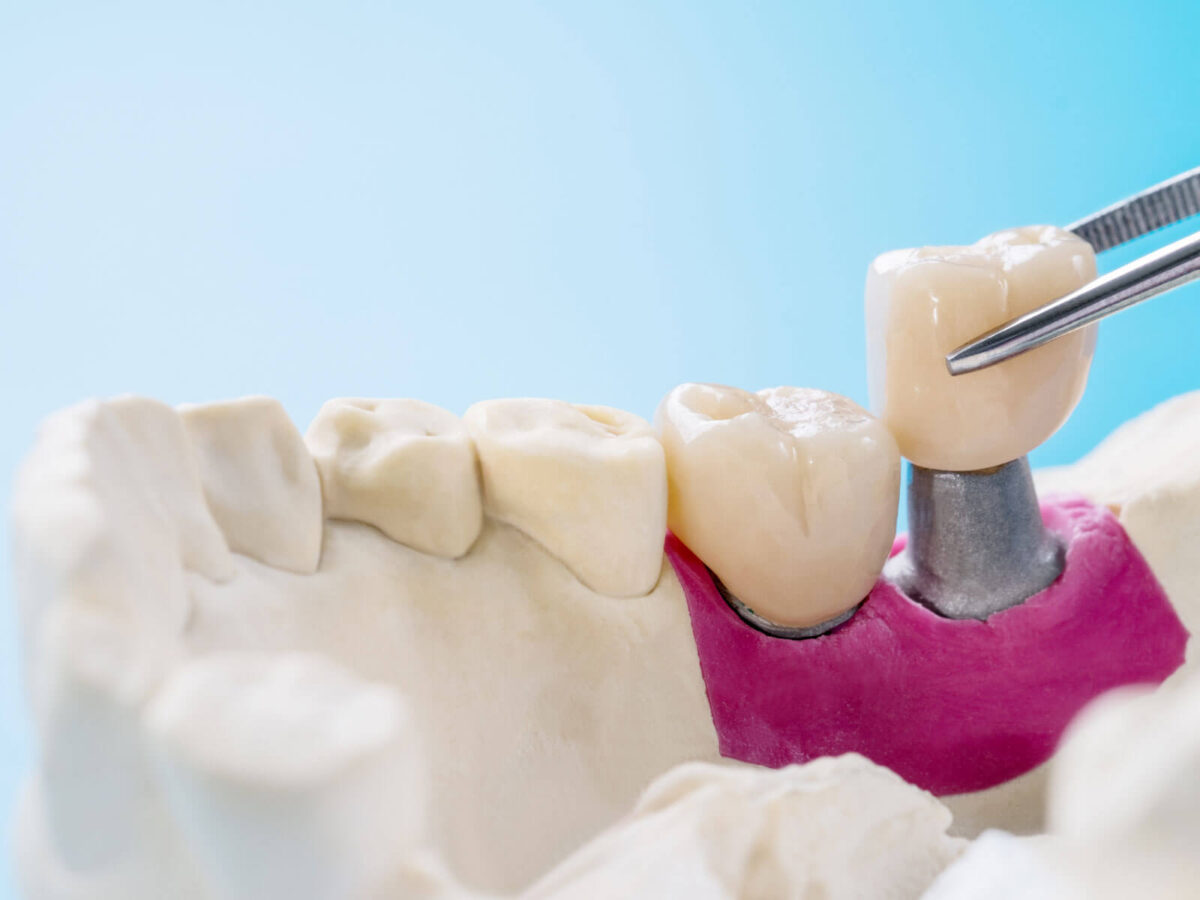
The idea is actually straightforward. A crown is a custom cover that sits over a tooth. It protects the remaining structure underneath while restoring the shape of the tooth.

Dentists rely on crowns quite often because they help preserve natural teeth. The National Institute of Dental and Craniofacial Research shares information about this. According to the research, crowns are one of the treatments used when a tooth needs added strength.

Understanding What a Dental Crown Is

The easiest way to picture “what a dental crown is” is to imagine a cap placed over a tooth. Once it is attached, the crown becomes the new outer surface.

The crown surrounds the visible part of the tooth above the gums. From the outside, most people cannot tell the difference.
A filling is not always enough when a tooth has lost too much structure. In that case, dentists may place a crown for tooth restoration to protect the entire tooth.

When Dentists Suggest a Crown

Crowns are often suggested when a tooth has lost too much structure. Large cavities can remove a lot of enamel, leaving the tooth more likely to break. They are also common after root canal treatment. Without the nerve, the tooth may become weaker over time.

A crown for tooth protection covers the tooth and helps keep it stable again. According to the American Dental Association, crowns are widely used in dental treatment. They help restore teeth affected by decay or large fillings.

What Dental Crowns Are Made Of

Crowns can be made from different materials. Dentists choose based on the tooth’s location and the amount of chewing pressure. Porcelain is a common choice for front teeth because it matches the color of natural enamel.

Metal crowns have also been used for many years. They are very strong and tend to hold up well in areas where chewing pressure is heavier.

In some cases, materials are combined. One type combines porcelain with a metal base. It includes a metal structure underneath with porcelain on the outside. This allows the crown to stay strong while still looking natural. No matter the material, the purpose is the same. A crown for tooth restoration helps protect the tooth and restore its normal function.

Why Crowns Protect Weak Teeth

Teeth that have lost too much structure can break unexpectedly. Even normal chewing can place pressure on thin enamel.

A crown acts as reinforcement. It holds the remaining tooth structure together and distributes pressure more evenly across the surface.
Understanding “what is a dental crown” also means understanding its preventive role. Instead of waiting for the tooth to fracture further, the crown stabilizes it early.

Research published through the National Library of Medicine has shown that crowns significantly increase the survival rate of restored teeth.

What Happens During the Dental Crown Procedure

The dental crown procedure usually isn’t finished in a single visit. Dentists normally divide it into two appointments. The main reason is simple. The crown cannot be placed right away. It has to be made so it fits the tooth properly. That process usually takes a little time.

At the start, attention goes to the tooth itself. Nothing major has happened yet. A small amount of enamel is adjusted. Just enough to prepare it for the crown. This allows the crown to have enough space later. It is not a big change, but it helps the crown sit properly once it is placed.

Once that step is done, impressions are taken. The molds help record the tooth and the patient’s bite. From there, they are sent to a lab so the permanent crown can be prepared.

While the lab prepares the final crown, the dentist places a temporary one. It protects the tooth for the time being. At the next visit, that temporary crown comes off, and the permanent one is placed and bonded. At that point, the dental crown procedure is complete.

Getting Used to a Dental Crown

Right after the crown is placed, people usually notice it. That is expected. The tooth can feel a little different at first, especially when chewing food or closing the bite.

This stage usually does not last long. Once the mouth gets used to the crown, the tooth starts to feel normal again. After a while, most people forget it is even there.

A bit of sensitivity can also happen early on. Hot or cold foods might feel a little stronger than usual at first. It does not last long, though. As the tooth settles in and the mouth adjusts, that sensation usually fades on its own.

How Many Years a Dental Crown Can Last

A crown is meant to hold up over time. After it is placed, everyday activities usually feel normal again. Eating feels the same. Talking too. After a while, the crown usually stops feeling like something new.
Dentists usually say crowns last around ten to fifteen years. That is the number patients hear most often. Still, it can vary. Some crowns stay in good condition much longer, depending on the person.
Keeping a crown in good condition usually comes down to regular oral care. Brushing helps keep the tooth clean. Flossing helps too. It clears out the small spaces a toothbrush usually misses. Plaque tends to sit there if it is ignored. Dentists also take a quick look at the crown during regular checkups. Just to make sure everything still looks fine. With steady care like this, a crown for tooth restoration can protect the tooth for many years.

FAQs

What is a crown used for?
It is used to protect the teeth. It is also used to strengthen a damaged tooth.
Is the process painful?
Not usually. Dentists numb the tooth before starting.
For how many years can a crown stay?
Many last 10–15 years. It depends on the daily care.
Do crowns look like real teeth?
Yes. Many are designed to match the color of nearby teeth.

Conclusion

During a routine dental visit, patients sometimes hear the question what is a dental crown. The topic usually comes up when a tooth has become too weak. But instead of removing the tooth, dentists search for ways to save it.

There are a few materials dentists may use for crowns. It often depends on the location of the tooth. Back teeth need durability, while front teeth are chosen for a more natural look. To start the dental crown procedure, the tooth is carefully prepared. After that, they place a restoration designed specifically for that space.

At first, people may notice the crown a little. That is normal. After a little while, it usually feels normal again. After some time, people usually stop noticing the crown. It simply feels like part of the tooth. With regular cleaning and dental visits, a crown may keep protecting the tooth for years.

Sometimes a tooth starts feeling weak or worn down. People often think extraction will be the next step. Before making a final decision, the dentist will usually study the tooth carefully. They want to see how much healthy structure is still there. If the tooth can still be supported, a covering may be placed on top to protect it. It helps the tooth deal with the pressure of daily biting. In many cases, that small step helps the tooth last much longer.
Categories
Dental care

Does Dental Cleaning Damage Enamel?

Why This Question Comes Up So Often

The question does dental cleaning damage enamel usually doesn’t come up randomly. It tends to surface later, often after someone notices slight sensitivity once they’re back home. The teeth feel smoother than before. A sip of cold water feels sharper. That small shift is enough to create doubt.

Enamel is something people are told to protect at all costs. It doesn’t grow back. Once it wears down, it stays that way. So when tools scrape against the tooth surface, it’s understandable to wonder what’s actually being removed.

The sound of scaling makes it more confusing. It doesn’t sound gentle. The scraping noise feels stronger than what’s truly happening. Even without pain, the experience can seem aggressive.
This is where the worry often turns specific, leading to the question does professional teeth cleaning damage enamel, or, on a broader level, does teeth cleaning damage enamel over time? The fear usually isn’t about that moment in the chair. It’s about long-term effects.

What Is Actually Being Removed During Cleaning

During a cleaning, they’re not scraping away your actual tooth. They’re really just removing buildup that’s been there for some time. Plaque shows up daily. It doesn’t matter if someone brushes well. Some of it still lingers. It starts off harmless. You wouldn’t even notice it.

But leave it sitting there, and over time it stiffens into something that won’t budge easily. That’s tartar. And once it gets to that stage, your toothbrush isn’t winning that fight. It locks itself along the gum line and just stays there. Since it builds up bit by bit, most people don’t even realize how different their teeth have started to feel.

So when that layer is finally removed, the difference can feel dramatic. The surface underneath feels smoother than expected. Almost slippery. Sometimes a little sensitive to air or cold drinks. It’s not that enamel has been shaved down. It’s that something that had been sitting on top of it is suddenly gone. That shift can trick your mind into thinking something was lost, when really what changed is that the natural surface is exposed again after being covered for so long.

But enamel is significantly harder than plaque or tartar. According to the National Institute of Dental and Craniofacial Research, enamel is the most mineralized tissue in the body. [Source] Professional tools are designed to remove deposits that sit on top of the tooth — not the tooth itself.

Why Sensitivity Afterwards Feels Concerning

People often ask, “Does professional teeth cleaning damage enamel?” because of what they notice afterwards. The appointment may have gone smoothly, but later on, their teeth feel a little more reactive. A sip of something cold lingers longer than usual. That small shift can create doubt.

When hardened buildup is removed, areas that were covered for a long time are exposed again. After tartar is taken off near the gums, the teeth don’t always feel the same right away. If there was any swelling before, it may ease, and that can uncover a small area that wasn’t as exposed earlier. That shift can make sensitivity more noticeable for a short time.

It usually doesn’t last long. Things calm down on their own, and what you’re feeling is often just the difference between having built up there and suddenly not having it anymore. As the tissues stabilize, the sensitivity typically becomes less noticeable.

Where Enamel Wear Actually Comes From

Enamel usually doesn’t thin out because of one single reason. It’s more about what keeps happening day after day without much thought. Drinking acidic beverages regularly, grinding at night without realizing it, or brushing a little too firmly can slowly wear away at the surface. You don’t notice it right away. It’s something that develops over time, quietly.

A cleaning at the dentist isn’t something that happens every week. It’s spaced out, usually just a few times a year, and the goal is simply to clear away tartar that brushing can’t remove at home. What really shapes enamel over time are the daily habits in between appointments. Those happen constantly. The Centers for Disease Control and Prevention recognizes regular dental checkups as part of ongoing oral health maintenance. The idea behind those visits is to keep small issues from turning into bigger ones, not to create new damage.

Why Skipping Cleanings Can Be Riskier

Some people feel that skipping cleanings might somehow protect their enamel. If the scraping sounds harsh, it can make fewer visits seem safer. That’s often when the thought Does teeth cleaning damage enamel starts to take hold. Plaque doesn’t just sit there. It can create acids while it lingers, and that continues until it’s removed. Once it hardens into tartar, bacteria tend to stay close to the gum line.

If it isn’t removed, the teeth just keep sitting in that same acidic setting. After a while, that can have more impact than the cleaning people worry about. It becomes less about the tools used during an appointment and more about what happens when bacteria are left alone for months.

Why the Sound Feels Worse Than the Reality

It’s worth acknowledging something simple. The sound of scaling feels harsher than the actual contact on the tooth. Metal against hardened tartar creates noise. That noise can feel aggressive, even though the pressure is controlled.

Many patients assume that if it sounds forceful, it must be removing tooth structure. In reality, enamel is far harder than the deposits being removed. Perception doesn’t always match physical effect. That mismatch fuels the concern behind the question.

What Dentists Watch For During Cleaning

Before they begin, hygienists usually take a quick look at how the teeth are holding up. If there are signs of grinding or acid wear, they simply work a bit more carefully in those areas. It isn’t about using pressure. It’s about clearing buildup without stressing the surface, even if someone walks in wondering, “Does professional teeth cleaning damage enamel?”

When enamel wear is obvious, the focus isn’t on scraping harder. It’s more about protecting what’s left, whether that means fluoride or dealing with grinding at night. A cleaning appointment ends up being more than just a cleanup. It’s also a checkpoint to see how things are holding up.

When Concern Is Reasonable

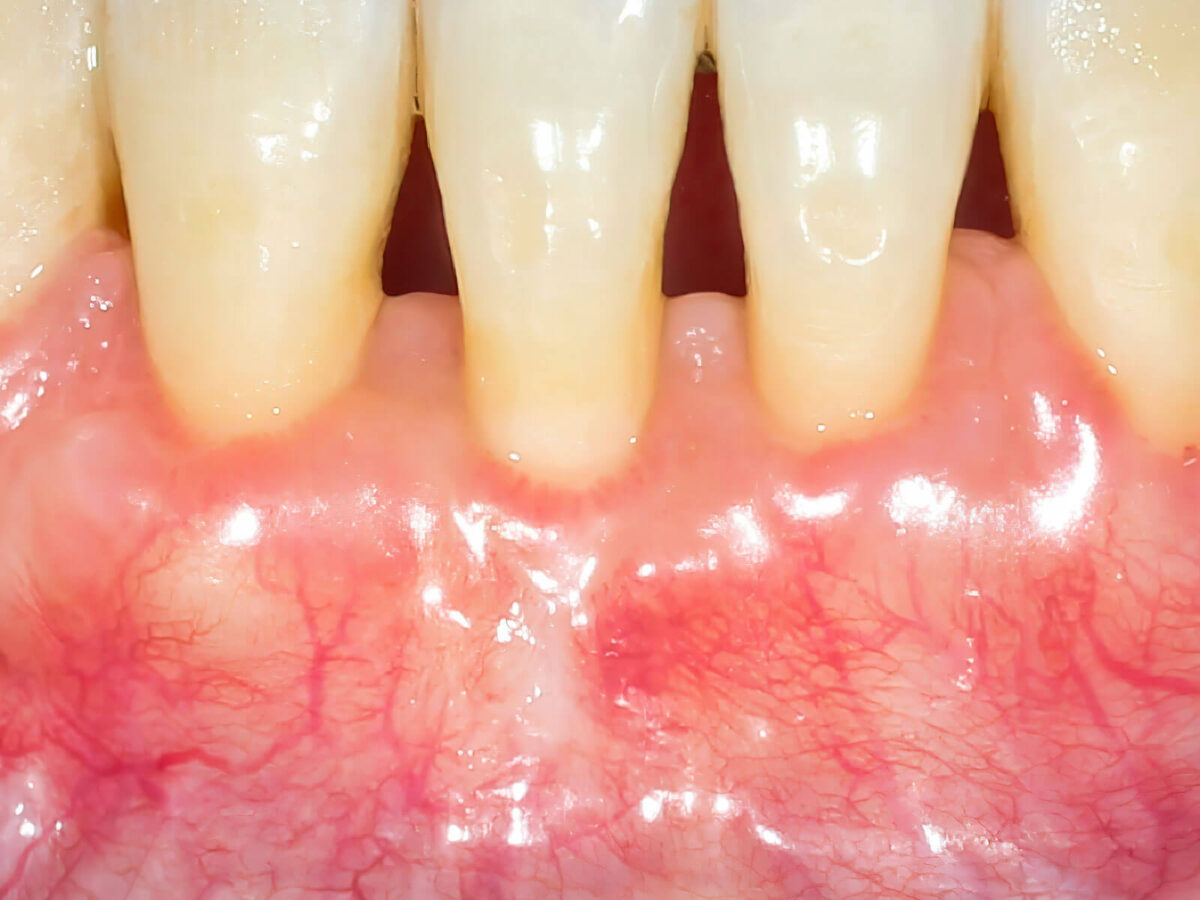
If things still feel sensitive a week later, or sharper than you’re used to, mention it when you go back in. That kind of feeling doesn’t automatically mean enamel was damaged. Sometimes it’s related to gum recession that exposes dentin, or erosion that was already there. Having that conversation can clear up a lot of doubt.

The question “Does dental cleaning damage enamel?” tends to feel less dramatic once you look at your own situation. Your own dental history usually tells you more than broad worries about the procedure ever could.

FAQs

Can a cleaning cause lasting enamel loss?

No. Cleanings just remove buildup. Not healthy enamel.

What if my teeth are already sensitive?

Sensitivity often reflects exposed dentin or prior wear.

Are cleanings every six months safe?

Standard six-month intervals are generally safe for healthy teeth.

Would avoiding cleanings protect enamel?

Skipping visits may increase exposure to plaque and tartar.

Conclusion

It’s normal to wonder about “does dental cleaning damage enamel”, especially since enamel doesn’t grow back once it’s worn down. But cleanings are focused on clearing buildup that can weaken teeth if left in place. When sensitivity shows up afterwards, it’s often temporary and related to exposed areas that were already there.

If the feeling sticks around, tell your dentist when you’re back in. You don’t need to explain it perfectly — just describe what it feels like. Your dentist can check the area and talk you through it so you’re not left guessing.