Smile Point Dental

Categories
Dental care

What Does an Orthodontist Do?

People often notice small things in their smile long before they think about treatment. A tooth that leans slightly forward. A gentle shift in the way the bite feels when chewing. Nothing sharp or sudden. Just tiny changes that settle in quietly. These small moments often bring up the quiet question of what does orthodontist do, not from urgency but from a slow curiosity that appears when something in the mouth feels a little different than before.

Orthodontists handle these small changes gently, guiding the teeth so everything feels steady. They don’t hurry the process. It follows the natural rhythm of tooth movement and the jaw’s slow adjustment. In that quiet rhythm, the mouth starts to understand what their hands are shaping and supporting.

This quiet path often leads people to wonder “what is an orthodontist?” and what their role truly feels like when the teeth and bones respond to careful guidance.

How Orthodontists Notice the Things Most People Overlook

Orthodontists often see details that others miss. A tiny rotation in a tooth. A soft spacing between two edges. A slight imbalance in how the jaw rests when the mouth closes. These are not loud problems. They do not announce themselves. They sit in the background, shaping how the bite moves day after day.

Understanding what orthodontics does begins with noticing how these small signs create the starting point of their work. They watch the way teeth respond to pressure. They study how the jaw grows. They look at how the smile aligns with the face. Everything they see forms a picture that guides each gentle step that follows.
It is not about change happening quickly. It is about listening, watching, and guiding the mouth in a direction that feels steady and natural.

How Teeth Find Their Balance With an Orthodontist’s Guidance

Teeth are always moving. They drift a little on their own, even without any treatment. Orthodontists use that gentle motion, adding small pressures that help the teeth settle into healthier positions. Braces and aligners just guide what the teeth can already do.

This makes a soft answer to what does an orthodontist do. Their work follows the mouth’s natural pattern, one small adjustment at a time. The teeth move slowly, the jaw adjusts, and the smile finds a balanced place to rest.

How Orthodontists Look After Jaw Alignment Too

Sometimes the issue is not the teeth themselves but the way the jaw rests. The upper and lower jaws may not meet evenly. One side may carry more pressure than the other. These gentle imbalances shape how a person eats, speaks, and breathes without always being obvious at first.

This is another part of “what does an orthodontic assistant do?” because orthodontists study how the jaw guides the entire bite. They use tools and methods that help the jaw ease into a more proper position, letting the mouth move comfortably again. The changes come slowly, often so quietly that people notice them only when the bite starts to feel right.

How Orthodontic Assistants Support the Whole Process

Behind the orthodontist is someone who works quietly, often without much notice. The orthodontic assistant helps get the mouth ready for treatment. They adjust wires, place small pieces, and make sure everything feels good before the next step begins.

Their work gives real shape to the idea of what does an orthodontic assistant do because they steady the entire process, guiding patients through each step with calm, careful hands. They check for discomfort, make small changes to calm it, and keep the plan going as it should. They also bring a soft warmth that helps the whole journey feel easier for anyone trying to understand how their smile will change.

How Tools Like Braces and Aligners Move With the Body’s Pace

Braces and aligners work at a pace that matches the natural movement of teeth. The brackets and wires apply tiny amounts of pressure. Aligners sit against the teeth, nudging them softly day by day. Nothing happens quickly. The mouth needs time. The bones need time.

This slow shift becomes another way to understand what does an orthodontist do. They watch these movements, guiding them, adjusting them, making sure the path stays gentle and consistent. Each new aligner. Each small tightening. Each soft change allows the mouth to reshape itself without strain. And through this quiet sequence, the smile finds its softer balance.

How Orthodontists Shape Space When Teeth Crowding Appears

Some mouths hold the teeth too tightly together, giving them hardly any space to move. Orthodontists see this quickly by seeing jaw growth, spacing, and the smile’s shape. They use slow guiding tools to open space gently.

This gentle style connects with what does an orthodontic assistant do, since their calm help keeps everything opening slowly and comfortably. The whole process moves at the same soft pace the bones use as they change over time.

How Orthodontists Watch the Mouth Through Every Small Change

With every visit, the orthodontist gets a new sense of how the mouth is reacting. A slight movement in one tooth. A soft shift in another. These details define the next steps, keeping everything calm and steady.

This steady guidance helps answer what does an orthodontic assistant do because orthodontics is not simply about braces. It is about reading the mouth’s small signals and adjusting the plan to match them. The work moves forward slowly, letting the teeth settle into their new places without stress.

How Orthodontic Assistants Support Comfortable Care

Orthodontic assistants help people feel at ease during treatment. They adjust small pieces, check how everything sits, and listen closely when someone mentions discomfort. They are often the first to sense when a wire needs softening or when a bracket needs a tiny shift.

This gentle and constant support shows what does an orthodontic assistant do each day. Their hands guide the tools. Their calm talk eases anxiety. Their presence keeps the journey smooth from start to finish.

How Retainers Continue the Quiet Work After Treatment

Once the teeth reach their new positions, the work isn’t finished. Teeth have a natural pull toward where they used to sit. Retainers keep them steady, making the mouth remember its new balance. Orthodontists and their assistants guide people through this stage as well, showing how to hold those changes while the mouth adjusts.
This steady guidance adds a final note to what does orthodontist do, showing how their care continues long after the braces or aligners come off.

How the Smile Learns Its New Shape Over Time

The smile does not change in one moment. It learns over months, following small pressures and gentle adjustments. Orthodontists help it settle into the shape that feels natural. The jaw aligns. The teeth rest comfortably. The bite moves smoothly.

This slow settling gives the quiet answer to what does orthodontics do. It moves the smile into a place where everything feels steady and comfortable.

Invitation to Start Your Journey

Anyone unsure about small changes in their bite or smile can take a quiet step toward clarity. A calm visit with an orthodontist or assistant brings gentle insight and soft guidance, helping the smile move toward comfort at its own pace.
Categories
Dental care

How Smoking Affects Your Teeth

Smoking changes the mouth in small ways long before anyone notices. It may feel like a relaxing habit or a social moment, but slowly the smile begins to show signs. Stains become deeper. Breath feels off more often. Tiny dental issues start popping up.

Knowing the truth behind these shifts can help someone choose what is best for their smile. This article looks at how smoking affects teeth and how caring guidance from a dental team can make that next step easier.

What Is Tooth Damage From Smoking About

When someone starts thinking how does smoking affect the teeth, stained enamel is usually the first thing that comes to mind. But there is more happening. Smoke can dry out the mouth and lower oxygen in the gums. Chemicals sit against enamel and soft tissue every day, and that makes fighting bacteria tougher. It is not about blame. It is simply understanding what the mouth deals with, so better choices feel within reach.

How Smoking Interrupts Natural Defences

Saliva helps protect the mouth every day by clearing food and keeping enamel strong against damage. Smoking slows that natural protection, and dryness begins to take over quickly. A dry mouth encourages bacterial growth and makes gums feel irritated without warning. People asking “how does smoking affect your teeth” often miss saliva as the reason discomfort grows quietly. With less moisture and reduced oxygen reaching the gums, healing slows, and even small issues remain longer than they should inside the mouth.

Staining And Enamel Wear

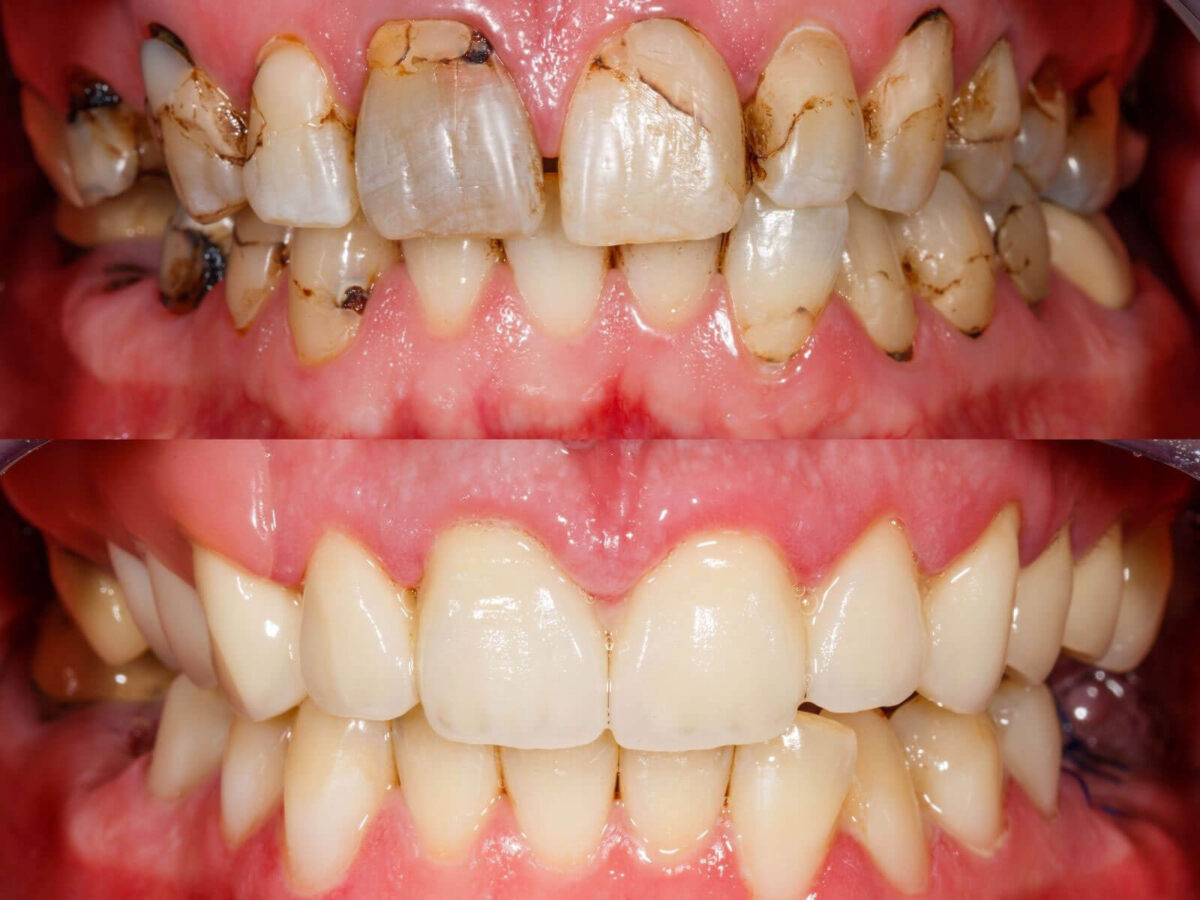
Nicotine and tar settle into the tiny grooves of enamel. They leave behind yellow or brown marks that brushing alone cannot remove. A dental cleaning can help, yet the stain returns quickly if smoking continues daily. Over time, the enamel surface itself begins to lose strength. It becomes easier for acids to work their way into the deeper layers of the tooth. A slight shock from something cold or sweet may be the first sign. As the discomfort worsens, a person finally wonders how to treat tooth sensitivity pain and get back to eating comfortably again.

Gum Health And Hidden Risks

Some people notice one thing first. The smile looks fine, but the gums feel a little off. That is one of the quiet effects of smoking on the teeth. Smoking changes how the gums react. They do not bleed much, even when something is wrong, because less blood reaches the area. So gum trouble stays hidden. As the gums retreat, the tooth starts to show more than it should. Cold drinks hurt. Food touches the roots. It feels different every day. When someone finally asks how smoking affects teeth, gum disease becomes part of the answer, even if it stayed hidden for years.

Loose Teeth And Bone Support Loss

Support for each tooth comes from bone beneath the gums. Chronic gum infection causes the support to shrink. Smoking makes this process move faster. When bone reduces over time, teeth start to feel loose or shift slightly out of place. A once-comfortable bite can change, and cavities form in areas that used to be safe.

Understanding how smoking affects your teeth means understanding this long journey beneath the gum line. The loss is quiet at first, but the result can be the need for advanced treatment later on.

Slower Healing After Dental Work

The mouth repairs itself after every cleaning or filling. Smoking gets in the way by slowing how blood moves through the gums, and healing does not happen as quickly. Dentists sometimes schedule more follow-ups for patients who smoke. They ask these questions because they want everything to go well. Comfort and easy recovery always come first.

Bad Breath And Changes To Taste

Smoking can influence everyday life in ways people rarely think about. One meal tastes slightly different. Then the next. The tongue loses some of its spark, and flavours that used to stand out now feel muted. Even after brushing, breath turns quickly because dryness allows bacteria to hang on tight. To feel satisfied at meals, people might add sugar or spices without noticing how often it happens. Months later, the dentist spots extra cavities or early damage that comes from those quiet, slow changes inside the mouth.

The Bigger Picture

Most people think first about oral health. But the smile influences daily life in other ways, too. When teeth appear dull or gums feel uncomfortable, someone may hide their smile in photos or feel uncertain when speaking up. Seeing the changes early gives a chance to take control instead of feeling discouraged later.

If Quitting Feels Hard, Small Changes Still Help

The purpose here is not to judge the habit. The goal is simply to make space for small choices that help the mouth feel better again. Maybe it starts with fewer cigarettes in a day, a little more water while working or relaxing, or a gentle fluoride rinse before bed. The question “how to treat a sensitive tooth” often becomes easier to manage once dryness settles down, and the enamel receives steady support again.

A dentist can help choose products made for how to treat tooth sensitivity, including toothpaste with calming minerals. A professional cleaning can remove stubborn stains and check early signs of gum problems. These visits build a path toward better days without expecting instant change.

Why Support From Your Dental Team Counts

Talking about smoking at an appointment can feel a bit personal. A kind dental team understands that. They check what the gums and bone need and suggest simple steps that fit life as it is right now. They cheer progress instead of showing their mistakes. When someone feels understood, looking after their smile starts to feel like a positive part of the day.

Small Habits To Protect Your Teeth

Keeping water nearby helps saliva protect the teeth and gums all day. A straw can shield front teeth when enjoying dark drinks that usually stain quickly. After smoking, rinsing removes whatever clings to the mouth. Daily cleaning takes away the bits that bacteria love. None of this feels big, but it matters. It gives the mouth support while someone quietly thinks about what health changes might fit their life in the future.

Conclusion

Some of the ways smoking affects the mouth are quiet and gradual. The smile loses brightness. Gums struggle a bit more. Healing slows after a dental visit. Once someone sees the effects of smoking on the teeth, they can make choices that help the mouth stay strong. More water. Regular check-ins. Support from a team that understands. Progress may come slowly, yet every step counts as a win.

If someone starts to feel sensitivity or notices stains or gum soreness, checking in with a dentist can help. A caring team will explain how does smoking affect the teeth in a simple way, look for early concerns, and suggest an easy plan that keeps the smile comfortable in everyday life.

Categories
Dental care

The Benefits of Professional Teeth Whitening

A brighter smile changes small everyday things. It lifts confidence. It nudges someone to smile in photos and speak up a little more. A trusted dentist in Beaumont TX hears that story often. People come in hoping for a noticeable, predictable change and leave with a plan that fits their life. This article explains what professional teeth whitening really is, why a visit to a Beaumont cosmetic dentist matters, who benefits most, and what practical steps keep the result looking natural and long-lasting.

What Professional Teeth Whitening Actually Is

In professional dental whitening, the clinician uses stronger agents that are measured and supervised during the visit. These gels move through the enamel and loosen the particles that create stains. The Beaumont cosmetic dentist controls the strength, the timing, and the way the gums are protected. That level of attention makes the results more dependable than store products. Many patients find the treatment strong enough to work well yet gentle enough to keep the shade looking natural.

Why A Dentist Gives Better Results Than Over-The-Counter Options

Store products sometimes promise dramatic change. In practice, they vary wildly. A Beaumont cosmetic dentist can choose a strength and a method that suits the teeth and the sensitivity level. The clinic protects soft tissues and watches reactions in real time. That oversight reduces the chance of uneven whitening and limits sensitivity. In short, professional care turns a marketing claim into a reliable result that matches daily needs.

Who Benefits From Professional Whitening

Many adults with healthy teeth and light surface stains get strong results from dental whitening. Deeper stains from medication may brighten only a little. Since crowns and veneers do not change colour, the clinician helps patients figure out how to keep everything looking even. People who want a steady, noticeable boost without guessing are often great candidates for a natural smile makeover.

How an In-Office Whitening Session Usually Goes

The visit begins with a quick exam. The clinician checks for cavities and gum irritation that must be addressed first. Then the gums are protected and the whitening gel is applied. Lights or gentle warming are sometimes used, depending on the system. Many people see a clear difference in a single visit that lasts about an hour. The process is direct, and the clinician monitors comfort throughout.

How Custom Take-Home Trays Work

Some patients prefer gradual change or need to fit treatment around family and work. Custom take-home trays are made from impressions and delivered with a professional-strength gel. The patient wears the trays for the prescribed daily time. This method gives control over pace and reduces the intensity of sensitivity for people who need it. A dentist in Beaumont TX gives clear instructions so trays are used safely and effectively.

Managing Sensitivity During And After Whitening

A little sensitivity is pretty normal, though it rarely hangs around for long. Your clinician may suggest a desensitising toothpaste before the appointment or simply choose a lighter approach during treatment. After care often comes with a calming step and a quick note to avoid extremes in temperature for a short time. Most people settle within a few days. If someone still feels it, the team adjusts the plan to keep things easy.

How Long Results Usually Last

The length of whitening results depends a lot on everyday habits. People who drink coffee often or smoke may see stains come back sooner. Many keep their brighter shade for months, sometimes longer. Light upkeep with take-home trays now and then, or a quick in-office refresh, helps hold the colour. A Beaumont cosmetic dentist works with each person to find a rhythm that feels natural.

Why Whitening Leads the Way

Whitening is often the first step in a smile makeover because it sets the real base colour for everything that follows. A Beaumont cosmetic dentist likes to settle the shade before talking about veneers or bonding so the final look stays even. Once the teeth brighten, people can see which small changes might help next. Taking it in this slow order keeps the process easy and comfortable.

Costs Versus Value

The price of professional dental whitening is higher than store-bought kits, yet the value comes from better control and fewer surprises. Many patients avoid the back and forth of trying again when the colour turns uneven. Clinics often pair an office session with trays for simple upkeep. A Beaumont cosmetic dentist explains costs and likely outcomes so people can choose what works for them.

Safety Notes

Whitening is not right for everyone, and some issues need care first. Cavities, gum trouble, or exposed roots should be treated before thinking about brightening. Pregnant or breastfeeding patients usually wait. Since fillings and crowns do not lighten, the clinician tells what that means. A dentist in Beaumont TX checks overall health to be sure whitening is safe.

Getting Ready for a Whitening Visit

Getting a cleaning first leaves the teeth fresh and helps the gel settle evenly. Most people stay away from staining foods for a little while around the appointment. When the clinician understands your health background and your usual medications, they can plan safely. These simple bits of prep make the visit easier and improve the final result.

Workable Hue Goals

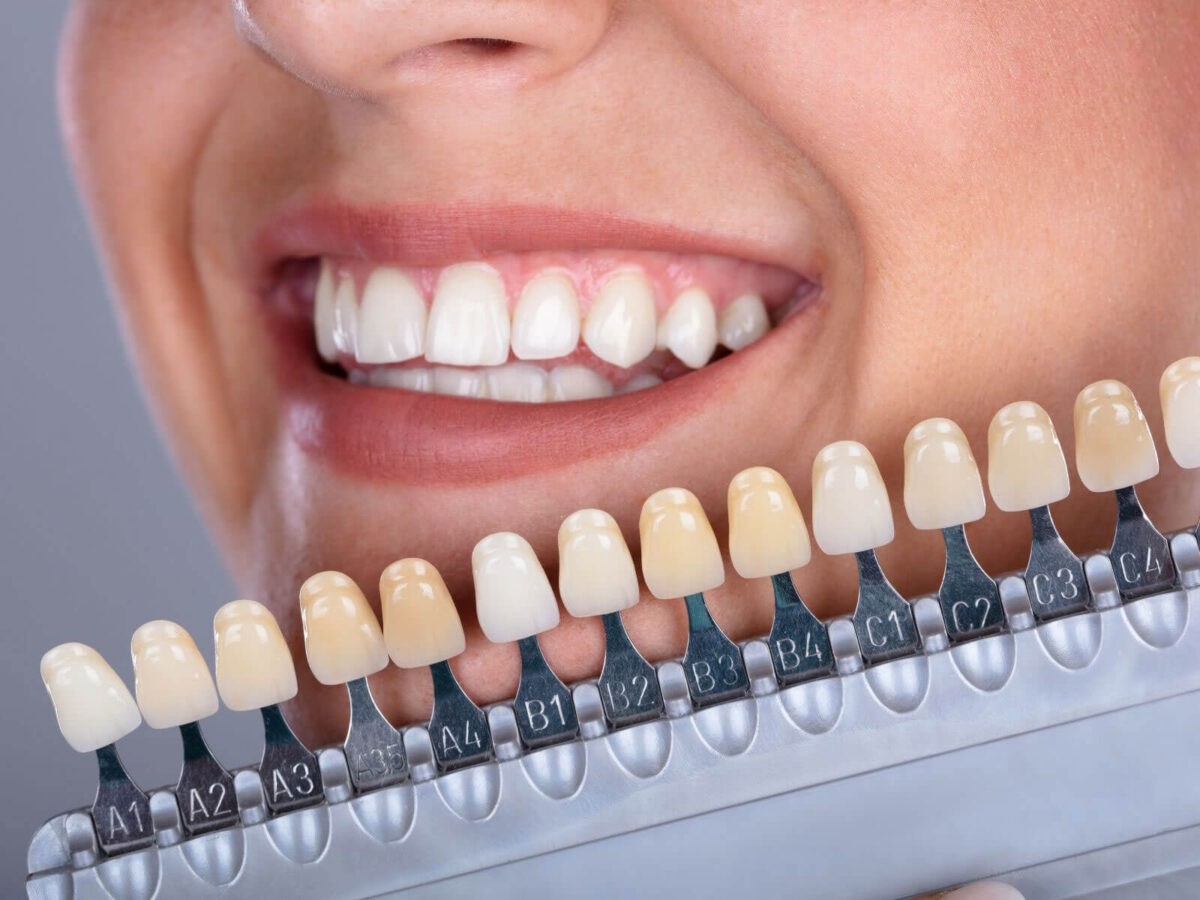
Not everyone wants a bright white. A natural shade that complements skin tone often looks best. Clinicians use shade guides and samples so patients know what to expect. The aim is a beautiful, flattering change. When results look like a natural version of the patient, happiness is highest.

Aftercare Tips

Simple habits help the brighter shade last longer. A quick rinse with water after dark drinks, using a straw for coloured ones, and cutting back on slow sips of sweet coffee all make a difference. Now and then, a short visit to the clinic or a night with trays brings the colour back. With whitening and simple daily care together, the teeth stay in good shape and the colour holds.

Choosing A Trusted Provider In Beaumont

Look for a clinic that explains options, shows examples, and treats sensitivity carefully. A local dentist in Beaumont TX pays attention to your goals, can shape a plan that fits life. A direct talk with your dentist usually gives the truest sense. A clear explanation of steps and follow-up makes the visit calm and predictable.

Conclusion

When a reliable dentist in Beaumont TX oversees it, professional teeth whitening gives a steady way to brighten a tired smile. It usually works best after a routine exam and with a bit of care around sensitivity and upkeep. A lot of patients use this as the opening step in a smile makeover, something soft and simple that helps them feel more sure about their smile.

When a brighter smile is on someone’s mind, seeing a Beaumont cosmetic dentist can help sort out what makes sense. The team checks overall health and works out a plan that fits into normal routines.

Categories
Dental care

Top 6 Reasons To Choose Dental Implants For Missing Teeth

Missing a tooth changes more than a smile. It changes how the mouth works. A local Beaumont Dentist TX sees patients who delayed replacement and later needed more complex care. Choosing dental implants Beaumont early often avoids that cascade. Implants replace both the visible tooth and the hidden root. That root replacement is what makes many practical advantages possible. This article explains six clear reasons implants stand out, then walks through who is a good candidate, what the process looks like, and how to pick a trusted Beaumont Dental Office TX, for lasting results.

What Dental Implants Are And How They Work

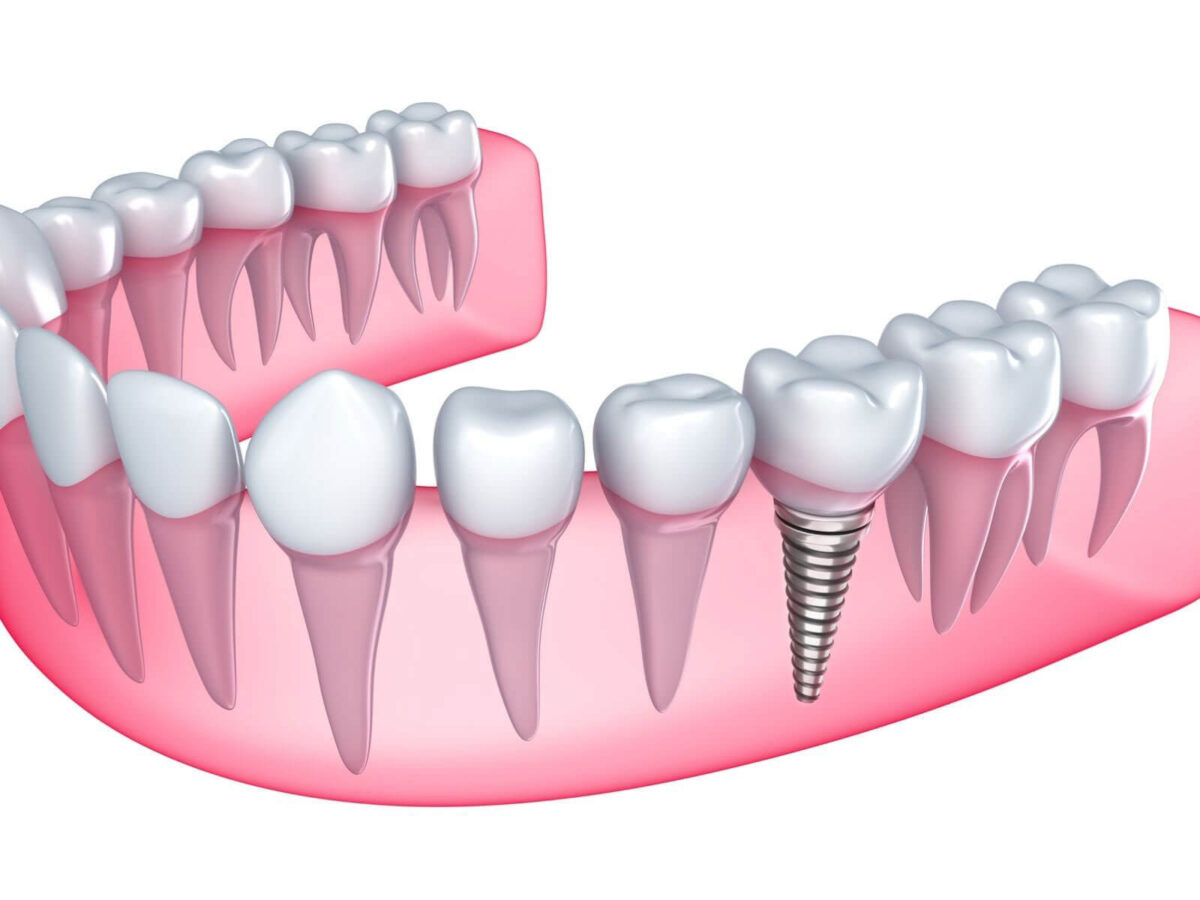
With a dental implant, a titanium post is placed in the jaw right in the space the tooth left behind. The bone slowly tightens around it and gives it strength. A crown is set on that post so it looks and acts like a normal tooth. Because it stands in for the root, everyday chewing pushes signals into the bone and helps keep the jaw and facial outline steady. A Beaumont Dentist TX maps out the position so the final result fits comfortably and lasts with regular care.

Reason One: Implants Protect Jaw Bone Over Time

Without regular pressure from a tooth, the bone in that empty spot slowly weakens and starts to thin. The ridge can flatten, and the face may look a little sunken. An implant changes that by carrying chewing forces straight into the bone through its post. This helps the jaw hold its form and makes it easier to treat later on. That is why dental implants Beaumont are commonly recommended to prevent the slow bone changes that follow a missing tooth.

Reason Two: Natural Function For Chewing And Speaking

An implant gives a crown enough support to act almost like a regular tooth. Biting into solid foods feels closer to what people remember. Since the post is anchored in bone, it avoids the shifting or sliding that removable options can have, and that steadiness improves speech. Words come out cleaner without the slight slips caused by a loose partial. For anyone wanting daily life to feel normal again, dental implants in Beaumont offer a practical boost in chewing and speaking.

Reason Three: Longevity And Fewer Future Visits

When well cared for, implants often last decades. The implant post itself rarely needs replacement. The crown may wear over time and get replaced, but that is a simpler step than repeated repairs on weakened natural teeth. Compared with bridges that may force repeated replacement of supporting teeth, implants frequently demand less maintenance overall. A Beaumont Dental Office TX explains longevity clearly so families can compare upfront cost with the long-term value of fewer visits and fewer surprise repairs.

Reason Four: Protects Nearby Teeth From Extra Work

A fixed bridge needs changing other teeth to support the replacement. That means removing healthy enamel to make room for crowns. An implant avoids that trade-off entirely. Because it stands alone, the surrounding teeth remain untouched. Preserving healthy tooth structure is a clear win for long-term mouth stability. A clinician in Beaumont often shows side-by-side examples so patients can see how an implant protects the rest of the smile from avoidable procedures.

Reason Five: Restores Nutrition And Daily Comfort

Once a tooth is gone, chewing often changes fast. People skip harder foods, and the diet slowly narrows in ways they barely notice. Months later, it can affect nutrition and even how much they enjoy meals. An implant restores solid biting pressure and makes it easier to eat a mix of foods again. That steady, everyday comfort improves energy and general health. For many, this practical return to normal eating is the part of dental implants Beaumont that matters most.

Reason Six: Confidence And A Lasting Natural Look

An implant crown matches neighboring teeth in shape and shade. The result is subtle. Friends see a natural smile, not a replacement. That confidence shows in social settings and the workplace. For many patients, the emotional payoff is immediate. They smile more freely, speak easily, and stop thinking about a gap. A local Beaumont Dentist TX works with labs and technicians so the crown blends in naturally and supports a confident face without dramatic or artificial results.

Who Makes A Good Candidate For Implants

Most healthy adults with enough jawbone can be considered. Healing can slow if someone smokes or has certain medical conditions, so the plan is shaped around those needs. Thin bone can be strengthened with grafting or other supportive steps. Age almost never limits treatment. After the exam, imaging, and review of health history, the Beaumont Dental Office TX can outline a clear, safe plan. For many, that clarity makes committing to a long-term missing teeth solution much easier.

The Implant Process In Simple Stages

It begins with a visit where the clinician takes a look at the jaw, soft tissues, and bite through imaging. Then the implant is placed under local anaesthesia, and healing takes over for a while as the bone connects to it. When that part is settled, the crown is attached. A few patients can get a quicker crown, but not everyone. The team keeps the timing clear and checks in about comfort. Most folks return to normal life soon after, with the dental implants Beaumont team guiding the simple care steps.

Aftercare And How To Make Implants Last

Regular cleaning keeps the area around an implant in good shape. Two daily cleanings and attention between the teeth make the biggest difference. The implant cannot decay, but the gum beside it can still react if plaque sits there. That is why routine visits and professional cleanings matter. Good overall health and avoiding smoking help as well. With this steady approach, an implant usually stays strong for years.

Cost Considerations And Financing Options

Implants do cost more at the beginning, though they often make up for it because repairs and replacements are far less common. Many offices offer payment options or spaced-out plans to make things easier. A straightforward talk about cost, steps, and long-term value helps families weigh their choices. With clear estimates from a Beaumont Dental Office TX, the decision feels much less stressful.

Conclusion

For many patients dental implants Beaumont are the most reliable missing teeth solution available. They preserve bone, restore function, protect neighboring teeth, and offer long-lasting results that feel natural. The choice to replace a tooth quickly often prevents a chain of larger problems and reduces long-term cost and visits. A clear consultation with a trusted Beaumont Dentist TX turns a missing tooth into a manageable project with a practical, predictable outcome.

If you want to know whether dental implants Beaumont make sense for you, set up a quick visit with a Beaumont Dentist TX at a Beaumont Dental Office TX. They look over your health and help you decide what feels right for your life.