Smile Point Dental

Categories
Dental care

How Pacifiers And Thumb-Sucking Impact Dental Development

Let’s just be honest for a second. A lot of parents don’t really give pacifiers or thumb-sucking much thought, at least not right away. At first, it feels like a win. Baby’s asleep. You finally exhale, and honestly? Who’s questioning it? You’re not about to question what’s working. If a pacifier calms them down, you’re going to use it. If they find their thumb, you’ll think, “Well, at least I don’t have to run around the house looking for that.” It’s survival mode. We’ve all been there.

So… When Does It Become a Problem?

When your kid’s teeth start to grow in, their jaws are developing right along with those teeth. If they’re still sucking their thumb all the time, or holding onto that pacifier way past the toddler years? That’s when you might run into problems.

Your Beaumont Pediatric Dentist will tell you: it’s not about being perfect. It’s about knowing when to help them stop.

Why Do Kids Even Do This?

Honestly? Because it feels good. Babies have this built-in reflex to suck. It’s how they survive in the beginning. It also helps them feel safe. Comforted. Some babies actually start thumb-sucking before they’re even born. You might’ve even seen it on an ultrasound. Happens all the time.

Pacifiers work the same way. They’re calming. They help kids fall asleep. Sometimes they even help them focus when they’re overwhelmed. The issue isn’t that your child sucks their thumb. It’s how long they keep doing it.

How Long Is Too Long?

Most dentists say if your kid quits the habit by age 2 or 3, you’re probably fine. At that age, the jaw is still super soft. The teeth are only beginning to break through. If they stop early, the mouth usually grows the way it’s supposed to.

But if your child is still sucking their thumb at 4 to 6? That’s when the teeth start moving out of place. And the longer it keeps up, the more those changes settle in.

What Happens to the Teeth?

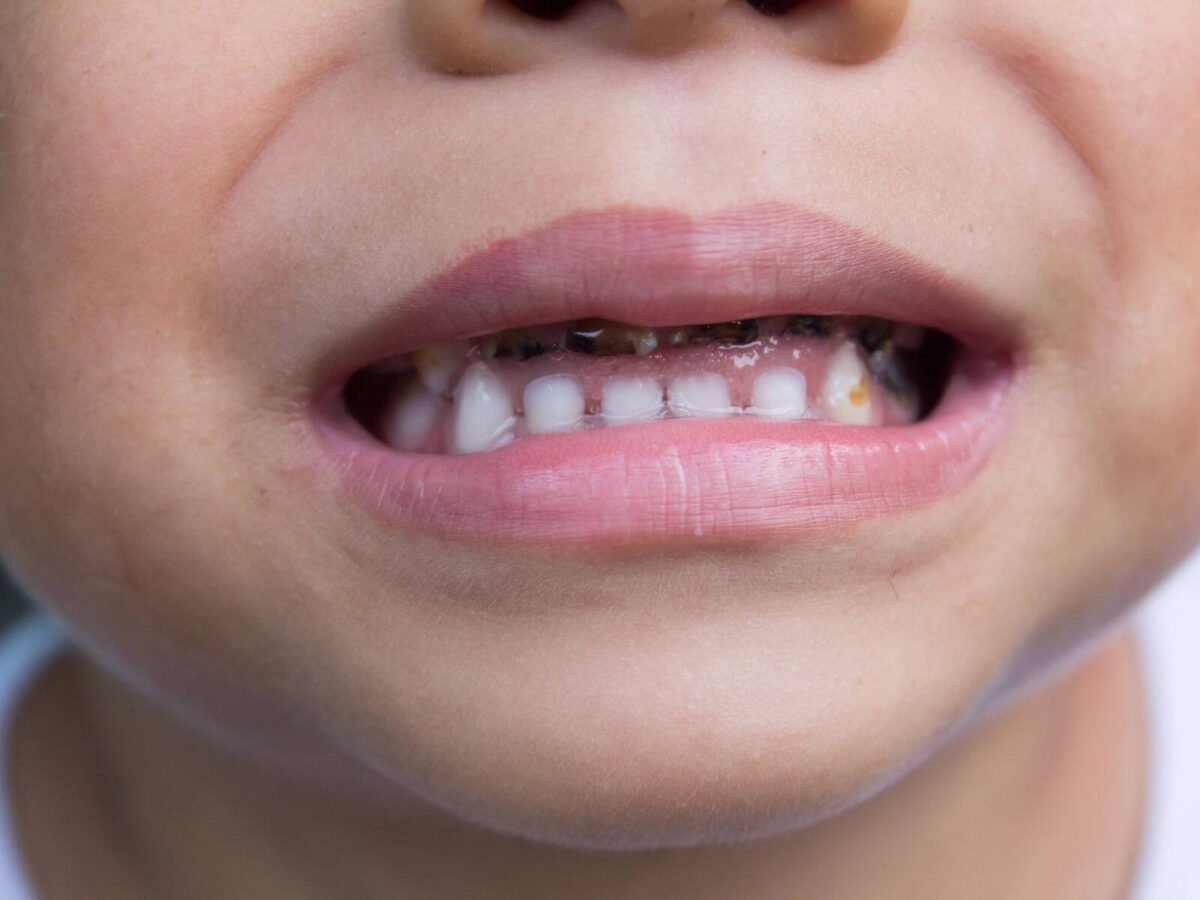
When a thumb or pacifier stays in the mouth too often, it pushes on the front teeth. Over time, those teeth start moving forward. Sometimes the top teeth stick out. Other times, the bottom teeth tilt back. You might also see what dentists call an “open bite.” That’s when the front teeth don’t touch when your kid bites down. There’s a gap in the middle, even when the back teeth are together.

Kids sometimes get teased for this. Or they have trouble biting into things like apples or sandwiches. And it’s not just about the teeth, either. The jaw itself can change shape. The roof of the mouth might narrow. That may change how the jaws align with each other. And over time, it causes bigger bite problems.

Some kids might even develop a lisp or find certain sounds hard to say clearly. Especially S’s and TH’s. That’s not always from thumb-sucking, but it can be.

Thumb-Sucking vs Pacifiers—Is One Worse?

Both can cause the same issues if the habit sticks around too long. But here’s the catch. You can throw away a pacifier. You can’t exactly throw away a thumb.

That’s why your Beaumont Pediatric Dentist might actually suggest starting with a pacifier when your baby is small. It’s easier to control later. If your child gets attached to their thumb, it usually takes longer to break the habit.

How Do You Help Kids Stop?

This is where most parents get stuck. You don’t want to traumatize your kid by forcing them to stop too early. But you don’t want their teeth to suffer either. So what do you do? Start small. Pick a time when life is calm. Don’t try to break the habit the same week your kid starts preschool. Or right after a new sibling is born. Stress makes everything harder.

Focus on limiting the habit first. Maybe you start by saying, “We only use the pacifier at bedtime now.” Try saying something like, “Let’s work on keeping your thumb out during the day, okay?” Then praise them when they do. Spot them avoiding thumb-sucking? Praise them. Kids enjoy being praised for good behavior. Sticker charts work for some kids. Little prizes. A trip to the park. A hug and a “proud of you” can go a long way.

For older kids, you can explain why you’re doing it. Something like, “Your teeth need room to grow the right way. We’re going to help them do that.” Make it a team effort, not a struggle.

What If Nothing Works?

Sometimes children simply can’t stop the habit by themselves. That’s when you check in with your Beaumont Dental Office TX. There are special appliances that can help. These are gentle devices that go on the roof of the mouth. They don’t hurt. They simply make thumb-sucking less comfortable. Most kids stop the habit pretty fast once that’s in place.

Can Their Teeth Go Back to Normal?

Sometimes, yes. If your child stops the habit early enough, their teeth and jaws might fix themselves as they grow. But if the teeth have already shifted a lot? They might need orthodontic treatment later. That could be braces. Or a palate expander to widen the top jaw. The key is to help them stop before it sticks. Step in early, and it’s way easier to get things back on track.

Conclusion

Parenting is full of moments like this. You’re just trying to do your best. Some days you win. Some nights, you hand the pacifier back at 2 a.m. because sleep is more important.

When you’re ready to tackle the habit, your Beaumont Dentist TX will help. No guilt. No pressure. Only support that matters and real answers for your child’s dental health and your peace of mind.
Categories
Dental care

The Link Between Nutrition And Oral Health

The majority of people know sugar is bad for teeth. That part’s easy. But what about everything else you eat? The healthy stuff. The everyday meals. Turns out, your teeth aren’t just affected by brushing and flossing. What you eat and don’t eat can change a lot more than you’d think. Your smile depends on it.

And your Beaumont Dentist TX, will tell you the same. The food you choose matters. Every bite adds up. Let’s talk about how nutrition plays into your oral health in real life. Not just in dentist-speak.

What You Eat Shows Up in Your Smile

Your teeth aren’t just floating around on their own. They’re part of a bigger system. Gums. Bone. Enamel. Saliva. All of it works together. And all of it depends on nutrients. If your diet is missing certain things? Your mouth is the first to feel it.

Ever get mouth ulcers when you’re low on iron? Or sore gums when you’re not getting enough vitamin C? Yes, that’s not random. Even saliva needs nutrients. It’s your mouth’s natural cleaner. Helps wash away food. Keeps bacteria in check. But if your body isn’t hydrated? Your saliva dries up. That’s when the bad stuff sticks. So no, nutrition isn’t just about body weight or heart health. It’s about your teeth, too.

Healthy Eating for Teeth Starts With the Basics

You don’t need a fancy meal plan to protect your smile. But you do need a few basics in your daily routine.

Calcium is huge. Your teeth and jaw need it to stay sturdy. No calcium? You’re looking at weakened enamel and bone loss. Dairy is an obvious source. Spinach, nuts, and even bone-in canned fish? All solid choices.

Vitamin D helps your body pull in calcium. Without it, calcium doesn’t do much. That’s why sunshine and eggs both matter.

Vitamin C keeps your gums strong. If your gums bleed when you brush, this one’s worth looking into. And phosphorus, found in fish, lean meats, and nuts, helps restore enamel. See how it all connects? Real food. Real nutrients. Real protection.

What to Eat for a Healthier Smile

You don’t have to overthink this. Just think balance.

Here’s what your Beaumont Dental Office TX would quietly love to see more of on your plate:

  • Cheese. Helps balance acids in your mouth. Also packs calcium.
  • Yogurt. Same deal. Plus, it’s full of probiotics. Good bacteria that help your gums.
  • Spinach. Kale. Full of calcium and fiber.
  • Fruits and veggies. Apples. Carrots. Celery. They clean your teeth as you chew.
  • Water. Boring? Maybe. But it washes away food particles better than any mouthwash.
  • If it’s fresh and you can chew it without thinking twice, you’re on the right track.

What Hurts Your Teeth That You Might Not Expect

You already know soda and candy aren’t doing your teeth any favors. But here are a few sneaky ones:

  • Dried fruit. It sounds healthy, but it’s sticky. And packed with sugar. Gets stuck in places your brush can’t reach.
  • Fruit juices. Even the “100% natural” ones. Full of sugar. Acidic, too.
  • Crackers and chips. They turn to mush and stick between your teeth. Bacteria love that kind of snack.
  • Sports drinks. Same story. Lots of sugar. Lots of acid. Not worth it.

And watch out for those “low-fat” snacks. They usually toss in sugar to boost the taste. Your best bet? Whole food. The kind that doesn’t need a long label.

The Role of Snacking in Oral Health

How often you eat matters almost as much as what you eat. Eating nonstop puts your mouth in an ongoing acid state. Your saliva can’t keep up. Your enamel doesn’t get a break. That’s how erosion starts. Little by little. If you do a snack, pair it with water. Or end with a crunchy apple. Something to help clean up.

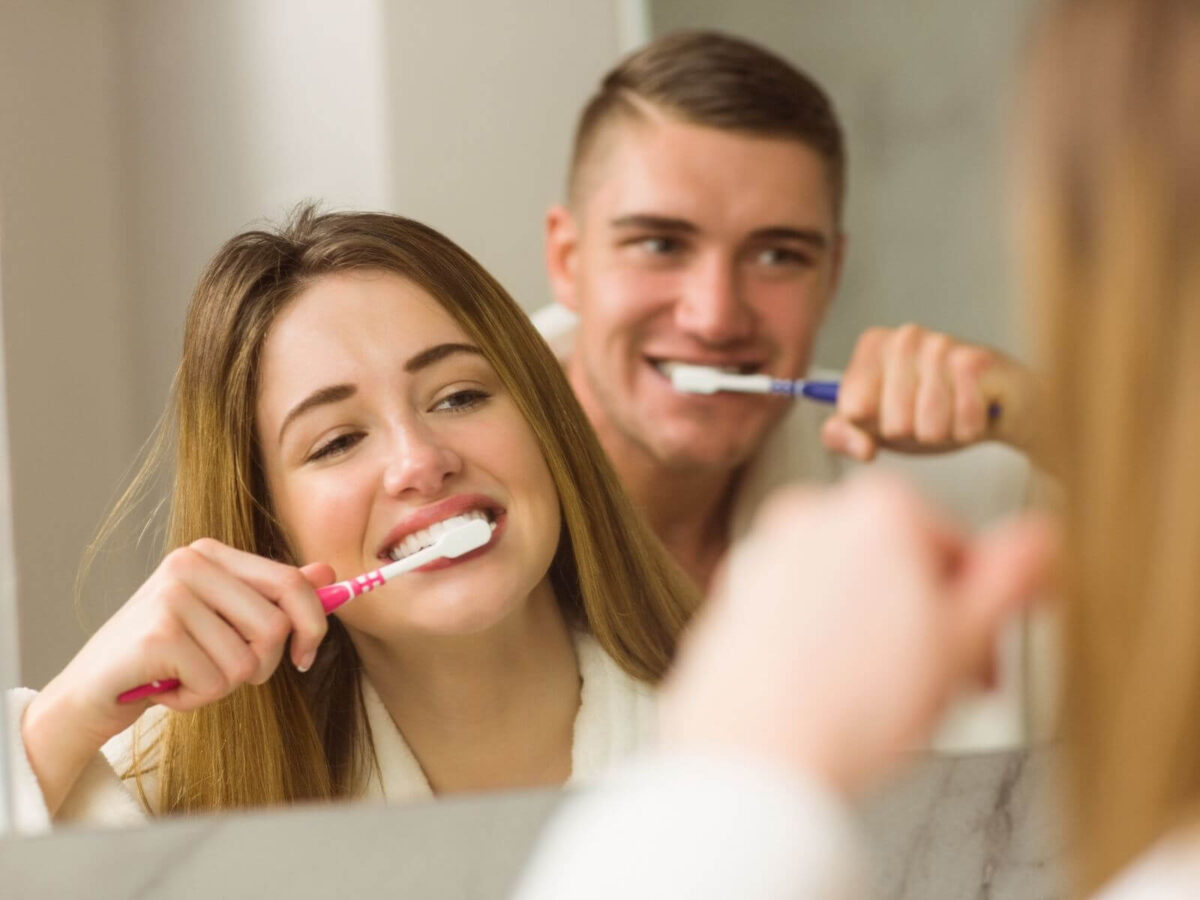
And don’t fall into the habit of eating late at night without brushing after. That’s a fast track to plaque buildup. Your teeth need breaks between meals. Just like the rest of you.

Your Dentist Can Spot Deficiencies

You might think you’re eating just fine. But your mouth might tell a different story. Bleeding gums. Chronic bad breath. Slow healing after dental work. These could all point to missing nutrients.

Your Beaumont Dentist TX isn’t just checking for cavities. They’re looking for signs your body might be missing something. They might ask about your diet. It’s not some dig or anything. They’re just trying to help. That’s all it is. Because treating symptoms without looking at the root cause? That’s actually a short-term fix.

Small Shifts Make a Big Difference

You don’t need to change everything at once. Try sipping more water here and there. Pick a crisp snack instead of chips now and then. Toss in a salad once or twice a week. Try adding a little yogurt to your breakfast. A handful of nuts in the afternoon. These aren’t big changes. But your teeth will notice. Your gums will too. And over time? Fewer cavities. Less gum irritation. Maybe even fewer dentist visits. Now that’s worth it.

Final Thoughts

Your smile doesn’t just come from brushing twice a day. It also comes down to what you put into your body. The link between healthy eating for teeth and strong oral health is real. It’s powerful. And it’s totally doable. Whether you’re sipping soda out of habit or just never thought about food affecting your teeth, now you know.

And our team at the Beaumont Dental Office TX is always ready to help you out. With real advice. No lectures. Just small shifts that work. Your body and your mouth are on the same team. Feed both of them well, and you’ll feel the difference every time you smile.

Categories
Dental care

Why Regular Cleaning Matters More With Braces

Braces Are Great, But They Change Everything

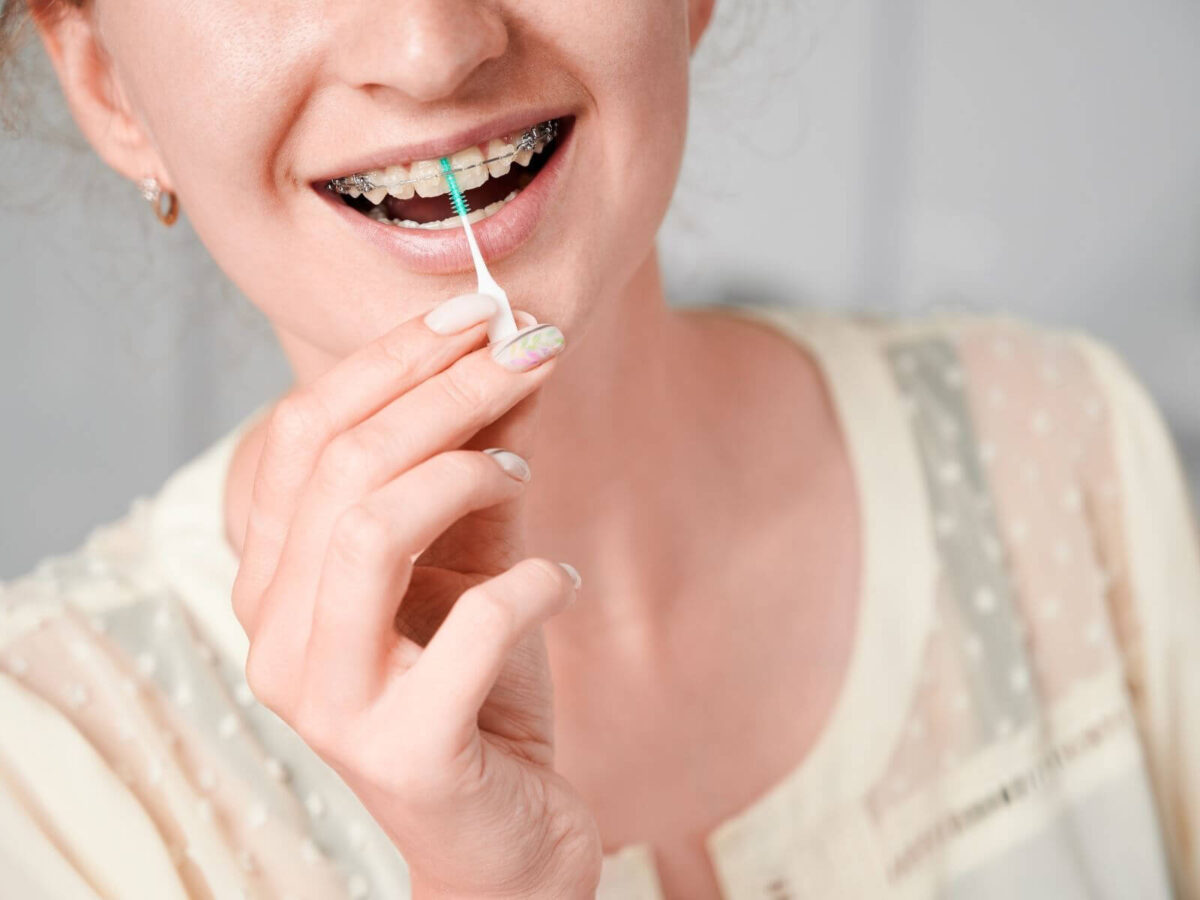
Getting braces isn’t just about straight teeth. It’s a whole new daily routine. Suddenly, food sticks to everything. Brushing feels like a chore. Flossing takes forever. Some days, your mouth might just not feel as fresh. It’s normal. Doesn’t mean you’re doing something wrong. It just means braces need more help. That’s exactly when regular cleanings really help out.

Your Beaumont Dentist, TX will probably tell you: cleanings are even more important when you’ve got wires and brackets involved.

You Can’t Clean Everything On Your Own

You might brush three times a day, rinse after snacks, and still miss a few spots. It’s just part of having braces. That’s not your fault. It’s just the way braces work. They’ve got all these tiny corners and tight spaces where plaque loves to hide. It builds up fast, and before you know it, you’ve got tartar forming under the wires. Once that happens, no toothbrush can fix it.

That’s why regular visits to your Beaumont Dental Office, TX, matter so much. They go deeper than your brush ever could. They reach places you can’t even see. And they stop problems before they start.

Gum Problems Start Quiet, and Get Loud Fast

Let’s talk gums. Because braces don’t just move your teeth, they mess with your gums too. You might notice some puffiness. A little bleeding here and there. Maybe even some soreness after brushing. Most people ignore it. They assume it’s just part of the deal. But that’s not true.

Swollen, irritated gums are usually the first warning sign. And if you don’t handle it early, it can turn into something serious. Regular cleanings help calm things down before inflammation turns into infection. Your Beaumont Dentist, TX, will check everything and make sure your gums stay strong during treatment.

You Don’t Want White Spots After Braces Come Off

Here’s the truth: most people don’t hear until it’s too late. If you don’t clean well with braces, you might get white marks around the brackets. They’re not stains. They are signs your enamel has weakened. Once those spots appear, they don’t always go away. And they can leave your fresh, straight smile looking a little off.

It’s frustrating, especially after wearing braces for months or even years. Cleanings at your Beaumont Dental Office, TX, can help prevent that. They polish away early buildup and protect your enamel. They keep your teeth healthy under the brackets, so you love the result when they finally come off.

Braces Slow Things Down If Your Mouth Isn’t Healthy

Most people don’t know this, but your braces actually work faster when your mouth is healthy. If your gums are inflamed or your teeth are covered in tartar, things don’t move as they should. In fact, your dentist might even pause treatment to deal with those issues first. That’s the time you could’ve saved. Appointments you could’ve skipped. And progress you could’ve made.

Regular cleanings keep things moving. They give your braces the fresh start they need to work properly. And that means a smoother, faster path to your new smile.

Nobody’s Perfect, But Cleaning Helps You Stay Close

Let’s be honest. Some days, brushing for a full five minutes just doesn’t happen. Flossing might slip your mind. Maybe you ate chips and forgot to brush. It’s okay. Nobody gets everything just right.

And that’s completely fine. You just need support. And that’s what cleanings are, they help you catch up when things slip. They reset your mouth so that little setbacks don’t turn into big problems.

Your team at the Beaumont Dental Office, TX, isn’t there to judge. They’re just there to help you keep going. And that’s the part that really counts as time goes on.

Clean Teeth Are More Than Cosmetic, They’re Functional

There’s this idea that dental cleanings are just about looks. Like you’re only doing it for shiny teeth and fresh breath. But that’s only part of it. The real value is deeper. Clean teeth fight off infection. They support gum health. And they let your braces move teeth the way they’re supposed to.

So, it’s not just a bonus or anything. It’s part of the treatment. Your Beaumont Dentist, TX, will probably tell you that straight teeth are great, but clean teeth make it all possible.

You’re Doing A Lot—Let Us Help With The Rest

If you’ve got braces, you’re already putting in the work. You’re watching what you eat. You’re brushing more than ever. And sometimes you just get tired of the whole thing. That’s normal. You’re not in this alone. Cleanings help ease some of that load you’ve been carrying.. You get to relax for a bit. Let someone else do the hard work. And walk out knowing your mouth is clean and back on track.

Your Beaumont Dental Office TX, isn’t just about appointments. It’s about support. And that makes all the difference when you’re going through something as demanding as braces.

Conclusion: Cleanings Help Finish the Job Right

When most folks think about braces, they pretty much just picture wires getting tightened and teeth slowly moving around. But cleanings? Those matters are just as much. Because what’s the point of straighter teeth if they’re stained or decaying underneath? Why go through all that effort if the result doesn’t feel as good as it looks? That’s why every cleaning counts.

Every visit helps protect what you’re building. And every little step you take now makes your final result so much better. So don’t skip them. Even when days get hectic. Even when it feels like you’ve already got it covered. Cleanings are part of your success. And your smile will thank you for it, every single day after the braces are gone. It seems small, but it changes a lot over time.

Categories
Dental care

Sealants For Kids: Preventing Cavities Early On

Let’s Talk Cavities, Because They Don’t Wait

Children tend to hurry through brushing, leaving the back teeth unchecked. When asked if they brushed properly, they usually say yes, even if they didn’t give those spots enough attention. But deep down, you know those back teeth probably did not get much attention. Those back corners are exactly where cavities love to sneak in and settle.

You are definitely not the only parent who feels this way. Most parents go through the same thing. That is exactly why dental sealants for children are such a smart move. They give extra protection to those back molars your child keeps missing during those rushed brushes.

What Are Sealants Anyway?

Sealants are basically armor for your child’s molars. They’re not thick or obvious at all. Really, you wouldn’t even spot them when eating or talking. They settle into those small molar grooves and help guard against decay. Those spots tend to trap food and sugar, even if you brush well. This is exactly where cavities often begin.

Your Beaumont Pediatric Dentist applies the sealant with zero drama involved. There are no shots and no drilling. There isn’t even a hint of discomfort. The process is quick and gentle. Chances are, your child won’t even notice anything during the entire process. It’s quick and pain-free, yet it makes a huge difference in keeping those teeth safe for many years ahead.

When Should You Think About Sealants?

Most dentists recommend sealants around age six. That’s often around when the first adult molars come through. Then again, around age twelve, when the second set arrives. This timing matters. It protects those teeth from the start, before decay has a chance.

If you wait until there’s a cavity, sealants can’t help. They’re a preventative thing, not a fix-it tool. It’s one of those little steps that make a huge difference over time. Kind of like sunscreen, better applied before the burn.

Sealants Aren’t Just Smart, They’re Affordable Too

Honestly, dental visits can start costing you more than you expect. Especially when you’re facing things like fillings or crowns that often come with a higher price tag. But sealants? They’re one of the lowest-cost treatments your child can get. And they help you avoid the much pricier stuff down the line.

A lot of insurance plans, especially those for kids, often cover sealants. And even without insurance, the cost is still much lower than dealing with a cavity later. A quick visit to your Beaumont Dental Office TX could save your child from needles, drills, and long appointments in the future. Not to mention the stress.

Are Sealants Safe for My Kid?

For sure. People ask this a lot, and it makes sense to be curious. Parents want to be careful about anything going into their child’s mouth. But sealants have been used for decades. They’re safe, effective, and most dentists today use materials that are BPA-free.
There are no side effects, and nothing gets absorbed into the body. There’s hardly any risk here. When an experienced Beaumont pediatric dentist handles it, you can relax knowing they’ll keep things safe and smooth.

What’s the Appointment Like? Super Simple.

If you’re imagining drills, loud noises, or a scared child, none of that happens here. Sealants are quick and gentle. Here’s how it usually goes:

The dentist cleans the tooth. Then they dry it and apply a mild solution so the sealant sticks well. Then they brush on the sealant and harden it with a blue light. That’s it. Just a few minutes are enough to treat each tooth. Once done, your child can eat, drink, and continue their day just like normal, without any interruption.

Do They Still Need to Brush? Definitely.

Sealants add a layer of defense. Brushing remains essential. Stick with brushing twice every day and flossing too. Sealants just add a little extra help where your brush can’t quite reach. They lower the risk but don’t remove it completely. That’s where your routine and your Beaumont Dentist TX, come in. Together, they form a full protection plan for your child’s teeth.

What If My Child Is Older?

You’re not too late. Even if your child is a teenager, sealants can still help. If their molars are cavity-free, dentists can still place a sealant on top. And honestly, teens can be just as inconsistent with brushing as little kids.

Your Beaumont Pediatric Dentist can take a quick look and let you know if your child is a good candidate. It’s not just about age. It’s about whether the tooth is still in good shape. And in many cases, it is.

Think of Sealants Like a Helmet for Their Smile

You’d never send your child out on a bike without a helmet. It’s just not a risk worth taking. Sealants do something similar for their teeth. They add a layer of protection against all those daily hits, like sugar, food bits, and stubborn bacteria.

Once a permanent tooth gets damaged by a cavity, even with a filling, it’s never quite the same as before. So why take that chance when you can shield it early? Putting on sealants takes hardly any time and feels painless. They protect your child’s teeth well. Taking small actions like this helps stop bigger issues and makes things smoother down the road.

Final Thoughts

As a parent, you’ve got a million things on your mind. From school schedules to snacks to screen time, it never ends. But your child’s smile? That one’s worth locking in early. Kids’ cavity prevention doesn’t have to be complicated. A five-minute sealant appointment now can prevent a year’s worth of stress later.

So go ahead. Call your Beaumont Pediatric Dentist. Ask about sealants. Take the win. You’ve already got this part under control.