
Blog
Dental hygiene tips for healthy teeth & gums
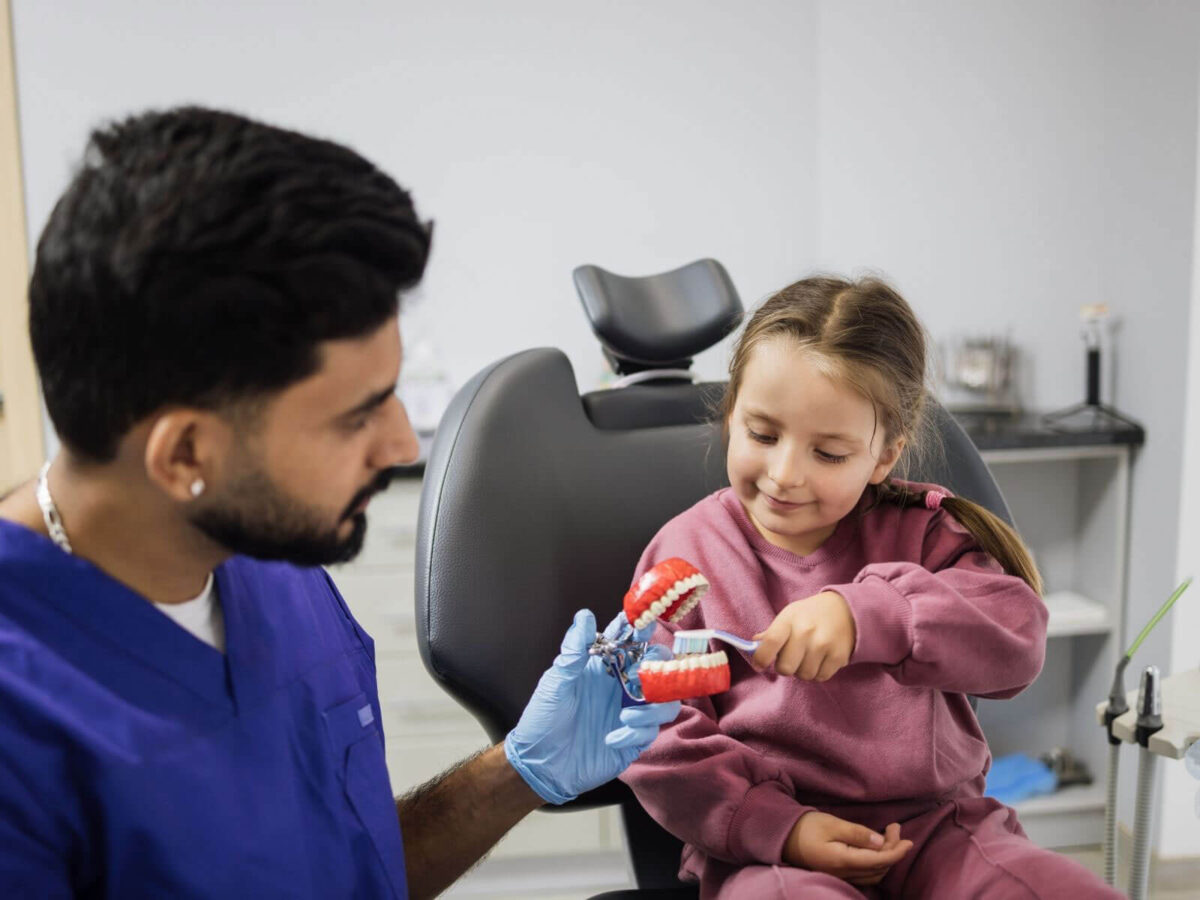
What Does a Pediatric Dentist Do and When Should Your Child See One?
At first, a pediatric dentist is not really on most parents’ minds. It comes up later, when the first tooth shows or brushing turns into a struggle. Early on, it is easy to assume any dentist can handle it. That thought tends to come up quite often.
But that assumption doesn’t really hold once you see how different kids can be in a dental chair. Some are curious. Some are nervous.
Some just refuse to open their mouth, no matter how gently you ask.
That’s usually where the idea of “what is a pediatric dentist” starts to make more sense. It’s not just about smaller teeth. It’s about how everything around those teeth is handled.
What Is A Pediatric Dentist? Why Is It Not The Same As A General Dentist
A pediatric dentist is trained to treat children, though the work is not limited to procedures alone. With kids, it can shift pretty quickly. They might be okay at first, then suddenly uneasy or distracted. So the approach is changed in a way that helps them stay comfortable during the visit.
Pediatric dentists usually do not force things. They adjust based on how the child responds. That can mean changing how they speak, explain things, or move through the visit. It is not always done the same way.
The American Academy of Pediatric Dentistry also points out that its role includes both oral development and behavior management.
That mix is really what explains what is a pediatric dentist. It is not only about treatment. It is also about how the child experiences the visit.
Why Pediatric Dental Care Starts Earlier Than You Think
It is common to think baby teeth do not need much attention. They fall out, so it may not feel urgent at first. But that idea does not always stand once you look at things a little more closely.
Baby teeth help show permanent teeth where to come in. They also support how the mouth develops over time. If something goes off early, it does not always stay contained. It can show up later in the form of alignment issues, and sometimes even affect speech.
The CDC has found that tooth decay is one of the more common issues seen in children. That alone says a lot. So it is not just about what is happening right now. Dentists also look at how those early years may affect things over time.
When That First Dental Visit Usually Happens
This is where parents often hesitate a little. It can feel too early. One tooth, maybe two. It does not always feel like enough for a dental visit. Still, most recommendations suggest going by the first birthday or when the first tooth shows up. Not because something is wrong. Just to get familiar with the process.
The first visit is usually simple. There’s not much treatment involved. It’s more of a check, a quick look, and some guidance for parents. It also helps make sure the child does not start linking dental visits with discomfort later on. That early step shapes how future visits feel.
What the First Visit Is Usually Like
It does not really feel like a regular appointment. The first visit is usually slower, a bit more open. The dentist may not start right away. They might just let the child get comfortable first. Sometimes things move quickly, sometimes they do not. It depends on the child in that moment. They still check the teeth, the gums, how everything is coming along, which is where what is a pediatric dentist starts to make more sense.
Much of the visit is actually a conversation with the parent. Brushing, feeding habits, thumb sucking, these things come up along the way. It is not really about doing much. It is more about understanding what is happening and what to keep in mind moving forward.
How Pediatric Dentists Work With Fear
This part is easy to overlook until you actually see it happen. Children don’t always explain what they’re feeling. They show it. Sometimes it’s hesitation. Sometimes it’s full resistance. Pediatric dentists are trained to read those moments. They don’t rush through them. They adjust.
They might slow down or change the tone. At times, they make it seem like a small game. Kids don’t even notice what is really going on. That’s actually how pediatric dental care works. It adapts instead of forcing the process.
What Kind Of Treatments Do Pediatric Dentists Provide
The treatments themselves aren’t completely different from general dentistry, but the way they’re delivered is. Cleanings, fluoride treatments, fillings… those are all part of it. But there’s also a focus on habits.
Things like extended bottle use or thumb sucking can affect how teeth come in. Pediatric dentists tend to step in early, before these turn into larger issues.
They also keep an eye on how teeth are coming in. If something looks slightly off, they guide parents on what to watch for rather than jumping straight into treatment. It’s more of a gradual approach.
How Often Should Children Visit A Pediatric Dentist
Most children are usually brought in every six months. That is what many parents hear first. Still, it is not something that stays the same for everyone. Some children may need to come in a bit more often. It really depends on how things are going with their teeth. If cavities start showing up more easily or there are early gum concerns, visits may be planned sooner.
The CDC reports on children’s oral health show that about half of children aged 6 to 9 have had cavities at some point. That alone gives some context. Regular checkups are not just routine. They help catch small issues early.
So even though the timing sounds routine, it is not completely fixed. Dentists adjust it depending on what they see over time and how the child’s oral health is changing.
What Signs Mean Your Child Should Visit Sooner
Sometimes the signs are obvious. Pain, swelling, visible damage. But often, they’re quieter. A child is avoiding certain foods.
Complaining about sensitivity without explaining it clearly. Even changes in how they chew. It may not feel urgent, though it usually means something has shifted a bit. And catching that early tends to make things simpler.
How Pediatric Dental Care Shapes Long-Term Habits
This part doesn’t show up immediately. But it builds over time. Children who feel comfortable at the dentist tend to carry that into adulthood. They don’t avoid visits. They don’t wait until something hurts. They also pick up small habits early. Brushing properly.
Paying attention to what feels different. So understanding “what is a pediatric dentist” isn’t just about early care. It quietly connects to long-term behavior.
FAQs
1. Pediatric dentist- What is it exactly?
It usually means a dentist who works specifically with children. The care is not just about teeth. It also involves how the visit is handled, since children respond differently from adults.
2. When should a child first visit?
It is often suggested around the first birthday or when the first tooth appears. It is more about getting familiar than fixing anything.
3. How often are visits needed?
For many children, every six months works well. Still, it can change depending on how their teeth are doing.
4. Do baby teeth really need treatment?
They do. Even though they fall out, they still affect how things develop later.
Conclusion
Understanding “what is a pediatric dentist” becomes clearer when you see how different children’s dental needs actually are.
It’s not just smaller teeth or simpler care. It’s a different way of approaching the entire experience.
If you have been considering it, you could start with a simple visit. Nothing too involved. Just getting your child used to the space can help more than expected. Over time, that first step can make future visits feel less scary for your kid.

