
Blog
Dental hygiene tips for healthy teeth & gums
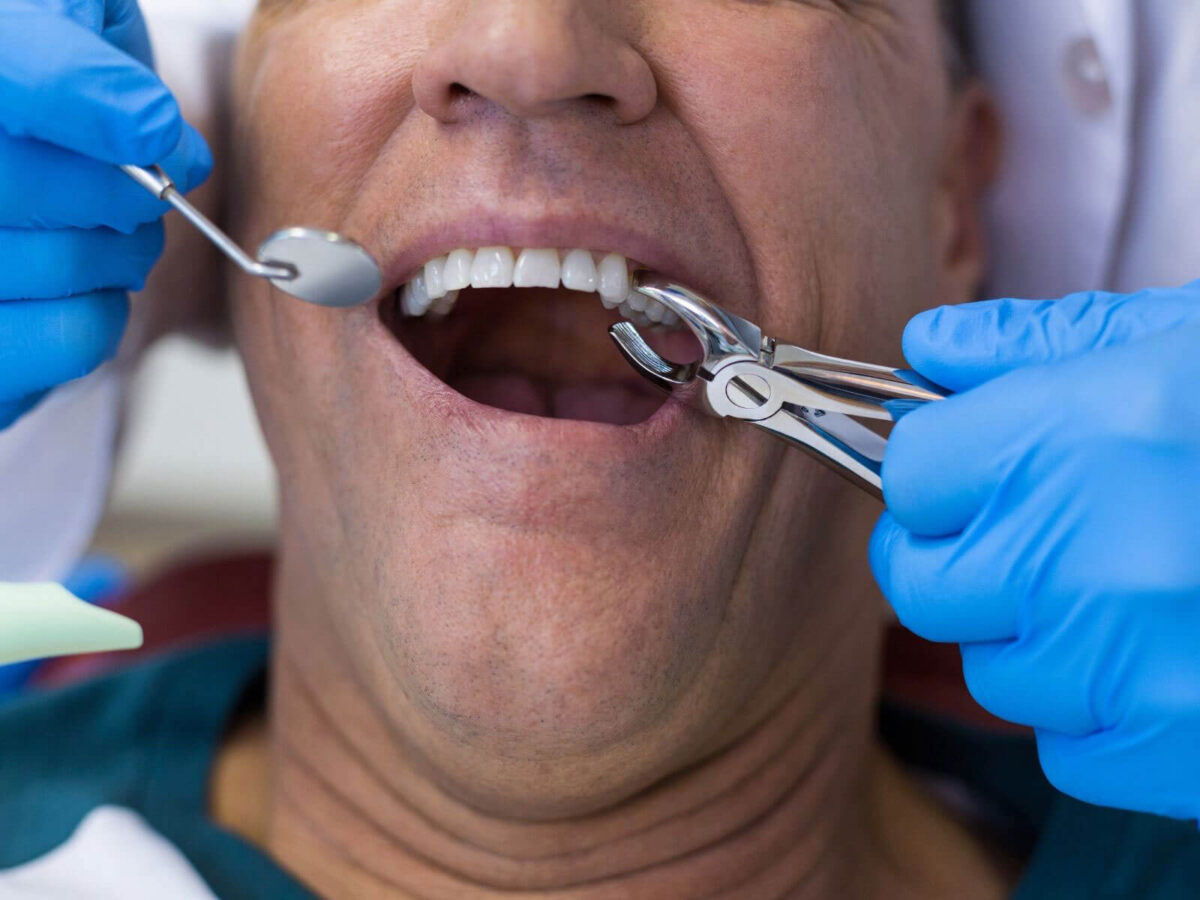
Same-Day Tooth Extraction And Implant: What Patients Need To Know
Losing a tooth is never something people plan for. It usually comes up suddenly. Pain, damage, or something that just can’t be fixed anymore. And then comes the next question, almost immediately. What now?
For a long time, replacing a tooth meant waiting. Extraction first, then healing, then an implant months later. That gap in between… it wasn’t always easy to deal with.
That’s why the idea of same-day tooth extraction and implant has started getting attention. Everything happens in one visit. It sounds quick. Maybe even too quick. But there’s more to it than just saving time.
What Is Same Day Tooth Extraction And Implant
It sounds pretty simple at first. The tooth comes out, the implant goes in, all in the same visit. There is no gap in between or an extra procedure later. Even so, it is not just a simple switch. There are a few things that make it more involved than expected.
Before anything moves forward, the dentist looks at a few things carefully. The bone has to be strong enough to hold the implant. Any infection needs to be under control. Stability matters too, especially right after placement. These factors cannot be ignored.
When everything lines up, the procedure can go ahead in one sitting. That is what people usually mean by implant, same-day as extraction. It is immediate placement, but only when the situation allows it and the conditions are right.
Why Do Patients Consider Same-Day Extraction And Implant
Most people think about the time first. Waiting months between removal and implant placement can feel longer than it sounds. It becomes more obvious when the missing tooth shows while talking or smiling. Day to day, it is not always easy to deal with.
Then there is the convenience side. Fewer appointments can make the whole process feel easier to manage. Having fewer procedures to deal with usually keeps things simpler.
There is also some concern about bone changes after a tooth is removed. Placing an implant right away may help reduce that to some extent. It does not prevent it completely, but it can help in certain situations.
Because of that, many people end up looking into same-day extraction and implant to skip that long waiting period.
When Is Same-Day Tooth Extraction And Implant Possible
This is where things slow down a bit. Not every case works for this. The bone needs enough strength to keep the implant stable. If it’s too thin or weakened, placing an implant immediately may not be stable. According to the National Institute of Dental and Craniofacial Research, bone health plays a major role in how well dental implants integrate over time.
Infection is another factor. If there is an infection around the tooth, dentists tend to take care of that first. The implant usually comes later.
Gum condition also matters. Healthy gums support better healing, which is important for implant success.
It might sound simple when you hear implant same day as extraction, but it really comes down to what is happening beneath the surface.
What Happens During The Procedure
Even though it happens in one visit, the process still moves in steps. It does not all feel like one single action. First, the tooth is removed carefully. Dentists try to save as much of the bone as they can at this stage.
Now, it’s time for the implant. It is placed right in the spot the tooth used to be. This part needs attention because the implant has to stay stable right from the start. If it is not secure enough, things can change later.
Sometimes, a temporary crown is added on the same day. Other times, it is just left for a while so it can heal before anything is placed. It depends on how things are looking then. The idea is to allow stability to develop without putting too much pressure on the implant too early.
Does Same-Day Extraction And Implant Hurt More
People wonder about this. There is no pain during the procedure since local anesthesia is used. After it is over, though, some discomfort can show up. It is usually along the lines of a regular extraction.
Some patients feel that doing both steps together does not make recovery more difficult. It becomes one healing period instead of two separate ones.
Even then, recovery can vary. It depends on how complex the extraction was and how your body reacts during the healing process over time after the procedure is done.
What Are The Benefits of Same-Day Tooth Extraction And Implant
There are a few clear advantages, which is why this option exists in the first place. It reduces the number of surgical visits. Instead of spacing things out over months, much of the process is handled in one go. It can also help maintain the natural shape of the gums and bone, especially when done carefully.
Then there’s the psychological side of it. Not having a visible gap, even temporarily, can make a difference in how people feel day to day. That’s often why patients ask about same-day extraction and implant early in the conversation.
What Are The Risks
It sounds simple enough at first. But it is not always like that. If the implant is not stable early on, things do not always heal the way you expect. That can create problems later and sometimes means more treatment.
There is also more thought involved than it might look from the outside. Dentists usually take their time to check things before deciding.
The American Academy of Implant Dentistry has pointed out that choosing the right case matters a lot. Because of that, same-day tooth extraction and implant is not something done casually. It depends on whether everything lines up properly.
How Healing Time Usually Works
The implant can be placed in the same visit, but healing does not speed up. The bone still needs time to bond with it, often a few months. That part is called osseointegration. During this phase, the implant becomes stable enough to hold a crown. So the procedure may feel quick, but recovery does not really work that way.
What Dentists Check Before Moving Ahead
It usually depends on a few things together. Bone strength matters, gum condition too, and overall oral health also comes into play. Dentists may also look at scans to get a clearer idea before deciding.
Your general health matters too. Conditions that affect healing can influence whether immediate placement is recommended. So the decision isn’t rushed, even if the procedure itself happens quickly.
FAQs
1. Can an implant, same-day as extraction, work for everyone?
No, it depends. Bone health matters, infection matters, and overall oral condition play a role too.
2. Is same-day extraction and implant safe?
Yes, when done in the right conditions with proper planning.
3. How long does recovery take?
Initial healing takes a few days. Full integration, however, can take several months.
4. Will I get a tooth the same day?
In some cases, a temporary crown is placed, but it depends on stability.
Conclusion
Same-day tooth extraction and implant is often talked about as a quicker option. That part is true to an extent. Still, speed is not the main point here. It comes down to whether things are suitable for it to work the way it should.
What matters more is whether the situation actually supports it. Things like bone condition, healing ability, and overall oral health all come into play. When those line up, it can work well. If not, a slower approach usually makes more sense in the long run.
Call To Action
Thinking about this option? It helps to talk it through with your dentist. A proper check can give you a clearer idea of whether it actually suits your situation. You can also get to know what to expect moving forward.

