
Smile Point Dental

Categories
Dental care

Dental Inlay vs Onlay: What’s the Difference

Most people don’t hear words like inlay or onlay at the beginning of dental care. Those terms usually show up later, often after a filling has already been done. Or when a tooth just feels a bit off. Nothing feels urgent, but it doesn’t feel totally normal either. That’s usually when different options start getting mentioned.

That moment is where the confusion around inlay vs onlay begins. Not because the treatments are complicated, but because they sit in a space people don’t think about very often, somewhere between fixing a small problem and covering the entire tooth.

Why Inlays And Onlays Sound More Complicated Than They Are

From a patient’s point of view, a lot of dental work looks the same. You’re in the chair, staring at the light, hearing tools, and at the end, something is repaired. The process feels familiar, even if the details change.

That’s why it’s easy to think all restorations do the same thing. Inlays and onlays tend to get grouped together with fillings and crowns because, to most people, it all looks like tooth repair. Something got fixed, and that’s what people remember most. The differences matter, but they’re easy to miss.

This is why the phrase dental inlay vs onlay feels confusing at first. The difference isn’t about how serious the problem is. It’s about where the damage is and how much healthy tooth is still worth protecting.

What Are Dental Inlays And Why Are They Used

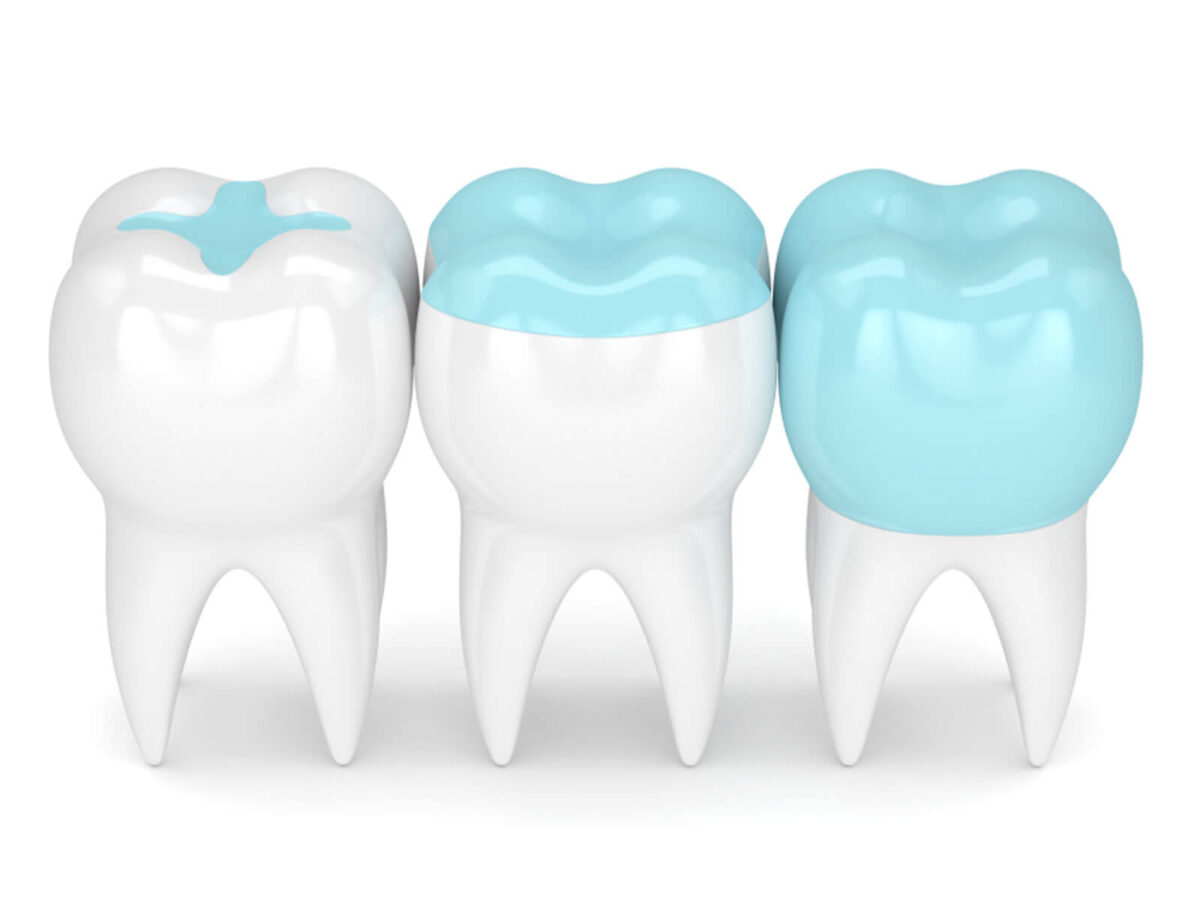
To understand “what are dental inlays”, it helps to picture the chewing surface of a tooth. That surface has grooves and pits. When damage stays within those grooves and hasn’t weakened the pointed edges, an inlay is often a good option.

An inlay sits within the tooth instead of covering it. It fixes damage while leaving the stronger parts untouched. That’s the key reason inlays exist. They allow dentists to fix what’s broken without removing extra enamel just to make a crown fit.

Inlays tend to come up when a filling would be too large, but a crown would feel excessive.

What Are Dental Onlays, And How Do They Come Into Play

Once damage reaches the chewing points of a tooth, things usually start to feel different. Those raised areas take most of the pressure when you eat, so when they are involved, a simple inlay may not hold up the way it once did. That is usually the point where questions like what are dental onlays start coming into the conversation.

An onlay is designed to cover the chewing surface along with one or more of those raised areas. It helps support the parts of the tooth that deal with pressure every single day. At the same time, it avoids covering the entire tooth as a full crown would. That smaller footprint helps preserve more of the original tooth underneath. This middle ground is why people tend to describe onlays as something between an inlay and a crown.

The Difference Between Inlay And Onlay In Real Terms

The difference between inlay and onlay isn’t about materials or appearance. It’s about how much of the tooth needs help. Inlays stay within the centre of the tooth. Onlays extend over the biting edges. That’s it. That single distinction drives the entire decision.
Cusps matter because they absorb force. If a cusp is weak and left unsupported, it can fracture later. An onlay exists to prevent that.

Why Dentists Don’t Always Choose Fillings Anymore

Large fillings can do their job, but they aren’t always kind to the tooth long-term. As fillings get bigger, the tooth has less natural structure left to support everyday chewing. Over time, that extra stress adds up. Back teeth feel it first because they’re doing most of the work.

Inlays and onlays are made to fit the tooth more closely. That tighter fit helps spread pressure instead of forcing it into thin edges. Because of that, dentists often think through inlay vs onlay instead of replacing a large filling again and crossing their fingers.
It’s not about doing more than necessary. It’s about choosing something that makes sense for how teeth actually wear down over time.

Why A Crown Isn’t Always The Best Answer

Crowns are strong, no question about that. They’ve been used for a long time, and in the right situation, they do their job well. The tradeoff is that a crown usually means removing a fair amount of natural tooth to make everything fit properly. Once that structure is gone, there’s no getting it back.

When the damage is limited to just part of the tooth, going straight to a crown can feel like more than what’s actually needed. Inlays and onlays take a different approach. They keep strong enamel untouched and work only on areas that truly need fixing. That conservative mindset is a big reason dentists often think through dental inlay vs onlay before deciding a full crown is the best move.

Materials And Why They Matter Less Than You Think

Most inlays and onlays are made from ceramic or porcelain these days. They’re strong, they look natural, and they hold up well when you’re chewing normally. For a lot of patients, that combination makes them an easy choice without much debate.

Gold hasn’t disappeared completely. It’s still used in some situations, especially for molars that need extra strength. Still, it’s not chosen as often now.

No matter the material, the difference between inlay and onlay stays the same. What defines each option is coverage, not what they’re made of.

What The Process Feels Like From A Patient’s Side

Getting an inlay or onlay usually takes more than one visit. The tooth is prepared. A scan or impression is taken. A temporary may be placed. The final piece is bonded later.

It’s not rushed. That slower pace often surprises people who expect a quick filling. The extra time exists because precision matters.

How Long Do Inlays And Onlays Tend To Last

Because inlays and onlays are custom-fit and bonded, they usually don’t behave like large fillings once pressure starts adding up. They tend to stay steadier. Less shifting, less strain on weak areas.

Still, how long it lasts depends on habits. Grinding and oral hygiene play a role too. That’s why night guards are sometimes suggested, not because something is wrong, but because prevention is easier than fixing damage again.

This idea of long-term reliability is why inlay vs onlay keeps coming up during treatment planning instead of being an afterthought.

Who Usually Benefits The Most

Teeth that are moderately damaged tend to benefit the most. Too damaged for fillings. Not damaged enough for crowns.
Dentists don’t apply the same answer to every tooth. They judge each situation on its own. That’s why two teeth in the same mouth can receive different recommendations.

What Inlays And Onlays Don’t Fix

These restorations don’t treat infection. They don’t replace missing teeth. They don’t address gum disease. Understanding those limits helps keep expectations realistic when discussing dental inlay vs onlay.

Why Timing Changes The Options

Damage spreads if it’s ignored. What starts as an inlay may later require an onlay. What could have been an onlay may eventually need a crown. Early care preserves choices. Delaying care narrows them.

Conclusion

So, inlay vs onlay isn’t about which one is better. It’s about how much of the tooth needs support and where that support is needed.
Inlays protect the inside. Onlays protect the biting edges. Both exist to save as many natural teeth as possible while still making the tooth functional again.
Categories
Dental care

Do Dental Sealants Hurt? What You Need to Know

Lots of people ask, “Do sealants hurt?” more than you would think. Dental appointments can feel more worrying when the visit is for a child. Parents usually start picturing everything that might happen. For most kids, the actual visit is quick and usually goes by without pain. There can still be a few light sensations along the way. This guide breaks down the visit, why real discomfort is uncommon, when a brief twinge could occur, and how parents can make the experience easier.

What A Sealant Is And Why It Is Offered

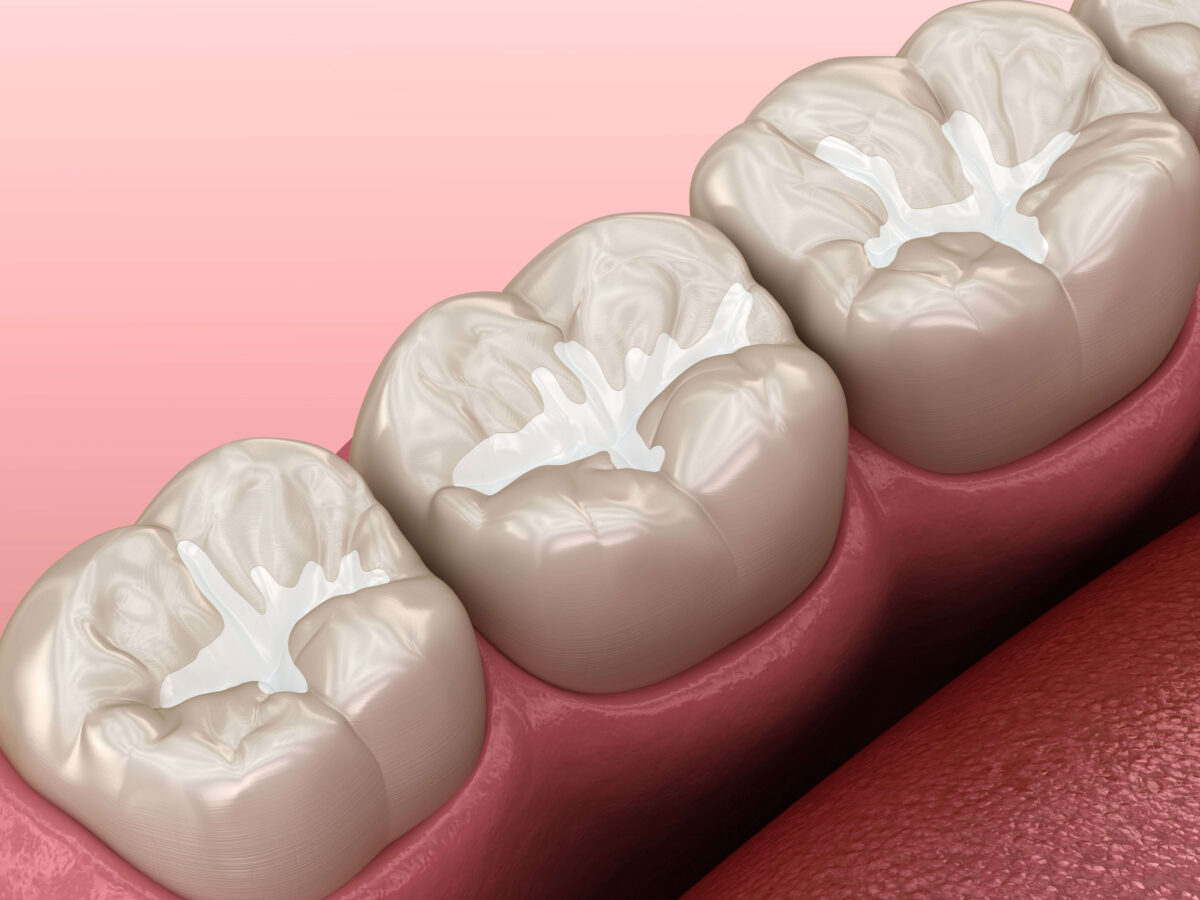
A sealant is a thin layer brushed onto the eating surface of molars. They cover small grooves so bits of food and germs don’t settle there. The material bonds to the enamel and sets in seconds. The purpose is simple: prevent cavities in spots a toothbrush cannot easily reach. It doesn’t reach the nerve and normally doesn’t hurt, because it’s only surface work.

What Happens During The Visit

Before anything else, the tooth is cleaned so loose food and plaque aren’t in the way. It is dried next, so the material will stick. The sealant is then painted into the grooves and hardened by a small light for a few seconds. No drilling occurs. No needles. That short sequence is why most people ask Do dental sealants hurt and are surprised by how calm the process is.

What Children Typically Notice

Most children say they felt nothing or a small tickle. The light’s click and the feeling of cotton in the cheek are the most common impressions. A slight taste may be noticed for a moment. Little ones might think the mouth sensations feel unusual at first, but it rarely becomes true discomfort. Many kids move on and forget about the visit soon after it’s over.

When A Child May Feel Uneasy But Not In Pain

Fear really does change how things feel. A child who’s already nervous might think even a gentle touch is a big deal. Normal movement inside the mouth can feel strange just because they’re tense. A soft voice or a short timeout often helps them calm down. When children understand they can lift a hand to pause, they relax more, and the visit feels less like a big event.

Does Drying The Tooth Cause Soreness?

As part of the placement, the tooth is dried so the surface stays free of moisture. This is usually done with air or cotton. The air stream can feel cold, which some children react to right away. It’s a short sensation and tends to fade almost as soon as it starts.

Questions like Do dental sealants hurt tend to come up when something feels different during the visit. On a healthy tooth, drying the surface isn’t painful. If there’s existing sensitivity or a bit of root showing, though, it can feel sharper, and the approach is changed to keep things comfortable.

If the Tooth Is Already Sensitive

If sensitivity exists beforehand, placing a sealant may make the area feel different because the tooth surface has changed. That change is not the sealant causing harm. It is the tooth that was sensitive to start with. In such cases, the dentist checks first, uses gentler methods, and may apply a topical desensitiser before bonding. The team avoids placing a sealant on a tooth that clearly needs other care.

Does The Curing Light Cause Pain Or Heat?

The curing light gives a brief flash as it hardens the resin. Patients sometimes notice a tiny warm sensation near the cheek. It is short-lived. The light does not heat the tooth in any damaging way when used correctly. If a child feels more than a mild warm tickle, the clinician will stop and check. That rare pause keeps things safe and calm.

Is There Soreness After The Visit?

Sealants don’t usually lead to soreness. A little sensitivity can happen at first, mostly because the tooth surface feels smoother and different. That unfamiliar feeling can stand out briefly. Questions like Do sealants hurt come from that moment, but the experience is far removed from concerns such as root canal vs extraction. If pain becomes sharp, swelling appears, or discomfort doesn’t fade, calling the office makes sense. Those checks are typically quick and uncomplicated.

Can The Sealant Cause An Allergy?

Dental resins used in clinics today are familiar materials. They’ve been part of routine care for many years. Allergic reactions don’t come up very often. In normal situations, the resin stays on the tooth surface and doesn’t move beyond that area.

Questions about safety can appear when parents ask do dental sealants hurt, especially at a first visit. When a material allergy is already known, it’s usually mentioned early so the approach can be adjusted if needed.

Does Having A Cavity Change The Answer To ‘Do Sealants Hurt’?

If a tooth has an existing cavity, it needs attention before a sealant is considered. Sealants aren’t made to cover decayed areas and can cause discomfort if used that way. Each tooth is checked before placement, and only healthy or minimally affected chewing surfaces are selected. This helps avoid issues later.

How The Team Keeps Anxious Kids Comfortable

Often, it isn’t the clock that sets the mood during a visit. Tone and pacing tend to matter more. A steady voice and short updates about what’s happening can help kids stay calm. Small pauses or soft, calm gestures often make the moment feel easier.

That context is usually behind questions like Do dental sealants hurt. When anxiety remains high, some clinics offer nitrous oxide to help children relax during the visit. The focus stays on comfort and cooperation, not sedation.

Parent Tips To Reduce Fear And Perceived Pain

Avoid scare words before the visit. Call it a quick tooth paint instead of a procedure. A favorite toy or some music they like can be a big help. You can also play little mouth-opening games at home to make it less strange. When you stay relaxed, your child often does too. Those small moves often turn what feels like a medical step into something short and familiar.

Follow-Up Checks And What To Expect Later

At routine cleanings, sealants are checked as part of the normal exam. When a small chip or light wear is seen early, it’s usually straightforward to correct. If a sealant lifts slightly, food can catch along the edge and feel odd for a short time, though this isn’t common.

This is the sort of thing that leads parents to ask Do sealants hurt, even though it’s usually not a big problem. Regular dental visits help confirm the sealant is secure and allow quick tweaks before anything grows.

When To Call The Dentist

When pain sharpens, swelling appears, or something feels loose after a day or so, that’s usually when a call happens. Those conversations are rarely urgent. Many end with reassurance or a quick appointment to smooth or repair the area. Teams would rather take a short look than have someone worry at home.

Final Thought

The question “Do dental sealants hurt?” comes up a lot, sometimes even from parents who aren’t especially worried. In practice, many children barely react. A short tickle or an odd sensation can happen, but it’s not usually painful. If there is some sensitivity afterward, it often goes away within a few days.

Children with known sensitivity or frequent cavities sometimes need a gentler approach. Letting the clinic know in advance helps with that. Some offices use short explanations or simple pause signals, which can make the visit feel calmer overall.