Smile Point Dental

Categories
Dental care

Signs You May Need A Root Canal And What To Expect

Let’s be honest, when we hear the word “root canal,” it makes most people anxious. But the truth? It’s not as scary as you think. It’s one of the few ways to keep a damaged tooth from being pulled.

The trick is recognizing root canal symptoms early and knowing what the process involves. The sooner you catch the signs, the easier and less painful the entire experience becomes.

If you’re unsure whether that nagging toothache is serious, a quick checkup with a Beaumont Dentist, TX can give you answers before it turns into something bigger.

What Root Canals Are and When They’re Needed

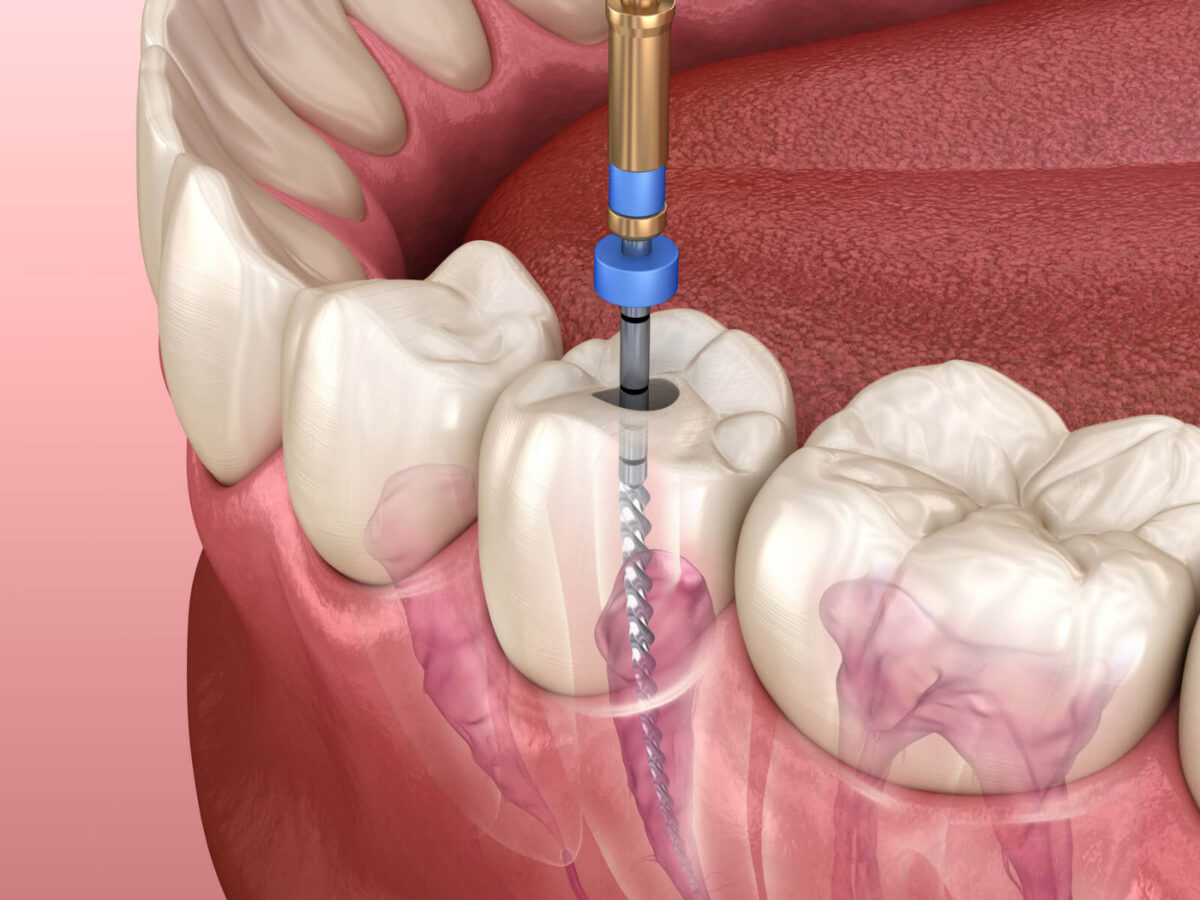
Teeth can get infected from the inside. In the area that has the tooth’s blood supply. That soft center, called the pulp. It can get inflamed or damaged, usually from deep decay, a crack, or an old injury. If this happens, a filling may not be enough to fix the problem.

This is where a root canal comes in. The dentist clears out the infected part from deep inside your tooth, makes sure everything is clean, and then seals it to keep the issue from coming back.

It might sound like a lot, but the truth is, a root canal isn’t as bad as it sounds. While many people wonder, Is a root canal painful?, the reality is that it’s a standard treatment now, and most folks feel relief pretty quickly once it’s done.

Common Root Canal Symptoms to Watch Out For

Not every toothache calls for a root canal, but some do. If any of these sound familiar, it’s a good idea to get things looked at before it turns into something worse:

  • Ongoing pain that won’t quit: If your tooth hurts even when you’re not eating or drinking anything, there might be trouble deep inside the nerve.
  • Sensitivity that doesn’t go away: That sharp zing you feel when you drink hot coffee or cold water? If it sticks around longer than it should, it could be more than just mild sensitivity.
  • Swelling or a weird bump on the gums: Some people notice puffiness near one tooth or a small lump.
  • Tooth darkening: If there’s any tooth that has started to look gray or darker than the rest.
  • Pain when you bite: If chewing hurts any of your teeth, the root might be inflamed or infected.

Still, if you have any of these problems, that doesn’t mean you need a root canal. These are just warnings. It is a wise choice to get yourself checked so the problem doesn’t stay untreated.

What to Expect During a Root Canal

People don’t like root canals because they don’t really know what goes on in the process. But once you really know the steps, you understand there’s nothing too dramatic about it. Here’s how it goes:

Step 1: Taking a Closer Look
Examining your teeth with an X-ray. This helps figure out how deep the problem runs and whether a root canal is really needed.

Step 2: Numbing the Area
The place of treatment is numbed using local anesthesia. It makes the whole thing pain-free while you stay awake.

Step 3: Cleaning Things Out
A small opening is made so they can get to the soft tissue inside and clear out what’s causing the problem.

Step 4: Sealing the Canal
When all the cleaning is over, your dentist will fill the space. They use a soft, protective material to keep it closed and save it from further infections.

Step 5: Restoring the Tooth
Most of the time, the tooth will need a crown to protect it and bring back full function. Sometimes you’ll get it the same day, or your dentist might schedule a second visit.

This process may take just two or three appointments. But it also depends on the condition. In the end, time doesn’t matter; the point is to save the tooth.

Recovery Tips After a Root Canal

Recovery is usually smooth. Here’s how to help it go even better:

  • Take over-the-counter pain relievers if needed
  • Don’t chew on the side of a treated tooth until you get a crown for it
  • Stick to soft foods for a few days
  • Keep up with brushing and gentle flossing
  • Follow any specific instructions from your dentist

Clinics like Beaumont Dental Office TX often provide personalized aftercare to ensure your recovery is quick and pain-free.

Why Delaying Can Make Things Worse

Waiting too long to address root canal symptoms can lead to more serious issues like:

  • Spread of infection to other areas
  • Severe pain and abscess formation
  • Complete loss of the tooth
  • Need for more invasive treatment later

That’s why dentists at Beaumont Dentist TX stress the importance of not brushing off early warning signs. Acting quickly often means a simpler, more affordable treatment and a much better outcome.

Still Not Sure If You Need a Root Canal?

If something feels off with a tooth or you’ve noticed any of the signs we talked about, it’s worth having it checked out. It might turn out to be nothing serious, but if there is a problem, catching it early usually means a much simpler fix. Not every toothache means a root canal, but ignoring one can definitely make things worse.

Final Word: It’s Not as Bad as You Think

Root canals get a very bad reputation, but they actually aren’t as bad. These days, with better tools and techniques, it’s more like getting a deep filling than anything dramatic.

If you’ve been dealing with sensitivity, swelling, or a tooth that just feels off, don’t put it off too long. A quick visit to a Beaumont Dentist, TX, can help you figure out what’s actually going on and how to fix it before it gets worse.

Categories
Dental care

Dental Solutions for Sleep Apnea and Your Oral Health

Ever noticed if you or someone you know is snoring a lot, waking up feeling tired, or just having trouble sleeping? Sleep apnea can be a reason behind that. Many people don’t realize it, but sleep apnea isn’t just about difficult nights or feeling annoyed in the morning. It can actually show up in your mouth as well, and you won’t even notice it. This goes unnoticed for years as people treat the symptoms like fatigue or jaw discomfort separately. It’s not rare for someone to go through dental treatments or use night guards by themselves to treat the problem.

From dry mouth to worn teeth and even tender jaws, sleep apnea has the ability to leave a tangible imprint on your oral well-being. And the person who might first notice it may not always be your primary doctor; sometimes, it’s your dentist. If you are dealing with sleep or jaw issues, your Beaumont Dentist TX could be the first one to help you connect the dots.

How Does Sleep Apnea Harm My Teeth?

It may seem strange at first, but the link is legitimate. Individuals suffering from sleep apnea tend to mouth-breathe during sleeping, and this results in dryness. Saliva has a great deal of influence when it comes to healthy teeth. Without saliva, your chances of getting cavities and bad breath increase.

Another issue? Grinding your teeth. It’s very common among sleep apnea patients, and it can wear away enamel, cause sensitivity, and even lead to jaw pain. Now, couple that with inflamed gums or facial tension, and you’ve got a list of things that dentists are trained to identify, even if you haven’t uttered a word about your sleep issues.

Here’s Where Your Dentist Can Step In

Now here’s the best part. You don’t have to wait until things worsen. Your dentist can provide real, practical assistance, no sleep lab required. Dentists who understand the connection between sleep and oral health can often begin evaluating and treating mild cases right from the clinic. That means quicker support, fewer delays, and often more consistent follow-up compared to traditional sleep studies alone.

  • Custom oral appliances:
    They’re small, custom-made devices you wear while you sleep to help keep your airway from closing up. A lot of people like them because they’re quiet, easy to travel with, and way more comfortable than a bulky CPAP. For mild to moderate sleep apnea, this is actually one of the most effective dental treatments out there.
  • Bite and jaw checks:
    How your teeth are set (or aren’t) can be a real factor. A consultation with a Beaumont Dental Office TX, provides you with an unmistakable sense of whether your jaw may be part of the issue. Even subtle misalignments in your bite can contribute to breathing problems at night without you realizing it.
  • Personalized follow-up:
    The ideal care is not one-size-fits-all. A good dentist will monitor your progress, adjust your appliance if necessary, and coordinate with any other healthcare professionals involved in your sleep therapy.

Why Involve a Dentist at All?

It’s simple, they often see what others don’t. While doctors look at sleep patterns and oxygen levels, dentists see the physical toll sleep apnea takes on your teeth and jaw. The Best dental treatments for sleep apnea aren’t just about better sleep, they’re about preventing long-term damage to your mouth.

A lot of times, your dentist might notice something’s off way before it becomes a bigger issue. And honestly, it’s often easier to bring it up during a regular dental visit than to dive straight into sleep tests or see a bunch of specialists.

And let’s be honest, if you’re dealing with poor sleep and sensitive teeth, the last thing you want is more appointments and more guesswork. Your Beaumont Dentist, TX, can be a great starting point, especially if you’re not ready to jump into machines and overnight sleep studies.

Final Thoughts

Sleep apnea doesn’t only reside in the bedroom; it leaves its mark on your mouth, as well. If you’re experiencing dry mouth, tension in your jaw, or eroded teeth, maybe it’s time to get your dentist’s perspective. Your go-to team at your neighbourhood Beaumont Dental Office TX, will be happy to guide you through your choices, reveal the effectiveness of oral devices, and get you feeling more like yourself: rested, relaxed, and ready to smile.

Your sleep and dental health are more connected than most people think. Detecting the signs early can save you a lot of issues and time later on. Sometimes, even small actions like wearing an oral device or adjusting how your bite lines up can make a real difference.

Categories
Dental care

How Do Dental Sealants Work For Kids?

The oral situation of your child will affect them all their life. Early on, establishing a healthy mouth will make all the difference in the future of their brilliant smiles. Although the standard for preventing tooth decay and gum disease is still brushing and flossing, dental sealants could help you somewhat increase their effectiveness.

What are dental sealants for kids, and how might they assist in guarding their teeth? Right here we have the solutions to your questions.

What are Dental Sealants, and How Do They Work?

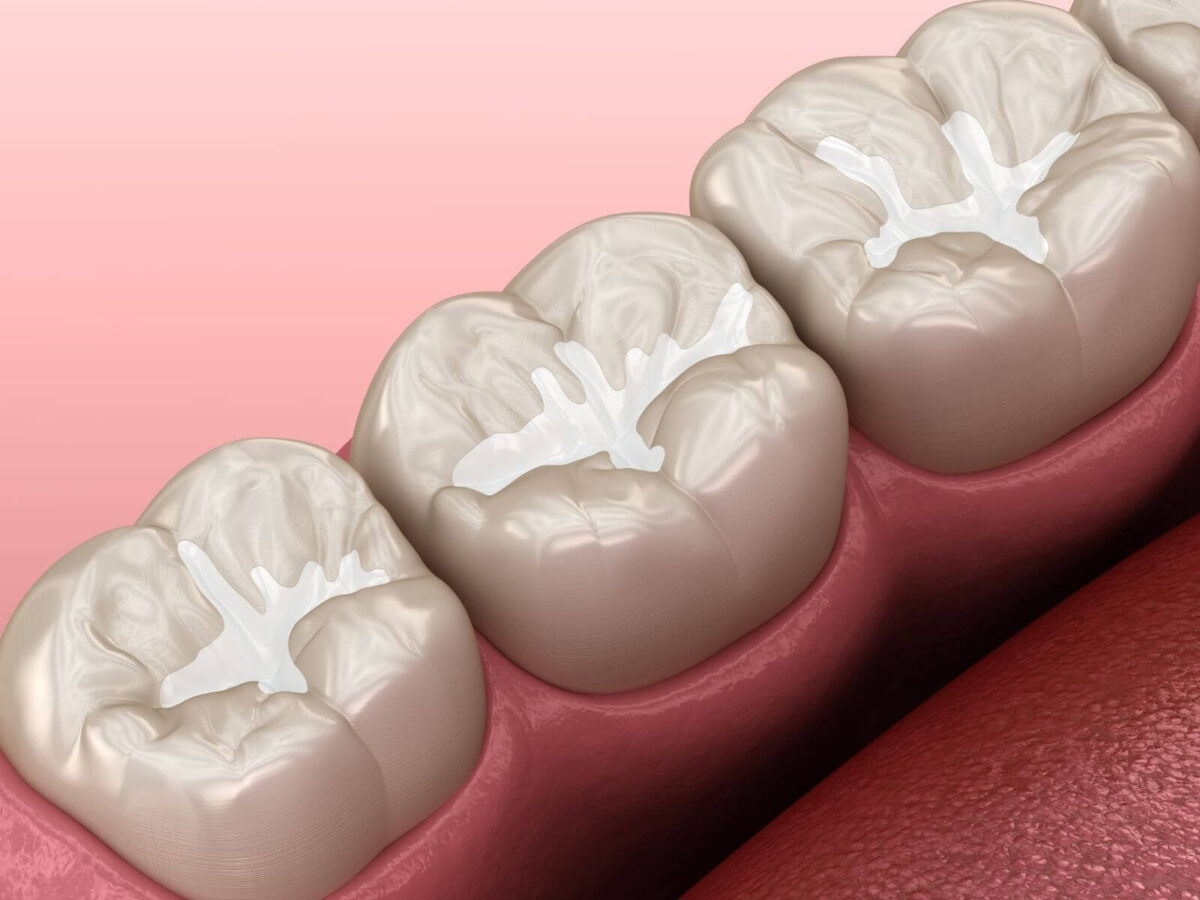
Dental sealants are a thin layer put on your child’s tooth surface. Glass ionomers and resin-modified ionomers make up most of them. Both are administered to the teeth as a liquid during the sealant’s operation prior to a chemical or light treatment.

The treatment triggers the process that makes them hard on the teeth. That curing helps the sealants cling to the tooth so they do not wear off when your child eats or drinks in both sets of sealant application techniques.

The dental sealant process fills up the surface of the tooth with the chosen substance. Putting in the teeth invites germs to enter your child’s mouth in those small “caves,” where they would find a comfortable home. Sealants shield the tooth from the acid generated by germs and stop them from hiding in the tooth.

Benefits of Dental Sealants for Children

Growing kids need to maintain their oral hygiene. Apart from flossing and brushing, another preventive action could be quite beneficial in maintaining their teeth: dental sealants. Applied on the chewing surfaces of the back teeth, sealants are thin protective coverings. Let’s address the several benefits of dental sealants for kids here.

Stopping Tooth Decay

Tooth decay is the most typical significant dental problem young individuals run across. Since these surfaces are essentially rough, they occur predominantly in the molar and premolar portions.

Dental sealants are like a cover protecting those weak points from food accumulation and germs, which most of the time results in deterioration. The very deep grooves, which are difficult to reach for cleaning with a toothbrush alone, are sealed off by this sealant material used for the pits and fissures of the teeth.

Children who have their teeth capped are less likely to acquire cavities and more easily maintain good oral health. Usually between the ages of 6 and 12 years, this sealant is placed on permanent molars just following tooth eruption.

Sometimes, if the child is more likely to have dental decay, sealants could also be helpful for infant teeth. It can be regarded as a safe preventive action for youngsters since it is somewhat quick and painless without causing any damage.

Cost-Effective Solutions

When parents seek treatments for their teeth in the future, dental sealants help them to save a lot of money. Most dental cavity treatments are expensive, particularly considering that several teeth have been affected.

Dental sealants are a cheap solution since they stop cavities from developing. Dental sealants can assist in reducing the financial load of dental carvings as a preventive against fillings, root canals, and other restorative treatments.

Long-Term Advantages

Dental sealants are an important preventive treatment that protects children’s teeth from decay. They shield the sensitive chewing surfaces of molars and premolars, supporting proper chewing, speech development, and maintaining space for permanent teeth. Dental sealant longevity refers to how long this protection lasts, which depends on good oral hygiene and regular dental care. With proper maintenance, sealants can provide lasting defense against cavities, helping children keep their teeth healthy and strong over time.

Since it instills in kids a sense of responsibility and the requirement of taking adequate care of their mouth, sealing would also motivate them to improve their oral health.

Once the kids observe the sealant outcome, they will try to start using correct oral hygiene to prevent making the same mistakes. This is achieved by routinely brushing and flossing under regular dental check-ups and cleanings.

Conclusion

Given their several advantages, sealants on children’s teeth are a great investment in their oral health. By shielding the sensitive chewing surfaces of the back molars, they help prevent tooth decay, reducing the risk of cavities and the need for costly treatments. Families seeking quality care can rely on pediatric dentistry specialists to recommend sealants as a smart preventive measure. Pediatric dentistry emphasizes proactive steps like this to keep young smiles healthy and strong.

Over time, their case review could help the parent save on dental care expenses. Furthermore, dental sealants for kids support their long-term oral health, correct their chewing, enhance their speech and articulation of sounds, and enable them to form oral hygiene practices.

With dental sealants available, as a parent, you would exceed simple dental wellness for your child. Ask your child’s dentist whether they would be able to suggest dental sealants for kids based on their needs.

Your youngster will have dental sealants with a lifetime of healthy teeth walking away! Call us to schedule a visit whenever you like!

Categories
Dental care

How To Reverse Gingivitis Before It Turns Into Periodontitis

Early diagnosis of gingivitis results in potential reversibility. Knowing you have gingivitis leads to an urgent need for a dental session to create a selected treatment plan. Some instances of gingivitis can heal while sufferers modify their lifestyles and exercise better oral hygiene practices.
Advanced cases of the issue will require stronger treatment methods.

What is the timeline for reversing gingivitis after implementing lifestyle changes? According to observations, several dental specialists indicate that gum healing requires a minimum of fourteen days. Regular practice of good oral hygiene is vital to stop the recurrence of gingivitis. Your smile will stay healthy when you practice proper care, and you will prevent advanced dental issues from forming.

What is gingivitis?

Protecting yourself from advancing to severe gum disease requires understanding its nature and its underlying origins. Treatments for early-stage gum disorder, known as gingivitis, must start as soon as feasible, considering it may evolve into a greater severe level of periodontitis.

Gingivitis is a basic gum ailment that triggers base-of-enamel gum inflammation and swelling. While gingivitis occurs often among adults, it demands interest because it could cause future dental health issues.

In its initial section, gum sickness can become severe trouble when the tissue around teeth becomes inflamed, with bone degradation taking place in its wake. Poor bone support in the tooth ends in loosening the enamel, possibly requiring extraction in the future.

How does gingivitis form?

People who fail to practice proper oral care activities usually develop gingivitis.
Daily brushing combined with interdental brushing helps eliminate plaque between teeth and gums. Plaque is a sticky, colorless film in your mouth, and its bacterial presence allows it to form between teeth and gums.

Gum inflammation occurs once bacterial growth begins. Daily removal of plaque is necessary because plaque redevelops quickly. Plaque remaining on your teeth develops into tartar beneath your gumline and above your teeth; professional dental cleaning operates as the only solution to remove tartar.

What If You Don’t Seek Treatment for Your Gingivitis?

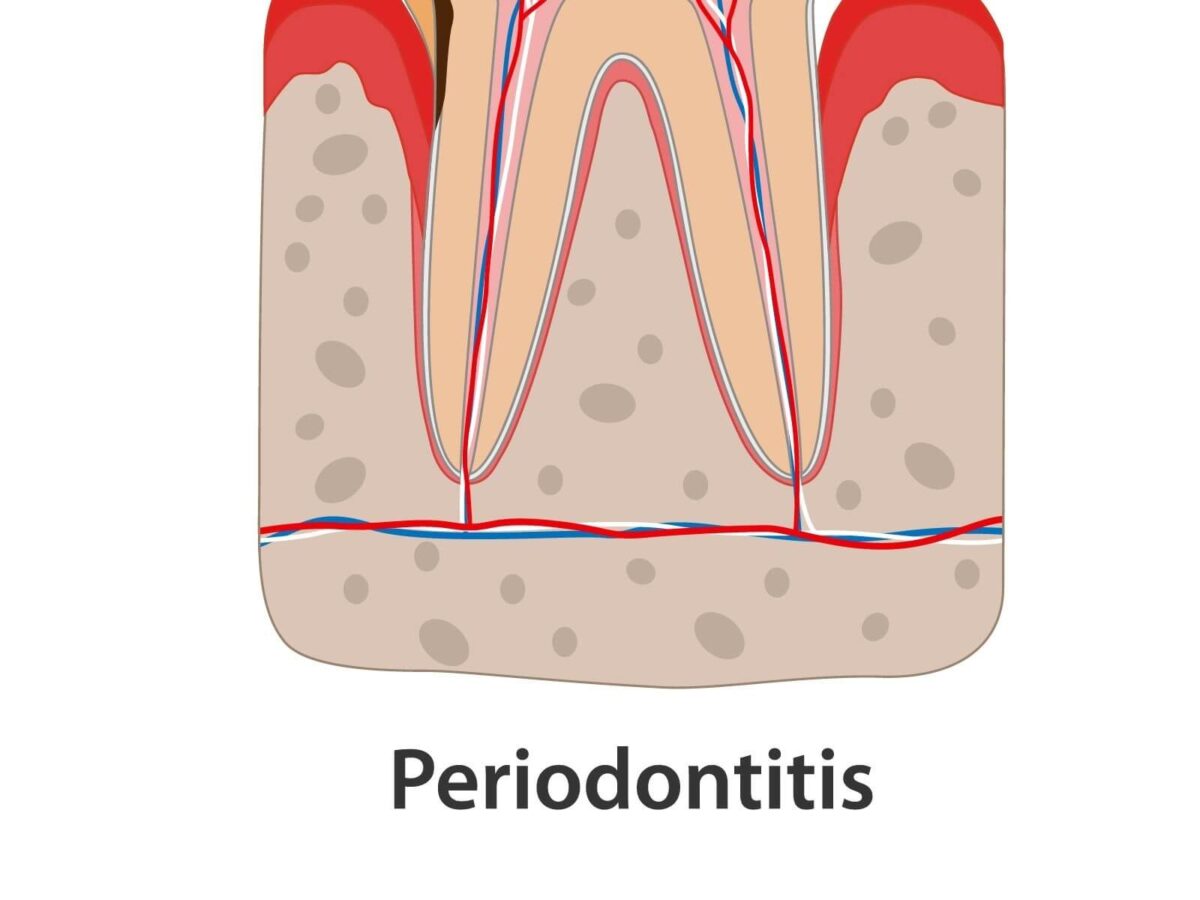
Gingivitis might also progress into periodontitis when you put off instant movements to improve oral hygiene for its prevention. Irritation of the gums develops into periodontitis that destroys tooth-helping bone tissue as a result of enamel loss.

Failure to treat gingivitis increases your risk of developing persistent health conditions that will linger throughout your lifetime. So, following your dentist’s advice and reversing your gingivitis immediately is vital.

Step-by-Step Guide to Reversing Gingivitis

You should treat your gingivitis by improving your dental care alongside increased oral hygiene and transforming your lifestyle habits. This guide includes a series of steps you need to follow to treat your gingivitis condition effectively.

1. Commit to Excellent Oral Hygiene

Regular oral hygiene practices serve as the base for gingivitis reversal by requiring daily brushing of teeth and daily flossing.

  • Flossing requires soft-bristled brushes and fluoride toothpaste while spending at least two minutes on each surface of the teeth during daily brushing.
  • The gum line has to get hold of special care due to its tendency to keep plaque.
  • You must floss to eliminate meal scraps and plaque buildup between teeth and close to the gum border, which remains inaccessible to brushing.
  • People should develop a daily practice of flossing their teeth.
  • Using mouthwash provides antimicrobial properties, lowering bacteria counts in your mouth and reducing plaque formation and gum problems. Chlorhexidine- or tea tree oil-based mouthwash products should be your selection.

2. Schedule Regular Dental Checkups

The need to visit your dentist regularly remains important even when you are attentive to oral hygiene. Regular visits to the dentist allow them to be aware of gingivitis early on. At the same time, they professionally smooth away stubborn plaque and tartar that brushing and flossing can not do away with.

Professional cleanings encompass scaling and root planing techniques that dispose of tartar buildup from above and below the gums. Regular expert dental visits are important because they prevent the progression of gingivitis.

A dental checkup includes gum inspections where your dentist searches for possible indications of swelling or infection within the oral cavity. Doctors use X-ray technology to evaluate the condition of bones that support teeth.

3. Adopt a Gum-Healthy Diet

The food you eat greatly impacts the condition of your oral cavity. Your eating regimen that consists of nutrients and minerals will improve gum health whilst defending you from infections at the same time.

You ought to include ingredients with rich nutritional content, which include oranges, strawberries, and broccoli, when you consider that they assist in enhancing gum health. Due to their excessive calcium content, you could decorate your teeth and bone systems with dairy meals, almonds, and leafy vegetables.

It can enhance your teeth and bone structures with dairy foods, almonds, and leafy vegetables.

The intake of sugar needs to be controlled because it encourages plaque development. Low-sugar snacks and beverages should be replaced with water and unsweetened drinks.

Water consumption should be sufficient to remove food debris and bacteria and lower the chance of developing dental plaque.

4. Stop using tobacco products along with quitting smoking

Tobacco products weaken your immune defenses, making your body struggle more to fight gum infections. Giving up smoking creates better gum health while bringing multiple advantages to your well-being.

Healthcare providers and support organizations help people stop smoking, and nicotine replacement products assist with the process.
Stay away from areas with tobacco smoke since brief exposure to secondhand smoke can damage your gums.

5. Manage Stress

Stress that continues over time will slow down your body’s protection against germs. It leads to gum infection. Physical activity helps alleviate stress and improve your fitness and oral well-being. Regular relaxing practices, physical activity, and sufficient rest make it simpler to preserve your gum fitness.

Stress alleviation comes from rest exercises like deep breathing, meditation, or yoga.

Your body needs 7 to 9 hours of sleep to stay strong against infections and diseases.

6. Use Natural Remedies

Alongside regular treatments, natural ingredients assist with gum swelling and promote better oral wellbeing.

  • A warm saltwater mouthwash reduces swelling and destroys germs.
  • As an alternative therapy, aloe vera shows pain-relieving and germ-fighting benefits. Your gum infection will ease when you spread pure aloe vera gel to the affected area.
  • Coconut oil or sesame oil pulling acts as an effective method to remove dental plaque and bacteria from your mouth.
  • Use one tablespoon of oil for a rinse that lasts 10 to 15 minutes before spitting out the oil and completing the procedure with water rinsing.

Conclusion

Contact Beaumont Dental for treatment if you have gingivitis or have not visited the dentist for some time and have symptoms of bleeding or swollen gums. The experts in our group will create an individual plan to treat your gingivitis and enhance your oral health. Patients can receive teeth cleanings and fluoride treatments with sealants in our service options at our clinic. Contact Beaumont Dental right now for an appointment booking session.