
Smile Point Dental

Categories
Dental care

Pros and Cons of Dental Sealants: Complete Guide

The explanation about sealants is usually brief. A coating. A barrier. Something preventive. It sounds manageable while you are sitting there under the bright light, but once you get home, the simplicity of it starts to feel incomplete. Anything added to teeth, especially your child’s, deserves more than a one-sentence description. Even if the dentist makes it sound routine.

So you look up dental sealants’ pros and cons, wanting context instead of comfort. If the suggestion was made for your child, you probably searched specifically for dental sealants for kids’ pros and cons, because the stakes feel different when you are deciding for someone else. You are not trying to argue with professional advice. You are trying to understand it fully before agreeing.

When you go through the pros and cons of dental sealants, it honestly feels less dramatic than you expected. They are not some revolutionary fix. They are also not pointless. For kids who get cavities easily, especially on back teeth that are hard to clean well, they can help. But if brushing is careless every day, sealants will not save the situation. They help. They do not replace effort.

What Sealants Actually Do

Back teeth are actually pretty rough on top. There are tiny grooves and narrow spaces that you can even feel with your tongue. They are useful for grinding food, though they also give food and bacteria places to sit.

Even children who brush carefully can miss those narrow fissures. A toothbrush bristle simply doesn’t always reach the bottom of them.
What sealants do is fairly simple. The dentist places a thin layer over those uneven grooves. Once it sets, the surface is smoother than before. That smoother finish makes it tougher for food and plaque to stick around.

But numbers don’t automatically make decisions for families.

The Strong Case for Sealants

If we’re being honest, the strongest argument in favour of sealants is simple: prevention.

Cavities in back molars are common, especially during childhood.
That statistic doesn’t mean children are careless. It often reflects anatomy and habits. Newly erupted molars have deep grooves. Kids are still mastering brushing. Diets sometimes include sticky snacks. Sealants don’t fix brushing technique. They reduce vulnerability.

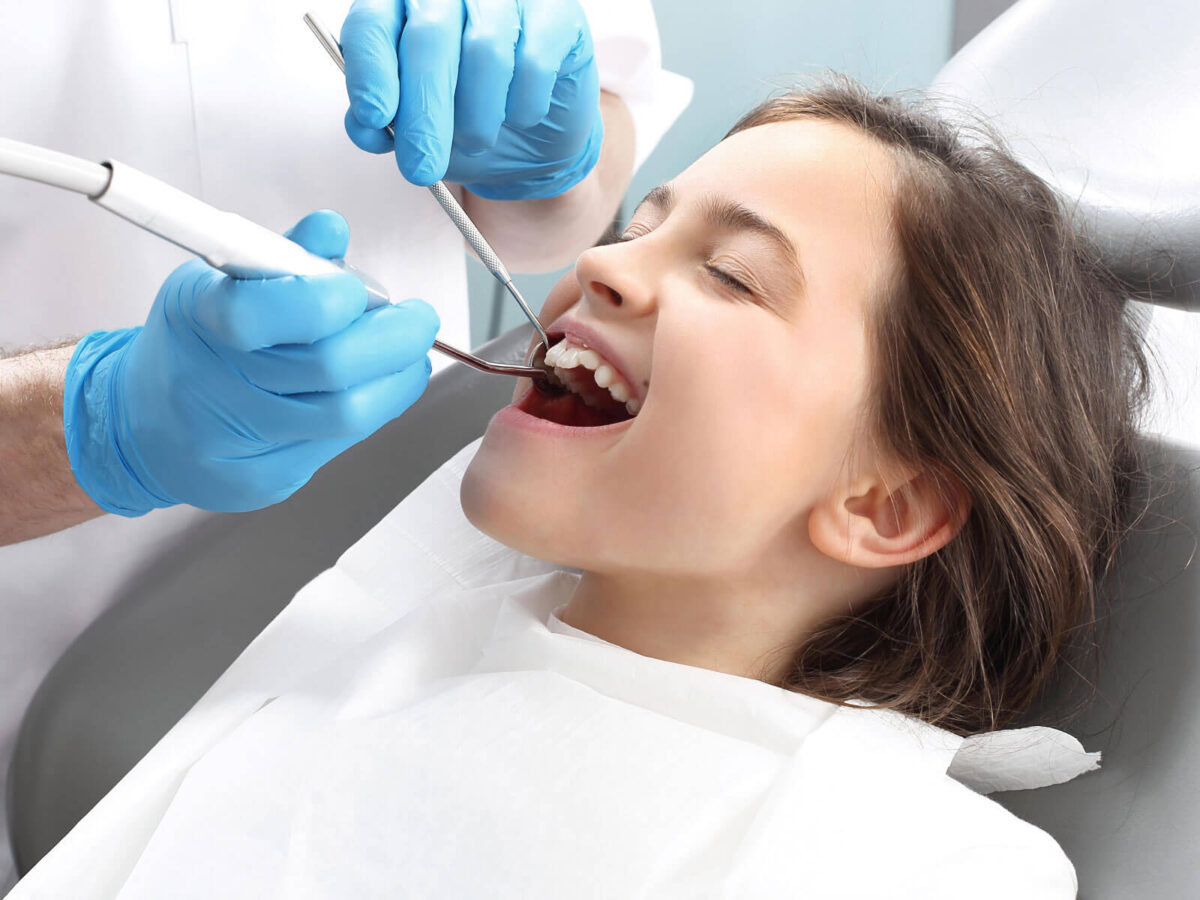
Another advantage is how easy the procedure is. There’s no drilling. No injection. The tooth is cleaned and dried. Then it is coated and cured with a light. Most kids barely notice it. When parents look at dental sealants for kids, pros and cons, the fact that it’s non-invasive often tips the scales.

And then there’s cost. A sealant is usually far less expensive than a filling. Preventing decay early may avoid more complicated treatment later. That part feels practical.

The Concerns That Make Parents Hesitate

One question that comes up often involves materials. Some dental sealants contain trace amounts of BPA-related compounds. Hearing “BPA” can immediately raise alarms.

Another issue is durability. They do not stay perfect for life. With use, sealants can wear or break in small areas. That is why dentists look at them during routine visits and add more if necessary.

The pros and cons of dental sealants come down to realistic expectations. They protect, but they do not guarantee anything long-term. In rare cases, if a cavity has already begun and is not spotted, sealing the tooth could trap it. That possibility is why a proper check always comes first. These concerns don’t invalidate sealants. They simply make the decision more thoughtful.

Dental Sealants for Kids: Pros and Cons: Why Timing Matters

The usual timing for sealants is when permanent molars erupt. For many children, that means around age 6 and later around 12 when the second molars show up. Why then? Because newly erupted molars are at their highest risk. They’re fresh. The grooves are deep. Brushing skills are still developing.

It is not identical for adults. Some could still benefit, especially if their molars are deep and untouched by decay. But many already have fillings or teeth that have worn flatter over time. So when considering dental sealants for kids, pros and cons, age naturally comes into the picture. Sealants tend to help most when those back teeth have just come in.

What Sealants Don’t Do

Sealants are not meant to do everything. They do not clean teeth, and they do not protect the sides or spaces between them. They cover a specific surface, and that is about it.

If daily brushing is irregular, sealants will not magically balance it out. They cover one surface, nothing more. They tend to matter more when good habits are already there. It is just part of understanding the pros and cons of dental sealants.

How Long Can They Keep Up?

They are not permanent, but sealants do last a while. A lot of them stay in good shape for several years, sometimes around five or longer. Dentists look at them during checkups to make sure they are still doing their job. If one starts to wear off, it can be fixed without much fuss.

That maintenance factor is part of the overall pros and cons of dental sealants discussion. They are pretty low effort overall, just not something you set and forget forever.

Is It the Right Choice for Your Child?

For some kids, sealants clearly help. Especially the ones who keep getting cavities or have those deep molars that trap everything. For others, maybe they do not change much. A child who brushes well and rarely has issues might not see a big difference.

When parents read about the pros and cons of dental sealants, it is usually not about finding a perfect answer. It is more personal than that. They are thinking about their own child. How they brush. Whether cavities have been a problem before. It ends up being less about theory and more about what feels reasonable.

FAQs

Are sealants considered safe for kids?

They’re generally viewed as safe. Reviews from dental organisations report very low exposure levels.

Does getting sealants hurt?

No drilling or numbing is involved. Most children tolerate it easily.

How long do they usually last?

Often several years. Dentists check them during routine visits.

Does every child actually need them?

Not necessarily. It depends on cavity risk and daily habits.

Conclusion

If you really step back and look at the pros and cons of dental sealants, it is not a dramatic decision. They lower the chance of cavities on certain teeth. They do not remove the risk completely. They are backed by research, but they are not something every single person must have.

For many parents, thinking through the pros and cons of dental sealants, the appeal is simple. If it prevents even one cavity, that can feel like enough. Especially if their child has already dealt with fillings before.

Some hesitation makes sense. Instead of guessing, it is usually easier to just ask your dentist why they suggested it in the first place.
Categories
Dental care

Are Dental Bridges Painful? Procedure and Recovery Explained

When a dentist brings up the idea of a dental bridge, most people don’t think about looks or function first. They think about pain. That reaction is completely normal. Dental treatments already make many people nervous, and the word “bridge” can sound far more intense than it actually is. So the question almost always comes up immediately: Does a bridge hurt?

For most people, a dental bridge doesn’t really hurt. Not how they think it will. You’re numb during work. Afterwards, there may be some soreness or a pressure feeling. It can feel strange at first. That usually settles. For many patients, there’s a lot of worry going in. The experience itself doesn’t usually match that.

What Is A Dental Bridge? Why Is It Used?

Dental bridges are used in cases of missing teeth. A missing tooth leaves a space. It may not cause trouble right away. Teeth tend to gradually move toward empty spots. As they shift, the bite can feel different. Chewing can change. Sometimes the jaw notices.

A bridge works by using the teeth on either side of that gap. Those teeth support it. They hold everything in place. Once it’s fitted, eating usually feels more normal again. Speaking can feel easier too. And it helps keep the shape of your face from changing.

Dentists often recommend bridges because they stay put. You don’t remove them. You don’t take them out at night. For a lot of people, that fixed feeling just feels more natural in daily life.

Does A Bridge Hurt During The Procedure?

This is usually where the anxiety shows up. People start imagining drills and pressure and all sorts of worst-case stuff. That’s why the question “Does getting a bridge hurt?” comes up so often.

During the appointment, the area is numbed. Completely. You might still notice movement or pressure. That part can feel strange. Sharp pain isn’t expected. And if something doesn’t feel right, you can say so. More numbing can be given. That’s normal.

The appointment can feel long, especially the first time. Not so much painful, just tiring. Once the supporting teeth are prepared, impressions are taken. A temporary bridge is usually placed to keep the area protected while the final one is made.

What Happens Right After The Bridge Is Placed?

Once the numbness fades, soreness can happen. The gums near the bridge may feel tender. The teeth supporting it can feel sensitive, especially with hot or cold. That reaction happens often and does not usually last.

The discomfort tends to feel dull rather than sharp. Many people get by using simple pain relief. Over the next few days, the mouth adjusts. The gums settle down. Sensitivity starts to ease.

Studies on restorative dental work point to the same thing. Post-treatment sensitivity usually eases within the first week as tissues settle. [Reference]

How Dental Bridges Feel Compared To Other Dental Work

Many patients compare bridges to crowns. This makes sense. A bridge often involves placing crowns on the supporting teeth. Because of this, the experience feels similar to getting crowns.
If you have had a crown before, you may find the bridge process familiar. Compared to tooth extraction or implant surgery, bridges usually involve less recovery discomfort. There is no bone healing involved unless implants are part of the plan.

For patients who want to avoid surgery, bridges can feel like a more comfortable option. This is one reason bridges remain a common choice when conditions allow.

How Long Does Recovery Usually Take?

Recovery after a dental bridge is usually fairly short. It’s not something that drags on for weeks for most people. The first few days are when you tend to notice it the most. Some soreness. A bit of pressure. Nothing sharp, just an awareness that work was done. That usually settles as the mouth starts to adjust.

Sensitivity can last a little longer. Hot or cold foods tend to bring it out. Some days, you notice it more. Other days, not so much. Over time, it fades. Soft foods help early on. Chewing evenly helps too, even if one side feels easier at first. Keeping the area clean matters during this time. It helps the gums settle around the bridge.

If soreness sticks around longer than expected, checking in with the dentist helps. Often it’s not serious. Sometimes the bite just needs tweaking.

What Affects Comfort Levels With A Dental Bridge?

Everyone’s mouth reacts differently. Pain tolerance plays a role. Gum health matters too. If the gums were swollen going in, soreness doesn’t always clear up quickly.

The position of the bridge can also affect comfort. Bridges placed toward the back of the mouth handle more chewing pressure. This can cause awareness when biting down, usually during the first few days.

Small bite adjustments after a bridge is placed are fairly common. They’re usually done to ease pressure and improve how it feels. [Reference]

Does Getting Used To A Bridge Take A Long Time?

A new dental bridge can feel odd at first. The tongue notices it. Speech may sound slightly different. This happens at the start. Most people adjust within a couple of weeks. The bridge usually feels more natural after that. After healing, ongoing pain isn’t typical if the bite feels right. If discomfort continues past the adjustment phase, it should be looked at.

Can Eating Hurt After Getting A Bridge?

Eating isn’t always comfortable early on. That usually settles as the gums heal. Speaking may feel different for a short time. Certain words can sound odd until the tongue adapts. This passes for most patients within days. As healing goes on, eating and speaking come back to normal. Many patients forget the bridge is even there once they are fully adjusted.

What Signs Should Not Be Ignored?

Some soreness can happen and is considered normal. Sharp pain isn’t. Swelling that keeps getting worse or pain that doesn’t settle after a while is different. That’s when something needs to be checked. Sometimes the bite needs a tweak. Sometimes the gums need attention. Taking care of it early helps prevent bigger issues later.

Follow-up visits help too. They give the dentist a chance to check how things feel and confirm the bridge is sitting where it’s supposed to.

FAQs

Does a bridge hurt more than a crown?

In most cases, the sensation is very similar since crowns support the bridge.

Does eating hurt with dental bridges?

There may be some tenderness early on. Chewing usually feels more comfortable later.

What about long-term pain?

A properly fitted bridge should not cause pain years later. Pain later on may point to gum problems or bite changes.

Conclusion

So, does a bridge hurt?
Most of the time, no. Not the way people think it will. The procedure is done with numbing, so pain isn’t usually part of it.

Afterwards, there can be some soreness. That’s normal. It’s usually mild and temporary. Even though people usually ask, “Does a dental bridge hurt?” many are surprised by how easy the experience feels.

Considering a dental bridge? It often starts with a simple discussion with the dentist. Once people understand the process and recovery, the anxiety tends to drop. Treating missing teeth earlier usually leads to fewer problems later.