
Smile Point Dental

Categories
Dental care

Oral Health Tips to Follow Before Going to Bed

A lot can happen to your teeth especially while you are asleep. When you are sleeping, bacteria are gathering on your teeth. But, don’t let nasty plaque, tartar, cavities and gingivitis stop you from getting a good night’s sleep. There are multiple ways to take care of your oral health while you are asleep. Here are some tips that you must follow to get you and your mouth through the night:

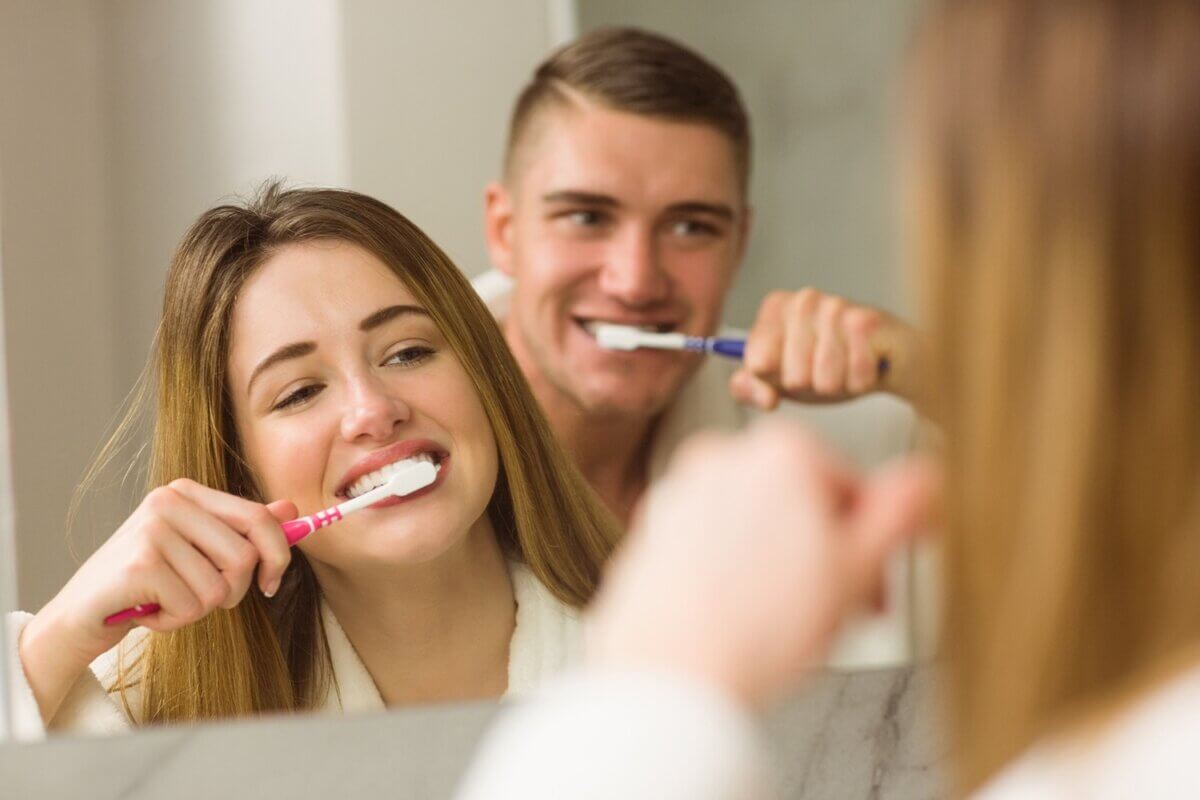
Brushing your teeth before going to sleep at night helps to protect against plaque buildup, tooth decay and gum disease. If you are susceptible to cavities, Beaumont Family Dentist recommends that you brush immediately after dinner, then again before bedtime.

Using the right brushing technique is also extremely important. The best way is to clean your teeth back and forth gently in strokes. Brush outer tooth surfaces first, then the inner tooth surfaces. To clean the back of front teeth, use the tip of the brush and stroke gently up down.

Switching to an electric toothbrush is yet another great idea. The rotating movement of electric toothbrush helps in removing plaque from your teeth efficiently. Make sure to choose an electric toothbrush that is easy to use, hold and comes with rotating-oscillating head.

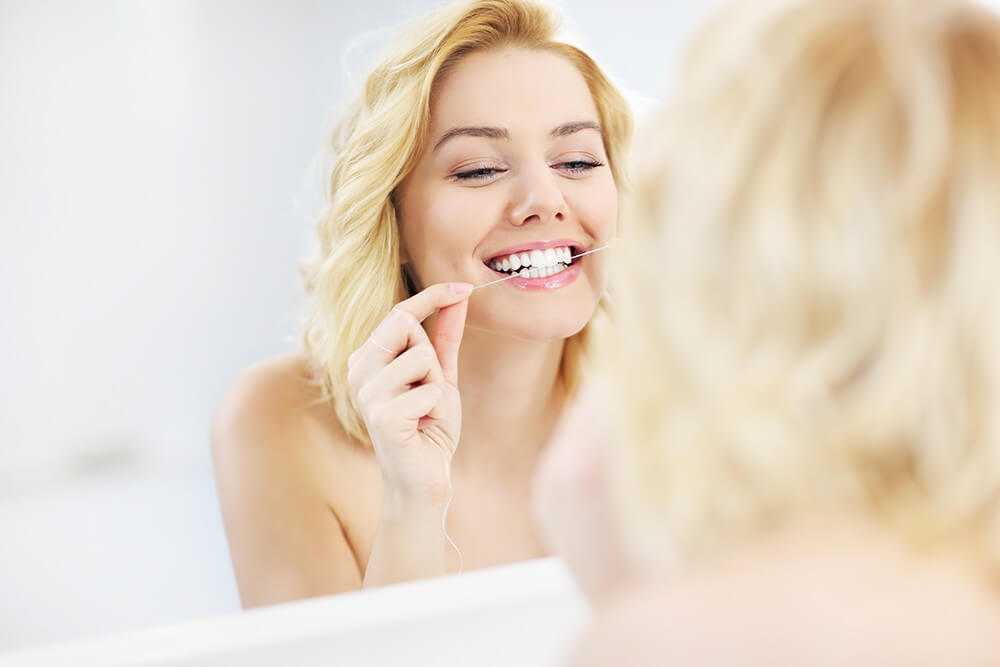
Flossing along with brushing adds to the effectiveness. Flossing removes food particles and plaque. If the debris stays on your teeth, bacteria will multiply the entire night and feed off them. If the plaque is left to be hardened, it transforms into tartar. Tartar can only be removed with dental expert assistance during oral examination and cleaning. Flossing should ideally be done during the night.

Use mouthwash for rinsing. Therapeutic mouth rinses come with special ingredients that strengthen teeth and help treat certain oral health issues. Rinsing with a mouthwash will keep your teeth free of plaque and keep your gums safe from cavities. Similarly, cosmetic mouthwashes are meant to mask bad breath. Talk to your dentist to identify which mouthwash is ideal for you.

Be aware of teeth grinding. Patients suffering from increased tooth sensitivity, torn cheek tissue and worn tooth enamel. Wearing a mouthguard at night protects your teeth from the effects of grinding.

Visit your dentist regularly. Schedule regular dental cleanings and checkups to help you keep your teeth clean and gums healthy. Preventive care is the key to a healthy mouth. So, start following these tips to keep your teeth healthy during night.

Book Appointment to find out which treatment might be best for you.
Categories
Dental care

How Sealants Prevent Cavities

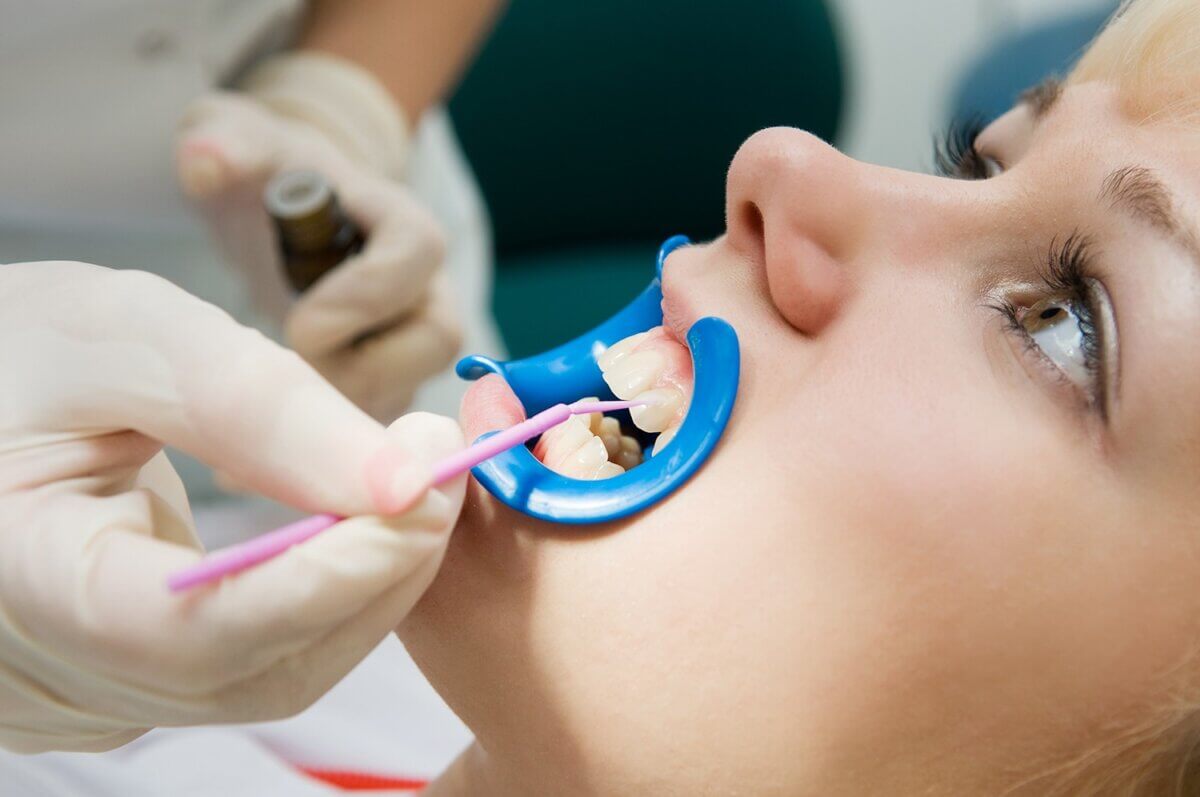
Sealants are coatings which when painted on the chewing surfaces of teeth help to prevent cavities. It is seen that kids who use sealants had less than half of tooth decay on biting surfaces than those who brushed regularly. They are applied to the children’s most cavity-prone teeth. Sealant material penetrates to the tooth enamel, ensuring that it is firmly attached and creates a thin plastic barrier. It prevents cavity-causing bacteria from penetrating uneven surfaces. They are proven to be durable, safe and effective. Dental sealants are very helpful in preventing decay. Proper usage of sealants help in preventing decay.

Our Beaumont Dentist TX can help prevent cavities and inhibit early stages of decay from progressing. It is a simple and painless procedure to protect your child’s teeth from cavities. Studies have predicted that almost 60-70% of children’s cavities can be prevented via sealants.

Benefits of Having Your Teeth Sealed

  • Sealants are helpful to address areas that are vulnerable to tooth decay.
  • Children having grooves and depression in their teeth should consider getting sealants at an early age to prevent future problems.
  • When coupled with proper oral hygiene, brushing, flossing to eating healthy, dental sealants take the extra step to protect your teeth from cavities.

How Long Do Sealants Last
Dental sealants can last up to 10 years. It requires regular checkups by your dentist at each appointment to make sure that your teeth looks healthy. Chips and bacteria in your teeth can allow plaque to get in.

If you injure a tooth accidentally, make sure to ask your dentist fix it right away and reseal the tooth if necessary. Dentist can easily fix worn out sealant by adding more material. With sealants also, it is important to keep your oral health in good condition.

Taking care of your teeth is important. It will help you prevent countless oral health issues down the road. Protecting teeth with sealants is quite helpful. So, talk to your dentist to understand whether you are an ideal candidate for this procedure.

Book Appointment to find out which treatment might be best for you.
Categories
Dental care

Poor Oral Health Linked to 75% Increase of This Deadly Cancer

Source: https://www.theladders.com/career-advice/poor-oral-health-linked-to-75-increase-to-this-deadly-cancer

The latest study is preceded by research, albeit limited research, that has linked oral health and different kinds of cancer.

A massive new UK study uncovered an unsettling link between poor oral health and an increased risk for liver cancer.

“Poor oral health has been associated with the risk of several chronic diseases, such as heart disease, stroke, and diabetes,” commented Dr. Haydée WT Jordão, who is the lead author of the study. “However, there is inconsistent evidence on the association between poor oral health and specific types of gastrointestinal cancers, which is what our research aimed to examine.”

The new report pulls from brain imaging and genomic data from 475,766 people over a six-year study period. Analyzing self-reported cases of bleeding and painful gums, loose teeth and mouth ulcers, the researchers enacted an investigation of the correlation between these conditions and risks for gastrointestinal cancers, namely liver cancer, colon cancer, rectal cancer, and pancreatic cancer. The study found zero notable associations with dental hygiene in all but one of the gastrointestinal cancers observed in the report.

The pervasion of hepatobiliary cancer
More than 800,000 people are diagnosed with liver cancer a year worldwide, making it one of the leading causes of death. Direct causes of hepatobiliary cancers are seldom able to be determined resolutely. Typically its development is factored by several underlying causes.

The latest study is preceded by research, albeit limited research, that has linked oral health and different kinds of cancer. A U.S study published back in 2017 found that women with a history of gum disease experienced a greater risk for tumors in the esophagus and in their breasts. Another independently conducted study observed a link between oral health and the development of pancreatic cancer in African American women.

Young people, women, individuals living in impoverished areas, and people that consumed less than two portions of fruits and vegetables a day evidenced the highest cases of poor oral health in the latest study conducted by researchers at Queen’s University Belfast. Although a high-risk increase was uncovered as a result of poor oral health, the researchers can only speculate as to why at the moment. Leading conjecture looks to the ever-perplexing gut microbiome. Since the liver is responsible for exterminating several harmful bacteria in the human body, it makes sense that bacteria could conversely play a role in inflicting prolonged damage to the body, in the event of the organ becoming compromised.

“One bacteria, Fusobacterium nucleatum, originates in the oral cavity but its role in liver cancer is unclear. Further studies investigating the microbiome and liver cancer are therefore warranted,”Jordão explained.

Another theory surmises that people with missing teeth, consume softer less nutritious foods to compensate, which ultimately makes the liver venerable to cell mutations. As it stands, of the 469, 628 participants studied, 4,069 developed gastrointestinal cancer during the six-year follow up, Thirteen percent of these expressed poor oral health at the start of the study period. More research needs to be conducted to support a causal influence behind the findings intimated in the United European Gastroenterology Journal.

Book Appointment to find out which treatment might be best for you.
Categories
Dental care

How Safe Is Root Canal

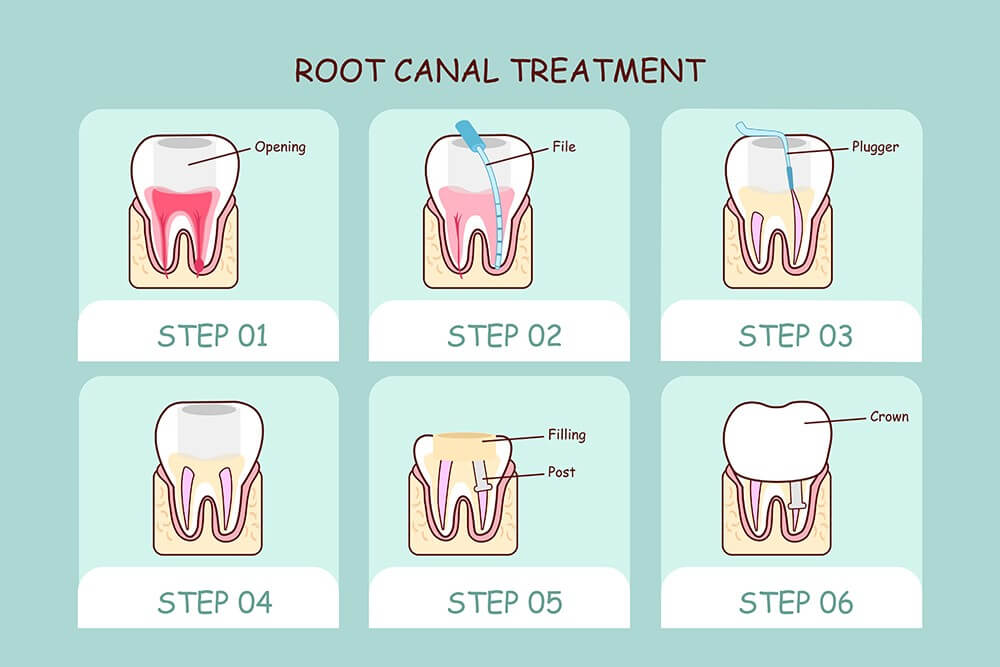
Root canal is often a misunderstood treatment amongst dental patients. Patients often just leave the dental office the minute they realize that they will be requiring a root canal. However, it’s not true because root canal is the safest form of dental procedure that repairs damaged and infected teeth. People undergoing the therapy are less likely to become ill because there is no evidence connecting root canal with other diseases. The treatment includes cleaning of canals inside the tooth’s root. Earlier, the treatment used to be painful, however, advances in the dental industry have made it less painful and more convenient.

The alternative of root canal treatment includes extracting the tooth and replacing it with a dental implant or a removable partial denture.

Why Is a Root Canal Required?
There are multiple things that can damage the pulp or nerve of the tooth. A patient might come across symptoms that alert them to choose root canal, however, there are times when there is no symptom or warning sign experienced. Some of the common symptoms of needing a root canal are:

  • Pain/toothache
  • An abscessed tooth
  • Deep cavity
  • Trauma

Treatment requires 1-3 visits. During the treatment, our dentist will remove the diseased pulp. The pulp and root canal of the tooth are further cleaned and sealed. If the infected pulp is left untreated, pain and swelling can result. If the treatment is skipped, your tooth may have to be removed. During the process, our dentist will remove the infected pulp, carefully clean out and shape the inside of the tooth. Space is then filled and sealed to minimize the chances of infection. Once the treatment is accomplished successfully, your tooth will function just like any other tooth. You will be able to enjoy biting and chewing normally.

Root canal treatment is designed to reduce pain. Before the treatment, our dentist will give a local anesthetic to numb the infected tooth. The entire process is similar to cavity filling. The major reason people opt for a root canal is that unlike an implant, it is simple to keep your tooth and you can still benefit from having the structure of a dead tooth to chew food and speak properly.

To avoid any kind of complications after the procedure, you must talk to our dentists. Connect with our dentists today to find out if you actually need a root canal therapy and its advantages.

Book Appointment to find out which treatment might be best for you.
Categories
Dental care

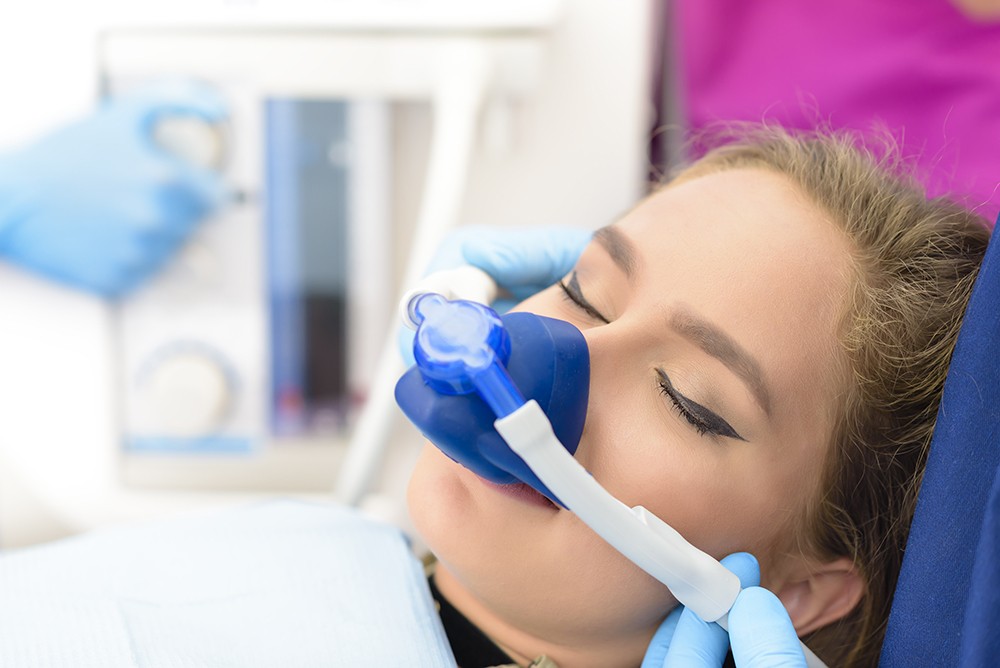
What is dental anesthesia?

Anesthesia and Sedation
Certain medications are available to help you endure dental procedures that would have been very painful otherwise. These drugs make your dental visits more comfortable than they would have been in their absence. These drugs are called anesthesia.

Anesthesia drugs either control pain, help you relax, or put you into a deep sleep during those gruesome dental treatments. Your dentist can discuss a number of factors with you when he is deciding which drugs are to be used for your treatment. The type of dental procedure, history of allergies, your overall health and your anxiety level are examined to decide which approach is best for your particular case.

Local anesthesia is a type of anesthetic used to prevent pain in a specific area of your mouth where it is applied during a treatment. The anesthesia blocks the nerves that sense or transmit pain, by numbing the mouth tissues. Your dentist may numb the area where the procedure is to be done by applying a topical anesthetic to that area.

This can be done by administering an injectable local anesthetic. Topical anesthetics may also be used to relieve painful sores in the mouth. Injectable anesthetics are generally used in procedures such as filling cavities, preparing teeth for crowns, doing root canal operation or treating gum disease.

If the procedure calls for, you may need a pain reliever after treatment as the aftermath can be painful. Analgesics are another type of sedatives that are used to relieve pain and are categorized into two groups: non-narcotic and narcotic.

Non-narcotic are the most common type of analgesics that are used to provide relief in case of a toothache or pain post dental procedures. They include acetaminophen, aspirin and non-steroidal anti-inflammatory drugs like ibuprofen. More severe cases of pain are treated by Narcotic analgesics, such as opioids. Narcotic analgesics act on the central nervous system to relieve pain.

Sometimes your dentist may use a sedative, which can moderately mitigate any pain. Sedatives can be given both before or during dental procedures. Sedation can be done either by inhalation (using nitrous oxide), oral (by taking a pill) or intravenous (by injection).

For more complex treatments drugs that induce deep sedation are used. Reducing consciousness in such cases relieves the patient from both pain and anxiety. On other occasions, in which drugs cause a temporary loss of consciousness, general anesthesia can be used.

Dentists have used the above mentioned pain and anxiety control techniques to treat millions of patients safely year after year and their quality is continuously being improved by intense R&D activities as complimented by the advancements in the field of medical sciences in general.

Though, taking any kind of medication has a certain amount of risk or side effects. That’s why the ADA( American Dental Association) advises you to take a conscious effort to improve your oral health.

Being an informed patient aids both the dentist and the patient himself. The patient should be aware of all the risks and benefits involved in the dental treatment, so that the patient and his dentist can make the best decisions about the treatment as they both are on the same page while taking the case forward. Working together, the patient and the dentist can choose the appropriate steps to be taken to make every dental visit safe and comfortable.

A very important thing to learn in this process is how to dispose all unused, unwanted or expired medications properly . Especially if there are children at home, the proper disposal of such unused drugs is an important thing to learn. Also, one must take time out to talk with children about the dangers of using prescription drugs for non-medical purposes.

Book Appointment to find out which treatment might be best for you.
Categories
Dental care

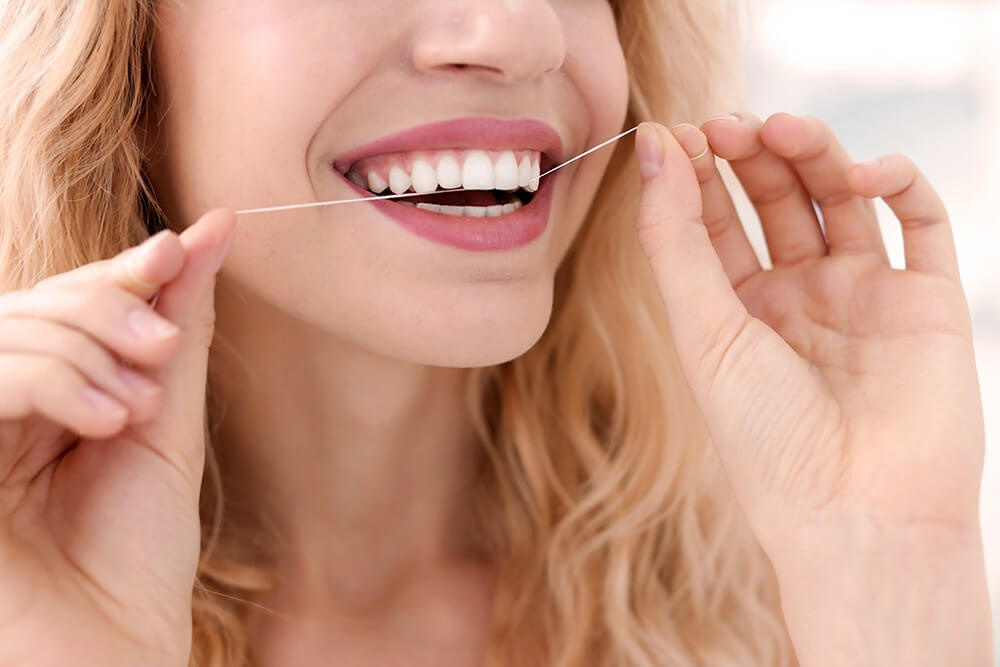
Which is better flossing or mouthwash?

Our body is a temporary abode that has been assigned to us by the almighty for a predefinite number of years. It is a gift from God and should be treated like a temple and thus, its cleanliness and hygiene should be taken care of like devotion. Quoting the Bhagawat Geeta, this body is a house which has nine doors, the first one being the oral cavity or simply the mouth. Mouth is the commencement point of the digestive system. As the first stage of digestion takes place in the mouth itself, it contains both good and bad bacteria to breakdown the food we intake.

A lot of fluid secretion in the form of saliva happens in the mouth, the food we eat is of various types. Some food items might be hard to crack, others might be very greasy. While the saliva help gulping down most of the foodstuff down our throat, a fraction of it still gets stuck in the mouth at places like the in betweens of the teeth or at the back of the teeth. Such foodstuff if not cleaned, decays. That calls for more germs in the mouth and these germs damage the teeth and gums.

Thus, finding the best technique to clean our mouth is always a sought after activity. Big corporate giants belonging to the dental industry are spending billions of dollars on R&D to make their tooth pastes, tooth brushes, mouthwash solution etc better and hence, more competitive.

‘Which technique is better than the other’ is often a question that challenges many dentists and hygienists. Can rinsing with Listerine or some other mouthwash, completely do the job of flossing? There is a lot of scientific debate around this question. Though the lobbyists for the mouthwash industry are leaving no stone unturned to win this debate in their favour, usually the neutral jury vote in favour of flossing.

Recently, a summit was held at the International Association for Dental Research (IADR). Here two clinical trials were demonstrated to exhibit the effectiveness of rinsing. Their research showed that antiseptic mouthrinse is at least as good and effective, if not better, than flossing.

There are many who opine that rinsing cannot compare to flossing. Mouthwash maybe a convenient way to clean your mouth wherein you just have to spray some minty solution in your mouth and gargle. It is not very time taking nor does it require any kind of precision. Whereas, while flossing you have to rustle that thread in between the tight areas of teeth. This activity takes time and needs to be done carefully, not so easy like mouthwash or rinsing.

When we are talking about oral care, effectiveness takes precedence over convenience. Mouthwash is a very mild solution or otherwise it could harm the inside tissue of the mouth, thus, it can be ineffective in plucking out foodstuff that is tightly stuck in between teeth and also it has been proved to be not very effective in reducing the formation of plaque or removing its debris, at most it softens the plaque. Here flossing has been miles ahead in terms of effectiveness.

Why flossing is better?
Scrubbing with a floss string completely destroys the colony of bacteria formed on the teeth. These colonies cause the most damage to teeth and gums. Thus, the removal or destruction of these colonies is very important for maintaining good oral health. Thus, flossing automatically stands out better than mere rinsing or mouthwash.

Using antiseptic mouthwash has its own benefits, we don’t intend to undermine mouthwash in any way. But, we advice, under no pretext, do not stop flossing. Do all i.e brush, rinse and floss for best care of your teeth and oral health as a whole. Taking out time for the benefit of your own body always pays long term benefits, so don’t be selective!

Book Appointment to find out which treatment might be best for you.
Categories
Dental care

Why Is Flossing Good for Heart

Though the two of them, flossing and heart disease may seem two poles apart, there are some researchers who have claimed that gum disease may lead to heart disease. To neutralize the effects of heart disease, flossing goes a long way. How? We will explain you.

Flossing and Brushing Altogether Turn Out to Be Greatly Effective
Brushing goes a long way in maintaining an optimal oral health. However, if you leave the floss unused, you may develop advanced and severe stage of disease. Brushing with a fluoride toothpaste reduce the amount of bacteria in your mouth. Brushing is a regular activity but it has one drawback. Toothbrush won’t adequately clean between the teeth or under the gums. This is where flossing comes in. Flossing specifically removes plaque from the spaces between the teeth and under the gums.

According to the American Dental Association, flossing before brushing makes brushing even more effective. If there is less plaque found between your teeth, fluoride gets to more part of your mouth.

Flossing Protects Gums
Flossing has a major role in areas where a toothbrush can’t reach. There are tiny particles of food that get lodged in between the teeth and gums. Plaque deposition gets harder in these areas and accrete to form tartar. Tartar can only be removed by dentists because it is extremely thick and can be removed with a scraper. Extreme buildup of tartar leads to red, swollen gums which is also known as gingivitis. If not treated well, tartar and plaque spreads even below the gumline, thereby leading to periodontitis. It is severe gum disease characterized by eventual tooth and bone loss.

Flossing Prevents Bad Breath
Whenever dental plaque is left untreated, it spreads further to occupy the space between the teeth. This creates bad smell in mouth. Plaque is the major reason for bad smell. Tooth decay and gum disease are sources of bad breath caused by dental plaque.

Flossing Avoids Tooth Decay
Flossing on a daily basis helps to prevent tooth decay and cavities. If cavities aren’t treated, they get larger and cause problems like toothache and infection.

If you choose not to floss, you will not be able to get rid of dental plaque build up. Cavities are more likely to form and the same dental plaque causing gingivitis can lead to growth of harmful bacteria. It destroys the enamel between your teeth, consequently leading to the formation of a cavity.

Book Appointment to find out which treatment might be best for you.

Categories
Dental care

Which Is Better: Flossing or Brushing?

Brushing and flossing of teeth are very important cleaning processes for our teeth. They benefit other parts of the mouth as well. Both the processes aim to remove the build-up of plaque on our teeth and keep up oral hygiene. Plaque is very dangerous for the health of our teeth and gums. It is nothing but an active colony that abodes hazardous bacteria, which eats and then excretes on our teeth.

Thus, to take prWhich Is Better: Flossing or Brushing?oper oral care one must brush as well as floss at least twice a day. Both the activities are not very time consuming and can save us from a lot of oral problems. Therefore, they should not be omitted from our routine schedule. Both brushing and flossing are not a substitute for each other.

Brushing is effective in cleaning our teeth from the front and back areas whereas flossing takes care of the spaces in between the teeth and the area underneath the gums. So, for complete oral protection and hygiene one should do both. To do one and leave the other of the two activities is half the job done. Still, if one has to choose as to which is more important or whose ramifications are greater, the answer would be ‘floss’.

As explained above, floss works for areas where brushing is ineffective like the underneath areas of the gums or the tight gaps between the teeth. These are hard-to-reach spots that house the most dangerous of the microbes. Failure to remove plaque from such places might cause gum diseases like gingivitis or periodontitis.

So, we learn here that both brushing and flossing are important in their own ways. Some may give a few extra points to floss but that doesn’t make brushing any less important. It would be highly wise of us to leave this obnoxious debate as to which is better, rather it is recommended by dental professionals that we buy both, a toothbrush and floss string.

We are so much concerned about our body that we take good care of our nutrition and workout to maintain it in good shape either by lifting those iron rods in the gym, doing yoga in the park by sporting those gorgeous yoga pants or by simple walks. That exercise enthuses us with more confidence and enhances our productivity while charging up our mood. Similarly, investing time in our oral care has its own long term dividends and we should not be lethargic about it. Why should the mouth be an exception to the general practice of care that we follow for the rest of our body? Thus, don’t ponder on choosing whether to brush teeth or go for floss, do both and enjoy eating and smiling!

Book Appointment to find out which treatment might be best for you.
Categories
Dental care

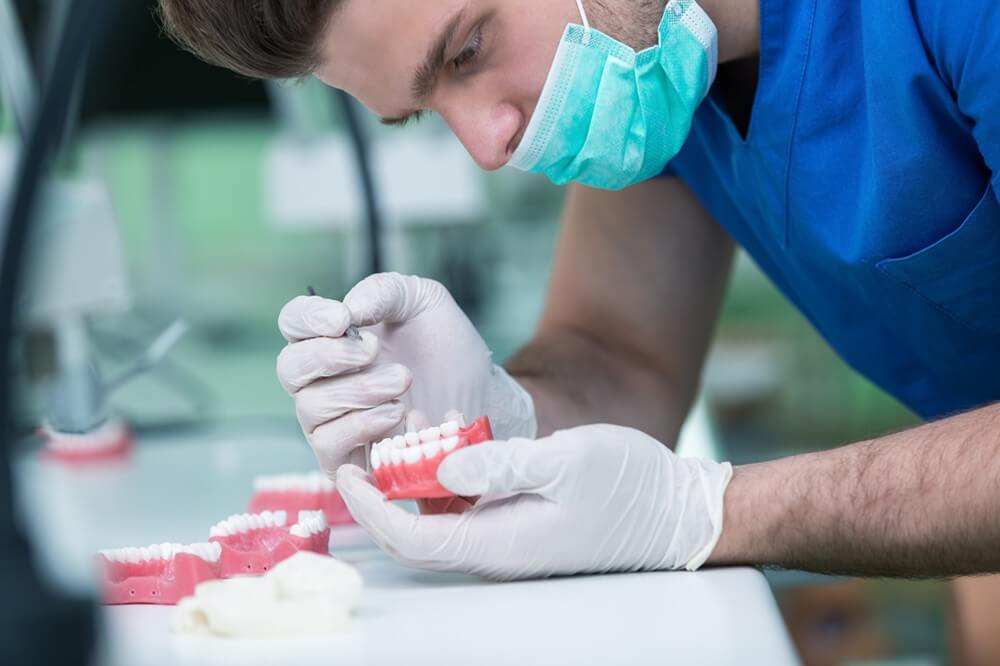
How Dentures Work

When compared with other restorations, dentures prove to be extremely comfortable. There is no comparison in the way different types of restoration work because each of them is designed keeping the requirements in mind. Losing a tooth turns out to be extremely painful and embarrassing too. Dentures that are introduced as a lifesaver fit well to your mouth and come in different varieties of styles.

Structure and Design
The structure of dentures consists of a set of artificial teeth attached to a base which is gum colored. They have been used for a long time to replace missing, lost or damaged teeth. Dentures have turned out to be extremely usable, durable, attractive and functional as compared to the ones in the past.

Full denture replaces an entire row of missing teeth in the bottom or top of the mouth. Partial denture fits well with the surrounding natural teeth.

No matter which type of denture you choose for yourself, there are a lot of key benefits that come with each of them.

Dentures Boost Confidence in Your Looks
They say first impressions count. Patients with missing teeth feel stressed about meeting or hanging out. Having gaps in your teeth not only lessen self-esteem but also drains confidence. However, if you have your dentures fit well and securely, you will get your confidence back with a beautiful smile.

Dentures Improve Speech
A noticeable change in speech is observed with missing teeth which is very common. This happens because there are certain word-sound that require the tongue to press against the teeth. Dentures fill the gap and allow you to sound better like before.

Dentures Allow You to Eat Your Favorite Food With No Restrictions
The loss in teeth can severely impact your ability to eat your favorite food. There are several food types that you cannot eat with a lost or damaged tooth, but having dentures worn properly gives you the freedom to eat anything of your choice.

Dentures Are Effective in the Long Run Dentures are designed to last a long time. A set of dentures can last for 5-10 years, depending on the way they are handled. They also allow you to get back your normal smile.

Get in touch with our dentists today to discuss full and partial dentures today. They will be happy to help you enjoy your beautiful smile.

Book Appointment to find out which treatment might be best for you.

Categories
Dental care

How Dentures Help in Chewing Food

Wearing dentures for the first time requires some adjustments to your overall lifestyle. During the first few months of wear, you need to accommodate yourself until you are comfortable wearing them. Depending on how your dentures are constructed, your speech, pronunciation, reading, food biting, chewing everything will be affected for the first few weeks of the wear. Adjusting with dentures may take some time until your facial muscles adapt to them. Along with it, you will also be required to learn how to chew with dentures.

Till the time your dentures are settled in properly, you must start with soft food that is easy to eat and feels comfortable.

Tips for Eating With New Dentures

  • Start with a liquid diet. You can also try soft foods like cooked cereals, pudding, boiled eggs, etc.
  • With hot liquids, you need to be a bit careful because initially, you won’t be able to identify the temperature properly owing to the insulating quality of your denture.
  • Holding liquids in your mouth for long is also not recommended. It can loosen bottom dentures.
  • With dentures, food tastes differently. Over a period of time, your sense of taste should improve.
  • Start with a soft diet once you are ready to move on to solid foods. Chew your food into small bites.
  • Start by distributing food evenly on both sides of the mouth while chewing. This will help keep your dentures stable while eating.
  • Chew slowly and properly throughout before swallowing.
  • While eating fruits and vegetables, chop them into pieces first. This makes it easy to chew them.
  • Whole grain bread and cereals should be taken with liquid to make them easy to swallow and chew.
  • Avoid tough red meat. Instead, choose slow-cooked meats like poultry, fish and eggs.

Once you are fully adjusted to eating with dentures, you will be able to eat almost anything. However, there are some food types that will always create problem while eating, like hard or sticky food type.

Eating a healthy diet requires the ability to chew food. This becomes a bit problematic if you are just provided with new dentures. All you need to do is follow the right eating habits and have the patience to get used to eating with dentures. For better insight, you can get in touch with our dentists who will help you understand how to handle dentures properly.

Book Appointment to find out which treatment might be best for you.
Categories
Dental care

What Is Dental Pain and How to Avoid It

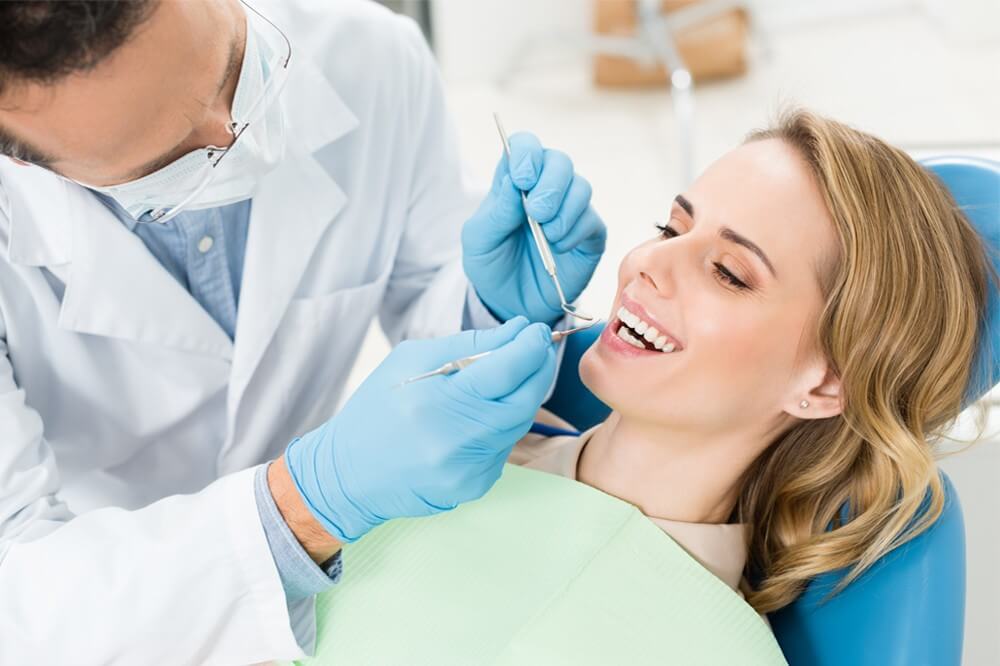
Toothache is one of the worst unbearable pains often experienced by people who are either suffering from a cavity or other fatal dental issue. Dentists around the world suggest different types of home-based and other professionally crafted remedies to help patients get rid of dental pain. However, there are times when the issue gets severe or unidentified leading to unexpected results. To identify the real cause, you should first identify what the real problem is. So, let’s start with a basic understanding of dental pain.

Dental Pain
There could be different reasons leading to dental pain but the most common one is an inflamed gum. Inflamed gum also contribute to toothache and sore gums. Other reasons contributing to dental pain could be cavities, broken teeth, infected teeth and other bacterial infections. Oral disease like gingivitis, periodontitis have bacteria leading to infection. Dental pain acts as a warning that something is wrong and should be checked by the dentist. The only solution to correct it permanently is by scheduling a dental health checkup.

Managing Dental Pain
Given below are specific guidelines for dealing with dental pain:

Schedule an Appointment With The Dentist
Before heading towards pain-relieving methods, see your dentist as soon as possible. As your dentist what can be done to relieve the pain. Also, let him/her know about the medications you are taking, if any.

Avoid Food and Beverages That Are Very Hot or Very Cold
Since the dentin layer of your teeth has been infected by tooth decay, it may react painfully to food and beverages. Brushing your teeth with warm water instead of cold water also helps to a certain extent.

Avoid Food With High Sugar Content
Patients with tooth pain should also avoid food that is high in sugar or acidic as it leads to worst tooth decay. Your teeth may not cause immediate sensation to such food types but they can contribute to further decay and tooth pain in the long run.

Brush and Floss
This is a common and most important tip to keep your mouth clean. Try flossing between the teeth. It will help remove the food particles and plaque, thereby leading to reduced toothache.

As soon as you experience toothache, consult your dentist. The longer you wait to have tooth decay removed, the more pain it will cause. So get your smile restored by scheduling an appointment with our dentist today.

Book Appointment to find out which treatment might be best for you.
Categories
Dental care

How Dentist Treat Toothache

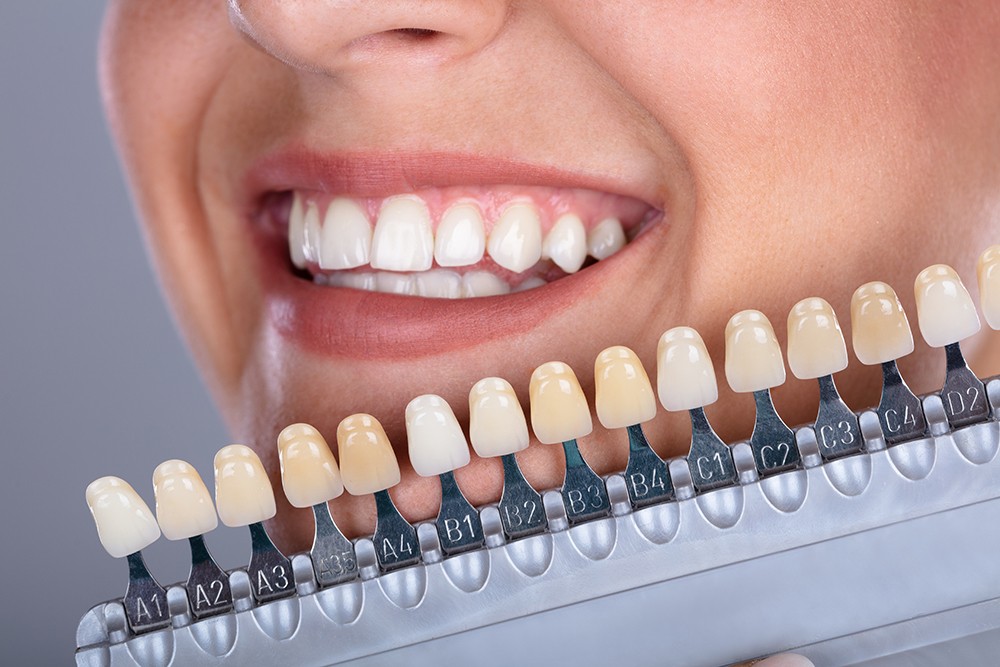
Toothache is a common problem, especially amongst children. There are multiple reasons causing toothache but poor oral hygiene tops the list. If the toothache is quite severe, it becomes impossible to fix it at home. Toothache generally do not vanish on its own and the longer you deny seeing your dentist, the more critical the problem could become.

When you visit our dentist for a checkup, they will observe your overall mouth to identify the real cause. The most suitable treatment is offered by our dentists and it generally includes a root canal therapy, dental filling, crown placement or treatment of gum disease.

The impacted teeth is removed to prevent infections, crowding and alignment issues. Teeth that are poorly misaligned can be fixed via orthodontic treatment. So, it is extremely important to understand the real cause that causes toothache before heading towards a particular treatment.

Our dentist suggests the following dental issues that bring on toothache:

Cracks or lose Dental Fillings
If dental fillings have started to lose, you must get them replaced as soon as possible. Lose dental fillings may cause a toothache. If the filling is not replaced quickly, you might end up with a root canal therapy.

Cavities
Cavities occur as a result of tooth decay. People who eat a lot of candies, chocolates, cereals are susceptible to tooth decay. This is the reason why routine dental treatment is extremely important.

Sinus Infection
People suffering from sinus infection could suffer from toothache in the upper rear teeth.

Gum Disease
Also known as periodontal disease, Gingivitis or gum disease is the most common type of infection affecting people in the USA. Gum disease results due to poor oral hygiene and plaque build up. In the latter stages, bacteria causes gums to become red. Signs of bleeding and swelling is also observed. If the disease is left untreated, it could result in tooth loss.

Abscessed Tooth
Abscessed tooth results in tooth sensitivity and severe toothache. It occurs due to bacterial infection and also referred to as a dental abscess. It causes mild to severe pain which sometimes radiates to your ear or neck.

Before seeing your dentist finally, it is advisable to monitor pain. Our dentist can help cure toothaches. Ignoring a toothache can turn your simple problem into a larger one. Toothache is preventable as long as you follow good oral hygiene and keep up with regular dental checkups.

Book Appointment to find out which treatment might be best for you.
Categories
Dental care

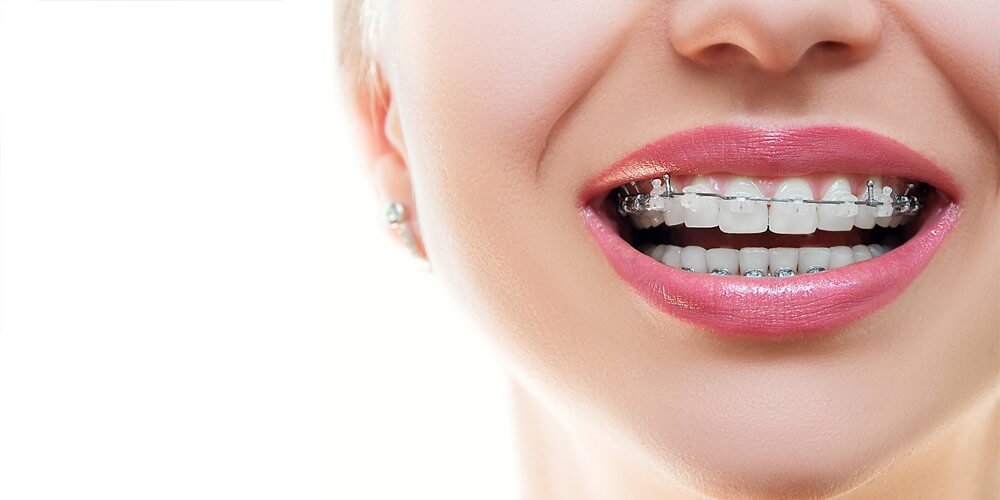
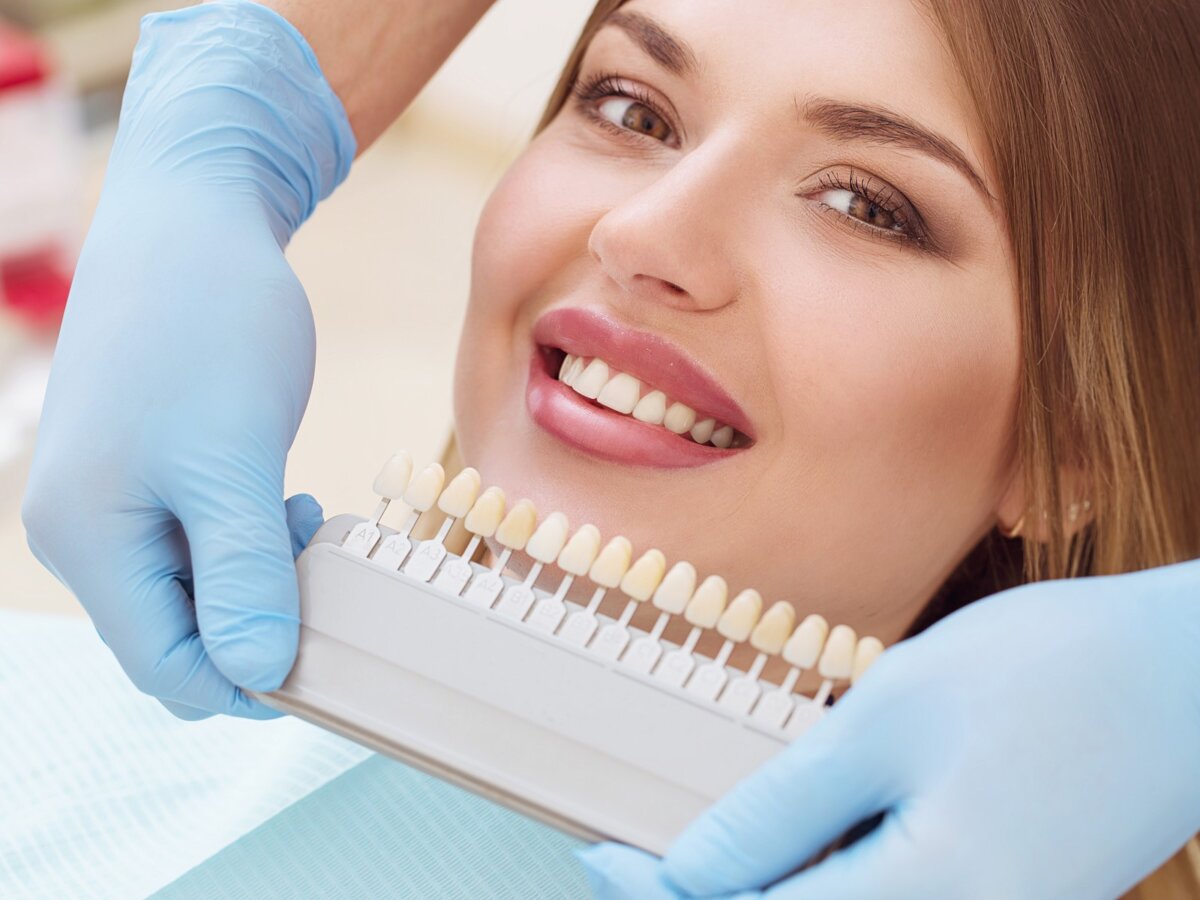
Does Teeth Whitening Works?

Our teeth naturally pick up stains owing to poor eating, drinking and lifestyle habits. The major reason for tooth discoloration builds up of anything you eat, drink or breathe. The slow build-up of stains eventually becomes noticeable.

How Do Stains Get In
The outer layer of teeth, ie. dental enamel is actually the toughest yet porous part. The openings are microscopic and allow the stain to seep in over time. To reduce staining, a hydrogen peroxide preparation (bleaching agent) at low concentration is applied. It is a gentle and controlled bleaching process. This whitening agent removes the color of stain eventually.

Another way to whiten teeth is polishing. It helps to remove the surface layer of stain. Deep polishing is something that should be performed only by professional dentists.

What Is a Teeth Whitening Process
Teeth whitening process removes any existing discoloration to make the teeth white. Since the process is highly convenient, it can be availed by anyone to get a fearless smile.

Different type of teeth whitening process:

Bleaching
Our dentists use tray-based teeth bleaching process wherein mouth guard-like tray is filled with peroxide-based bleaching gel and placed over the teeth for several hours a day or weeks, depending on the requirement.

Tooth Whitening Strips or Gel
It is applied directly to the teeth with a brush or thin strip. Peroxide-based tooth bleaching products must be applied once or twice a day. This process should be repeated for 10-15 days. The results of the treatment last for 4-6 months.

Tooth Whitening Toothpaste
Tooth whitening toothpaste helps to remove stains from the teeth. They contain chemicals or polishing agents that scrub stains without requiring a bleaching agent. They are economical and can brighten teeth by about one shade.

Our dentists perform a comprehensive dental examination to understand the cause of discoloration before carrying out the treatment procedure. Keeping up with good oral hygiene and regular dental cleanings can keep your teeth shiny for as long as possible. Connect with our dentists who will help you understand the best teeth whitening option.

Book Appointment to find out which treatment might be best for you.
Categories
Dental care

What Are the Best Type of Braces for Your Teeth

The need to wear braces is something nobody would cherish. Often patients do not want to hear their dentists/orthodontists saying that there is a need to wear braces. However, the other side of the story is something different. Most of our patients have had braces and they are enjoying wearing them because the results they see are phenomenal. Not only they find braces likable but also look for options when it comes to wearing them.

Braces can be helpful for both adults and children. However, they aren’t “one size fits all” solution. There are different kind of braces available. Understanding them will give you better know-how on selecting the right one.

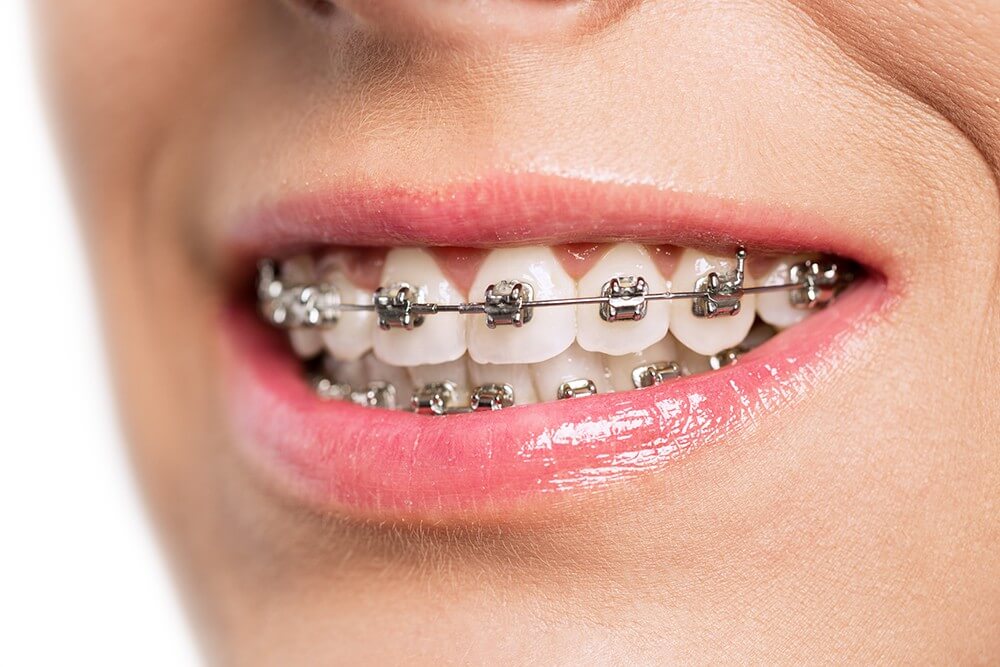
Traditional Metal Braces
Traditional metal braces work as a quick fix to correct issues like misalignment, crowding and many other deformities. Our dentists recommend metal braces for children because they function outstandingly. We have often seen parents asking about Invisalign for their kids. However, we are not in favor since there are compliance issues. Kids might not wear them properly or remove them. The results of treatment are promised, however, kids are too young to handle. This is the only reason our dentists do not recommend Invisalign treatment for kids.

So, metal braces are an excellent option for children and adults suffering from severe occlusion.

Invisalign
Invisalign, also known as clear aligners have been acclaimed amongst the adult population. Adults with mild or moderate crowding issues can make the best use of Invisalign. Invisalign comprises a set of removable aligners that should be worn for most of the days.

An advantage with Invisalign is that they can be easily removed while attending any social event, wedding or reunions. Since they are invisible, you can also carry them without getting conscious about your smile. So, if you are looking for an invisible teeth straightening solution, Invisalign clear aligners are something you need to get a flawless smile.

Ceramic Braces
Made to blend with the teeth, ceramic braces aren’t much visible. They are similar in design and composition to regular braces and provide a lot of great features. They are popular amongst adults with severe crowding issues where Invisalign do not work.

Which Option to Choose?
Now that you have a better understanding of choosing the right option, we encourage you to contact our office and schedule an orthodontic treatment with our dentists. Our dentists will speak to you to discuss your needs. We can also take care of your child who may need braces. Schedule your appointment with us now.

Book Appointment to find out which treatment might be best for you.
Categories
Dental care

Are Braces Better Than Invisalign?

Invisalign has proved its efficiency in shaping millions of smiles over a decade. It has offered dental patients with multiple treatment options that are far superior in function and effectiveness. Compared to traditional braces, Invisalign gives patients the option to wear braces discretely as they are meant to be invisible. Invisalign makes use of aligner trays to move teeth subtly and gradually.

When it comes to comparing the two of them, Invisalign offers multiple benefits that work better for patients.

The most reckoned reason for choosing Invisalign over traditional braces is that they are aesthetically pleasing. With traditional braces, everyone can see your braces which leads to embarrassing situations at one point of time. Wearing wire braces can greatly impact your daily life, however, with Invisalign, it’s entirely a different story. Invisalign can straighten your teeth without putting you in a shameful situation in front of others.

With no food restrictions into the picture, Invisalign allows you to eat and enjoy whatever you want. If we talk about traditional braces, there are some food particles that can stick to the apparatus. Food that is hard to chew can damage the wires. Invisalign allows you to remove the plastic trays when you eat, so there is no fear that you may get anything stuck to the trays.

Since Invisalign is designed with soft plastic trays, the comfort factor is much higher as compared to traditional braces. Wire braces snag in the mouth and damage the tissues in cheeks and lips. This can be painful down the line. Invisalign requires less pressure in the trays than wire braces which makes it a comfortable option.

Traditional wire braces cannot be removed and patients wearing them are more susceptible to tooth decay and damage. This lack of oral hygiene also leads to root resorption (loss of dentin or cementum to absorption). Since wire braces are irremovable, it prevents our dentist to take proper x-rays. However, with Invisalign, you can take the trays out during x-rays. Invisalign allows you to maintain proper hygiene and prevent damage.

Going forward, we can clearly see how Invisalign has modified smiles for people. With less hassle, no damage and better oral health, Invisalign turn out to be a safe yet promising option that helps to get rid of overbite, underbite, crooked or misaligned teeth.

For more information, get in touch with one of our dentists to assess which treatment option will work best for you.

Book Appointment to find out which treatment might be best for you.
Categories
Dental care

How To Whiten Yellow Teeth

Each one of us dreams of having a perfect smile. However, there are many who suffer from teeth discoloration. The reasons could be either bad eating habits or genetic issues. The most common causes of teeth yellowing or discoloration are black tea, black coffee, wine, smoking, and dry mouth. These substances affect the enamel of your teeth and lead to long-term discoloration. However, the good news is that having yellow teeth is nothing serious to panic about. It’s entirely possible to get back your wide and bright smile with these effective teeth whitening remedies.

Remedies For Yellow Teeth

A Paste of Baking Soda and Hydrogen Peroxide
This mixture is quite effective to fight back with stains, bacteria, and plaque from teeth. You just need to mix 1tsp of Baking Soda with 2tsp of Hydrogen Peroxide to make a paste. Start brushing using this paste. Let it stand for a minute and then rinse well.

Excessive use of this paste should be avoided else it would lead to the reverse effects of damaging the enamel over time. It might cause sensitivity issues as well. Therefore, it is advisable to maintain regular oral care regimen.

Coconut Oil
Coconut Oil pulling removes bacteria and plaque. So, always go for organic and high-quality oil that is free from harmful ingredients. Owing to its powerful anti-bacterial properties, Coconut oil pulling therapy is safe, natural and has no side effects.

Activated Charcoal
Activated charcoal makes it easier to remove the yellowing over teeth. Any form of stain can be easily removed using activated charcoal teeth whitening powder. It also regulates the health of gum and whitens teeth with no sensitivity.

Orange Peel
Take an Orange peel and rub the white pith side of it on your teeth. Let the juice settle down for a while and then brush your teeth thoroughly to remove any residue.

Make changes in your diet plan
Start saying “No” to food that include tannins like wine, tea, coffee, juices. Acidic foods can also make the teeth yellow by wearing down the enamel. The excessive consumption of citrus, coffee and soda should also be avoided.

Excellent oral hygiene
Maintaining excellent oral hygiene is an important thing a person can do to reduce teeth yellowing. Regular brushing and flossing prevent gum decay and removes stains. A great oral hygiene includes brushing teeth twice a day. Using fluoride toothpaste reverses tooth decay. On the other hand, flossing removes plaque between the teeth.

So, these are some important steps or measures you need to take to prevent yellowing of teeth. These are simple homemade remedies that can easily be applied to prevent any kind of flaw in the future.

Book Appointment to find out which treatment might be best for you.

Categories
Dental care

Periodontal Disease Can Hinder Fertility

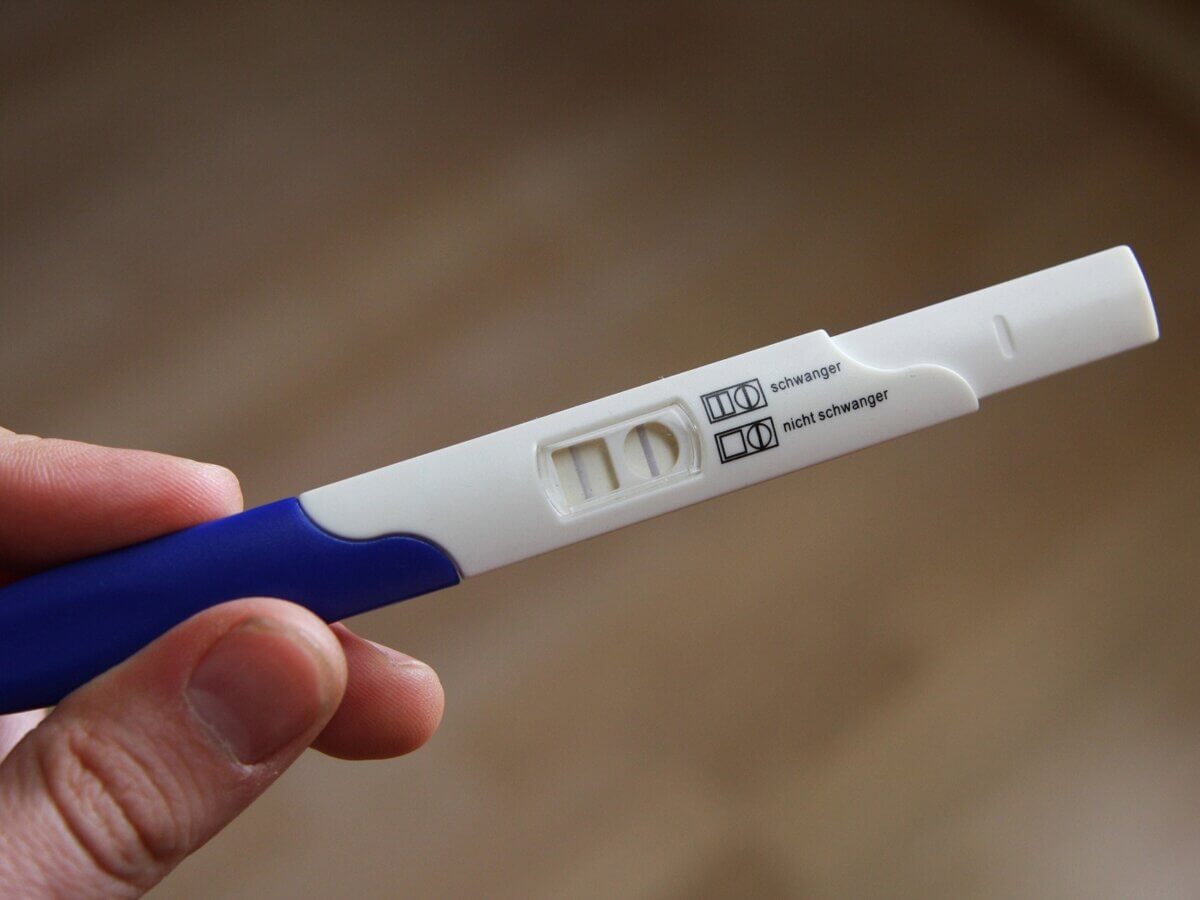
A new study out of the University of Helsinki found that one of the bacteria that cause periodontal disease may also affect a young woman’s fertility. This is the first study of its kind, and it really drives the point that taking care of your teeth is one of the most important things you can do for the health of yourself and your family.

The Study
The bacteria that cause periodontal disease have been making a lot of cautionary waves in dental studies. It’s been linked to diseases like Alzheimer’s, pancreatic cancer, kidney disease, cardiovascular disease, rheumatoid arthritis, and diabetes. Researchers at the University of Helsinki, Finland were curious how this disease affects young women’s odds of becoming pregnant. To test their hypothesis they studied 259 healthy women with a mean age of 29 years old whom had recently decided to become pregnant and ceased using birth control. Oral and gynecological exams were performed at the beginning of the study and the women’s saliva was tested for for periodontal bacteria. After 12 months the women then reported back to discuss whether or not they had become pregnant. After analyzing the data, they found that women who did not become pregnant had statistically significantly higher levels of Porphyromonas gingivalis, P. gingivalis, and higher levels of antibodies in their saliva. They acknowledge that this study does not question any other factors of infertility, but it does further the research into the far-reaching effects of periodontal disease. lt seems to add to the narrative of a systemic connection between periodontal disease and chronic conditions that affect the rest of the body.

A Note on Fertility
A woman’s reproductive years are very important if she desires to have children. A woman has the best odds of becoming pregnant between the ages of 20 and 35. After age 35, her fertility declines sharply. Unfortunately, a woman’s fertility is a very complicated biological rhythm. Many physical and hormonal factors must line up exactly right for a couple to conceive. These findings of periodontal disease’s effects only add to the stress of becoming pregnant. However, if we think about how detrimental low grade or chronic inflammation can be on the body, we can see that this disruption of the reproductive system makes sense. lf the body is constantly fighting off harmful bacteria like P. gingivalis, it may not have the physical energy to produce the exact cocktail of hormones necessary to facilitate ovulation and reproduction — which seems to be the case.

Preventing Periodontal Disease for Pregnancy
Although it must be mentioned that there is a lot of research to be done to discover the exact reason why the bacteria present in periodontal disease can affect the fertility of a young woman, taking care of your teeth is extremely important if you are looking to become pregnant. The presence of progesterone is powerful for women and can affect their teeth and bodies. It is within your power to protect yourself from developing gum disease and periodontal disease while your hormones are in flux. By brushing your teeth twice daily and flossing correctly every day you are effectively removing this bacteria before it has a chance to take hold of your immune system and cause chronic inflammation in your gums and elsewhere in your body. Speak with your dentist if you are trying to become pregnant and wish to keep your teeth as healthy as possible.

Source: https://www.artistictouchdentistry.com/general-dentistry/periodontal-disease-can-hinder-fertility/

Book Appointment to find out which treatment might be best for you.

Categories
Dental care

Midlife Tooth Loss May Compromise Heart Health

CVD is an umbrella term for diseases of the heart and blood vessels. This includes diseases of the blood vessels that supply: the brain (such as stroke and other cerebrovascular diseases); the heart muscle (coronary heart disease); and the arms and legs (peripheral arterial disease).

It also includes other conditions that can damage the heart (such as rheumatic heart disease and congenital heart disease), as well as conditions in which blood clots form and block the blood supply (such as deep vein thrombosis and pulmonary embolism).

CVD is the primary cause of death worldwide. In 2015, it claimed 17.7 million lives, including 7.4 million due to coronary head disease and 6.7 million due to stroke.

It was first thought that poor oral health might actually cause CVD, “through infection and inflammation.” However, more recently, scientists have concluded that poor oral health indicates the presence of— rather than causes — atherosclerosis and they therefore propose that it might serve as a risk marker of CVD.

For the investigation, Prof. Qi and his team focused on tooth loss and coronary heart disease. They pooled and analyzed data on thousands of men and women aged 45—69 who were followed in two large studies: the Nurses’ Health Study (NHS) and the Health Professionals Follow-Up Study (HPFS).

As the participants had been asked about their number of natural teeth when they enrolled, as well as about recent tooth loss in follow-up questionnaires, the researchers were able to assess tooth loss over a period of 8 years.

The team then compared this recent tooth loss pattern to incidence of coronary heart disease over a subsequent follow-up period of 12—18 years.

The scientists conclude that their results suggest “that among middle-aged adults, a higher number of teeth lost in the recent past may be associated with subsequent risk of [coronary heart disease], independent of the baseline number of natural teeth and traditional risk factors.”

Author: Catharine Paddock PhD

Book Appointment to find out which treatment might be best for you.
Categories
Dental care

Obesity and Periodontal Disease

The number of Americans that are overweight (having a weight 10%—20% above normal for your height) or obese (having a weight 50%—100% above normal for your height) has increased significantly throughout the past 20 years. According to the Center for Disease Control (CDC), 67 percent of U.S. adults are overweight or obese. Greater than 34 percent are obese. Childhood obesity has tripled since 1980. As of 2008, the prevalence of obesity among children (6—11 years) was 19.6 percent and adolescents (12—19 years) was 18.1 percent.

It is well known that obesity is associated with many medical problems, such as diabetes, heart disease, sleep apnea, elevated cholesterol, hypertension, arthritis, gastric reflux, infertility, gout and some types of cancer. In recent years, there has been research supporting a link between obesity and periodontal disease.

How Does Obesity Affect Periodontal Disease?
Overweight and obese adults have long been considered to be at high risk for many chronic inflammatory disease and conditions such as cardiovascular disease, diabetes and arthritis. Likewise, obesity appears to be an independent risk factor for the development of periodontal disease even after controlling other risk factors such as smoking, age and other medical problems. A recent study (Khader YS, et al.J Clin Periodontol 2009;36(1):18-24) showed that overweight individuals had double the incidence of periodontitis while obese individuals had triple the incidence.

Fat cells were once thought of as having limited function energy storage. It is now known that fat cells produce many chemical signals and hormones. Many of these substances are thought to increase overall inflammation in the body. This may lead to decreased immune status, which increases susceptibly to periodontal disease. The inflammation may also decrease blood flow to the gums and cause disease progression.

Prevention of Periodontal Disease
Diet is very important for overall health, including dental health. Eating a low-fat, reduced sodium balanced diet of whole grains, vegetables and fruits is recommended. Limiting the time sugar is in contact with the teeth is advised. Avoiding sugary beverages (sodas, fruit juices, sweetened tea) and candies (especially ones that stick to the teeth like taffy) is helpful. Eating sugary foods in between meals and before bed is also discouraged. Regular dental visits are recommended for teeth cleaning and inspection.

Understanding the relationship between obesity and the risk factors that lead to periodontal disease is very important. With the increasing rate of child and adolescent obesity, the prevalence of periodontal disease will follow. Keys to prevention of periodontal disease are through proper oral hygiene, a balanced diet and routine dental visits.

Author: Shannon McShea—Johansson, PA-C

Book Appointment to find out which treatment might be best for you.
Categories
Dental care

Increased Incidences of Oral Cavity and Oropharyngeal Squamous Cell Carcinoma in Young Adults

Squamous cell carcinoma of the head and neck (HNSCC) is primarily a disease of older adults, occurring most frequently in patients older than 45 years of age. Epidemiological studies over last 20 years have shown a steady rise in the incidence of these cancers in younger adults (age 18-45 years), especially in cancers of the oropharynx and oral cavity.

Numerous early reports of Squamous cell carcinoma (SCC) concluded that the disease was more aggressive and the prognosis poorer in young adults as compared to older adults. However, findings from more recent studies, such as those by Gilroy et al., Goldenberg et al. or Hafkamp et al. have not found any significant differences in outcomes between different age groups. Recently, superior survival of younger patients with oropharyngeal SCC was found to be related to a high-risk human papilloma vims (HPV) infection.

The global incidence and mortality rates for HNSCC are 540,000 and 271,000 annually, respectively. The increase of HNSCC has occurred concurrently with a decreasing prevalence of cigarette smoking in the general population; importantly, this observation would not be expected if the only primary risk factors for all HNSCC were alcohol and tobacco abuse. In fact, evidence suggests that oral cancer may now be considered a “new epidemic”. The majority of research on the changing epidemiology has focused on the HPV and its association with HNSCC, particularly in primary tumors of the oropharynx. Interestingly, although the rate of OCSCC is observed to be decreasing in young individuals, the incidence of oral tongue Squamous cell carcinoma (OTSCC) has been rising especially in young white women, age 18 44 years, what is more surprising given the fact that OCSCC, unlike OPSCC, are not typically associated with the HPV infection. Consequently, young white women form a unique subgroup of patients with no traditional risk factors of tobacco and alcohol abuse and who can not be associated with HPV infection.

Tobacco and alcohol have long been implicated as the traditional risk factors for HNSCC in adults, regardless of age. Interestingly, many patients under age 45 declare never having smoked or consumed alcohol excessively, as Kuriakose et al. reported.

The rising mortality and increasing incidence of cancer of the tongue amongst young patients in the U.S. has been attributed to the use of smokeless tobacco products. The first epidemiological study showing that marijuana smoking elevates the risk of head and neck cancers was published in 1999. Since that time, several case studies have been published that suggest an association between marijuana smoking and head and neck cancers, respiratory cancers and oral premalignant lesions.

It seems likely that there is a genetic predisposition for the cancer development at a young age, particularly in those patients with no recognized risk factors. It has been shown that patients younger than 30 years exhibit a significantly increased chromosome fragility following mutagen exposure when compared to older patients.

Even though Byers first suggested as far back as 1975 that HNSCC in young adults should be considered a distinct subgroup, the question as to whether age has a significant impact or not on treatment outcomes still remains unanswered. Nevertheless, one thing is clear. Although young people have a lower incidence rate for HNSCC, physicians need to be aware that the incidence is growing and these types of cancers must be suspected in any patient with worrying signs and symptoms, regardless of age.

Authors: Ewa Majchrzak, Bartosz Szybiak, Anna Wegner, Piotr Pienkowski, Jakub Pazdrowski, Lukasz Luczewski, Marcin Sowka, Pawel Golusinski, Julian Malicki, and Wojciech Golusinski.
Source: Oral cavity and oropharyngeal squamous cell carcinoma in young adults: a review of the literature

Book Appointment to find out which treatment might be best for you.
Categories
Dental care

Common Mishaps That Send You to the Emergency Dentist

Sometimes accidents happen. More importantly, sometimes emergencies happen and cannot wait. Our emergency dentist in Beaumont is just what you need in case waiting is not an option. Our dentists are professional, caring, and are here to make sure you have a beautiful and long-lasting smile.

In this post, check out some of the most common reasons people see emergency dentists in Beaumont.
Our Dental Services

TOOTH LOSS
Losing a tooth can happen much more often than you think. One scenario is playing your favorite sport or enjoying an outdoor activity. If your face gets hit in the just the right spot, from a ball, fist, or the ground, you could end up missing a tooth. Another way you may lose a tooth is due to decay that has not been taken care of. No matter what the case, it’s imperative you get to an emergency dentist in Texas as soon as possible. In some cases, if the tooth is intact we can reattach it, but we only have less than a 2-hour window to do so.

CHIPPED TOOTH
Chipping a tooth is a common occurrence and can be due from eating certain foods that are hard in texture. This can be anything from biting a chicken wing wrong to certain types of nuts. Other causes, and more commonly seen by emergency dentists, are due to an injury or accident. Most chips can be repaired very easily with either a bond, crown, or some veneers.

BROKEN TOOTH
A broken tooth can be considered anything from a small crack or fracture to a chunk breaking off. A broken tooth can result from hard food, a cavity, falling, or being hit in the mouth. A broken tooth usually causes a lot of pain when eating, drinking, or releasing your bite. If the dentin of your tooth is exposed due to the break, this can be extremely uncomfortable. Call our emergency dentists right away and they will figure out a treatment course that is correct for your situation.

SOMETHING STUCK
More often than not, a food particle can get jammed in the wrong part of your mouth and cause a dental emergency. This can be uncomfortable and lead to bigger issues down the road if not taken care of sooner than later. Try your best to get it out yourself but if you are struggling and aren’t able to remove the piece of food, call our emergency dentist to rectify the problem.

LOSING A FILLING
If you have noticed a tooth filling has fallen out or is missing, contact our dental team right away, The emergency dentist will be able to help you and prevent your tooth from further damage.

In Beaumont, you never have to question your dental care. If you have a dental emergency, contact our team and we will get it taken care of right away!

Book Appointment to find out which treatment might be best for you.
Categories
Dental care

Help Ease Your Child’s Fear of the Dentist

Knowing that your children need to see a Dentist in Beaumont is a parenting must. Kids may initially have a fear of the dentist, but there are ways to help them overcome it! At Smilepoint Dental, we always want your children to have a positive experience at our dental offices. Children don’t need to fear our dentists. Our Beaumont office environment is warm, friendly, and happy place for children to get their dental health taken care of.

Here are some tips to help your kids visit the dentist

GET THEM TO OUR DENTAL OFFICE WHEN THEY ARE YOUNG
You should start taking them to the dentist as soon as they start to develop teeth. If you start taking them to our dental office when they are young, they will become more comfortable as they get older. They may even think of the dentist as a positive and happy place. The more regular you keep their visits, the better they will every time they get their teeth checked and cleaned!

DON’T RELEASE TOO MANY DETAILS
When your child is going to the dentist, leave it at that. Don’t explain what might happen during their visit. This can frighten them and they won’t want to go. Be happy when talking about dental visits. Keeping a positive attitude will reflect back on your child. However, don’t tell them everything is fine and that only this or that is happening. You aren’t sure, so when you don’t include details, it’s best for the child.

COMMUNICATE CLEARLY
When talking to your children about the dentist, be careful with your word choices. Don’t use negative connotative words such as painful, hurt, or shot. This will definitely scare them and they will fight you every step of the way. Tell them all the fun things the dentist is going to go do, like count their teeth, and help their smile. Keeping it simple and positive is the way to go when talking about the dentist.

INCORPORATE THE DENTIST IN PLAYTIME
If you know you are taking your child to the dentist, role playing with them may be a good tactic to ease their potential anxiety. You can do this by showing them proper brushing techniques, counting their teeth with a mirror, and letting them do this to you. They will enjoy being the dentist and it will make the dentist seem like a fun place.

DON’T TAKE THEM TO YOUR DENTAL APPOINTMENT
You may think this may be a good idea, but your dental experience is far different than your child’s. This can cause fear because they will see many things they don’t understand. Also, don’t talk about your past dental experiences in front of your child.
Come see us in Beaumont for your pediatric dental needs. Our dentists are caring, friendly, and know how to take care of your children’s teeth. Schedule your appointment in Beaumont and use these tricks to help prepare your child for their visit!

Book Appointment to find out which treatment might be best for you.
Categories
Dental care

Dental Emergencies – Part 3

Dental problems can be very painful. Sometimes, it is hard to know if you need emergency care or not. Additionally, there are always things you can do right away to relieve your pain or make the situation better.

Smilepoint Dental, Beaumont’s emergency dentist, knows all about these situations. In Part 1 and Part 2, we explored several situations and what you should do. We are finishing up this series here!

Severe/sudden toothache

Pain is always a signal that something is wrong. Your body may be able to deal with it, so use warm water to rinse your mouth and floss around the tooth to eliminate the possibility of something being lodged in there. If the toothache persists, call us!

Lost crown or filling

A tooth missing its crown or filling is very vulnerable. If you did not swallow it, put the crown or filling in a protected place and give us a call immediately.

Pericoronitis

When your wisdom teeth do not grow in properly, you get an infection called pericoronitis. Its symptoms include bad breath, a bad taste, swollen/irritated gums, and trouble opening your mouth. Make an appointment with us as soon as possible.

Object wedged in between teeth

This is a common situation that sometimes turns into something more serious. Gently try to remove whatever is wedged with floss. If this does not work, give us a call. We can give you guidance from there.

The dentists at Smilepoint Dental are ready to serve you and your family whenever you need us. Contact us today!

Book Appointment to find out which treatment might be best for you.

Categories
Dental care

Learn about our Sedation Dentistry in Beaumont

When most people think of the dentist, unfortunately, negative thoughts come to mind. Many people are very frightened by the dentist and this is a common phobia called odontophobia. You may have a had a bad experience as a child or even as an adult, you possibly have very sensitive gums and teeth making dentist visits painful, or you may feel anxious due to the sounds and bright lights. Whatever the case may be, the fear is a real and we understand that in Beaumont.

That’s why at Smilepoint Dental, we offer sedation dentistry for anyone who needs it. We understand dentists have a bad rep and our goal at Smilepoint is to make sure you’re comfortable and your teeth and gums are exceptionally healthy.

What is Our Sedation Dentistry?
This type of dentistry allows for patients to receive medication to help them relax and stay calm during dental procedures. Patients can usually be awake during most procedures, but there is an option for complete unconsciousness.

Levels of Sedation

  • Minimal – You will be awake but relaxed. Great for teeth cleanings or other small dental procedures.
  • Moderate – You will be in a very relaxed state possibly slurring words and feeling very out of it. You won’t remember much of the dental procedure.
  • Deep – You are almost asleep but not quite. You may doze off but you can be easily awakened.
  • General Anesthesia – Unconscious during the whole procedure. Won’t remember anything.

What are the Types of Sedation?
Inhaled sedation
This type of sedation uses nitrous oxide, which is inhaled through a mask. This is also usually dubbed as “laughing gas”. The gas helps calm your nerves and you will begin to relax. Our dentists in Beaumont can control the amount of gas that is being pumped from the mask. With this type of sedation, you are still able to operate your vehicle after your procedure.

Oral Sedation
Oral sedation can be used minimally or moderately. This sedation is in pill form and is a more common form of dental sedation. This pill will be in the realm of Valium but may be a bit stronger. This pill will help your anxiety and make you drowsy. You take the medication about an hour before your dental appointment in Beaumont. If you need a heavy sedation you may be given a larger dose. This sedation can sometimes help you sleep during your procedure, but be awoken easily.

IV Sedation
This sedation is given to you straight through an IV that is placed in your vein. This can be adjusted throughout the entire procedure and works very quickly. Usually, this sedation will make you very sleepy.

Deep Sedation/General Anesthesia
Medications will be administered to you by our dentists to get you into an unconscious state. With general anesthetic, you will not be able to be awakened until the anesthesia has worn off. This is good for someone going through an extensive dental procedure. This is usually used for any kind of dental surgery.

If you have had issues with dentists in the past, come to Smilepoint Dental in Beaumont. We take care of your fear and anxiety by offering sedation options so you can have a comfortable and calm dental experience. We can offer sedation for all types of dental procedures, so you won’t need to feel frightened anymore.

Smilepoint Dental in Beaumont has the dentist you can trust and the staff that is passionate about your dental care. Come check out why we are the best dental team in Beaumont and schedule your dental appointment with us, today!

Book Appointment to find out which treatment might be best for you.
Categories
Dental care

Dental Sealant Application: What to Expect

In our last blog, we introduced dental sealants. These are tough resins used to protect teeth (especially the crevices) from bacteria and cavities. They go one as a painless liquid and dry into an invisible, tough layer that keeps bacteria away from the actual tissue of your teeth. Most often used on kids and teens, they are perfect for anyone whose teeth are prone to cavities – no matter what age they are.

If you’ve never gotten dental sealant applied before, this blog is for you! We are going to go over what you can expect when you ask your dentist to apply dental sealant.

Your dentist will clean your teeth and polish them, just like it’s a regular cleaning. It is absolutely essential that all plaque and bacteria be removed, especially from the crevices of your teeth.
The tooth in need of sealant will be dried off and gently etched. The etching material will be rinsed off, and the tooth will be dried again.

Application

Sealant will be applied to your tooth with a brush. Afterwards, the hygienist shine a self-curing light on it for thirty seconds. This will ensure the sealant fully bonds to the surface of the tooth.
Conclusion

The dental team will assess the sealant to make sure it is completely bonded. The sealant will have hardened to a point you chew on it, and you’ll be good to go!
Some teeth are structured or shaped to a point where keeping them cavity-free is very difficult, no matter how thoroughly and frequently you brush. That is where dental sealants are so helpful. They keep your teeth protected and shielded between dental cleanings. If you get sealant applied, make sure you keep brushing your teeth. Sealants don’t replace good dental care, but they can reduce the fillings you have to get.

Book Appointment to find out which treatment might be best for you.
Categories
Dental care

Dental Sealants FAQ

Sometimes, it doesn’t matter how often or carefully you brush your teeth. Some people simply get cavities more often than others because of the shape and structure of their teeth. The good news is, there are solutions for cavity-prone teeth, and if your dentist notices you are prone to cavities, he or she may recommend a dental sealant. In today’s blog, we are going to explore dental sealants and why they are a good idea.

They are a liquid resin made to fill the deepest parts of your molars and other places where bacteria tend to gather. It is usually applied in liquid form, and after it dries, it is completely invisible. They can last up to 10 years with regular checkups to ensure they haven’t been chipped away or broken off. When bacteria hit the teeth, they attach to the sealant rather than the teeth themselves. From there, the bacteria can be brushed off.
Who Gets Dental Sealants?

  • As we said, people with cavity-prone teeth benefit the most from sealants. Oftentimes, these are kids and teens. However, sealants can benefit anyone who needs the protection.

How Do You Care for Dental Sealants?

  • Sealants are made to be incredibly strong. As we said, they can last up to 10 years, gradually wearing off over time. They can be damaged if you put undue strain on your teeth, like opening a package with your teeth. Your dentist will check them every time you have an appointment and can re-apply if they are wearing off too quickly.
    Keep in mind that sealants don’t replace brushing in any way. You should still care for your teeth with regular brushing and checkups. The sealants will give your teeth the protection they between dental appointments. Contact our family dentistry for world-class care, including sealants.

Make an appointment today!

Book Appointment to find out which treatment might be best for you.

Categories
Dental care

Are You Grinding Your Teeth at Night? – Part 3

We’ve been looking at bruxism, or teeth grinding. When you suffer from bruxism, you grind your teeth together. Some people do it when they’re stressed, but a majority of people do it when they sleep. As a result, they don’t think they grind their teeth, and it’s up to the symptoms to prove what is going on. We’ve been looking at symptoms of bruxism. In our last blog, we looked at jaw tightness and pain, headaches, and torn up inner cheeks. Today, we have four last signs that you’re grinding your teeth at night.

Teeth Are Worn Down
This is an obvious result of grinding your teeth, and it’s dangerous in the long run. Your teeth can stand up to a lot, but when you wear them down prematurely, you’re setting yourself up for issues later.

Worn Tooth Enamel
This is part of the tooth wearing process, and it’s what makes it so dangerous. When the clear, tough layer called enamel gets worn off of your teeth, there’s no more defenses against bacteria, and your teeth will quickly deteriorate.

Tired Jaw Muscles
If your jaw gets tired during breakfast, there’s a good chance you’re grinding your teeth at night. If you have a partner, we recommend you ask if they have heard you grinding your teeth. It’s usually loud enough to hear.

Smilepoint Dental is proud to be Beaumont’s premier dentist office. Whether you need cosmetic services or a root canal, we will give you what you need with excellence. Contact us today!

Book Appointment to find out which treatment might be best for you.

Categories
Dental care

Are You Grinding Your Teeth at Night? – Part 2

If you’re experiencing mysterious jaw pain and tooth sensitivity, you may be grinding your teeth at night, a condition called bruxism. In the most extreme cases, it has been known to change the shape of people’s faces and cause hearing loss. At the very least, it wears teeth down to the point they break and need to be replaced. The good news is, there are solutions!

The first step is to realize you’re grinding your teeth, a hard thing to determine because you do it in your sleep. If you start to experience uncomfortable changes in your waking hours, it’s time to check in with your dentist. In our last blog, we discussed several symptoms of bruxism, including earaches and tongue indentations. Today, we have a few more signs!

Damage to the Inside of the Cheek
You may be chewing on your cheek in addition to grinding your teeth. If you have unexplained damage on the inside of your cheek, get it checked out.

Jaw Tightness and Pain
If you’re flexing your jaw muscles all night, they aren’t going to be happy with you during the day. This is one of the most clear signs of bruxism.

Facial Pain or Headache
The tension in your jaw muscles will spread to the rest of your face and give you tension headaches.

At our family dentistry, we have experience with bruxism in adults and children. If you are experiencing any of the above symptoms, make an appointment with us today. We are ready to help!

Book Appointment to find out which treatment might be best for you.
Categories
Dental care

Are You Grinding Your Teeth at Night? – Part 1

Your teeth are one of the toughest parts of your body. They’re made to stand up to a lot of abuse during the day. However, they are not made to survive being under attack at night. If you grind your teeth while you sleep, it can cause serious problems. This is called bruxism, and it’s a common issue that many people don’t even realize they have.

The hardest part about bruxism is identifying it, because most people are sure they don’t grind their teeth. However, the body doesn’t lie, and if you’re grinding your teeth, you’ll experience the results in your waking hours. In the next few blogs, we are going to share ten signs that you’re grinding your teeth and it’s time to see your dentist.

Tooth Sensitivity
Some sensitivity to temperature is normal, but if you notice things are getting more sensitive, it’s time to pay attention. Your body is trying to tell you something is up.

Earache
If one or both of your ears hurt but you don’t have congestion, you are probably experiencing a side-effect of the intense muscle contractions that come with grinding your teeth.

Indentations on the Tongue
When you grind your teeth, parts of your tongue get pressed and rubbed repeatedly. If you notice your tongue has persistent indentations in the same places, it’s time to check in with your dentist.

Don’t let bruxism affect your quality of life. It’s a common enough issue that there are successful, simple solutions for it. Contact our caring office in Beaumont today!

Read Part 2

Book Appointment to find out which treatment might be best for you.
Categories
Dental care

Do You Need a Mouthguard? – Part 3

Well, it’s June, and summer officially begins on the 21st! The weather is already warm, and people all over Beaumont are rocking summer sports. At Smilepoint Dental, we get to see the painful side of these sports – chipped, cracked, and lost teeth – not to mention bitten tongues! We don’t want this summer to be the one you always remember as painful and spent in a dentist’s office, though we are more than happy to give you world-class care if you do. That is why we have examined some summer sports that call for mouthguards. Today, we have two more!

Sand Volleyball

We’ll be honest: we know that wearing a mouthguard while playing some casual beach volleyball with your friends probably won’t happen. You need to use your best judgement. However, it’s easy to get elbowed in the mouth or take the ball to the face in the heat of gameplay. If things are getting serious, use a mouthguard to make sure you can spend the next game playing rather than making an appointment with an emergency dentist.

Softball/Baseball

These sports don’t involve tackling, but baseballs can do serious damage, and when you’re sliding into home plate, you can’t predict what will happen. We recommend you wear a mouthguard to keep your teeth safe and whole.

Smilepoint Dental is proud to be the premium emergency dentist in Texas. We always put our patients first, and you can rest assured that you will always receive world-class care. Contact us today for an appointment!

Book Appointment to find out which treatment might be best for you.

Categories
Dental care

Do You Need a Mouthguard? – Part 2

Warm weather is back, and it’s time to get outside and enjoy freedom from the col! You’re probably anticipating summer just as much as your kids are! Now, there’s nothing that puts a damper on warm weather fun like a mouth injury. Unfortunately, these injuries are very common, and they can have profound physical and psychological effects. At Smilepoint Dental, we understand that wearing a mouthguard isn’t the most trendy thing to do. However, having teeth is pretty popular. Protecting them is worth it!

In our last blog, we looked at how a mouthguard can give you an advantage while skateboarding. Today, we will examine two more sports that present risks to your dental health.

Bicycling

  • Many people don’t wear helmets when they ride bikes, and we know that mouthguards are even less likely to be accessories for cyclists. However, we must emphasize that it’s easy to pick up speed on a bike, where you don’t have anything to shield you if you hit a rock wrong.
  • This rings especially true for BMX racers and mountain bikers. The combination of speed and unpredictable terrain can be disastrous, and falls are sort of a given. Make sure that you don’t lose teeth or bite off part of your tongue!

Surfing

  • One unexpected wave and you can get a surfboard to the face. When this happens, you will be grateful that you have a mouthguard to keep you out of the dentist’s office!

Smilepoint Dental is proud to be Beaumont’s premier dentist office. Contact us for world-class care today!

Read Part 3

Book Appointment to find out which treatment might be best for you.

Categories
Dental care

Do You Need a Mouthguard? – Part 1

Summer is well on its way, and if you have kids, they will be itching to finish school and play. It’s a wonderful time of year. The last thing you want is for anyone to get a mouth injury. They are painful and may impact your child’s dental health for the rest of his or her life. That is why we at Smilepoint Dental recommend wearing mouth guards for certain summer sports. We are going to discuss them in the next few blogs!

Skateboarding

  • If you or your child is getting into skateboarding, you’re in for a great time! Skateboarding is exhilarating and fantastic for developing endurance and balance. However, skateboarding is tricky – the board is so responsive to the terrain, it’s easy to be taken by surprise, no matter how experienced you are. A board can be stopped in its tracks by one rock, throwing the rider. A sudden twist on a sidewalk can throw a fast-moving boarder. And if you’re hanging out at a skate park doing tricks, falls are just a given.
  • No matter how many hours you’ve spent on a board, you are still at risk for serious accidents. Even the most expert boarders get injured. A mouth guard will allow you to keep your teeth and prevent you from spending hours in dental surgery.

Well, that’s all we have time for today. We will be back with other sports that present a serious risk to your dental health. Smilepoint Dental is Texas’s premier family dentistry, and we are dedicated to providing the very best care. Make an appointment today!

Read Part 2

Book Appointment to find out which treatment might be best for you.

Categories
Dental care

Signs You Need a Different Dentist – Part 2

The dentist you choose should have knowledge, experience, and a dedication to putting you first. In our last blog, we discussed two signs that a dentist isn’t the best option for you. We at Smilepoint Dental have dedicated ourselves to providing the best dental care in Texas, so we have insights into what makes a great dentist.

The dentist doesn’t g over your whole medical history before treating you

Your dental health is connected to the health of the rest of your body. Medications and conditions can change the way your teeth handle treatment. For instance, there is bacteria in your mouth that can affect your heart. Pregnancy sometimes causes gum disease. Diabetes delays healing, which makes procedures like root canals a challenge. A dentist worth trusting will take the time to get to know you before proceeding.

Your dentist reacts negatively to you wanting to get a second opinion

If you are a relatively new patient and your dentist recommends a certain procedure, you should always get a second opinion. A dentist who puts you first will be glad to have you seek second opinions, because his or her main concern will be that you get the best care.

At the end of the day, you can’t afford to have a dentist who doesn’t give you the care you need. Your dental health is incredibly important to your quality of life. Don’t put it in hands of anyone who doesn’t know their stuff backwards and forwards – who doesn’t put you first. Contact us for emergency dentist services and beyond.

Book Appointment to find out which treatment might be best for you.

Categories
Dental care

Signs You Need a Different Dentist – Part 1

Finding a dentist you trust is important, and it doesn’t have to be difficult. At SmilePoint Dental, we know what it takes to be the best, and when it comes to dentists in Beaumont, we are your answer. Whether you are looking for a dentist or you have one already, there are signs that you need a new dental care expert. We are going to use the next few blogs to share these signs so you can make informed decisions.

The dentist fails to offer alternative treatments

An excellent dentist will always give you options when presenting a treatment plan. Dentists who know their stuff will have multiple ways to come at treatment, and if they care about their patients, they will work to understand what they need. Maybe the patient is dental-phobic. Maybe there’s only so much the patient can afford. A good dentist will work with you, giving you a say in your treatment.

The dentist says you have to get your silver fillings replaced with white fillings

Some dentists will want you to replace your silver fillings and claim that their mercury content is the reason. However, there is no proof to these theories. Unless you have cavities beneath your fillings, your teeth are not vulnerable. Replacing your fillings opens you up to complications. If nothing is going wrong, don’t mess with it.

When it comes to dental services in Beaumont, there is no better office than SmilePoint Dental. Contact us for dental care you won’t find anywhere else!

Read Part 2

Book Appointment to find out which treatment might be best for you.

Categories
Dental care

How to Prevent Bad Breath

In our last blog, we gave some great insights into bad breath and its causes. It is a common problem, but you don’t have to live with it. That is why we are using this blog to share what you can do if you are experiencing bad breath.

Of course, making an appointment with your Beaumont dentists is the best plan, but here some things you can do to combat bad breath.

Use good dental hygiene habits

  • This one is probably not a surprise! It will make a huge difference for you, and if it doesn’t totally fix the issue, you will know it’s time to get more help.
  • Brush your teeth and tongue twice a day with fluoride toothpaste.
  • Don’t forget to clean between your teeth with floss every day.
  • We also recommend rinsing with an antibacterial mouthwash twice a day.

Stop bad habits

  • Things like smoking and chewing tobacco have a devastating effect on your dental health. We know it is easier said than done, but many people have done it, and your dentist can help you.

Visit the dentist regularly

  • Your dentist is the most powerful ally your mouth has – beyond you. He or she will be able to identify and treat issues before they get too far, which will save you pain and money!

Drink water

  • Drinking water is one of the most effective ways to keep your mouth clear of harmful bacteria and dead skin cells, both of which cause bad breath.

Contact our dentists and oral surgeons today!

Book Appointment to find out which treatment might be best for you.

Categories
Dental care

What Causes Bad Breath?

Sometimes, your breath seems like an impossible thing to control. Sometimes it smells fine; other times, it smells awful. We know that a lot of this is connected to what we eat, but if you have bad breath that just won’t go away, it’s a sign that something else is going on.

At Smilepoint Dental, we understand the causes of bad breath, and we know how mortifying it can be. That is why we have dedicated ourselves to providing unmatched dental solutions to Beaumont, Texas. In the next two blogs, we will discuss bad breath and what can be done about it.

Causes of Bad Breath

  1. What you eat
    All of the food you eat starts the breakdown process in your mouth, which means your mouth is full of bits of food and the bacteria to break it down.
    Strong-smelling foods actually get into your bloodstream and end up at your lungs, where you breathe them out. This is where you get that persistent garlic smell that doesn’t go away until it has passed through your body.
  2. Your habits
    Food left in and around your teeth and gums collect bacteria and create bad breath, which is just the beginning. If you do not floss and brush daily, the bad breath will get worse, and your teeth are at risk for decay.
  3. Health issues
    There are a number of health conditions that create bad breath. They include gum disease, dry mouth, pneumonia, diabetes, liver problems, and chronic sinus issues.

Don’t wait until your bad breath starts causing issues. Whether you need a checkup or an emergency dentist, contact the world-class dentists at Smilepoint Dental for professional treatment today!

Read how to prevent bad breath in our next blog!

Book Appointment to find out which treatment might be best for you.

Categories
Dental care

Dental Care During Pregnancy – Part 2

In our last blog, we gave tips for how to handle your dental health while you are pregnant. Being pregnant brings many physical changes, and the last thing you should have to worry about is your teeth. If you care for them well, you won’t have to be concerned.

Our last blog addressed pre-pregnancy and most of during-pregnancy. We have a few more tips for you today!

If you experience morning sickness

  • We understand that morning sickness can make brushing your teeth next to impossible. We recommend that you talk to us for bland toothpaste that will get the job done without making you feel worse.
  • If you suffer from frequent vomiting, keep rinsing your mouth out. The acid that comes up with the vomit is hard on your teeth, and rinsing it off greatly reduces any chances of damage being done.

Eating for yourself and your baby

  • Protect your teeth by avoiding sugary foods. We understand that you may often crave sweet things, so stick with healthy sugars like fruit as much as possible.
  • Your baby’s teeth start developing only three months into your pregnancy, so eat a healthy diet with dairy or another source of protein to ensure you baby has strong gums and teeth.

After your pregnancy

  • This is the time when you can get any gum problems you may have had during your pregnancy checked out. We recommend that you get checked out whether you had issues or not, just to be able to proceed with confidence.

Contact the world-class dentists at Smilepoint Dental today for an appointment!

Book Appointment to find out which treatment might be best for you.

Categories
Dental care

Dental Care During Pregnancy – Part 1

Did you know that when you get pregnant, your dental treatments need to change? Pregnancy is an exciting and sometimes overwhelming time, and the last thing you need are dental issues. Unfortunately, the hormonal changes that come with pregnancy increase your chances for gum disease, which can endanger your baby’s health.

In the next few blogs, we will discuss dental care before, during, and after pregnancy.

Before pregnancy:

  • Make an appointment before getting pregnant if possible.
  • Having your teeth professionally cleaned and your gum tissue examined will give you and your dentist a chance to eliminate oral health issues in advance.

While pregnant:

  • Tell your dentist you are pregnant.
  • Avoid all major dental treatments during the first trimester and the first half of the second trimester unless you have an emergency. This is such an important time in your baby’s development, it is better to avoid exposing yourself to anything that could influence the baby.
  • Avoid dental x-rays. Though new technology has made x-rays much safer than they used to be, it is just better to avoid them.
  • While you should avoid most dental treatments, go ahead and have your regular checkups. Remember, hormonal changes during pregnancy heighten your risk for periodontal disease.
  • Pay attention to your gums. If you experience tenderness, bleeding, or swelling, make an appointment as soon as possible in order to avoid pregnancy gingivitis.

In our next blog, we will finish up our important tips! At Smilepoint Dental, Texas’s expert family dentistry, we are strong allies for you. We will use all our expertise to help you out.

Book Appointment to find out which treatment might be best for you.
Categories
Dental care

12 Reasons to See Your Dentist – Part 3

Not only is Smilepoint Dental Beaumont’s premier oral surgeon, we are a full-service dentistry for your whole family. When was the last time you had a dentist appointment? In our last two blogs, we discussed eight reasons you should make an appointment with your dentist. One of the reasons was, of course, that you are due for an appointment. All the other reasons have to do with unusual circumstances requiring extra visits beyond your normal checkups. In this blog, we will finish up our list with four more reasons to make an appointment with us.

  1. You have a dry mouth.
    Always feeling thirsty can be a sign of a medical issue. It is also a common side effect of many medications. The key here is to not assume it is your medication. Come in and see us – you are better safe than sorry!
  2. You use any type of tobacco.
    Tobacco is the cause of many types of oral issues, from bad breath to oral cancer. We are here to help you stay healthy, so make sure you call us today!
  3. There are spots and/or sores in your mouth.
    If you have something that seems wrong in your mouth that lasts longer than a week, you should make an appointment to get it examined. Spots and sores are signs that something is going wrong in your body, and it can be anything from bacterial and viral infections or irritation from braces and more.
  4. Your jaw hurts.
    If you have jaw pain when you first wake up or open or close your mouth, make an appointment. The same goes for when your jaw pops when it moves.

Healthy teeth are incredibly important to the quality of your life. We believe that it is possible to have great dental health your entire life whether your genetics are in your favor or not. That is why we work so hard to make excellent dental care affordable. We want dental health to start young and last for decades.

Book Appointment to find out which treatment might be best for you.

Categories
Dental care

12 Reasons to See Your Dentist – Part 2

When it comes to your teeth, you want the best care, and you can have it. Thanks to Smilepoint Dental, affordable, quality dental care is possible in Beaumont,Texas.

Though great care is available, sometimes people do not take advantage of it. That is why in our last blog, we went through several reasons you need to see your dentist. And we have more!

  1. You have had work done in the past.
    If you have any dentures, crowns, fillings, or dental implants, you need to make sure they are doing their job. Regular appointments with your dentist will save you money, time, and discomfort.
  2. You have medical issues.
    Medical issues can affect your mouth for the worse, and you do not need that discomfort on top of whatever you are managing. If you have a medical condition like diabetes, an eating disorder, or cardiovascular disease, get your dentist on your side. It is the same case if you are undergoing medical treatment like radiation, hormone replacement therapy, or chemotherapy. A dentist can be a huge ally for you in these situations.
  3. You’re pregnant.
    Pregnancy can actually make preexisting dental issues worse. It is important to keep your dentist in the loop during this crucial time.
  4. Eating is difficult.
    It does not matter how long the difficulty has been going – if you struggle to chew or swallow, it is not normal. Give us a call today.

All of us at Smilepoint Dental are committed to providing first class care to every single one of our patients. Call our dentists in Beaumont today!

Book Appointment to find out which treatment might be best for you.

Categories
Dental care

12 Reasons to See Your Dentist – Part 1

We know that your schedule is hectic, especially now that we are in the midst of the holidays. We also know that not many people love visiting the dentist, and that it is easier to use busyness to avoid one of the most important appointments you can make.

That is why we are taking the next three blogs to give you signs that you need to come in and see us. If one or more of these fits you, go ahead and give us a call.

  1. You are due for an appointment.
    This one may seem obvious, but it is easy to let things slide, and before you know it, you haven’t seen the dentist in a year and the possibility of you having serious dental issues is skyrocketing.
  2. You are experiencing pain.
    If you have any pain in your mouth that just won’t go away, chances are it will just get worse. Give us a call. We want to give you relief!
  3. Your gums are acting up.
    If your gums bleed when you brush or floss or if they are puffy, something is up. Additionally, if your family has a history of gum disease, it is even more likely something serious is starting. Let us help.
  4. You want to hide your smile.
    Maybe you hardly notice you do it any more, but you do not like people to see your teeth. This may have become normal. It does not have to be! Give us a call and find out just how affordable excellent dental care is!

Contact Smilepoint Dental today for dental care from the best family dentist in Beaumont!

Book Appointment to find out which treatment might be best for you.

Categories
Dental care

Your Child and the Dentist – Part 2

There are things you can do to make your child comfortable at the dentist. Smilepoint Dental is a family-friendly office, and we love meeting your children. However, the dentist can be unnerving, especially if it is your child’s first appointment.

In our last blog, we explored some strategies for making your child feel more comfortable. We finish up our list here.

  1. Do not try to relate
    Your experiences with the dentist are different than your child’s, and they should be. Relating difficult stories about root canals, extractions, or other negative experiences will trigger a lot of anxiety in your child. Additionally, avoid having your child visit your adult dentist – these offices are often sterile and will give a bad impression to your child.
  2. Be ready to be patient with some fussing
    It is both normal and appropriate for children to protest being examined by a stranger. The key is to be calm and follow the dentist’s lead.The dentist may ask you to stay back or hold your child’s hand. The dental care professionals work with children every day, and they know how to help.
  3. Do not bribe
    Children are sharp. If you tell them that they will get a treat if they do not cry at the dentist, they will worry about what could possibly happen that would make them cry. Additionally, if you offer candy, you are sending the wrong message to a child who has just had his/her teeth cleaned. Instead, praise him or her for bravery and good behavior. A sticker or a small toy can be great boost once in awhile as well.

Our office is child-friendly and we are each committed to doing whatever we can to make your child comfortable. Make an appointment with our office today!

Book Appointment to find out which treatment might be best for you.
Categories
Dental care

Your Child and the Dentist – Part 1

Taking your child to the dentist can be quite the production – or it can be simple and calm. A lot of how your child handles the dentist is determined early and by your own behavior. In our next two blogs, we will explore options for making the dentist a comfortable place for your child.

  1. Consider a pretend visit
    Depending on your child, a pretend visit to the dentist might be perfect. Pretend to be the dentist. Count your child’s teeth starting with the letter A or the number 1. Even better, hold up a mirror and let your child look at his/her teeth the way a dentist would. You probably should not make drilling sounds or indicate instruments.
    You can also get books about visiting the dentist from your library.
  2. Keep it simple
    This is especially important if it is your child’s first visit. Keep a positive attitude and tell your child what he/she needs to know and that’s it. Making general promises like everything is going to be okay. If you child ends up needing a treatment, he/she might lose faith in you and the dentist.
  3. Start young
    When your child’s first tooth becomes visible, it is time to start developing a comfortable home for him/her at the dentist. The earlier your child visits the dental office the better. This will prevent a lot of anxiety down the road.

Smilepoint Dental is proud to be Beaumont’s family dentistry. We love meeting your children and keeping their teeth healthy. Contact us today for an appointment with our child-friendly office!

Read Part 2.

Book Appointment to find out which treatment might be best for you.

Categories
Dental care

Dental Emergencies – Part 2

When it comes to emergency dental services, Smilepoint Dental is proud to offer the very best. We know that emergencies never happen at convenient times, so our oral surgeons work very hard to be available to you whenever you need them.

In our last blog, we discussed how to handle few dental problems and whether or not they are emergencies. In this second installment, we will address a few more!

  1. Knocked out tooth
    This is an emergency. Preserve your tooth by holding it by the crown and rinsing off any dirt. Do not scrub the tooth or try to remove any tissue that is still attached. You can try to reinsert to tooth in its socket, but if that does not work, you need Smilepoint Dental. Put your tooth in a glass of milk. The milk will preserve it until you can get to our office.
  2. Loose tooth
    If you are done losing your baby teeth and you have a loose tooth, you need to call us immediately. A loose tooth will start to die, but if you get into our office quickly enough, we have better chances of saving your tooth. If you are in pain, take an over-the-counter reliever and apply a cold compress.
  3. Painful swelling
    Dental pain is one of the worst kinds there is. Swelling and pain in your mouth often indicates an abscess, which is a pocket of infected pus. If not treated, the abscess will lead to a serious infection that can affect not only your gums but your jaw and more. Rinse your mouth with saltwater for relief and give us a call!

Contact Smilepoint Dental today!

Read Part 1 and Part 3.

Book Appointment to find out which treatment might be best for you.

Categories
Dental care

Dental Emergencies – Part 1

Smilepoint Dental is proud to offer emergency dental services to the Beaumont area. We know that emergencies have a way of happening late at night and the weekends. We are here to help!

Sometimes, it is difficult to tell if you are dealing with a dental emergency or not. In our next three blogs, we will explore how to handle different scenarios and whether you need emergency care or not.

  1. Cracked or broken tooth
    Biting down too hard on a solid object is just one of the causes of cracked and broken teeth. You need to call Smilepoint immediately. Make sure you rinse your mouth with warm water and apply a cold compress.
  2. Injury to your jaw
    Even if you merely suspect that your jaw is damaged, you need to make an appointment immediately – damage to your jawbone will translate into dental complications. Apply a cold compress and give us a call!
  3. Damaged braces
    Even if the damage is not extreme, give your orthodontist a call. You may learn that the damage is small enough that you can wait for an appointment. However, you may also learn that the damage requires immediate attention. Do not leave this up to chance – make sure you check in!
  4. Tongue or lip bite that bleeds a lot
    We have all bitten our tongues and cheeks. You can always clean the area and use a cold compress to lessen swelling. However, if you bleed a lot and the bleeding will not stop, go to the emergency room.

At Smilepoint Dental, we are fully committed to meeting your dental needs.Contact us today for an appointment.

Read Part 2 and Part 3.

Book Appointment to find out which treatment might be best for you.

Categories
Dental care

Healthy Halloween Tips for Kids – Part 2

At the Smilepoint Dental office in Beaumont, our experienced dentists love working with children. We are all aware of the approach of Halloween and the delight it gives children every year. In our last blog, we discussed a few tips for minimizing dental damage due to candy. Here are a few more:

Set up a brushing schedule

  • This one goes hand-in-hand with a tip from our last blog – to set up a treat schedule. Children need to brush their teeth after they eat candy. They should also brush their teeth before bed. Until your child is seven or eight, you should help with teeth brushing. After that, you are good to supervise. This includes kind reminders to older children to brush and floss.

Use disclosing tools

  • Disclosing tablets, solutions, and swabs are used to temporarily stain plaque and reveal how much has built up on the teeth. This tool can be very effective for kids because it makes everything so clear.

Make toothbrushing fun

  • It is proven that when children like toothbrushes, they are more likely to brush their teeth. You should replace toothbrushes every three to four months, so Halloween can be a great occasion for picking out a new toothbrush. Kids’ toothbrushes feature cartoons and colorful designs. Allowing your child to choose his/her favorite will make a huge difference.

You can also let your children choose toothpaste. Give them the freedom to pick the ones they want – just make sure the one they choose has fluoride.
Bonus Tip: Check your child’s toothbrush every so often. If it does not look worn, your child may not be using it often or well.

Contact Smilepoint Dental today to make an appointment

Book Appointment to find out which treatment might be best for you.

Categories
Dental care

Healthy Halloween Tips for Kids – Part 1

Halloween is just over a week away, and we know what an exciting time this is for your family. If you have children, they probably already have their costumes figured out – and so do you! The most exciting part of Halloween for most is the collection of candy – lots of it!

At Smilepoint Dentistry in Beaumont, we know that many cavities are born because of Halloween – eating candy is basically like giving your teeth a sugar bath, and kids are not very good at dental hygiene in the first place. However, we know that completely shutting Halloween down for your family is not going to be effective. We have put together some tips to help you guide your kids (and yourself!) through Halloween’s sugary maze.

Candy vs. Cavities: Do not make your kids choose

  • If you deny your children the Halloween experience, you are sending the wrong message. This deprivation will make the candy seem even more tantalizing, which leads to sneaked candy bars or eating too much.
  • After trick or treating, lay out all the candy. Let your kids pick a predetermined number of candy bars. Get the rest out of sight – if you do not want to throw them away, you can donate them to a shelter.
  • Handling the candy this way teaches your kids that they can control their diets. It also makes it clear that their oral health is directly connected to what they eat.

Set a treat schedule

  • Work with your kids to set a time to eat Halloween candy. This ritual will stretch out the candy a lot and teaches two important lessons:
  • Eating candy isn’t an all-day feast. Moderation is important.
  • Because you are going to eat candy at a pre-determined point, there is no need to think about it the rest of the day.

We will share three more tips in our next post. Contact your family dentist today for the best care in Beaumont!

Book Appointment to find out which treatment might be best for you.

Categories
Dental care

Dental Surgery at Smilepoint Dental

Dental surgery can be an intimidating prospect, but we are here to make it easy as possible. Smilepoint Dentistry is home to Beaumont’s best dental surgeons. They are committed to your care. They train extensively – at least four years – and their range of expertise includes whatever is troubling you. There is no better place for you to turn when you need dental care.

When do you need a dental surgeon? Well, because dental surgeons are trained to find and treat defects and diseases of the mouth, jaw, teeth, and gums, you will need one whenever your problem goes beyond what a general dentist can handle. These are things like dental implants, facial pain, wisdom teeth removals, broken jaws, knocked out/broken teeth, oral cancers, and facial cosmetic surgeries. We said they could handle a lot!

Oral surgeons are trained in anesthesia so that they can make your operation as painless as possible. Depending on the procedure, you will have local or general anesthesia. Local anesthesia is used for small repairs, while general is used for extensive repairs and surgeries.

Smilepoint Dentistry knows how important the dental wellbeing of yourself and your family are. We are committed to providing complete, affordable care with compassion and excellence, and it has paid off: we are a Top Rated Local® Dentist. Not only are we the best, we offer great specials and financing for our services, because we are passionate about making high quality care available to all. Contact us to learn more today!

Book Appointment to find out which treatment might be best for you.

Categories
Dental care

Let Us Help With Dental Emergencies

Dental emergencies always seem to happen when a dentist is not readily available – like the weekend or during a vacation. We know how terrible dental pain can be, and that is why we are the number-one emergency dentist for Beaumont, Texas.

When do you need an emergency dentist? If you have had tooth pain for more than a few days, you need to give us a call. Tooth pain is often a sign of tooth decay or a dental abscess – an infection at the root of your tooth. We will be able to relieve your pain and prevent the issue from getting worse before your surgery. Another situation that requires an emergency dentist is a knocked out or broken tooth. You can put a knocked-out tooth in a glass of milk to preserve it. The last situation in which emergency dentist is needed is a lost dental crown or filling.

Sometimes, patients put off calling emergency dentists because they are embarrassed about their condition of their teeth. Do not let this happen to you! At Smilepoint Dentistry, we will provide compassionate, excellent care. We are here to relieve your pain and fix whatever is going on – not to chide you about your teeth.

Smilepoint Dentistry in Beaumont is here to be your ally. We are committed to keeping the teeth of you and your family healthy, and we make our care affordable. Check out our financing and specials to see just how affordable it is! Contact us with any questions today.

Book Appointment to find out which treatment might be best for you.

Categories
Dental care

Why You Should Choose Smilepoint Dental

Welcome to the blog of Smilepoint Dental, Beaumont’s source for quality dental care. We are a full-service dentist in Beaumont, Texas, and are proud to offer everything from x-rays to oral surgery to cosmetic procedures. We are a family-oriented office, because we believe that dental health begins at a very young age. We are also passionate about being affordable, and that shows in our promotions and financing.

We educate our patients. We believe that knowledge is power, and we want to empower you to keep your teeth (and your family’s teeth) in the best shape possible. Check out our patient education page to learn more about the terms you will hear us use at the office. It is amazing how far dentistry has come – you may find something you need and did not think was available!

We offer a wide array of services. Our highly-skilled dentists know how to give you whatever care you need. You can monitor and maintain the health of your teeth with our preventive general care, which includes x-rays, cleanings, nightguards, sports mouthguards, and emergency care. We also offer restorative procedures like crowns, root canals, and implant restoration. If your smile needs a boost, we offer the cosmetic procedures you need – from smile whitening to tooth contouring.

We are a Top Rated Local® Dentist for a reason. Check out our testimonials to find out for yourself what makes us so great. You can also explore our special offers and financing options. Everyone deserves dental health, and we are here to provide it!

Book Appointment to find out which treatment might be best for you.

Categories
Dental care

Welcome To Smilepoint Dental!

We’re a Beaumont area dental office and we can’t wait to get to know your family and the Beaumont community. At Smilepoint, we provide general dentistry using state of the art technology at an affordable price. We’re also committed to top-notch service in a friendly and welcoming environment. With new innovations constantly emerging, it’s an exciting time to work in dentistry. Smilepoint understands that great care comes from the best quality doctors and the most advanced technology.

Our Services
We offer general and preventative care, including x-rays, cleanings, sealants, and emergency care; as well as restorative dentistry, including fillings, crowns, and root canals, and cosmetic procedures like teeth whitening and contouring. You can find a comprehensive list of our many services here on our website, and we encourage you to check out the list of our offerings and compare them to competitors to see how our services are comprehensive and fairly priced.

Because we’re a new dentist office, all our technology is state of the art and brand new, and our commitment to staying on the cutting edge of dental practice means that we’re always going to provide you with the most advanced treatment. Between our advanced technology and comprehensive services list, you can count on getting the best possible treatment for any dental needs you might have.

Our Dentists
Smilepoint Dental is led by our two top-notch Beaumont dentists, Dr. Geetika Rastogi, DMD and Dr. Kauser Shereen, DMD. Dr. Rastogi has her doctorate from Tufts University School of Dental Medicine at Boston, and Dr. Shereen has her doctorate from Dalhousie University in Canada. Both our dentists graduated in the top of their class in college and are compassionate and gentle with their hands.

We also have a great team of hygienists and office assistants who are as committed to our goal of high quality and low-cost dental services as our doctors are. Smilepoint is a team committed to a unified vision, and we’re excited to provide you with the best dental services in Beaumont.

Why Us?
We understand that dental care is an important part of a healthy body, but we also understand that dentistry can be stressful and expensive. At Smilepoint, we aim to provide the people of Beaumont with the best care for the least money, we don’t think that you should have to compromise when it comes to quality. Dental health is a 24 hour process, therefore our doctors are available for our patients by phone during non-business hours to answer any pressing questions, concerns, or to give advice where needed.

Our commitment to technology motivates every decision we make, and our team takes great care and pride in staying on top of the field in technology and equipment. You’ll see that dedication to innovation in everything we do, from check-in to check-out, and you can be sure you’ll be getting the best care with the best technology.

We hope you’ll check out our website to see what sets us apart from other dentists in the Beaumont area, and that you’ll come in for a consultation to see in person what makes Smilepoint such a standout in dental technology and patient comfort. See you soon!

Book Appointment to find out which treatment might be best for you.