
Blog
Dental hygiene tips for healthy teeth & gums
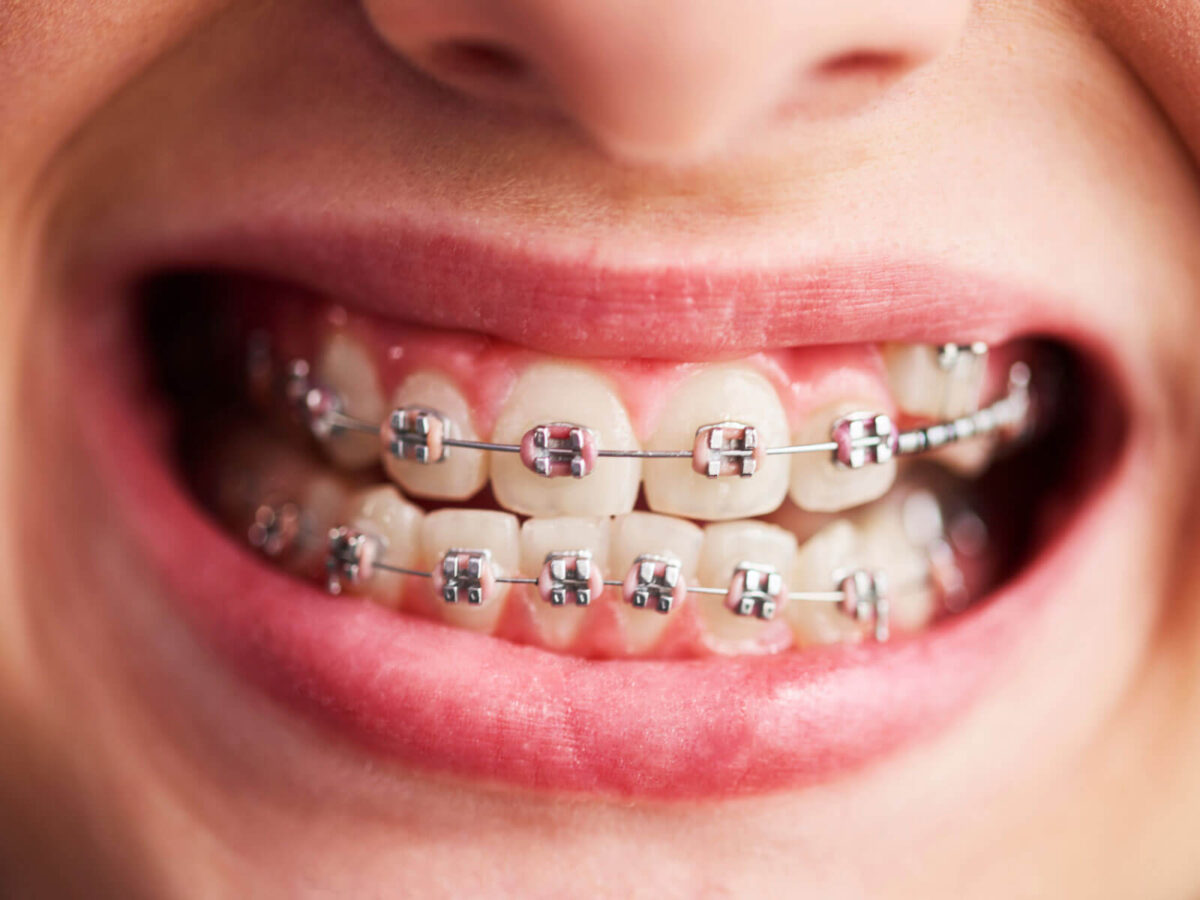
How Much Do Braces Cost at Riverwalk Dental & Orthodontics
Nobody budgets for braces until they have to. And then the first number they find is somewhere between $3,000 – $10,000. Wide enough to feel almost useless. And if you’ve tried pinning down a real figure before sitting down with an orthodontist, you already know how fast that search spirals into more tabs, more ranges, and still no actual answer.
How much do braces cost isn’t a question with one clean answer. It moves depending on your case, the type of treatment, and what your insurance is actually willing to cover.
Some people pay closer to the low end. Others, with more complex cases or a preference for something less visible than metal, end up spending significantly more. Riverwalk Dental & Orthodontics looks at all of it together. The factors that seem complicated on paper get a lot clearer once someone’s actually looked at your teeth.
What Does the Braces Fee Actually Cover
Most people assume they’re paying for the hardware and that’s it. The brackets, the wires, maybe the aligner trays. The actual fee tends to cover a lot more than that, and knowing what’s included upfront saves some unpleasant surprises later.
At most practices, the quoted price bundles in the initial exam, X-rays, all adjustment visits throughout treatment, and the retainer you’ll need once the braces come off. Some offices itemize these separately. Others roll everything into one flat fee.
Before agreeing to anything, ask what’s actually in the number. A lower quote that bills adjustments separately can quietly end up costing more than a higher one that doesn’t.
What Does How Much Do Braces Cost Actually Depend On
Most people assume the price is mostly about hardware. The brackets, the wires, the aligners. But the AAO points out that treatment costs are shaped by the type, complexity, and duration of your specific orthodontic plan, not just the appliance itself.
A mild crowding case wrapped up in 12 months is going to run less than a significant bite correction that stretches two years. The same braces, on two different patients, can carry a very different price tag.
Where you get treatment matters too. Practices in higher cost-of-living areas tend to charge more, even when the case is nearly identical.
What Are the Different Types and What Do They Run
The type of braces you choose is probably the single biggest variable in the final number. According to ADA survey data cited by Healthline, the average cost of comprehensive orthodontic treatment lies between $5,000 and $6,000. The actual range by type spreads further in both directions.
How much do teeth braces cost varies a lot depending on the option. Metal is usually the starting point for most people, with prices generally sitting between $3,000 and $7,500. Ceramic brackets are a step up in price, mostly because they’re designed to disappear against the teeth. Clear aligners move around depending on what the case needs.
Lingual braces are their own category. They sit behind the teeth, so nobody sees them, but the price reflects that. Healthline notes they’re usually custom-made for each patient, which is most of what drives the cost up.
How Long Does Treatment Actually Take
Treatment length feeds directly into cost. More time means more adjustment visits, and some practices factor that into the overall fee. Healthline reports that a typical orthodontic treatment course runs about 18 to 22 months, though that varies based on the severity of what’s being corrected.
Simpler cases can wrap up faster. More involved ones, especially bite corrections, tend to stretch well past that. Under a year on the low end, two-plus on the high end.
Adults generally run longer than kids, and most orthodontists will tell you that upfront. It’s just how it goes.
How Does Insurance Affect How Much Do Braces Typically Cost
Insurance coverage can take a real chunk out of the total. Whether it does depends heavily on your specific plan. Healthline is clear that most dental insurance companies won’t cover braces for adults, but may offer some coverage for children, and even child coverage varies significantly between policies.
How much braces typically cost after insurance really comes down to what your plan says in the fine print. If orthodontic benefits are included, there’s usually a lifetime cap, often somewhere between $1,000 and $2,000. That’s not an annual reset. It’s a one-time ceiling.
A published study in PMC found that under-18 patients consistently racked up the highest orthodontic costs per capita. That tracks, since private insurance tends to be far more generous with kids. Adult coverage is out there, but it takes some digging.
An FSA or HSA can help bridge the gap. Both let you use pre-tax dollars for orthodontic treatment. It won’t show up as an insurance benefit, but it quietly cuts what you’re actually paying out of pocket.
Does Riverwalk Offer Payment Plans
A $5,000 or $6,000 treatment fee looks different when it’s split across 18 or 24 months. Most orthodontic practices offer some form of in-house financing or work with third-party options. The AAO notes that many orthodontists offer in-house payment plans with low or no interest, allowing patients to spread costs over the full length of treatment.
It’s a question worth asking at the consultation before anything else gets decided. Some practices also offer a discount for paying in full up front.
Riverwalk Dental & Orthodontics can walk through financing once they’ve had a look at your case. What feels like a big number upfront usually looks a lot more manageable broken into monthly payments.
Why Do People Keep Delaying Braces
Delaying braces is something a lot of people do. The cost feels like a reason to wait, and waiting feels like a plan. It usually isn’t.
Crowding makes teeth harder to clean. A bite that’s slightly off now can mean jaw pain and uneven wear years down the road. The AAO notes that orthodontic treatment is an investment in long-term health, and that framing makes more sense once you’ve seen what untreated issues can turn into.
How much do braces cost today is almost certainly less than what a more complicated case will run later. Teeth don’t hold still, and neither do the fees.
FAQ
Do I need a referral?
No referral needed. Most places, Riverwalk included, will see you directly. The first consultation is usually free or close to it.
Does insurance treat Invisalign the same as regular braces?
It depends on your plan. Some insurers treat aligners and braces the same. Others don’t cover aligners at all. Worth a call to your provider before you get your heart set on a specific treatment type.
What happens to my insurance benefit if I switch jobs mid-treatment?
It doesn’t follow you. A new plan may not honor treatment that started under a different carrier. Worth a call before you assume anything.
Is there a cheaper time of year to start treatment?
Not really. If you have an FSA, spending it before it expires is the smarter move than waiting for a sale that probably isn’t coming.
What’s the Next Step
The only number that actually matters is the one that applies to your teeth, your case, and your insurance. Online estimates are a starting point. They’re not a quote.
How much do braces cost for your situation isn’t something a search result can tell you. Riverwalk Dental & Orthodontics can, once they’ve actually seen what you’re working with.
If the price has been the thing holding you back, a consultation is usually where that changes. Most people are surprised by how concrete it gets. You leave knowing what you’re actually dealing with, not just a range pulled off the internet.
Book yours with Riverwalk Dental & Orthodontics. You came here looking for a number. That’s where you’ll actually get one.

