
Blog
Dental hygiene tips for healthy teeth & gums
10 Benefits of Regular Dental Checkups
Nothing hurts, so nothing seems wrong. That’s the logic behind most skipped dental visits. I believed it too, right up until a routine exam found something I never would’ve caught on my own.
Most of what a dentist actually finds during a checkup shows up silently first. That’s the real case for the benefits of regular dental checkups, not the cleaning itself, but everything a dentist catches before it becomes a problem you can feel.
1. Early Detection Saves You Real Money
A cavity caught early costs a filling, done in under an hour, usually under $200. Wait a couple of years, and that same spot of decay reaches the nerve. Now it’s a root canal and a crown, sometimes $1,500 or more once the lab work gets added in.
Insurance companies bet on this math too. Most plans cover two cleanings a year at little or no cost, while major restorative work gets covered at a much lower percentage, which tells you exactly where the real savings sit in the benefits of regular dental checkups.
2. Gum Disease Gets Caught While It’s Still Reversible
Gingivitis is the reversible stage. Periodontitis comes after gingivitis, and it doesn’t reverse the same way. Bone loss around the teeth doesn’t come back once it’s gone. That’s why the Cleveland Clinic’s guidance on routine cleanings matters so much here: plaque and tartar buildup that brushing misses is exactly what tips gingivitis over into something permanent.
Bleeding gums during brushing are constantly waved off as “just how my gums are.” A hygienist looking at that same bleeding during a cleaning reads it completely differently, as a sign something needs attention now rather than in a year, which is one of the benefits of regular dental checkups that’s easy to miss until it’s too late to reverse.
3. Oral Cancer Screening Can Change the Entire Outcome
Just 57 percent, that’s oral cancer’s overall five-year survival rate, per Cleveland Clinic’s data on oral cancer screening. Catch it before it spreads, though, and that number climbs a lot.
Early lesions don’t look dramatic. A small white or red patch is often the entire visible warning sign, which is exactly why a full visual exam at every checkup matters so much, one of the more overlooked benefits of regular dental checkups.
4. Professional Cleaning Reaches What a Toothbrush Physically Can’t
Brushing alone leaves real gaps, and the ADA is direct about where: tight contact points between teeth and the area right along the gumline stay out of reach no matter how careful someone’s technique is. That’s exactly where plaque sits long enough to harden into tartar.
Tartar doesn’t respond to a toothbrush at all once it’s set. Only a dental instrument scraping it off mechanically actually removes it, which is why a professional cleaning exists as its own separate step from home care rather than a redundant extra layered on top of good brushing, one of the more practical benefits of regular dental checkups that has nothing to do with catching disease.
5. Your Mouth Is Connected to the Rest of Your Body More Than People Assume
Mayo Clinic points to bacteria from periodontal infections entering the bloodstream directly, contributing to cardiovascular disease and other systemic complications well beyond the mouth itself. A PMC review on the oral-systemic health connection goes further, tying poor oral health to broader inflammatory activity throughout the body, not just localized gum problems.
A dentist asking about diabetes, pregnancy, or heart conditions during an intake form isn’t checking a box. Diabetes specifically raises gum disease risk substantially, and unmanaged gum disease can make blood sugar control harder in return, a two-way relationship that’s part of why the benefits of regular dental checkups extend well past the mouth itself.
6. Persistent Bad Breath Finally Gets a Real Answer
Chronic bad breath that mouthwash and gum can’t fix is almost always a symptom pointing at something specific – trapped food particles under the gumline, an active cavity, or gum disease already underway. None of that shows up clearly without someone actually looking.
The ADA notes that regular checkups let a dentist catch gum disease or dry mouth early, before either one turns into the kind of bad breath that won’t go away on its own. It’s one of the more overlooked benefits of regular dental checkups, separating “I ate garlic” breath from the kind that keeps coming back no matter what someone eats.
7. X-Rays Reveal What Even a Careful Visual Exam Misses
Decay between two teeth, bone loss below the gumline, an impacted tooth waiting to cause trouble, none of that shows up on a standard visual exam, no matter how good the dentist’s mirror and light are.
X-ray frequency isn’t one-size-fits-all. The ADA and FDA’s guidance on selecting patients for dental x-rays generally recommends imaging every 12 to 24 months for kids with emerging teeth, adjusting from there based on risk factors like cavity history.
Skip the checkups, and this entire diagnostic layer disappears. It’s often where a bigger problem gets caught early enough to avoid a real emergency, one of the less visible benefits of regular dental checkups.
8. Checkups Help You Keep Your Natural Teeth Longer
Losing a natural tooth means losing more than just a gap in a smile. Basic things get harder – chewing, speaking clearly, and whatever fills the space afterward, an implant, a bridge, a partial denture, runs well past what the checkups would’ve cost, without ever quite matching what was there before.
The PMC study on elderly patients put numbers to this: regular checkup patients reported less dental pain, cleaner mouths overall, and fewer serious issues than the irregular-visit group in the same study. Small failures, a cracked filling, an early cavity, a tooth just starting to loosen, stay fixable for a long window. That window closes eventually, and staying on top of the benefits of regular dental checkups is what keeps catching problems while it’s still open.
9. Most Real Dental Problems Don’t Hurt Until It’s Late
By the time a tooth actually hurts, decay’s usually been at it for months already. Anyone waiting for pain before booking an appointment has already missed the window where treatment was simple and cheap.
Most healthcare works on a simple pattern: something feels wrong, then you go get it checked. Dental problems flip that logic. A checkup exists specifically to catch things during the stretch where nothing feels wrong yet, which is exactly the stretch where fixing it is simplest, one of the quieter benefits of regular dental checkups that people only appreciate in hindsight.
10. Your Dentist Builds a History They Can Actually Compare Against
A shifting bite, a receding gumline, a filling nearing the end of its lifespan, none of these show up on a single visit. They only become visible through comparison, year over year.
There’s no rigid twice-a-year rule buried in ADA guidance, whatever the number on a reminder postcard suggests. Diabetes might mean more frequent visits. Clean home care and low risk might mean fewer.
Either way, that call needs history behind it, years of records to compare the current visit against. That’s one of the quieter benefits of regular dental checkups.
FAQ
Is twice a year really the right schedule for everyone?
Not necessarily. It’s the common default, but the ADA leaves room for individual risk.
What actually goes on during a checkup, step by step?
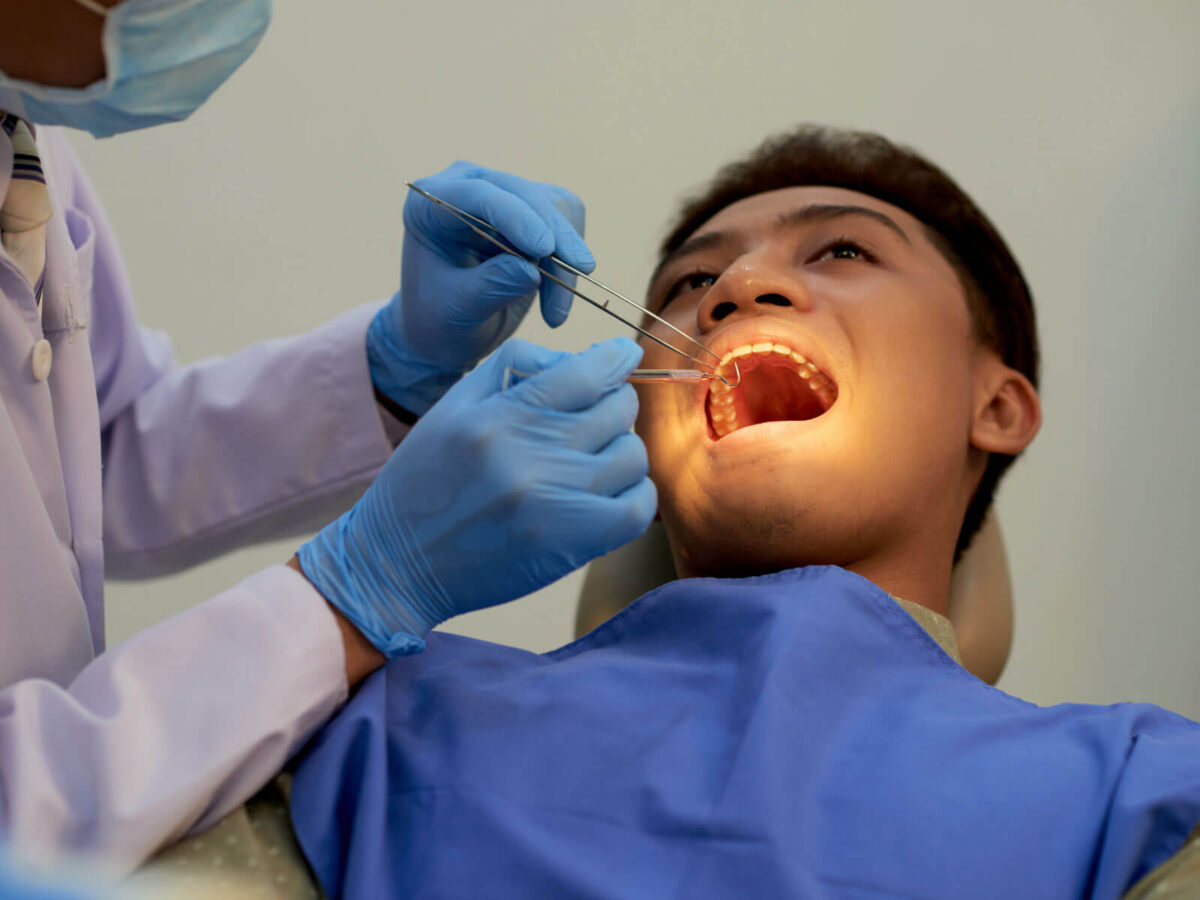
Cleaning first, then a hands-on exam of teeth and gums. A cancer screening gets folded in too, and X-rays if enough time’s passed since the last set.
Does staying on schedule actually save teeth?
Usually. A small problem caught early stays fixable instead of turning into an extraction.
No pain, no symptoms, still worth going?
Yes. Most problems don’t hurt until they’ve already progressed, which is exactly what checkups are for.
Conclusion
A polished smile is the least of it. Small problems stay cheap to fix when someone catches them early. Cancer screenings happen quietly, long before a symptom would ever send someone to book an appointment. And years of records let a dentist notice things a single visit never would, which is really the whole case for the benefits of regular dental checkups in practice, not just in theory.
Fix that gap since your last visit before it turns into pain. Once it hurts, the easy window’s already gone.

