
Blog
Dental hygiene tips for healthy teeth & gums
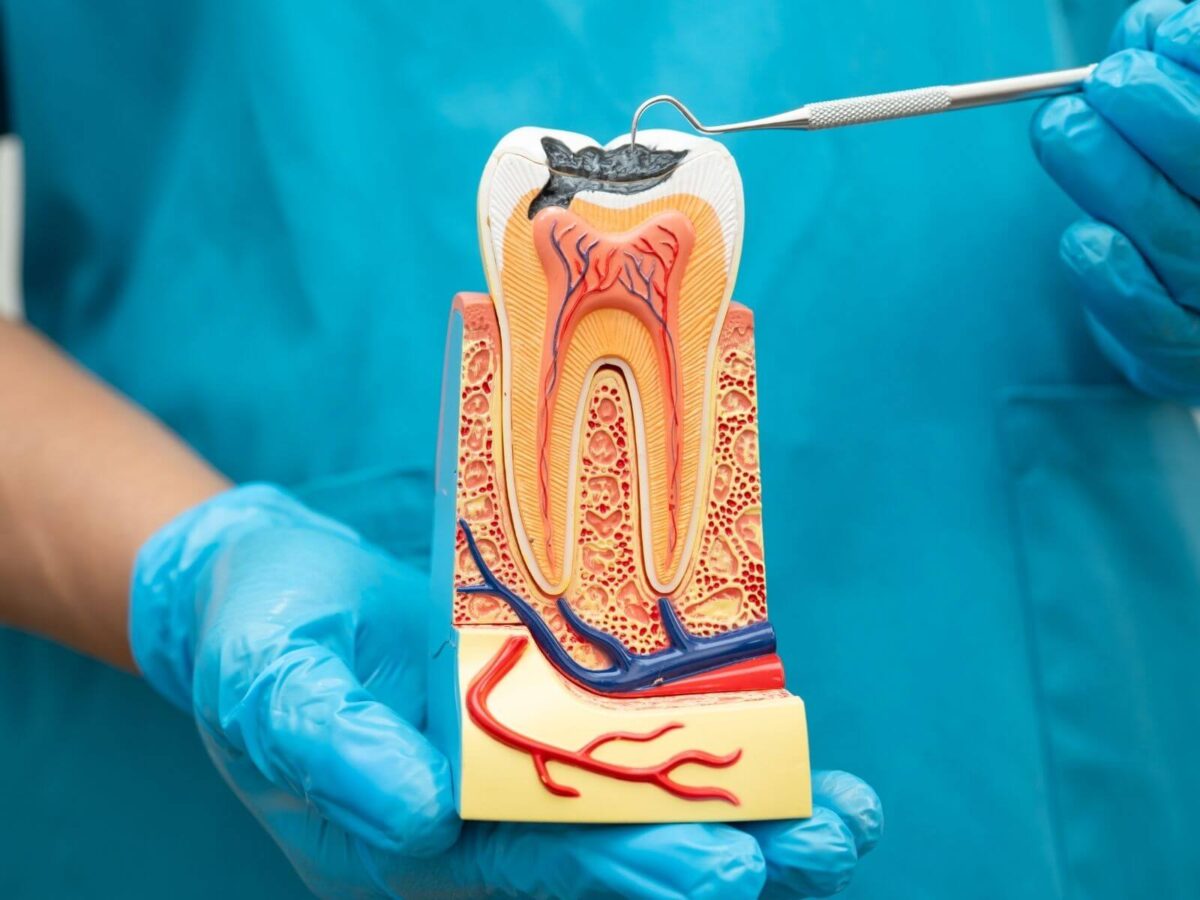
How Long Does a Root Canal Take? Procedure Time and Visits Explained
Most people expect it to take longer than it actually does.
The words “root canal” make a lot of people nervous before they even know what the treatment involves. Some imagine hours in the dental chair. Others immediately think about severe root canal pain because of stories they have heard. That reputation stuck around for a long time, even though modern treatment is usually much simpler than people expect now.
One of the first questions people ask is “how long does a root canal take?” because they assume the appointment will last forever. In reality, many treatments are finished within 60 to 90 minutes. Some teeth take less time. Molars can take longer because they are harder to clean properly. The timing mostly depends on the tooth itself and how complicated the infection has become before the tooth root canal process begins.
The Type of Tooth Changes the Timing a Lot
This part matters more than people expect. Front teeth are generally simpler because they usually have only one root canal. Molars, on the other hand, can have three or four canals that all need to be cleaned and sealed carefully. That naturally changes the appointment length.
A front tooth root canal might take under an hour in some cases. A molar can stretch well beyond 90 minutes, especially if the canals are curved or difficult to access.
That’s why two people can ask “how long does a root canal take” and get completely different answers. They may not even be treating the same kind of tooth.
Why The Tooth Root Canal Process Feels Less Scary Than People Expect
People often imagine that the procedure itself will be the painful part. That is usually not what happens. Modern root canals are done with local anesthesia, so the goal is actually to stop the infection-related root canal pain people were already dealing with beforehand.
During the tooth root canal process, the dentist first numbs the area completely. A small opening is then made in the tooth so the infected pulp inside can be cleaned properly. The canals are disinfected carefully before the tooth gets sealed to help prevent future infection.
On paper, the process sounds intense. Sitting through it usually feels far less dramatic than people expect, though.
Some Root Canals Happen in One Visit. Others Don’t
This confuses people a lot. Sometimes the procedure is completed in one appointment. Other times, dentists split it across two visits, especially if there’s significant infection or inflammation.
If the infection is severe, medication may be placed inside the tooth temporarily before sealing everything completely during the second appointment.
That’s why asking only about procedure time doesn’t always tell the full story. The total timeline depends on the condition of the tooth, too.
Why Molars Usually Take Longer
Molars are difficult for a few reasons. First, they’re farther back in the mouth, which already makes access harder. Second, they have more canals. And third, those canals can be narrow, curved, or harder to clean properly.
So while people often compare their experience to someone else’s, root canals are not all equally complicated. A molar root canal can easily take twice as much effort as a front tooth. That’s normal.
When Root Canal Pain Feels The Worst
This surprises almost everyone afterward. The actual root canal pain people remember is often the pain before treatment, not during it. That infection pressure inside the tooth tends to hurt far more than the procedure itself.
According to the American Association of Endodontists, modern root canal treatment is designed to relieve pain, and many patients compare it to getting a regular filling once the area is numb. That doesn’t mean the appointment feels pleasant exactly. But it’s usually far less dramatic than people expect.
What Takes Time During a Root Canal
A root canal can feel long even when not much seems to be happening from the patient’s side. But inside the tooth, the dentist is cleaning very small canals carefully. It is done so that bacteria do not stay trapped there afterward. The tooth root canal process involves cleaning, disinfecting, and sealing the area properly, and some of those steps simply take time.
You’re sitting there wondering if anything is happening while the dentist is carefully working inside spaces you can barely imagine fitting into a tooth. That precision matters because incomplete cleaning increases the risk of reinfection later.
What Does The Research Show Root
People often focus so much on root canal pain that they forget why the treatment exists in the first place. Root canals are usually done to save the natural tooth, and long-term success rates are actually very good when the treatment and restoration are completed correctly. Research connected to NIH-backed sources supports that pretty consistently.
Because of that, dentists usually try the tooth root canal process first whenever the tooth still has a good chance of being saved. Natural teeth generally function better long-term and help support the surrounding teeth, too.
What Happens After the Procedure
A lot of people expect the tooth to feel completely normal immediately afterward. Sometimes it does not. Mild soreness is fairly common once the numbness wears off, although it is usually much easier to manage than the original root canal pain from the infection itself.
In many cases, the treatment is not fully finished on the same day either. After the tooth root canal process, dentists often recommend a crown. It is used to protect the treated teeth as they can become more brittle later, especially back molars.
When Root Canal Treatment Takes Multiple Visits
Most straightforward cases take one or two visits. That’s the simplest answer. One visit is more common now because technology and imaging have improved a lot. But complicated infections, difficult canals, or swelling sometimes require multiple appointments. And honestly, dentists usually prefer not rushing complicated cases just to finish in one sitting.
Why People Delay Root Canals Even When They’re in Pain
Fear. Mostly fear of the procedure itself. People hear stories from decades ago and assume modern treatment still feels the same way.
But modern dentistry handles pain very differently now compared to what people imagine from older stories. Delaying treatment is often what creates bigger problems later since infections inside teeth rarely stay the same for long.
A Few Numbers That Put It Into Perspective
- Most root canal appointments last about 60–90 minutes
- Molars usually take longer than front teeth
- Modern root canal treatments have high long-term success rates (NIH studies)
- Many patients report that the procedure feels similar to getting a filling once numb
- Those numbers don’t remove anxiety completely. But they make the process feel more understandable.
FAQs
How long does a root canal take, usually?
Some treatments move pretty quickly. Others take longer depending on the tooth involved.
Do root canals always need multiple visits?
Not always. Many are completed in one sitting.
How painful is root canal pain?
The pain leading up to treatment is usually worse than the actual procedure.
What does the tooth root canal process involve?
First, the infected area inside the tooth is cleaned. Then the tooth is sealed afterward.
Conclusion
People ask, “How long does a root canal take?” like there should be one exact answer, but it rarely works that way. Some teeth are treated pretty quickly. Others take longer because the canals are harder to clean or the infection has spread deeper than expected.
That is usually why treatment time changes from person to person. The experience itself also tends to feel much easier than people imagine beforehand, especially when they hear stories about root canal pain online.
When tooth pain keeps coming back, people try to push through it. That happens a lot with the tooth root canal process because many assume treatment will feel worse than the infection itself. Usually, it is the opposite. Earlier treatment tends to be shorter, less complicated, and far easier to recover from compared to waiting until the pain becomes constant.

