
Blog
Dental hygiene tips for healthy teeth & gums
Pros and Cons of Dental Sealants: Complete Guide
The explanation about sealants is usually brief. A coating. A barrier. Something preventive. It sounds manageable while you are sitting there under the bright light, but once you get home, the simplicity of it starts to feel incomplete. Anything added to teeth, especially your child’s, deserves more than a one-sentence description. Even if the dentist makes it sound routine.
So you look up dental sealants’ pros and cons, wanting context instead of comfort. If the suggestion was made for your child, you probably searched specifically for dental sealants for kids’ pros and cons, because the stakes feel different when you are deciding for someone else. You are not trying to argue with professional advice. You are trying to understand it fully before agreeing.
When you go through the pros and cons of dental sealants, it honestly feels less dramatic than you expected. They are not some revolutionary fix. They are also not pointless. For kids who get cavities easily, especially on back teeth that are hard to clean well, they can help. But if brushing is careless every day, sealants will not save the situation. They help. They do not replace effort.
What Sealants Actually Do
Back teeth are actually pretty rough on top. There are tiny grooves and narrow spaces that you can even feel with your tongue. They are useful for grinding food, though they also give food and bacteria places to sit.
Even children who brush carefully can miss those narrow fissures. A toothbrush bristle simply doesn’t always reach the bottom of them.
What sealants do is fairly simple. The dentist places a thin layer over those uneven grooves. Once it sets, the surface is smoother than before. That smoother finish makes it tougher for food and plaque to stick around.
But numbers don’t automatically make decisions for families.
The Strong Case for Sealants
If we’re being honest, the strongest argument in favour of sealants is simple: prevention.
Cavities in back molars are common, especially during childhood.
That statistic doesn’t mean children are careless. It often reflects anatomy and habits. Newly erupted molars have deep grooves. Kids are still mastering brushing. Diets sometimes include sticky snacks. Sealants don’t fix brushing technique. They reduce vulnerability.
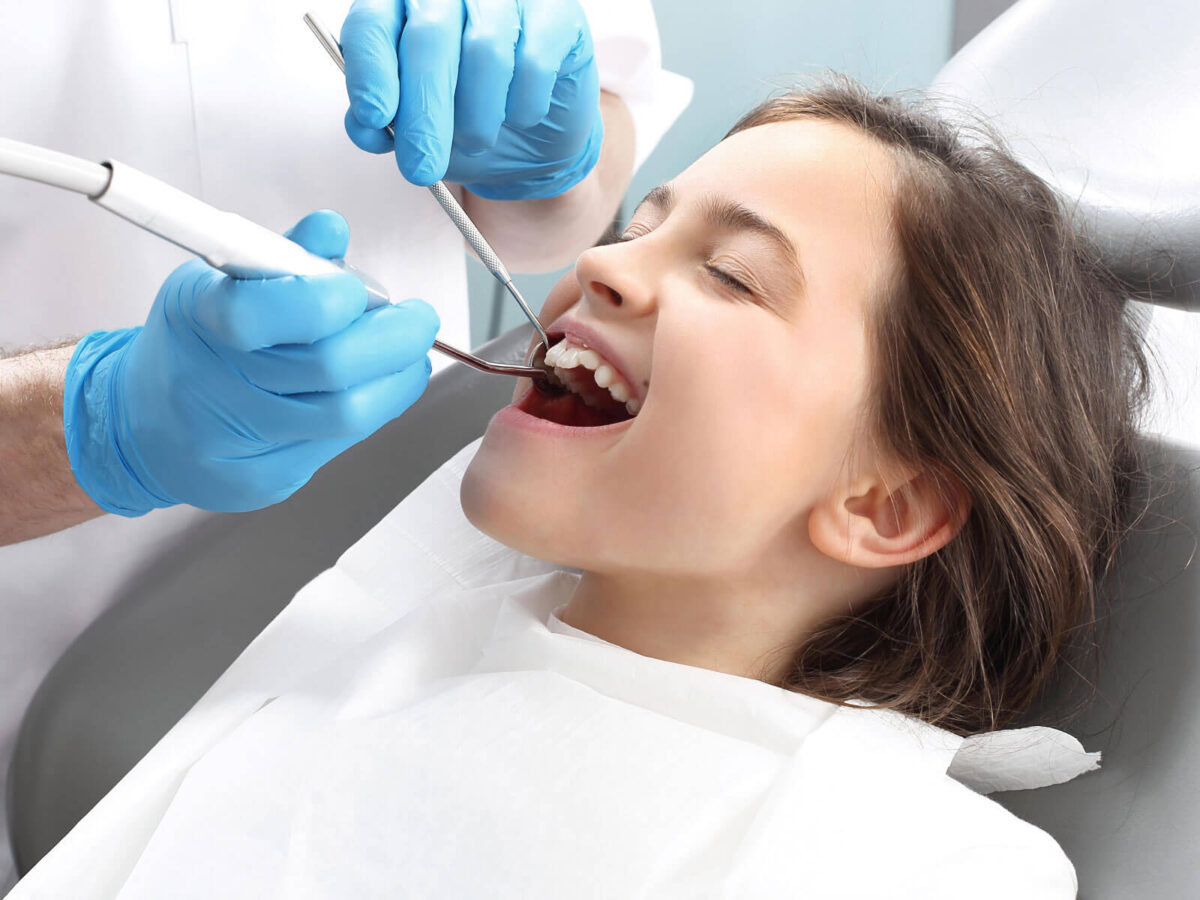
Another advantage is how easy the procedure is. There’s no drilling. No injection. The tooth is cleaned and dried. Then it is coated and cured with a light. Most kids barely notice it. When parents look at dental sealants for kids, pros and cons, the fact that it’s non-invasive often tips the scales.
And then there’s cost. A sealant is usually far less expensive than a filling. Preventing decay early may avoid more complicated treatment later. That part feels practical.
The Concerns That Make Parents Hesitate
One question that comes up often involves materials. Some dental sealants contain trace amounts of BPA-related compounds. Hearing “BPA” can immediately raise alarms.
Another issue is durability. They do not stay perfect for life. With use, sealants can wear or break in small areas. That is why dentists look at them during routine visits and add more if necessary.
The pros and cons of dental sealants come down to realistic expectations. They protect, but they do not guarantee anything long-term. In rare cases, if a cavity has already begun and is not spotted, sealing the tooth could trap it. That possibility is why a proper check always comes first. These concerns don’t invalidate sealants. They simply make the decision more thoughtful.
Dental Sealants for Kids: Pros and Cons: Why Timing Matters
The usual timing for sealants is when permanent molars erupt. For many children, that means around age 6 and later around 12 when the second molars show up. Why then? Because newly erupted molars are at their highest risk. They’re fresh. The grooves are deep. Brushing skills are still developing.
It is not identical for adults. Some could still benefit, especially if their molars are deep and untouched by decay. But many already have fillings or teeth that have worn flatter over time. So when considering dental sealants for kids, pros and cons, age naturally comes into the picture. Sealants tend to help most when those back teeth have just come in.
What Sealants Don’t Do
Sealants are not meant to do everything. They do not clean teeth, and they do not protect the sides or spaces between them. They cover a specific surface, and that is about it.
If daily brushing is irregular, sealants will not magically balance it out. They cover one surface, nothing more. They tend to matter more when good habits are already there. It is just part of understanding the pros and cons of dental sealants.
How Long Can They Keep Up?
They are not permanent, but sealants do last a while. A lot of them stay in good shape for several years, sometimes around five or longer. Dentists look at them during checkups to make sure they are still doing their job. If one starts to wear off, it can be fixed without much fuss.
That maintenance factor is part of the overall pros and cons of dental sealants discussion. They are pretty low effort overall, just not something you set and forget forever.
Is It the Right Choice for Your Child?
For some kids, sealants clearly help. Especially the ones who keep getting cavities or have those deep molars that trap everything. For others, maybe they do not change much. A child who brushes well and rarely has issues might not see a big difference.
When parents read about the pros and cons of dental sealants, it is usually not about finding a perfect answer. It is more personal than that. They are thinking about their own child. How they brush. Whether cavities have been a problem before. It ends up being less about theory and more about what feels reasonable.
FAQs
Are sealants considered safe for kids?
They’re generally viewed as safe. Reviews from dental organisations report very low exposure levels.
Does getting sealants hurt?
No drilling or numbing is involved. Most children tolerate it easily.
How long do they usually last?
Often several years. Dentists check them during routine visits.
Does every child actually need them?
Not necessarily. It depends on cavity risk and daily habits.
Conclusion
If you really step back and look at the pros and cons of dental sealants, it is not a dramatic decision. They lower the chance of cavities on certain teeth. They do not remove the risk completely. They are backed by research, but they are not something every single person must have.
For many parents, thinking through the pros and cons of dental sealants, the appeal is simple. If it prevents even one cavity, that can feel like enough. Especially if their child has already dealt with fillings before.
Some hesitation makes sense. Instead of guessing, it is usually easier to just ask your dentist why they suggested it in the first place.

