
Blog
Dental hygiene tips for healthy teeth & gums
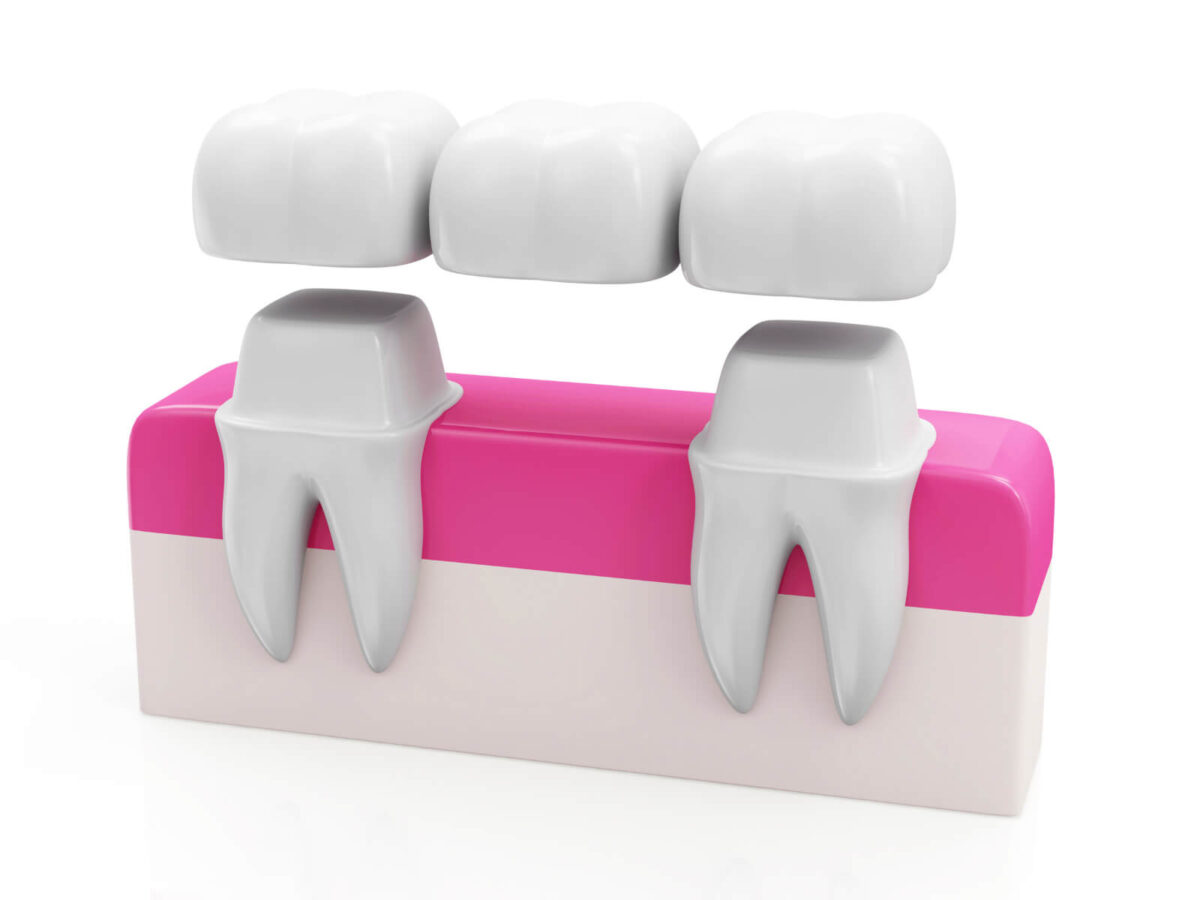
The Pros and Cons of a Dental Bridge
Losing a tooth isn’t just about looks. It can change how you eat and even how you speak. Even though you feel when you meet someone new. That small empty space can lead to bigger issues down the line.
One fix is a dental bridge. It’s not new. Dentists have been doing them for decades. But not everyone knows how they work. Or whether they’re the best choice for their mouth.
Your Beaumont Dentist, TX, can explain every option. Still, it helps to know the basics of dental bridge pros and cons before you’re in the chair.
Let’s walk through them.
What Is a Dental Bridge?
The name really fits. A bridge links the teeth on both sides of the empty space.
In dentistry, it fills the empty space left by missing teeth. A standard bridge uses the teeth on both sides as anchors. These anchor teeth get crowns. A pontic, or artificial tooth, fits in the center and remains fixed once the bridge is securely cemented.
There are variations. A fixed dental bridge is the type you’ll usually see. A cantilever bridge uses one anchor tooth. A Maryland bridge uses small wings to attach behind nearby teeth.
Your Beaumont Dental Office, TX, will help you decide which design works best for you.
The Pros of a Dental Bridge
1. Restores Function Fast
A bridge can be ready in just weeks. That means you can start using both sides of your mouth again and eat more normally, pretty quickly. People often notice the difference right away. Biting feels balanced. Talking feels easier. You stop thinking about the gap every time you eat.
2. Stops Teeth from Drifting
Gaps don’t stay empty forever. Teeth shift into them. Slowly. Quietly. Then your bite changes, which can lead to more dental problems. A bridge locks everything in place. It keeps your bite stable. And it protects your jaw from uneven wear.
3. Blends with Natural Teeth
A good bridge doesn’t really stand out. It looks like your other teeth. Same size. Same shape. Same color. Most people won’t notice it. Not unless you point it out. You can smile. Talk. Laugh. No worries about the gap or the repair. It just fits in. Feels normal. Almost like it’s always been there. Makes it easier to show your teeth and not even think about it.
4. No Surgery Needed
Implants need surgery. A bridge doesn’t. This is good news for people who can’t have a surgical procedure or just don’t want one. The process is simpler. Less healing time. Less anxiety for many patients.
5. Reliable for Years
When well-maintained, a bridge can serve you for 5 to 15 years. Sometimes even longer. That’s a lot of normal chewing, talking, and smiling.
The Cons of a Dental Bridge
1. Changes Nearby Teeth
To make room for a bridge, the teeth next to the gap are reshaped by your dentist. Crowns go on these teeth to help hold the bridge in place. Even if those teeth were healthy, they’ll now need crowns forever.
2. Will Need Replacing Eventually
A bridge can hold up for years, but eventually, the cement may loosen. Supporting teeth can get cavities. At some point, the bridge will need repair or replacement.
3. Doesn’t Prevent Bone Loss
When a tooth root is gone, the jawbone there starts to shrink. A bridge goes on top and fills the gap. It doesn’t replace the root. The bone underneath still shrinks. Slowly. Bit by bit. You might not notice it at first. It tends to happen again and again. That’s why it’s good to remember when caring for your mouth.
4. More Cleaning Steps
You can’t floss under a bridge like you do with normal teeth. You need a floss threader or a tiny brush to clean under the pontic. Skip it, and plaque starts to build up. Then your gums can start acting up.
5. Might Not Be the Forever Fix
A bridge works well for a lot of people, giving them a way to fill a gap and get back to chewing and smiling comfortably. For others, it’s more of a short- to medium-term choice, especially when the teeth next to the gap are healthy and haven’t been treated yet. Your Beaumont Dentist, TX, can help you figure out if it makes sense to prepare those neighboring teeth and whether a bridge is the right fit for your mouth and your smile.
When a Bridge Makes Sense
It’s often a smart choice if:
- You want a quick solution.
- You’re not a candidate for implants.
- The teeth next to the empty space already require crowns.
- You want to avoid surgery.
It’s less ideal if keeping bone volume is a top priority. Or if you want something that can last a really long time without needing changes. Then, there might be other choices that make more sense. It’s a good idea to talk it over with your dentist and see what works best for you.
How to Care for a Bridge
Think of your bridge like real teeth, but give it some extra attention. Brush twice a day with a soft brush, keeping it gentle. Each day, clean underneath using a floss threader or a small water flosser. Stop by your Beaumont Dental Office, TX, on schedule so your dentist can check how it fits. The better you take care of it, the longer it will stay healthy and feel comfortable.
Having a Talk with Your Dentist
Picking a bridge isn’t only about filling a gap in your smile. It’s about getting your mouth back to working properly and helping you feel confident again. Your Beaumont Dentist, TX, will take a close look at your bite and check the health of the teeth around the area. You’ll also get a chance to talk about your chewing habits and any worries you have. Your dentist will go over how a fixed dental bridge would work for you, so you understand what to expect.
Conclusion
It helps a lot to know the good and not-so-good sides of a dental bridge. Some people find it works perfectly for filling a missing tooth. Others see it more as a first step, and they might go for something more permanent later on.
The main thing is this: you want your smile back. You want your bite to feel normal. You want your mouth to stay healthy.
Take your time with it. Sit down and have a good chat with your Beaumont Dentist, TX. Ask whatever pops into your head. Forget the little stuff for now. Just sit with it for a bit. Then do what feels right. No rush. It’s your mouth, your teeth, your smile—so take care of it.

