
Blog
Dental hygiene tips for healthy teeth & gums
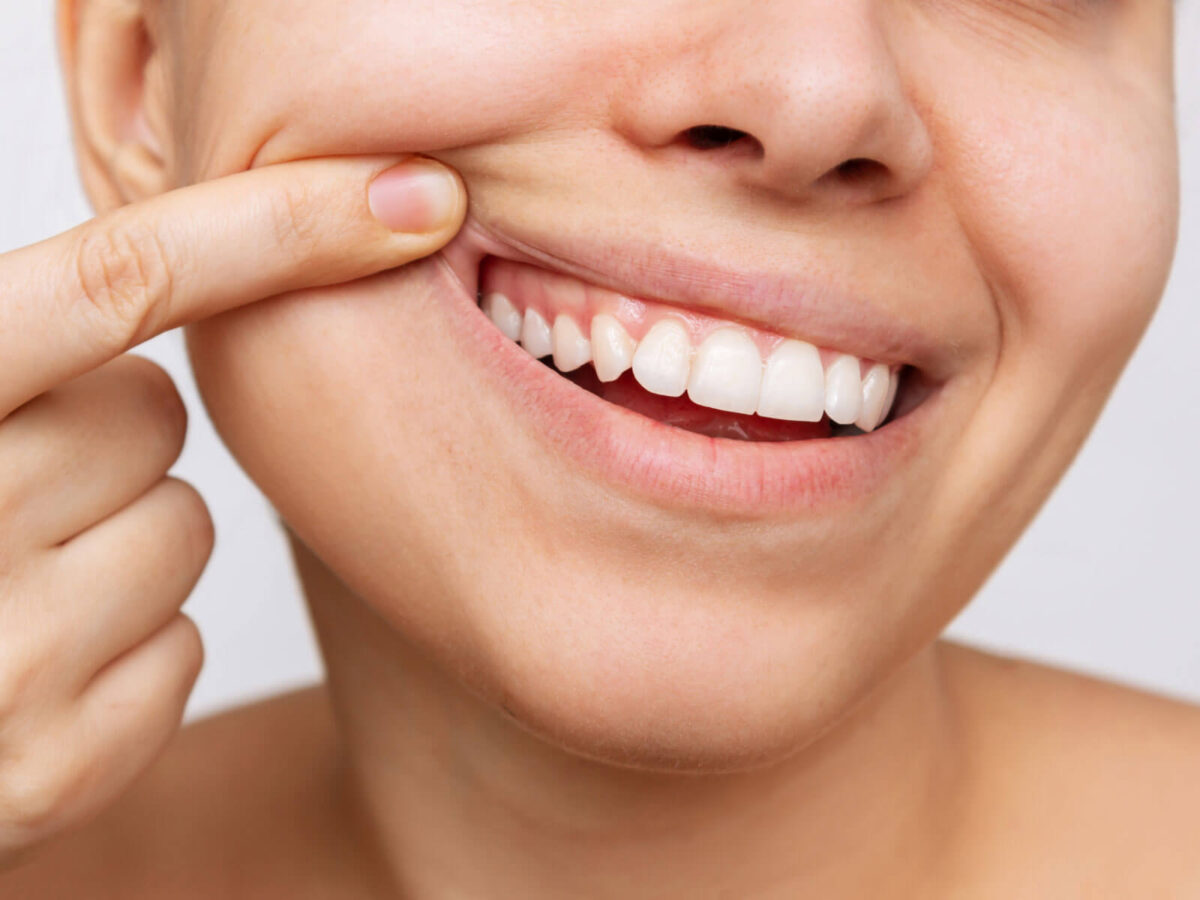
Foods for Gum Health: What to Add to Your Plate
Most dietary advice for oral health is about what to cut. Less sugar, less acid, less of anything that stains. What gets less attention is the other side of it – what to add and why it matters.
Nobody really thinks about what gum tissue is doing moment to moment, but it is doing quite a lot. Bacteria are constantly trying to get in, collagen needs maintaining, and inflammation has to be kept in check. What you eat is what makes that possible, and when the right nutrients are not there consistently, the tissue starts to show the gap.
A periodontist I spoke to mentioned that diet matters more to gum tissue recovery than most patients realise. That is what got me looking properly into foods for gum health, not as a treatment for disease, but as the nutritional foundation that makes healthy tissue possible.
TL;DR
- The research on foods for gum health kept pointing to the same nutrients – vitamin C for collagen, omega-3s for inflammation, fermented foods, vitamin K2, and polyphenols. Each one does something different for gum tissue.
- None of this is a substitute for professional care. It is about giving your gums better conditions to work in day-to-day.
Why Diet Shows Up in Gum Tissue
Gum tissue is built primarily from collagen, and collagen has to be continuously replaced. That replacement process draws entirely from what you eat, which is where diet starts to matter more than most people expect.
Inflammation is the other piece, and this is the part I found most interesting when I went through the research. The detail that surprised me most was this: it is not the bacteria that destroy the bone and connective tissue in gum disease. It is the body’s own immune response to the bacteria. What you eat affects how intense that response gets, entirely independently of how much bacteria is in the pocket.
Foods good for gum health work on one or both of those things. Either they supply what tissue needs to rebuild, or they dial down the inflammatory environment that breaks it down.
Vitamin C Sources
I did not connect vitamin C to gum health until I read about what collagen synthesis actually requires. There is an enzyme in the process that needs vitamin C to function, no exceptions. Since gum tissue is largely collagen, running low on vitamin C consistently tends to show up there first.
The early signs of low vitamin C in gum tissue look a lot like early gum disease. Bleeding when you brush, tissue that is slightly puffy. A 2021 review published through PMC found a significant association between vitamin C intake and periodontal health across multiple study populations, which made more sense to me once I understood the collagen connection.
Bell peppers turned out to be a better source than I expected. More vitamin C per gram than citrus, and no enamel erosion risk from the acidity. Strawberries, kiwi, and broccoli are the others worth knowing about. A small amount every day does more than a large amount once a week.
Fatty Fish
Salmon was already in my diet before I started looking into any of this, but the reason it matters for gum health was not something I had ever thought about.
While reading about omega-3s, I kept coming across two words I did not recognise – resolvins and protectins. It turns out EPA and DHA get converted into these in the body, and their job is to help inflammation actually finish. I had assumed gum inflammation would clear up once the irritant was dealt with. It does not, not without something actively resolving it.
A study I found indexed through the NIH linked omega-3 intake to reduced periodontal inflammation and improved clinical attachment in people with chronic periodontitis. Two to three servings of salmon, mackerel, or sardines a week is where the research points.
If fish is not something you eat, flaxseed and walnuts have ALA, which the body can convert. It does not convert as efficiently as EPA and DHA from fish, but it is not nothing.
Fermented Foods
The bacterial community in the mouth is not fixed. Different species compete with each other for the same colonization sites, and which ones win has a real effect on gum health. I had not thought about it this way before, but the mouth is essentially an ongoing competition.
I started with yogurt, then looked into kefir and kimchi as well. All three came up consistently in what I read. I kept coming across Lactobacillus reuteri specifically, and there are clinical studies showing it reduces gingival inflammation. It is not a dramatic effect, and it does not do what a toothbrush does. What it does is nudge the bacterial balance in a more favourable direction.
Plain yogurt only. The versions with added sugar are feeding exactly the bacteria you are trying to crowd out.
What’s Actually Happening in Your Gum Tissue?
Diet affects it more than most people realize. A proper evaluation shows the full picture.
Green Tea
Green tea was the one I was most skeptical about before I looked into it properly.
The polyphenols in it, called catechins, interfere specifically with Porphyromonas gingivalis, one of the more destructive bacteria in periodontal disease. What they do is disrupt its ability to stick to tooth surfaces and form biofilm. I had not expected something as ordinary as green tea to have a mechanism that specific.
A study indexed through the NIH found regular green tea consumption associated with better periodontal outcomes, reduced probing depth, and improved attachment levels, in a population study that controlled for other variables. The anti-inflammatory effect of catechins adds another layer on top of that.
Has to be unsweetened. The catechins and the added sugar are working against each other in the same cup.
Vitamin K2
Calcium was already on my radar for bone health, but vitamin K2 was not something I had thought about until I started reading about the bone around teeth specifically.
What K2 does is direct calcium into bone rather than letting it accumulate in soft tissue. The bone that holds teeth in place is subject to the same nutritional influences as bone anywhere else in the body, and periodontal disease is already working against it through inflammation.
Natto has the most K2 by a significant margin, but I have never been able to get on with it. Gouda and brie were the ones I landed on as realistic daily sources, along with pasture-raised egg yolks. Worth eating alongside something with fat in it, since K2 needs fat to be absorbed properly.
Crunchy Vegetables
Chewing something fibrous keeps saliva going for longer than most foods do. I had not thought much about saliva before this, but it turns out it is doing a lot – fighting bacteria, neutralising acid, pushing calcium and phosphate onto tooth and gum surfaces all day. Running low on it consistently is apparently one of the bigger risk factors for both gum disease and decay.
Celery does something I did not expect when I started paying attention to it. The fibrous strands catch on the gaps between teeth as you chew, which is not the same as flossing but is nothing either. Between meals, it is probably the most useful thing you can reach for.
FAQ
Which foods actually make a difference for gum health?
The ones I ended up writing about: bell peppers, salmon, plain yogurt, green tea, gouda, celery. Each one for a different reason.
Can diet reverse gum disease?
No. If gum disease is active, that needs professional treatment. Diet is what you build around the treatment, not instead of it.
How quickly does diet make a difference?
Inflammation can start shifting within a few weeks. Collagen and bone changes take considerably longer. Think months, not days.
Does sugar damage gum tissue directly?
Not directly. It feeds the bacteria that do. The overgrowth that follows produces the toxins and inflammatory response that cause the actual tissue damage.
Conclusion
The oral health conversation almost always starts with what to remove from the diet. The addition side gets less attention, and from what I found, that is where the more useful information sits.
Food for healthy gums is not a supplement protocol or a short-term fix. It is a consistent pattern of including specific things that support collagen, reduce chronic inflammation, maintain the bone around the teeth, and shift the bacterial environment in a direction the tissue can work with.
If you are in Beaumont and thinking about foods to improve gum health, the place to start is the next meal, not the supplement aisle.
Find Out What Else Might Be Affecting Your Gum Health
A proper evaluation looks at the full picture.

