
Blog
Dental hygiene tips for healthy teeth & gums
Do Dental Sealants Hurt? What You Need to Know
Lots of people ask, “Do sealants hurt?” more than you would think. Dental appointments can feel more worrying when the visit is for a child. Parents usually start picturing everything that might happen. For most kids, the actual visit is quick and usually goes by without pain. There can still be a few light sensations along the way. This guide breaks down the visit, why real discomfort is uncommon, when a brief twinge could occur, and how parents can make the experience easier.
What A Sealant Is And Why It Is Offered
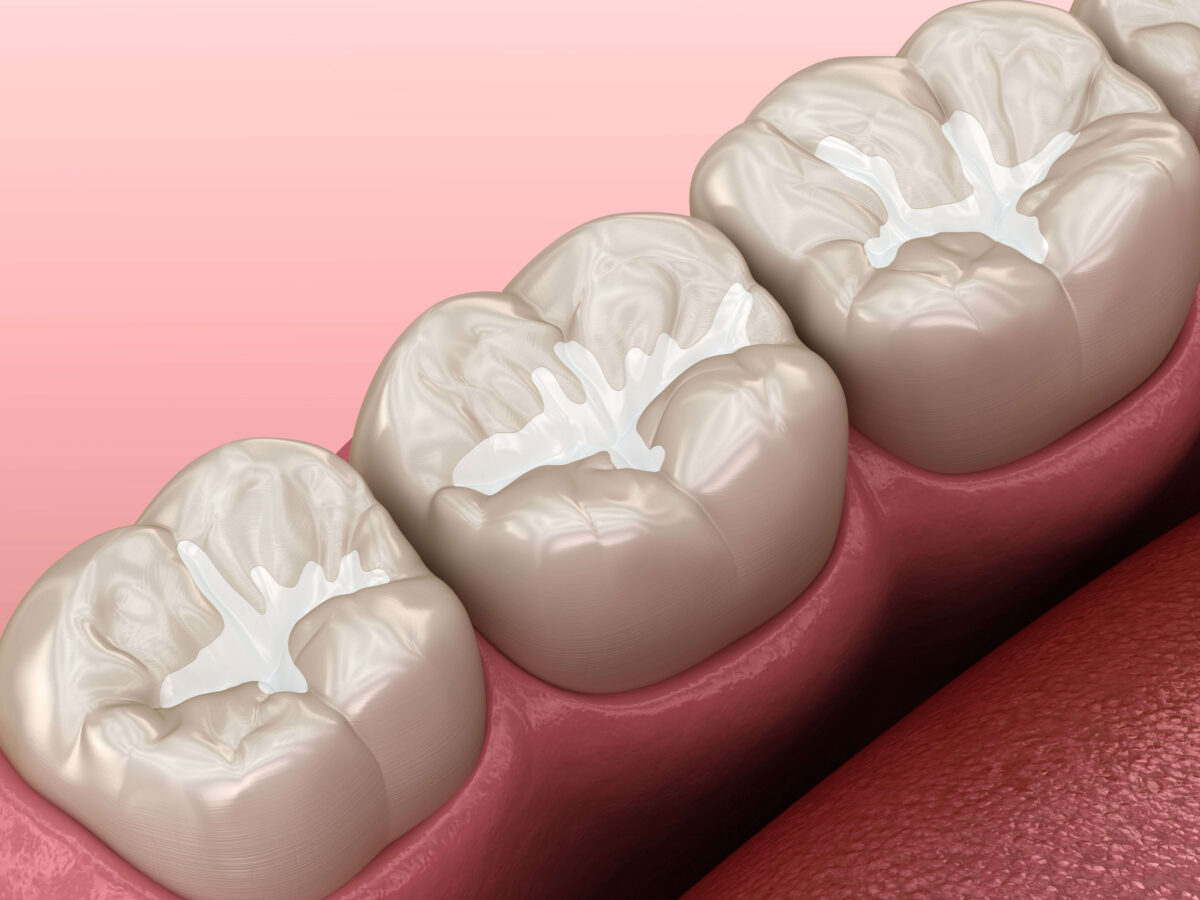
A sealant is a thin layer brushed onto the eating surface of molars. They cover small grooves so bits of food and germs don’t settle there. The material bonds to the enamel and sets in seconds. The purpose is simple: prevent cavities in spots a toothbrush cannot easily reach. It doesn’t reach the nerve and normally doesn’t hurt, because it’s only surface work.
What Happens During The Visit
Before anything else, the tooth is cleaned so loose food and plaque aren’t in the way. It is dried next, so the material will stick. The sealant is then painted into the grooves and hardened by a small light for a few seconds. No drilling occurs. No needles. That short sequence is why most people ask Do dental sealants hurt and are surprised by how calm the process is.
What Children Typically Notice
Most children say they felt nothing or a small tickle. The light’s click and the feeling of cotton in the cheek are the most common impressions. A slight taste may be noticed for a moment. Little ones might think the mouth sensations feel unusual at first, but it rarely becomes true discomfort. Many kids move on and forget about the visit soon after it’s over.
When A Child May Feel Uneasy But Not In Pain
Fear really does change how things feel. A child who’s already nervous might think even a gentle touch is a big deal. Normal movement inside the mouth can feel strange just because they’re tense. A soft voice or a short timeout often helps them calm down. When children understand they can lift a hand to pause, they relax more, and the visit feels less like a big event.
Does Drying The Tooth Cause Soreness?
As part of the placement, the tooth is dried so the surface stays free of moisture. This is usually done with air or cotton. The air stream can feel cold, which some children react to right away. It’s a short sensation and tends to fade almost as soon as it starts.
Questions like Do dental sealants hurt tend to come up when something feels different during the visit. On a healthy tooth, drying the surface isn’t painful. If there’s existing sensitivity or a bit of root showing, though, it can feel sharper, and the approach is changed to keep things comfortable.
If the Tooth Is Already Sensitive
If sensitivity exists beforehand, placing a sealant may make the area feel different because the tooth surface has changed. That change is not the sealant causing harm. It is the tooth that was sensitive to start with. In such cases, the dentist checks first, uses gentler methods, and may apply a topical desensitiser before bonding. The team avoids placing a sealant on a tooth that clearly needs other care.
Does The Curing Light Cause Pain Or Heat?
The curing light gives a brief flash as it hardens the resin. Patients sometimes notice a tiny warm sensation near the cheek. It is short-lived. The light does not heat the tooth in any damaging way when used correctly. If a child feels more than a mild warm tickle, the clinician will stop and check. That rare pause keeps things safe and calm.
Is There Soreness After The Visit?
Sealants don’t usually lead to soreness. A little sensitivity can happen at first, mostly because the tooth surface feels smoother and different. That unfamiliar feeling can stand out briefly. Questions like Do sealants hurt come from that moment, but the experience is far removed from concerns such as root canal vs extraction. If pain becomes sharp, swelling appears, or discomfort doesn’t fade, calling the office makes sense. Those checks are typically quick and uncomplicated.
Can The Sealant Cause An Allergy?
Dental resins used in clinics today are familiar materials. They’ve been part of routine care for many years. Allergic reactions don’t come up very often. In normal situations, the resin stays on the tooth surface and doesn’t move beyond that area.
Questions about safety can appear when parents ask do dental sealants hurt, especially at a first visit. When a material allergy is already known, it’s usually mentioned early so the approach can be adjusted if needed.
Does Having A Cavity Change The Answer To ‘Do Sealants Hurt’?
If a tooth has an existing cavity, it needs attention before a sealant is considered. Sealants aren’t made to cover decayed areas and can cause discomfort if used that way. Each tooth is checked before placement, and only healthy or minimally affected chewing surfaces are selected. This helps avoid issues later.
How The Team Keeps Anxious Kids Comfortable
Often, it isn’t the clock that sets the mood during a visit. Tone and pacing tend to matter more. A steady voice and short updates about what’s happening can help kids stay calm. Small pauses or soft, calm gestures often make the moment feel easier.
That context is usually behind questions like Do dental sealants hurt. When anxiety remains high, some clinics offer nitrous oxide to help children relax during the visit. The focus stays on comfort and cooperation, not sedation.
Parent Tips To Reduce Fear And Perceived Pain
Avoid scare words before the visit. Call it a quick tooth paint instead of a procedure. A favorite toy or some music they like can be a big help. You can also play little mouth-opening games at home to make it less strange. When you stay relaxed, your child often does too. Those small moves often turn what feels like a medical step into something short and familiar.
Follow-Up Checks And What To Expect Later
At routine cleanings, sealants are checked as part of the normal exam. When a small chip or light wear is seen early, it’s usually straightforward to correct. If a sealant lifts slightly, food can catch along the edge and feel odd for a short time, though this isn’t common.
This is the sort of thing that leads parents to ask Do sealants hurt, even though it’s usually not a big problem. Regular dental visits help confirm the sealant is secure and allow quick tweaks before anything grows.
When To Call The Dentist
When pain sharpens, swelling appears, or something feels loose after a day or so, that’s usually when a call happens. Those conversations are rarely urgent. Many end with reassurance or a quick appointment to smooth or repair the area. Teams would rather take a short look than have someone worry at home.
Final Thought
The question “Do dental sealants hurt?” comes up a lot, sometimes even from parents who aren’t especially worried. In practice, many children barely react. A short tickle or an odd sensation can happen, but it’s not usually painful. If there is some sensitivity afterward, it often goes away within a few days.
Children with known sensitivity or frequent cavities sometimes need a gentler approach. Letting the clinic know in advance helps with that. Some offices use short explanations or simple pause signals, which can make the visit feel calmer overall.

