
Blog
Dental hygiene tips for healthy teeth & gums
Does Dental Cleaning Damage Enamel?
Why This Question Comes Up So Often
The question does dental cleaning damage enamel usually doesn’t come up randomly. It tends to surface later, often after someone notices slight sensitivity once they’re back home. The teeth feel smoother than before. A sip of cold water feels sharper. That small shift is enough to create doubt.
Enamel is something people are told to protect at all costs. It doesn’t grow back. Once it wears down, it stays that way. So when tools scrape against the tooth surface, it’s understandable to wonder what’s actually being removed.
The sound of scaling makes it more confusing. It doesn’t sound gentle. The scraping noise feels stronger than what’s truly happening. Even without pain, the experience can seem aggressive.
This is where the worry often turns specific, leading to the question does professional teeth cleaning damage enamel, or, on a broader level, does teeth cleaning damage enamel over time? The fear usually isn’t about that moment in the chair. It’s about long-term effects.
What Is Actually Being Removed During Cleaning
During a cleaning, they’re not scraping away your actual tooth. They’re really just removing buildup that’s been there for some time. Plaque shows up daily. It doesn’t matter if someone brushes well. Some of it still lingers. It starts off harmless. You wouldn’t even notice it.
But leave it sitting there, and over time it stiffens into something that won’t budge easily. That’s tartar. And once it gets to that stage, your toothbrush isn’t winning that fight. It locks itself along the gum line and just stays there. Since it builds up bit by bit, most people don’t even realize how different their teeth have started to feel.
So when that layer is finally removed, the difference can feel dramatic. The surface underneath feels smoother than expected. Almost slippery. Sometimes a little sensitive to air or cold drinks. It’s not that enamel has been shaved down. It’s that something that had been sitting on top of it is suddenly gone. That shift can trick your mind into thinking something was lost, when really what changed is that the natural surface is exposed again after being covered for so long.
But enamel is significantly harder than plaque or tartar. According to the National Institute of Dental and Craniofacial Research, enamel is the most mineralized tissue in the body. [Source] Professional tools are designed to remove deposits that sit on top of the tooth — not the tooth itself.
Why Sensitivity Afterwards Feels Concerning
People often ask, “Does professional teeth cleaning damage enamel?” because of what they notice afterwards. The appointment may have gone smoothly, but later on, their teeth feel a little more reactive. A sip of something cold lingers longer than usual. That small shift can create doubt.
When hardened buildup is removed, areas that were covered for a long time are exposed again. After tartar is taken off near the gums, the teeth don’t always feel the same right away. If there was any swelling before, it may ease, and that can uncover a small area that wasn’t as exposed earlier. That shift can make sensitivity more noticeable for a short time.
It usually doesn’t last long. Things calm down on their own, and what you’re feeling is often just the difference between having built up there and suddenly not having it anymore. As the tissues stabilize, the sensitivity typically becomes less noticeable.
Where Enamel Wear Actually Comes From
Enamel usually doesn’t thin out because of one single reason. It’s more about what keeps happening day after day without much thought. Drinking acidic beverages regularly, grinding at night without realizing it, or brushing a little too firmly can slowly wear away at the surface. You don’t notice it right away. It’s something that develops over time, quietly.
A cleaning at the dentist isn’t something that happens every week. It’s spaced out, usually just a few times a year, and the goal is simply to clear away tartar that brushing can’t remove at home. What really shapes enamel over time are the daily habits in between appointments. Those happen constantly. The Centers for Disease Control and Prevention recognizes regular dental checkups as part of ongoing oral health maintenance. The idea behind those visits is to keep small issues from turning into bigger ones, not to create new damage.
Why Skipping Cleanings Can Be Riskier
Some people feel that skipping cleanings might somehow protect their enamel. If the scraping sounds harsh, it can make fewer visits seem safer. That’s often when the thought Does teeth cleaning damage enamel starts to take hold. Plaque doesn’t just sit there. It can create acids while it lingers, and that continues until it’s removed. Once it hardens into tartar, bacteria tend to stay close to the gum line.
If it isn’t removed, the teeth just keep sitting in that same acidic setting. After a while, that can have more impact than the cleaning people worry about. It becomes less about the tools used during an appointment and more about what happens when bacteria are left alone for months.
Why the Sound Feels Worse Than the Reality
It’s worth acknowledging something simple. The sound of scaling feels harsher than the actual contact on the tooth. Metal against hardened tartar creates noise. That noise can feel aggressive, even though the pressure is controlled.
Many patients assume that if it sounds forceful, it must be removing tooth structure. In reality, enamel is far harder than the deposits being removed. Perception doesn’t always match physical effect. That mismatch fuels the concern behind the question.
What Dentists Watch For During Cleaning
Before they begin, hygienists usually take a quick look at how the teeth are holding up. If there are signs of grinding or acid wear, they simply work a bit more carefully in those areas. It isn’t about using pressure. It’s about clearing buildup without stressing the surface, even if someone walks in wondering, “Does professional teeth cleaning damage enamel?”
When enamel wear is obvious, the focus isn’t on scraping harder. It’s more about protecting what’s left, whether that means fluoride or dealing with grinding at night. A cleaning appointment ends up being more than just a cleanup. It’s also a checkpoint to see how things are holding up.
When Concern Is Reasonable
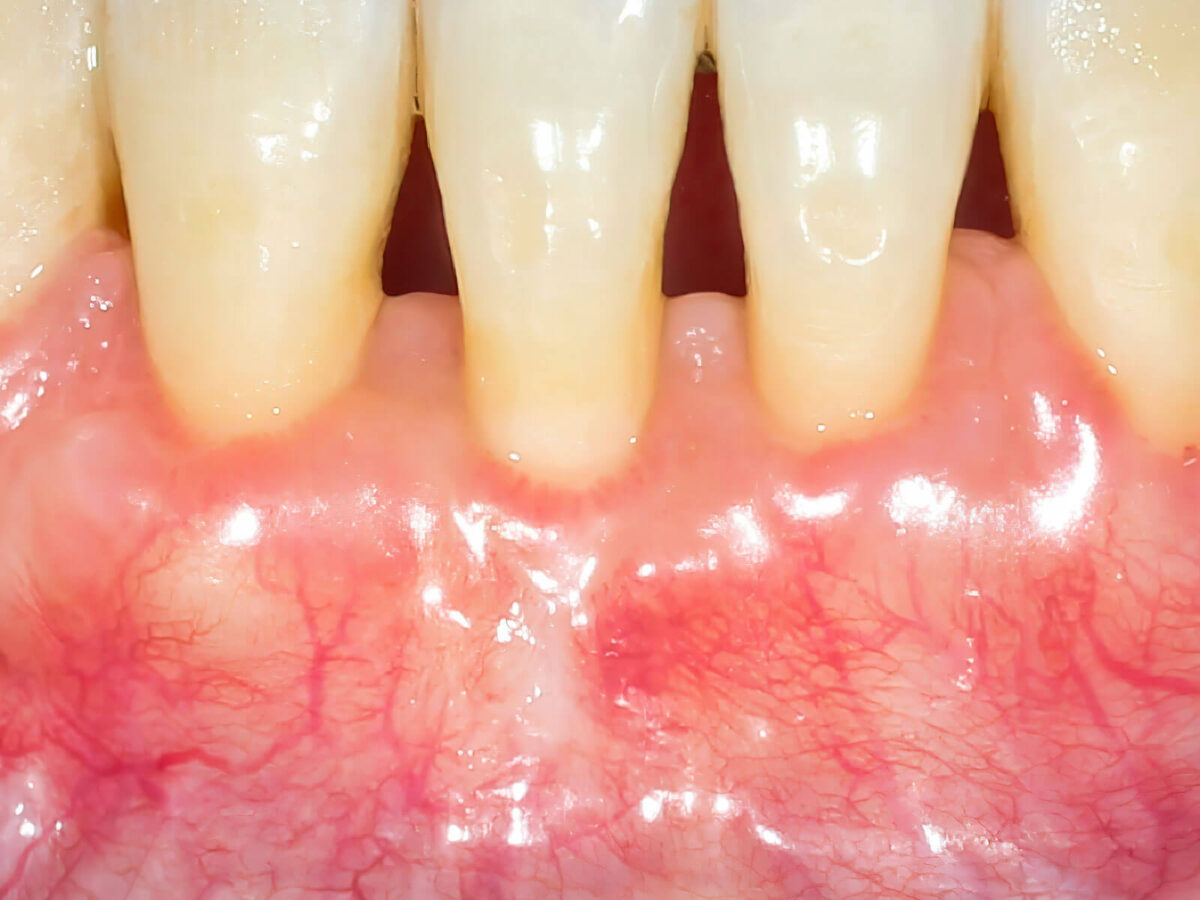
If things still feel sensitive a week later, or sharper than you’re used to, mention it when you go back in. That kind of feeling doesn’t automatically mean enamel was damaged. Sometimes it’s related to gum recession that exposes dentin, or erosion that was already there. Having that conversation can clear up a lot of doubt.
The question “Does dental cleaning damage enamel?” tends to feel less dramatic once you look at your own situation. Your own dental history usually tells you more than broad worries about the procedure ever could.
FAQs
Can a cleaning cause lasting enamel loss?
No. Cleanings just remove buildup. Not healthy enamel.
What if my teeth are already sensitive?
Sensitivity often reflects exposed dentin or prior wear.
Are cleanings every six months safe?
Standard six-month intervals are generally safe for healthy teeth.
Would avoiding cleanings protect enamel?
Skipping visits may increase exposure to plaque and tartar.
Conclusion
It’s normal to wonder about “does dental cleaning damage enamel”, especially since enamel doesn’t grow back once it’s worn down. But cleanings are focused on clearing buildup that can weaken teeth if left in place. When sensitivity shows up afterwards, it’s often temporary and related to exposed areas that were already there.
If the feeling sticks around, tell your dentist when you’re back in. You don’t need to explain it perfectly — just describe what it feels like. Your dentist can check the area and talk you through it so you’re not left guessing.

