
Blog
Dental hygiene tips for healthy teeth & gums
How Long Does It Take To Recover From A Root Canal?
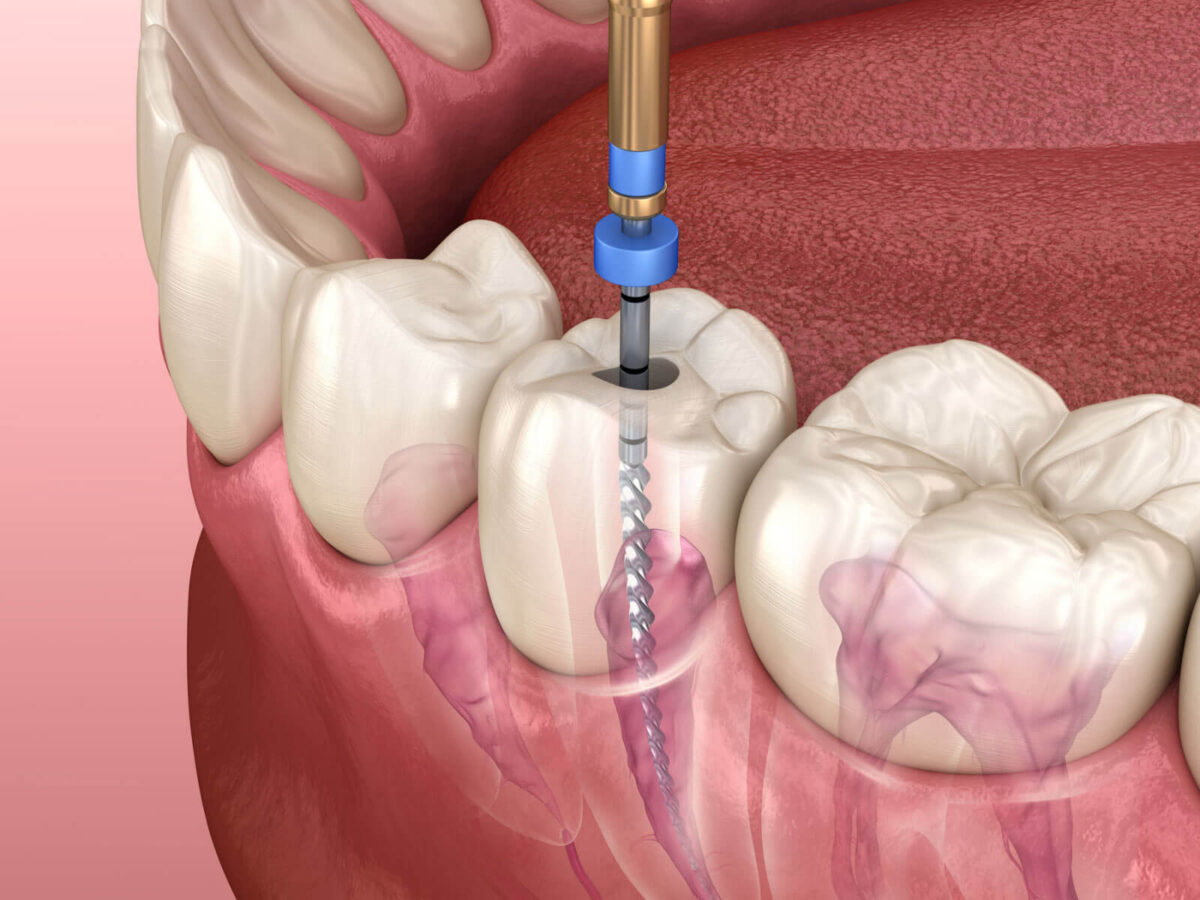
A root canal can sound scary. The name alone puts people on edge, but the procedure saves a tooth from extraction. Knowing the typical Root canal recovery time helps calm nerves. It also helps plan meals, time off work, and follow-up visits with a Beaumont Dentist TX.
This article lays out what to expect in simple language and clear steps. It covers the first hours, the first days, the first weeks, and the longer healing that happens under the surface. It also shows signs that mean a call to the Beaumont Dental Office TX is needed.
Why recovery time varies
Everyone heals differently. Age, health, and the type of tooth make a difference. Front teeth heal faster than back molars most of the time. Old infections take longer to settle. A small, routine root canal will feel different than a retreatment or a tooth with heavy infection.
How the dentist works also matters. Some root canals are done in one visit, while others need two. If a temporary filling is placed, the final restoration waits. The full root canal healing process includes the inside of the tooth, the gum around it, and the bone under it. Each part has its own timeline.
The first few hours
The hard part’s over. The dentist cleans out the infection, seals the canals, and you’re good to go. Once the numbness fades, that first “ouch” when air hits can surprise you. For most people, the pain is mild and usually peaks within a day. Others hardly feel a thing.
Once the procedure is done, the tooth may ache or puff up a little, which happens often. Biting on that side isn’t comfortable, and gums can stay tender for several days. An ice pack usually helps, and a regular painkiller works fine if you take it the way your dentist said.
If you had stronger meds, give yourself some time before you drive anywhere. The rest of the day, just take it easy. Stick to soft stuff, drink some water, and leave the heavy chores or gym for another day.
Day one to two: the peak
This is when the tooth often feels the most sore. That does not mean the root canal went wrong. The tooth is fixed. The tissues around it are just healing and can stay sensitive for a while.
Keep food soft and avoid chewing on that side if you can. Hot or cold drinks may set it off, so keep things mild. After you eat, rinse with warm salt water. It helps wash out food and keeps the gums calm. If you get antibiotics, take them the way your dentist told you and finish the pack.
Days three to seven: steady improvement
Most people notice things improving here. Pain lets up, the swelling settles, and eating isn’t as tricky. Chewing slowly comes back to normal. If a temporary filling was placed, it may feel a little different, but that’s expected. The temporary material simply protects the tooth until the final crown or filling is done.
If pain worsens after it first improves, call Beaumont Dental Office TX. New swelling, fever, or severe pain may signal infection or a missed canal, and quick checkups can catch it early.
Week two to four: soft tissue heals, crown planning
By this stage, the gums are healing well and the seal is holding. Most of the pain has gone, and eating is usually comfortable again.
The tooth still needs a proper finish. For some teeth, a filling is enough. For molars, though, a crown is safer because it gives more protection and helps you chew properly. The timing depends. Some dentists do it within weeks, others wait longer if the tooth has a bad infection.
It’s worth getting it done. If the tooth isn’t protected with a good cover, bacteria can slip back in. Healing drags on, and you could need another round of treatment later.
Months: bone and deep healing
Healing under the gum takes time, as the bone may need several months to recover. If the root tip was infected, the surrounding bone must repair itself slowly. Over time, your body removes the damaged bone and fills it in with new bone. Most people heal in three to six months, though for some it can stretch to a year.
Your dentist will take X-rays after a root canal to see how the tooth is healing. They put the new one next to the old one and look for changes around the root. If things look better and the tooth feels normal when you eat, that shows the treatment is working.
What affects recovery time
Healing speed isn’t the same for everyone. Age and health matter a lot. People with diabetes or immune conditions may notice it takes longer. Smoking makes it tougher too, because less blood reaches the area. Steroid medicines can change how your body handles swelling and slow down healing.
Every day habits matter too. Grinding or clenching adds pressure on a healing tooth and can cause soreness. A night guard helps if that’s an issue.
The type of root canal matters. Re-treatment is harder. A tooth that had a previous root canal and reinfection needs extra work. Sometimes an apicoectomy is required. That is minor surgery to remove the root tip and infected tissue. That has its own recovery timeline.
When to call the dentist
Some soreness is fine, but pain that keeps getting worse isn’t. Call your dentist if swelling gets worse, or if you get a fever or pus. Also, get in touch if the filling comes out or the tooth feels too high when you bite.
The Beaumont Dental Office TX can sort these problems quickly, and it’s best not to wait.
Long-term care
A root canal tooth can last many years if you care for it. Brush twice a day, floss, and keep up with cleanings at Beaumont Dental Office TX. Try not to bite ice or other hard stuff. Don’t tear things open with your teeth, and if you play sports, wear a guard.
If the tooth starts feeling sore or loose later on, check in with your dentist. It’s not common, but early checks keep problems small.
Final thoughts
A root canal can save your tooth, and healing is usually pretty easy. The pain eases fast, and within a week or two, you’ll likely feel fine, even if the bone still needs time. Just follow your dentist’s directions, start with soft foods, and reach out if anything seems unusual.
A trusted Beaumont Dentist TX and the team at a Beaumont Dental Office TX are ready to help through the root canal healing process. Quick checks save teeth and time. If a root canal is scheduled or has been recently done, book a follow-up with a Beaumont Dentist TX. Call if you’ve got pain, swelling, or questions about healing. It’s better to look at it sooner.

